Activities in Kashmir: The Ultimate Guide to Things to Do
Introduction
Kashmir, “Paradise on Earth.” This region truly lives up to the name. Mountains, valleys, lakes, everything is stunning. It’s not just the sights; the activities in Kashmir make a visit memorable. Millions come every year, drawn not only by the views but also by adventure, culture, and those quiet moments that both relax and excite.
A shikara glides slowly on Dal Lake, mist curling above the water, oars dipping in rhythm. Hiking through alpine meadows brings the sharp, fresh scent of pine. In winter, the slopes are perfect for skiing. Markets are vibrant, chaotic, and full of energy. The magic doesn’t appear all at once; it arrives gradually. A sip of fresh kahwa. Water lapping gently against a houseboat. Sunlight strikes a mountain peak at the right angle. Small moments, yet unforgettable. Planning can feel tricky. Families, couples, and solo wanderers all find something that works. This guide lists the top things to do and the best activities in Kashmir, with tips from locals and a few insider quirks rarely found in usual travel guides.
Shikara Rides on Dal Lake: Best Time and Tips
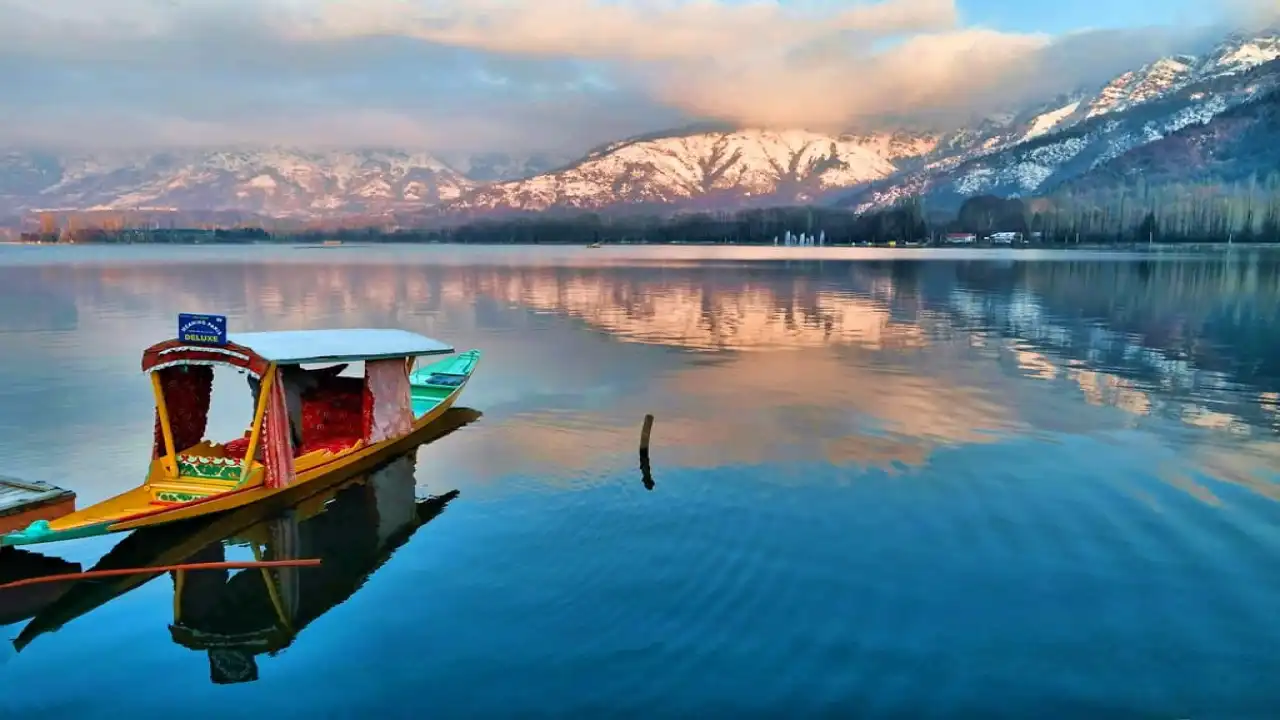
Dal Lake shikara rides dominate every Kashmir itinerary. They're fine. Genuinely pleasant for about 45 minutes as you glide past floating gardens and houseboats. But the experience gets stretched into 2-3 hour affairs where boatmen aggressively push shopping stops at "family businesses" that definitely pay commission.
After the first hour, you're just sitting in a boat while someone rows slowly and points at the same mountains from different angles. This might be an unpopular take, but if you're spending more than an hour on a shikara, you're padding your itinerary rather than experiencing something meaningful. Better to do a quick sunrise ride – around 6 am departures work best before tourist crowds appear, then move on to things that actually engage you.
Hidden Trekking Routes in Gulmarg and Pahalgam
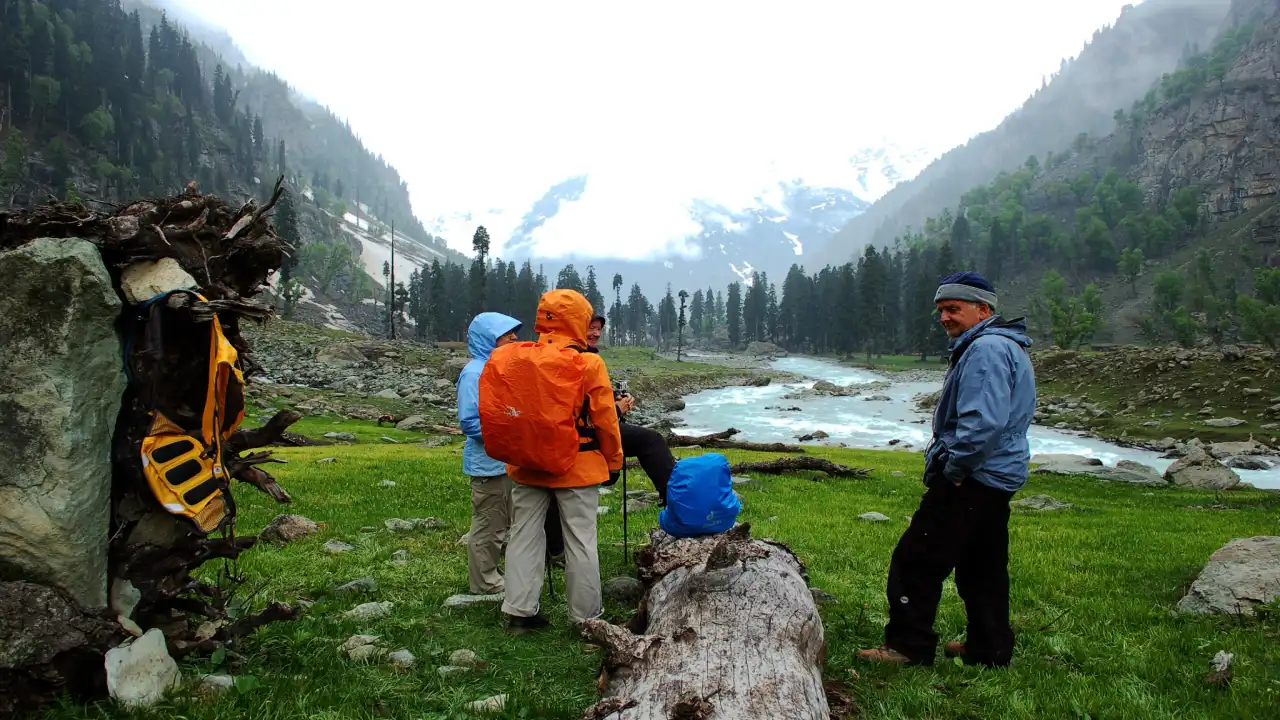
The activities in Kashmir that actually fill days with substance tend to involve some level of physical exertion. Gulmarg is more than just a winter ski spot. During summer and early autumn, trekking routes open up that most visitors overlook, focused mainly on the gondola ride. The Gulmarg to Khilanmarg trek takes about 2-3 hours, depending on fitness levels. It’s not very difficult but leads away from gondola crowds into meadows where local shepherds are more common than tour groups.
The elevation, around 2,700-3,000 meters, can affect some visitors, especially those coming from sea-level cities. Pahalgam has a broader range of trekking options. The Aru Valley trek suits a day hike for moderately fit travelers. Betaab Valley, just 15 kilometers from Pahalgam center, offers striking mountain scenery without the need for overnight camping. However, the valley name comes from a Bollywood film shoot, which feels somewhat commercial but the actual setting holds up regardless of the marketing origins.
Now here's the interesting part about activities to do in Kashmir involving trekking: permits can be complicated. Some routes require registration at local police stations. Others need guidance on arrangements that aren't optional. The exact requirements vary depending on current security protocols, so checking with local tour operators a few days before attempting independent treks prevents issues.
Skiing in Gulmarg: What to Expect
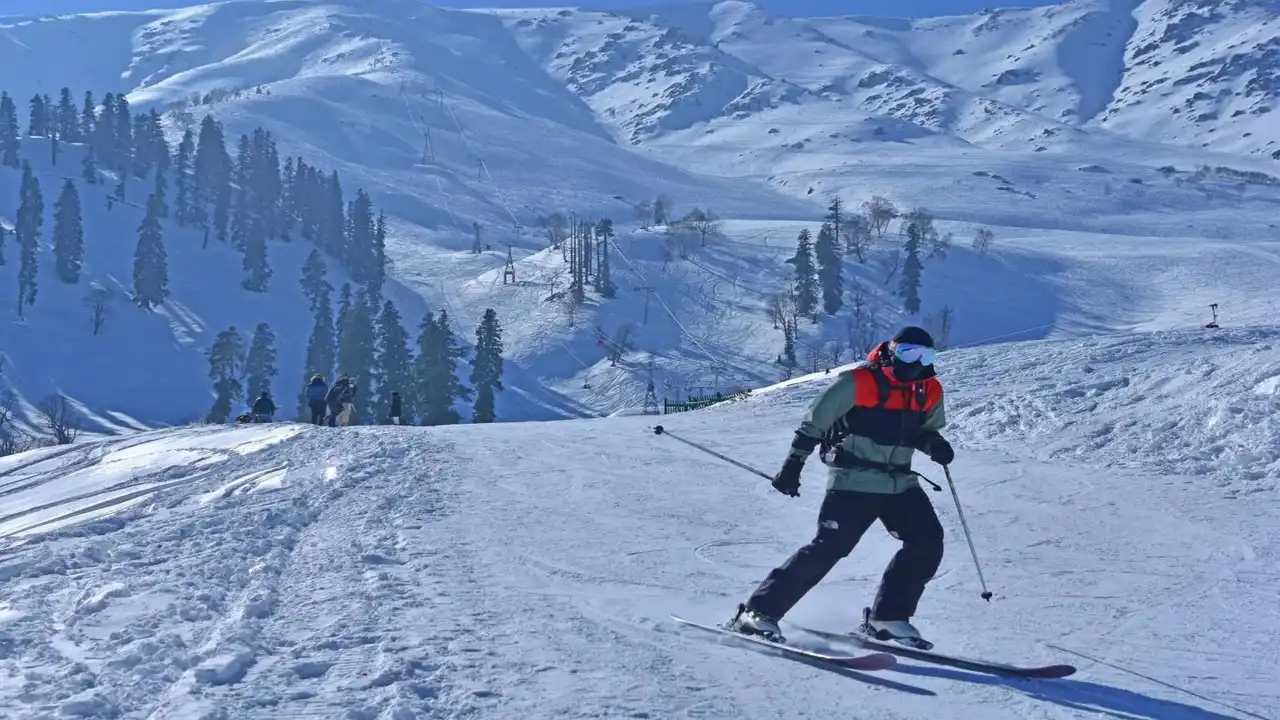
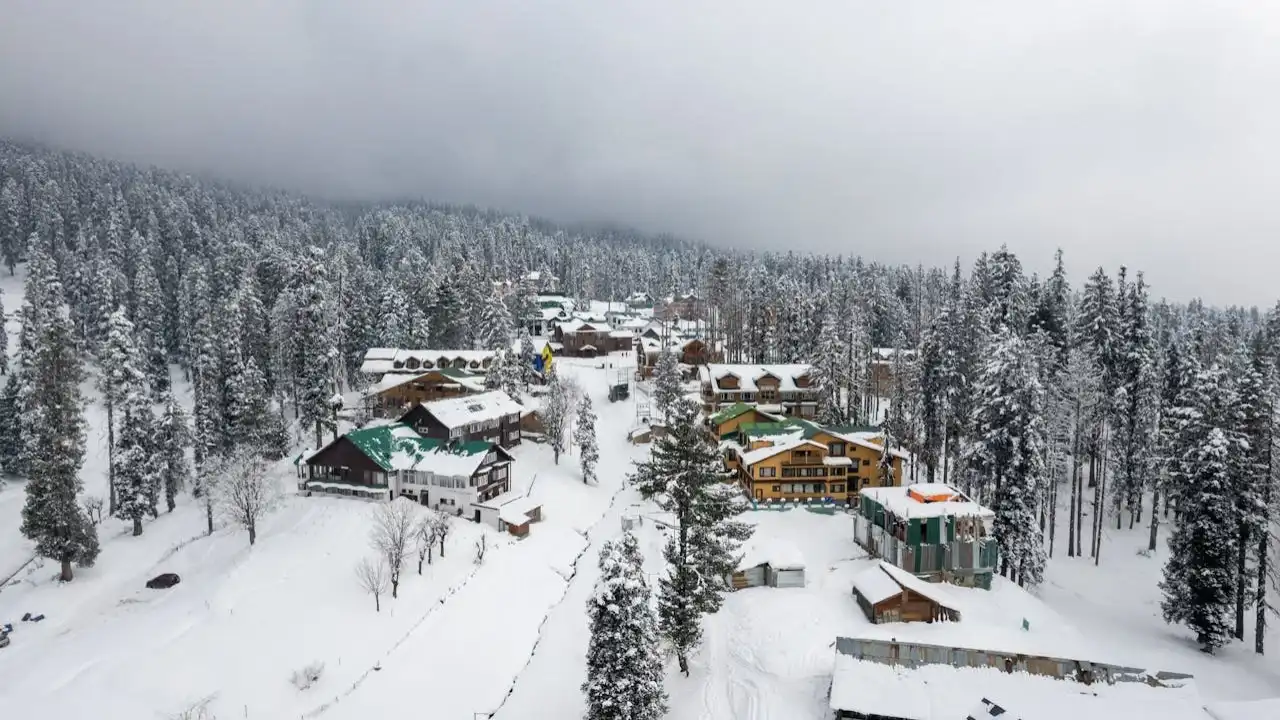
Gulmarg is marketed as India's premier ski destination. And technically that's accurate. But "premier in India" doesn't translate to Alps-level experiences. The skiing works for intermediates and people who've never skied in proper mountain resorts. Advanced skiers often find it underwhelming unless they're specifically there for the off-piste powder skiing, which carries serious avalanche risks and absolutely requires professional guides. The gondola, Asia's highest, operates in two stages, reaching an elevation of around 3,900 meters. The First stage fills up quickly during the peak winter months (December-February). The second stage closes frequently due to wind conditions. If you're planning activities in Kashmir around skiing specifically, build flexibility into your schedule. Weather determines operations more than posted hours.
Equipment rentals exist, but quality varies significantly. Serious skiers bring their own gear. Beginners can manage with rental equipment for basic slope practice. The ski instruction available lets just say it works for first-timers who need the absolute basics. Anyone expecting professional technique coaching should adjust expectations. Going back to what was mentioned about seasons, the ski season runs roughly from December through March, sometimes extending into early April. But February typically offers the best conditions if you're choosing specific months. January can be too cold for enjoyable skiing, and March brings variable snow quality. Though climate patterns might have shifted recently, take this assessment with appropriate skepticism.
White Water Rafting on the Lidder River
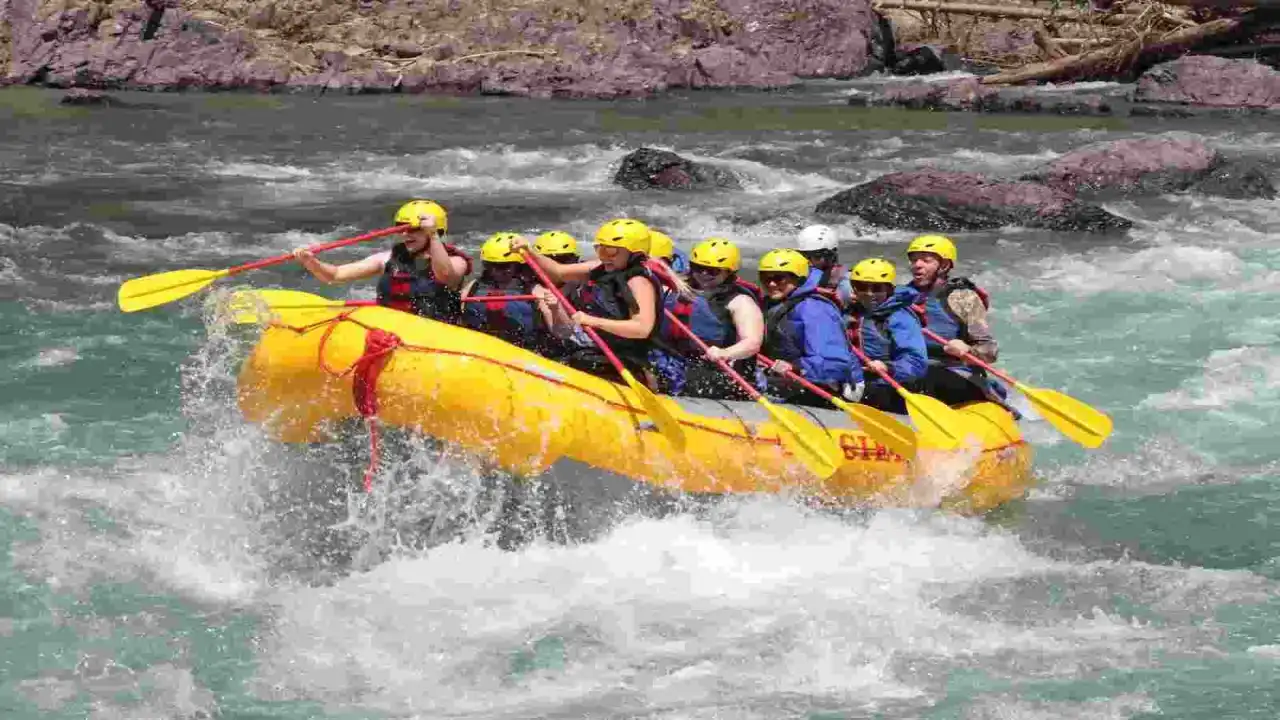
Contrary to popular belief that Kashmir only offers mountain and lake activities, the Lidder River near Pahalgam provides legitimate white water rafting. Grade II and III rapids are mostly not extreme adventure stuff, but engaging enough to feel like an actual activity rather than passive sightseeing. The rafting season spans April through June, generally. Water levels drop too low after the monsoon transitions end. Rapids intensify during May when snowmelt peaks. Operators charge somewhere around ₹800-1,500 per person for 2-3 hour runs, though exact pricing isn't clear without checking current rates. Safety standards vary. Some operators maintain proper equipment and follow protocols. Others cut corners in ways that become obvious once you're on the water. Looking for guides who actually explain safety procedures rather than just handing out life jackets helps filter out questionable operations.
Kashmiri Handicrafts: Workshops and Authentic Experiences
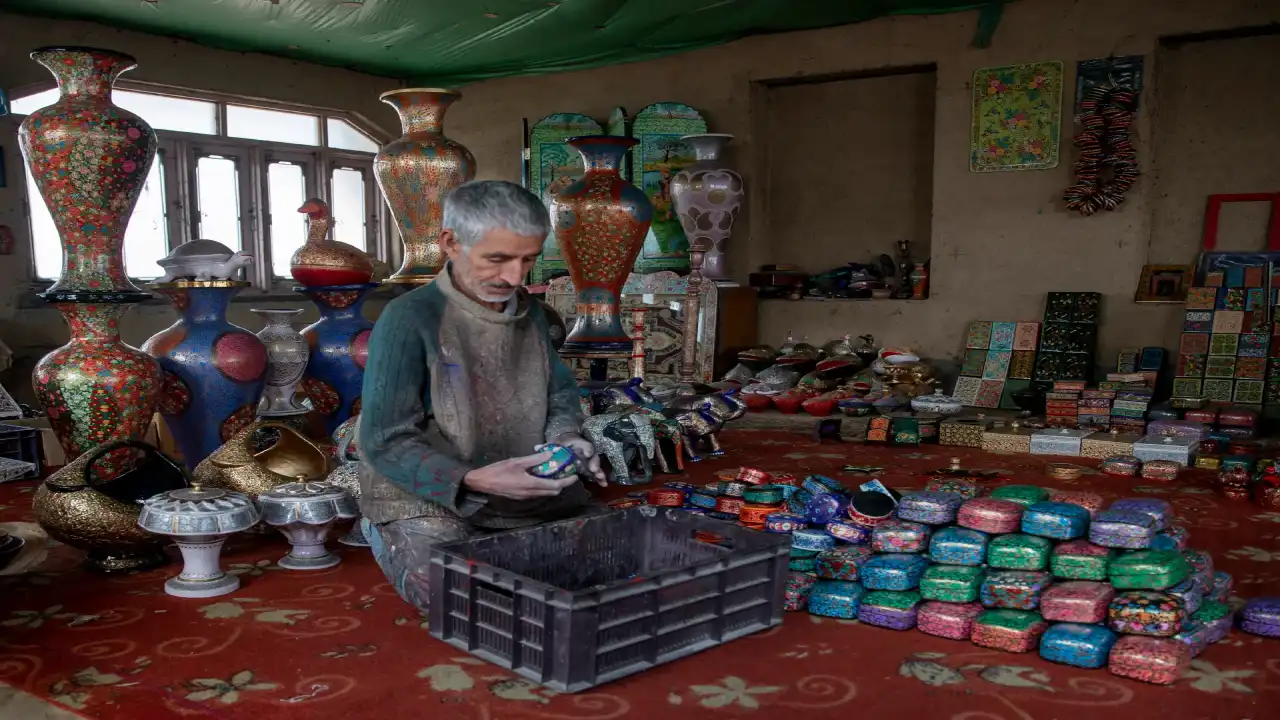
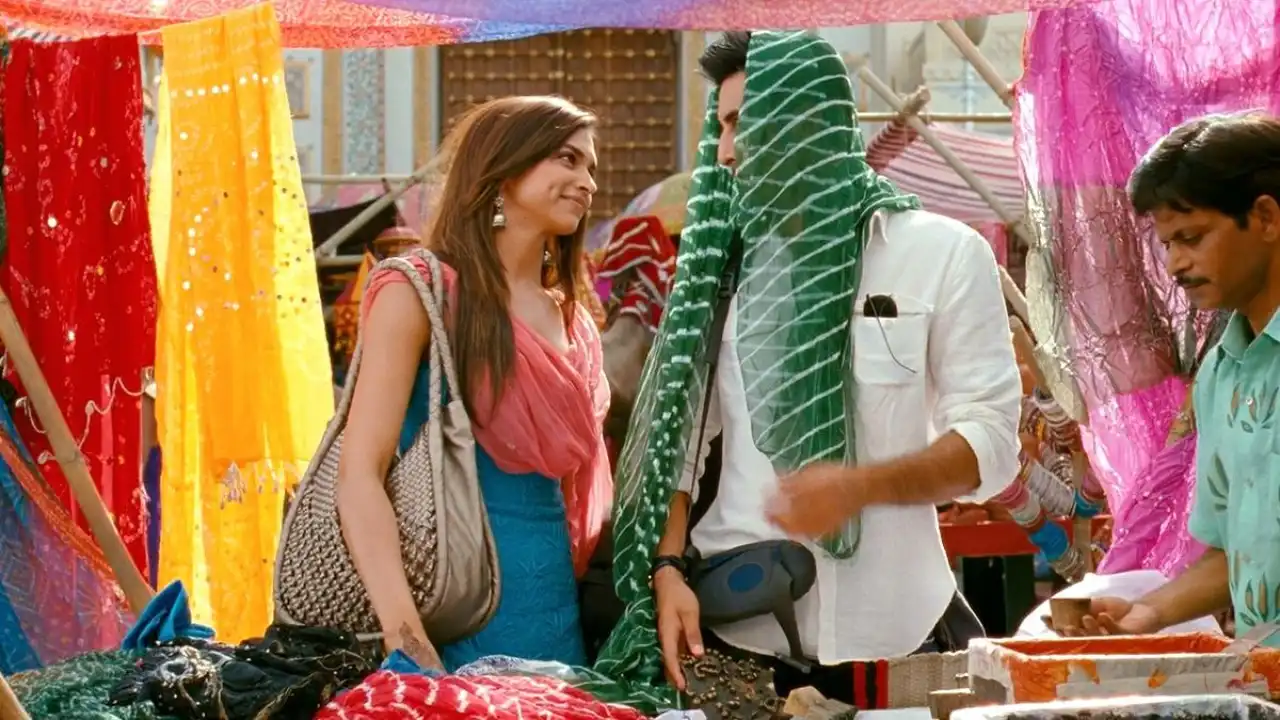
Kashmir things to do inevitably include carpet shops and handicraft centers. Most visitors experience this as aggressive sales pitches in showrooms that feel more like obligation than interest. But, and this connects somewhat to authentic activities, finding actual artisan workshops changes the experience entirely. Watching pashmina weavers work in small workshops around Srinagar's old city provides more genuine insight than any showroom demonstration. The hand-knotting process for carpets takes months for single pieces. Seeing the actual work and the repetitive precision involved makes the final pricing make sense even if you're not buying anything.
Papier-mâché workshops exist in less touristy neighborhoods. The craft involves more skill than you'd expect. Multiple layers of paper pulp get shaped, dried, and painted with miniature detail work. Some artisans allow observation if you approach respectfully rather than as part of a tour group. Though finding these workshops requires local guidance or significant wandering around residential areas. Wood carving shops along Boulevard Road demonstrate walnut wood crafts. The aggressive sales tactics remain annoying. But the actual craft skill, creating intricate jali screen patterns and decorative panels, deserves acknowledgment even when you're declining purchase offers for the third time.
Pampore Saffron Fields: Seasonal Visits
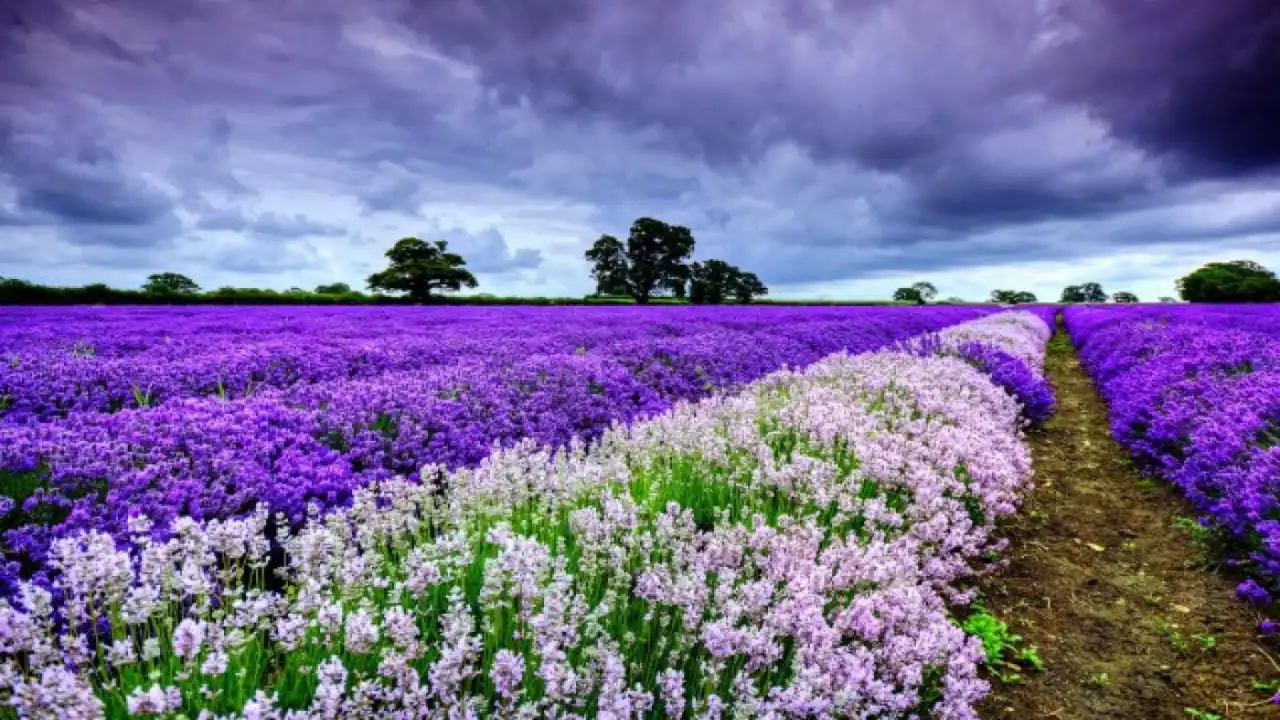
Pampore sits about 15 kilometers from Srinagar and grows most of Kashmir's saffron crop. The fields bloom late October through early November only. Miss that window and you're looking at empty brown fields without much visual or experiential value.
During bloom season, some farms allow visitors to observe harvesting. The process happens at dawn – saffron flowers get picked early morning before sun exposure affects quality. Watching the separation of stigmas from flowers explains why actual Kashmiri saffron costs ₹250-400 per gram. The labor involved is entirely manual, and each flower produces only three red stigmas. Visiting saffron fields ranks as one of those Kashmir activities that's either spectacular or pointless, depending entirely on timing. The bloom window lasts maybe 10-15 days maximum. Checking exact dates requires local knowledge since it shifts each year slightly based on weather patterns.
Culinary Experiences: Wazwan and Kahwa Tea Classes
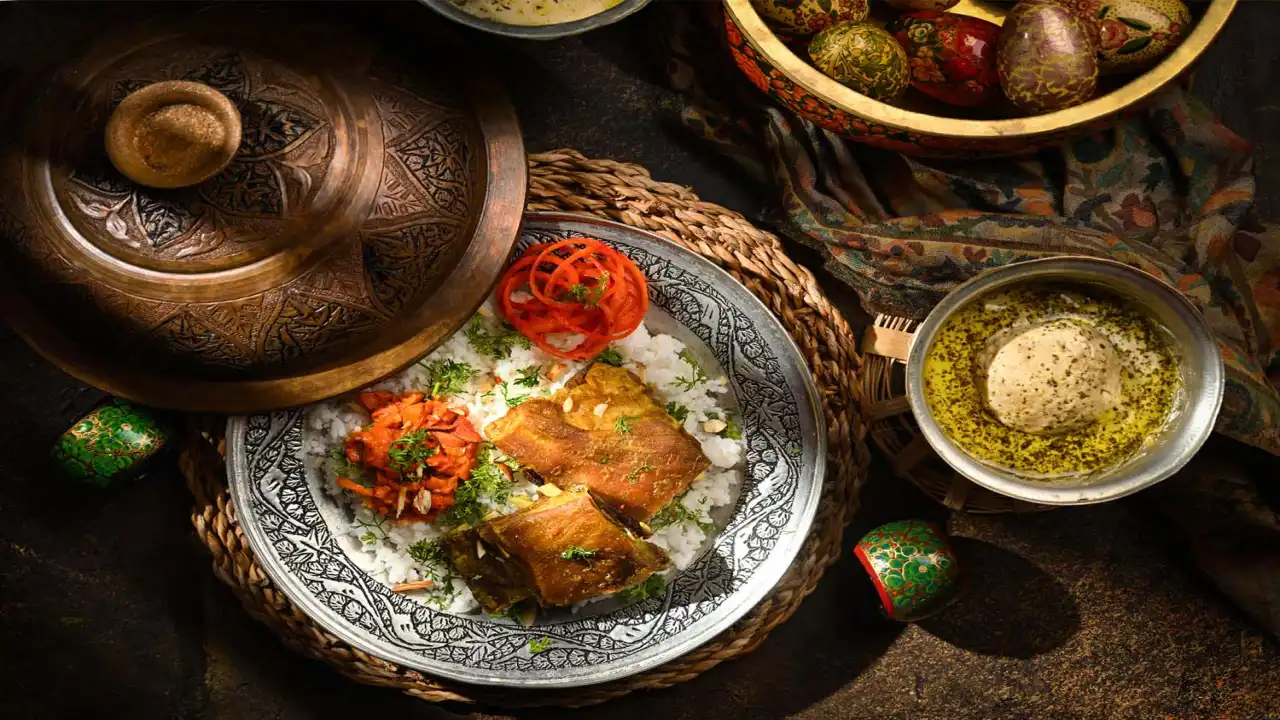
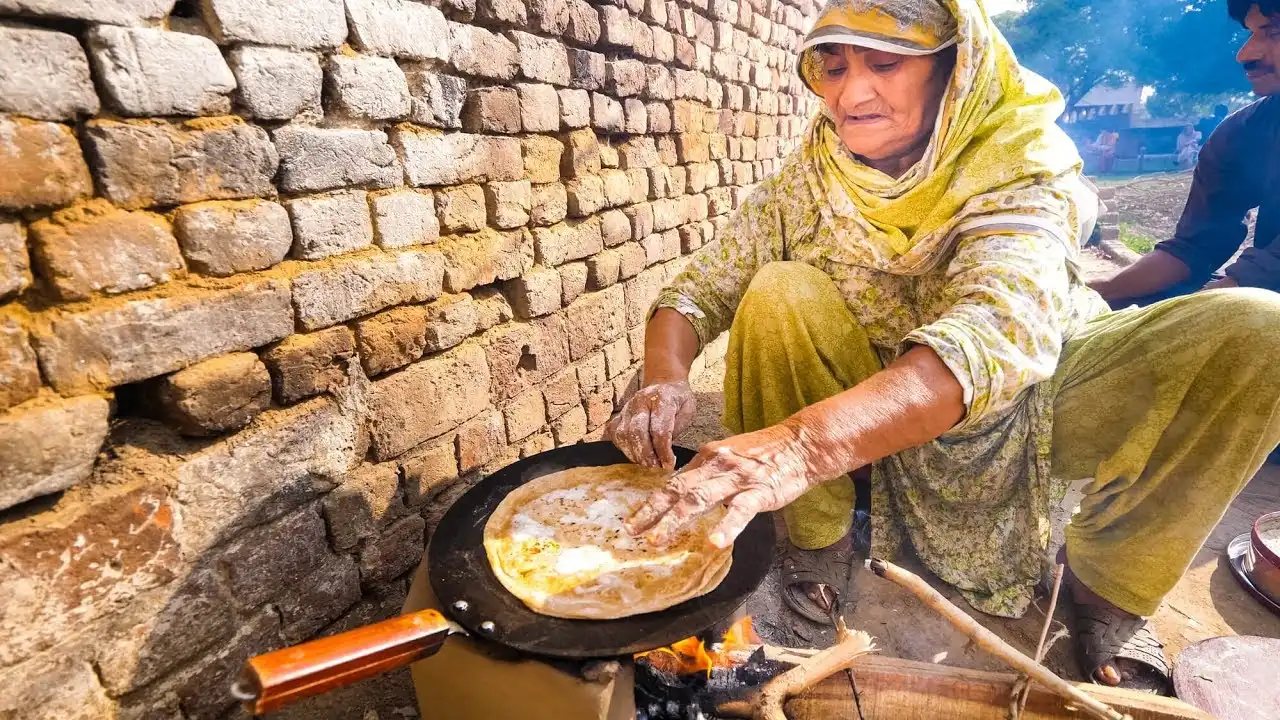
Wazwan, the traditional Kashmiri multi-course meal, appears on every tourism list. Actually experiencing proper wazwan requires specific arrangements, though. Restaurant versions simplify the format. Authentic wazwan happens at weddings or through homestay arrangements where families prepare traditional methods. The meal involves 15-20 courses served in sequence. Rista, gushtaba, tabak maaz – these mutton preparations follow specific techniques that differ from standard Indian non-vegetarian cooking. No tomatoes or heavy spicing. The flavors rely on yogurt, dried spices, and slow cooking methods that restaurants rarely execute properly.
Some tour operators arrange wazwan experiences with local families. These cost approximately ₹2,000-3,000 per person, typically. Worth noting here, wazwan is genuinely heavy on both stomach and schedule. Plan at least 2-3 hours for the full experience, and don't schedule intense activities immediately afterward. Kahwa tea preparation classes exist through a few homestays around Srinagar. Learning the spice combinations – cardamom, cinnamon, saffron strands, crushed almonds – takes maybe 30 minutes. Not exactly a full activity, but it fills time between bigger plans and provides practical skills for recreating the tea at home.
Exploring Srinagar on Foot: Photography Walks
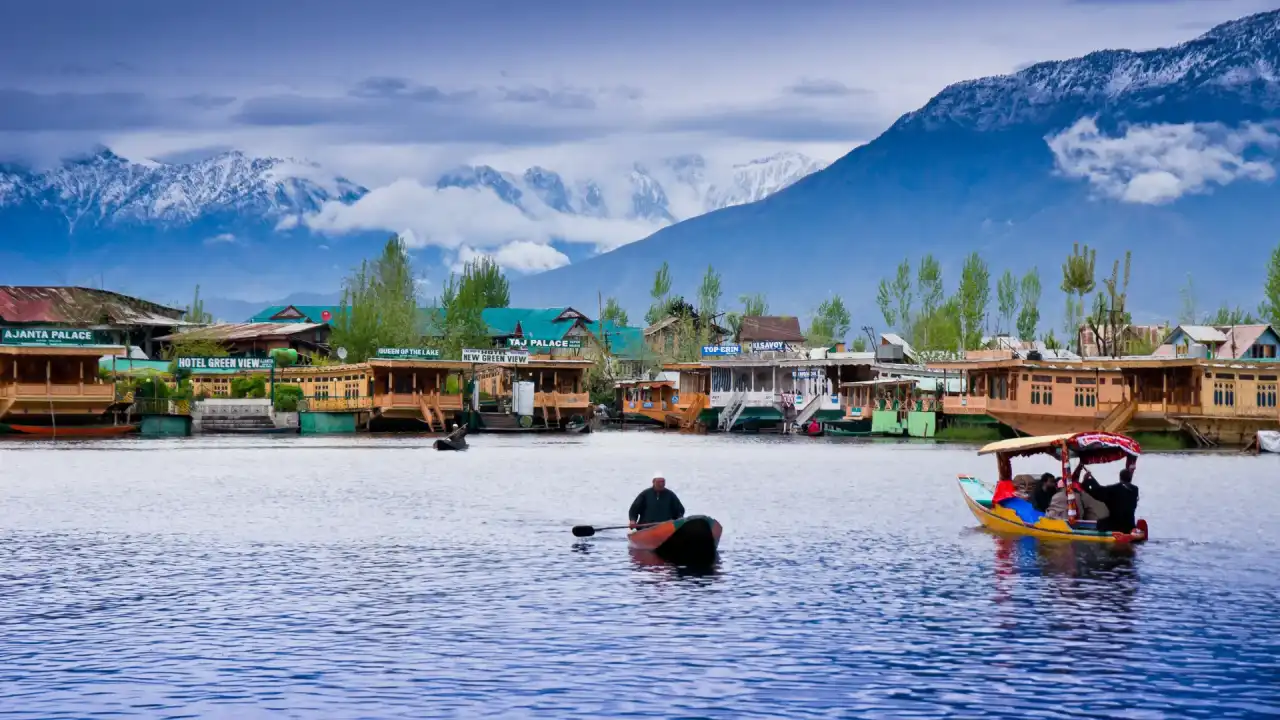
Standard Kashmir activities involve vehicles driving you between viewpoints for photo stops. That's fine for covering distance. But the actual character of places like old Srinagar gets lost when you're confined to car windows and designated parking areas. Walking tours through old city neighborhoods, particularly around Jamia Masjid and Shah Hamdan shrine areas, expose daily life that tour buses bypass completely. The wooden architecture, narrow lanes, small workshops and food stalls, this stuff doesn't appear on vehicle itineraries.
Early morning walks along Dal Lake's eastern shore, away from the Boulevard Road hotel strip, show local life before tourist activities begin. Fishermen sorting catches, vegetable sellers rowing to floating markets, kids heading to schools on shikaras, these scenes happen between 6-8 am roughly. After that, tourist infrastructure dominates the visual space. Security presence affects photography freedom in certain areas. Restrictions exist around military installations and specific government buildings. Generally speaking, photographing people requires asking permission first. This should be obvious, but enough tourists ignore basic courtesy that mentioning it seems necessary.
Conclusion
Kashmir mixes adventure, culture, and relaxation seamlessly. Lake rides, market strolls, snowy slopes, and starry nights, it has something for everyone. For hassle-free travel, a Kashmir tour package combines scenery, culture, and adventure into one trip, creating memories that last long after leaving.