5D/4N
Kerala Trip Plan for 5 Days: Fun-Filled Family Getaway




Starting At:
₹21,000
₹35,000
Per Adult On Twin Sharing Basis
Get up to 40% OFF on
Starting at ₹18,000₹27,000
Get up to 40% OFF on
Kerala Tour Packages
Starting at ₹18,000
Starting At:
₹21,000
₹35,000
Per Adult On Twin Sharing Basis

..+1
Starting At:
₹26,000
₹36,000
Per Adult On Twin Sharing Basis
..+1
Starting At:
₹18,000
₹27,000
Per Adult On Twin Sharing Basis


..+1
Starting At:
₹24,000
₹34,000
Per Adult On Twin Sharing Basis

Starting At:
₹23,000
₹35,000
Per Adult On Twin Sharing Basis
Starting At:
₹30,000
₹45,000
Per Adult On Twin Sharing Basis
..+1
Starting At:
₹52,000
₹70,000
Per Adult On Twin Sharing Basis

..+1
Starting At:
₹35,000
₹45,000
Per Adult On Twin Sharing Basis
..+1
Starting At:
₹42,000
₹52,000
Per Adult On Twin Sharing Basis


..+2
Starting At:
₹25,000
₹37,000
Per Adult On Twin Sharing Basis

..+2
Starting At:
₹46,500
₹56,000
Per Adult On Twin Sharing Basis


..+3
Starting At:
₹43,000
₹44,000
Per Adult On Twin Sharing Basis

..+2
Starting At:
₹29,000
₹39,000
Per Adult On Twin Sharing Basis

..+3
Starting At:
₹39,000
₹49,000
Per Adult On Twin Sharing Basis

..+3
Starting At:
₹54,000
₹65,000
Per Adult On Twin Sharing Basis
Kerala, tucked into the southwestern corner of India, packs an unusual range of landscapes into a fairly compact state. Within one trip, travellers can move from misty tea plantations in the Western Ghats to still backwaters lined with coconut palms, from quiet Ayurveda retreats to golden beaches along the Arabian Sea. Munnar's rolling hills, the houseboat-dotted canals of Alleppey and the forests around Thekkady each show a different side of what makes this state popular with travellers from across India and abroad.
Kerala tour packages are usually built around this variety, so no two travellers need the same itinerary. A honeymooning couple might prefer a quiet houseboat stay paired with a hill station; a family with kids may want comfortable accommodation and an easier sightseeing pace, and a solo traveller might lean toward nature walks and the old quarters of Kochi. Wildlife reserves, spice plantations, Ayurveda centres and coastal towns all sit within a few hours of each other, which makes it possible to combine very different experiences in a single trip.
Travellers can choose Kerala holiday packages, Kerala trip packages or Kerala vacation packages according to duration, budget, interests and travel style, whether that means a short weekend break or a longer circuit covering hills, backwaters and beaches together. Travel Junky puts together curated Kerala travel packages that reflect this flexibility, so travellers can plan a trip that actually matches how they like to travel rather than fitting themselves into a fixed template. For travellers flying in from North India, Travel Junky also structures dedicated Kerala tour packages from Delhi that bundle flights, stays and transfers into one plan.
The table below lists a few of the Kerala tour packages travellers commonly look for along with typical duration ranges and starting prices useful as a first reference if you're comparing Kerala travel packages by price before narrowing down an itinerary. Exact inclusions and pricing vary by season, hotel category and the number of travellers, so it's worth checking current details before booking.
Note: The rows above are placeholder package names and prices. Swap in Travel Junky's actual live package names, durations and starting prices and they'll drop straight into this table without touching the rest of the copy.
There isn't one number that answers this. A Kerala trip's total cost comes down to a handful of moving parts stacked on top of each other. Duration tends to matter most, since more days simply mean more nights, more meals, and more transport to pay for. Hotel category shifts things a fair bit too; a 3-star stay costs noticeably less than the same number of nights in a resort or a premium houseboat, and that gap adds up fast over a week.
Getting around inside Kerala costs money as well, whether that's a private cab for the whole trip or shared transfers between towns, and flights come into play too if you're flying in from outside South India. Houseboat nights usually get priced on their own, separate from regular hotel stays, and the category of boat chosen can swing the budget more than people expect. Meals, entry fees at sightseeing spots, and extras like a spice plantation walk or a wildlife safari tend to be smaller line items individually, but they stack up over a longer trip.
Season plays its part too. Peak months like December and early January generally push hotel rates higher than what you'd pay during monsoon. Group size matters as well, since per-person costs on shared rooms and transport tend to drop as more people travel together. This is exactly why any two Kerala travel packages with prices shown side by side can differ so much. They're rarely built on the same set of assumptions.
Broadly speaking, a budget Kerala holiday sticks to standard hotels, shared or economical transfers, and only the sightseeing that really counts. A mid-range package steps up the comfort with better stays, a private vehicle, and a longer sightseeing list. A luxury Kerala trip usually means resort-category stays throughout, private transfers the whole way, premium houseboats, and a slower, more personalised pace. Where your trip lands on that scale really depends on what you're prioritising, so it helps to know that going into the comparison rather than figuring it out mid-search.
Two nights, three days really only stretches far enough for one region, Kochi and whatever's nearby, or a quick dash up to Munnar and back. Bump it to three nights, four days, and suddenly two nearby spots fit; Munnar paired with Thekkady works well here without half the trip disappearing into travel time.
Four nights and five days is the sweet spot for the old Munnar-Alleppey-Kochi combo that most Kerala trip packages are still built around. Pushing to five nights and six days. There's breathing room, either a slower pace or squeezing in a third stop like Thekkady or Kovalam. Give it six nights, seven days, and hills, backwaters, wildlife and a beach stretch all fit without the trip feeling like a sprint.
Anyone with a week or longer can go further still. Wayanad, Varkala, and Kumarakom are all fair game to tack onto the usual route, or you can just skip adding places altogether and spend longer wherever you already are.
Three airports handle most of the arrivals into Kerala: Kochi, Trivandrum, and Calicut. Picking between them really comes down to where the trip's actually headed. Munnar, Thekkady and Alleppey line up well with Kochi. Kovalam and Varkala make more sense flying into Trivandrum. And if Wayanad's the whole point of the trip, Calicut's the one to land at.
Bundled packages usually fold in return airfare from major Indian cities, hotel stays, airport transfers and local transport for however long the trip runs. What that looks like on the ground: somebody's there at arrivals; sightseeing happens in a private or shared vehicle instead of getting sorted last minute, and hotel check-ins are already locked in before the plane even lands. Houseboat nights, when they're part of the plan, get built into that same schedule.
Booking flights and hotels as one package tends to simplify things, mainly because it means not juggling five different booking tabs across five different sites. Fares and flight duration still shift, though, depending on the airline, the dates, and where you're flying out from, so it's worth checking what's actually available now rather than trusting a number from an old quote. This is particularly true for Kerala tour packages from Delhi, where flight pricing on the Delhi to Kochi and Delhi to Trivandrum routes moves noticeably between low and peak season. Packages like this are really aimed at people who'd rather hand the logistics off than build the trip piece by piece themselves.
Kerala works as a single-state trip mostly because no two regions in it feel alike. Misty hills, quiet backwater villages, dense forest reserves, and busy coastal towns are all inside one itinerary, and each one pulls a different kind of traveller. Some spots deserve a slow, unhurried few days. Others work fine as a quick detour inside a longer loop. Here's roughly what most Kerala packages build themselves around.
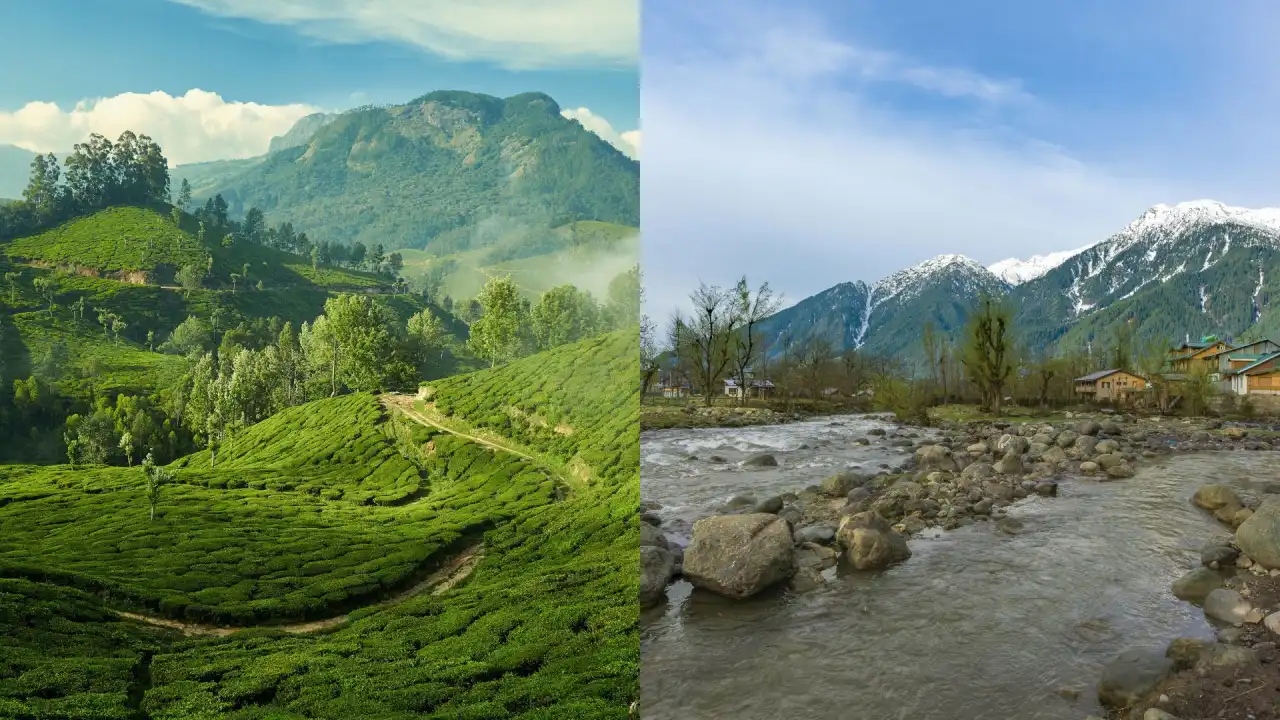
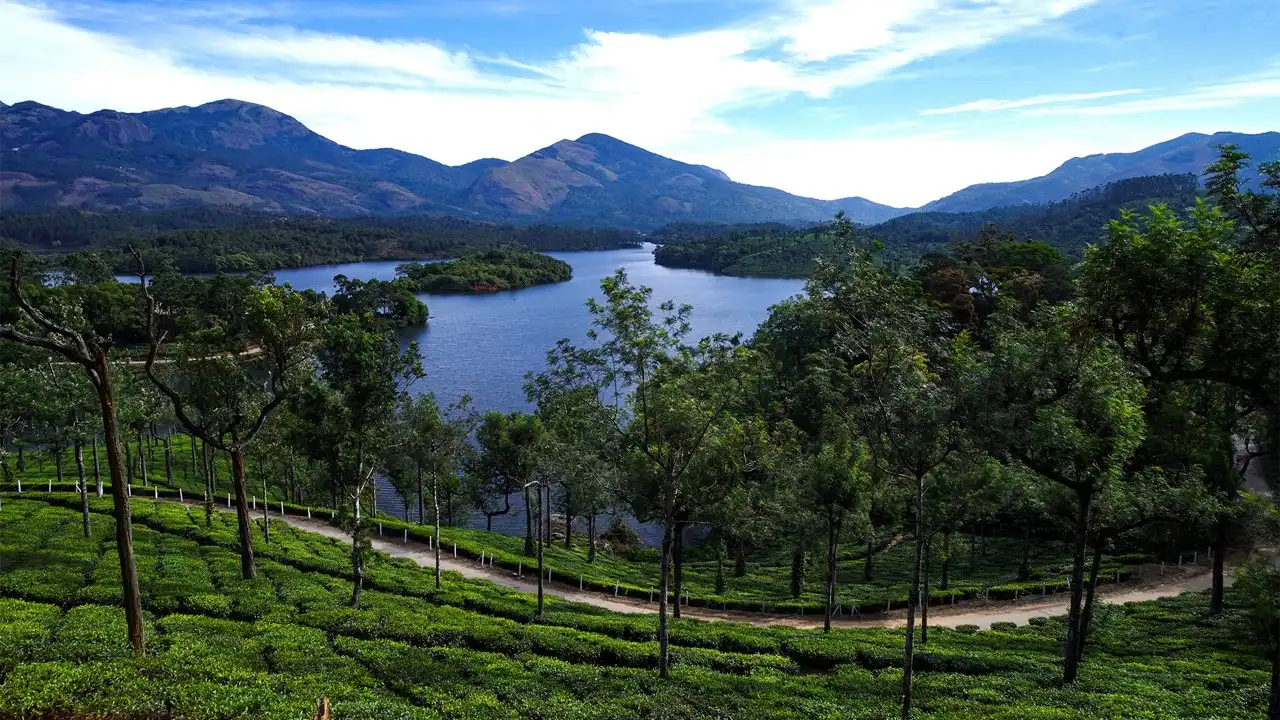
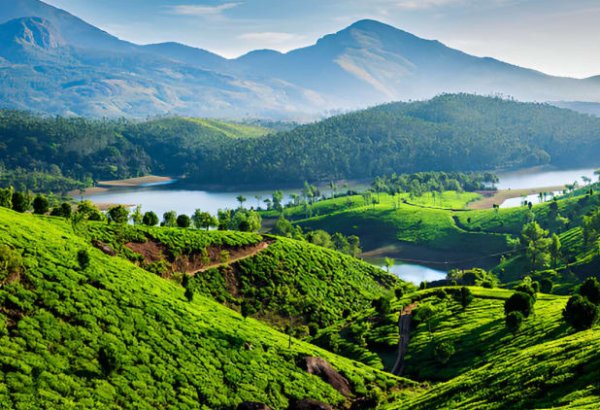
Munnar: tea plantations rolling across the hills and cooler weather most of the year – that's Munnar, in short. Eravikulam National Park, home to the Nilgiri tahr, and Mattupetty Dam show up on most itineraries, along with Echo Point and Kundala Lake. Waterfalls and viewpoints line the drive up too, so getting there ends up being half the experience. Works well for couples, families, anyone after a quieter few days.
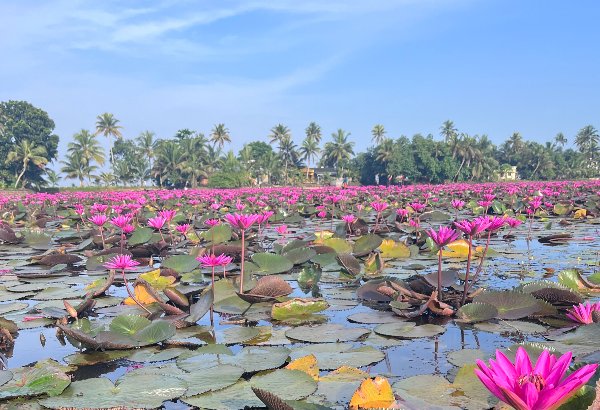
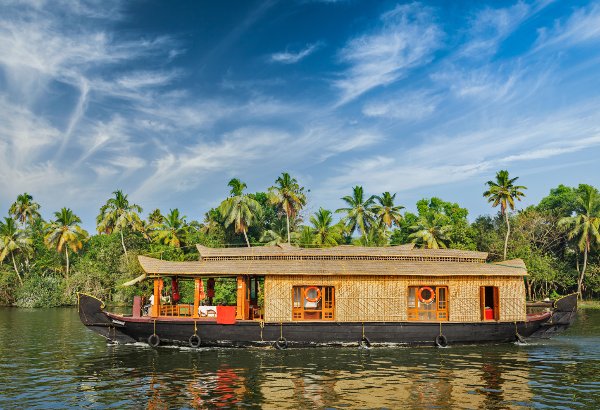
Alleppey: This is where most people get their first real taste of Kerala's backwaters, usually aboard a houseboat easing along Vembanad Lake and the smaller canals branching off it. Away from the houseboats, Alappuzha Beach and the paddy fields around Kuttanad offer a look at ordinary village life along the water. A night, or even just a couple of hours on a houseboat, tends to feel non-negotiable on most Kerala itineraries, since it's genuinely one of the more distinctive things on offer here.
Thekkady: Periyar Wildlife Sanctuary is the anchor here, with boat rides and forest trails giving a decent shot at spotting elephants, deer, and no shortage of birdlife. Spice plantations blanket the surrounding hills, and guided walks through them are a common way to actually learn something about how cardamom, pepper and cinnamon get grown. Some seasons bring bamboo rafting into the mix too, for travellers wanting a bit more movement in the day.
Wayanad: Caves, dams and wildlife Wayanad packs all three into one northern stretch of the state. Edakkal Caves hold rock carvings that go back a long way, while Banasura Sagar Dam and the hills surrounding it make for solid scenic stops. Wayanad Wildlife Sanctuary adds another nature angle, and Chembra Peak keeps trekkers happy looking for a real climb. Waterfalls scattered through the region are worth chasing too, season depending.
Kochi: History and coastline sit side by side here. Fort Kochi's Chinese fishing nets along the shore are practically iconic at this point, while Mattancherry and Jew Town hold onto the area's old trading past through narrow lanes and older warehouses. St Francis Church, among the oldest European churches in India, adds another layer of heritage. Kochi does double duty well, working as a starting point or as somewhere to slow down right before flying out.
Kovalam: Lighthouse Beach and Hawa Beach are what put Kovalam on the map, both known for an easy, unhurried atmosphere. Move past the coastline. There's a fairly established Ayurveda and wellness scene too, with several centres running traditional treatments. Good pick for anyone wanting a beach stop that actually involves resting.
Varkala: The cliffside setting is what sets Varkala apart; cafes and small hotels are lined up along the edge, overlooking Papanasam Beach and the Arabian Sea below. Varkala Cliff gets particularly busy around sunset, when the whole stretch of coast changes mood entirely. Tends to pull in travellers after something slower and calmer than the louder beach towns elsewhere.
Kumarakom: Sitting right on Vembanad Lake, Kumarakom often gets tacked onto an Alleppey visit for a fuller backwater experience. Kumarakom Bird Sanctuary is the draw for anyone into birdwatching, and the resorts here lean heavily into their lakeside settings. Houseboat experiences run fairly similar to Alleppey's, though the overall feel here tends to sit a notch quieter.
What's included in a Kerala tour package depends heavily on the specific itinerary chosen, so it helps to know what typically falls under each category before comparing options.
Transport & Transfers
Accommodation options across Kerala packages generally fall into a few categories and not every package includes all of them:
Meals: Most packages include breakfast at the hotel with dinner included in some itineraries depending on the package level. Where a houseboat stay is part of the trip, meals on board are usually included for that portion of the journey.
Sightseeing & Excursions: Sightseeing coverage depends entirely on the selected itinerary, but common destinations included across Kerala packages are Munnar, Alleppey, Thekkady, Kochi, Wayanad, Kovalam and Varkala.
Activities & Experiences: Depending on the package, some itineraries include experiences such as the following:
Not every activity is part of every package, so it's worth checking the specific inclusions before booking.
Planning a Kerala trip independently is certainly possible, but it usually means researching hotels, arranging transport between cities and building a sightseeing route from scratch. A package handles most of this groundwork in advance, which can save time even if it doesn't always work out cheaper for every traveller.
Cost-Effective Travel Bundling accommodation, transportation and activities into a single package can make budgeting simpler, since most costs are known upfront rather than being spread across multiple bookings. This doesn't guarantee savings over independent travel in every case, but it does reduce the number of decisions and price comparisons a traveller has to manage.
Hassle-Free Planning A package takes care of hotel bookings, transport coordination, sightseeing planning and overall route management, so travellers aren't left figuring out logistics like which city to base themselves in or how to move between destinations efficiently.
Curated Itineraries A well-planned itinerary helps travellers combine destinations that make sense together, such as Kochi, Munnar, Thekkady, Alleppey, Kovalam and Wayanad, without wasting time on long, inefficient routes between places that don't naturally connect.
Reliable Transport & Transfers Pre-arranged transportation means travellers don't need to negotiate cabs or figure out local transport options at each stop, which can be particularly useful in destinations that aren't very walkable or well connected by public transport.
Local Guidance Having access to local or travel support can help with practical questions, whether that's choosing between two sightseeing spots or figuring out timing around monsoon weather. This kind of guidance is useful, though it's not a substitute for doing some of your own research on what interests you.
24/7 Travel Assistance Travel Junky provides 24/7 assistance on call and chat, along with support from experienced travel guides throughout the trip. Multilingual support is also available, which can be helpful for travellers more comfortable communicating in a language other than English or Hindi.
Kerala tour packages are generally built around who's travelling and what they're looking for. Here's a quick look at the common categories.
Kerala Honeymoon Packages Kerala honeymoon packages are usually designed around couples, with private stays and a slower pace built in. A houseboat night is a common feature, paired with scenic destinations like Munnar or Kumarakom. The focus tends to be on quieter, more intimate experiences rather than a packed sightseeing schedule.
Kerala Family Tour Packages Kerala family tour packages typically prioritise family-friendly accommodation and comfortable transfers over a rushed itinerary. Sightseeing is usually kept relaxed, with destinations like Munnar, Alleppey and Thekkady offering a good mix of nature and activities suited to different age groups.
Kerala Adventure Packages For travellers wanting more active experiences, Kerala adventure packages centre around trekking, wildlife sightings, kayaking and bamboo rafting. Wayanad and Thekkady are common bases for this kind of itinerary, given their access to forests, peaks and rivers.
Kerala Luxury Packages Kerala luxury packages generally include premium resorts, private transfers and luxury houseboats, along with wellness experiences at higher-end Ayurveda centres. Itineraries are often more personalised, with a pace built around comfort rather than covering as many destinations as possible.
Kerala Budget Packages Kerala budget packages focus on affordable accommodation and essential sightseeing, keeping the itinerary practical rather than extensive. Transfers may be shared or private depending on the specific package and the emphasis is on covering key destinations without unnecessary add-ons.
Kerala Weekend Packages Kerala weekend packages are built for shorter trips, usually 2N/3D or 3N/4D, and tend to focus on one or two nearby destinations, such as Kochi, Munnar or Alleppey, rather than a full state circuit. These work well for travellers with limited time who still want a proper break.
With so many options available across Kerala tourism choosing the right Kerala tour package usually comes down to a few key factors: who you're travelling with, your budget, how much time you have, and when you're planning to go.
Based on Travel Purpose
Based on the budget: Kerala budget packages keep costs down through simpler accommodation and essential sightseeing. Mid-range packages add more comfortable hotels and a private vehicle for the trip. Luxury packages focus on resort-category stays, premium houseboats, and a more personalised pace throughout.
Based on duration: a 2N/3D trip suits a single-destination visit while 3N/4D allows for two connected destinations. 4N/5D is enough for a classic three destination circuit, and 5N/6D or 6N/7D+ trips allow for a more relaxed pace or the addition of a fourth destination such as Wayanad or Kovalam.
Based on the season: summer, from March to May, brings warmer weather and suits travellers comfortable with heat during the day. Monsoon, from June to September, brings lush greenery and is popular for Ayurveda and wellness stays, though rain can affect some outdoor plans. Winter, from October to February, generally offers the most comfortable weather for sightseeing. No single season works best for every traveller, so it's worth matching the season to what you plan to do.
What you pack for Kerala depends largely on when you're travelling and which regions are on your itinerary, since hill stations and coastal areas can feel quite different even within the same trip.
Winter Season: October to February Light jackets, cotton clothes, comfortable walking shoes, sunglasses, sunscreen, personal medicines and a small umbrella.
Summer Season: March to May. Lightweight cotton clothing, sunglasses, sunscreen, hat or cap, comfortable footwear, a reusable water bottle, and light rain protection.
Monsoon Season: June to September Raincoat, umbrella, waterproof footwear, quick-dry clothing, waterproof bags, mosquito repellent, and extra clothes.
For Munnar and Wayanad, pack light warm layers, comfortable hiking or walking shoes, sunscreen, sunglasses, insect repellent, and a small backpack.
Essential Documents & Electronics: Government ID, booking confirmations, travel insurance documents, phone, chargers, power bank, camera, and emergency contacts.
Kerala's food tells you almost as much about the place as its landscapes do, with coconut, rice, fresh seafood and local spices showing up across most traditional dishes. Meals here lean toward simple, balanced flavours rather than piling on any one spice, and trying the local food ends up being one of the more memorable parts of the trip for a lot of travellers.
Appam with Stew: A soft, lacy rice pancake with slightly crisp edges, usually served with a mild vegetable or meat stew cooked in coconut milk. It's a common breakfast across Kerala, and the lighter flavours of the stew make it an easy way for first-time visitors to ease into local food.
Puttu and Kadala Curry: Puttu is a steamed cylinder of rice flour and grated coconut, traditionally paired with a spicy black chickpea curry called kadala curry. The mild, slightly sweet puttu against the more robust curry is a classic breakfast combination, especially in central and northern Kerala.
Kerala Sadya: A traditional vegetarian meal served on a banana leaf, usually built around rice alongside a wide spread of curries, pickles and side dishes. It's most closely tied to festivals and special occasions, though plenty of restaurants serve a version of it regularly.
Idiyappam: Sometimes called string hoppers, made from rice flour pressed into thin noodle-like strands and steamed. It's usually eaten with coconut milk, curry or a light stew, and the soft texture makes it a popular breakfast pick across the state.
Karimeen Pollichathu: Karimeen, pearl spot fish, is a local favourite, and 'pollichathu' describes the method: marinated in spices, wrapped in a banana leaf, then pan-seared. The banana leaf adds a subtle flavour while keeping the fish moist.
Malabar Parotta and Curry: A layered, flaky flatbread from the northern Malabar region, usually served alongside a meat or egg curry. The contrast between the crisp, flaky bread and a rich curry has made this popular well past its home region.
Kerala Fish Curry: Typically combines fresh fish with a tangy, coconut-based gravy, often given its sourness from kokum or tamarind. Versions differ across the state but that balance of tang, spice and coconut runs through most of them.
Banana Chips and Payasam: Banana chips, thin slices of raw banana fried until crisp, are one of Kerala's most recognisable snacks. Payasam, a sweet dish made from rice, lentils or vermicelli cooked in milk or coconut milk, usually shows up at the end of a meal, particularly during festive occasions.
Shopping in Kerala tends to reflect the state's agricultural strengths and craft traditions, with several items making practical souvenirs or gifts for travellers to bring home.
Tea and Coffee: Given the tea plantations around Munnar, locally grown tea is a popular purchase, along with coffee from the region's plantations. Packaged options are widely available in shops around hill station towns.
Kerala Spices: Kerala's spice plantations produce black pepper, cardamom, cinnamon and cloves, all commonly sold in local markets and shops. Buying directly from established sellers near plantation areas is a common way to pick these up during a trip.
Banana Chips and Cashews: Alongside tea and spices, banana chips and cashews are widely available and make for easy, packable souvenirs.
Kasavu Sarees and Traditional Clothing: Known for their cream and gold colour scheme, Kasavu sarees are a traditional Kerala textile and a popular purchase particularly around Kochi and other larger towns.
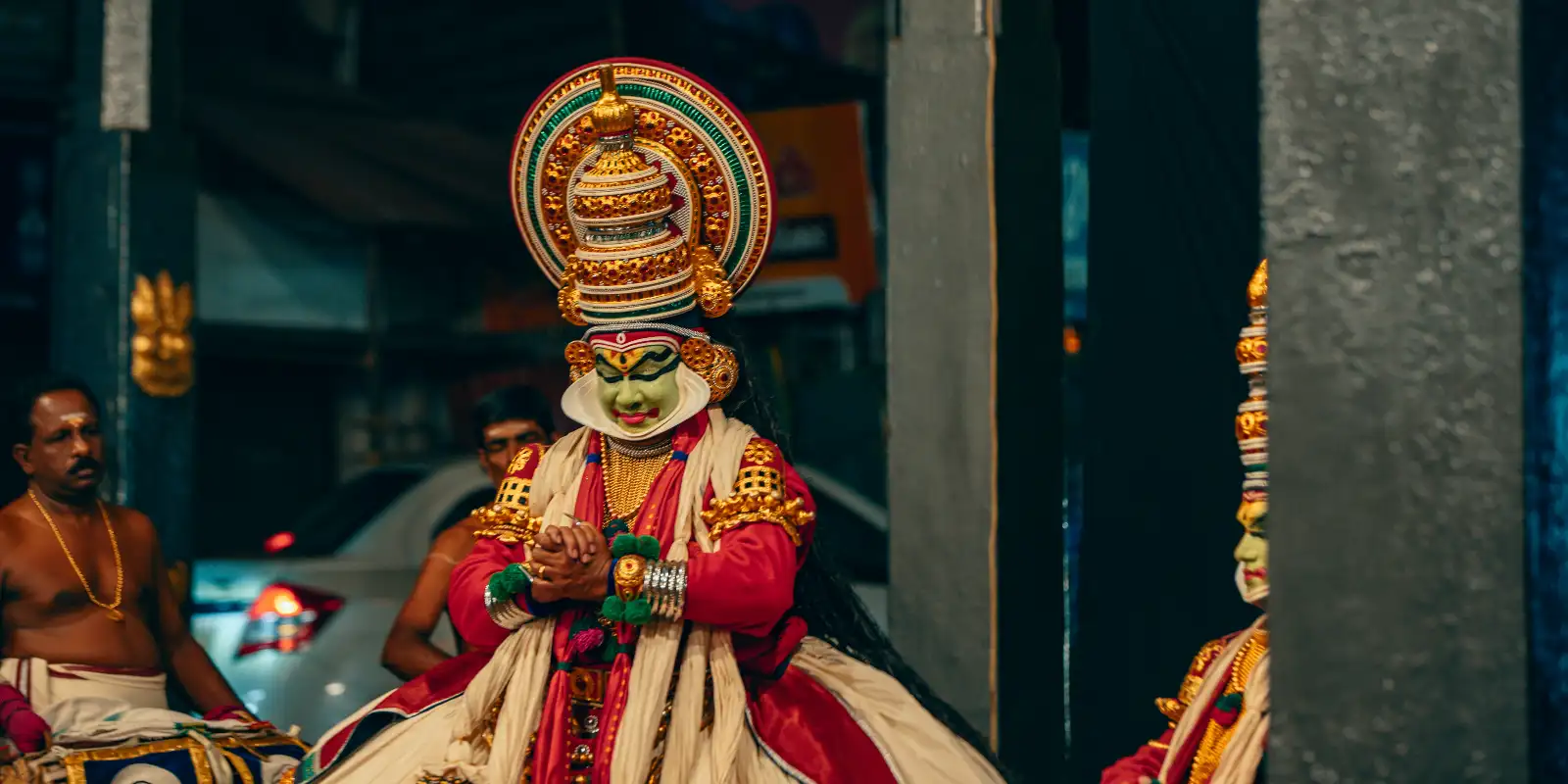
Kerala Handicrafts: Local handicrafts include coir products, coconut-based crafts, Kathakali masks and traditional lamps commonly found in craft shops and government emporiums.
Ayurvedic Products and Aroma Oils: Given Kerala's strong Ayurvedic tradition, these are widely sold across the state. It's worth buying from established, reputable sellers and travellers should treat these as wellness products rather than medical treatments.
October to February: This stretch generally brings pleasant weather, making it a popular window for sightseeing, beach visits, backwater trips and outdoor activities across most of the state.
March to May: Things turn warmer during these months, though it can still work well for travellers who plan their day around the heat, scheduling outdoor activities earlier or later rather than fighting the midday sun.
June to September: Monsoon season brings noticeably greener landscapes and tends to be a popular time for wellness and Ayurveda experiences, though rain can throw off some outdoor sightseeing plans depending on the region and timing.
There's no single best time to visit Kerala that works for everyone, since the right season really comes down to what you're planning to do and how you feel about rain or heat.
Delhi: Kerala is 2,678 km away from Delhi by road, and flying time runs roughly 3 hours and 17 minutes. This is the route most Kerala tour packages from Delhi are built around, usually landing at Kochi or Trivandrum.
Mumbai: Kerala is 1,402 km away from Mumbai by road, and flying time is around 1 hour and 50 minutes.
Bangalore: Kerala is 463.8 km away from Bangalore by road and flying time is about 1 hour.
Malayalam is the main local language spoken across Kerala. English is widely understood in tourist areas, particularly at hotels, travel agencies and popular sightseeing spots. Tamil comes up fairly often in certain border regions too, given how close Kerala sits to Tamil Nadu. Hindi gets understood in a lot of tourist-facing businesses, though it isn't nearly as universal as Malayalam or English within the state.
Whether you're after a short weekend break or a longer circuit covering hills, backwaters and beaches together, Travel Junky puts together Kerala tour packages, Kerala holiday packages and Kerala tour packages from Delhi built around your dates, budget and travel style with pricing based on live hotel and houseboat availability rather than an average pulled from a rate card.
Yes, absolutely, Kerala is suitable for kids and older people. The pace is relaxed, the food is healthy, and there are many family-friendly activities and accommodations too.
Your Next Adventure
Is A Click Away
Let our specialists build a journey that fits your life, not the other way around. No cookie-cutter tours — just thoughtful, personalised travel.