6D/5N
Almaty City Tour Holiday: Discover the Heart of Kazakhstan




Customize Package
Per Adult On Twin Sharing Basis
Get up to 17% OFF on
Starting at ₹53,999₹64,999
Get up to 17% OFF on
Almaty Tour Package
Starting at ₹53,999
Customize Package
Per Adult On Twin Sharing Basis
Customize Package
Per Adult On Twin Sharing Basis


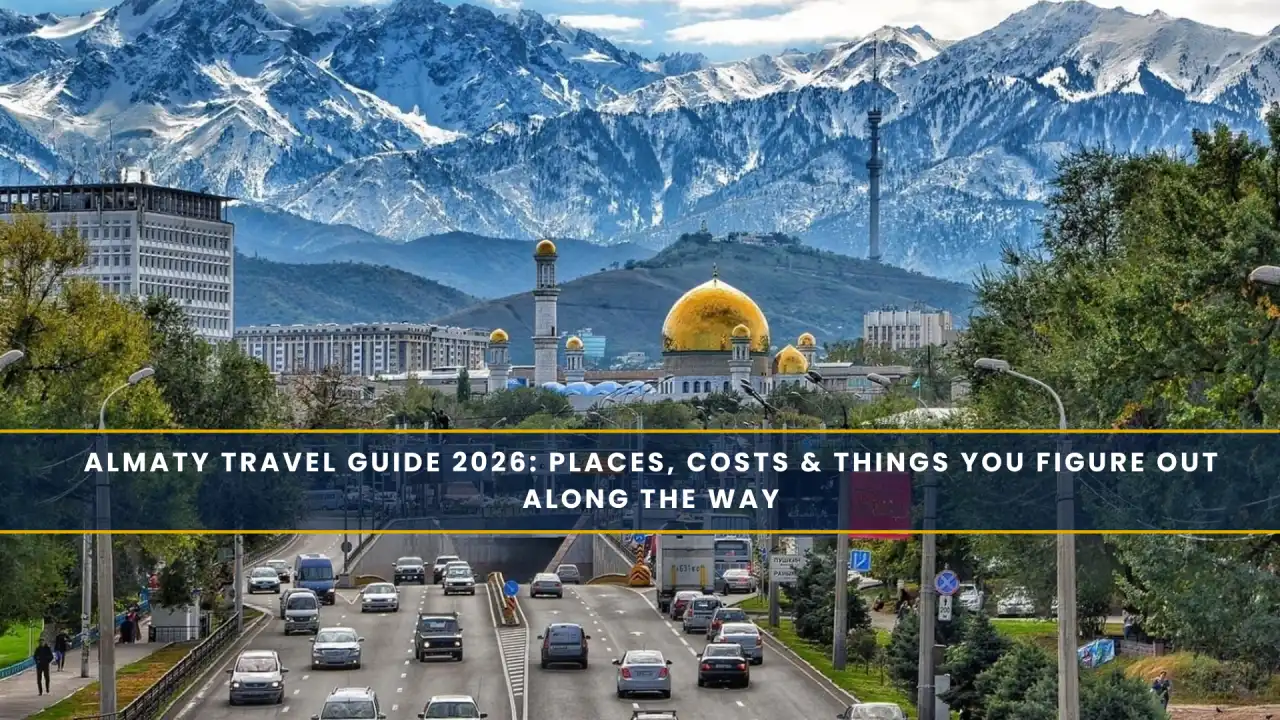
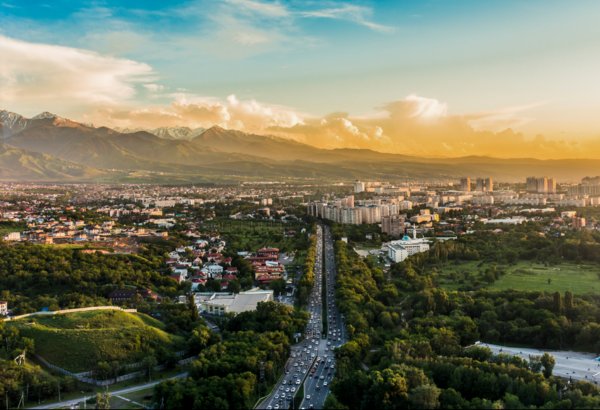
You don’t arrive in Almaty through spectacle. There’s no theatrical skyline reveal, no architectural climax. What you see first is the slope. The runway tilts toward hills. Roads angle upward. Even the skyline seems to lean. Snow lines sit low on the ridges, sometimes in May, sometimes already in September. It feels less like entering a city and more like stepping into a basin that happens to be urban.
People move with that geography. Morning traffic flows downhill. Evenings push back uphill. Weather patterns don’t drift in randomly. They slide down valleys. Wind doesn’t swirl. It channels. Shade isn’t ornamental. It’s functional. After a day or two, you stop navigating by street names and start navigating by elevation.
This is why structured planning matters here. Not for speed. For rhythm. A well-paced Almaty tour package works best when it respects terrain logic instead of stacking attractions. Almaty punishes rushed movement. It rewards slow sequencing.
At Travel Junky, international packages are approached through movement patterns, landscape logic, and seasonal behavior rather than highlight-driven itineraries. The aim is functional understanding, not curated imagery.
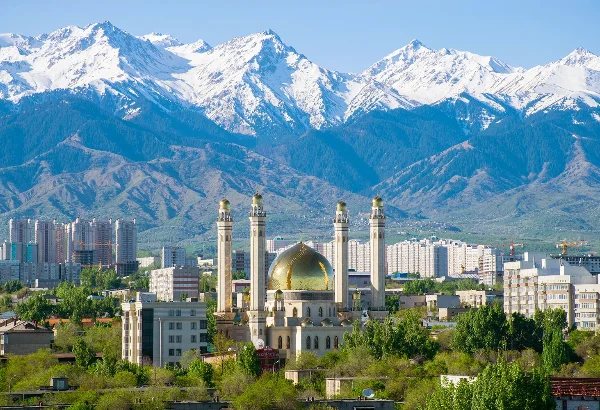
Almaty is built at the base of the Trans Ili Alatau range. The city doesn’t push into the mountains. It sits under them. This creates a natural structure. Upper districts are greener, cooler, quieter. Lower districts are warmer, denser, and more commercial. Even traffic behaves differently depending on the slope.
Unlike many large cities, orientation is simple. Move uphill, and you reach forests. Move downhill, and you reach markets, transport hubs, and older quarters. This makes daily planning logical. You don’t waste energy navigating confusion.
Public infrastructure is functional rather than decorative. Pavements are wide. Crossings are clear. Buses are consistent. Taxis are affordable. The metro system is limited but efficient. None of it feels rushed or chaotic.
Culturally, Almaty carries multiple identities at once. Kazakh traditions shape food and festivals. Russian influence shapes architecture and language patterns. Central Asian trading culture defines markets. Modern cafés and coworking spaces sit beside old Soviet blocks. The mix feels lived in, not staged.
The valley itself is the attraction. The rink is secondary. Pine forests, cold streams, shaded paths, and long sightlines make this area feel removed from the city, even though it isn’t. Morning runners. Evening walkers. Quiet on most weekdays. The ice rink, Medeu, sits at an altitude where the air feels thinner and cleaner. Even non-skaters linger.
Above Medeu, cable cars climb into the alpine terrain. Winter turns it into Central Asia’s most accessible ski zone. Summer reveals hiking spurs, meadow crossings, and exposed ridgelines. Weather shifts quickly here. Clear skies can collapse in minutes. Morning ascents are safest.
This hill gives you scale. From above, the city grid becomes readable. You see how roads flow, how districts stack, how forests press inward. Crowds gather near the viewing decks. The walking paths away from the platforms stay quiet.
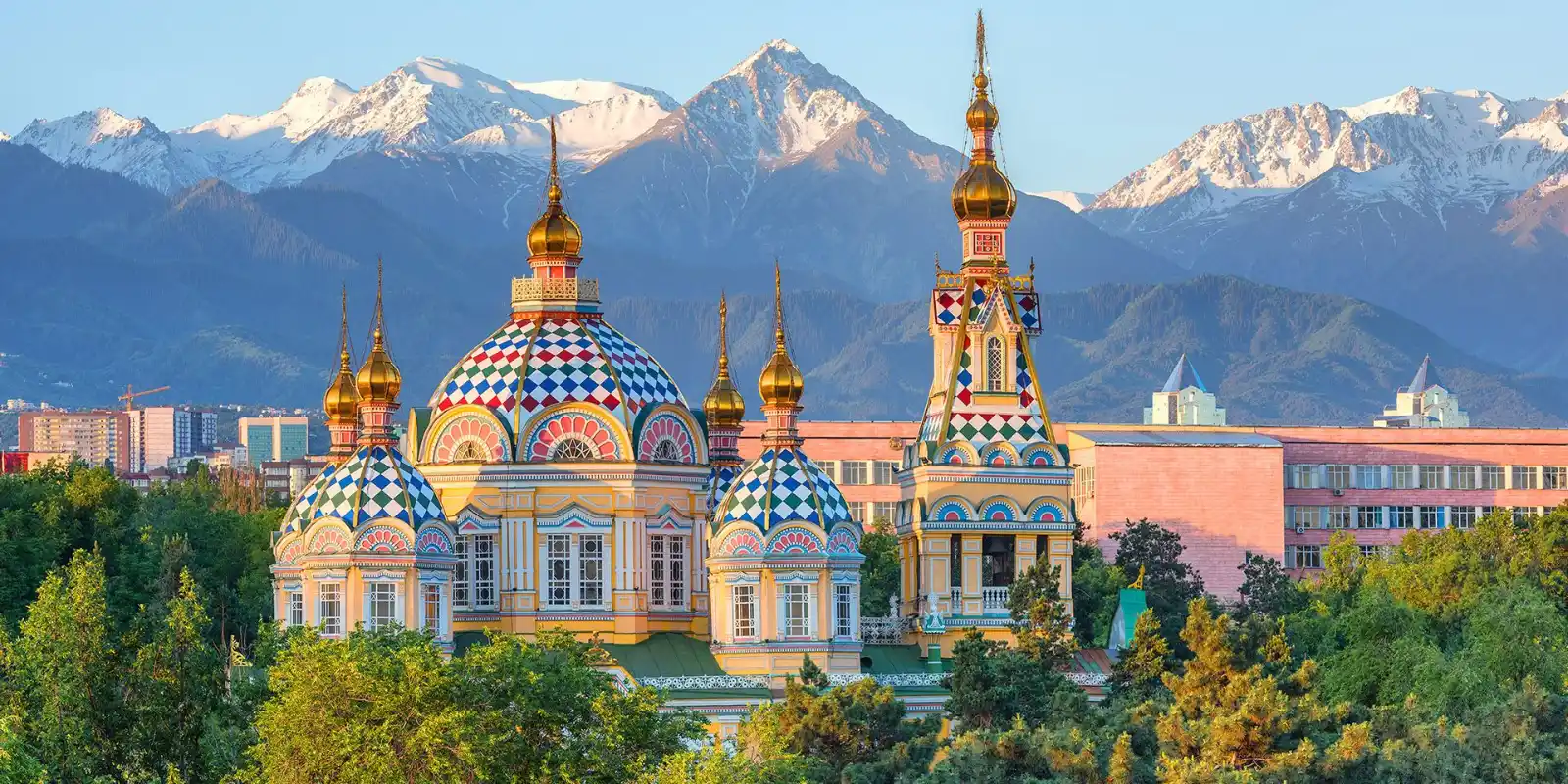
Old trees. Wide paths. Slow movement. This is where Almaty’s daily rhythm is most visible. Elderly walkers. Children feeding pigeons. Street musicians drifting in and out. The wooden cathedral nearby anchors the area historically.
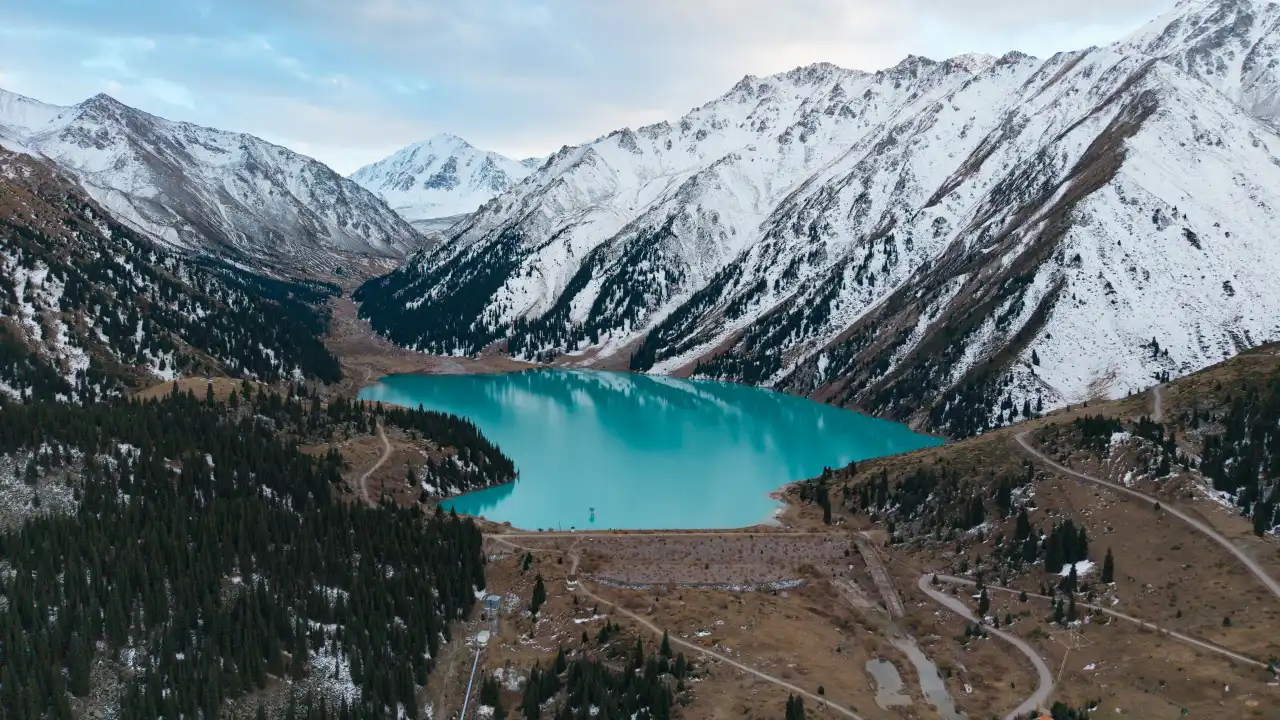
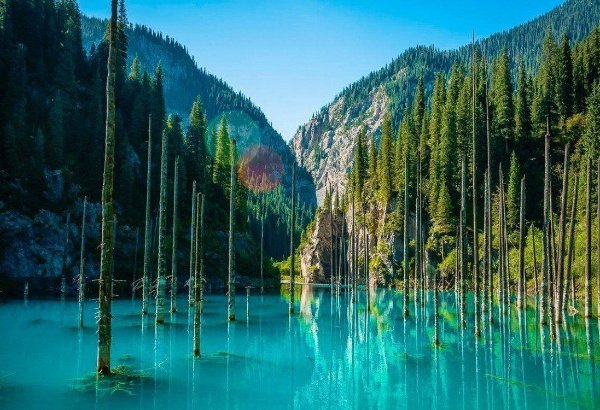
High altitude. Restricted access. Cold air. Unpredictable wind. The lake’s color shifts with light and sediment flow. Calm mornings produce glassy surfaces. Afternoons bring chop.
Almaty holiday packages are popular among families, and it's because, as a destination, it’s not stressful. Sidewalks are wide. Parks are frequent. Cafés are calm. Noise levels are low. There’s no aggressive nightlife culture spilling into family zones. Altitude is manageable. Most city life sits under 1,000 meters. Mountain excursions rarely exceed safe recreational limits. Medical services are accessible. Pharmacies are everywhere. Children adapt easily. Zoos, botanical gardens, small museums, and public playgrounds are scattered across districts. Seniors move comfortably. Seating is common. Shade is real.
Forest Hiking: Butakovka Gorge and Ayusai routes offer clean trails, marked paths, and varied elevation profiles. They are suitable for half-day outings without heavy equipment.
Winter Sports: December to March offers consistent skiing windows. The January cold is sharp. February offers a better balance between temperature and snow quality.
Urban Exploration: Abai Avenue and Dostyk Avenue show architectural transitions. Evening walking here shows social rhythms rather than tourism flow.
Thermal Excursions: Nearby hot springs operate year-round and are used by locals as much as visitors.
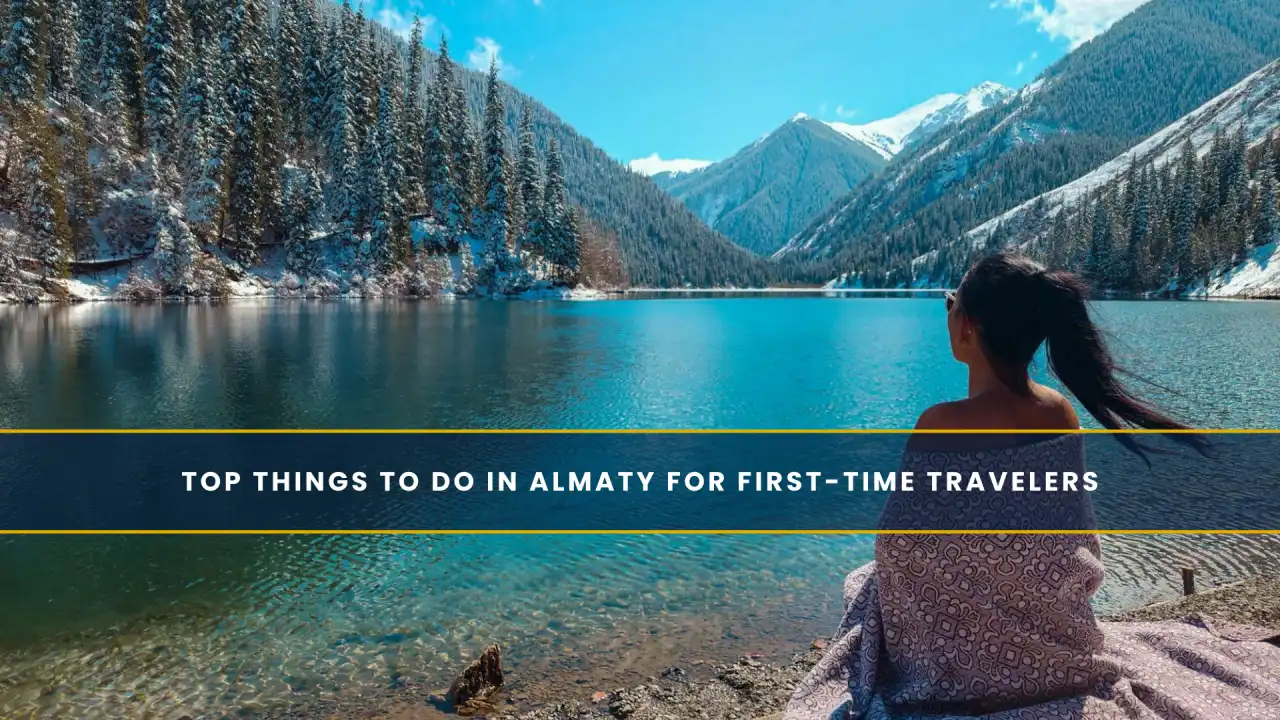
For a more detailed guide, go through our blog that includes Top Things to Do in Almaty for First-Time Travelers to avoid routing mistakes and timing errors.
Kazakh food is practical, not decorative. Meals are built for energy, not presentation.
Green Bazaar remains the most honest food space. Seasonal fruits define the market calendar. Summer berries. Autumn melons. Winter dried produce.
Urban Flow Route
Panfilov Park → Green Bazaar → Zhibek Zholy pedestrian zone → Dostyk cafés → Kok-Tobe cable car
Mountain Corridor
Central Almaty → Medeu Valley → Shymbulak cable system → upper alpine platforms → forest descent
Nature Loop
City → Big Almaty Lake → Observatory Road → forest clearings → valley return
Avoid airport shopping. Central craft markets and Green Bazaar offer better quality control and pricing.
Spring (April to May):
Spring looks calm in photos and behaves nothing like it on the ground. Snowmelt from the upper valleys pushes water levels up fast. Rivers run louder. Smaller trails turn muddy. Some forest routes reopen early, others stay closed longer than expected. City temperatures rise quickly, but the mountain air stays cold and damp. You get bright mornings followed by grey afternoons. Plans work best when they stay loose. Short walks, partial hikes, flexible returns. This is not a season for rigid scheduling.
Summer (June to August):
Movement peaks in summer. Locals go uphill. Tourists follow. Mornings are clear more often than not, but the weather shifts after lunch. Clouds roll in from the ranges, storms form fast, and visibility drops without warning in higher zones. Early starts are not a travel tip here; they are basic logic. Finish mountain routes before mid-afternoon. Evenings in the city are calm, social, and walkable. Upper districts stay cool. Lower areas heat up briefly, then settle after sunset.
Autumn (September to October):
This is the cleanest season. Air quality improves. Skies stay open. Wind is lighter. Visibility in the mountains is at its best. Markets change character with harvest produce, dried fruits and nuts replacing summer berries. Temperatures stay balanced. Cold doesn’t dominate yet, heat is already gone. It’s the easiest season for mixed planning: city walking, mountain access, long drives, and outdoor cafés all fit into the same day without pressure.
Winter (November to March):
Winter slows the city down. Snow controls movement more than schedules. Ski routes and mountain corridors become active zones, while urban life shifts indoors. January is the coldest period. Road conditions are generally managed well, but ice forms quickly after dark. Daylight shrinks and compresses daily planning. Travel becomes more structured, more practical, less spontaneous. Cafés, markets, museums, and indoor spaces carry the social rhythm until spring returns.
Temperature drops fast with elevation. Wind accelerates above 2,000 meters. Visibility collapses after midday in warm months. Snowfall patterns are uneven. Road closures happen. Not announced early. Locals adapt. Visitors must stay flexible.
Mornings start late. Cafés fill after 9 AM. Lunch runs long. Evenings peak between 6 and 9 PM. Weekends push traffic toward mountain zones. Medeu traffic builds by 8 AM.
If you can see clouds forming on the ridges before noon, cancel your mountain plans. Weather deterioration here is not gradual. It’s sudden.
Good Almaty tourism packages do not rely on rigid schedules. Instead, they build in buffer hours, particularly for mountain days. Cloud formation often accelerates after midday. Wind conditions shift quickly in valleys. Cable car operations may pause without long notice. Allowing short recovery windows between major movements keeps the day functional even when weather conditions change. Travelers who plan tightly often find themselves cutting activities short or rushing meals, which diminishes the overall experience.
Urban and mountain days need deliberate separation. Combining central city walking with moderate alpine access works well. Pairing heavy mountain activity with long urban exploration does not. Transport planning matters as much as sightseeing flow. Early morning departures toward Medeu reduce traffic buildup and ensure smoother cable car access. Late afternoon descents avoid congestion and improve safety on mountain roads. Big Almaty Lake excursions function best with dawn starts, when wind patterns remain stable and lake visibility peaks.
For realistic route structuring, cost logic, seasonal pacing, and daily sequencing, consult our detailed planning resource, Almaty Travel Guide 2026: Places, Costs & Things You Figure Out Along the Way. It reflects actual on-ground movement patterns rather than theoretical sightseeing templates, helping travelers build itineraries that work with Almaty’s terrain instead of against it.
Almaty doesn’t perform for visitors. It doesn’t curate itself. It functions. It’s a city shaped by slope, climate, and habit. If you move with those forces, the experience feels coherent. If you fight them, it feels inefficient. This is not a destination built for consumption. It’s built for living. Walking. Waiting. Adjusting. Observing. The reward comes slowly. Through repetition. Through small movements. Through learning how the city breathes between the valley and the ridge. That’s where Almaty tour packages become clear. Not as a spectacle but as an experience.
Most Almaty tour packages include hotel accommodation, airport transfers, daily breakfast, and guided sightseeing tours to popular attractions around the city.
Your Next Adventure
Is A Click Away
Let our specialists build a journey that fits your life, not the other way around. No cookie-cutter tours — just thoughtful, personalised travel.