7D/6N
Phu Quoc Honeymoon Couple tour Packages




..+1
Starting At:
₹51,555
₹61,000
Per Adult On Twin Sharing Basis
Get up to 38% OFF on
Starting at ₹25,000₹40,000
Get up to 38% OFF on
Vietnam Honeymoon Tours
Starting at ₹25,000
..+1
Starting At:
₹51,555
₹61,000
Per Adult On Twin Sharing Basis

..+2
Starting At:
₹49,999
₹60,000
Per Adult On Twin Sharing Basis
..+2
Starting At:
₹62,000
₹72,000
Per Adult On Twin Sharing Basis

Starting At:
₹25,000
₹40,000
Per Adult On Twin Sharing Basis
..+1
Starting At:
₹42,000
₹55,000
Per Adult On Twin Sharing Basis
Starting At:
₹39,999
₹46,000
Per Adult On Twin Sharing Basis
Starting At:
₹26,000
₹37,000
Per Adult On Twin Sharing Basis
..+2
Starting At:
₹55,000
₹65,000
Per Adult On Twin Sharing Basis
..+2
Starting At:
₹50,000
₹65,000
Per Adult On Twin Sharing Basis
..+2
Starting At:
₹45,000
₹55,000
Per Adult On Twin Sharing Basis
..+2
Starting At:
₹36,000
₹47,000
Per Adult On Twin Sharing Basis
..+2
Starting At:
₹40,000
₹55,000
Per Adult On Twin Sharing Basis

..+1
Starting At:
₹38,000
₹48,000
Per Adult On Twin Sharing Basis

..+1
Starting At:
₹1,00,000
₹1,10,000
Per Adult On Twin Sharing Basis


..+3
Starting At:
₹65,000
₹70,000
Per Adult On Twin Sharing Basis

..+2
Starting At:
₹90,000
₹1,00,000
Per Adult On Twin Sharing Basis
Vietnam doesn’t behave like a typical honeymoon destination. It doesn’t frame moments or design romance. It simply continues its daily routine, and couples are allowed to move inside it. Morning markets unfold before sunrise. Coffee stalls open before traffic builds. By afternoon, the heat slows everything down. Evenings stretch long, shaped by street kitchens, river walks, and late conversations. For couples, this gradual settling into someone else’s rhythm becomes surprisingly intimate. Over days, routines soften, expectations shift, and time begins to stretch. Somewhere during that adjustment, Vietnam honeymoon tours stop feeling like travel and start feeling like shared living.
At Travel Junky, itinerary design comes from repeated route testing, seasonal observation, and slow travel rather than fixed sightseeing formulas. The emphasis stays on real movement patterns, terrain behaviour, and daily pacing.
Vietnam’s geography allows couples to experience variety without exhaustion. In a single journey, travellers move between river valleys, heritage towns, limestone bays, colonial cities, forested hills, and long beaches. None of these transitions requires extreme transfers. Most happen within a few hours, often by overnight train or short domestic flight.
More importantly, Vietnam honeymoon tours support slow days. Meals take time. Coffee culture invites lingering. Walking streets remain active long after sunset. Old quarters discourage vehicles. There is space to pause, to drift, to sit.
What tends to work naturally for couples:
Couples who prefer Vietnam honeymoon tours over other destinations often find themselves doing less each day but remembering more.
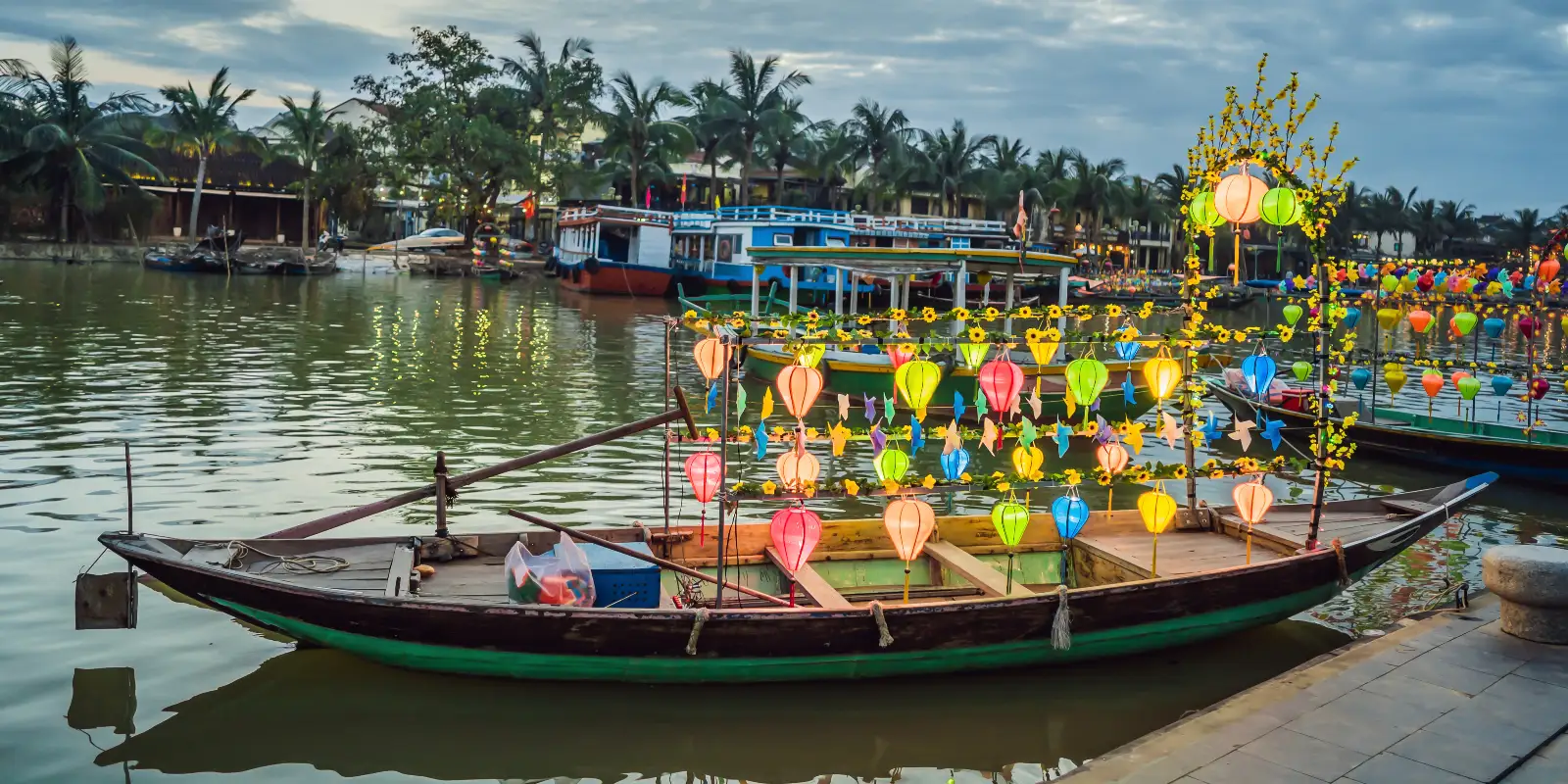
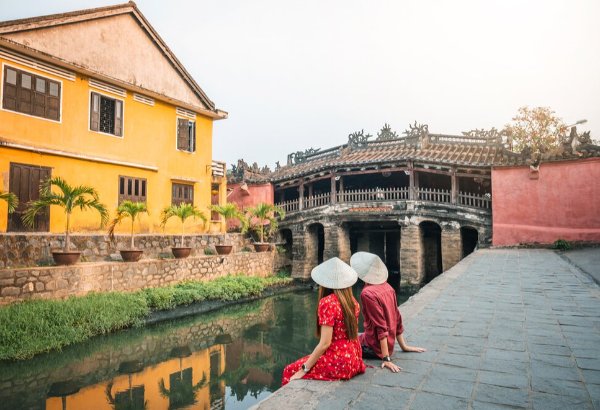
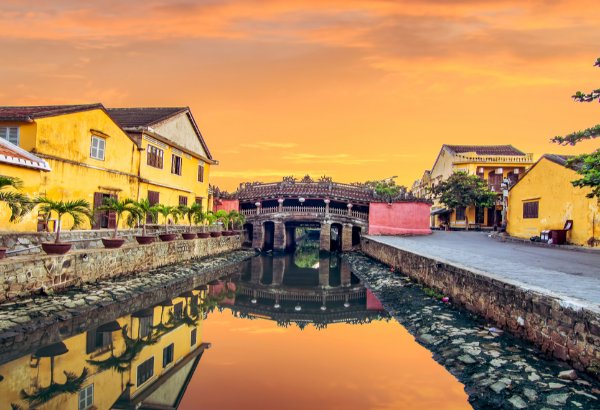
Hoi An doesn’t rush anyone. By late afternoon, traffic clears from the old quarter. Lanterns come on. The river fills with small boats. Couples walk without a plan, stopping for drinks, snacks, and tailor fittings. Evenings drift. Time becomes irrelevant.
What couples tend to enjoy here:
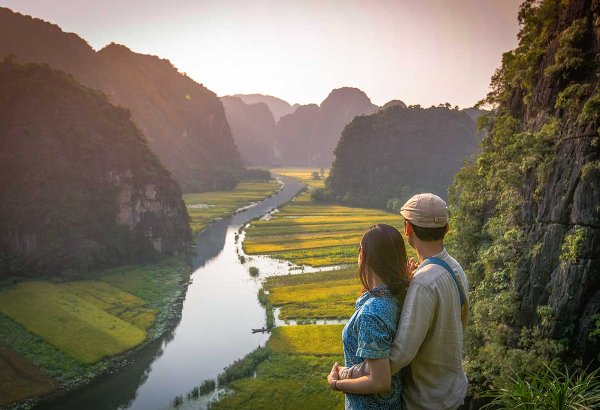
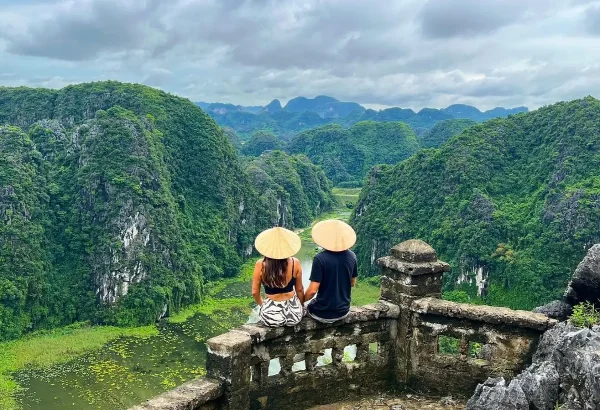
Ninh Binh offers open space rather than spectacle. Limestone walls rise abruptly from farmland. Rowboats slide through shallow cave tunnels. Cyclists move slowly between villages. Sound fades.
Shared experiences that stay with couples:
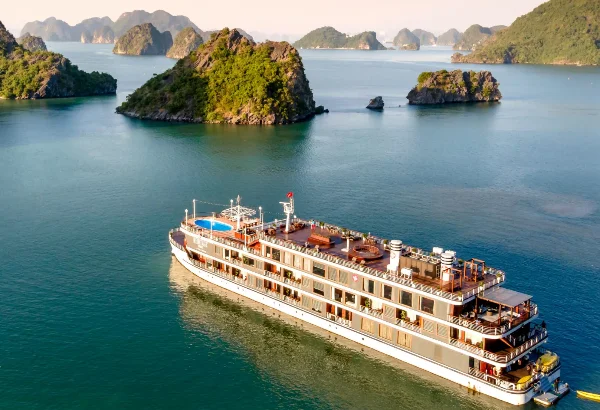
Ha Long Bay reveals its quieter personality only after sunset. Day boats leave. The water flattens. Anchors drop. Squid boats flicker across the horizon. Mornings arrive wrapped in mist.
Moments couples remember:
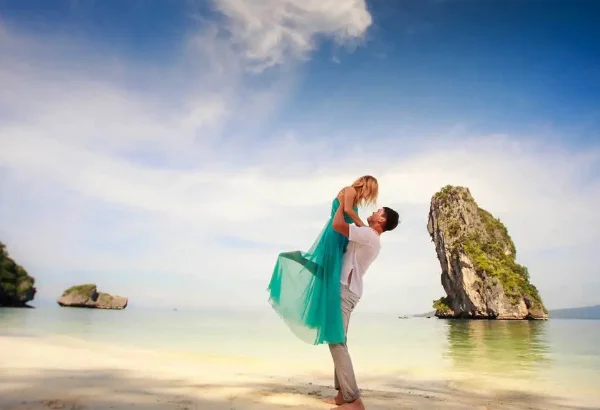
Phu Quoc works when nothing is planned. Swimming replaces sightseeing. Long lunches stretch into late afternoons. Evenings arrive quietly.
Hanoi → Ninh Binh → Ha Long Bay → Da Nang → Hoi An → Ba Na Hills
This sequence builds naturally, moving from urban immersion to countryside calm, water-based travel, coastal ease, and finally altitude and forest air. Ba Na Hills introduces cooler temperatures and mountain terrain, best visited early before cloud cover thickens. Terrain behaviour and timing patterns are detailed in Things to Do in Ba Na Hills: Your Ultimate Guide to Vietnam’s Mountain Escape.
Hoi An → Da Nang → Ho Chi Minh City → Mekong Delta → Phu Quoc
This route layers heritage towns, dense urban life, river culture, and beach recovery.
Both routes shape the backbone of most Vietnam honeymoon tours.
Vietnam’s length creates three different travel climates.
Couples planning Vietnam honeymoon tours without aligning routes to these seasonal patterns often encounter fog-bound mountains, cancelled boat trips, or relentless heat.
Vietnam’s strongest accommodation offerings sit in the boutique and small-resort category. Heritage conversions, riverside lodges, garden villas, and low-rise beachfront properties dominate.
Hoi An’s merchant houses, Ninh Binh’s eco-lodges, and Phu Quoc’s private villas attract honeymoon travellers consistently. A deeper breakdown appears in Best Resorts in Vietnam for Couples: A More Down-to-Earth Guide to Romance, Privacy & Everything in Between.
Most comfortable stays include:
Food quietly shapes daily life in Vietnam. Breakfast happens early. Lunch stays functional. Dinner stretches. Coffee anchors afternoons and late evenings.
Northern cuisine leans toward being herbal and restrained. Central cooking balances spice and crunch. Southern food turns sweeter and heavier. Couples unfamiliar with regional contrasts often appreciate The Vietnamese Dishes That Make Travellers Fall in Love before arrival.
Shared food moments couples value:
Vietnam remains among Southeast Asia’s safer destinations. Traffic requires awareness more than fear. Street crossings depend on steady walking rather than hesitation. Once understood, the rhythm becomes predictable.
Days naturally fall into:
Altitude sensitivity occasionally affects travellers in Ba Na Hills and the northern highlands. Slower ascent and pacing help.
Carefully balanced Vietnam honeymoon tours space these across days, preventing fatigue.
Tet (Lunar New Year) alters the country’s rhythm. Cities slow. Families travel. Transport fills. Shops close. For couples, this period offers cultural depth but requires patience. Hoi An’s lantern festivals and Hue’s heritage celebrations add atmosphere, alongside heavier foot traffic. Couples planning Vietnam honeymoon tours during festival windows should expect logistical friction balanced by a richer local experience.
Vietnam rarely offers grand romantic gestures. Instead, it provides shared stillness, slow movement, quiet meals, and long evenings. These modest fragments accumulate in memory. For couples willing to travel without urgency, Vietnam honeymoon tours are shaped by presence rather than performance, grounded, textured, and quietly lasting.
Your Next Adventure
Is A Click Away
Let our specialists build a journey that fits your life, not the other way around. No cookie-cutter tours — just thoughtful, personalised travel.