The Vietnamese Dishes That Make Travellers Fall in Love
Introduction
Every country has food, but only a few have food that quietly stays with you long after the trip ends. Vietnam is one of those places. Travelers arrive curious, sometimes cautious, and almost always leave talking about meals more than monuments. The streets smell alive. Pots bubble early in the morning. Plastic stools fill up before noon. Somewhere between your first walk and your last meal, you realize why Vietnamese dishes are not just eaten but remembered. This is not about fancy restaurants or complicated tasting menus. It’s about food that fits daily life. Meals that feel honest, filling, and comforting. The kind of food you crave even when you are back home, scrolling through photos and wishing you could teleport to that small corner shop again.
Morning Starts With a Bowl
Vietnam wakes up early, and so does its food culture. Breakfast is not rushed or skipped. It’s taken seriously. Imagine standing on a narrow street just after sunrise. Scooters hum past. Steam rises from a metal pot. Locals sit quietly, slurping noodles, fully focused on the bowl in front of them.
Pho: The First Love for Many Travelers
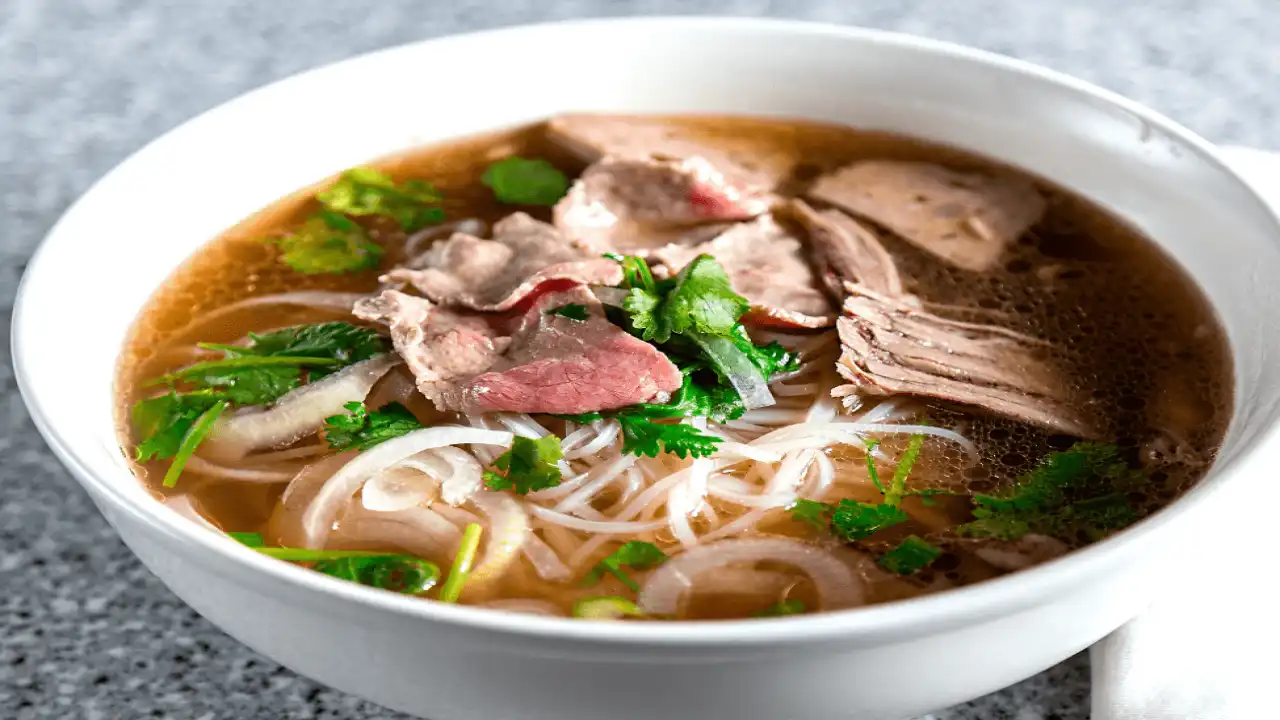
Pho is often the first dish travelers meet, and for good reason.
- Clear broth that smells gentle, not heavy
- Rice noodles that feel light but filling
- Herbs you add yourself, based on mood
What makes pho special is balance. Nothing fights for attention. Everything works together. People eat it slowly, even on busy mornings. That calm sets the tone for the day.
Pro tip:
Try pho from a place that only sells pho. If the menu is small, chances are the broth has been simmering for hours.
Street Food That Feels Personal
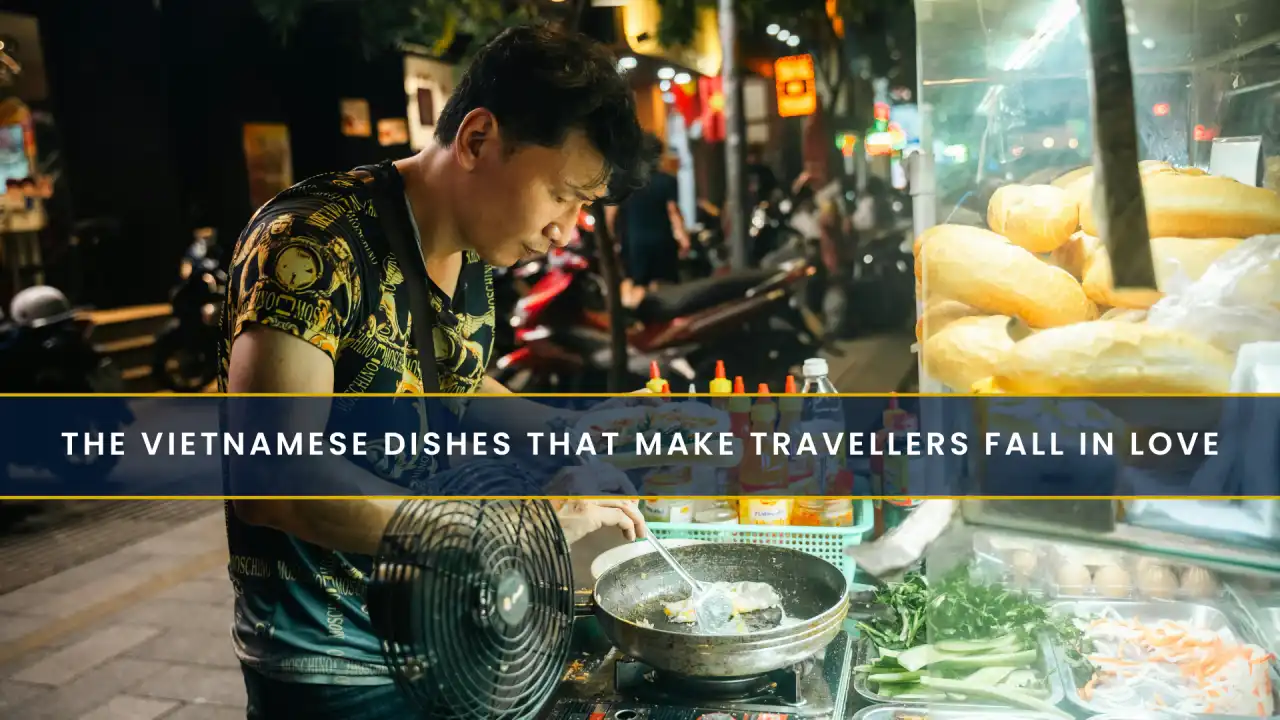
Vietnamese street food does not shout. It invites. One person or a family often runs small stalls. They cook the same dish every day. Over time, it becomes perfect in its own way.
Banh Mi: A Sandwich With a Story
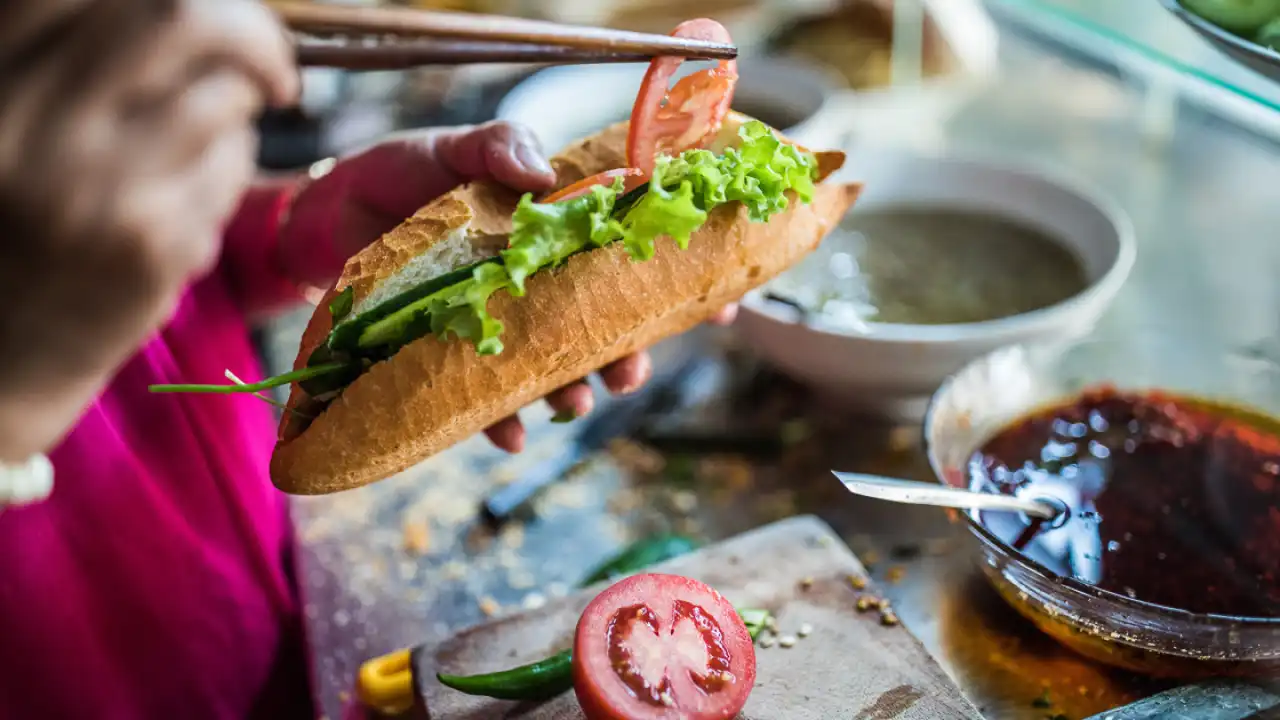
Banh mi looks simple, but it carries history and local pride.
- Crispy bread on the outside
- Soft inside that soaks up flavor
- A mix of pickles, herbs, meat, and sauce
Each bite feels layered but never messy. Travelers love it because it’s quick, affordable, and deeply satisfying. You can eat it standing. You can eat it while walking. Somehow, it always tastes better outdoors.
Meal That Brings People Together
Some dishes are not meant to be eaten alone. They are shared, talked over, and enjoyed slowly.
Bun Cha: A Hanoi Favorite

Bun cha is interactive. You dip noodles into warm broth. You choose how much meat to eat with each bite. You add herbs as you go. This dish teaches travelers something important: Vietnamese meals often let you decide the final taste.
- Sweet and savory grilled pork
- Cool noodles to balance the heat
- Fresh greens that reset the palate
Pro tip:
Watch how locals mix their bowls before copying them. There’s a rhythm to it.
Comfort Food You Didn’t Know You Needed
Some dishes feel like home even when you’re far away.
Com Tam: Broken Rice, Complete Meal
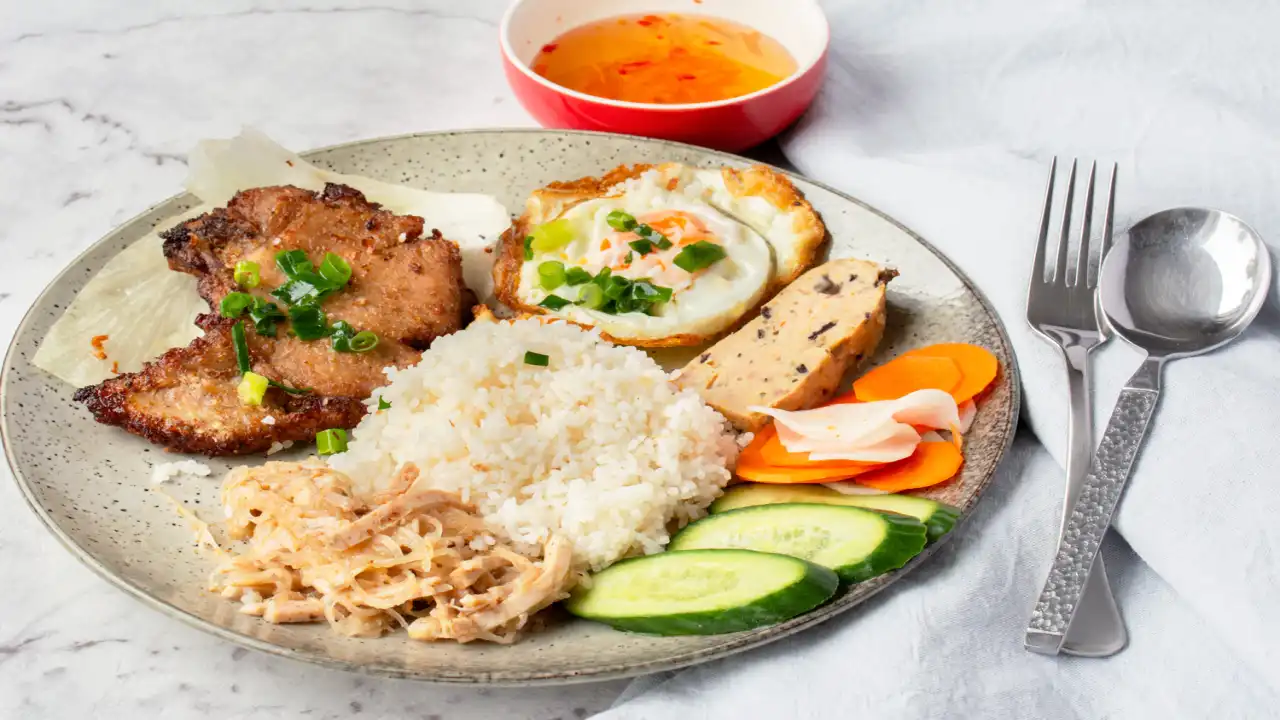
Com tam started as a humble dish but now sits proudly on menus everywhere.
- Rice with a slightly nutty texture
- Grilled pork with smoky edges
- Egg, pickles, and sauce, tying it all together
It’s the kind of meal you eat after a long day of walking. Filling, warm, and uncomplicated.
The Freshness Factor
One thing travelers notice quickly is how fresh everything tastes. Herbs are not decoration. They are essential. Mint, basil, cilantro, and greens arrive in big baskets. You tear them. You mix them. You taste as you go.
Goi Cuon: Light but Satisfying
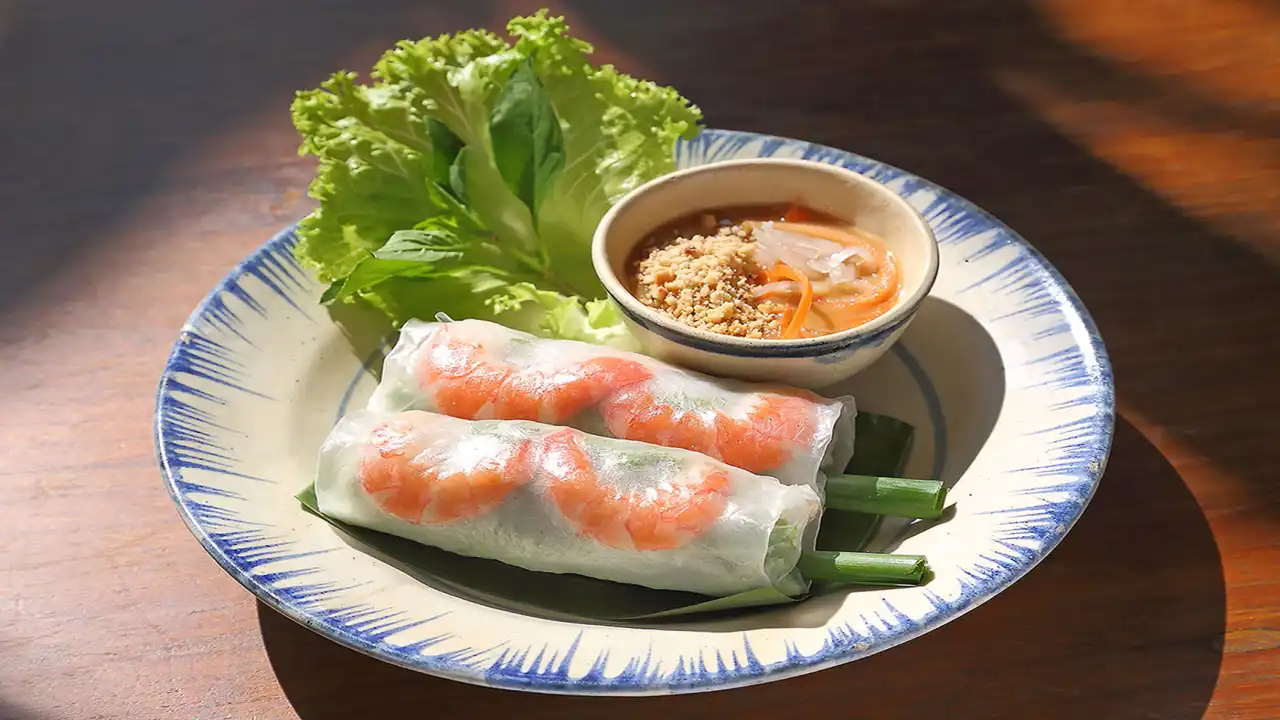
Fresh spring rolls are wrapped right in front of you.
- Rice paper
- Shrimp or meat
- Noodles and herbs
They feel light but don’t leave you hungry. Dipped in peanut or fish sauce, they show how simple ingredients can feel complete.
When Rain Calls for Something Crispy
Travel days include rain, waiting, and sudden hunger.
Banh Xeo: The Sound You Remember
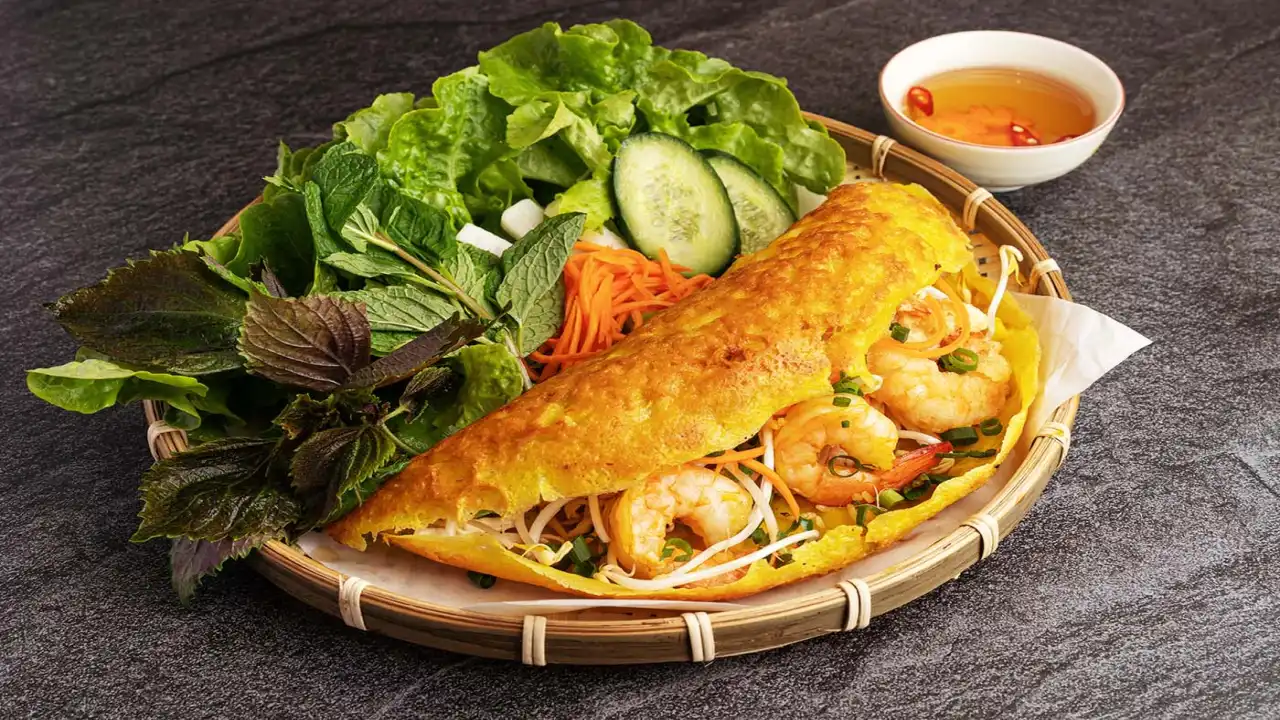
Banh xeo announces itself before you see it. The batter hits the pan and sizzles loudly enough to turn heads.
- Crispy edges
- Soft center
- Served with greens to wrap and dip
Eating it is half the fun. You tear pieces, wrap them, dip them, and smile at the mess you’re making.
Pro tip:
Eat banh xeo slowly. It cools fast, and the texture matters.
Noodles Beyond Pho
Pho may be famous, but Vietnam has many noodle stories.
Cao Lau: A Hoi An Original
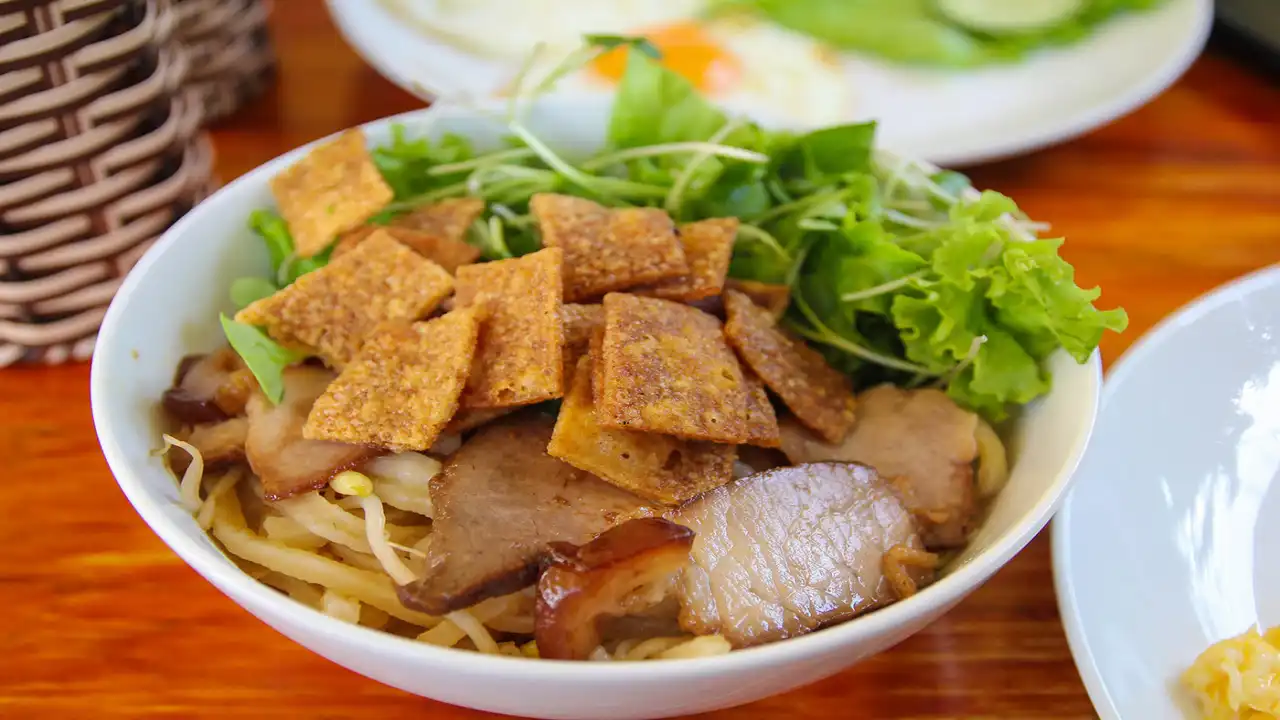
You won’t find true cao lau outside Hoi An easily. That’s part of its charm.
- Thick noodles
- Pork slices
- Greens and crunchy toppings
It feels earthy and local, like it belongs exactly where it’s made.
Drinks That Matter as Much as Food
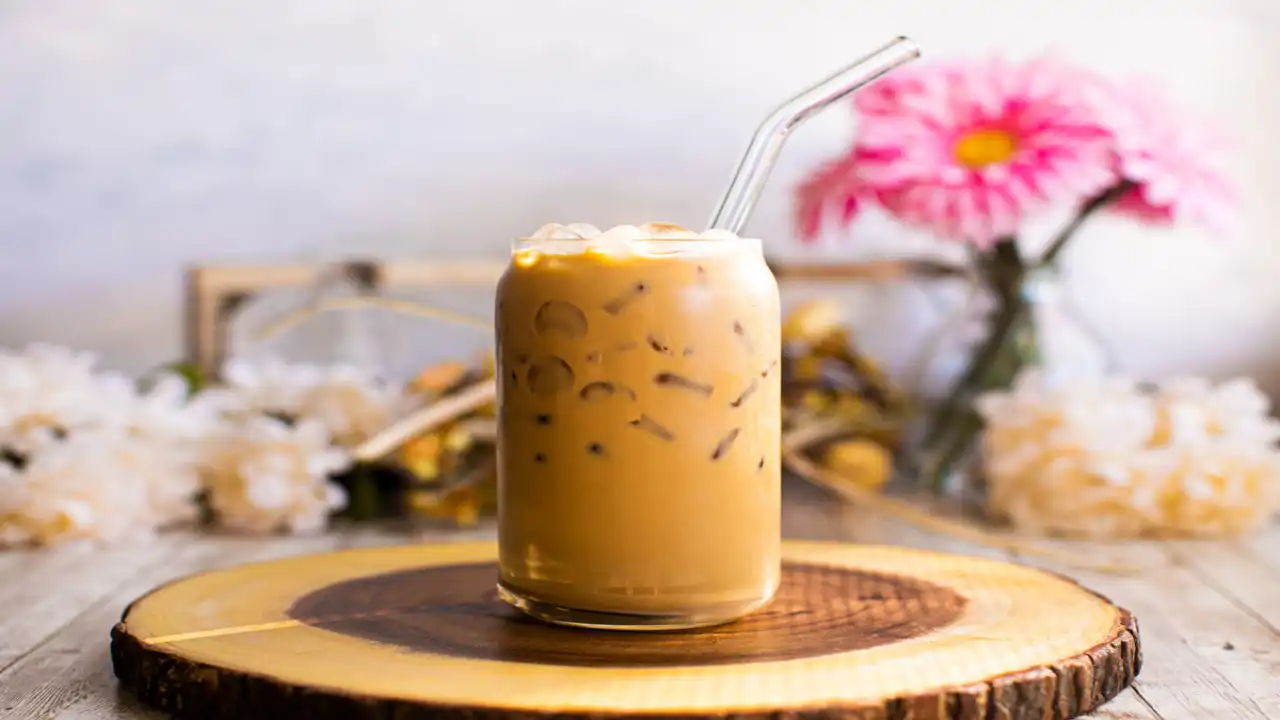
Vietnam’s food experience is incomplete without drinks.
- Iced coffee that hits strong
- Fresh sugarcane juice on hot days
- Herbal teas are served without asking
These drinks often come with meals, not after. They refresh between bites.
North, Central, or South: Where Would You Eat First?
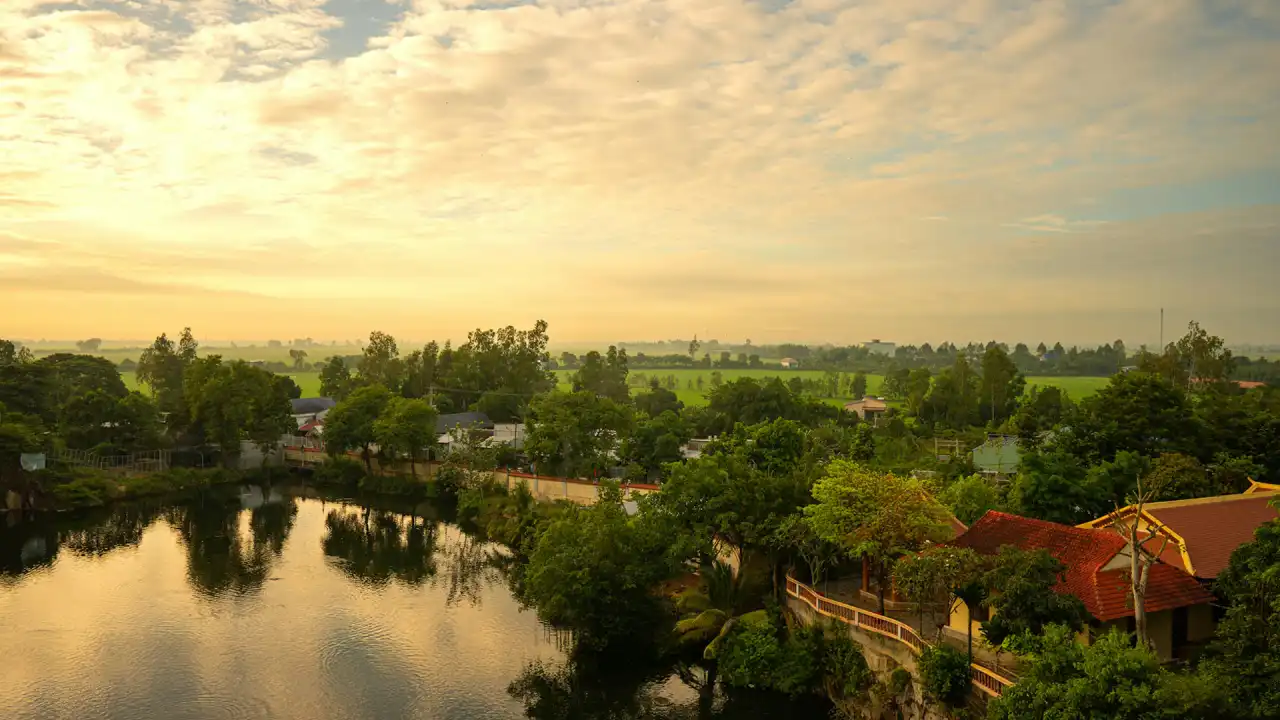
Vietnam’s food doesn’t stay the same from top to bottom. It shifts slowly as you travel, and that change is part of the experience. Many travelers don’t realize this at first. They try a dish in one city, then taste something similar elsewhere and wonder why it feels different. That difference is regional identity on a plate. If you had to choose just one part of the country to eat through first, where would you start?
The North: Calm, Balanced, and Comforting
Northern food feels steady and thoughtful. Flavors are gentle and well-balanced, never too sweet or spicy. Meals here suit early mornings and quiet evenings.
You’ll find:
- Clear broths
- Soft textures
- Simple seasoning that lets ingredients speak
This is where many travelers first understand why Vietnam is known for its best Vietnamese food that doesn’t try to impress loudly, but slowly wins you over.
The Central Region: Bold and Unapologetic
Central Vietnam doesn’t hold back. Dishes here often come smaller, spicier, and more intense. Meals feel energetic, sometimes surprising.
Expect:
- Strong chili heat
- Rich sauces
- Dishes meant to wake you up
Travelers who love flavor depth often remember this region most. Many must try Vietnamese dishes that come from here, especially those tied closely to local tradition.
The South: Warm, Sweet, and Social
Southern food feels relaxed, much like the lifestyle. Flavors lean slightly sweet, portions feel generous, and meals often turn into long conversations.
You’ll notice:
- More sugar and coconut
- Fresh herbs in large amounts
- Dishes meant to be shared
Eating here often feels like sitting down with friends, even if you arrived alone.
There’s no right answer. Some travelers prefer the calm balance of the north. Others chase the bold flavors of the center. Many fall for the warmth of the South. Most end up loving all three, just for different reasons. That choice, that curiosity, is what makes eating in Vietnam feel like a journey of its own.
Regional Flavors Feel Like Different Countries
Vietnam’s food changes as you move from north to south.
- Northern dishes are mild and balanced
- Central dishes bring more spic
- Southern dishes lean sweeter
This keeps food exploration exciting. Just when you think you understand the cuisine, it changes slightly.
Meals That Feel Like a Pause Button
Vietnamese food often slows you down without trying. You sit. You wait. You watch food being prepared. There’s no rush. This is why many travelers say meals become memories, not just refueling stops.
Eating Like a Local Without Trying Too Hard
You don’t need to be an expert to eat well in Vietnam.
Here’s how travelers naturally fall into good food habits:
- Eat where it’s busy
- Trust small menus
- Follow local meal times
- Don’t fear plastic stools
Pro tip:
If food is prepped fresh and served fast, it’s usually a good sign.
Food as a Reason to Travel
Many travelers plan trips around landmarks. In Vietnam, food becomes the reason to explore neighborhoods. One street leads to a soup stall. Another leads to grilled meat smoke. Before you know it, the city opens up through meals. This is why food-focused trips are becoming popular, whether it’s a relaxed Vietnam tour package or a short city-focused break.
Why It Stays With You
Vietnamese food doesn’t rely on shock value. It grows on you. The first bite feels good. The second feels familiar. By the last day, you already miss it. Even months later, a smell or photo brings you back to that stool, that bowl, that quiet moment in a busy street.
Conclusion
Travelers fall in love with Vietnam’s food because it feels real. It’s cooked daily, eaten daily, and shared daily. There’s no performance, no pressure to understand everything at once. You don’t need to chase every dish. Just eat what’s in front of you, notice how it’s served, and enjoy the moment. That’s why Vietnam continues to attract travelers choosing relaxed International Packages, not just for sightseeing, but for the simple food memories that stay long after the journey ends.