5D/4N
Kuala Lumpur Genting Highlands Tour Package: City Lights & Hilltop Adventures




..+1
Customize Package
Per Adult On Twin Sharing Basis
Get up to 28% OFF on
Starting at ₹40,000₹55,800
Get up to 28% OFF on
Malaysia Tour Packages
Starting at ₹40,000
..+1
Customize Package
Per Adult On Twin Sharing Basis
..+1
Starting At:
₹40,000
₹55,800
Per Adult On Twin Sharing Basis

Starting At:
₹74,999
₹90,000
Per Adult On Twin Sharing Basis
Explore Malaysia with thoughtfully designed Malaysia tour packages that bring together vibrant cities, tropical islands, scenic highlands, rich heritage, and unforgettable food experiences. From the modern skyline of Kuala Lumpur and the iconic Petronas Twin Towers to the beaches and island adventures of Langkawi, Malaysia offers plenty to suit every kind of traveller. Travel Junky’s Malaysia travel packages cover popular combinations such as Kuala Lumpur with Genting Highlands, Langkawi, Penang, and even Singapore. Whether you are planning a family holiday, romantic getaway, honeymoon, friends’ trip, or your first international vacation, you can choose an itinerary based on your preferred duration, destinations, and budget. A typical Malaysia trip package can range from a quick 4-day Kuala Lumpur escape to a relaxed 7-day city, hill station, and beach itinerary. Travellers can explore Batu Caves, enjoy the Langkawi Cable Car and Sky Bridge, discover George Town’s heritage streets, experience Genting’s theme parks, and sample Malaysian favourites such as Nasi Lemak and Roti Canai. With flexible itineraries, comfortable stays, sightseeing, transfers, and customization options, a Malaysia holiday package makes planning an international getaway simpler while leaving room to shape the trip around your travel style.
Malaysia is one of the most well-rounded international destinations for Indian travelers today, a country where modern city skylines, tropical islands, cool hill stations, and centuries-old heritage towns are all within a few hours of each other. Whether you are flying out of Delhi, Mumbai, Bengaluru, Chennai, or Hyderabad, Malaysia offers a short-haul, visa-friendly, and budget-flexible getaway that works equally well for couples, families, friend groups, and solo travellers.
With Travel Junky's Malaysia tour packages, you can choose anything from a quick 4-day Kuala Lumpur escape to a full 8–10 day multi-city trip covering Kuala Lumpur, Genting Highlands, Langkawi, Penang, and even Singapore. Every package is built around comfortable stays, guided sightseeing, smooth airport transfers, and itineraries that range from pocket-friendly to premium. So, you don't have to compromise on experience regardless of your budget.
Quick Note: Malaysia holiday packages suit almost every kind of traveler: first-timers exploring Kuala Lumpur, couples looking for a relaxed Langkawi beach break, families wanting theme parks and easy logistics, and groups wanting a mix of city life, nature, and adventure. A 5–7 day trip is generally enough to experience the country's highlights comfortably.
Malaysia's appeal lies in how compact and well-connected its top destinations are. You can pair a modern capital city with a beach island, a hill station, or a heritage town without long transit times in between. The table below gives a quick snapshot of the most popular trip combinations, their typical duration, and who each one suits best.
Which Malaysia package is best for first-time visitors? A 4–5 day Kuala Lumpur-focused package is the best starting point for first-time visitors. It covers the capital's major landmarks, shopping districts, and food streets without overwhelming a short trip, and it can easily be extended later with Langkawi or Genting once you're ready for a longer Malaysia holiday.
Malaysia consistently ranks among the more affordable international destinations for Indian travelers, offering strong value against flights, hotels, food, and experiences compared to several other short-haul countries. It's also a short flight from most major Indian cities, which means less travel fatigue and more time actually spent on holiday.
What makes Malaysia stand out is its sheer variety within one country. Kuala Lumpur offers a genuinely modern, cosmopolitan city experience with skyscrapers, malls, and nightlife. Just a couple of hours away, Langkawi and Penang bring you postcard beaches, islands, and coastal charm. Genting Highlands and Cameron Highlands deliver cool weather and hill-station relaxation, while Taman Negara and Kota Kinabalu open up rainforests and wildlife for the more adventurous traveller.
Shopping is another strong pull, from luxury malls in KL to street markets in Penang and duty-free zones in Langkawi. Food lovers get an equally widespread experience, blending Malay, Chinese, and Indian culinary traditions into dishes found nowhere else. Add to this Malaysia's family-friendly attractions like LEGOLAND and Genting SkyWorlds, romantic settings in Langkawi for couples, and the option to combine the trip with a Singapore extension, and it's easy to see why Malaysia works for almost every kind of travel plan.
Yes, Malaysia is considered one of the more convenient and welcoming international destinations for Indian travelers. It has a large Indian-origin population, widespread English usage, familiar food options, short flight times, and a well-developed tourism infrastructure all of which make travel noticeably easier compared to many other overseas destinations.
Malaysia is generally considered a budget-friendly to mid-range destination for Indian travelers. Street food, local transport, and budget accommodation keep daily costs manageable, while premium hotels, private tours, and fine dining are available for those who want to spend more. Overall trip cost depends heavily on flight timing, hotel category, and number of destinations covered.
Travel Junky offers a range of curated Malaysia packages designed around different travel styles and durations. Each package includes accommodation, sightseeing, and transfers, with flexibility to customize inclusions based on your preferences.
Kuala Lumpur Packages: Typically 3–5 nights focused entirely on the capital, ideal for first-time visitors who want to cover city landmarks, shopping, and food streets without travelling between cities.
Langkawi Packages: 3–4 nights on the island, built around beaches, the cable car, Sky Bridge, and island-hopping tours, best suited to couples and leisure travelers.
Genting Highlands Packages: Usually combined with a KL stay, offering 1–2 nights in the cool highlands with theme park access, ideal for families and groups wanting a change of scenery.
Kuala Lumpur + Langkawi: A 6–7 night combination pairing city sightseeing with a beach break, one of the most popular routes for couples and honeymooners.
Kuala Lumpur + Genting: A 5–6 night trip mixing city exploration with hill-station relaxation and family-oriented attractions.
Malaysia Family Packages: 6–8 night itineraries covering KL, Genting, and Langkawi, built around kid-friendly attractions like LEGOLAND, Aquaria KLCC, and Sunway Lagoon.
Malaysia Honeymoon Packages: Romantic itineraries centered on Langkawi's beaches and sunsets, along with curated experiences in Kuala Lumpur.
Malaysia + Singapore Packages: 7–10 night multi-country itineraries for travellers who want to combine Malaysia's variety with Singapore's city experience in a single trip.
Malaysia's destinations each offer a distinctly different holiday experience, which is what makes multi-city itineraries so rewarding here. Below is a closer look at the country's most-visited places and what each one brings to your trip.
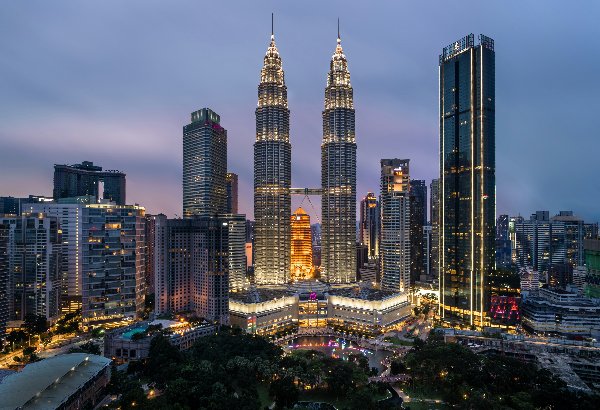
Kuala Lumpur is Malaysia's capital and usually the starting point of any Malaysia trip. The skyline is anchored by the Petronas Twin Towers, one of the most photographed structures in Southeast Asia, while Batu Caves offers a striking mix of religious significance and dramatic limestone architecture just outside the city. KLCC Park sits right beneath the towers and is a popular spot for evening walks and the nightly fountain show.
History and culture come together at Merdeka Square, where Malaysia's independence was declared, while the KL Tower offers panoramic city views from a different vantage point than the Twin Towers. For a more local experience, Chinatown and Jalan Alor are essential stops; the former for markets and temples, and the latter for some of the city's best street food after dark. Shopping ranges from luxury malls like Suria KLCC and Pavilion to bargain-hunting at Petaling Street, and the city's nightlife scene around Bukit Bintang keeps things lively well into the evening.
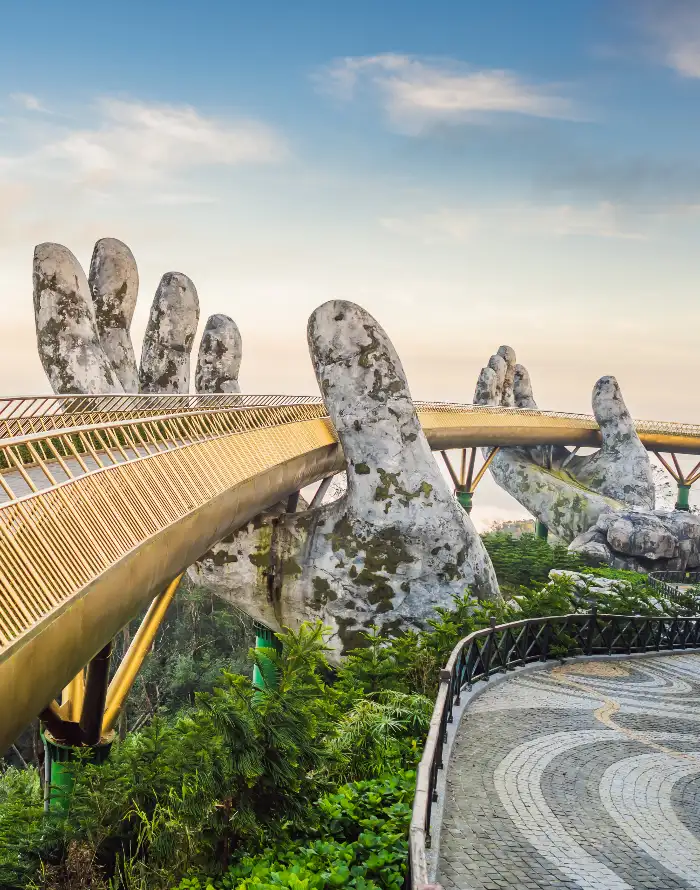
Langkawi is Malaysia's premier island getaway, known for its beaches, mangroves, and laid-back pace. The Langkawi Sky Bridge, a curved pedestrian bridge suspended high above the rainforest, is reached via the equally popular cable car ride that offers sweeping views of the archipelago below.
Island hopping tours are a Langkawi staple, taking visitors to nearby islands for snorkeling, swimming, and legend-filled boat stops. In contrast, mangrove tours through Kilim Geoforest Park reveal eagles, monkeys, and limestone caves. Water sports from jet-skiing to parasailing are widely available along the main beaches, and Langkawi's uninterrupted sunset views make it a favorite for couples looking for a romantic evening by the water.
Perched at a cooler altitude just outside Kuala Lumpur, Genting Highlands is Malaysia's answer to a quick hill-station escape. Genting SkyWorlds theme park is the headline attraction, offering rides and entertainment themed around popular franchises, while the cable car journey up to the resort is an experience in itself, gliding over rainforest canopy along the way.
The cooler climate makes it a refreshing change from the tropical heat elsewhere in Malaysia, and the resort area is packed with family attractions, entertainment options, and shopping, making it an easy, low-effort add-on to a Kuala Lumpur itinerary, particularly for families with children.
Penang, and specifically George Town, is Malaysia's cultural and culinary capital. Its UNESCO World Heritage-listed old town is known for colonial-era architecture, ornate temples, and an ever-growing collection of street art murals tucked into its narrow lanes. Penang Hill offers a cooler retreat with panoramic views over the city and strait, reachable by a funicular railway.
Food is Penang's biggest draw; the island is widely regarded as having some of Malaysia's best hawker food, making it a must-visit for travelers who plan their trips around what they'll eat as much as what they'll see.
Malacca (Melaka) is Malaysia's most historically layered city, shaped by Portuguese, Dutch, and British colonial rule. Dutch Square, with its distinctive red buildings, is the city's most photographed spot, while Jonker Street comes alive at night with its bustling weekend market. A Famosa, the remains of an old Portuguese fortress, and the city's many heritage museums round out its historical appeal, and a river cruise along the Malacca River offers a relaxed way to see the old town lit up in the evening.
Cameron Highlands is Malaysia's most famous hill station, known for sprawling tea plantations that carpet the hillsides in green. Strawberry farms, where visitors can pick their own fruit, are a popular family activity, and the cool climate makes hiking trails through the surrounding forest genuinely pleasant year-round. Scenic viewpoints across the plantations make this one of Malaysia's most photogenic destinations.
For travellers looking to venture beyond Peninsular Malaysia, Kota Kinabalu in Sabah offers a different side of the country entirely. Mount Kinabalu, Southeast Asia's tallest peak, dominates the region and draws hikers from around the world, while nearby islands offer some of Malaysia's best beaches and diving spots. Sabah's rich biodiversity also makes it a strong destination for wildlife and cultural experiences beyond the typical tourist trail.
Taman Negara is one of the world's oldest rainforests and Malaysia's premier destination for nature and adventure travel. A canopy walk suspended among the treetops offers a bird's-eye view of the jungle, while guided jungle treks and river-based experiences let visitors explore the dense forest and spot wildlife in its natural habitat.
Putrajaya is Malaysia's planned administrative capital, notable for its striking Islamic architecture. The Putra Mosque, with its rose-tinted dome, is the city's most recognizable landmark, sitting alongside a large botanical garden and wetlands area that make Putrajaya a peaceful, photogenic half-day trip from Kuala Lumpur, centered around its scenic lake.
Johor Bahru is best known as the gateway between Malaysia and Singapore and as home to LEGOLAND Malaysia, one of the country's biggest family attractions. Beyond the theme park, the city offers solid shopping options and serves as a convenient stopover for travelers combining a Malaysia and Singapore itinerary.
Beyond the destinations themselves, certain individual attractions are worth planning your itinerary around. Here's what each one offers and where it fits best into your trip.
Malaysia's most iconic landmark, the Petronas Twin Towers, offers a skybridge and observation deck experience with sweeping views of Kuala Lumpur. Best visited in the late afternoon or evening when the towers are lit up. Plan for around 1.5–2 hours, and fit it into your first or second day in KL as a city-orientation stop.
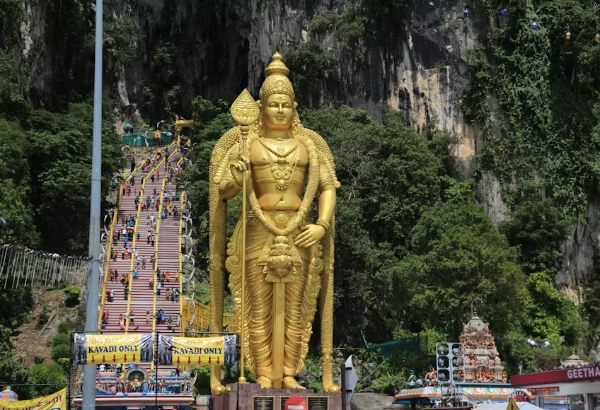
A limestone cave complex housing a significant Hindu temple, marked by a towering golden statue at its entrance. Best visited in the morning to avoid the heat and crowds. Allow around 2 hours, including the climb up the 272 steps, and pair it with other north KL sightseeing on the same day.
An alternative viewpoint to the Twin Towers, offering panoramic city views along with an observation deck and, at times, additional attractions like a mini zoo. Best for sunset visits; allow about 1.5 hours. Works well as an evening stop after a day of city sightseeing.
A curved suspension bridge offering dramatic views over Langkawi's rainforest and coastline. Reached via cable car, it's best visited early in the day for clearer skies. Budget around 2–3 hours for the full cable car and bridge experience, ideally on your first full day in Langkawi.
The gateway to the Sky Bridge, this cable car ride itself is a highlight, climbing steeply over dense rainforest to Malaysia's second-highest peak. Best combined with the Sky Bridge visit in the same outing, taking around 2 hours total.
Genting's flagship theme park, featuring rides and attractions suited to families and thrill-seekers alike. A half-day to full-day visit depending on how many rides you want to cover; best planned as the core activity of your Genting stop.
A dedicated family theme park in Johor Bahru built around LEGO-themed rides and attractions, plus a water park option. Best suited to families with younger children; plan for a full day, particularly if combining the park with the water park.
An underwater-themed aquarium located beneath the Kuala Lumpur Convention Centre, popular with families and a good rainy-day option. Around 1.5–2 hours is enough; it is easily combined with a KLCC/Twin Towers day.
A landscaped park at the base of the Petronas Towers, best known for its evening fountain and light show. A relaxed 45-minute to 1-hour stop, ideally timed for early evening to catch the show and the illuminated towers.
A large multi-park attraction combining a water park, amusement park, and wildlife zone. Best for families and groups wanting a full day of activity; located a short distance outside central KL, so plan transport time accordingly.
Penang's historic core is best explored on foot to take in its street art, temples, and colonial architecture. Half a day is enough for the highlights, though food lovers often extend this into a full day of hawker-stall hopping.
A cooler hilltop retreat above George Town, reached by funicular railway, offering panoramic views over the city and strait. Around 2 hours, including the ride up and down; best in the late afternoon for cooler temperatures and good light.
Putrajaya's landmark rose-tinted mosque, notable for its striking architecture and lakeside setting. A 45-minute to 1-hour visit is typical, best combined with a broader half-day Putrajaya excursion from Kuala Lumpur.
City sightseeing covering the Twin Towers, KL Tower, and Merdeka Square gives you an overview of the capital's landmarks. Batu Caves makes for a half-day cultural detour, while shopping in malls like Pavilion and Suria KLCC or at bargain markets like Petaling Street suits every budget. Street food exploration, especially around Jalan Alor, is close to essential, and a night tour of the illuminated skyline rounds out a well-balanced city stay.
The cable car and Sky Bridge combination is Langkawi's signature activity, best done early in the day. Island hopping tours take you to nearby beaches and snorkelling spots, while a mangrove cruise through Kilim Geoforest Park offers a completely different, wildlife-rich side of the island. Evenings are best spent watching the sunset from one of Langkawi's west-facing beaches.
A walking tour of George Town covering its colonial architecture and temples is the natural starting point. Penang's street art trail can be combined with the same walk, while a dedicated food tour, sampling char kway teow, laksa, and other hawker specialities, is often the highlight of a Penang visit. Temple visits, particularly at Kek Lok Si, add a cultural dimension to the trip.
For travellers wanting more than sightseeing, Malaysia offers white-water rafting, diving and snorkelling around its islands, paragliding in select locations, jungle trekking in Taman Negara and the highlands, and ziplining experiences in forested areas, giving adventure travellers plenty of reasons to build activity-focused days into their itinerary.
Family-friendly Malaysia itineraries typically center around LEGOLAND, Genting's theme parks, Aquaria KLCC, and Sunway Lagoon, all of which are built specifically with children in mind. A stop at KL Bird Park adds an easy, low-effort outdoor activity, and Langkawi can be included for a relaxed beach component that works well for children of most ages.
Couple-focused itineraries lean heavily on Langkawi; its beaches, uninterrupted sunset views, and cable car experience make it a natural fit for romantic travel. Private tour options and curated romantic dining experiences can be added to elevate a standard Langkawi stay into something more tailored for couples.
Malaysia's honeymoon packages typically combine a few days in Kuala Lumpur with an extended Langkawi stay, prioritizing beachfront stays and sunset experiences. If you're specifically planning a honeymoon, it's worth exploring Travel Junky's dedicated Malaysia honeymoon package page for itineraries built entirely around that intent.
Trips with friends tend to favor adventure activities, Kuala Lumpur's nightlife scene, extensive shopping, and Malaysia's diverse food options. Island activities in Langkawi, from water sports to boat trips, also work well for groups wanting an active, social holiday.
For a first Malaysia trip, the recommended route is a Kuala Lumpur base with a short Genting Highlands add-on. This covers the country's most iconic city landmarks alongside an easy hill-station experience, without the logistics of covering too many destinations in one trip.
This short itinerary focuses entirely on the capital and is best suited to first-time visitors or those short on time.
Best for travellers wanting a quick city break; don't rush the shopping and food exploration on Day 3, as it's often the most memorable part of a short KL trip. Ideal length: 3 nights.
Adding Genting Highlands to a KL base introduces a cooler, family-friendly element to the trip. This suits families and groups wanting variety without long travel days, and the Genting portion shouldn't be rushed given that the cable car ride and theme park both take time to enjoy properly. Ideal length: 4 nights.
This is one of the most popular combinations, pairing city sightseeing with a beach escape. It works particularly well for couples, and the Langkawi portion, especially the Sky Bridge and island hopping, deserves at least 2–3 full days to avoid feeling rushed. Ideal length: 5 nights.
A well-rounded route that covers city, hill station, and beach in a single trip, best suited to families and first-time visitors who want a comprehensive introduction to Malaysia. Genting can be kept to 1–2 nights, leaving the bulk of the trip split between KL and Langkawi. Ideal length: 6 nights.
The most complete Malaysia itinerary, ideal for travellers who want to go beyond the highlights and add either Penang's heritage and food scene or a Singapore extension. This route suits travellers with more time who want depth rather than just a highlights reel; don't compress Penang or Singapore into less than 2 nights, as both deserve unhurried exploration. Ideal length: 7–9 nights.
For most first-time visitors, 6–7 days strikes the best balance between covering Malaysia's variety and keeping the trip relaxed rather than rushed.
Malaysia doesn't have a single uniform weather pattern; conditions vary meaningfully between the west and east coasts and between Peninsular Malaysia and Borneo. Planning around regional weather makes a noticeable difference to your trip.
Kuala Lumpur can be visited comfortably through most of the year given its indoor-friendly attractions like malls and towers, though drier stretches make outdoor sightseeing more pleasant.
Langkawi is best visited during its drier months when sea conditions are calmer and better suited to beach and water activities; the monsoon period brings more rainfall and rougher seas.
Penang's weather broadly mirrors Langkawi's, with drier periods offering better conditions for walking tours of George Town and outdoor food exploration.
Honeymoon travellers should prioritise Langkawi's drier season to make the most of beach time, sunset views, and outdoor romantic experiences.
Family trips work well year-round given Malaysia's strong indoor and theme-park attractions, though drier periods make outdoor days at Genting or Langkawi noticeably more enjoyable.
Multiple airlines operate flights connecting major Indian cities, including Delhi, Mumbai, Bengaluru, Chennai, and Hyderabad, to Kuala Lumpur, with both direct and connecting options available depending on your departure city.
Direct flights from major Indian cities to Kuala Lumpur typically take approximately 4–5 hours, making Malaysia a genuinely convenient short-haul option compared to many other international destinations.
From Kuala Lumpur International Airport, travellers can take the KLIA Ekspres train directly into the city, book a metered or app-based taxi, use ride-hailing services, or arrange a private transfer in advance; the last option being the most convenient for families or those arriving with significant luggage.
Malaysia's visa and entry requirements for Indian passport holders are subject to periodic government revisions, so this section should always be cross-checked against the latest official guidance before booking.
Do Indians Need a Visa to Visit Malaysia? Requirements can change based on current government policy, so Indian travellers should verify the latest visa or entry requirements directly with the Malaysian High Commission or official immigration sources before planning their trip.
Broadly, travellers should be prepared with:
Because entry rules can be updated without much notice, always confirm current requirements close to your travel date rather than relying on older information.
Malaysia trip costs vary significantly based on flight timing, hotel category, number of destinations, and season of travel. Below is a general cost framework across common trip lengths.
Malaysia's official currency is the Malaysian Ringgit (MYR). The MYR to INR exchange rate fluctuates, so it's worth checking current rates before your trip and again closer to departure. Cards are widely accepted in malls, hotels, and larger restaurants across Kuala Lumpur and Penang, though carrying some cash is useful for smaller vendors, street food stalls, and local markets, particularly outside major cities. ATMs are readily available in cities and tourist areas for withdrawing local currency. Currency exchange counters at airports and in city centers offer competitive rates, and it's generally advisable to compare a few before exchanging larger amounts. Tipping isn't strictly customary in Malaysia, though rounding up or leaving small amounts for good service is appreciated in restaurants and for tour guides.
Malaysia's food scene blends Malay, Chinese, and Indian influences into a genuinely unique cuisine. Nasi Lemak, coconut rice served with sambal, anchovies, and egg, is considered the national dish. Roti Canai, a flaky flatbread usually served with curry, is a breakfast staple, while satay, skewered, grilled meat with peanut sauce, is a favorite street food across the country.
Laksa, a spicy noodle soup with regional variations, and Char Kway Teow, stir-fried flat noodles especially famous in Penang, are must-try dishes for any food-focused itinerary. Nasi Kandar offers a mix-and-match rice and curry experience popular in the north, while Rendang, a slow-cooked spiced meat dish, and Mee Goreng, fried noodles, round out the savory essentials. Hainanese Chicken Rice is a comfort-food favorite across Malaysia, and no trip is complete without trying Cendol, a sweet iced dessert, and Teh Tarik, Malaysia's signature pulled milk tea.
Kuala Lumpur offers the widest variety in one place, while Penang is widely regarded as Malaysia's food capital, particularly for hawker fare. Malacca brings its own Peranakan culinary traditions, and Langkawi, while smaller in scope, still offers solid seafood and local specialities alongside its beach setting.
What food should Indians try in Malaysia? Indian travellers will find Nasi Lemak, Roti Canai, and Teh Tarik particularly approachable given familiar spice profiles, while dishes like Laksa and Char Kway Teow offer a flavourful introduction to Malaysia's Chinese-influenced cuisine.
Kuala Lumpur's Bukit Bintang, Pavilion KL, and Suria KLCC cover everything from international luxury brands to mid-range retail, while Central Market and Petaling Street are better suited to souvenirs, local crafts, and bargaining. In Langkawi, duty-free shopping is a major draw, and George Town in Penang offers a mix of heritage shophouses and local boutiques.
Popular purchases include batik textiles, Malaysian chocolates, local snacks, handmade handicrafts, regional tea, aromatic spices, and a wide range of general souvenirs reflecting Malaysia's multicultural heritage.
Kuala Lumpur is home to Malaysia's most active nightlife scene, centered around Bukit Bintang for bars and clubs and Jalan Alor for late-night street food. Several rooftop venues across the city also offer skyline views alongside evening drinks. Langkawi's nightlife is far more low-key, generally limited to beachfront bars and relaxed evening dining, while Penang offers a mix of casual bars and late-night food streets rather than a high-energy club scene.
Within Kuala Lumpur, the city is well served by MRT, LRT, and monorail lines, alongside widely available Grab ride-hailing and metered taxis, making it easy to get around without a rental car.
Between cities, train and bus services connect major destinations affordably, while domestic flights are the faster option for longer distances such as to Kota Kinabalu.
In Langkawi, taxis, ride-hailing, and car rentals are all commonly used, with rental cars offering the most flexibility for exploring the island's beaches and viewpoints at your own pace.
In Penang, buses and Grab cover most transport needs, though George Town's compact old town is also very walkable, making it easy to explore on foot.
In Kuala Lumpur, KLCC is best for first-time visitors wanting proximity to the Twin Towers and major malls, Bukit Bintang suits those prioritizing shopping and nightlife, and Chinatown offers a more budget-friendly, heritage-adjacent base.
In Langkawi, Pantai Cenang is the most popular beach area with a wide range of hotels and restaurants, while Kuah, the island's main town, works well for travelers wanting easier access to ferries and local amenities.
In Penang, George Town puts you at the center of the heritage district and food scene, while Batu Ferringhi is better suited to travelers prioritizing a beach-focused stay.
A local SIM card or eSIM is easy to arrange on arrival and worth getting immediately for navigation and ride-hailing apps. Malaysia uses Type G power sockets, so carry an adapter if your devices don't already support this plug type. The weather is tropical and humid year-round, so pack breathable clothing along with a light layer for air-conditioned malls and highland areas like Genting or the Cameron Highlands.
Currency exchange is straightforward in cities, but it's worth carrying some cash for smaller vendors and local markets. Food is generally safe and diverse, though it's sensible to stick to busy, high-turnover stalls when trying street food. Public transport in KL is efficient and easy to navigate, while ride-hailing apps work well across most destinations.
Malaysians are generally polite, and English is widely spoken, particularly in tourist areas, easing communication for Indian travellers. The country is considered fairly safe for tourists, though standard travel precautions apply, especially at night. Travel insurance is recommended for any international trip, and it's worth keeping local emergency contact numbers handy. Given the tropical climate, a compact umbrella or raincoat is a useful addition to your packing list regardless of season.
Malaysia is a genuinely strong destination for family travel, largely thanks to its concentration of kid-focused attractions. LEGOLAND in Johor Bahru is the standout choice for younger children, while Aquaria KLCC offers an easy, air-conditioned option in the capital. Genting's theme parks add variety with a cooler climate, and Sunway Lagoon combines water park and amusement park attractions in one stop. KL Bird Park offers a gentler, outdoor option for younger kids, and Langkawi rounds out a family itinerary with a relaxed beach component.
When planning with children, it's worth keeping daily travel time reasonable; pairing no more than two major attractions per day generally keeps the pace comfortable for younger travellers.
Should You Visit Malaysia or Singapore? Choose Malaysia if you want a variety of beaches, hill stations, heritage towns, and city life within one country at generally lower costs. Choose Singapore if you want a highly polished, compact city experience with world-class attractions in a smaller geographic footprint.
Can Malaysia and Singapore Be Covered in One Trip? Yes, Malaysia and Singapore are connected by land, making it straightforward to combine both in a single itinerary, typically by pairing Kuala Lumpur or Johor Bahru with a Singapore extension.
Combining Malaysia and Singapore in one trip lets you experience two distinct travel styles: Malaysia's variety and Singapore's polish without a long haul flight in between, since the two countries are directly connected by land and short flights.
An ideal duration for this combination is 7–10 days, giving enough time to properly explore both countries rather than rushing through either. Popular routes include KL + Singapore for a straightforward two-city trip, KL + Genting + Singapore for travellers wanting a highland detour, and KL + Langkawi + Singapore for those who want to add a beach component alongside the two cities.
This combination works particularly well for travellers who have more time to spend, multi-city trip enthusiasts, and those looking to tick off two countries in a single, well-planned itinerary.
Is Malaysia good for Indian tourists? Yes, Malaysia is considered highly convenient for Indian tourists thanks to short flights, widespread English usage, familiar food options, and a well-developed tourism infrastructure.
How many days are enough for Malaysia? 6–7 days is generally enough to cover Malaysia's highlights comfortably, combining Kuala Lumpur with either Genting or Langkawi.
How much does a Malaysia trip cost? Cost varies by season, hotel category, and number of destinations, ranging from budget to premium options. Get in touch with Travel Junky for an accurate quote based on your travel dates.
Which is better for couples, Kuala Lumpur or Langkawi? Langkawi is generally better suited to couples given its beaches, sunset views, and relaxed pace, though most couple itineraries combine both.
Is Malaysia suitable for families? Yes, Malaysia offers a strong concentration of family attractions, including LEGOLAND, Genting's theme parks, and Sunway Lagoon.
What is the best place to visit in Malaysia for first-time visitors? Kuala Lumpur is the best starting point for first-time visitors, offering the country's most iconic landmarks in one compact city.
Is Malaysia cheaper than Singapore? Yes, Malaysia is generally more budget-friendly than Singapore across flights, hotels, and daily expenses.
What currency is used in Malaysia? The Malaysian Ringgit (MYR) is the official currency used throughout the country.
What is the average cost of Malaysia tour packages from India? Cost depends on trip duration, hotel category, and destinations covered, ranging from budget-friendly Kuala Lumpur-only trips to more premium multi-city itineraries. Contact Travel Junky for a quote tailored to your travel dates.
How many days are enough for a Malaysia trip? 6–7 days is generally ideal, allowing you to combine Kuala Lumpur with either Genting Highlands or Langkawi without feeling rushed.
What is the best time to visit Malaysia? Malaysia's weather varies by region, so the ideal time depends on which destinations you're covering. Drier periods generally offer better conditions for beach and outdoor activities in Langkawi and Penang.
Is Malaysia good for Indian families? Yes, Malaysia offers a strong lineup of family attractions, including LEGOLAND, Genting's theme parks, and Sunway Lagoon, along with easy logistics for travelling with children.
Is Malaysia suitable for honeymoon couples? Yes, Langkawi in particular is well suited to honeymoon travel, offering beaches, sunset views, and a relaxed, romantic pace.
Which are the best places to visit in Malaysia? Kuala Lumpur, Langkawi, Genting Highlands, and Penang are Malaysia's most popular destinations, each offering a distinctly different travel experience.
Is Malaysia cheaper than Singapore? Generally, yes, Malaysia tends to be more budget-friendly than Singapore across most trip expenses.
Do Indians need a visa for Malaysia? Visa and entry requirements for Indian travellers can change, so it's important to check the latest official guidance from the Malaysian High Commission before planning your trip.
What currency is used in Malaysia? The Malaysian Ringgit (MYR) is Malaysia's official currency.
What are the best things to do in Malaysia? Highlights include city sightseeing in Kuala Lumpur, the Langkawi Sky Bridge and cable car, George Town's food and heritage walk, and Genting's theme parks.
Which is better, Kuala Lumpur or Langkawi? Kuala Lumpur suits travellers wanting city life and shopping, while Langkawi is better for beaches and relaxation. Most itineraries combine both for a balanced trip.
How many days are enough for Kuala Lumpur and Langkawi? 6–7 days is typically enough, splitting time roughly evenly between the two destinations.
What is the best Malaysia itinerary for first-time visitors? A Kuala Lumpur base with a short Genting Highlands add-on is the recommended route for first-time visitors, covering the country's most iconic experiences in a manageable timeframe.
What is the cheapest way to travel around Malaysia? Public transport within Kuala Lumpur (MRT, LRT, monorail) and buses or trains between cities are the most budget-friendly ways to get around Malaysia.
What food should Indians try in Malaysia? Nasi Lemak, Roti Canai, and Teh Tarik are approachable starting points, while Laksa and Char Kway Teow offer a flavourful introduction to Malaysia's wider cuisine.
Is Malaysia safe for tourists? Malaysia is generally considered safe for tourists, though standard travel precautions, particularly at night, are advisable, as with any international destination.
Which Malaysian destination is best for families? Kuala Lumpur combined with Genting Highlands is generally the best fit for families, offering a mix of city attractions and theme parks in a manageable itinerary.
Can Malaysia and Singapore be covered together? Yes, the two countries are directly connected by land, making it easy to combine both in a single 7–10 day trip.
Planning a Malaysia trip involves a lot of moving parts—destinations, accommodation, transfers, and activities and Travel Junky is built to take that planning off your hands. Every Malaysia package can be customized to fit your preferred destinations, trip length, and budget, rather than forcing you into a fixed template.
Hotel choices span budget to premium categories, and airport transfers and sightseeing arrangements are handled end-to-end so you're not left figuring out logistics on the ground. Our travel team brings hands-on experience planning Malaysia itineraries specifically, backed by 24/7 call and chat support for anything that comes up before or during your trip. Installment payment options make it easier to plan ahead, and multilingual support ensures a smooth experience regardless of your preferred language. Keep an eye out for first-booking offers that may be available at the time of planning your trip.
Your Next Adventure
Is A Click Away
Let our specialists build a journey that fits your life, not the other way around. No cookie-cutter tours — just thoughtful, personalised travel.