7D/6N
Bhutan 7 Days Tour Package: Valleys, Culture & Mountains




Starting At:
₹55,000
₹74,800
Per Adult On Twin Sharing Basis
Get up to 26% OFF on
Starting at ₹55,000₹74,800
Get up to 26% OFF on
Bhutan Tour Packages
Starting at ₹55,000
Starting At:
₹55,000
₹74,800
Per Adult On Twin Sharing Basis
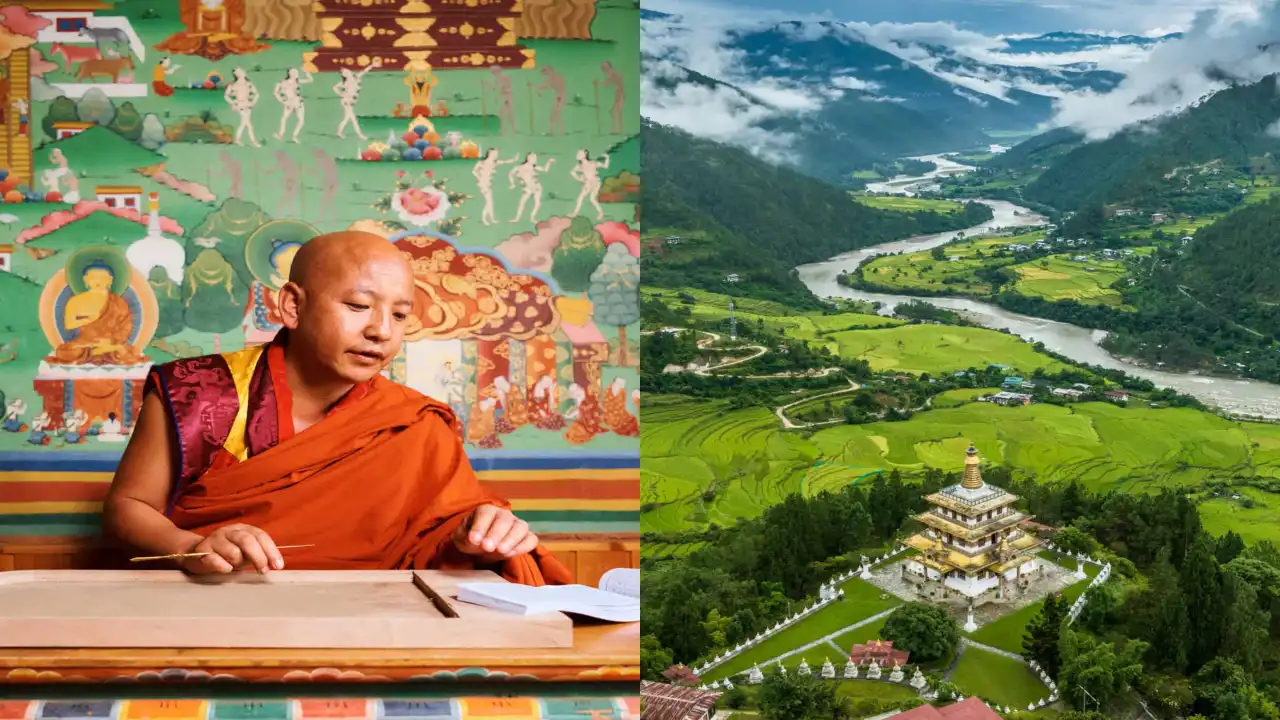
Bhutan is the kind of destination where the journey feels deliberately slower. Mountain roads wind through pine forests, prayer flags appear around bends, and ancient monasteries sit above valleys that seem almost untouched. For Indian travellers, Bhutan tour packages make planning this Himalayan escape easier by combining accommodation, local transport, sightseeing and the required Sustainable Development Fee (SDF) into one trip.
Whether you are planning a short Bhutan trip from Delhi, a family holiday from Mumbai, a honeymoon from Bangalore, or a longer road journey through the eastern Himalayas, Bhutan offers several ways to travel. Paro, Thimphu and Punakha are the usual first stops, while Phobjikha, Haa and Bumthang work well for travellers who want to go beyond the classic circuit.
Bhutan is also one of the more unusual international trips for Indians because you do not need a conventional tourist visa. Indian citizens need an entry permit, and the process can be completed online or at a port of entry. The Sustainable Development Fee for Indian nationals is currently INR 1,200 per person per night.
Planning note: Bhutan's immigration and tourism rules can change. The visa, permit, and SDF information below has been checked against official Bhutan Tourism and Department of Immigration sources available in August 2026.
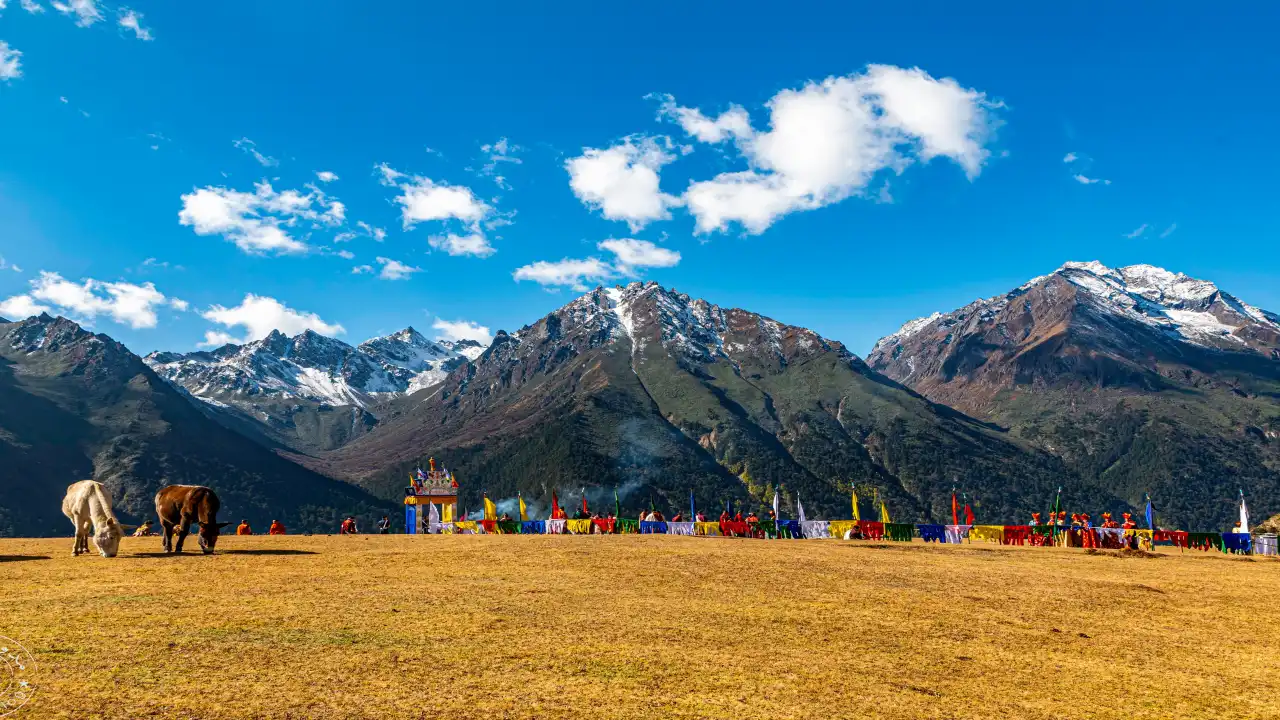
A Bhutan holiday is not only about ticking off monasteries and viewpoints. The country combines Himalayan landscapes, Buddhist culture, traditional architecture, local food, hiking and quiet valley experiences in a relatively compact itinerary.
A well-planned Bhutan travel package by Travel Junky can also saves you from working out every mountain transfer yourself. Bhutan's roads are scenic but winding, and the country's tourism authority says the most convenient way to travel within Bhutan is with a vehicle and driver arranged through a tourism service provider. Self-drive is generally not available as a normal rental option.
For Indian travellers, some of the biggest advantages include:
The Sustainable Development Fee, commonly called SDF, is a daily tourism levy charged by Bhutan.
For Indian nationals, the current SDF is INR 1,200 per person per night. Children aged 6 to below 12 years pay INR 600 per night, while children under six years are exempt from SDF.
For example:
The SDF is calculated according to the nights spent in Bhutan. If you shorten your stay, Bhutan Tourism states that SDF for unused nights can be refunded after departure, subject to the applicable process.
For international visitors other than Indian nationals, the standard SDF is currently USD 100 per adult per night.
If you are choosing between different Bhutan trip packages, look carefully at the destinations included. A package covering only Paro and Thimphu gives you a very different experience from one that adds Punakha, Phobjikha or Bumthang.
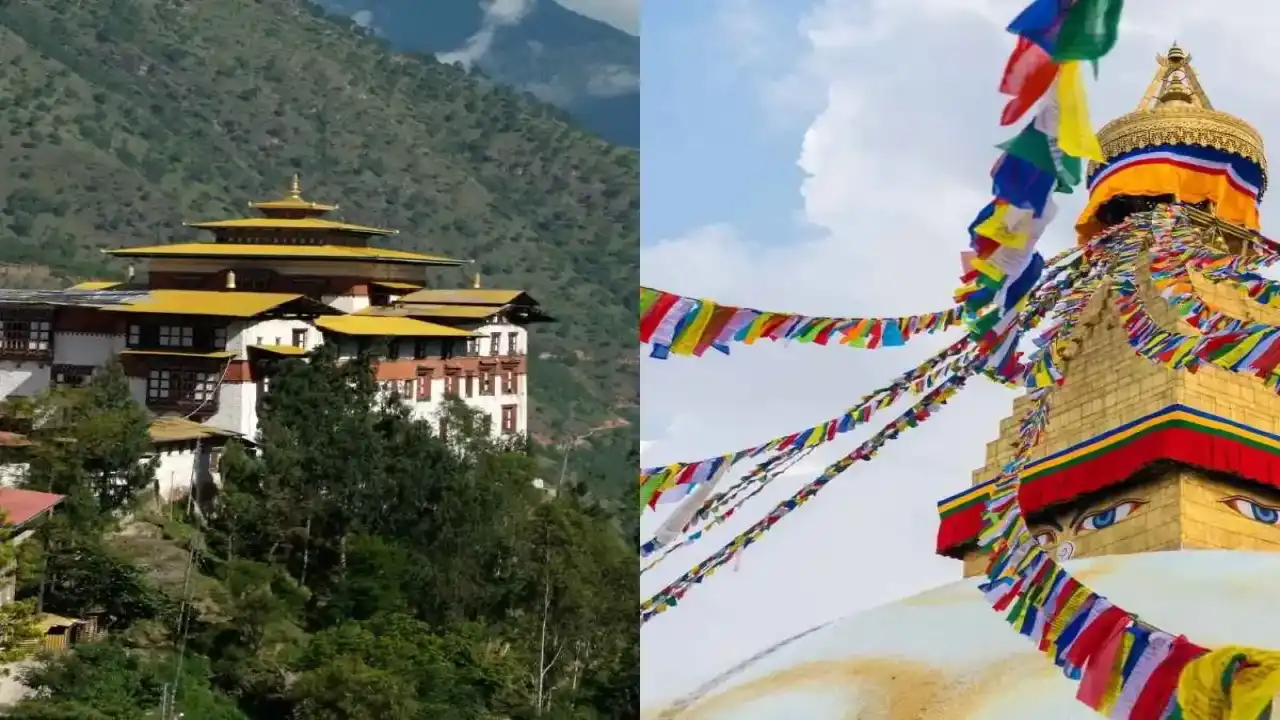
Paro is usually the starting point for travellers flying into Bhutan because the country's international airport is located here. The valley is home to some of Bhutan's most recognisable sights, including Paro Taktsang, or Tiger's Nest Monastery, Rinpung Dzong and the National Museum. Paro is also a pleasant place to simply walk around, browse small shops and settle into Bhutan's slower rhythm.
The Tiger's Nest hike is the big one. It is physically demanding, particularly because of the altitude and the steep climb, so it is worth keeping a reasonable amount of time for it rather than squeezing it between several other sightseeing stops.
Paro is also a good base for travellers interested in cycling, photography and short hikes. Bhutan Tourism specifically highlights the Paro Valley, Rinpung Dzong and Drukgyel Dzong among the area's attractions.
Thimphu is Bhutan's capital and generally the next major stop on a classic itinerary. The city gives you a different side of Bhutan. There are traditional monasteries and dzongs, but also cafés, restaurants, local markets, and modern shops.
Popular places to include are:
Thimphu is also known for being the world's only national capital without traffic lights, although that quirky fact is only a small part of what makes the city interesting.
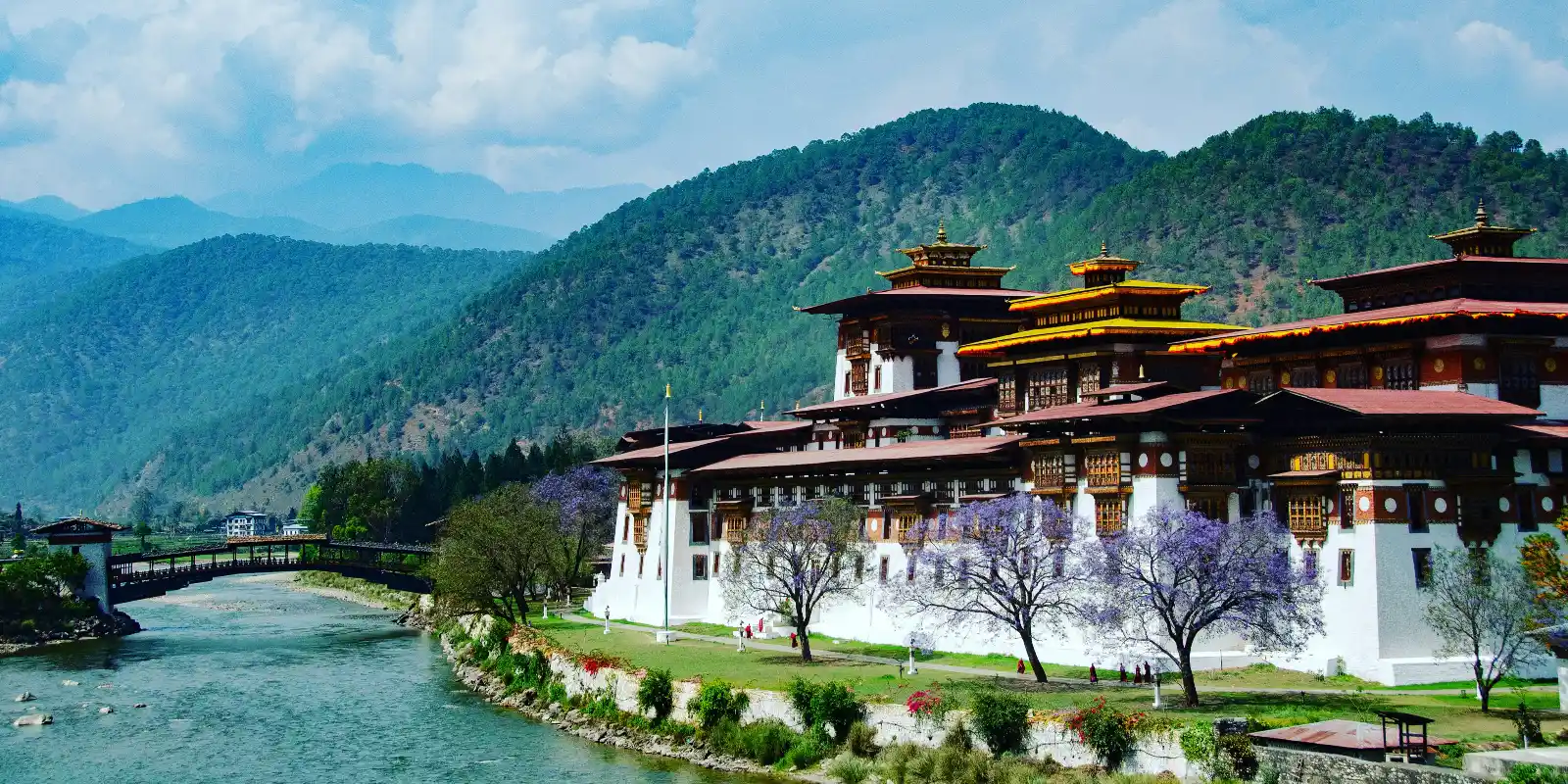
Punakha is one of the most rewarding additions to a first Bhutan holiday. The highlight is Punakha Dzong, dramatically positioned at the meeting point of the Pho Chhu and Mo Chhu rivers. In spring, jacaranda trees around the dzong add another layer to the landscape. You can also visit Chimi Lhakhang, cross traditional suspension bridges and explore the surrounding countryside. Punakha sits at a lower elevation than Thimphu, so its climate is generally warmer. This makes it a useful contrast to the colder mountain towns.
If your idea of Bhutan involves open valleys, forests, traditional villages and long quiet walks, add Phobjikha. The valley, also known as Gangtey Valley, is particularly famous for the endangered black-necked cranes, which typically arrive during the winter months. Bhutan Tourism notes that the birds generally stay from around mid-November until the end of February.
The Gangtey Nature Trail is another popular experience. It is a relatively gentle hike through pine forests and open pastureland, with views of traditional Bhutanese architecture and Gangtey Monastery.
Haa Valley is a quieter option for travellers who want to get away from the standard Paro-Thimphu-Punakha route. The valley has traditional villages, farmland and Bhutanese-style houses surrounded by mountains. It works particularly well for travellers interested in photography, cycling, hiking and rural life.
Bumthang is for travellers with more time. The region is made up of several valleys and is considered one of Bhutan's spiritual centres. Ancient temples, monasteries and pilgrimage sites make it especially appealing to travellers interested in Bhutanese history and Buddhism. Bumthang is also useful for slower itineraries where the journey itself is part of the holiday.
There is no single "perfect" month for Bhutan. The best time depends on what you want from the trip.
Spring is one of the most popular periods for Bhutan travel. Temperatures are comfortable, valleys begin turning green, and rhododendrons and other flowers bloom across the landscape. Bhutan Tourism also highlights spring for outdoor activities such as trekking, cycling, rafting, and kayaking.
Best for: sightseeing, hiking, photography, flowers and pleasant weather.
Summer brings rain, particularly in parts of western and southern Bhutan. However, it does not mean the entire country shuts down. The landscape becomes exceptionally green, and travellers who do not mind occasional rain can often find a quieter atmosphere.
Best for: greenery, fewer crowds, and travellers who are comfortable with changing weather.
Autumn is another excellent season for a Bhutan travel package. The weather generally becomes clearer and drier, making it favourable for sightseeing, mountain views and trekking. This is also a busy travel season, so flights and accommodation can be in higher demand.
Best for: clear mountain views, trekking, festivals and photography.
Winter is cold, particularly in higher-altitude areas, but it has its own appeal. Thimphu and Paro can become quite chilly, while Punakha remains comparatively comfortable. Winter is also the season when black-necked cranes can be seen in Phobjikha Valley. Bhutan Tourism notes that winter skies can be particularly clear around places such as Dochula Pass.
Best for: snow lovers, quiet travel, photography and black-necked crane sightings.
Bhutan is relatively easy to reach from India, but your best route depends on your departure city. Bhutan has one international airport, Paro International Airport. Bhutan Tourism lists direct air connections with New Delhi, Kolkata, Bagdogra and Guwahati, along with international destinations. There are also four official land entry points from India: Phuentsholing, Samtse, Gelephu and Samdrup Jongkhar.
Delhi is one of the easiest starting points. Direct flights operate between Delhi and Paro, with Drukair and Bhutan Airlines serving the route. Current flight schedules can vary by season and date, so travellers should confirm timings before booking.
Best option: Delhi → Paro by direct flight.
Flight time is roughly two to two-and-a-half hours, depending on the service and operating conditions.
Kolkata is another useful gateway, particularly for travellers from eastern and southern India.
Direct flights operate between Kolkata and Paro on selected schedules. Drukair's published schedules also show Kolkata connections with Bhutan.
Best option: Kolkata → Paro by direct flight.
Travellers can also consider reaching the India-Bhutan border by road.
There are currently no regular direct Bengaluru-Paro flights. The practical option is to fly from Bengaluru to an Indian gateway such as Delhi or Kolkata and connect onwards to Paro. Depending on the operating schedule, Guwahati or Bagdogra can also work as connecting points. Current route information shows one-stop options from Bengaluru through Kolkata, Bagdogra, Guwahati, and Delhi.
Best option: Bengaluru → Delhi/Kolkata → Paro.
For a smoother trip, leave enough connection time because Paro flights are limited compared with major Indian domestic routes.
Mumbai does not have a regular direct flight to Paro.
A common option is:
Mumbai → Delhi → Paro
Another possibility is:
Mumbai → Kolkata → Paro
The better connection depends on flight schedules on your travel date. For Mumbai travellers, a flight-based Bhutan trip package is usually more convenient than travelling overland all the way to the India-Bhutan border.
Guwahati is one of the most convenient gateways for travellers from Northeast India. Bhutan Tourism lists Guwahati among the Indian cities with direct connections to Paro. This makes Guwahati particularly useful for travellers who want to combine Assam with Bhutan.
Bagdogra is another practical gateway.
Travellers can fly to Bagdogra and continue by road towards the India-Bhutan border, particularly through the Phuentsholing route. Bhutan Tourism officially lists Phuentsholing as one of the country's road entry points from India. This route is particularly useful if you want a more road-trip-oriented holiday.
Yes.
Bhutan has four official road entry points from India:
Phuentsholing is generally the most familiar route for travellers entering from West Bengal. If you are travelling beyond the border towns, Bhutan Tourism states that tourists must be accompanied by a Department of Tourism-certified guide. Route permits are no longer generally required for tourists travelling around the country with a certified guide.
This is one area where outdated travel blogs can cause unnecessary confusion. Indian citizens do not need a conventional tourist visa for Bhutan. They need an Entry Permit.
According to Bhutan's Department of Immigration, Indian nationals are eligible for an Entry Permit and can use either:
For children below 18, a passport or birth certificate can be used, and the child must be accompanied by a parent or legal guardian.
The Department of Immigration currently recommends processing tourist permits online, although Indian tourists may also be eligible to obtain the permit at the port of entry. Applying in advance can reduce waiting time.
For an Indian adult traveller:
The Department of Immigration also lists travel insurance in its general e-permit/e-visa requirements, but Bhutan Tourism's current FAQ says mandatory travel insurance was removed on April 23, 2024. Travel insurance is therefore strongly recommended, but it is not currently mandatory for tourists.
Indian tourists do not pay the standard USD 40 tourist visa application fee because they use an entry permit rather than the tourist visa system applicable to most other foreign nationals.
The INR 1,200-per-night SDF remains applicable to Indian adults.
For the latest application process, travellers should use the official Bhutan Immigration portal rather than relying on third-party visa websites.
The cost of a Bhutan holiday depends on your departure city, hotel category, season, number of nights, transport style, and whether you fly or enter by road. For Indian travellers, a realistic Bhutan tour package can broadly start around INR 35,000-45,000 per person for a short 4-night/5-day land-based or budget-style holiday, while a comfortable 5-night/6-day package with flights, good hotels, and private transfers can move towards INR 55,000-80,000+ per person.
These are indicative planning ranges, not fixed government tariffs. Airfares and hotel rates can change considerably during festivals, holidays, and peak seasons.
For a comfortable 5-night/6-day trip:
The actual price of a package will vary based on room occupancy, hotel category, flight availability and inclusions. For families, couples and groups, the per-person cost can also change because vehicle and guide expenses are shared.
A well-designed package may include:
Always check the fine print before booking. Some packages advertise a low base price and add SDF, transfers, or sightseeing charges separately.
Good for first-time travellers with limited leave.
Typical route: Paro → Thimphu → Punakha → Paro
This covers the major highlights without turning every day into a road-transfer marathon.
A better choice for most travellers.
Typical route: Paro → Thimphu → Punakha → Paro
You have more time for the Tiger's Nest hike, Punakha sightseeing and relaxed exploration.
Ideal for travellers who want to slow things down.
Possible route: Paro → Thimphu → Punakha → Phobjikha → Paro
Adding Phobjikha makes the trip feel less like a standard city-and-monastery circuit.
Suitable for travellers who want a more immersive holiday.
You can include Haa Valley, Phobjikha or additional hiking experiences depending on the season.
Bhutanese food is not shy about chillies.
Some dishes worth trying include:
Indian food is also widely available, particularly in popular tourist areas. If you cannot handle much spice, say so clearly when ordering. Bhutanese chilli is not merely decorative.
Packing depends heavily on the season and altitude, but a few things are useful throughout the year.
The hike is not the place to debut a pair of uncomfortable shoes.
Keep physical and digital copies of:
International travellers should pay particular attention to passport validity. Bhutan's Department of Immigration requires a passport to have at least six months' validity from the intended date of departure.
Bhutan Tourism recommends carrying some cash because card facilities may not be equally available everywhere. Indian rupees and US dollars are also widely accepted in Bhutan, while Indian travellers can exchange money for Bhutanese ngultrum.
It is sensible to carry:
Also inform your bank before using an international card.
Bhutan's roads are mountainous and winding. A shorter itinerary with fewer stops is often more enjoyable than trying to cover half the country.
Treat it as a proper half-day or full-day experience rather than something to squeeze between airport transfers.
Paro has a relatively small number of international flight connections compared with major Asian airports. Flight schedules can also vary seasonally. Bhutan Tourism advises travellers to check with airlines or local tourism providers before planning around domestic flights and other transport.
Dress modestly when visiting religious sites. Follow photography instructions and avoid disturbing prayer ceremonies.
Bhutan's altitude changes quickly. You can leave a relatively warm valley and reach a cold mountain pass within the same journey.
Bhutan's official Tourism Services Portal provides listings of certified tour operators, hotels, guides and other tourism service providers.
Mountain weather can change quickly. Keep some flexibility in your itinerary, especially when travelling during monsoon or winter.
Bhutan can be more expensive than some neighbouring Himalayan destinations because of the Sustainable Development Fee and the cost of private transport. However, the preferential Indian SDF of INR 1,200 per person per night makes Bhutan considerably more accessible to Indian travellers than the standard international SDF rate.
For a first visit, 5 to 6 days is a practical duration. It allows you to cover Paro, Thimphu and Punakha without rushing. Add 2-3 days if you want Phobjikha, Haa or Bumthang.
Indians do not need a conventional tourist visa. They need an Entry Permit. A valid Indian passport or Voter ID can be used as the required identity document, subject to Bhutan's immigration rules.
The current SDF for Indian nationals is INR 1,200 per adult per night. Children aged 6 to below 12 pay INR 600, while children below six are exempt.
Yes. Indian tourists can enter Bhutan through official land ports including Phuentsholing, Samtse, Gelephu and Samdrup Jongkhar.
Bhutan Tourism currently states that tourists must be accompanied by a guide, particularly when travelling beyond border towns. A Department of Tourism-certified guide is required for movement around the country.
For generally pleasant weather and outdoor sightseeing, March to May and September to November are strong choices. Winter is particularly interesting for Phobjikha's black-necked cranes, while summer offers lush landscapes but more rain.
Yes. Bhutan works well for families who enjoy nature, culture and relatively relaxed sightseeing. Families should, however, consider the age and fitness level of children before including longer hikes such as Tiger's Nest.
Yes. Paro, Punakha and Phobjikha can be combined into a slower honeymoon itinerary with scenic stays, valley walks, monastery visits and private transfers. Couples who want more privacy can choose boutique properties or longer itineraries rather than trying to cover every attraction.
A good Bhutan holiday does not need an overloaded itinerary. Start with the basics: decide whether you want to fly into Paro or enter by road, choose the right season, allow for the INR 1,200 nightly SDF, and select a route that matches your travel pace. For a first trip, Paro + Thimphu + Punakha remains the safest starting point. Add Phobjikha if you have extra time and want more nature. Choose Haa or Bumthang when you are looking for a quieter, longer Bhutan experience.
With the right Bhutan tour package, the practical details such as permits, accommodation, transport, sightseeing, and SDF can be handled together, leaving you to focus on the actual journey: winding Himalayan roads, old dzongs, hot ema datshi, prayer flags in the wind, and that increasingly rare luxury of having nowhere urgent to be.
Your Next Adventure
Is A Click Away
Let our specialists build a journey that fits your life, not the other way around. No cookie-cutter tours — just thoughtful, personalised travel.