What to Eat in Bhutan: Traditional Dishes You Must Try
Bhutan is famous for its quiet monasteries, mountain views and old traditions. But honestly, the food is a good reason to go too. Spicy cheese curries, warm rice, salty tea. It’s different from anything you’ve had. Whether you’re wandering around Thimphu, hiking up to Tiger’s Nest Monastery in Paro, or just staring at the valley in Punakha, you’ll end up eating something new.
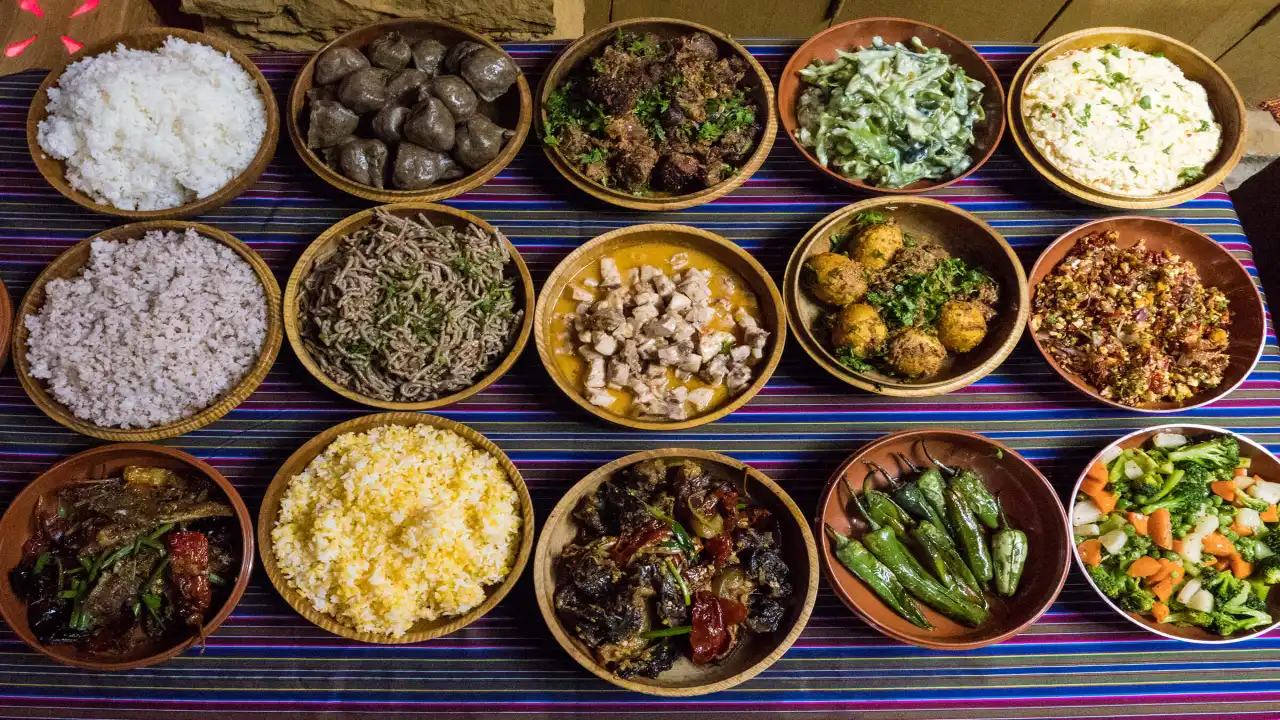
Traditional Bhutanese food is mostly rice, chillies, cheese, vegetables and meat. Nothing fancy. Simple, filling stuff, though some dishes hit hard with spice. Meals matter here, and families sit down and eat together. Trying local food is the easiest way to get a feel for Bhutanese culture. So here’s what to eat.
What to Eat in Bhutan
1. Ema Datshi: Bhutan’s Famous Cheese and Chilli Dish
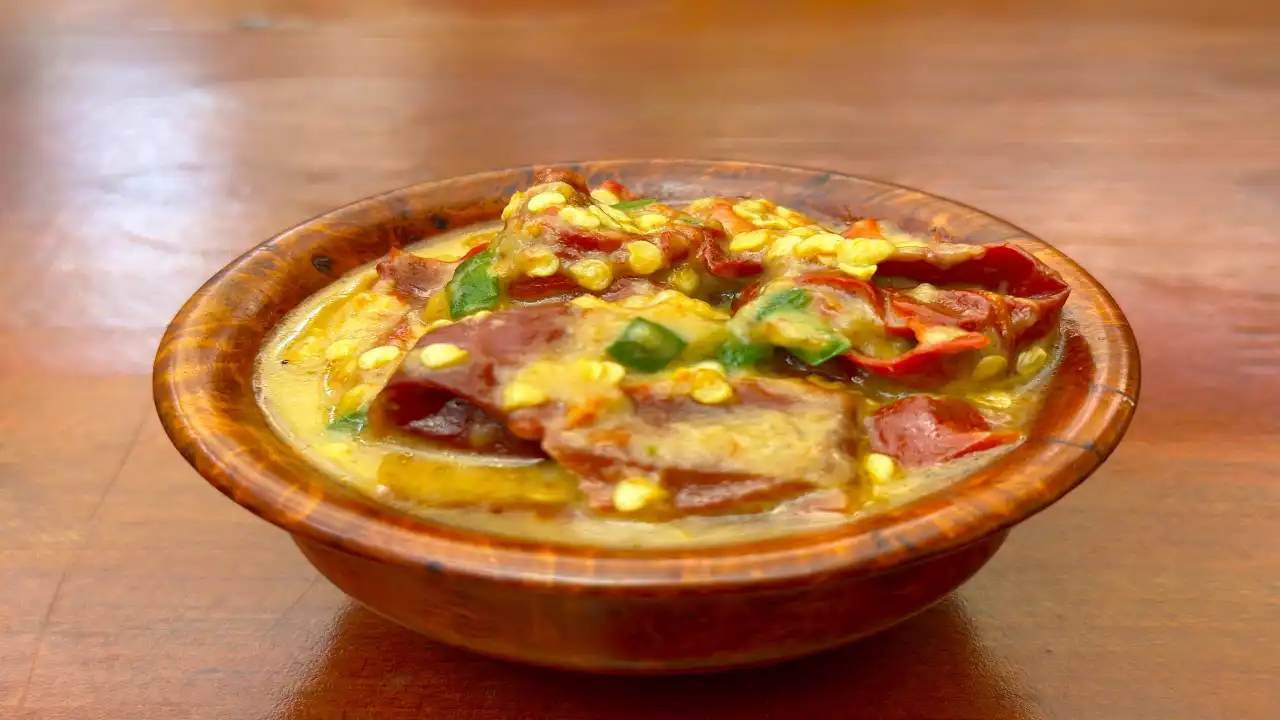
Ema Datshi is basically Bhutan’s national dish, and yes, you should try it. It’s chillies cooked in cheese, so it comes out creamy and properly spicy at the same time. You’ll get it with rice almost every time.
What makes it special?
- Green or red chillies bring the heat.
- The cheese makes a thick, creamy sauce.
- It goes really well with Bhutanese red rice.
- Spice level changes from place to place.
You’ll find Ema Datshi at most local restaurants in Thimphu and Paro.
Pro tip: Not a fan of heat? Ask for a mild version.
2. Jasha Maru: A Traditional Chicken Dish
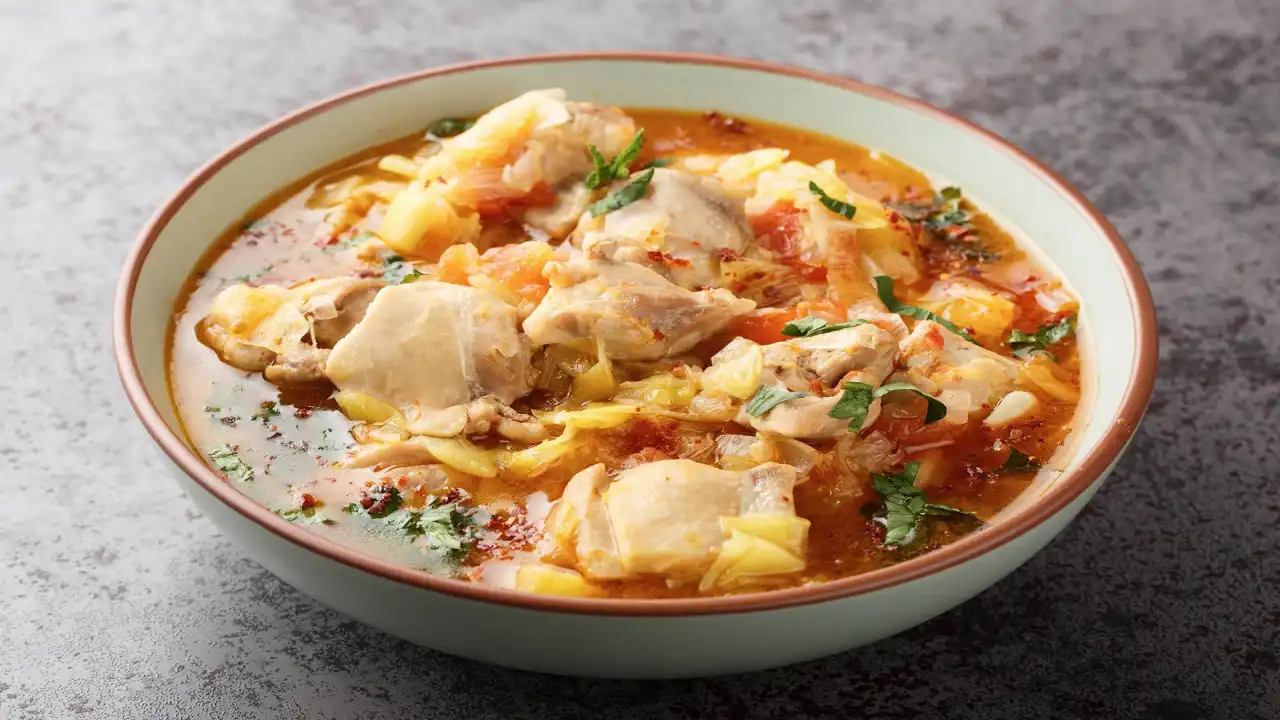
Jasha Maru is a chicken dish cooked with tomatoes, onions, ginger, garlic and chillies. It has a light gravy and comes with rice. It isn’t heavy like a rich curry. The taste comes from fresh ingredients, and the ginger really stands out.
Why try it?
- It feels familiar if you like chicken.
- Ginger and garlic give it a lot of flavour.
- Works with red or white rice.
- Fine for lunch or dinner.
If you want local flavours but not the hottest stuff first, Jasha Maru is a safe place to start.
Pro tip: Check the spice level before ordering. Some versions are loaded with chillies.
3. Phaksha Paa: Pork Cooked with Chillies
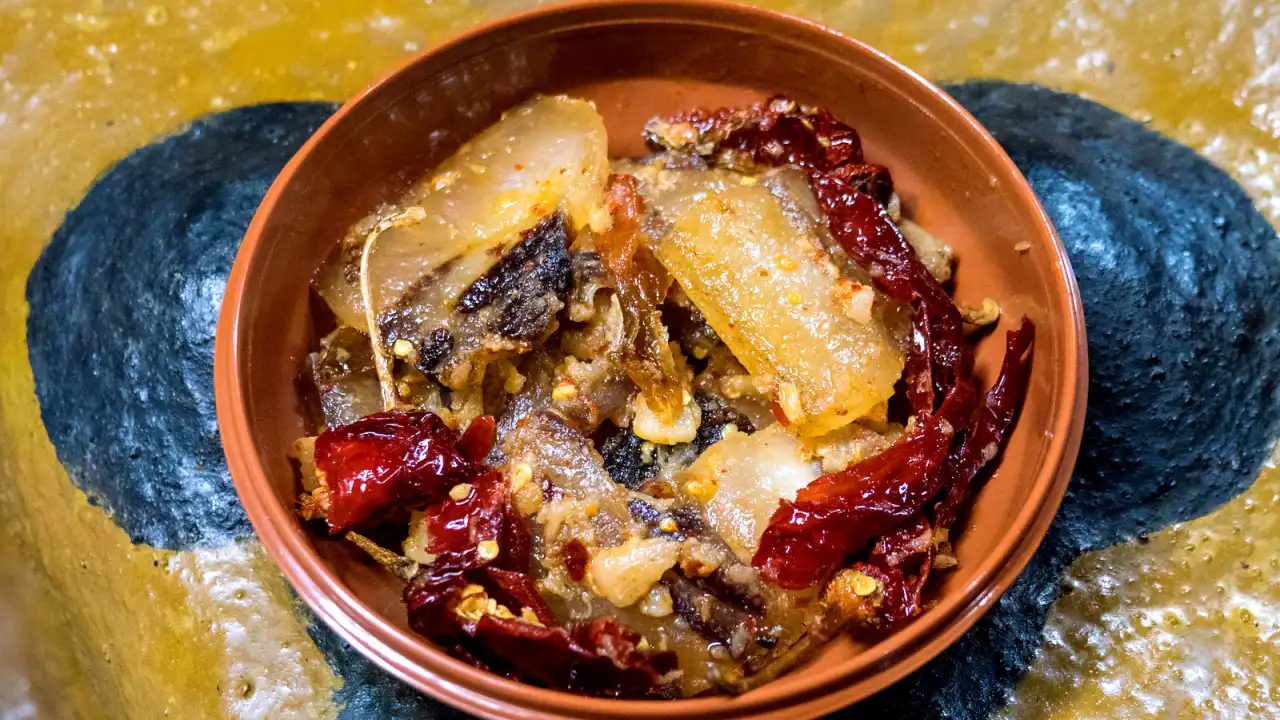
Phaksha Paa is pork cooked with chillies, onions and sometimes radish or other vegetables. It’s rich, savoury and spicy. You eat it with rice, and after a long day of sightseeing it really hits the spot.
What to expect:
- Soft pork cooked with spices.
- Savoury taste with a clear kick of heat.
- Vegetables that add a bit of bite.
- A heavy, filling meal.
Every restaurant makes it a little differently, so the taste and spice can change.
Pro tip: Ask what’s in it and how many chillies they use before you order.
4. Hoentay: Traditional Buckwheat Dumplings
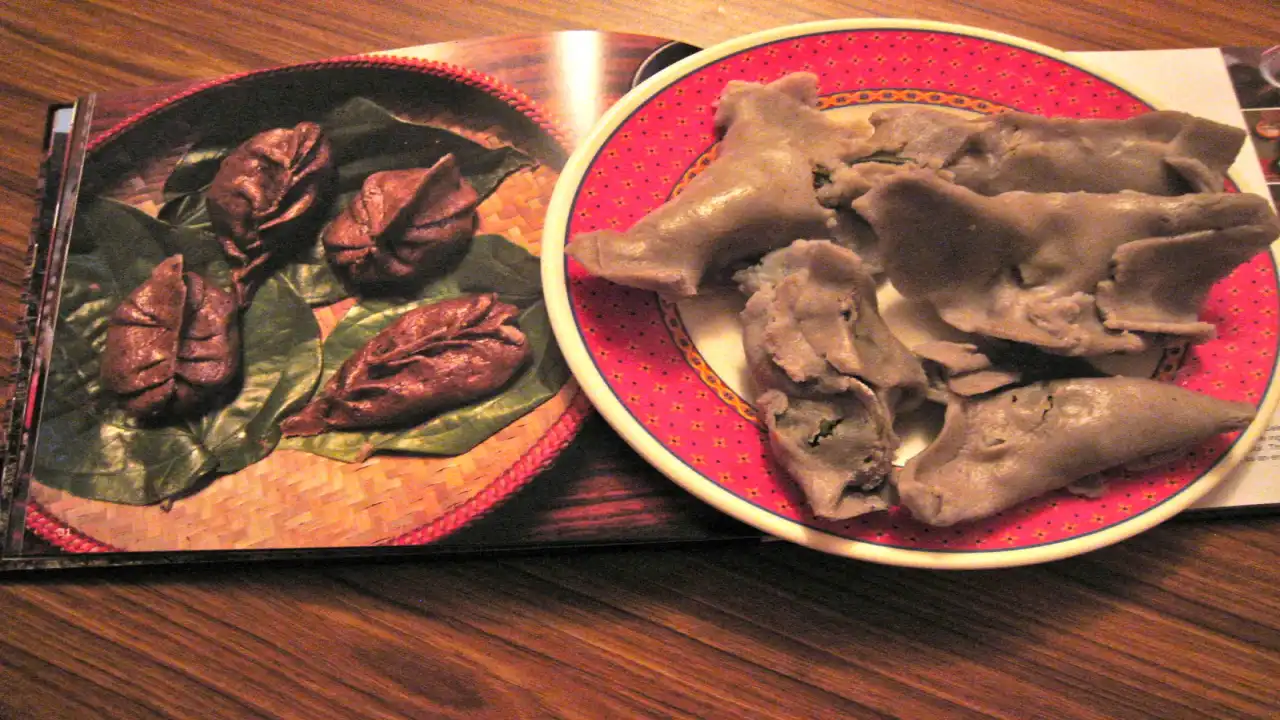
Hoentay comes from the Haa Valley in western Bhutan. The dough is made from buckwheat, and the filling is usually leafy greens, cheese and some seasoning. They’re steamed or pan-fried, and you can have them as a snack or a light meal.
Why try Hoentay?
- Buckwheat gives them a different, slightly nutty taste.
- Vegetable and cheese fillings keep things interesting.
- Not like regular wheat dumplings at all.
- Strongly tied to Haa Valley’s food traditions.
Not every restaurant makes Hoentay, so grab it when you see it, especially around Haa.
Pro tip: Ask the restaurant staff if they have any traditional buckwheat dishes.
5. Bhutanese Red Rice: A Local Staple
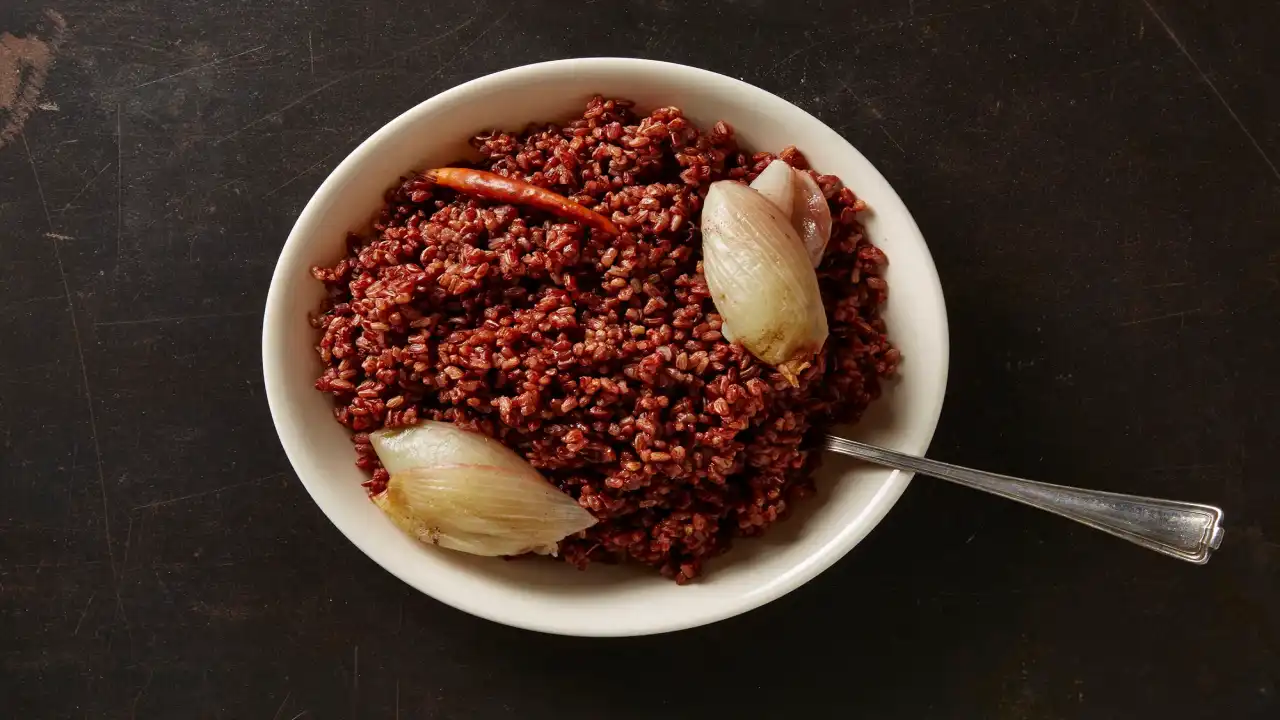
Red rice is part of almost every Bhutanese meal. It’s traditionally grown in the Paro Valley and served with curries, vegetables and cheese dishes. Once cooked, it turns soft, with a mild earthy taste. It goes especially well with spicy food like Ema Datshi.
Why should you try it?
- It’s a big part of local food culture.
- It balances curries and vegetables nicely.
- Works with both veg and non-veg dishes.
- A simple way to taste an everyday Bhutanese meal.
Most traditional restaurants across Bhutan serve red rice.
Pro tip: Eat it with Ema Datshi. Rice, cheese and chillies are the classic combo.
6. Momos: A Popular Himalayan Snack
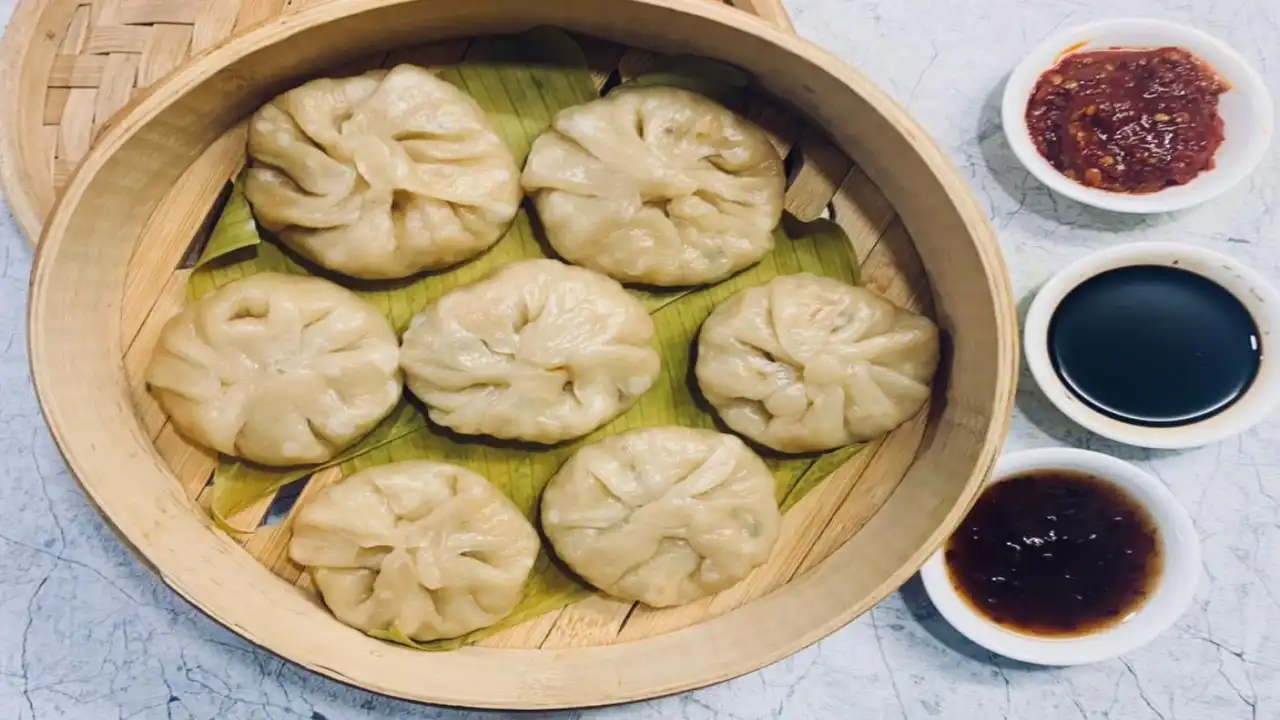
Momos are dumplings you’ll find all over the Himalayas, Bhutan included. A thin dough wrapper, filled with vegetables, meat or cheese. Most are steamed, but fried ones exist too. They come with a dipping sauce that can be mild or really hot.
Popular fillings include:
- Chicken
- Beef
- Vegetables
- Cheese, where available
Cafes and small eateries in Thimphu and Paro sell momos everywhere. They’re a handy snack between sightseeing stops.
Pro tip: Try steamed momos with just a little sauce first. Some sauces are seriously spicy.
7. Suja: Bhutanese Butter Tea
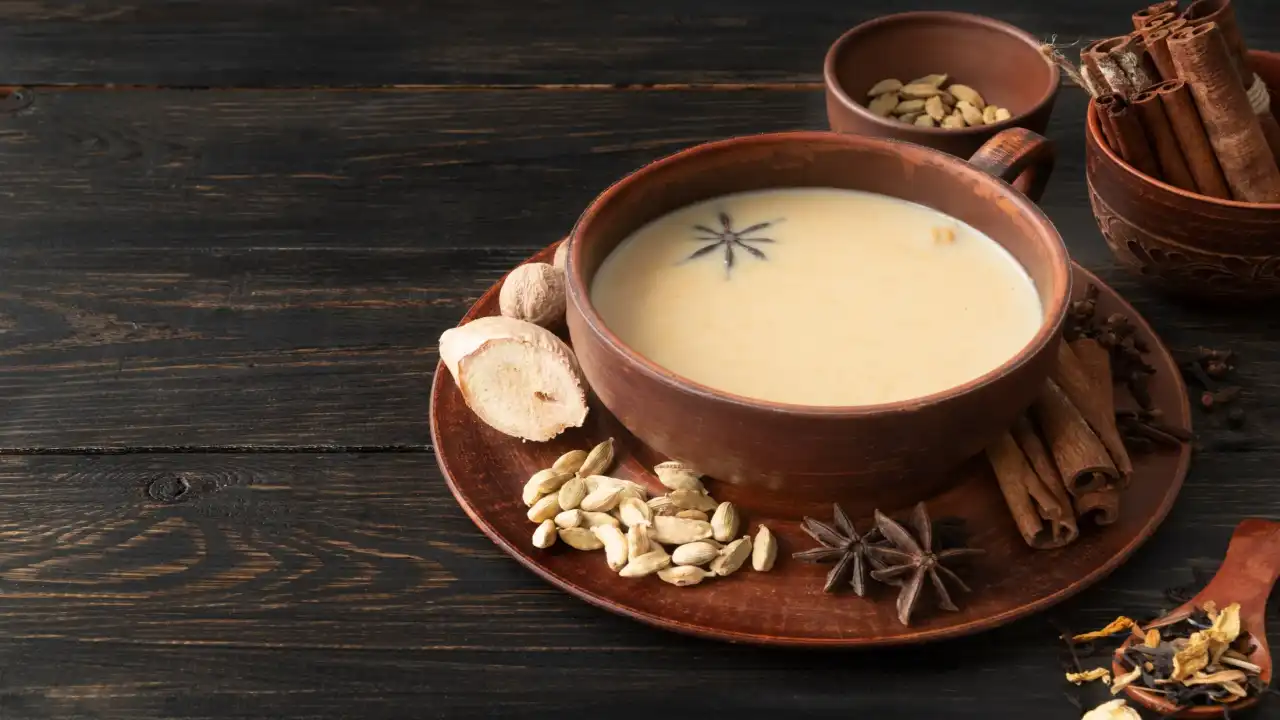
Suja is butter tea made with tea, butter and salt. It’s not like Indian chai. It’s savoury, not sweet, and the butter makes it thick and rich. It’s a nice thing to try on a cultural visit, or if you’re staying somewhere traditional.
What to know about Suja:
- It’s served hot.
- The taste is savoury, not sweet.
- It’s thicker than normal tea.
- People often drink it when they get together.
It might take a few sips to get used to. Still, it tells you a lot about Bhutan’s food traditions.
Pro tip: Start with a small cup if savoury tea is new to you.
Where to Try Famous Bhutanese Dishes
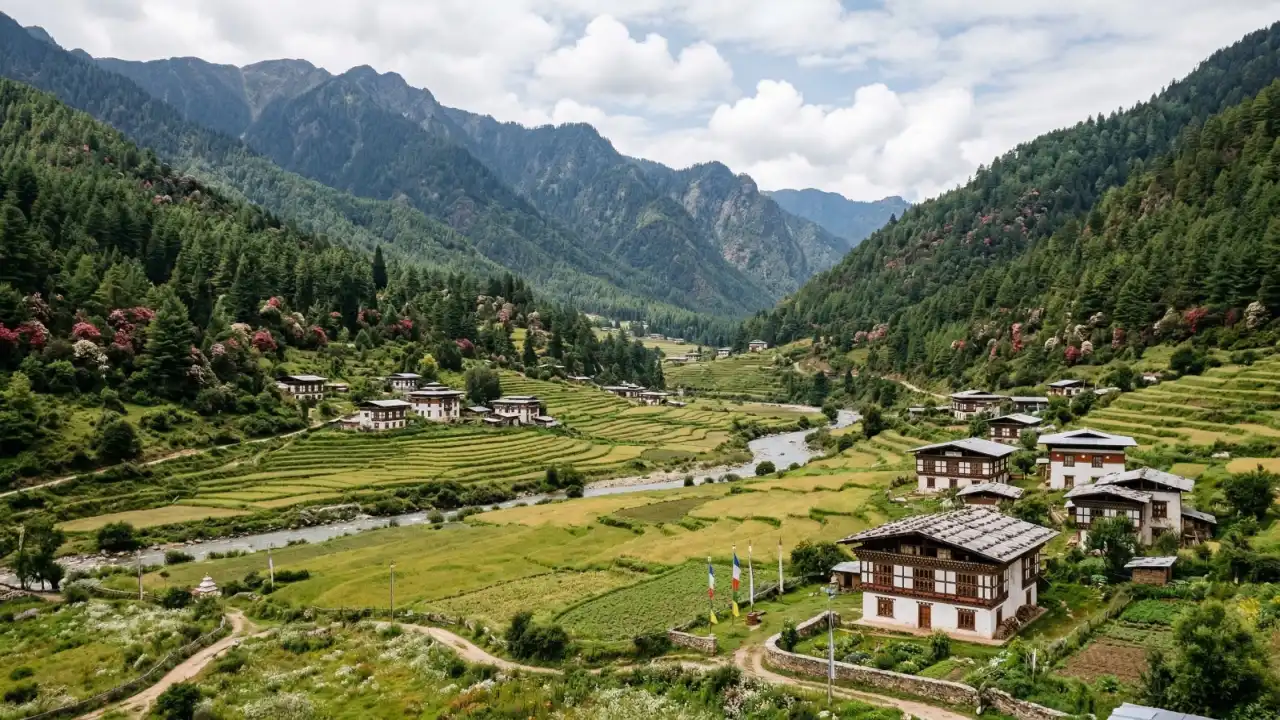
A few places make it easy to eat local while you see the sights.
- Thimphu: Local restaurants serve Ema Datshi, Jasha Maru, momos and other traditional dishes.
- Paro: Look for red rice, cheese curries and local meals after visiting the valley’s old sights.
- Punakha: Try local rice dishes, curries and seasonal vegetables while you explore.
- Haa Valley: Look for Hoentay and other regional specialities.
Skip the hotel restaurant now and then. Small local eateries often have dishes most visitors never hear about.
Conclusion
Bhutanese food has plenty to offer. Spicy Ema Datshi, flavourful Jasha Maru, Hoentay dumplings, salty butter tea. Red rice and momos are worth a try too. The best way in is to start with dishes that feel familiar, then slowly try the regional ones. A little planning and your meals become a real part of discovering Bhutan’s culture, traditions and everyday life.
Tips for Trying Bhutanese Cuisine
A few simple things to remember:
- Start with milder dishes: Try momos or a mild chicken dish if chillies aren’t your thing.
- Check the ingredients: Ask about cheese, butter, meat and spices if you have dietary restrictions.
- Try traditional combinations: Rice with curries and vegetables is a good way into everyday meals.
- Explore local restaurants: Small places often have regional specialities.
- Ask for recommendations: Staff can tell you what’s popular and what’s inside.
Travel tip: Travel Junky can help you plan a Bhutan itinerary with cultural sights, scenic drives and local food. A good Bhutan trip package also makes transport and stays much easier to sort out.