Why Tbilisi Is One of the World’s Oldest Wine Cultures
Georgia has made wine for about 8,000 years. Yes, really. And Tbilisi is the easiest spot to dive in. Tbilisi Wine Culture is basically local grapes, old-style winemaking, long family meals and skills handed down from parents to kids. You can wander the cellars in Old Tbilisi, drive out to Kakheti’s vineyards, or grab a seat in a Sighnaghi tasting room.
The ancient story belongs to all of Georgia, not only the capital. Tbilisi is just where most people land first. Visit a few wine stops on your way, and a normal sightseeing trip gets way closer to the food and the people.
How Is Traditional Georgian Wine Made?
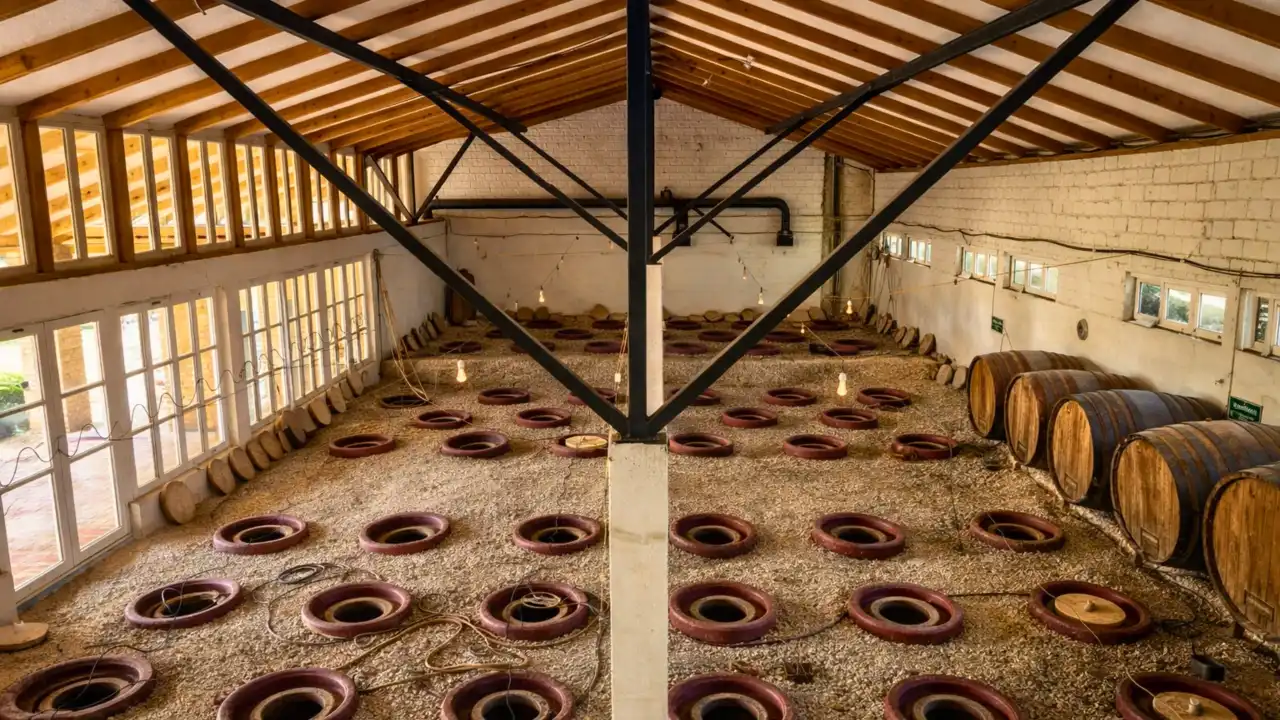
Among Georgian Wine-Making Methods, the qvevri really stands out. It’s a large clay vessel buried in the ground, with the opening just above the surface. UNESCO named the traditional method intangible cultural heritage in 2013. Depending on the style, the juice ferments with skins, seeds and sometimes stems. More skin contact changes the colour and the feel of the wine. Georgia also uses stainless steel and oak, so you can taste old and modern styles together.
Pro tip: Ask to try one grape made two ways. You’ll notice the difference much faster.
Where Can You Experience Wine in Tbilisi and Nearby?
Tbilisi Wine Tourism can start small. A museum, a guided tasting, then out to the countryside. Here are six places that work as a first round. Some sit in the same wine region, so they’re easy to combine.
Old Tbilisi: Begin with a Guided Tasting
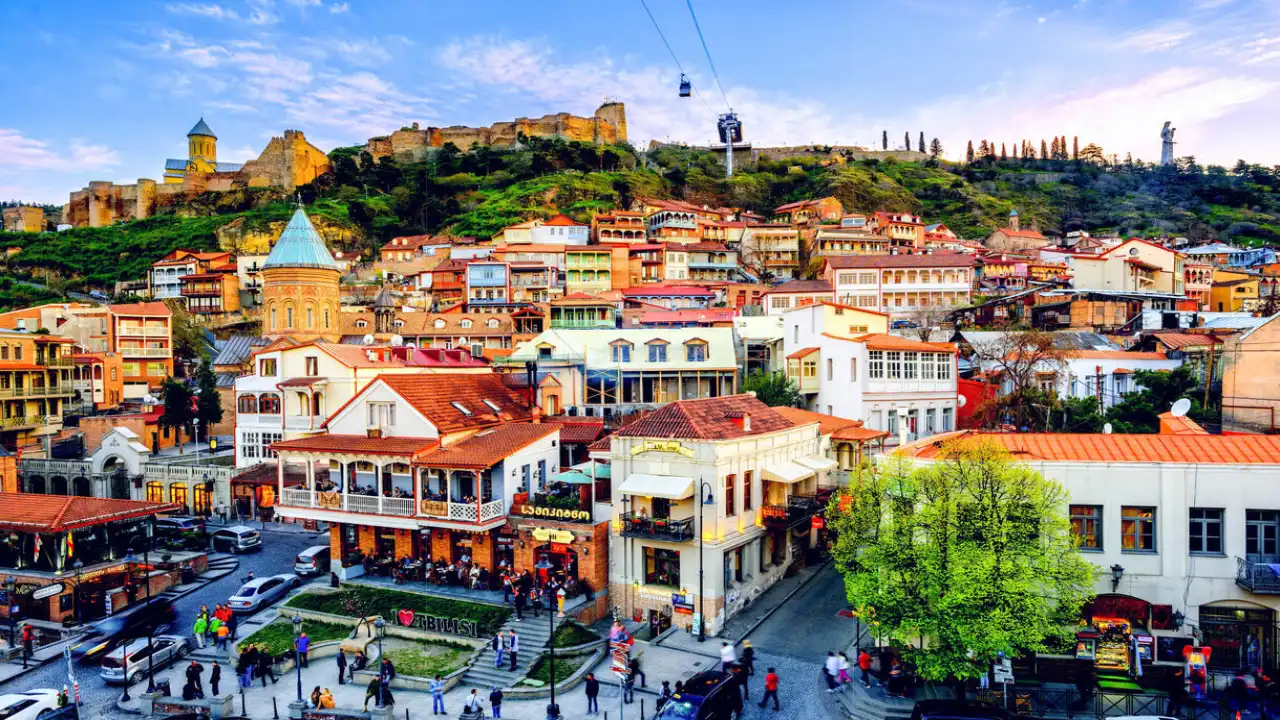
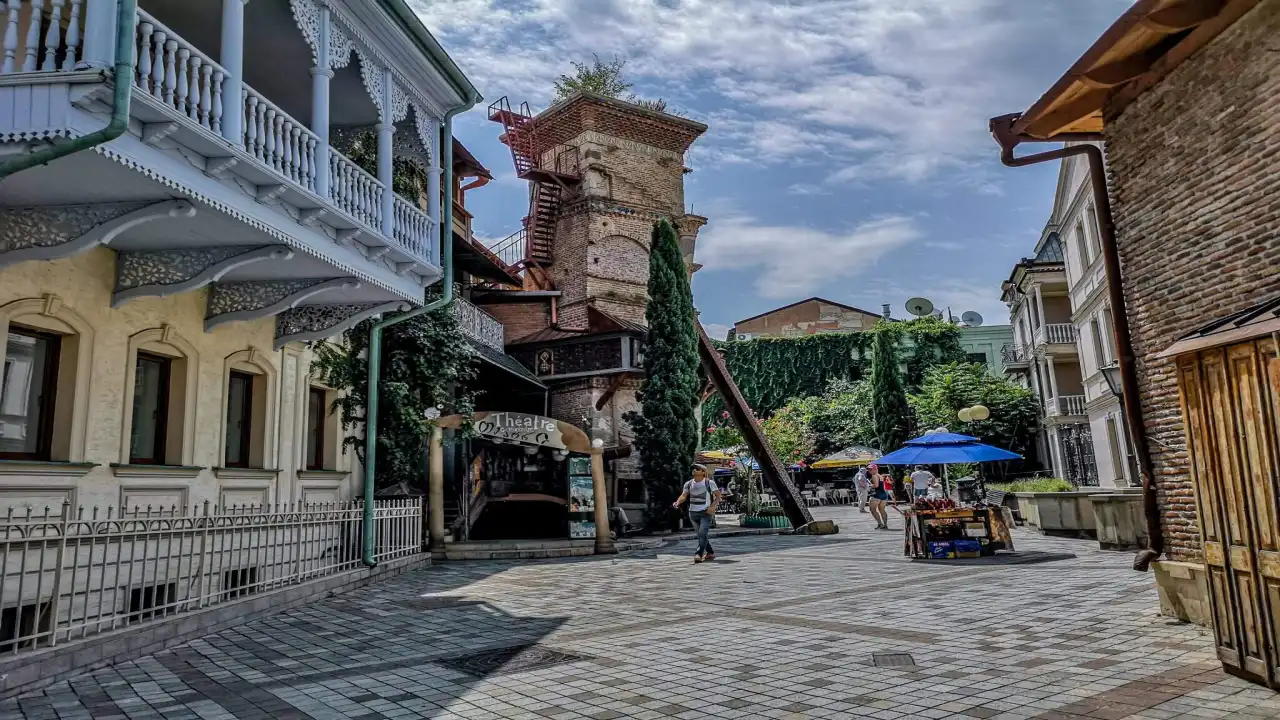
The old town is the easy option. No long drive. Pick a guided tasting where someone explains the grapes, the styles and where each bottle comes from. Don’t overdo it at the start. Try a white, an amber and a red side by side. You’ll figure out what you like pretty fast, before you visit any winery.
Pro tip: Ask how many wines you get and if there’s food too.
Tbilisi Wine Museum: Understand the Background
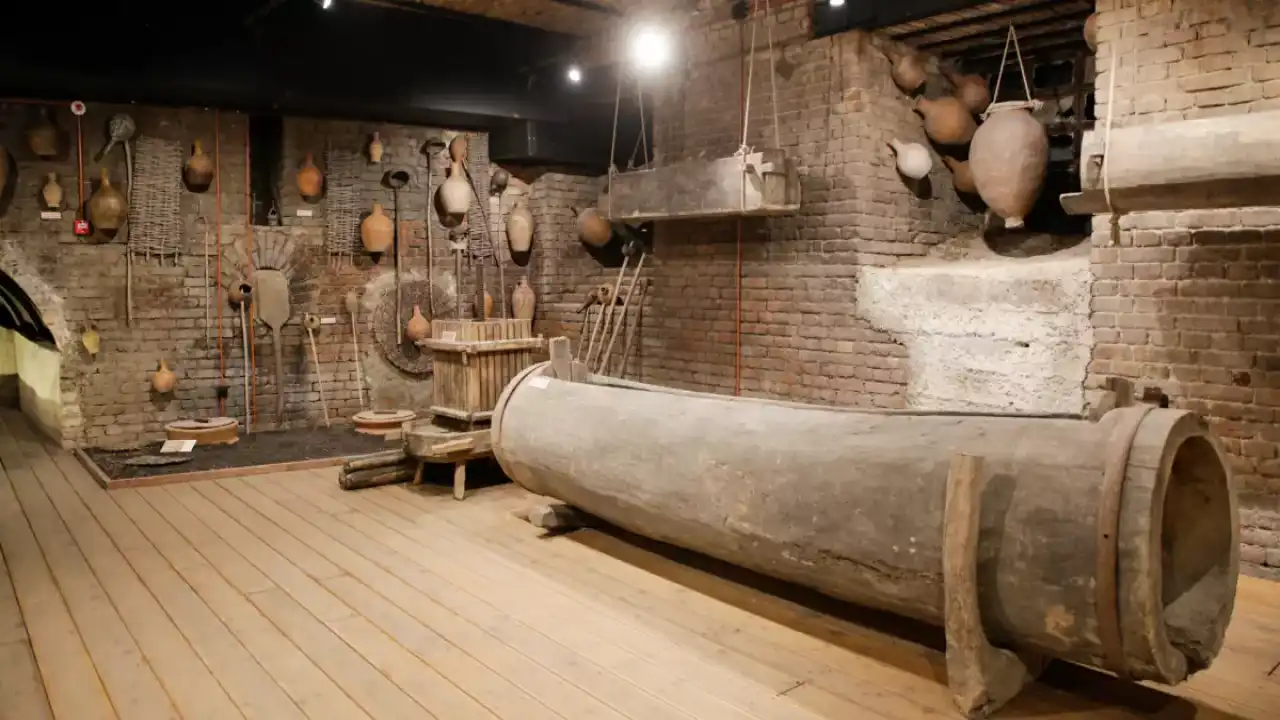
You’ll see old wine objects found by archaeologists, plus how wine was made back then versus now. It pays off later, when you spot the same vessels in real cellars. Tastings are possible here too. Good early stop if you wonder why Georgia is so famous for wine.
Pro tip: Check if the guided visit and tasting are booked separately.
Kakheti: Visit Vineyards and Family Cellars
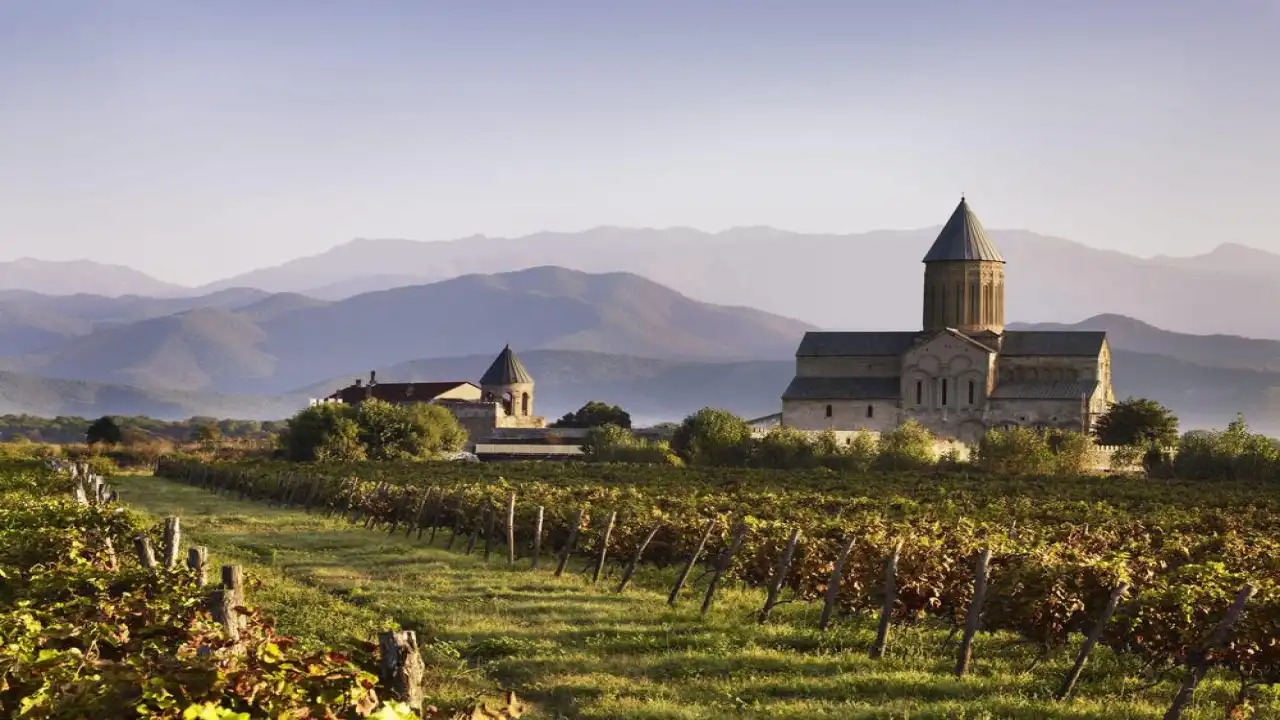
Kakheti is where you watch wine being made outside the capital. The wine routes connect towns, villages and producers, family cellars included. A small cellar often feels more personal. A big winery shows you the other side. Pick two that feel different and keep time for lunch.
Pro tip: Ask if you’ll see the production area or only the tasting room.
Sighnaghi: Combine Wine with Town Walks
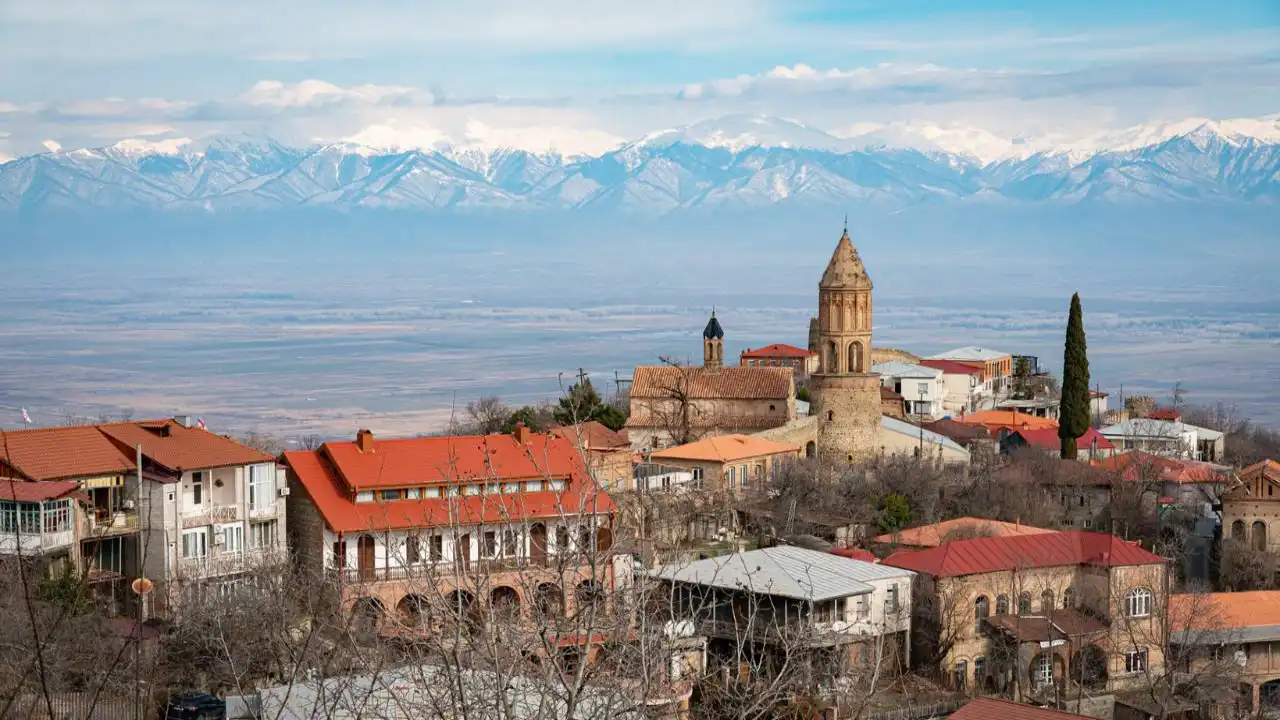
Cobbled streets, red roofs, carved wooden balconies. Sighnaghi is a nice breather between tastings, good for people who want some wine but also want to just stroll. Don’t sprint from one booking to the next. Walk a bit, sit for a slow meal, and the day feels better.
Pro tip: Wear shoes with good grip. The streets slope.
Telavi: Explore Nearby Wineries
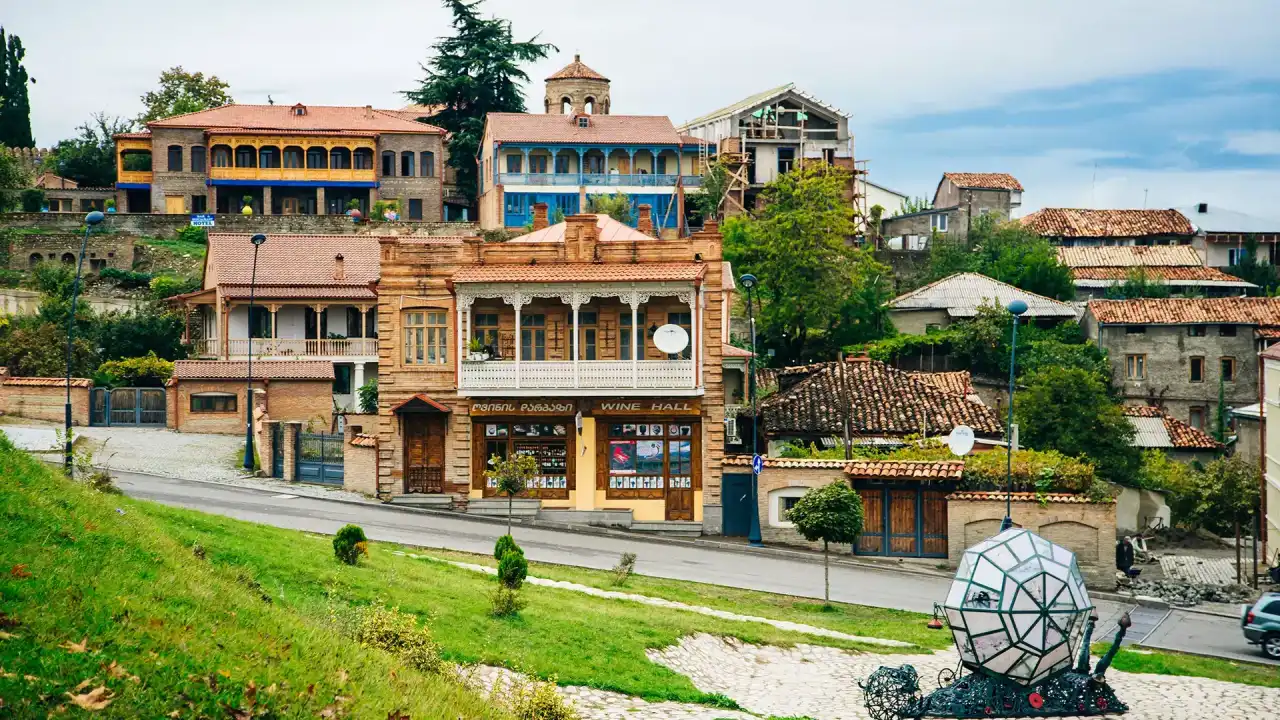
Telavi works as a base for a proper countryside wine route. Official tourism itineraries link it with wineries in nearby villages, so there’s lots to pick from for tastings and cellar visits. Choose by interest: old-style vessels, local grapes or food pairings.
Pro tip: Group wineries that sit close together. Or half the day vanishes in the car.
Kvareli Wine Cave: Try an Underground Experience
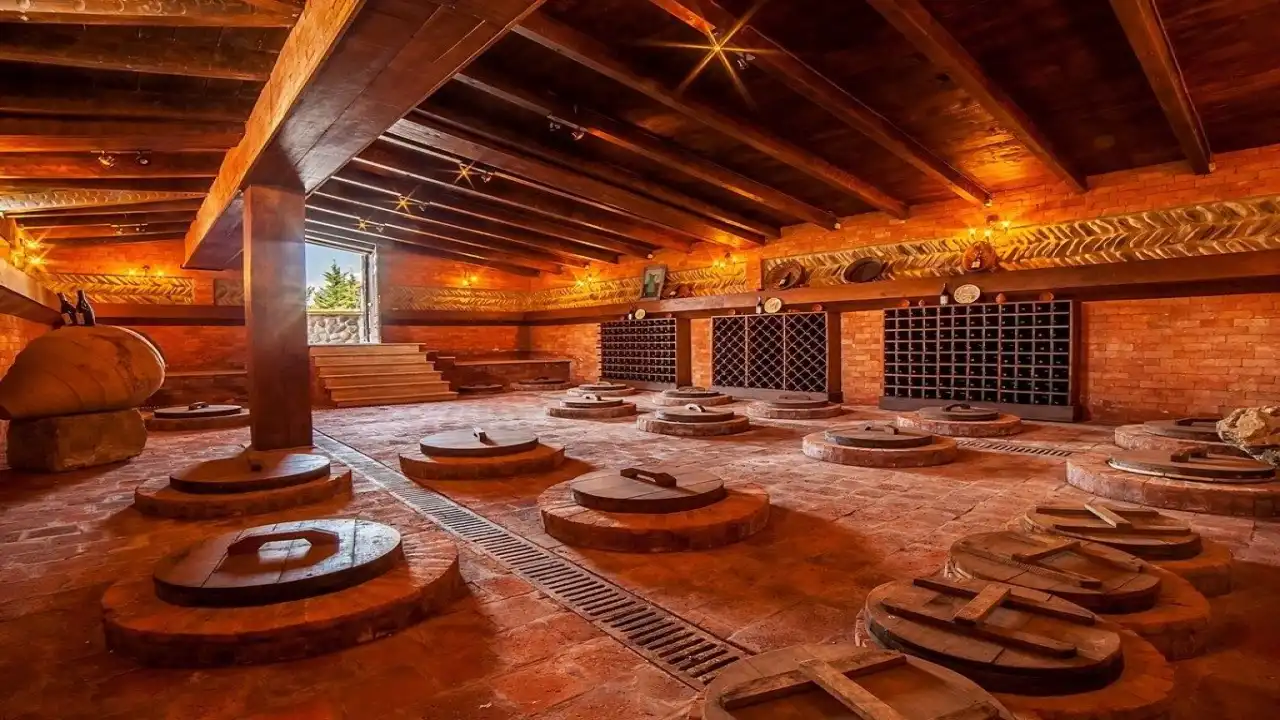
At Kvareli Wine Cave, you taste Khareba wines underground, and there are cooking workshops as well. Totally different feel from a small family cellar. Read the programme properly. What the tour, tasting and workshop include can differ.
Pro tip: Bring a light layer. It’s cool down there.
What Makes Georgia’s Wine Heritage So Old?
Georgian Wine History isn’t just a nice story. Scientists looked at pottery from Neolithic villages south of Tbilisi and found traces of grape wine from roughly 6000–5800 BCE. That puts Georgia among the earliest known places to make grape wine. wine.gov.ge
It lives on through people too. Families and communities still pass on skills for harvesting grapes, making the vessels and producing wine. It’s still part of daily social life. But here’s the catch. Nobody can prove every step today matches what happened 8,000 years ago. The fairest way to say it: an ancient winemaking tradition that kept changing over many generations.
Which Georgian Wines Should You Try?
Skip memorizing every label. Just learn a few grape names.
That gives you a decent picture of what Georgia makes. Amber wine is white grapes kept in contact with their skins. Some call it orange wine, but no oranges are involved. And the colour doesn’t mean it’s sweet. Another mix-up: amber wine and qvevri wine aren’t the same. One is a style. The other is the vessel.
Pro tip: Tell your host if you like light, dry, fruity or fuller wines. They’ll point you in the right direction.
Why Should Food Be Part of the Experience?
Tasting works better with a meal: Bread, cheese, veggies, grilled dishes. Eat a little between sips and you’ll notice how food changes the wine. Ask your host for pairing ideas, and mention dietary needs when you book. At Travel Junky, the advice is simple: leave room for a real lunch instead of stuffing the day with tastings.
Pro tip: Pick one hosted meal with enough time to talk about the food and the wine.
Discover Georgia Through Its Wine
Tbilisi is an easy starting point for Georgia’s ancient wine heritage. Museums explain the evidence, tastings introduce local grapes, and cellar visits show the traditions are still going. Plan it well with Travel Junky, and you get good food, good chats and local knowledge on your Georgia holiday.
Tips for Planning Your Wine Holiday
Before booking an International trip package, check the details of each wine experience:
- Check which tastings, meals and entry fees are included.
- Book small cellar visits early.
- Hire a driver for countryside tasting days.
- Ask the winery directly about harvest activities.
- Leave gaps between visits.
A city tasting plus one countryside day is a good starting plan. If you love wine, spend a night near the vineyards.