Experience Bhutan’s Black-Necked Crane Festival in 2026
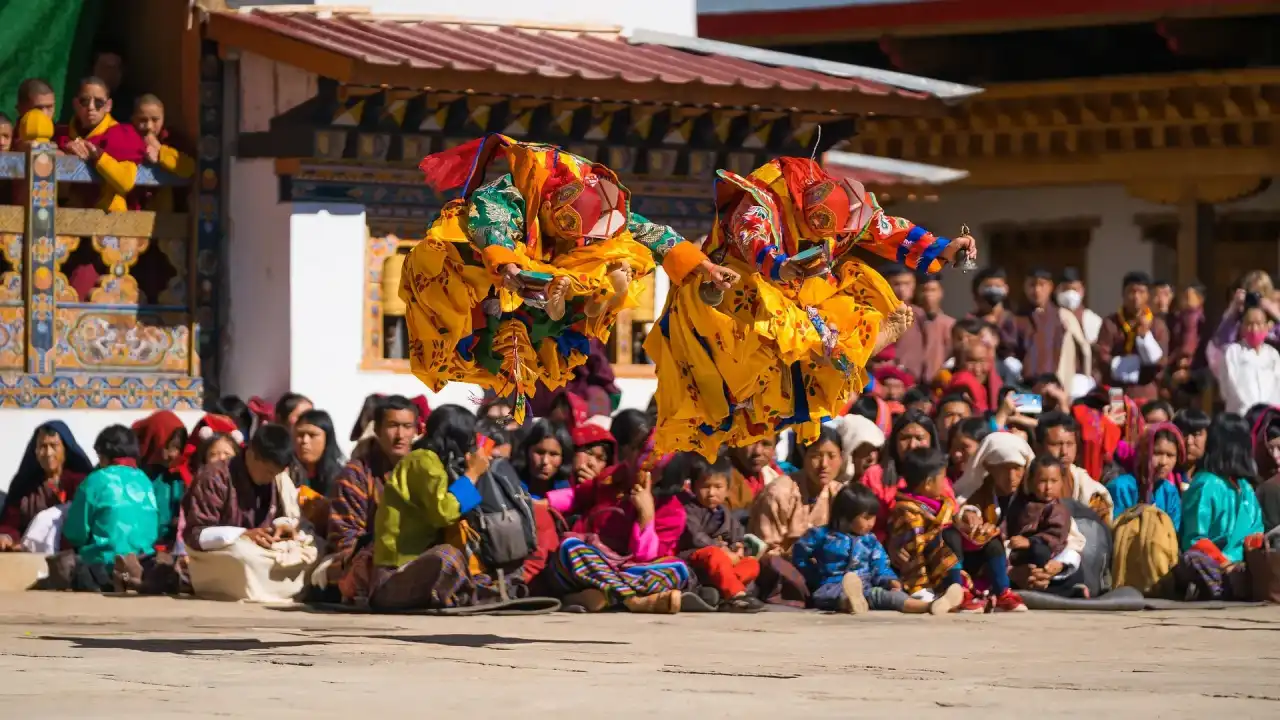
Every winter, the black-necked cranes come down to Phobjikha Valley from the Tibetan Plateau. It's a significant event for its residents, and they celebrate with native dances and music and conservation activities. The Bhutan Black-Necked Crane Festival 2026 is scheduled for 11 November at Gangtey Gonpa. Final confirmation is still pending, so don't lock in plans yet. There are traditional dances, folk songs and performances by local school children. But the underlying message is: save the cranes, save their wetland homes. Gangtey Monastery and the Gangtey Nature Trail are right nearby, so you can easily add them to a cultural and nature-focused holiday.
Black-Necked Crane Festival Dates and Location 2026
- Expected date: 11 November 2026
- Venue: Gangtey Gonpa, Phobjikha Valley
- Duration: One day
- Main activities: Folk dances, cultural performances and conservation awareness
- Entry fee and timings: Check with the organisers before you travel.
Reach Phobjikha a day early. Mountain roads are slow, and they don’t care about your schedule. A night in the valley also gives you time to walk around before the crowd shows up.
What Is the Black-Necked Crane Festival?
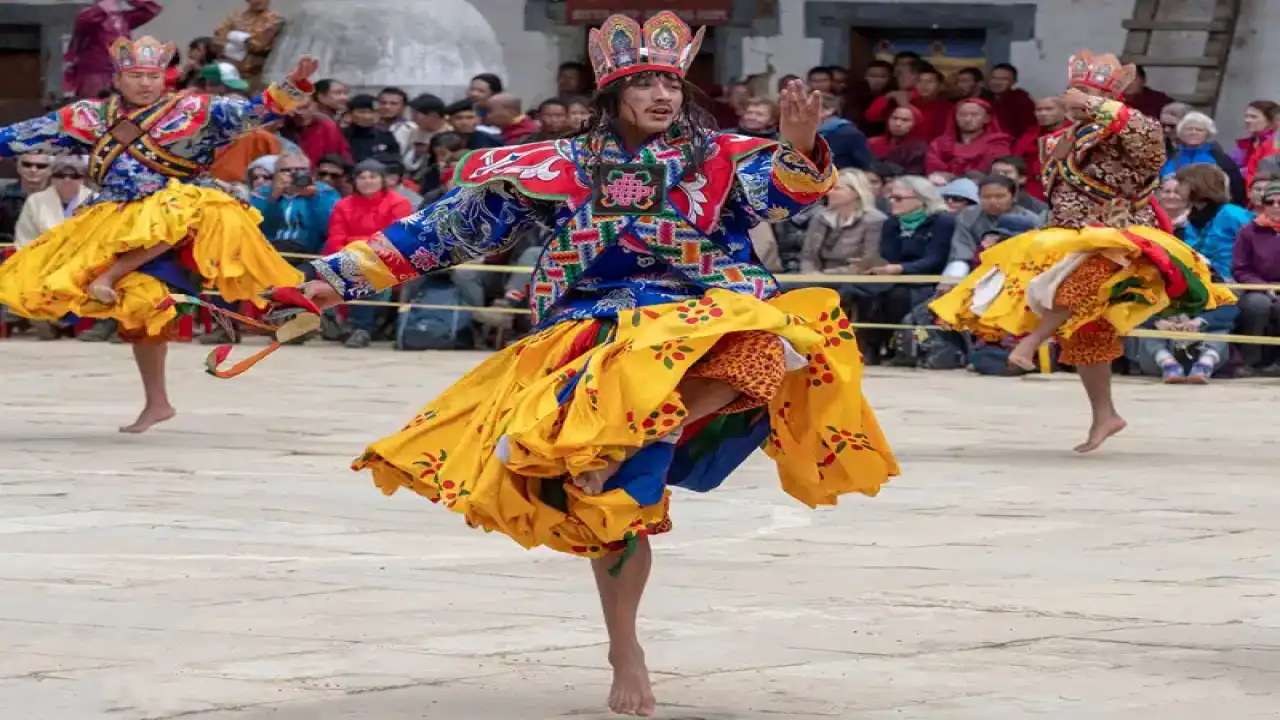
It started in 1998, pushed by the Royal Society for Protection of Nature (RSPN). The goal was simple. Get people to care about black-necked cranes, and give locals a chance to celebrate their own traditions. Since 2005, it’s been held at Gangtey Monastery. Now residents, schoolchildren, conservation groups and visitors all end up in the same spot. The Black-Necked Crane Festival in Bhutan is more than a cultural show. It’s about people and wildlife sharing the same land, and why the cranes need those wetlands to survive.
Why Is Phobjikha Important for Black-Necked Cranes?
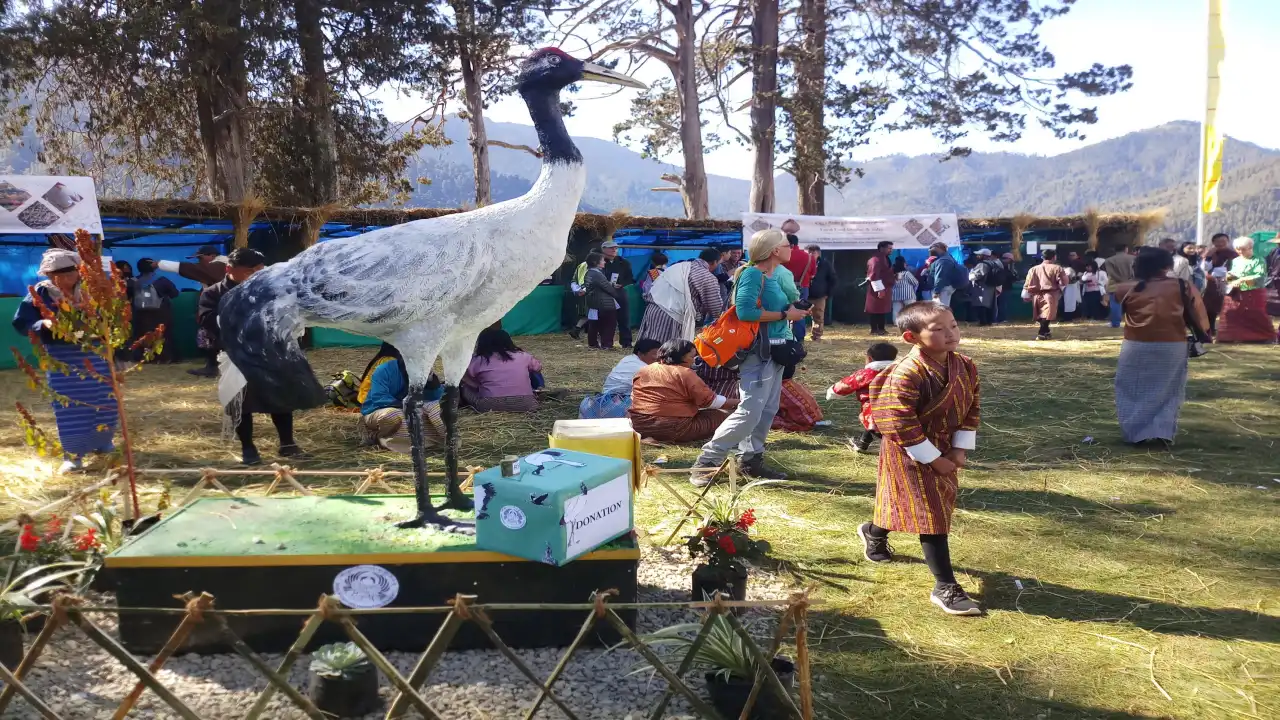
Phobjikha Valley is one of Bhutan’s main wintering grounds for black-necked cranes. Wetlands, open grassland, and farm fields. The birds have room to feed and rest while it’s cold. Locals love these birds for another reason. The belief is that the cranes circle Gangtey Gonpa three times when they arrive, then again when they leave in spring. They stand for good luck and long life. You’ll spot that in the songs and dances. So yes, the festival is really about nature and daily life being tied together. And visitors are expected to respect the birds and their home.
What to Expect at the Black-Necked Crane Festival
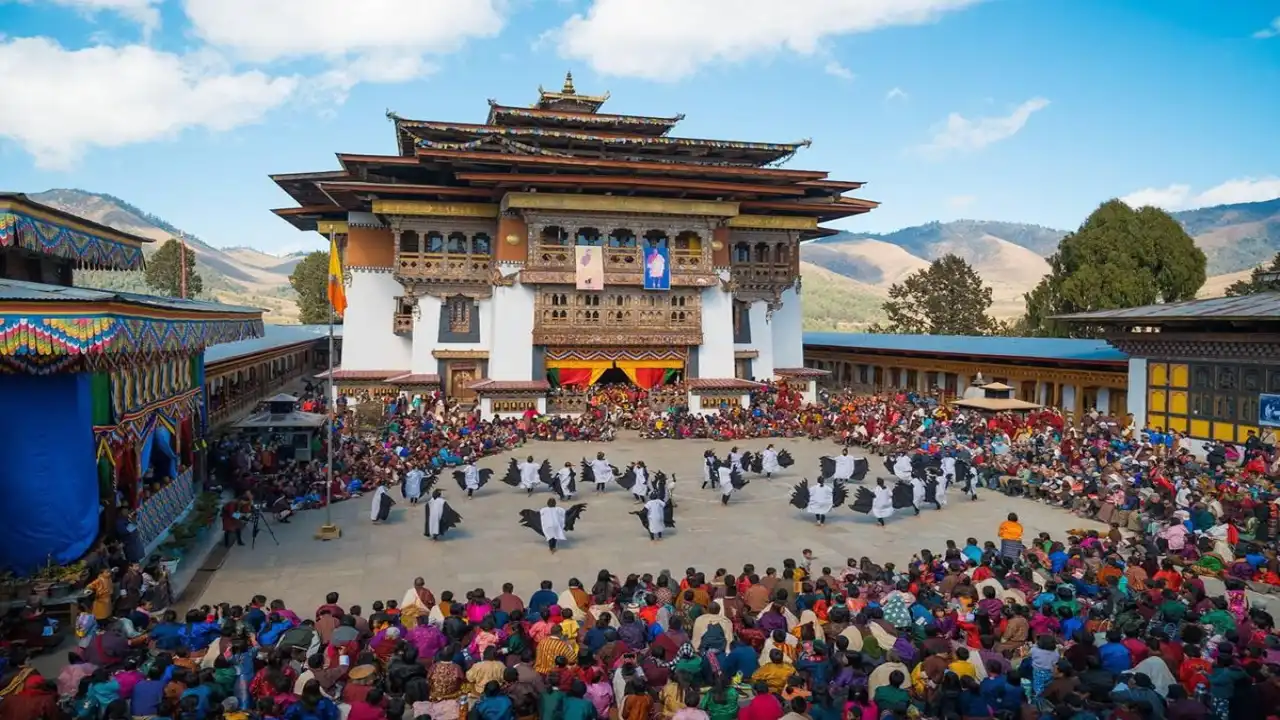
Expect cultural performances and activities that give you a taste of Bhutanese traditions and wildlife conservation.
- The Children’s Crane Dance: Local schoolkids copy how cranes move. Most visitors remember this one.
- Traditional Performances: Folk songs, mask dances, short dramas. They show local customs and bring everyone together.
- Conservation Activities: Simple programmes on protecting crane habitats and keeping the Phobjikha wetlands healthy.
The programme changes every year. Check the final schedule first.
Things to Do in Phobjikha Around the Festival
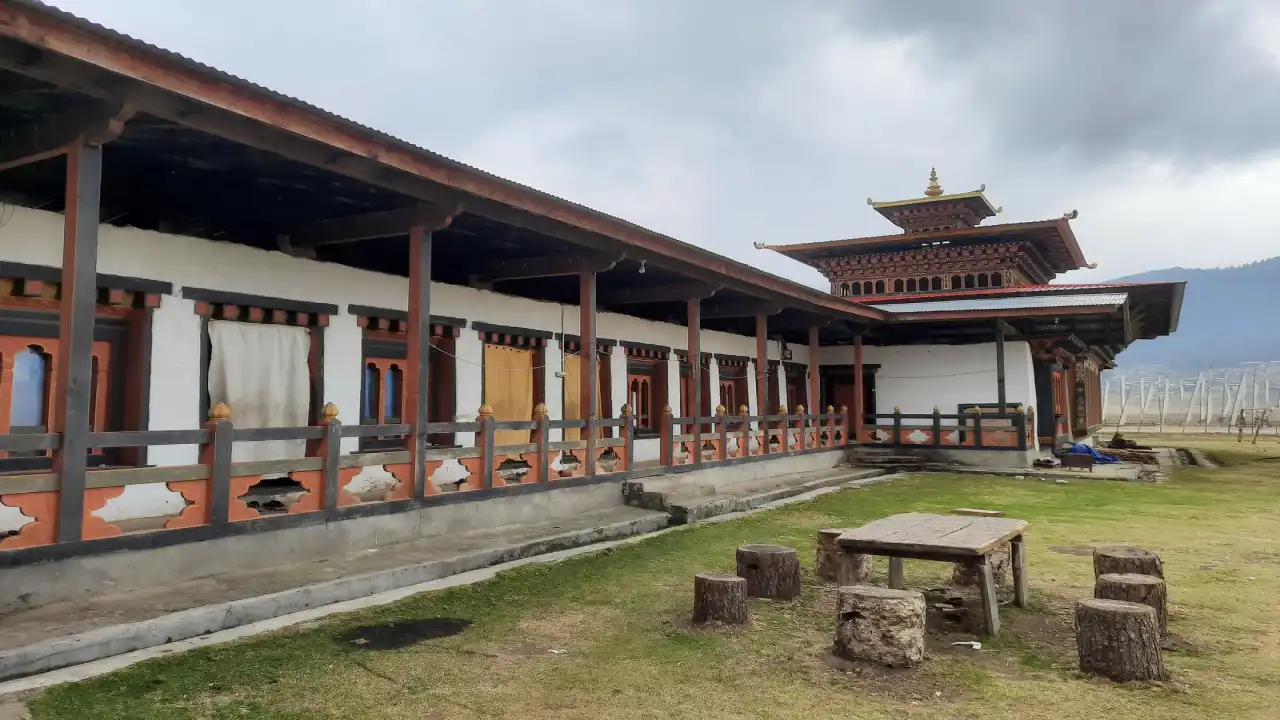
The Bhutan Crane Festival in Phobjikha Valley fits well into a longer trip. Lots to see nearby, so don’t dash off straight after.
1. Visit Gangtey Gonpa
Gangtey Gonpa, or Gangtey Monastery, is where the festival happens, and it’s a big Buddhist site for the region. Don’t rush it. Look at the old wooden carvings, the heavy doors, the valley stretching out below. Dress modestly. And if prayers or a ritual are going on, stay quiet and do what the monks or locals ask.
2. Go Crane Watching
Sit for a while and just watch the cranes. Early mornings and late afternoons are usually better, but weather can change things. Bring binoculars. Keep your distance.
3. Walk the Gangtey Nature Trail
The Gangtey Nature Trail goes past villages and open land, with views over the wetlands. It’s an easy walk, no rush. Wear comfy shoes and warm clothes.
4. Visit the Black-Necked Crane Information Centre
It explains the cranes, their migration and the conservation work. Stop here before you go birdwatching. It helps.
How to Reach the Bhutan Crane Festival from India
You can reach Bhutan from India by air or road, then continue to Phobjikha Valley.
- By air: Fly to Paro International Airport, then drive through Thimphu and Wangdue Phodrang to Phobjikha.
- By road: Enter at Phuentsholing, near Jaigaon in West Bengal, then keep going to the valley.
- Other entry points: Gelephu, Samtse and Samdrup Jongkhar work too. The drive after that may be longer.
Travel time depends on the road, your stops and the route. Book transport early. Mountain roads are not a last-minute thing.
Best Time to Visit Bhutan for the Crane Festival
Go in November if the festival is your main reason. That’s when the black-necked cranes return to Phobjikha Valley. They mostly stay all winter, so November to February can work too if you just want to see them. It’s cold, mostly in the mornings and evenings. Pack a warm jacket, thermal layers and shoes you can walk in. And if you can, stay a day after the festival. No rushing between places.
Plan Your Bhutan Trip with Travel Junky
You can fit the crane festival into a bigger trip with Bhutan’s monasteries, valleys and cultural spots. A Bhutan trip package handles stays, transport and sightseeing. That’s a big help on a first visit. Travel Junky can suggest itinerary options based on your dates, budget and what you want to see. Before you book, make sure the plan gives you enough time in Phobjikha to attend the festival without hurrying.
Conclusion
Bhutan’s Black-Necked Crane Festival mixes local culture, wildlife awareness and community traditions, and it feels real, not staged. The children’s crane dance, the birdwatching in Phobjikha Valley. It shows you a side of Bhutan that goes beyond the famous monasteries and mountain views. Keep the plan simple. Book transport and stay early, pack for the cold, and confirm the schedule before you go. Do that, and it’ll likely be a highlight of your Bhutan holiday.
Travel Tips for the Black-Necked Crane Festival
Some quick reminders:
- Be early: Reach Phobjikha at least one day before the Festival.
- Pre-book accommodation: Accommodation in the valley is limited compared to the larger towns.
- Bring binoculars: Helps you see distant birds more clearly.
- Check festival details: Confirm the date, timings and entry arrangements before you leave.
- Allow extra travel time: Mountain roads usually take longer than you expect.
- Check entry requirements: Look up the latest Bhutan travel rules and fees before booking.