Exploring Vatican City: Iconic Landmarks, Timeless Art, and Sacred History
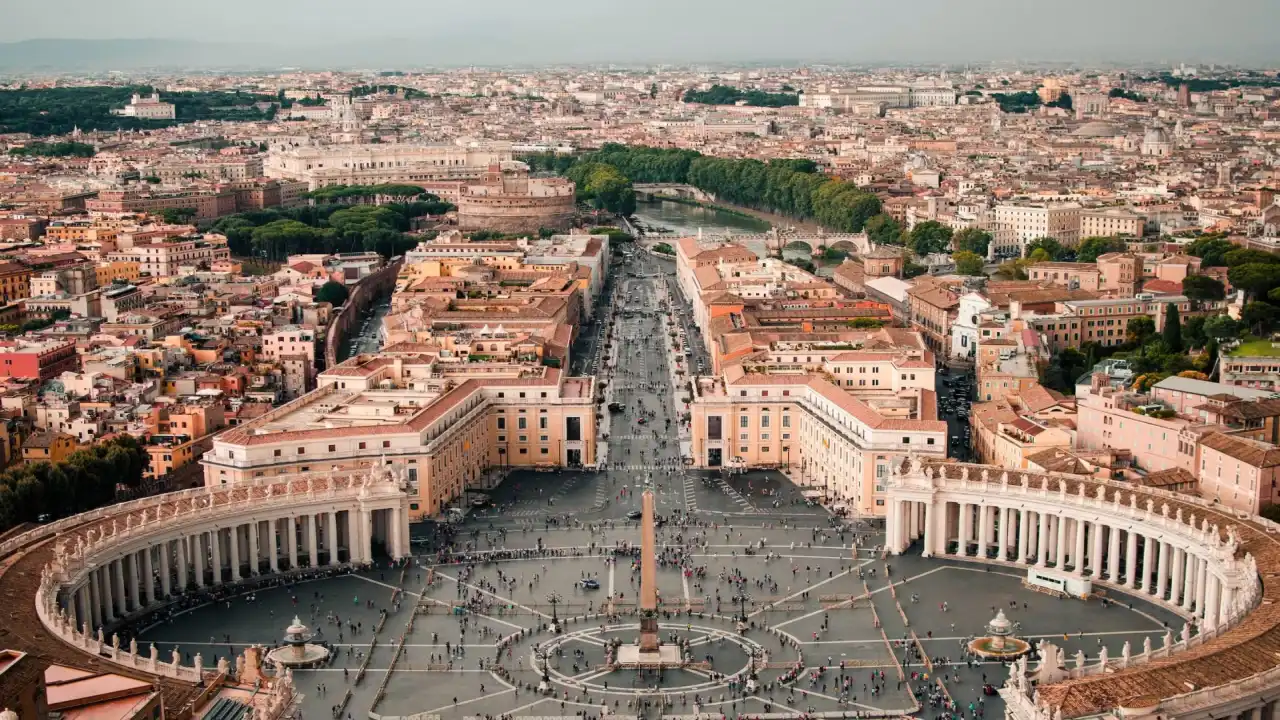
Vatican City may be the smallest country in the world, but it is rich in art, architecture, and religious history. Located within Rome, Italy, it is home to famous landmarks such as St. Peter’s Basilica and the Vatican Museums. The best part about exploring Vatican City Attractions is that the experience goes beyond sightseeing. From Renaissance paintings to churches that are hundreds of years old. Do a bit of planning first. If you don’t, you’ll spend the day rushing around and half the things will blur together.
St. Peter’s Basilica: A Masterpiece of Architecture
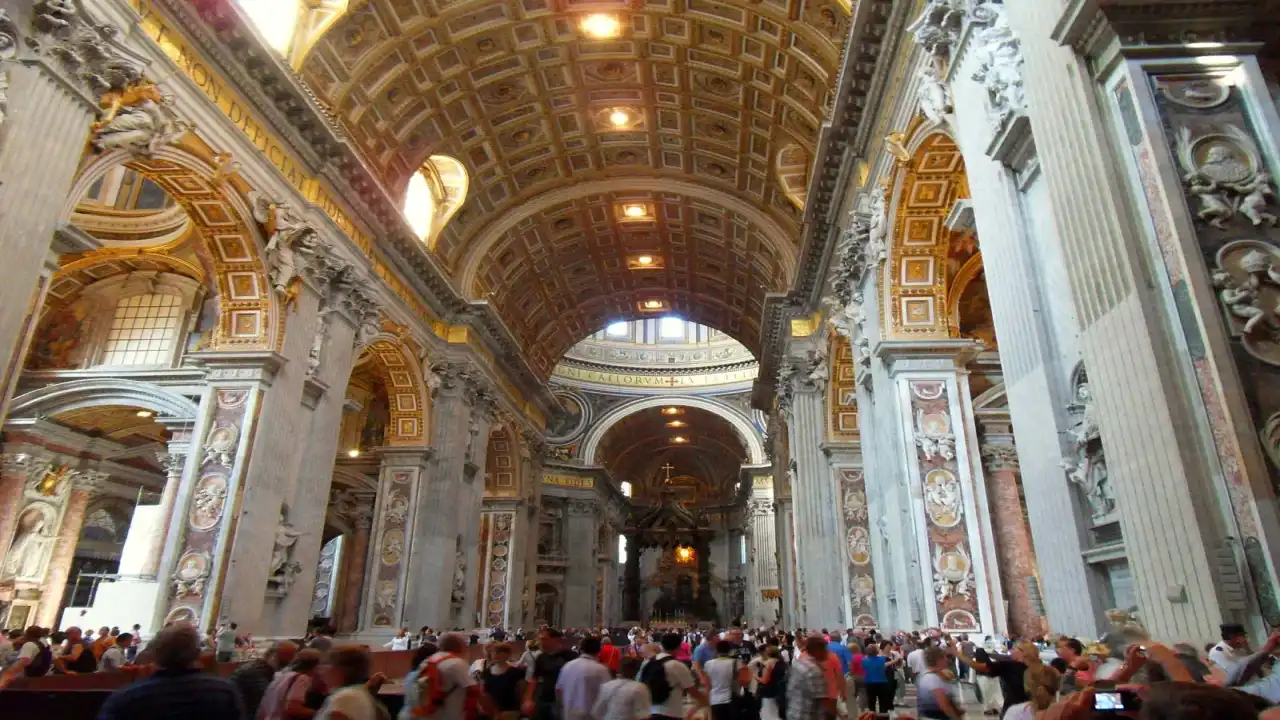
St. Peter’s Basilica is one of the most famous churches out there, and it’s the place most visitors talk about afterward. That dome is huge. The marble floor feels cold and smooth under your shoes, and there are statues in every corner. Don’t hurry. Just walk slowly and look around. It stands over the burial place of Saint Peter, one of Jesus Christ’s apostles. Michelangelo and Gian Lorenzo Bernini both worked on the design and the decoration inside. Michelangelo’s Pietà is the one most people line up for. It’s a marble sculpture of Mary holding Jesus after the crucifixion. It’s smaller than you’d guess, and strangely peaceful.
What to explore:
- Stop at the Pietà and look closely at the marble work.
- Walk down the long central nave and check the sculptures.
- Look up at the dome and the painted ceilings.
- Wander past the religious monuments inside.
Pro tip: Entry is usually free. Cover your shoulders and knees, and check for closures during religious ceremonies.
St. Peter’s Square: The Grand Entrance to the Vatican
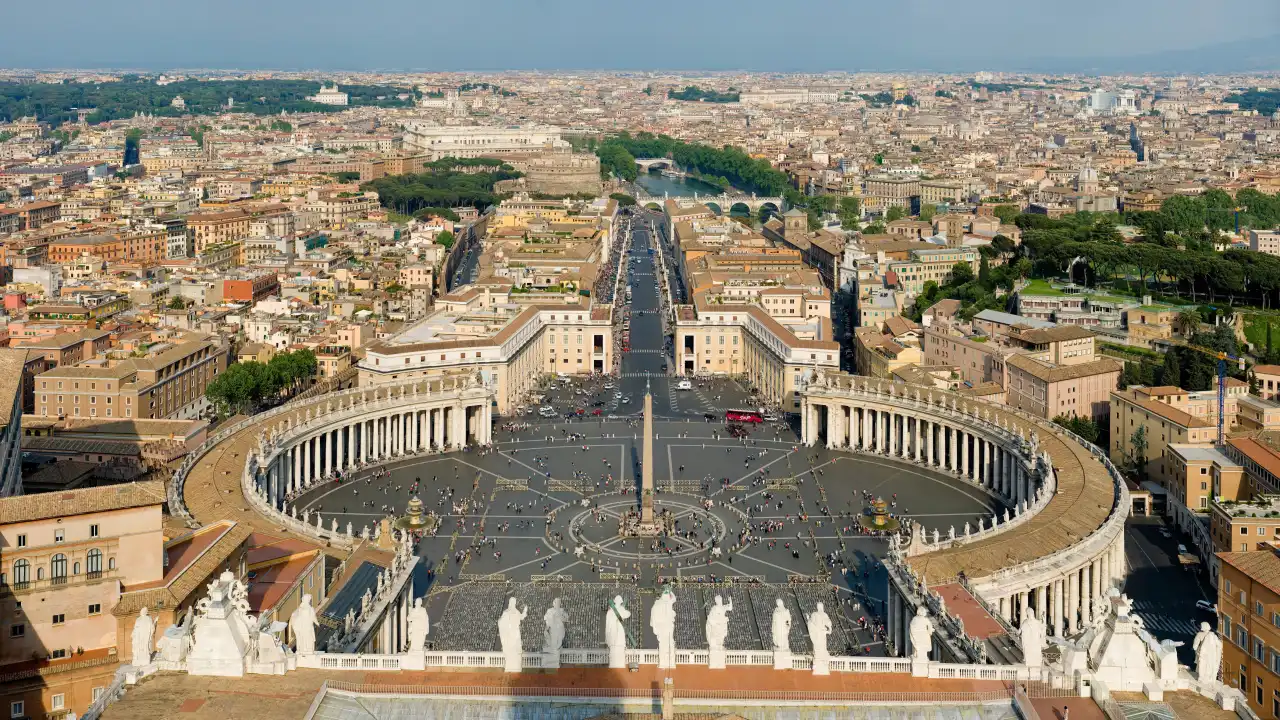
St. Peter’s Square is right in front of the basilica, and you can’t miss it. Gian Lorenzo Bernini designed most of it in the 17th century. You get big curved rows of columns, an Egyptian obelisk in the middle, and a clear view of the basilica straight ahead. It’s where crowds gather for papal appearances and religious events. So expect noise, people, and a lot going on.
Things to do:
- Walk around and take in the symmetrical design.
- Take photos of the basilica and the obelisk.
- Find the spots where the columns seem to line up.
- Check the schedule for public religious events.
Pro tip: Go early in the morning. It’s quieter and the photos come out better. Entry is generally free, but special events can block some areas.
Vatican Museums: A Journey Through Centuries of Art
The Vatican Museums hold a massive collection of paintings, sculptures, old objects and decorative art. It was all gathered over many centuries. There are loads of galleries, and each one shows a different side of art and history. Don’t try to see everything. You’ll wear yourself out. Pick the big highlights and give them proper time.
Highlights inside the Vatican Museums:
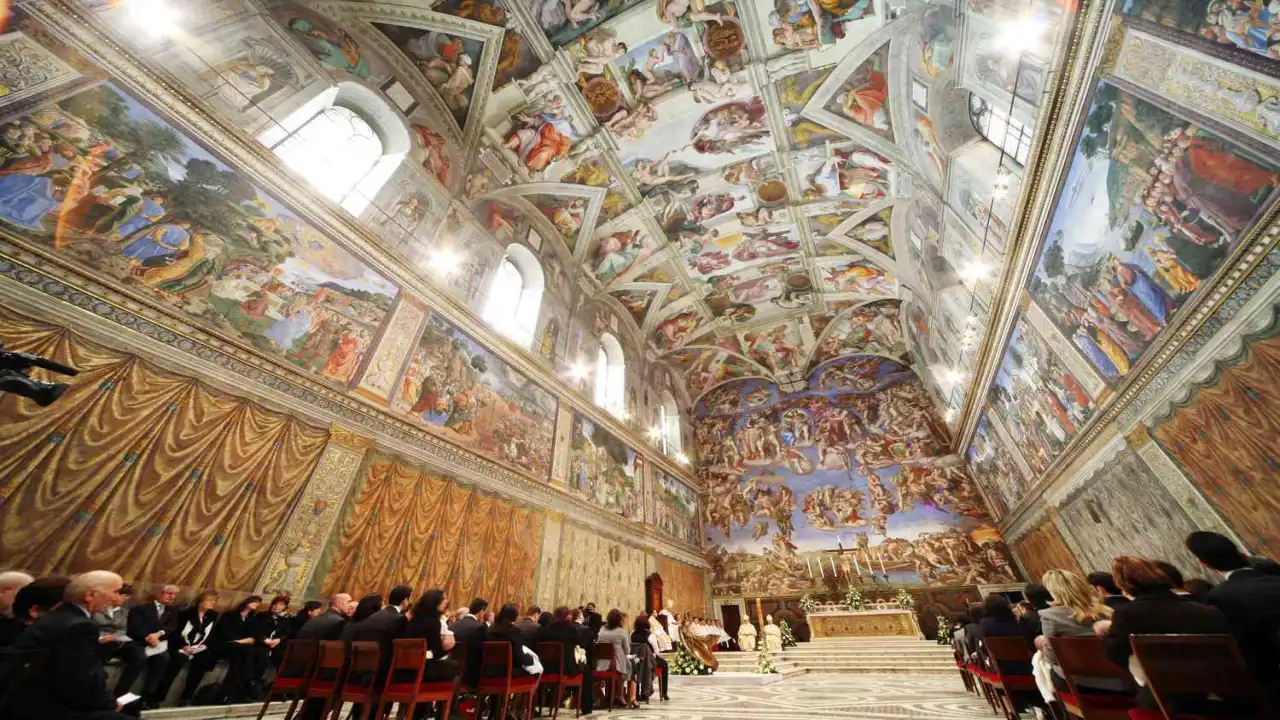
- Sistine Chapel: Famous for Michelangelo’s ceiling frescoes, including The Creation of Adam, and his monumental The Last Judgment. The chapel also serves as the traditional setting for papal elections.
- Raphael Rooms: Renaissance masterpieces, including The School of Athens, which is about classical philosophy and learning.
- Gallery of Maps: Detailed maps of Italian regions, with a crazy decorated ceiling above.
- Ancient sculptures: Works showing the art styles of ancient civilisations.
Pro tip: Book tickets on the official Vatican Museums website. Keep several hours free. And no photos in the Sistine Chapel, so put the phone away.
St. Peter’s Dome: Enjoy Panoramic Views of Rome
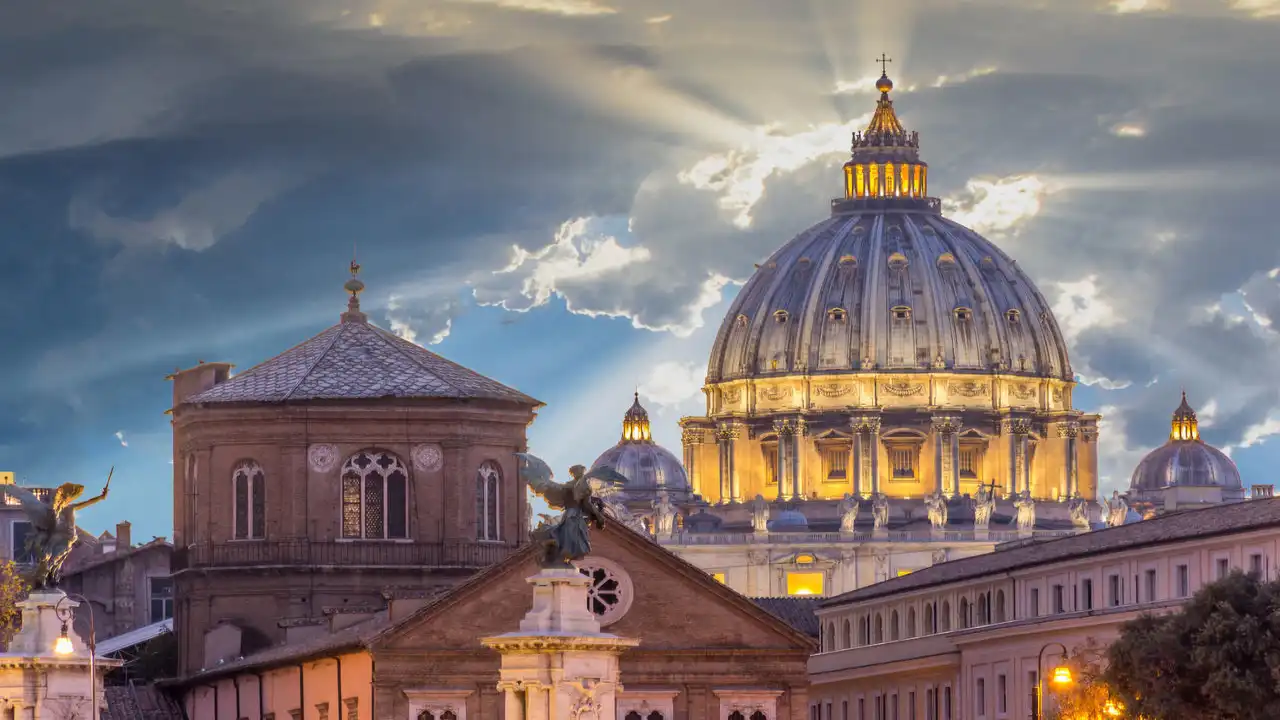
St. Peter’s Dome lets you see Vatican City and Rome from way up high. It’s one of the best parts of the basilica, and the view from the top stays with you. First you see the dome’s inside decorations, then you keep going up to the viewpoint. At the top, rooftops, streets and faraway landmarks stretch out all around you.
Why visit the dome?
- Get panoramic views across Rome.
- See the basilica’s details up close.
- Take photos of the city from above.
Pro tip: You need a separate ticket, and there are still stairs even if you take the lift. Check the official St. Peter’s Basilica website for current ticket details and access information.
Vatican Gardens: A Peaceful Green Escape
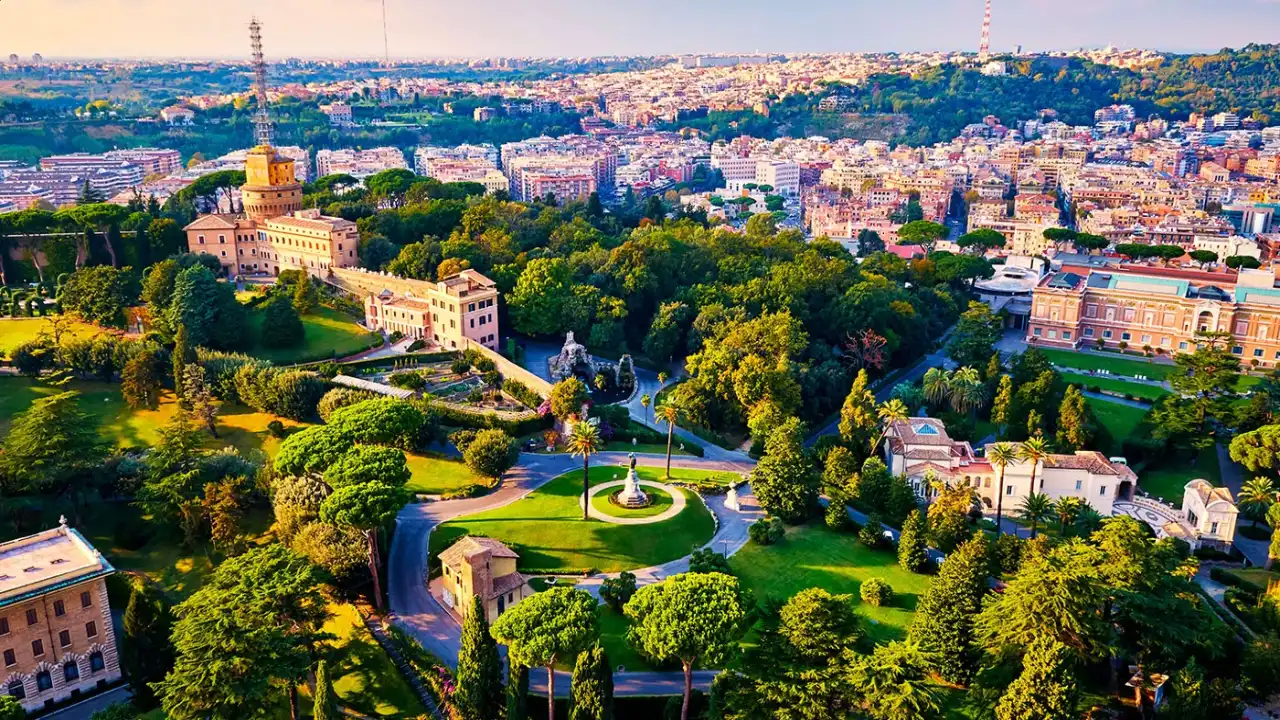
The Vatican Gardens are way quieter than the busy museums and the square. You get green spaces, fountains, sculptures and easy walking paths. They were built over several centuries, so the landscaping styles are mixed. It’s a good spot to slow down, especially after hours inside old buildings.
What to expect:
- Well-kept gardens and green spaces.
- Old fountains, sculptures and decorative bits.
- Guided visits that explain the grounds and their history.
Pro tip: Most visits are guided tours with booking. Check availability first, because you usually can’t just walk in and explore.
Vatican Necropolis: Discover Ancient History
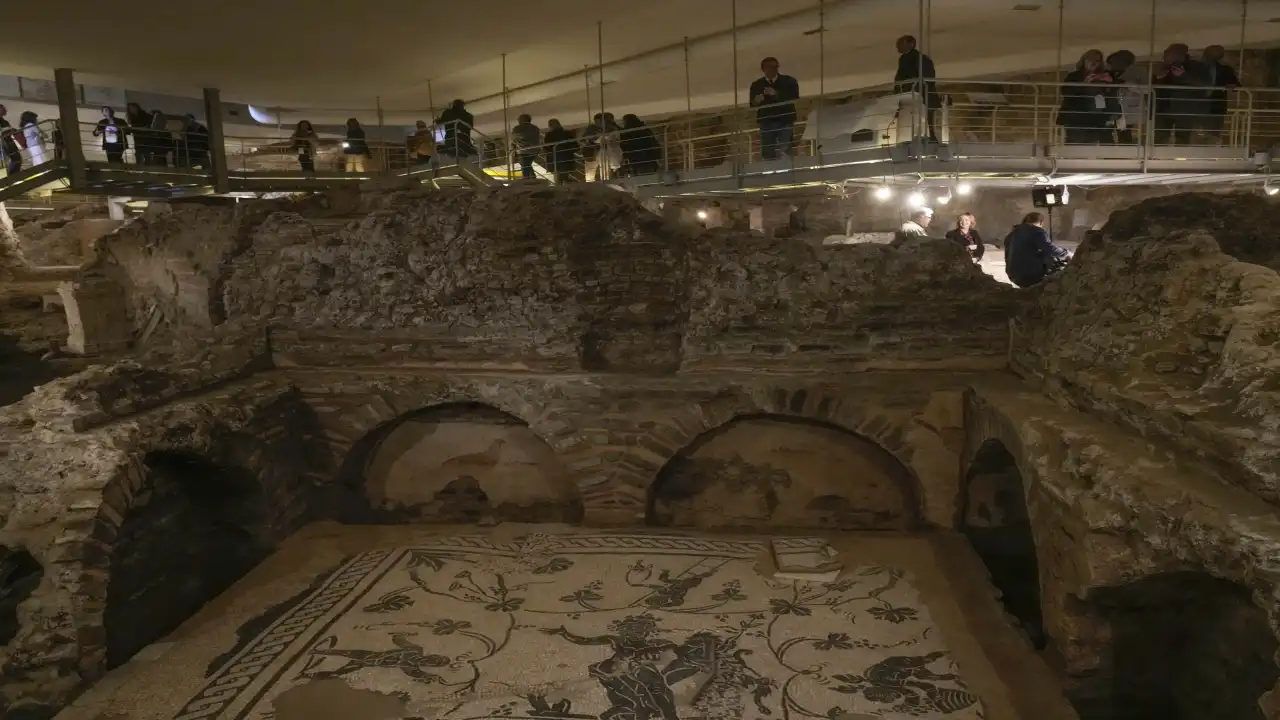
The Vatican Necropolis, also called the Scavi, is an ancient burial area under St. Peter’s Basilica. It’s important because of its traditional link to where Saint Peter was buried. Down there you’ll see old tombs and archaeological remains from Roman times. It feels totally different from the grand buildings above. This one is all about archaeology, burial customs and early Christian history.
Why explore it?
- Learn about ancient Roman burial traditions.
- Discover the archaeological history under the basilica.
- Understand the site’s religious and historical importance.
Pro tip: Visits are limited and must be booked ahead through the official Vatican Excavations Office. It’s underground, so it may feel tight if you don’t like small spaces.
Best Time to Visit Vatican City
Spring (April to May) and autumn (September to October) are usually the best times to visit Vatican City. The weather is good for walking, but popular spots still get crowded. Summer is hot, and the queues are long. Winter is usually cooler. Easter, Christmas and religious events also pull huge crowds.
Keep these tips in mind:
- Start early: Visit the popular sites in the morning, before the crowds show up.
- Book tickets in advance: This matters a lot for the museums and special-access attractions.
- Check opening hours: Religious events and public holidays can change access.
- Wear comfortable shoes: You’ll be walking a lot in the museums and basilica.
- Allow enough time: The Vatican Museums alone can take several hours.
Always check the official websites for the latest opening schedules before you travel.
Planning a bigger European holiday? You can also check an International Trip Package through Travel Junky to sort out accommodation, transfers and sightseeing across several destinations.
Conclusion
Vatican City fits great art, architecture and religious history into a small space. St. Peter’s Basilica, the Vatican Museums, the quiet gardens, the ancient Necropolis. Each one hits you differently, and that’s the fun of it. Book ahead and don’t overplan, and you can enjoy the Famous Landmarks in Vatican City without the stress. Travel Junky can also sort out the rest of your holiday, so you’re not stuck juggling it all yourself.