Palatine Hill in Rome 2026: A Complete Travel Guide
Introduction
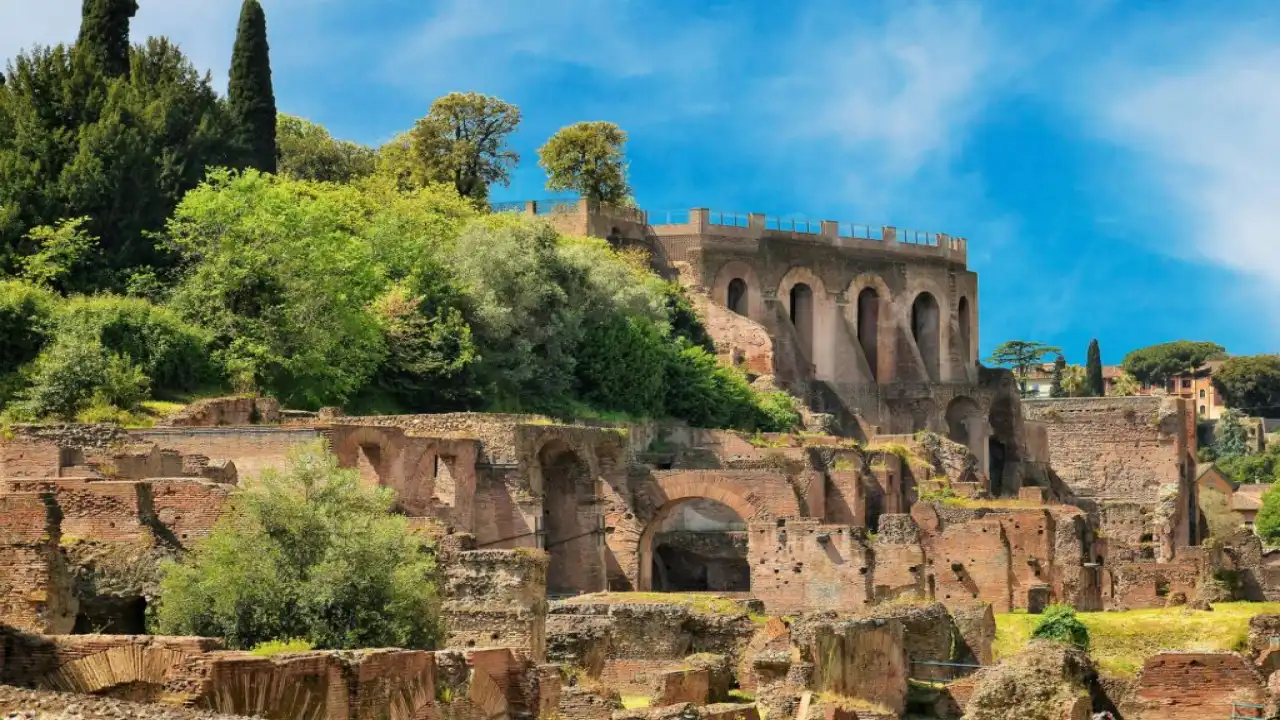
Rome is full of old attractions. But if you want to understand how the city began, Palatine Hill in Rome is where to start. It’s right by the Colosseum and the Roman Forum. The hill is covered with imperial palaces, courtyards and a few gardens. According to Roman legend, the hill is connected with the founding of Rome by Romulus. It’s a great place to wander with no real plan, look out over the city and picture normal life in the Roman Empire. Thinking about a bigger European holiday? A Europe trip package can help you fit Rome in with other stops on your list. Down below you’ll find the main sights, ticket info, opening hours and some easy tips for your 2026 visit.
Why Is Palatine Hill Worth Visiting?
Palatine Hill is one of the oldest parts of Rome. Rich families and emperors all wanted a home here. Little by little, the hill got packed with big palaces and gardens, and it became the centre of imperial life.
Here’s why it’s worth the walk:
- Historical importance: You learn the early story of Rome and its emperors, standing right where it all happened.
- Ancient architecture: Palace remains, courtyards and old walls.
- Beautiful views: The Roman Forum and the ruins near it stretch out below.
- Convenient location: Other major sights are only a short walk from here.
Best Places to See on Palatine Hill
Domus Augustana
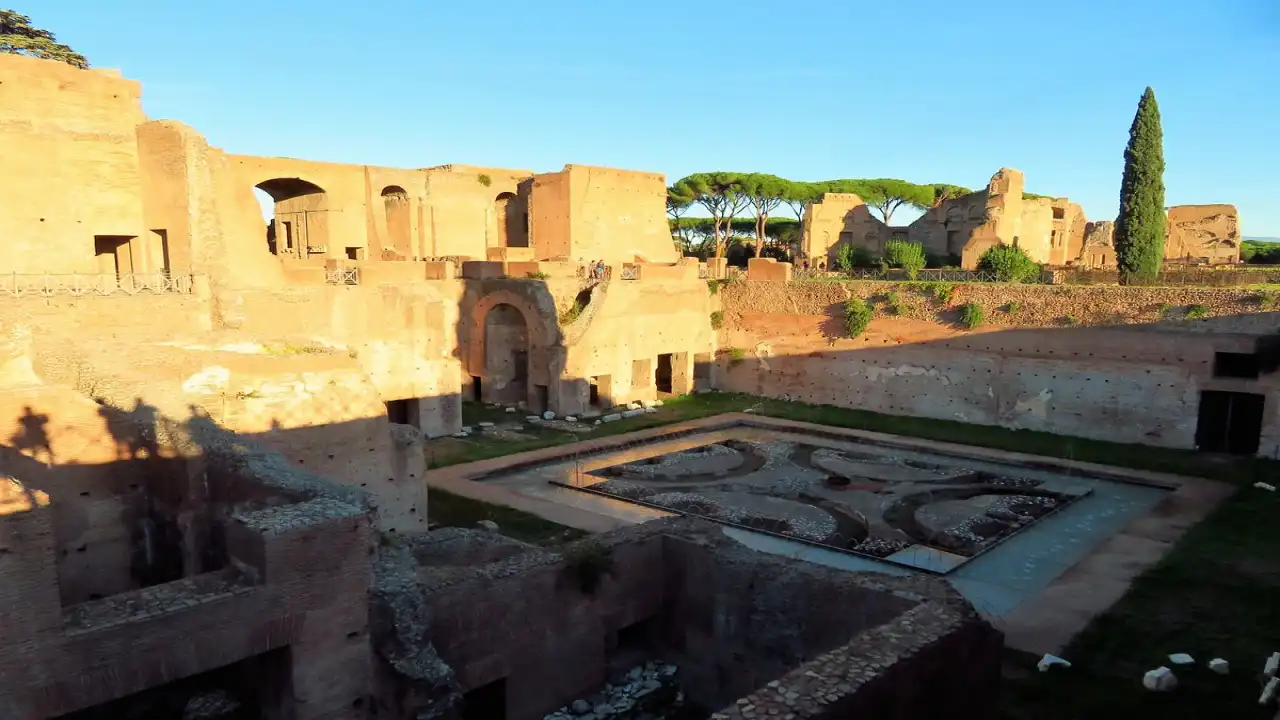
Domus Augustana was part of Emperor Domitian’s imperial palace complex. What’s left is a mix of courtyards, broken walls and bits of the old living quarters. Wander through and you start to see how these huge homes were laid out. They were built to show power and status, and the ruins still carry some of that feeling.
Highlights: Palace ruins, ancient courtyards and imperial architecture.
House of Augustus
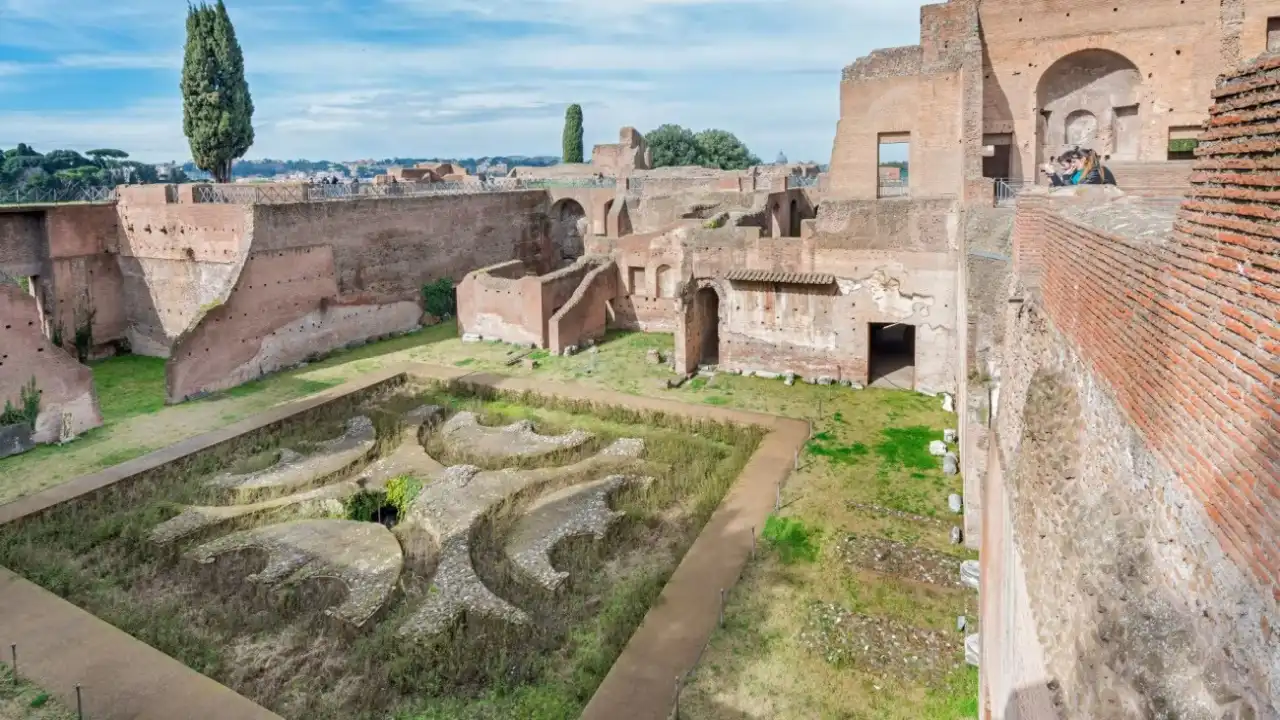
This house is tied to Augustus, Rome’s first emperor. The reason to come is the wall paintings that are still around. They show how Romans decorated their homes. It feels a lot more personal than the huge public monuments elsewhere in the city.
Highlights: Ancient frescoes, decorative details and Roman history.
Pro Tip: Getting into the House of Augustus can be limited. Some days it needs a special ticket or a reservation. If you really want to see the rooms, check the official archaeological park website before you go.
Stadium of Domitian
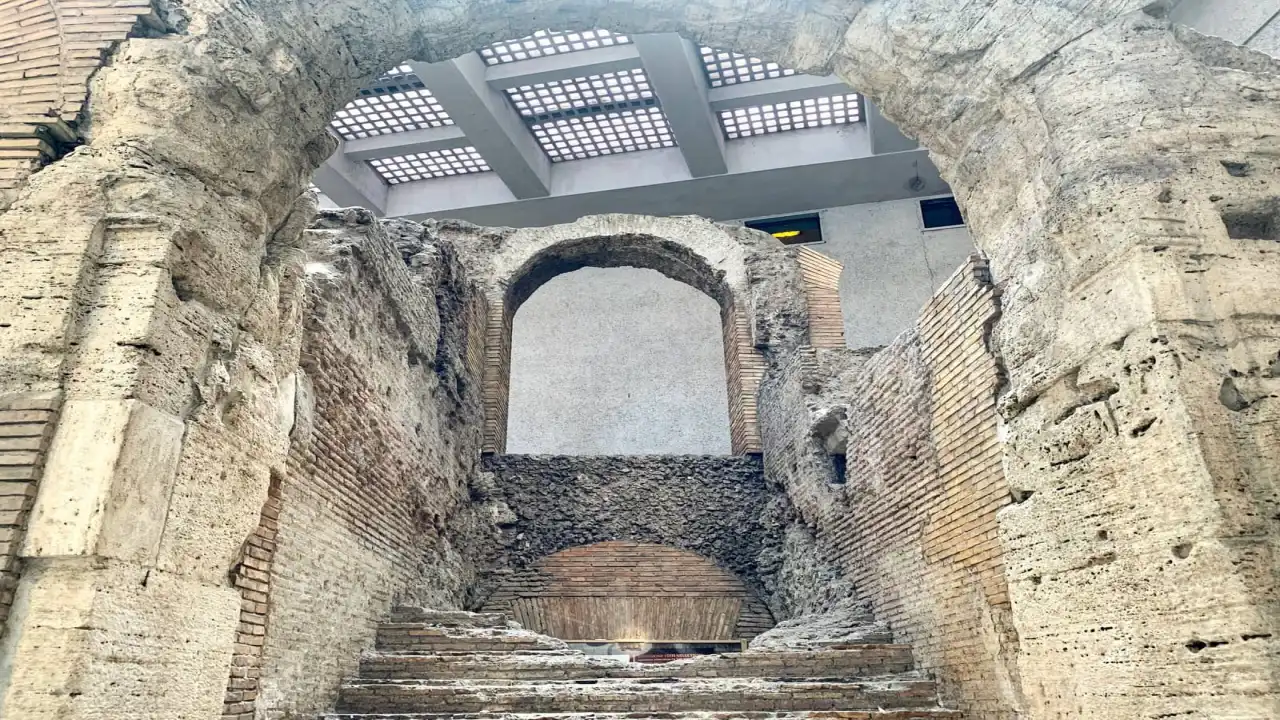
It’s a long, open space, once part of Domitian’s imperial complex. Kind of looks like a small stadium. Stand in the middle and you quickly get how big the palace grounds were. Don’t just walk past. Stop for a minute. Look at the shape of the place and the old structures around you.
Highlights: Open archaeological space, palace remains and good photo spots.
Farnese Gardens
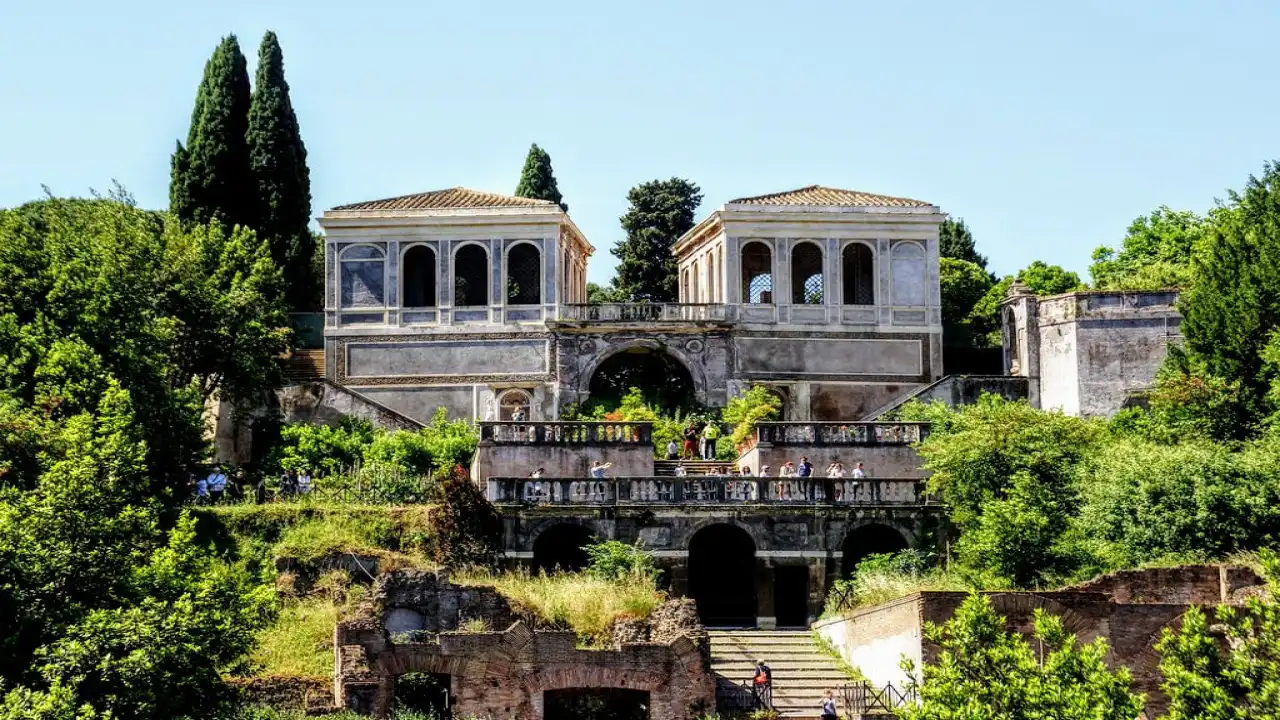
The Farnese Gardens date from the Renaissance and offer a greener setting among the ancient ruins. The garden area is known for its pathways and views over the Roman Forum. It is a pleasant place to slow down after exploring the archaeological remains and enjoy a different perspective of the historic landscape.
Highlights: Garden paths, greenery and views of the Roman Forum.
Palatine Hill Rome Travel Guide: Tickets and Opening Hours
The site usually opens at 9:00 AM, but closing time moves with the seasons. Always check the official schedule before you travel.
The standard combined ticket for the Colosseum, Roman Forum and Palatine Hill is usually listed at €18 for full entry. Special tickets, reduced prices and access rules may be different, so don’t treat that number as final.
Keep these in mind:
- Book through the official Colosseum ticket website.
- Reserve early if you’re visiting in a busy season.
- Check which sights your ticket really covers.
- The Colosseum usually needs a timed entry slot.
- Look up temporary closures or restrictions before you leave.
Pro Tip: Visiting at a busy time? Book early. Check the official website for the latest entry slots, prices and access rules before you lock in your plans.
Note: Opening hours and ticket prices may change. Please check the official Colosseum Archaeological Park website before your visit.
Other Places to Visit Near Palatine Hill
Colosseum
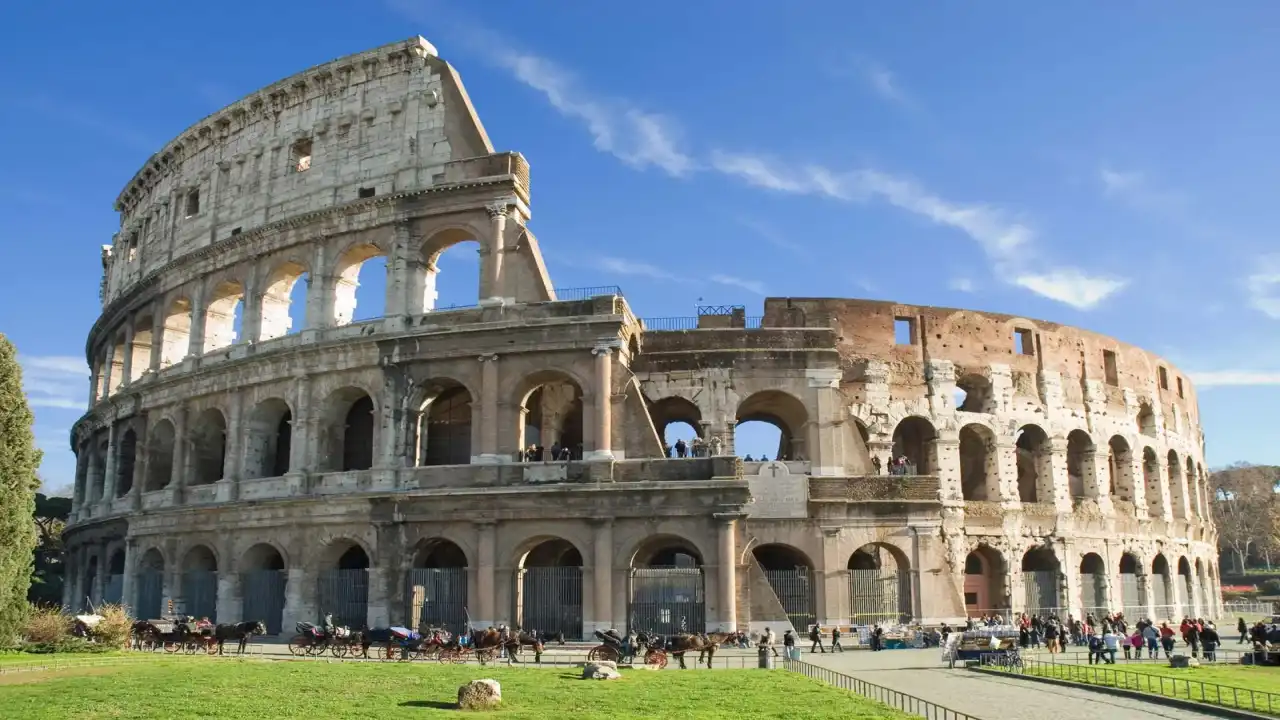
The Colosseum is Rome’s famous ancient amphitheatre, where gladiator fights and public shows took place. You can explore the open areas and learn how the Romans built it, and what a day out at the “entertainment” meant to them.
Roman Forum
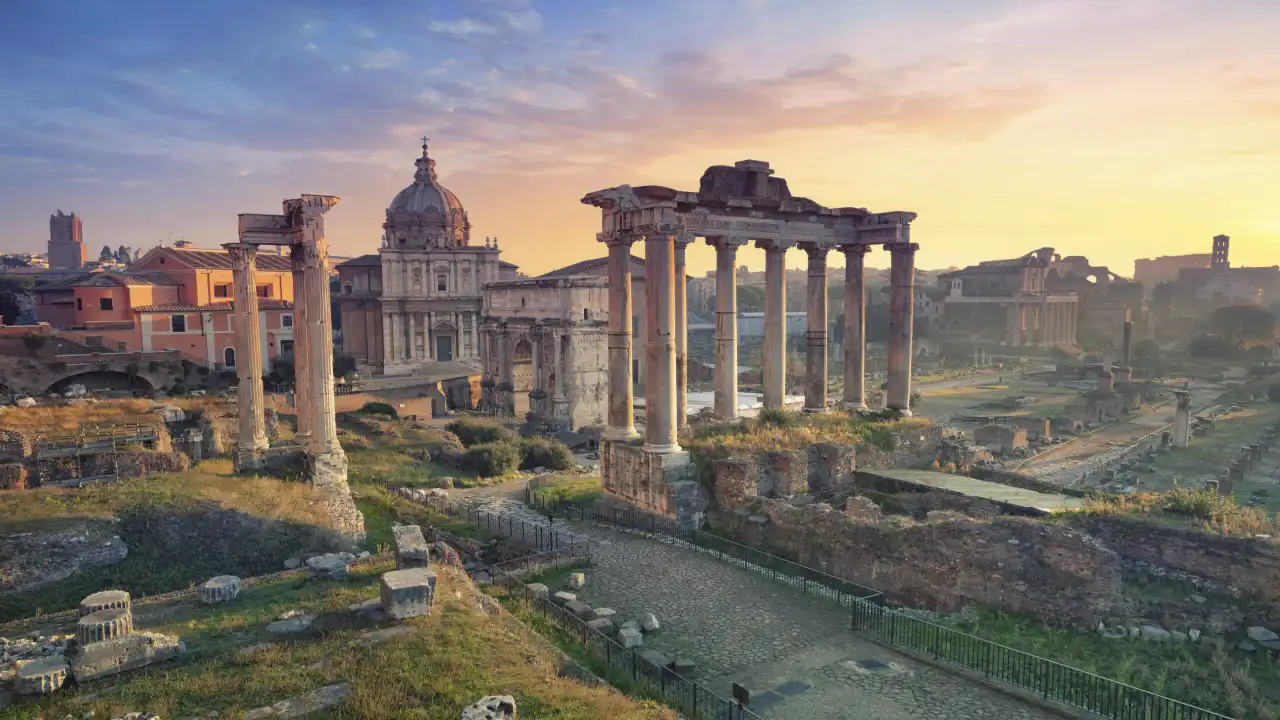
The Roman Forum was the busy heart of Roman life. Politics, religion and trade, all in one place. You’ll see remains of temples, public buildings and monuments. Keep an eye out for the Arch of Septimius Severus and the Temple of Saturn while you walk. They give you a closer feel for the architecture and public life of ancient Rome.
Capitoline Hill

Capitoline Hill is known for Piazza del Campidoglio, a historic square designed by Michelangelo, and for the Capitoline Museums. Inside you’ll find ancient Roman sculptures, artworks and old artefacts. A good stop if you want more Roman art and history beyond the main archaeological park.
Circus Maximus
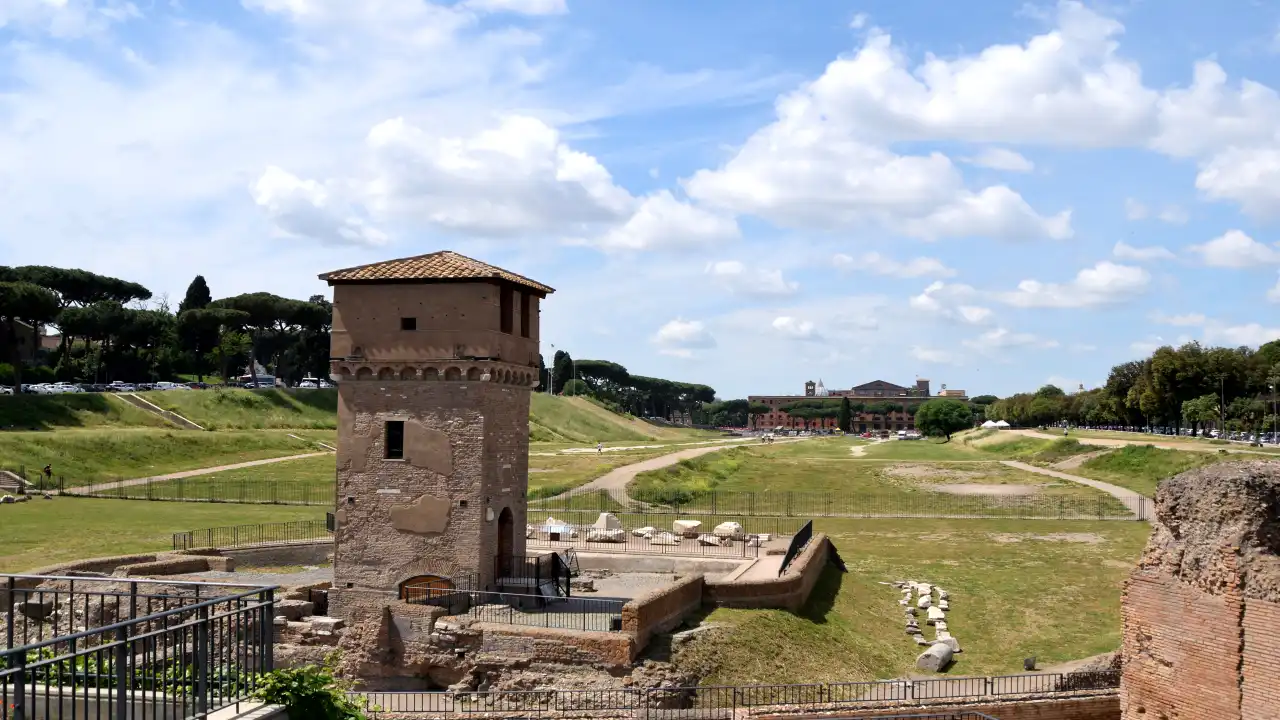
Circus Maximus was once the spot for chariot races and big public events. Today it’s mostly open ground, but you can still feel how huge it was, with the Palatine and Aventine hills on both sides. A nice, easy walk after the ruins nearby.
How to Reach Palatine Hill
Palatine Hill is in central Rome, so getting there is pretty simple.
- Metro: Take Line B to Colosseo station, then walk toward the archaeological area.
- Bus: Check the current city bus routes that stop near the Colosseum.
- Taxi: Ask the driver to stop at the designated drop-off point near your entrance.
- On foot: Staying in central Rome? Most of the time you can just walk.
Check the entrance printed on your ticket. Different entrances can have different access rules, and finding that out at the gate is no fun.
Planning a Rome Trip with Travel Junky
Rome slots nicely into a longer European trip. You get the history, the food, the shopping and the culture. Got something bigger in mind? Have a look at an International trip package. Pick one that fits your budget, the places you want to hit and the dates you’re free. Travel Junky can help you sort out an itinerary. Big sights covered, but no rush from one to the next. You still get time to actually enjoy each place. Before you book, look at what’s included. Entrance tickets, transfers, guided experiences. Don’t assume, just check.
Conclusion
Palatine Hill is the best way to get close to ancient Rome. Palace ruins, old gardens, a view over the Roman Forum, all in one go. It’s right next to the Colosseum, so slotting it into your Rome plan is easy. First visit or fifth, doesn’t matter. Book your tickets early. Wear comfy shoes, because you’ll need them. And check the latest opening info before you leave. Honestly, that’s about all you need to have a good day here.