Eastern vs. Western Europe: What Is Best for the Traveller?
Introduction
Europe is packed with old cities, gorgeous buildings, landmarks you’ve seen on postcards since you were a kid, and food that seems to shift every couple hundred kilometres. Spend a few days wandering Prague and Budapest, then go stand under the Eiffel Tower in Paris. You’ll feel it right away. It’s not only how things look. The noise, the pace, even the smell coming out of the bakeries are different.
So, Eastern vs Western Europe. It really comes down to three questions. How much do you want to spend? What do you actually enjoy doing on holiday? And how do you like to travel, slow or packed? Eastern Europe leans towards historic towns and local culture. Western Europe leans towards famous sights, big museums and shopping. If you’re picking a Europe trip package, don’t book the first one you see. Look at both sides first. It saves you a lot of hassle later.
Eastern Europe: Why It Is Worth Discovering
Do you want to delve deeper into history and admire ancient buildings? Are you a fan of wandering around picturesque towns fit for a fairytale? Eastern Europe has it all and more. Explore medieval squares, sample local specialties or stumble upon lively local markets and cozy, family-run eateries. Not only are the prices usually more affordable, but you will also find value for your money.
Best Places to Visit in Eastern Europe
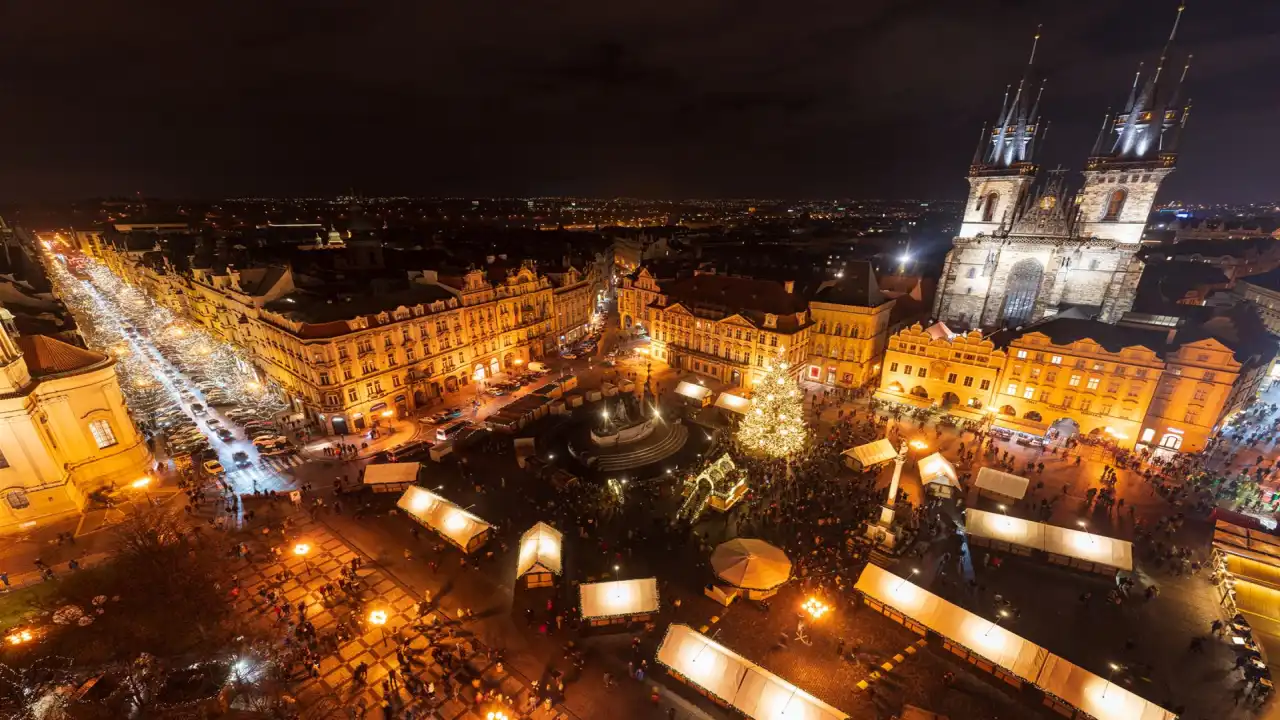
Prague, Czechia
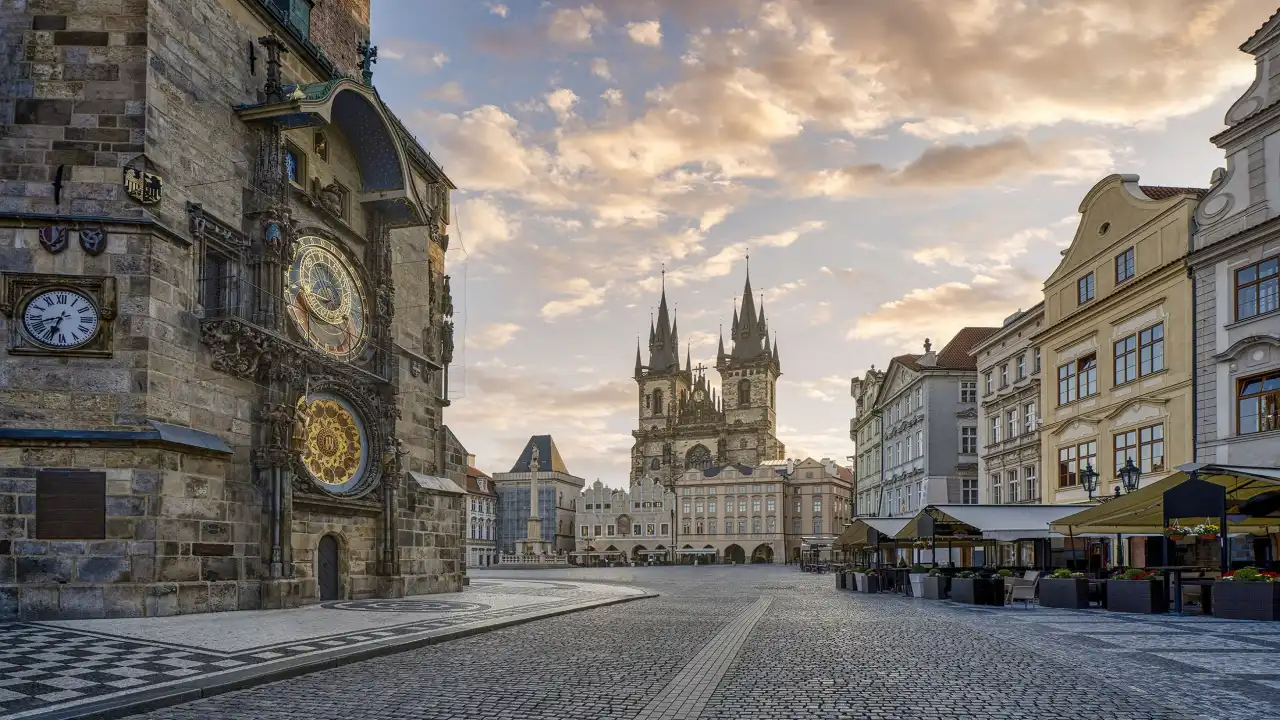
Narrow, uneven cobblestone streets, a castle fit for a king, and the colorful buildings surrounding the Old Town Square these are just some highlights of one of the world’s most charming cities. Get ready to invest in comfortable shoes (and ankles), because you will want to experience the Eternity Café, with its amazing view over the Vltava River, more than once. Prague is a city of a slower pace, so take your time to discover it.
Budapest, Hungary
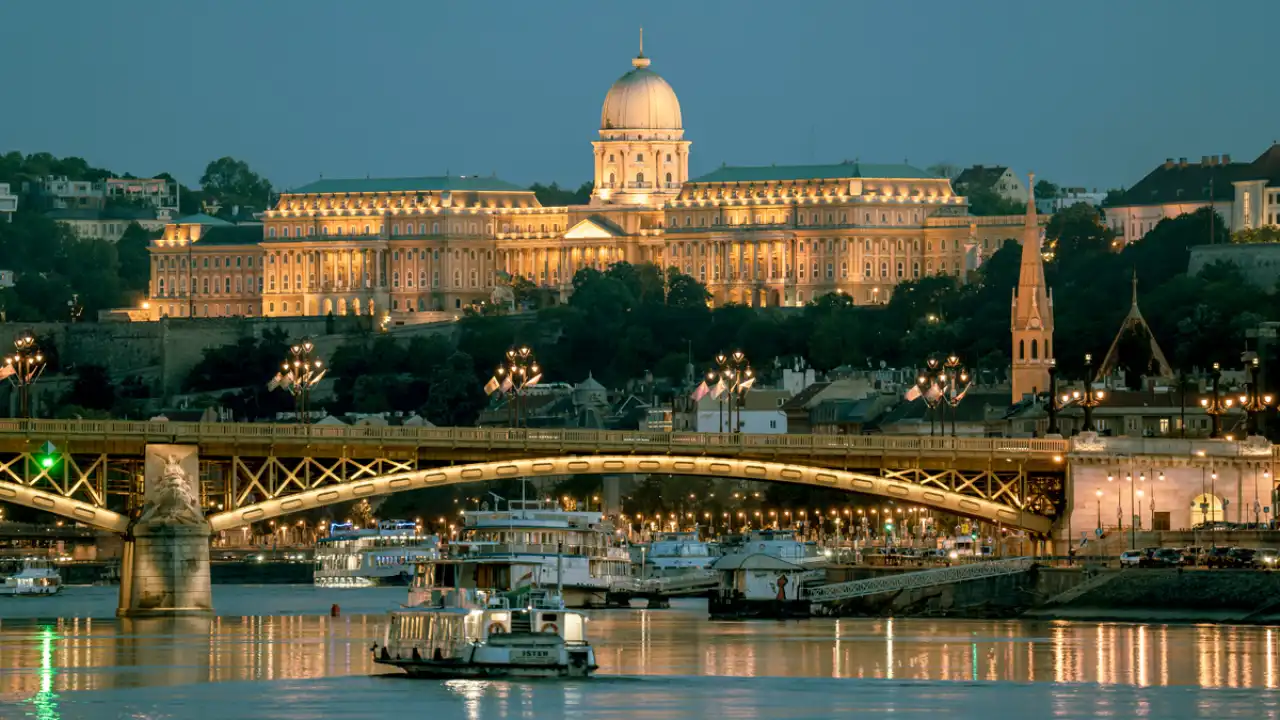
Beautiful buildings, thermal baths, river cruises and exquisite local eateries are just some of the highlights of a trip to Hungary’s capital. With the mighty Danube River splitting the city in half and Buda on one side and Pest on the other, a trip to Budapest is like two trips in one. Soaking in a thermal bath while it’s -5 degrees outside is an unbeatable experience.
Kraków, Poland
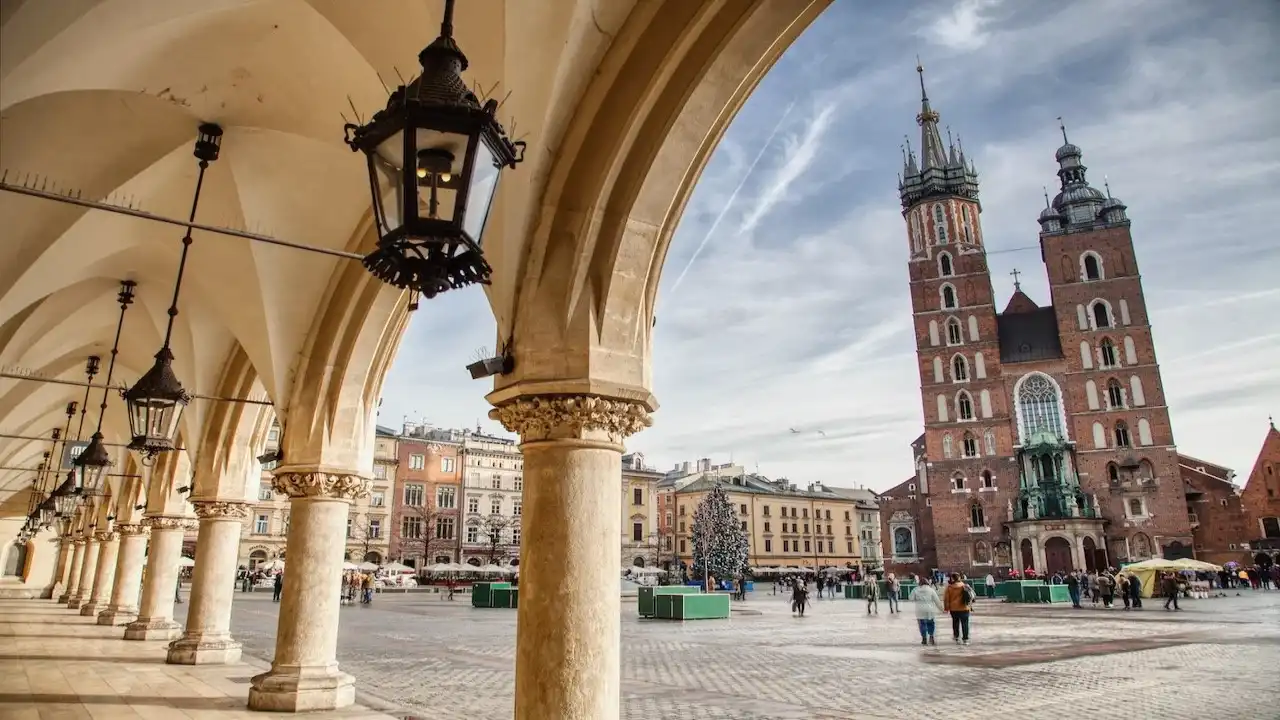
If you are a fan of medieval architecture and Poland’s rich history, you are in for a treat! The well-preserved and picturesque Main Market Square with its fascinating buildings, cafés and local eateries will capture your heart or at least keep it busy for a few hours on a daily basis.
Bucharest, Romania
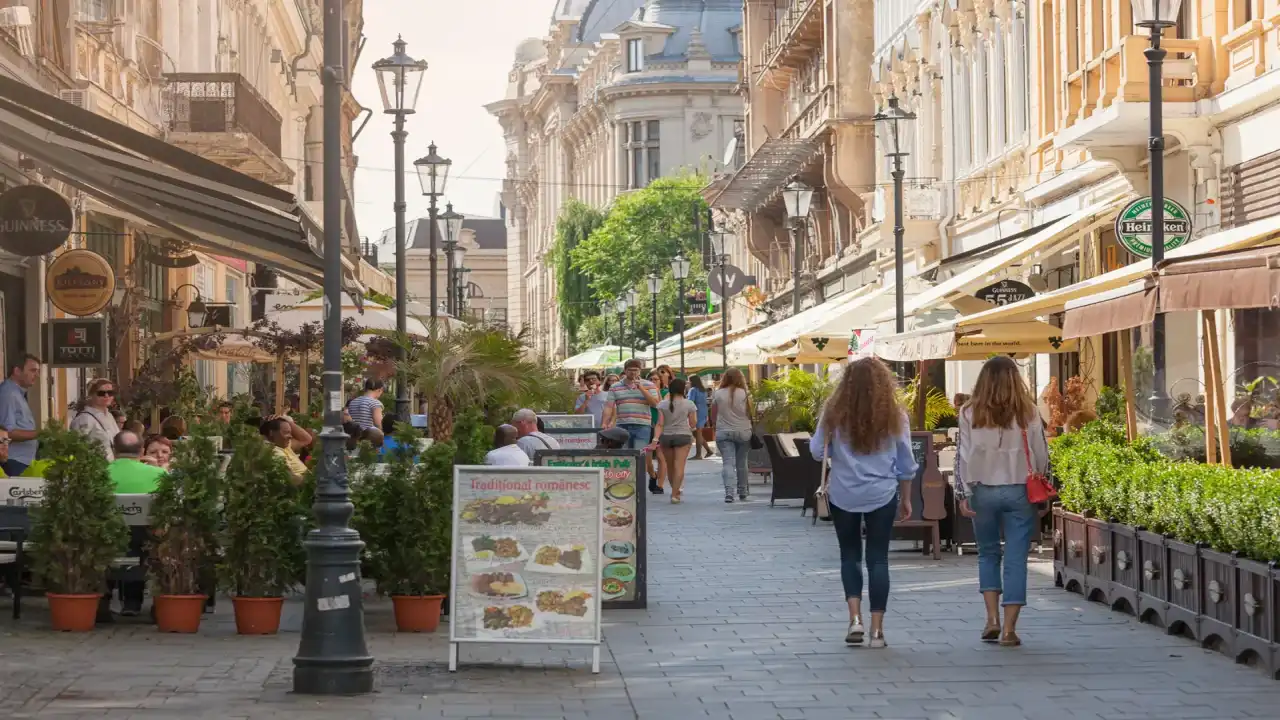
Narrow streets, wide boulevards, a rich café culture and fascinating museums are some features of a trip to Romania’s capital, worth discovering. Stroll up and down the street and admire the view and the variety of architectural styles. Try local Romanian specialties at affordable prices at the local restaurants.
Why Eastern Europe is Worth Discovering at a Glance
- Historic Architecture: Castles, medieval squares, churches, and old buildings with a story to tell.
- Local Food: Taste the local specialties or simply enjoy the view and a coffee at a local café sometimes the best experiences are a happy
- Good Value: For hotels, food and general sightseeing costs, you are likely to find value for your money in Eastern Europe.
- Cultural Experiences: Wander the local markets, visit the old part of the city and, if the timing allows, enjoy traditional festivals.
Western Europe: What to Expect
Western Europe is all about iconic monuments, museums, ancient landmarks and shopping streets that stretch for miles and offer miles of unique discoveries. The food in the region’s cities is equally impressive and diverse, ranging from a quick takeaway to a five-star dinner. Moreover, train connections and public transport are well-developed and allow tourists to move between cities with ease. The only downside is that the costs for hotels and general sightseeing can add up, especially in the peak season.
Best Places to Visit in Western Europe
Paris, France
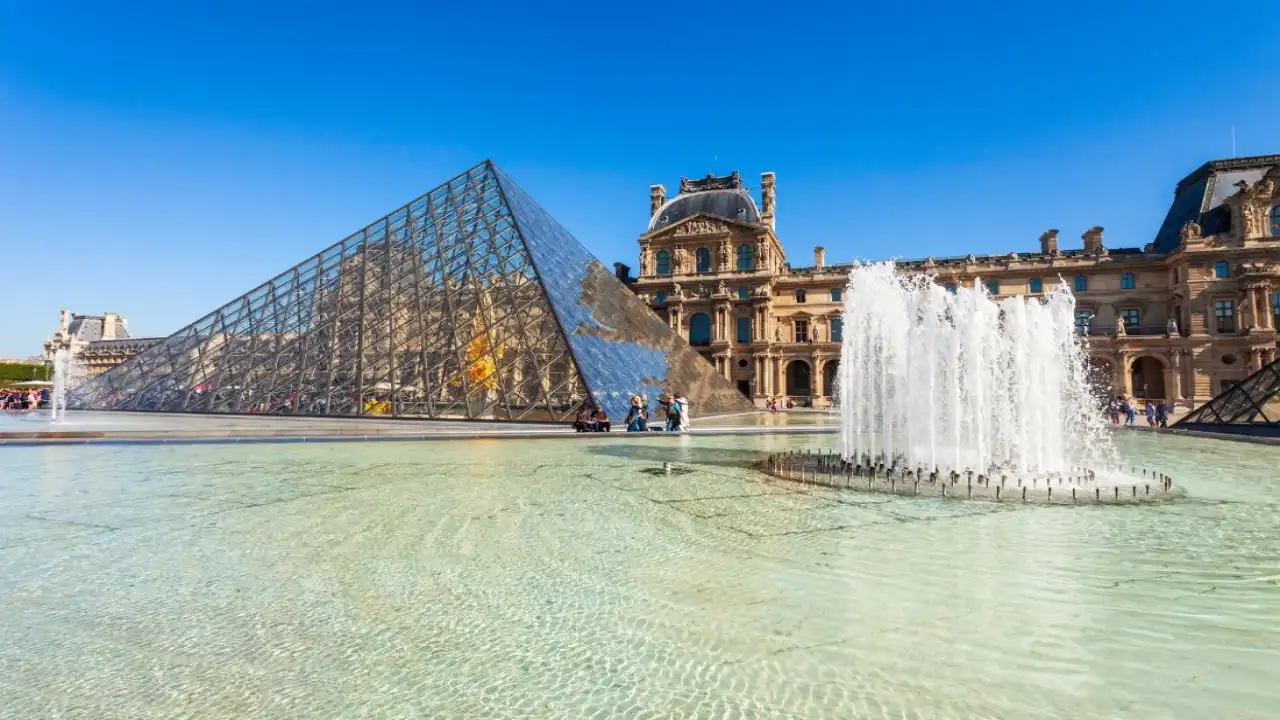
The Eiffel Tower, the Louvre Museum, and the Seine River are just a few of the many highlights of a trip to the French capital. However, Paris is not just about the attractions; it is also about the discovery of the local cafés, shopping streets and the irresistible pastries and baguettes of local bakeries.
Amsterdam, Netherlands
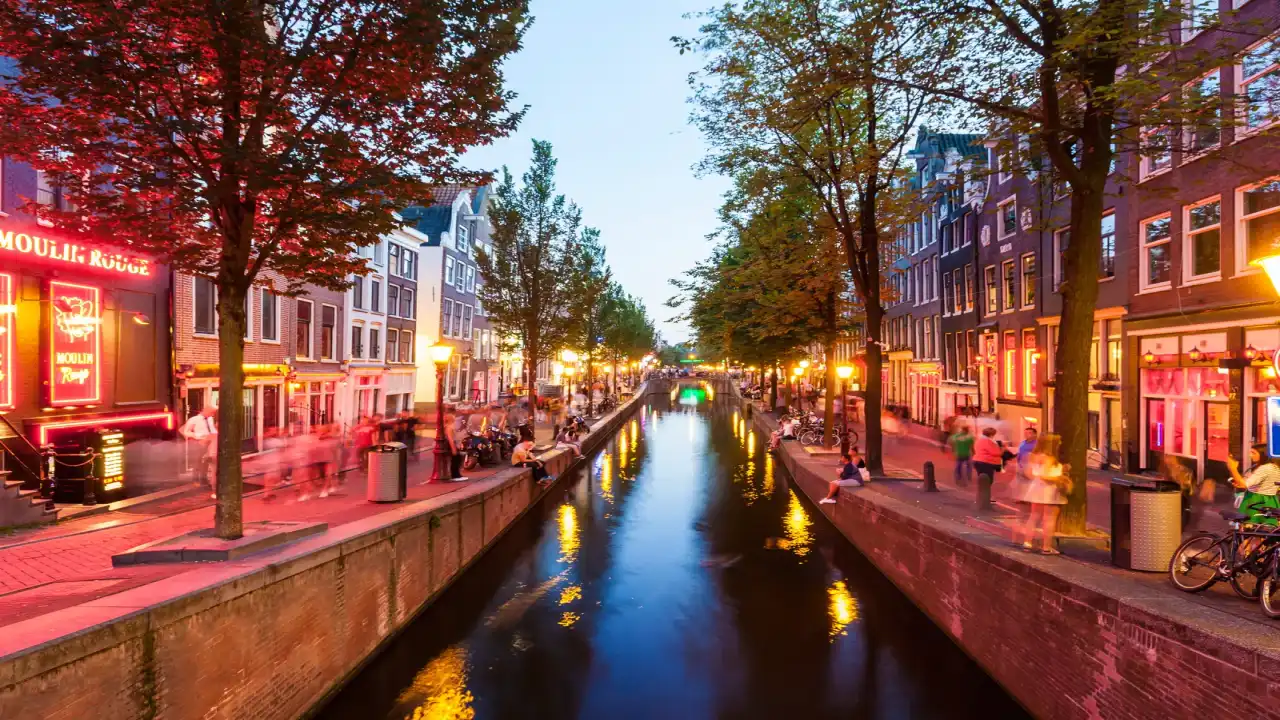
Canals, narrow houses with flowers hanging from their windows, a rich cultural legacy, beautiful museums: Amsterdam has it all. A canal cruise is a great way to experience the local flavor, followed by a discovery of the local charm and a (bicycle-friendly) stroll through the city’s neighborhoods.
Rome, Italy
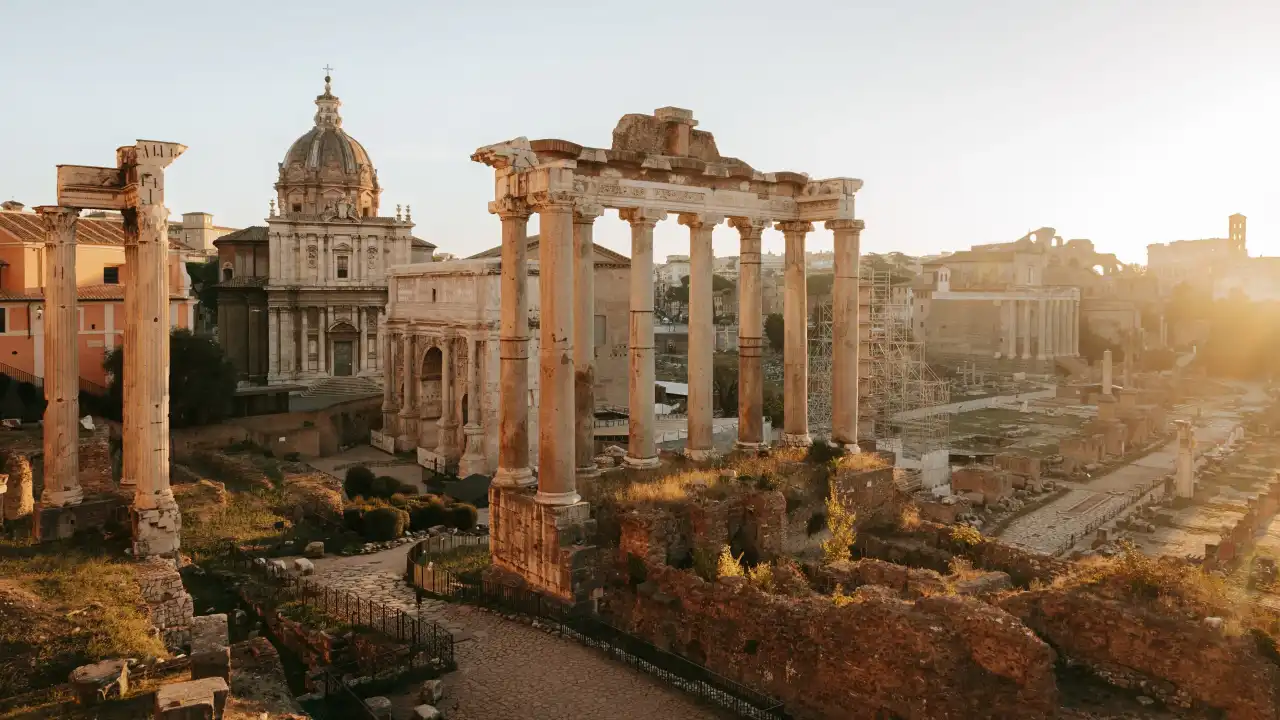
A walk along the ancient Roman streets makes for a unique experience in the city of Rome. Sample local specialties at authentic trattorias or simply enjoy the beautiful views of the city. A discovery of Rome’s ancient churches, museums and palaces will keep you busy for more than a few days.
Vienna, Austria
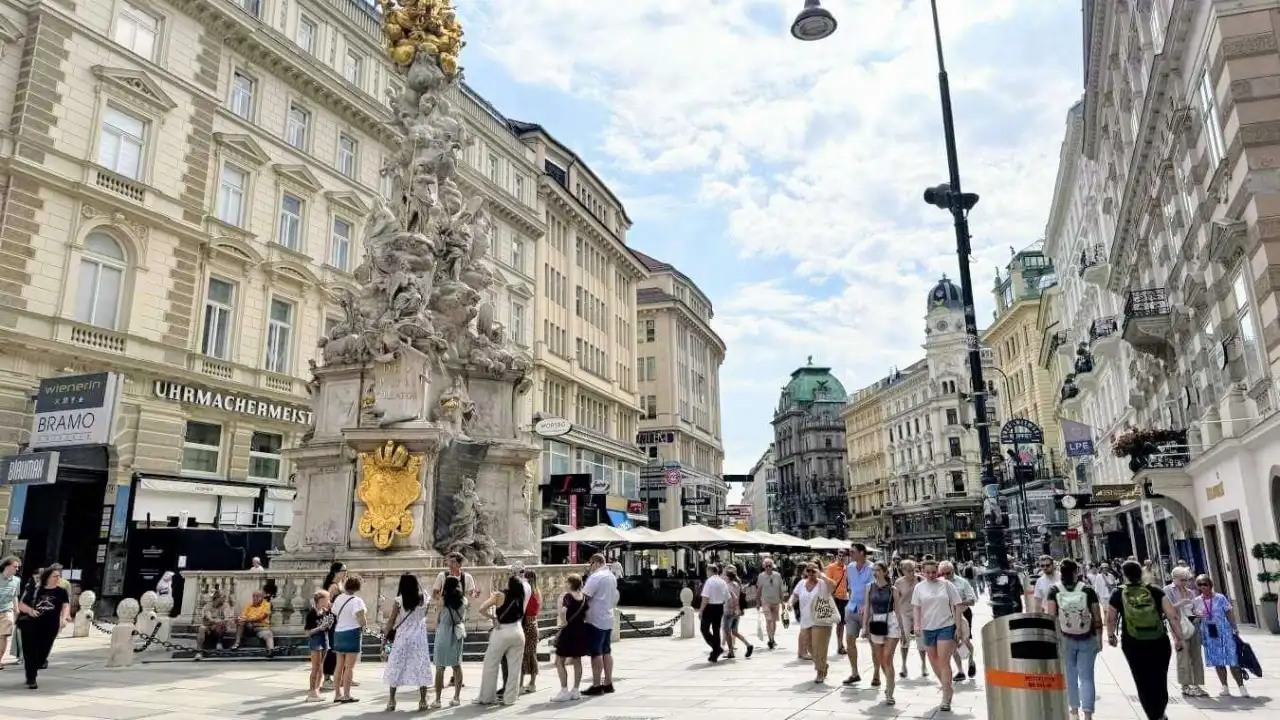
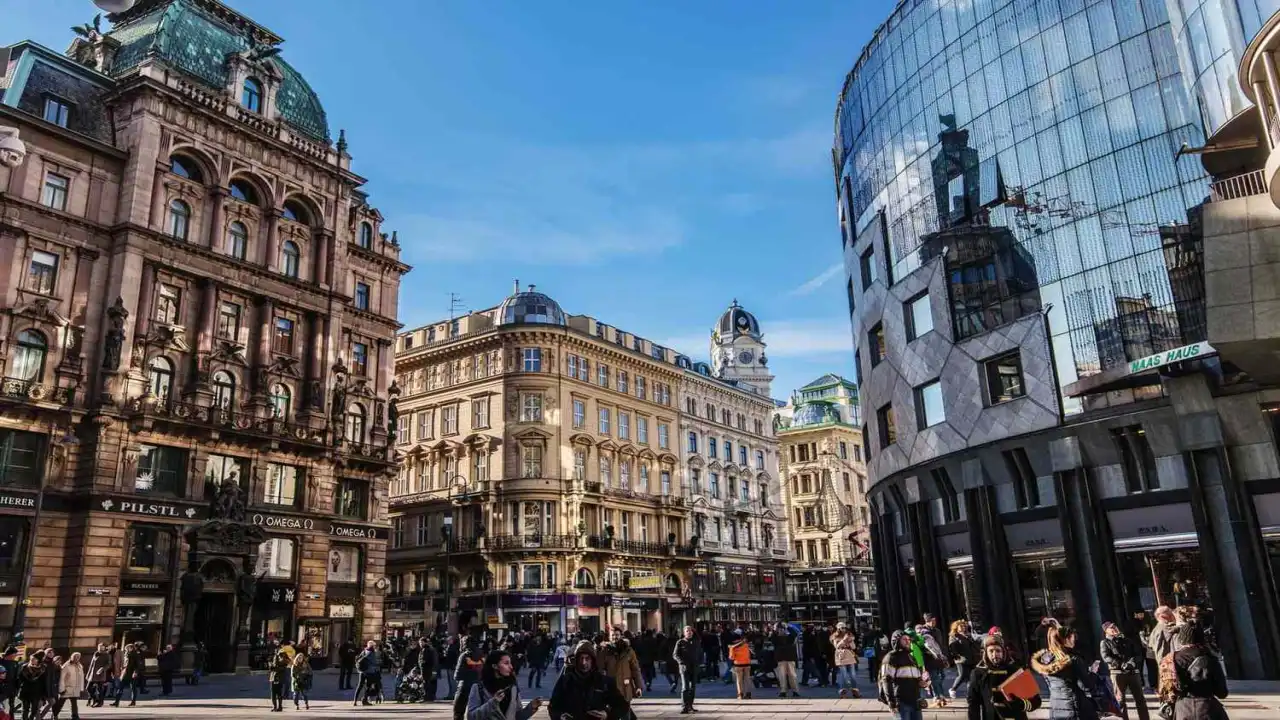
Palaces, operas, quaint cafés and a rich cultural legacy are some of the highlights of a trip to Vienna. This cultural gem of Europe fits perfectly into a more comprehensive itinerary of a multi-city tour across the continent.
Why Western Europe Is Worth Discovering at a Glance
- Famous Attractions: Milestones of Western Europe’s history and popular tourist destinations.
- Art & History: Dive deeper into the rich arts, museum collections, fascinating galleries, ancient palaces and unique cultural heritage sites.
- Food & Shopping: Taste the local specialties and visit the shops in search of unforgettable finds.
- Convenient Transport: Well-developed transport infrastructure makes getting from one destination to another a breeze.
Eastern Europe vs. Western Europe: The Main Differences
Both European regions have their share of historic attractions, delicious food and charming cities but it is the price range, the types of sightseeing and, for some, the pace of a holiday that ultimately determine the differences between the two destinations.
Travel Costs
Accommodations, restaurants and local transport are generally cheaper in Eastern Europe.
Hotels, especially in popular cities, can be pricey in Western Europe.
Attractions
Popular attractions are medieval squares, castles and local history.
Iconic monuments, art, museums, galleries, palaces and unique cultural heritage sites.
Culture & History
Discover local history, picturesque medieval squares and traditional markets.
Explore renowned cultural and historic landmarks, art, music and museums.
Transport
Public transport is well-developed in most cities but connecting services between cities can be limited.
Well-developed networks of rail and public transport ensure convenient travel between popular destinations.
Shopping
Explore local souvenirs, traditional markets and unique finds at affordable prices.
Designer fashion and luxury goods, popular shopping districts and boutiques.
Accommodation
Budget hostels, guesthouses and hotels are popular and affordable.
A range of accommodation for different budgets is available; however, central hotels can be expensive.
Travel Experience
Travellers seeking an immersive, authentic cultural and historic experience will find it in Eastern Europe.
Travellers seeking iconic landmarks, shopping and a traditional vacation will find it in Western Europe.
Keep in mind that these are general guidelines; popular cities such as Prague can be expensive in peak season and Western European cities offer affordable accommodations, restaurants and local transport. When comparing prices, keep in mind that not only the price of the hotel room matters; flights, dining, local transport and attraction passes can also add up significantly.
Food & Cultural Experiences
Food plays an important role in any trip to Europe and both regions have a variety of local specialties worth discovering. While visiting Eastern Europe, try local Polish pierogi, Hungarian goulash and Czech specialties at traditional restaurants. French pastries, Italian pasta, Dutch cheese and a variety of other local specialties await you in Western Europe. The local culture of the two European regions is also different; medieval squares and traditional markets can be found in Eastern European cities, whereas Western European cities are home to art, music, monuments and museums worth discovering.
Conclusion
Travelers who enjoy a slower pace and value authenticity can find it in historic cities of Eastern Europe. For those who want to see the best European Countries to visit and enjoy a traditional vacation, Western Europe is a great choice. Choosing the most suitable option depends on a variety of factors including a budget, interests and the time you have. You can also consider allocating two separate holidays for the two European regions or include a few days in both European regions in your itinerary.
Pro Tips for Planning Your European Trip
A well-organized trip can help you save both money and time.
Establish a Realistic Budget
Set a realistic budget that also includes flights, hotels, restaurants, local transport, sightseeing and travel insurance. The latter is one of the most underestimated aspects of any trip.
Pick Nearby Destinations
The closer the destinations are to each other, the less time you will spend traveling between them and the more time you will have for exploring.
Book Popular Attractions in Advance
Museums, art galleries and popular tourist destinations often sell out in advance.
Check Visa Requirements
Make sure you have the necessary documents and visas to enter the Schengen area.
Compare the Full Cost
Always compare the full cost of a cheaper hotel with the one you like; sometimes the transfer can be more expensive than the difference in the price of the room.
Travel Junky can help you compare travel destinations and design a trip based on your interests, budget and the time you have.