Beyond Pizza and Pasta: Discovering Italy’s Food Culture
Italy is a dream for food lovers, but the food goes far beyond pizza and pasta. Every region does its own thing. Sicily has fresh seafood, Bologna has rich, hearty flavours, and Naples has street food you can eat standing up. Italian Food Culture is really about local habits, family recipes, whatever is in season, and sitting down to share a meal. Fresh pasta in a tiny restaurant, a bit of local cheese from a market stall, that’s half the fun of the trip. With an Italy trip package from Travel Junky, you can taste all these regions while you see the history, culture and views too.
1. Naples: Discover the Original Taste of Pizza
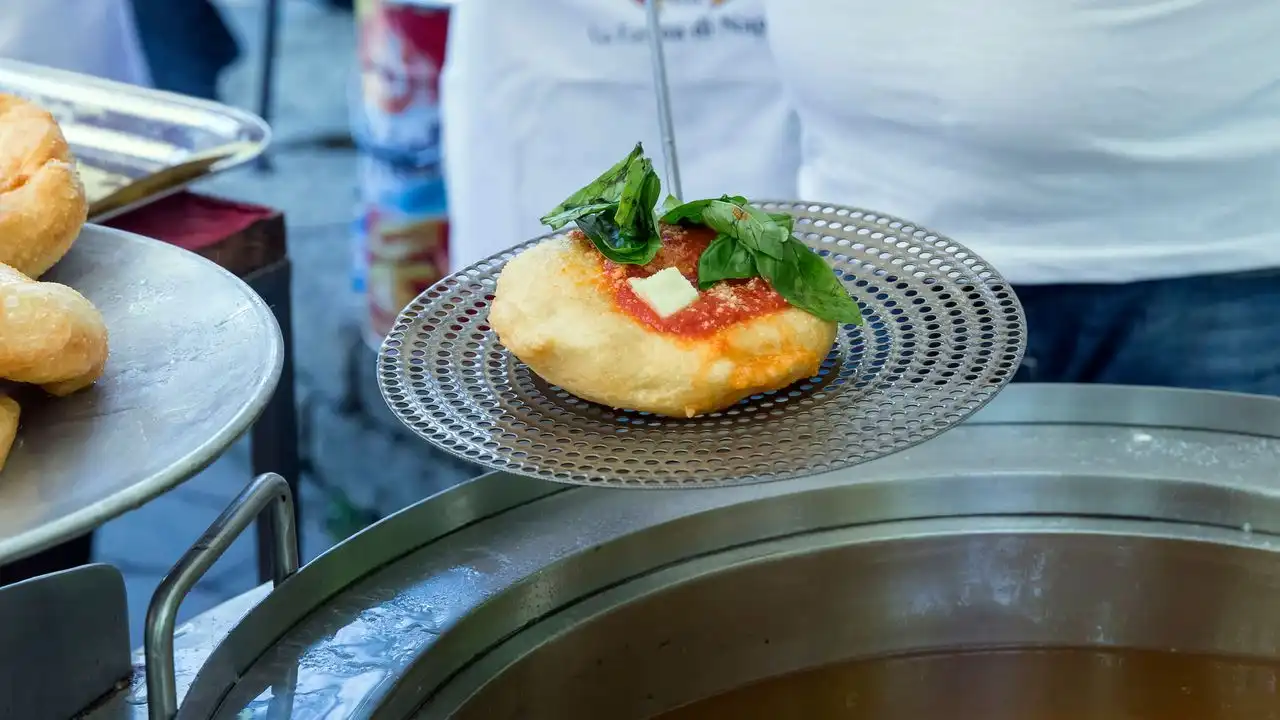
Start your food trip in Naples. It’s widely seen as the birthplace of modern Neapolitan pizza. The crust is soft and puffy, with fresh tomato sauce, mozzarella and not much else. Simple, and it works.
Other things locals love:
- Pizza Fritta: Pizza that’s deep-fried, usually stuffed with cheese or other fillings.
- Cuoppo: A paper cone full of fried seafood or vegetables. Eat it hot.
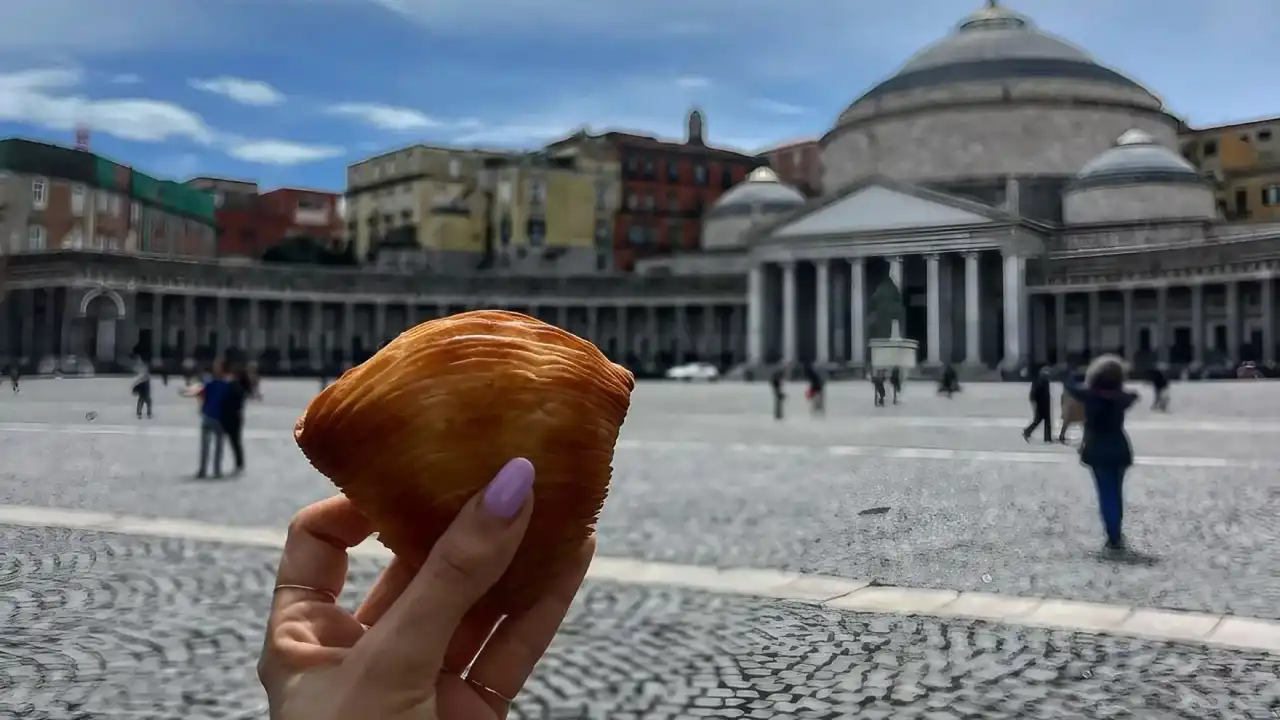
- Sfogliatella: A shell-shaped pastry filled with sweet ricotta.
Pro Tip: Pick a small neighbourhood pizzeria. Don’t choose a place just because it’s packed with tourists.
2. Bologna: Explore the Home of Fresh Pasta
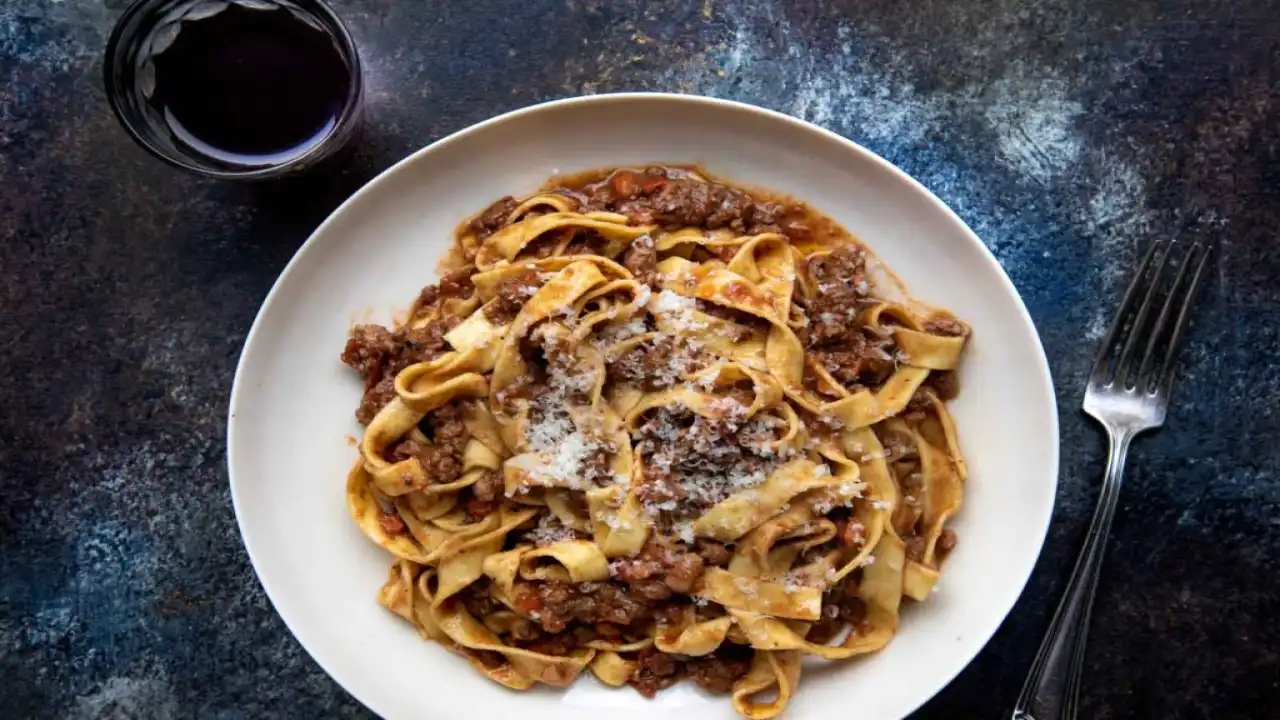
Bologna is often called Italy's food capital, and people take that seriously here: handmade pasta, rich sauces, slow cooking. Nothing is rushed, so even a basic lunch feels like a treat.
Must-try Traditional Italian Food in Bologna:
- Tagliatelle al Ragù: Fresh egg pasta with a slow-cooked meat sauce.
- Tortellini in Brodo: Tiny meat-filled pasta parcels served in hot broth.
- Lasagne Verdi: Spinach pasta layered with meat sauce, béchamel and cheese.
- Mortadella: A classic cold cut, often served with bread.
Pro Tip: Go to local pasta shops and family-run restaurants. That’s where you’ll find the real cooking.
3. Rome: Enjoy Classic Italian Comfort Food
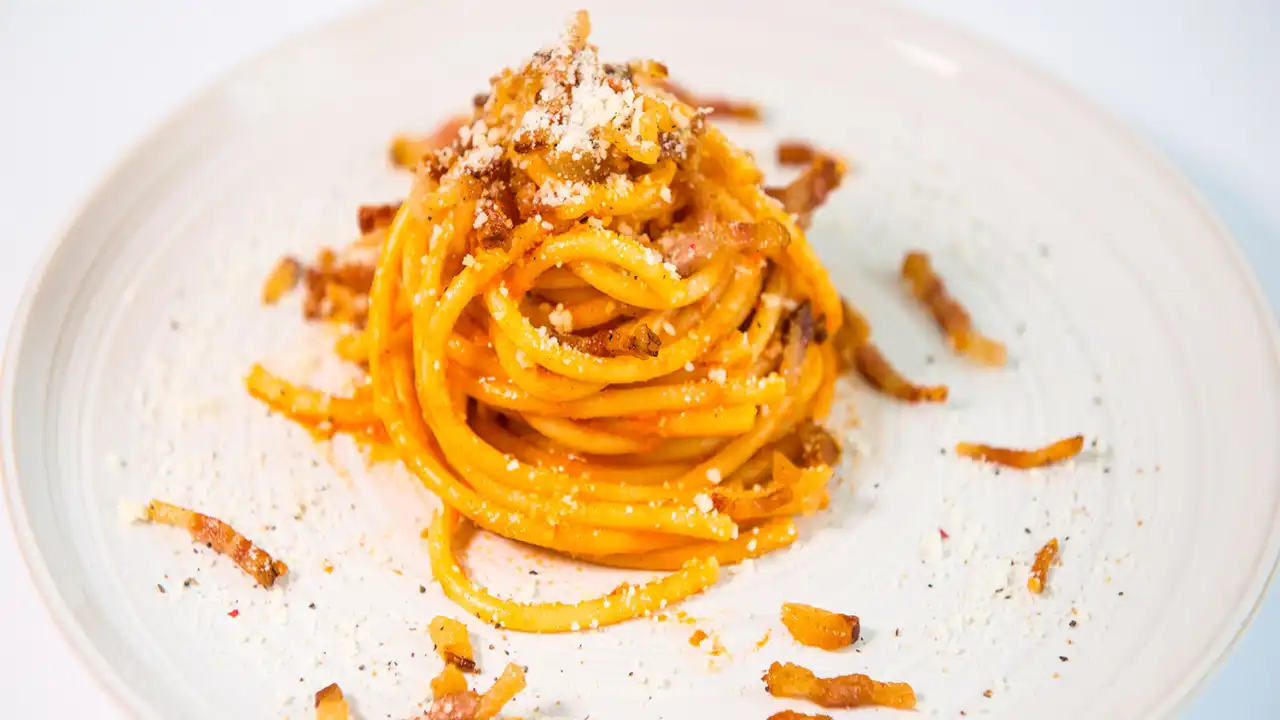
Rome is a different story. The recipes use few ingredients but the flavours hit hard. Pasta is a big deal here, and many Roman dishes are now famous worldwide.
Famous specialities:
- Carbonara: Pasta with eggs, Pecorino Romano, guanciale and black pepper.
- Cacio e Pepe: Just pasta, cheese and black pepper. That’s it.
- Amatriciana: Pasta with tomato sauce, guanciale and cheese.
- Supplì: Fried rice balls, usually filled with tomato sauce and mozzarella.
After walking around the Colosseum and Trevi Fountain, you’ll be hungry. Find a local restaurant and have some freshly made Roman pasta.
Pro Tip: Don’t order the same dish everywhere. Try different pasta each time, since every recipe tastes different.
4. Florence: Discover the Flavours of Tuscany
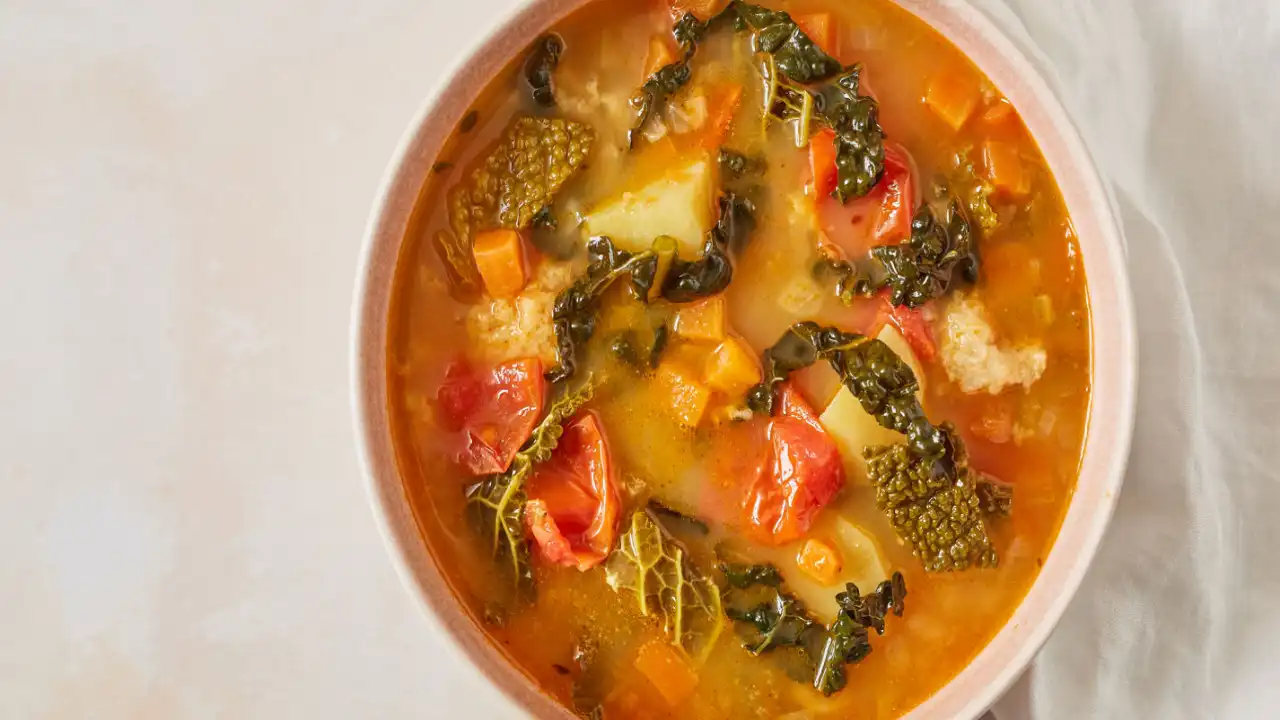
Florence is known for art and Renaissance buildings. But the food is just as good. Tuscan cooking is all about fresh vegetables, olive oil, bread, beans and seasonal ingredients.
Popular local dishes:
- Bistecca alla Fiorentina: A big T-bone steak cooked over a very hot flame.
- Ribollita: A thick soup of vegetables, bread, beans and cabbage.
- Pappa al Pomodoro: A cosy dish of bread, tomatoes, garlic and olive oil.
- Schiacciata: A flatbread, often filled with cheese or other bits.
Pro Tip: Check the portion size before ordering Bistecca alla Fiorentina. It’s usually huge, so plan to share it.
5. Parma: Taste Italy’s Famous Cheese and Ham
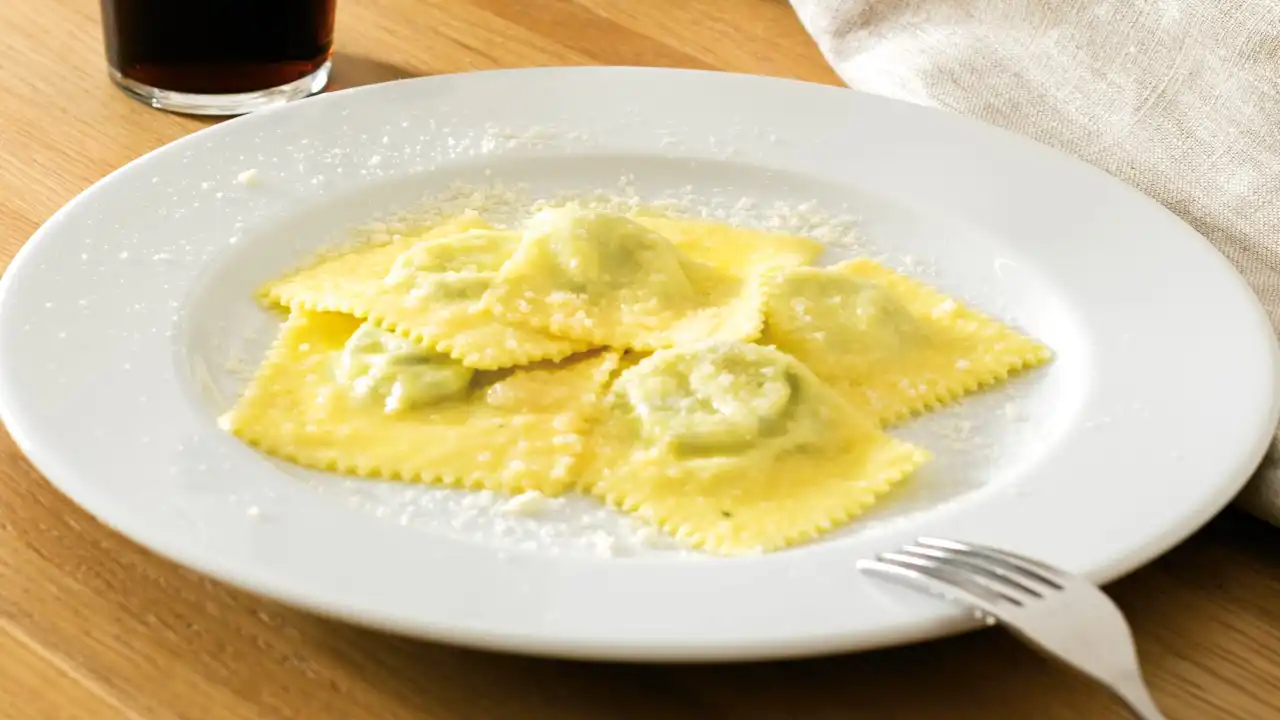
If you love cheese and cured meat, Parma is a great stop. It sits in the Emilia-Romagna region and is famous for two things the whole world knows: Parmigiano Reggiano and Prosciutto di Parma.
More specialties to try:
- Parmigiano Reggiano: A hard cheese with a deep flavour. Have it with pasta or just on its own.
- Prosciutto di Parma: Dry-cured ham, soft and slightly sweet.
- Tortelli d’Erbetta: Fresh pasta stuffed with ricotta and herbs.
You can also visit local producers and see how these foods are made and aged. It’s pretty interesting.
Pro Tip: Book a guided cheese or ham tasting to learn more about Parma’s food traditions.
6. Sicily: Experience the Island’s Street Food
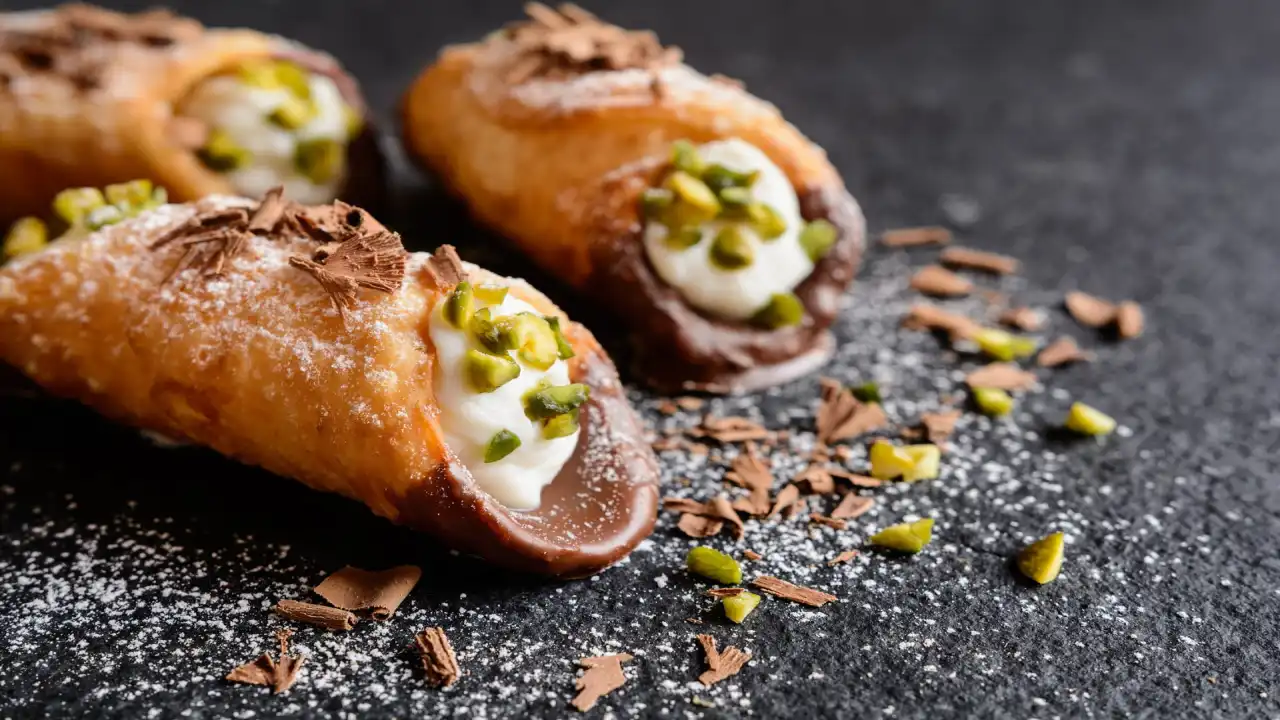
Sicily has one of the most unique food scenes in Italy: Seafood, vegetables, citrus, plus a mix of influences from many cultures over the years. Street food has a variety here, especially in cities like Palermo.
Local favourites:
- Arancini: Fried rice balls filled with meat, cheese or vegetables.
- Cannoli: Crispy pastry tubes with sweet ricotta cream.
- Pasta alla Norma: Pasta with tomatoes, fried aubergine and ricotta salata.
- Caponata: A sweet-and-sour vegetable dish, mostly aubergine and tomatoes.
Fresh seafood is easy to find in coastal restaurants too.
Pro Tip: Walk through Palermo’s traditional food markets. You can try lots of snacks in one go.
7. Genoa: Discover the Story Behind Pesto
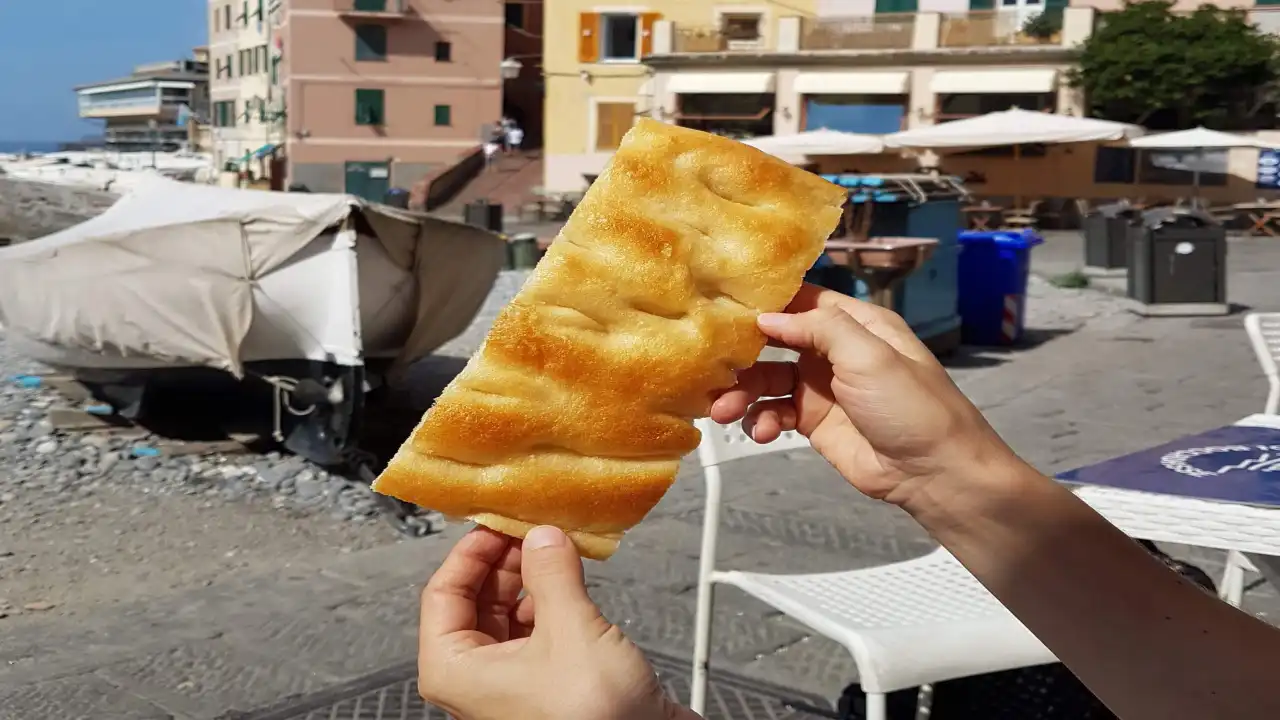
Genoa is in northwestern Italy, right on the coast. Lots of basil, olive oil, seafood and vegetables in the cooking here. Its most famous creation is Pesto alla Genovese, a green sauce made from fresh basil, pine nuts, garlic, cheese and olive oil.
Other specialties:
- Focaccia Genovese: Soft flatbread with olive oil and salt on top.
- Farinata: A savoury pancake made from chickpea flour.
- Trofie al Pesto: Twisty pasta with classic basil pesto.
Pro Tip: While exploring Genoa with an international trip package, grab fresh focaccia from a local bakery. It makes a delicious breakfast or afternoon snack.
8. Venice: Explore Seafood and Traditional Desserts
Venice’s food comes from its spot by the sea and its past as a trading hub. Seafood, rice and seasonal vegetables show up in a lot of dishes.
Worth trying:
- Sarde in Saor: Fried sardines with onions, vinegar, raisins and pine nuts.
- Risotto al Nero di Seppia: Rice cooked with cuttlefish ink.
- Baccalà Mantecato: Creamy salted cod, served with bread or polenta.
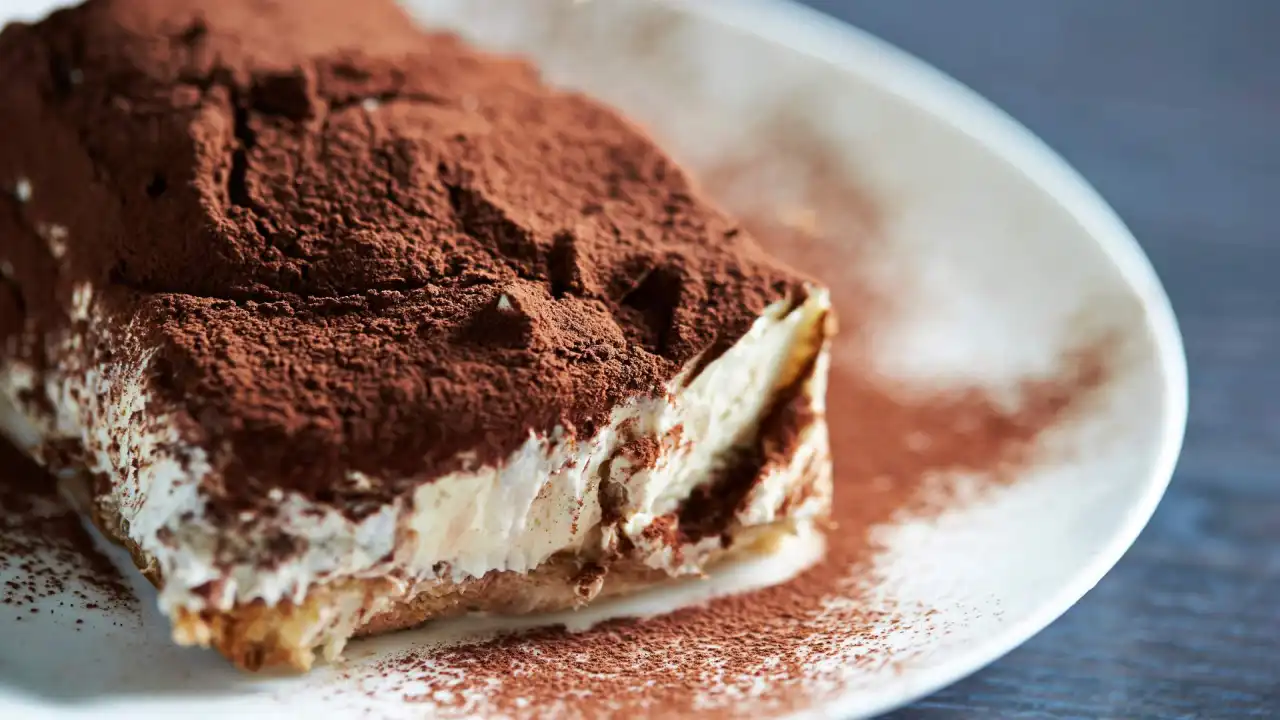
- Tiramisù: The famous dessert with coffee-soaked sponge fingers, mascarpone and cocoa.
Venice is also known for cicchetti, small snacks served in old-style bars called bacari.
Pro Tip: Try the smaller neighbourhood food bars. Don’t eat every meal near the big tourist spots.
Conclusion
Italy gives you much more than the food it’s famous for: handmade pasta in Bologna, proper pizza in Naples, seafood in Venice, sweets in Sicily. Every stop brings something new to the table. Wander through local markets, bakeries and family-run restaurants, and the trip gets even better. With Travel Junky, you can plan an Italian holiday that mixes sightseeing, local experiences and meals you’ll remember. Because honestly, a country feels better when you taste it too.
Tips for Enjoying Italy’s Food Scene Like a Local
A little planning goes a long way. Keep these in mind:
- Try regional specialties: Each place has its own dishes, so read the local menus.
- Visit food markets: Good for fresh produce, cheese and traditional snacks.
- Follow local meal timings: Lunch is around midday, and dinner usually starts later.
- Choose seasonal food: Restaurants cook with what’s available that season.
- Don't skip desserts: Have cannoli in Sicily and tiramisù in Venice.
- Learn basic Italian words: Simple ones like grazie (thank you) and il conto (the bill) help a lot.