Not a Single Weak Character When It Comes to Europe
The viral Instagram trend, “Not a Single Weak Character,” is taking over Reels, and we can see why. From iconic TV and movie characters to college friend groups, everyone is showing off their line-up. But it got us thinking: if every place were a main character, which travel destination would have no weak links? The answer has to be Europe.
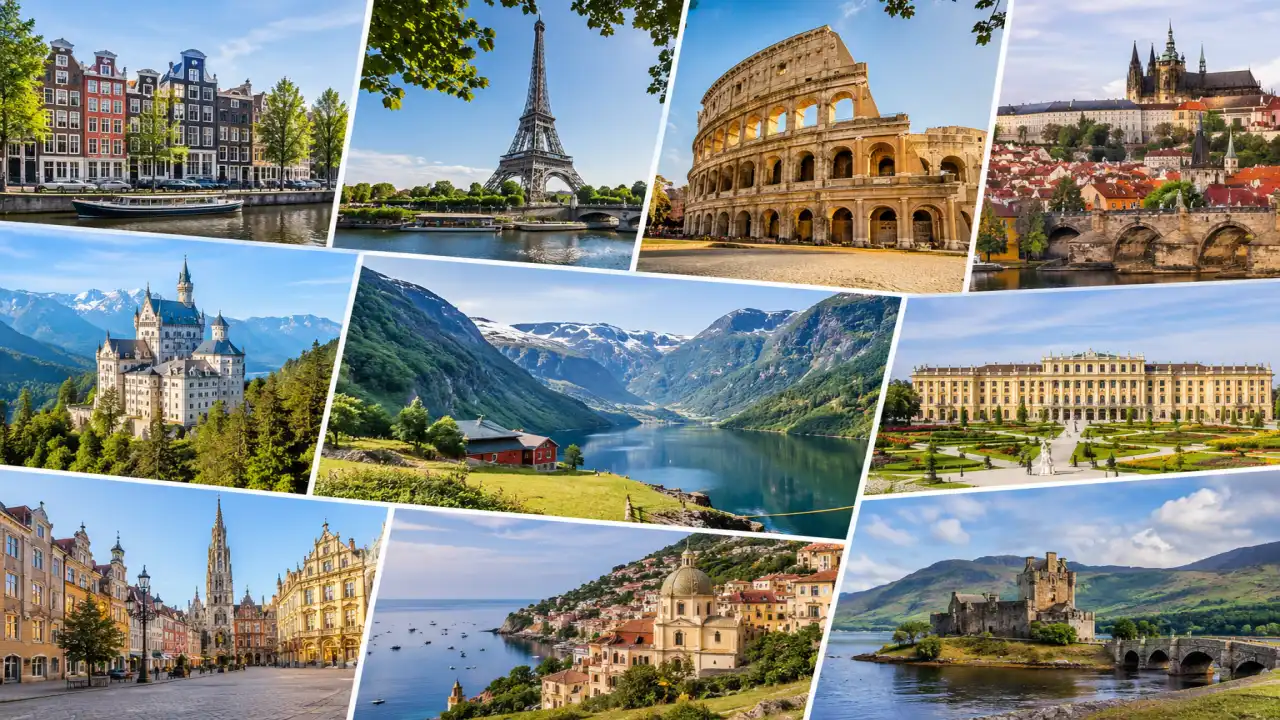
From the romantic streets of France and Italy to Norway's dramatic fjords, Scotland's rugged landscapes and Prague's fairytale architecture, every destination has its own appeal. Whether you love history, nature, food or adventure, Europe has it all. Put the continent in a group chat, and every destination shows up with a personality, a backstory and, quite often, a film, series or novel that got there first.
So, here's the cast list for the Best Places to Visit in Europe:
1. Netherlands: The Effortlessly Charming One
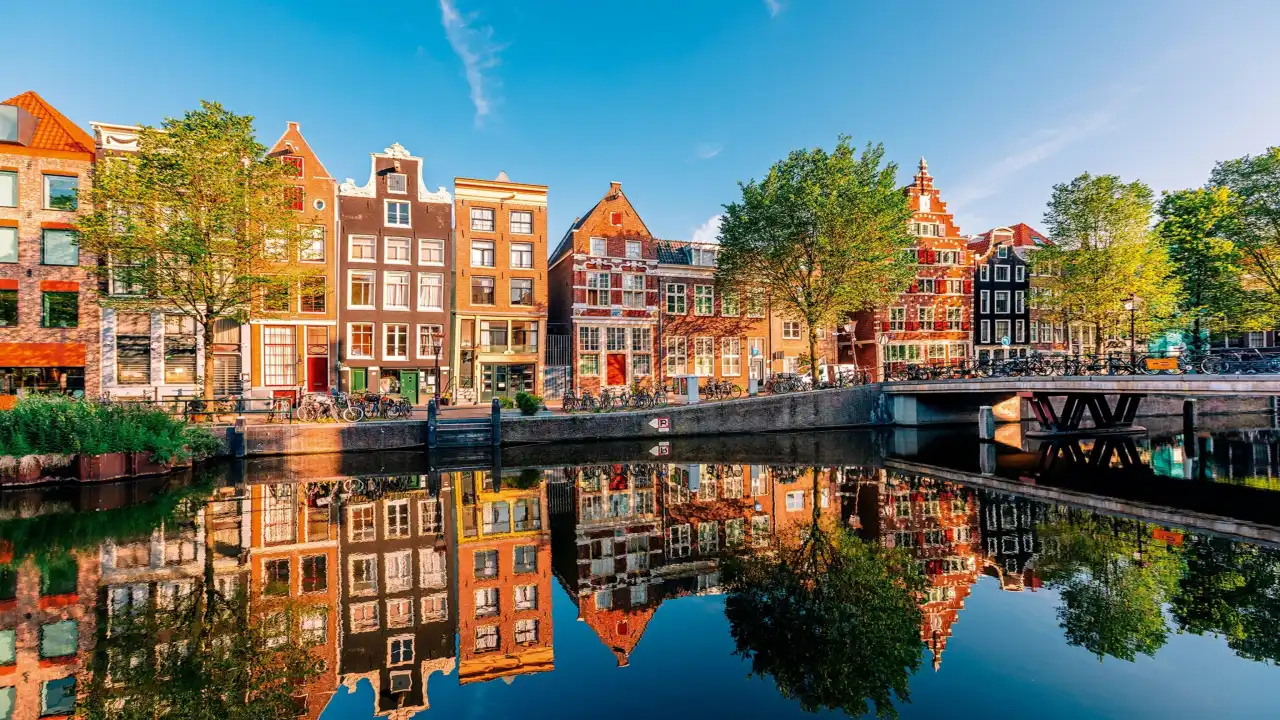
Cycling is the default way to get around the Netherlands; houses lean against each other along the canals, and a windmill at the edge of town is not considered unusual. The country is flat, compact, and easy to cover by train, which makes it a gentle first stop on a Europe route.
- Cruise the canals of Amsterdam, then visit the Rijksmuseum, the Van Gogh Museum, and the Anne Frank House
- Cycle through Vondelpark, the city's best-known park
- Walk into a working windmill at Zaanse Schans
- Wander Keukenhof's tulip gardens during their short spring season
- See Vermeer's Girl with a Pearl Earring at the Mauritshuis in The Hague
- Look up at Rotterdam's Cube Houses and the Markthal
What to eat: Warm stroopwafels from a market stall, bitterballen with mustard at a brown café, aged Gouda and Edam cheese, and raw herring from the fish stands for the brave.
Pro tip: Anne Frank House tickets are sold online ahead of time and go fast. Book before the flights, not after.
2. Spain: The Life of the Party
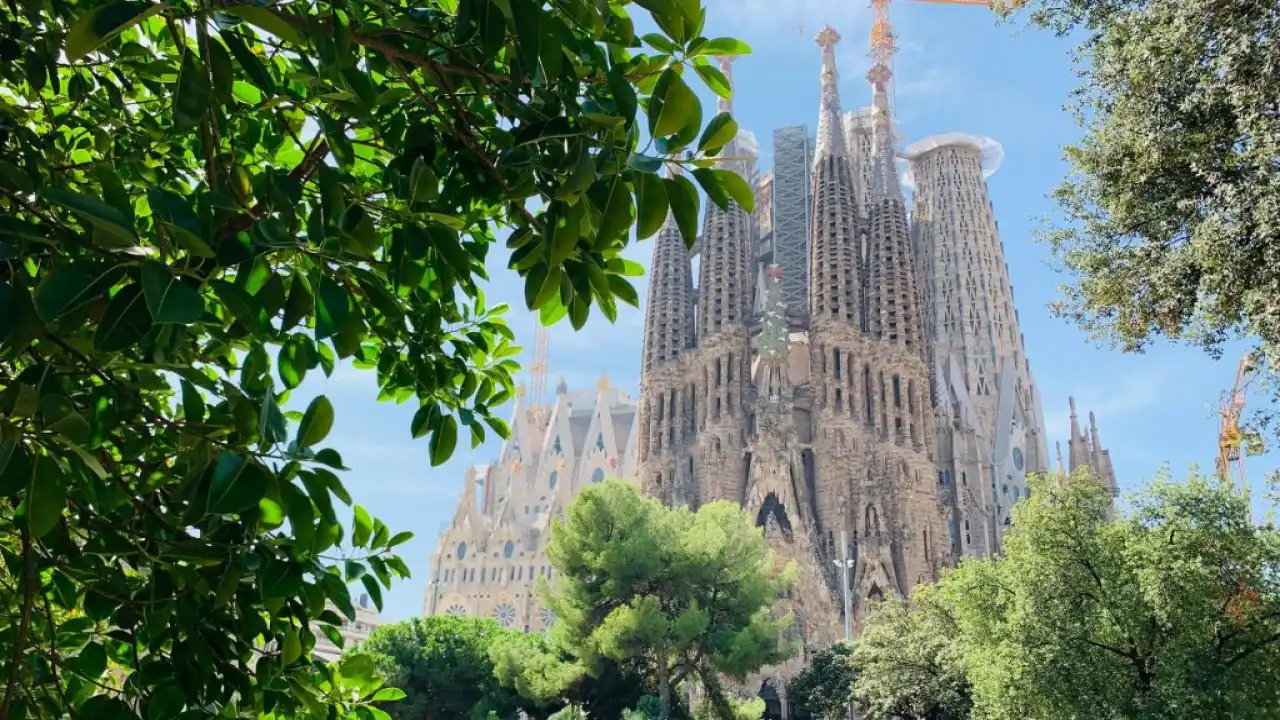
Spain runs on its own clock. Lunch stretches into the afternoon, the evening stroll starts late, and dinner at 9 pm is perfectly normal. Within one trip, the country swings from Barcelona's Gaudí skyline to Madrid's museum mile, Seville's flamenco courtyards and the beaches of the south.
- Barcelona: Sagrada Família, Park Güell, the Gothic Quarter and the La Boqueria market
- Madrid: Plaza Mayor, the Prado Museum and Retiro Park
- Seville: the Real Alcázar, Plaza de España and a flamenco night in Triana
- Costa del Sol: beach days in Málaga and Marbella
What to eat: Tapas, jamón ibérico, patatas bravas and tortilla española, with churros and thick hot chocolate at Madrid's Chocolatería San Ginés to finish.
Fun fact: The "Royal Mint" in Money Heist is, on the outside, the headquarters of Spain's National Research Council in Madrid.
3. Italy: The One With Too Many Main Character Moments
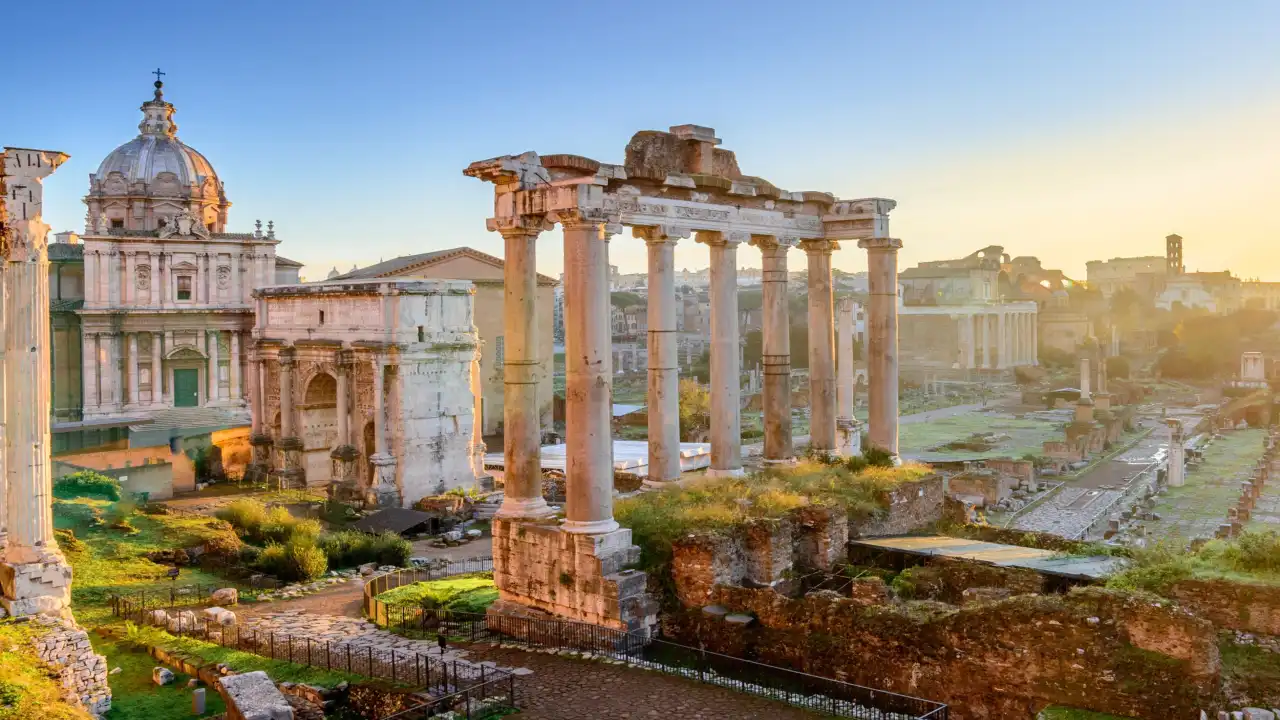
In Italy, history is not kept behind glass. Romans once crossed the Forum, Florentines pushed the Renaissance forward a few streets from the Duomo, and today you can eat a very good lunch beside both. Every region cooks differently, so a plate of pasta in Rome and one on the Amalfi Coast are two separate conversations.
- Rome: the Colosseum, the Roman Forum, the Pantheon, the Trevi Fountain and the Vatican Museums
- Venice: a gondola ride, St. Mark's Square and a slow walk along the Grand Canal
- Florence: the Duomo, the Uffizi and Ponte Vecchio
- Amalfi Coast: Positano, Atrani and the Path of the Gods hiking trail
What to eat: Carbonara and cacio e pepe in Rome, cicchetti (Venetian bar snacks) with a glass of wine in Venice, bistecca alla fiorentina in Florence, pizza in Naples on the way down to Amalfi, and gelato everywhere.
Fun fact: Coins thrown into the Trevi Fountain are collected and donated to charity.
4. Prague: The Fairytale Character
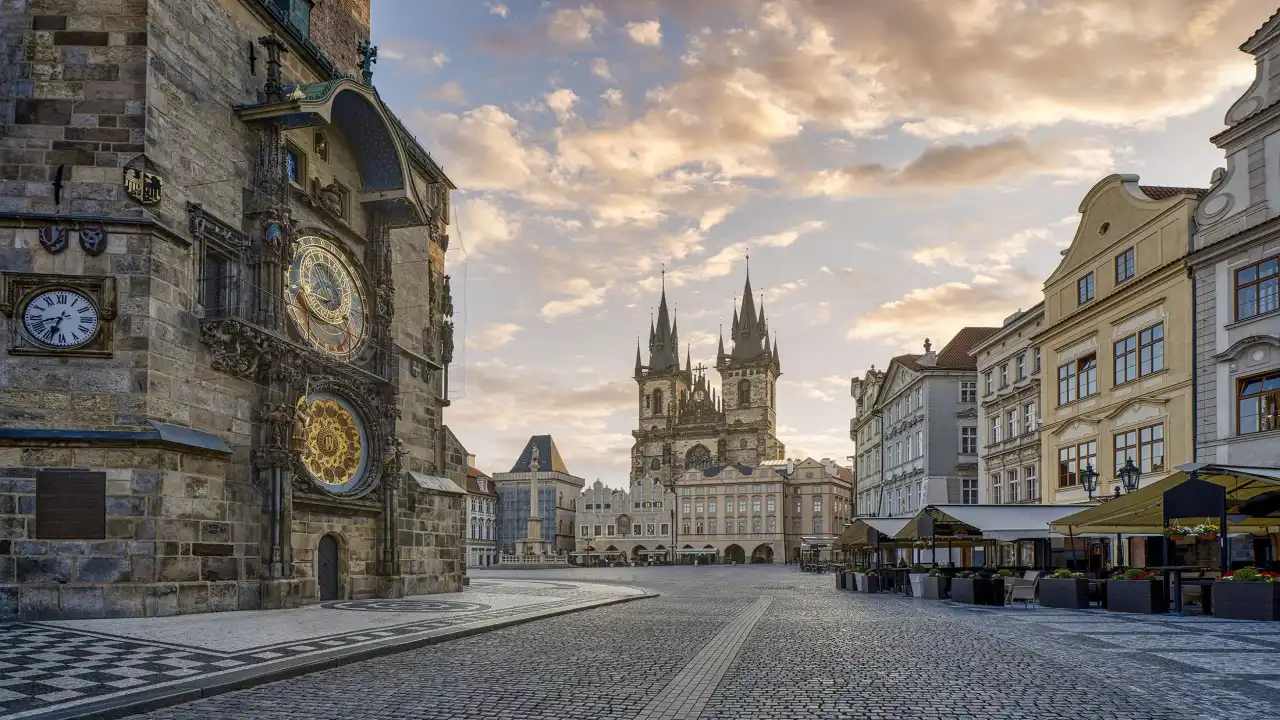
Prague came through the Second World War with its historic centre largely intact, which is why Gothic towers, baroque churches and Art Nouveau facades still stand side by side. It is also Franz Kafka's city, and a small house at No. 22 on Golden Lane is where he is said to have written for a stretch in 1916 and 1917.
- Charles Bridge, lined with around thirty baroque statues
- Prague Castle and St. Vitus Cathedral
- Old Town Square and the Astronomical Clock
- Golden Lane and its tiny coloured houses
- Petrín Hill and its lookout tower, for views across the city
- A river cruise on the Vltava
What to eat: Svíčková (beef in a cream sauce with bread dumplings), goulash, fried cheese and, naturally, Czech beer, since Pilsner Urquell comes from Plzeň, not far away.
Fun fact: The Astronomical Clock dates from 1410, and its figure procession still runs on the hour.
5. France: The Hopeless Romantic
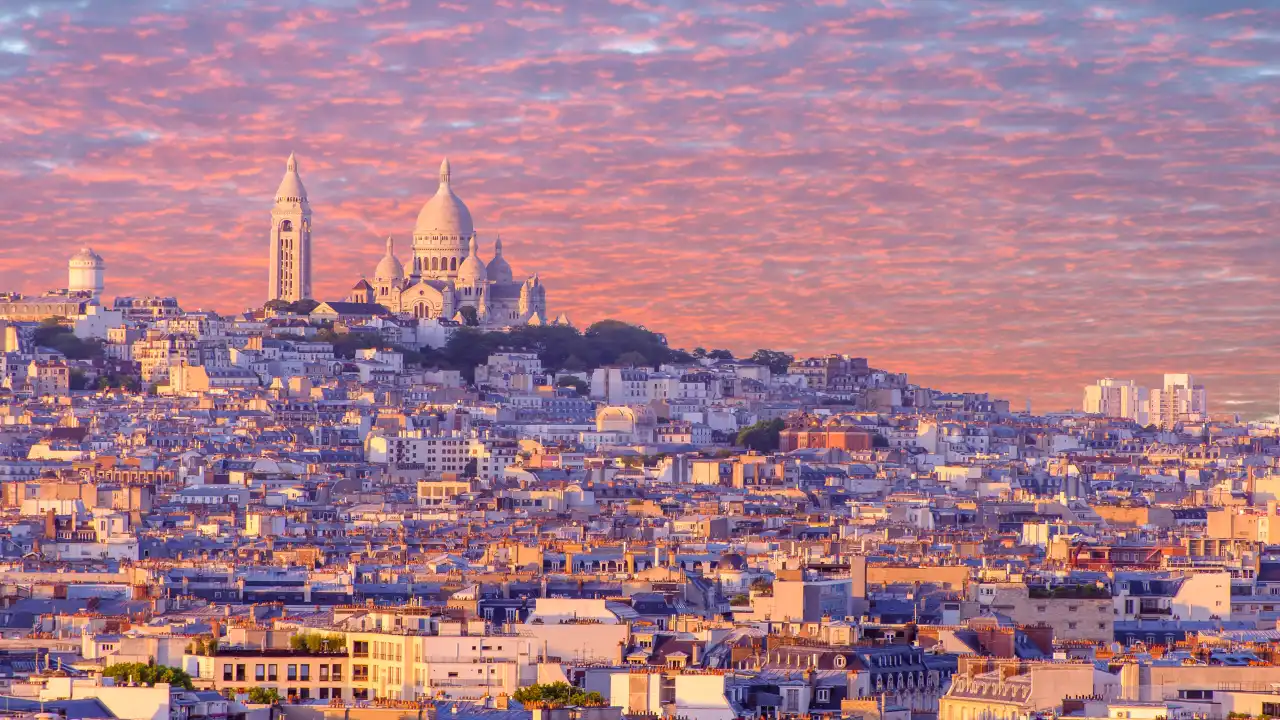
France is several countries sharing one flag. Paris brings art and café culture, Versailles brings royal excess, the Riviera brings sea and sun, and Alsace brings half-timbered villages that look hand-drawn.
- Paris: the Eiffel Tower, the Louvre, a Seine cruise and Montmartre's staircases up to Sacré-Cœur
- Versailles: the palace, the Hall of Mirrors and the gardens
- French Riviera: Nice's seafront promenade and Cannes, home of the film festival
- Colmar: Little Venice and the pastel houses of the old town
What to eat: Croissants at a Paris boulangerie, crêpes, macarons, a cheese board with wine, salade niçoise on the Riviera and tarte flambée (flammekueche) in Alsace.
Pro tip: The Palace of Versailles is closed on Mondays. Plan around it.
6. Austria: The Classy One
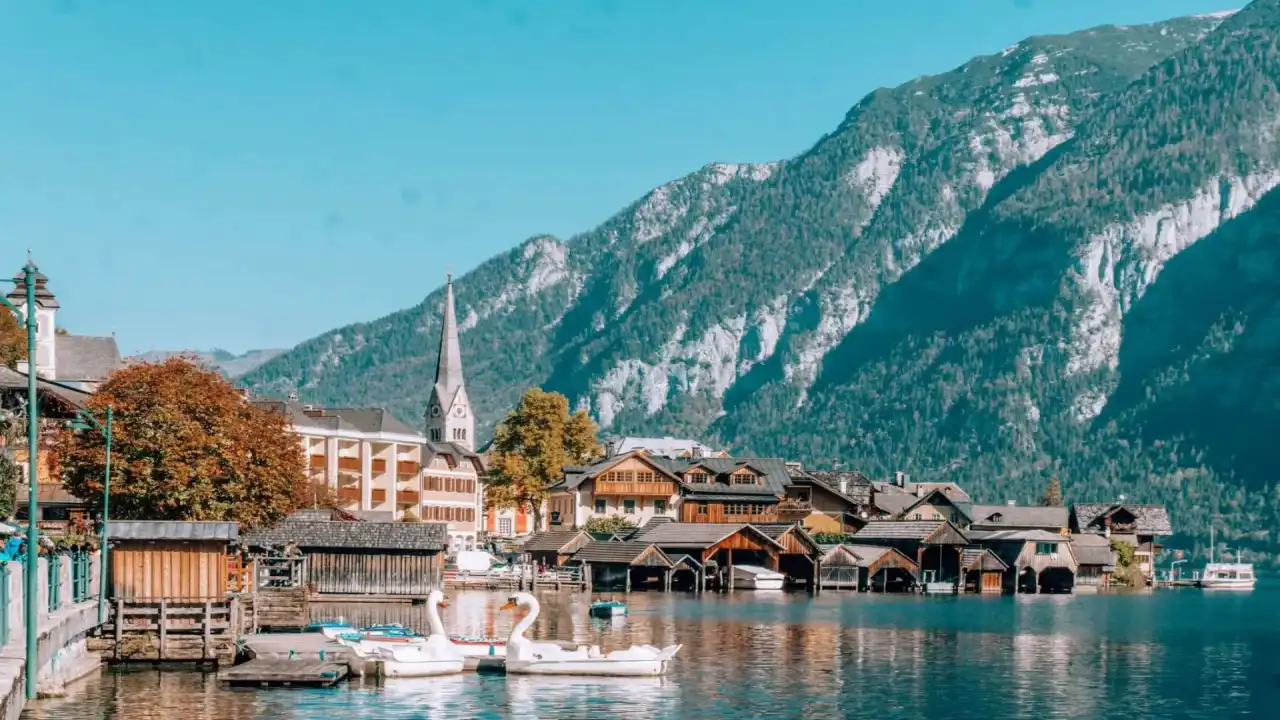
Salzburg is The Sound of Music country. Visitors still sing in the Mirabell Gardens, and the glass gazebo from the film now stands in the grounds of Hellbrunn Palace. Mozart was born in Salzburg, Vienna's coffee house culture holds UNESCO intangible heritage status, and the Alps begin almost at the edge of Innsbruck. Add imperial palaces and lakeside villages, and the country feels formal and wild in equal parts.
- Vienna: Schönbrunn Palace, the Hofburg, St. Stephen's Cathedral and a ride on the Prater's Riesenrad
- Salzburg: the old town, Mirabell Gardens, Hohensalzburg Fortress and Mozart's birthplace
- Hallstatt: a lakeside walk and the salt mines above the village
- Innsbruck: the Nordkette cable car and the Golden Roof
What to eat: Wiener schnitzel, Sachertorte with coffee in a Vienna café, apple strudel and Salzburger Nockerl, the airy sweet soufflé from Salzburg.
Fun fact: Hallstatt is so photogenic that a full-scale replica of it was built in China.
7. Norway: The One Who Steals the Show Without Trying
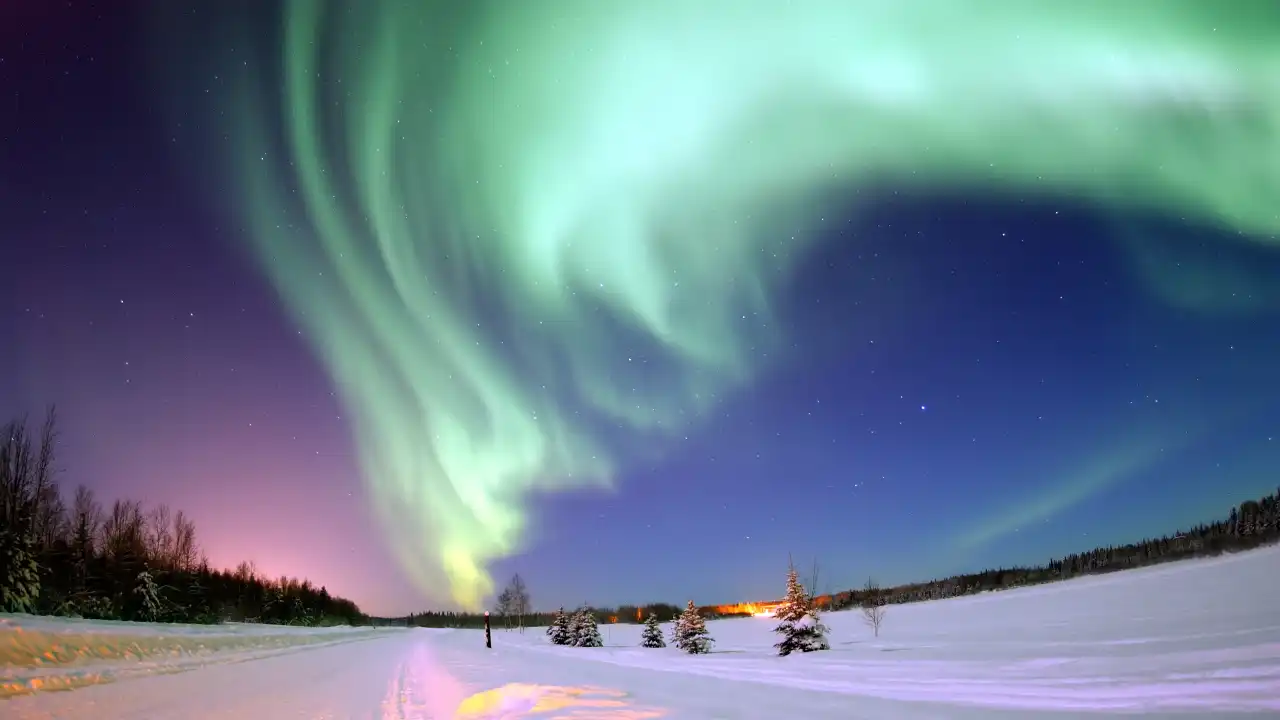
Disney's Frozen team drew inspiration from Norway's fjords and wooden towns. Tom Cruise dangled off the cliffs near Preikestolen (Pulpit Rock) in Mission: Impossible – Fallout. Geirangerfjord and Bergen's Bryggen wharf are both UNESCO-listed.
- Geirangerfjord: a fjord cruise past the Seven Sisters waterfall
- Flåm: the Flåm Railway, one of Norway's best-known scenic train rides
- Bergen: the Bryggen wharf and the Fløibanen funicular
- Preikestolen (Pulpit Rock): a hike to a flat cliff top above the fjord
- Tromsø: Northern Lights chasing in the dark months (roughly late September to March)
- Lofoten Islands: fishing villages such as Reine and Hamnøy under steep peaks
What to eat: Fresh salmon, fish soup in Bergen, waffles topped with brunost (brown cheese), and stockfish in Lofoten, where cod has been dried on wooden racks for centuries.
Fun fact: Norway is not in the EU but is part of the Schengen area, so the Schengen visa covers it.
8. Germany: The One With a Story for Every Occasion
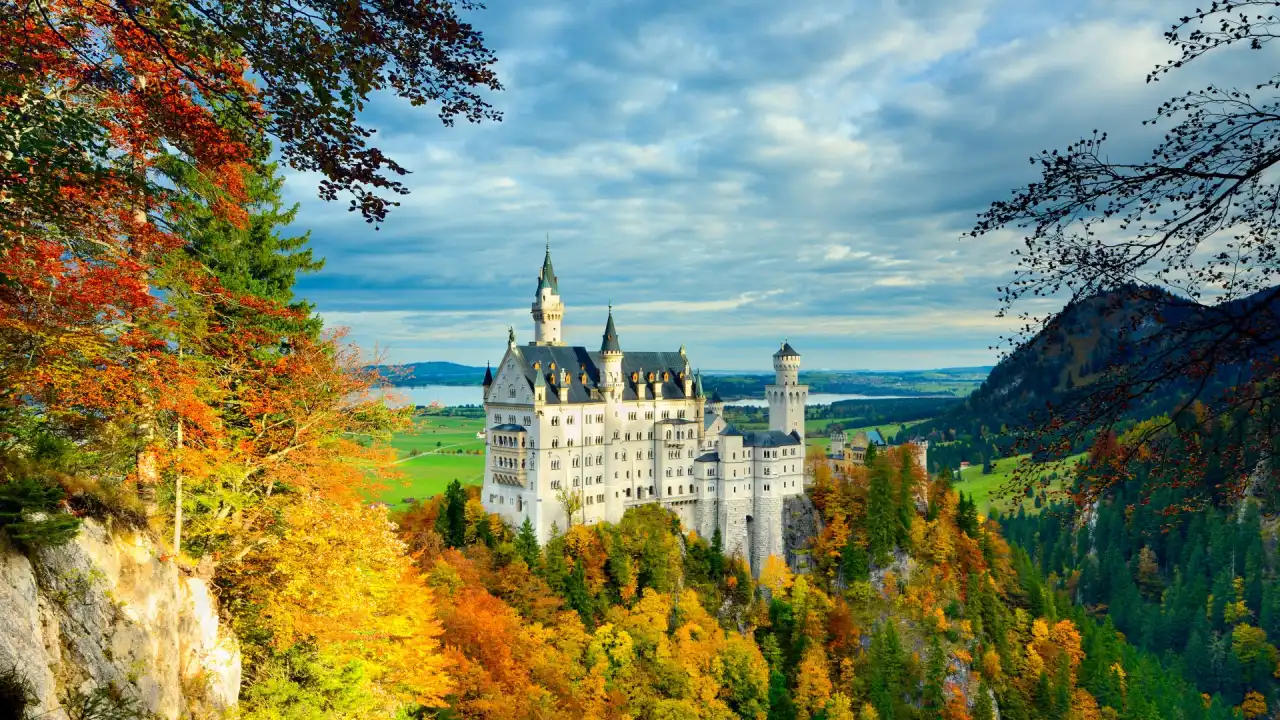
Germany packs a lot of contrast into one rail map. Berlin carries the twentieth century on its streets, Munich holds on to its Bavarian traditions, and Cologne's skyline belongs entirely to its cathedral. Add fairytale castles in the Alps, and a train network that links the lot, and the country suits first-time visitors well.
- Berlin: the Brandenburg Gate, the East Side Gallery, the Reichstag dome and Museum Island
- Munich: Marienplatz, the English Garden and the Hofbräuhaus
- Neuschwanstein Castle, with the Alps behind it
- Cologne: the cathedral and the Rhine promenade
What to eat: Currywurst in Berlin, pretzels and weißwurst in Munich, schnitzel, and a small glass of Kölsch beer in Cologne.
Fun fact: Neuschwanstein is widely said to have inspired Disney's Sleeping Beauty Castle.
Pro tip: Neuschwanstein's interior opens by guided tour only, so reserve your slot online.
9. Belgium: The Underrated Scene-Stealer
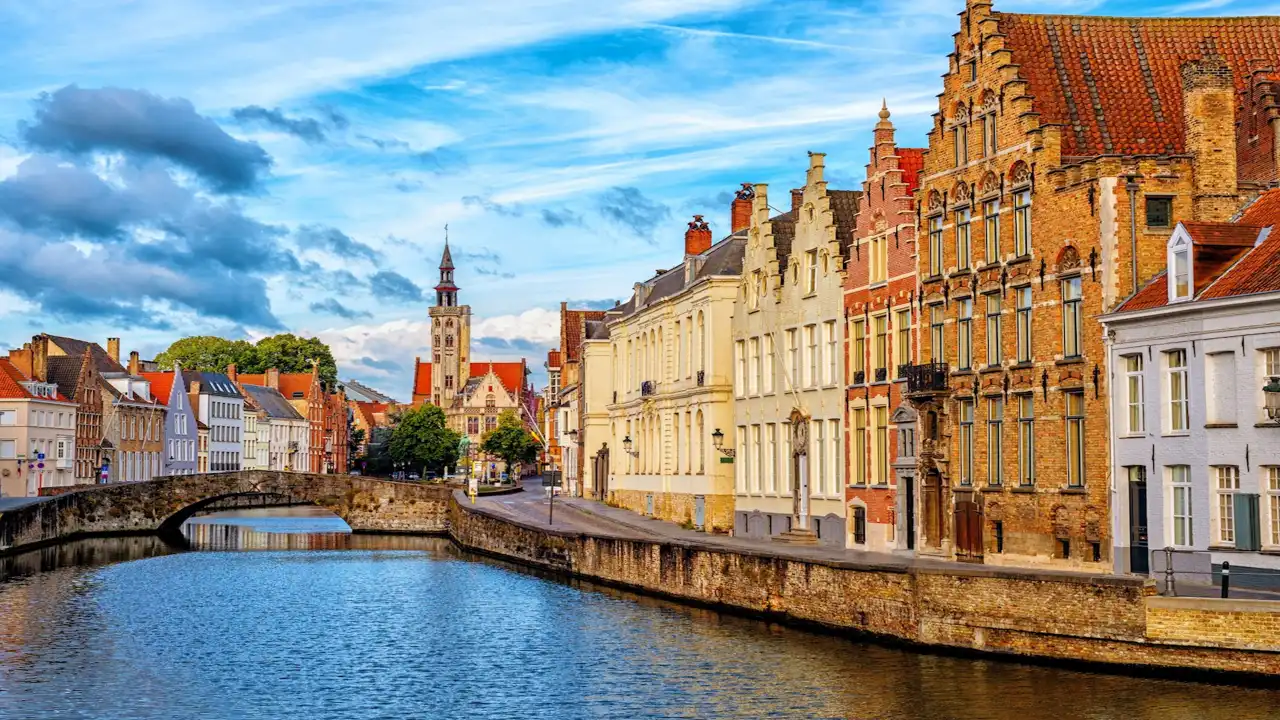
Belgium is small, well connected by train and easy to cover in a few days. Brussels' Grand Place and Bruges' canal-laced old town are both UNESCO-listed, and Ghent adds a lively university-city mood on top. Few countries fit so much chocolate, beer and fried potato into such a short distance.
- Brussels: Grand Place, the Manneken Pis, the Atomium and the comic strip murals
- Bruges: canal boat rides, the Markt square and the Belfry
- Ghent: Graslei, Gravensteen castle and the Ghent Altarpiece
- Chocolate shops in any of the three, for a tasting
What to eat: Belgian waffles, handmade pralines, fries with mayonnaise, mussels with fries (moules-frites) and, for those who drink, abbey beers.
Pro tip: Bruges is lovelier in the evening, once the day visitors have left. Consider staying a night.
10. Scotland: The Wildly Unforgettable One
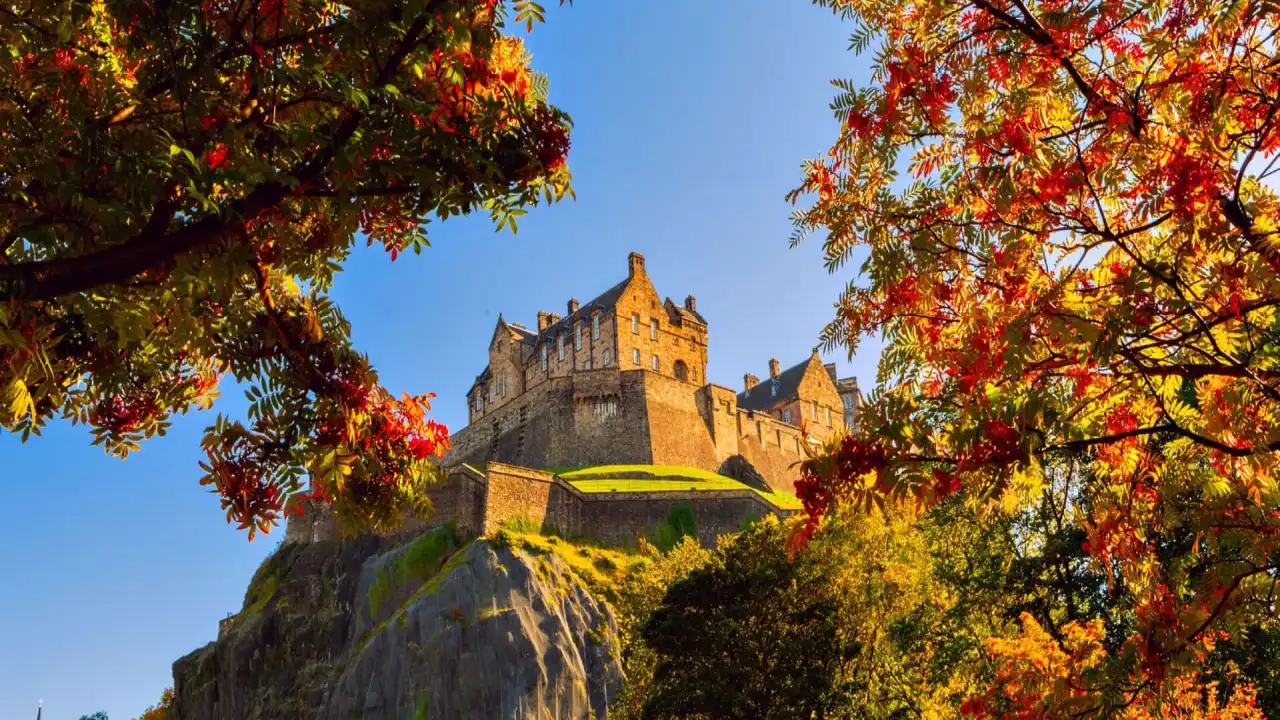
Scotland is built for road trips and big skies. Edinburgh Castle sits on an extinct volcano above the old town, the Highlands open into glens and lochs, and the islands off the west coast add sea cliffs and empty beaches. Distances look short on the map and run longer on single-track roads.
- Edinburgh: Edinburgh Castle, the Royal Mile and the climb up Arthur's Seat
- The Scottish Highlands: a drive through Glencoe
- Loch Ness: a boat trip and a visit to Urquhart Castle
- Isle of Skye: the Fairy Pools, the Old Man of Storr and the Quiraing
- A distillery tour, such as Talisker on Skye
What to eat: Haggis with neeps and tatties, cullen skink (a smoked haddock soup), Scottish salmon and shortbread with tea.
Fun fact: The Glenfinnan Viaduct carried the Hogwarts Express in the Harry Potter films, and Doune Castle has turned up in Outlander and the Game of Thrones pilot.
Which European Destinations Should You Combine in One Trip?
Picking from the Top Places to Explore in Europe is half the fun. The other half is pairing them so the cast works together.
How Much Does a Europe Trip Cost From India?
Here is a realistic planning range for one person on roughly 10 to 12 days across two or three countries. Treat the figures as estimates, because season, booking dates and the exchange rate move them.
That puts most trips somewhere between ₹2,00,000 and ₹3,90,000 per person before visa fees. One note on paperwork: Scotland follows UK entry and visa rules, not Schengen rules, so a trip that includes Edinburgh needs a separate UK visa on top of the Schengen one.
Which Is the Best Month to Visit These European Destinations?
How Can You Plan a Multi-Country Europe Holiday From India?
Start with the number of days. Ten days comfortably covers two or three countries. Cram in six and the trip turns into an airport and train-station tour.
- Choose destinations by duration. Pick neighbours (France and Italy, Netherlands and Belgium, Germany and Austria) so the transfers stay short.
- Understand Schengen visa rules. One Schengen visa covers the Schengen countries on this list: the Netherlands, Spain, Italy, Czechia, France, Austria, Norway, Germany and Belgium. Apply through the country where you will spend the most nights.
- Account for the UK visa. Scotland sits outside Schengen, so it needs its own UK visa application.
- Plan intercity transfers. High-speed trains work well between cities like Paris and Amsterdam or Vienna and Prague, and budget flights cover the longer jumps, such as the Norwegian fjords.
- Pick the right season. Check the month table above before you lock any dates. Europe Holiday Destinations look very different in tulip season and in Christmas market season.
- Decide between independent travel and a tour package. Going alone gives you freedom. A customised package from Travel Junky takes care of visas, hotels and transfers while you handle the movie-location detours.
Find Your Own Main Character Moment With Travel Junky
Every country on this list has a lead role, and none of them are interested in being a background extra. The only open casting call is yours: stand on the Glenfinnan Viaduct, climb the Belfry in Bruges, hum in the Mirabell Gardens, and see which character you turn into. Travel Junky offers Europe holiday packages and customisable itineraries built around the places and stories that matter to you, so the next scene can start whenever you are ready for it.
Frequently Asked Questions About Europe Holidays
1. Which are the best European destinations to visit for first-time travellers from India? France, Italy, Switzerland and the Netherlands are common first choices, since they have strong tourist infrastructure and easy rail links between cities.
2. How many days are enough for a Europe trip? Ten to twelve days suit two or three countries. Fewer than seven days works best for a single country.
3. How much does a Europe tour package cost from India? Most multi-country trips land between ₹2,00,000 and ₹3,90,000 per person before visa fees, depending on season, hotel category, and itinerary.
4. Which European countries can be combined in one trip? France with Italy, the Netherlands with Belgium, Germany with Austria, and Prague with Austria are all natural pairings.
5. What is the cheapest time to visit Europe? The colder months outside the Christmas and New Year weeks usually bring lower airfare and hotel rates, and the shoulder seasons of spring and autumn offer a balance.
6. Do Indians need a Schengen visa to visit Europe? Yes. Indian passport holders need a Schengen visa for the Schengen countries, including France, Italy, Spain, Germany, Austria, the Netherlands, Belgium, Czechia and Norway.
7. Does Scotland come under the Schengen visa? No. Scotland is part of the United Kingdom, which follows its own visa rules and sits outside the Schengen area.
8. Which European destinations are best for couples? France, Italy and Austria lead the list, with Prague and Norway close behind for fairytale streets and fjord scenery.
9. Which is better for a holiday, Italy or France? Italy suits food, ancient history, and coastal towns. France suits art, fashion and a mix of city and countryside. Pick based on what your camera roll is going to look like.
10. Can I visit multiple European countries on one trip? Yes. The Schengen area allows movement between member countries on one visa, and rail and low-cost flights make multi-country routes simple.