Australia’s Most Photogenic Travel Destinations
Australia is packed with good-looking places. Big coastlines, wild landscapes, odd natural formations. You’ve got Sydney Harbour and Whitehaven Beach on one side, and the deep red rock of Uluru on the other. Whether you love ocean views, mountains or strange rock shapes, Australia’s Most Photogenic spots have something for you. If you like taking photos and wandering around pretty places, there’s a lot to see here. An Australia trip package can make the planning easier, since you can cover a few regions without sorting every little thing yourself. Here are seven places worth putting on your bucket list.
Most Instagrammable places in Australia
These are some of the most Instagrammable places in Australia, offering beautiful backdrops for memorable photographs and travel experiences.
1. Sydney Harbour, New South Wales
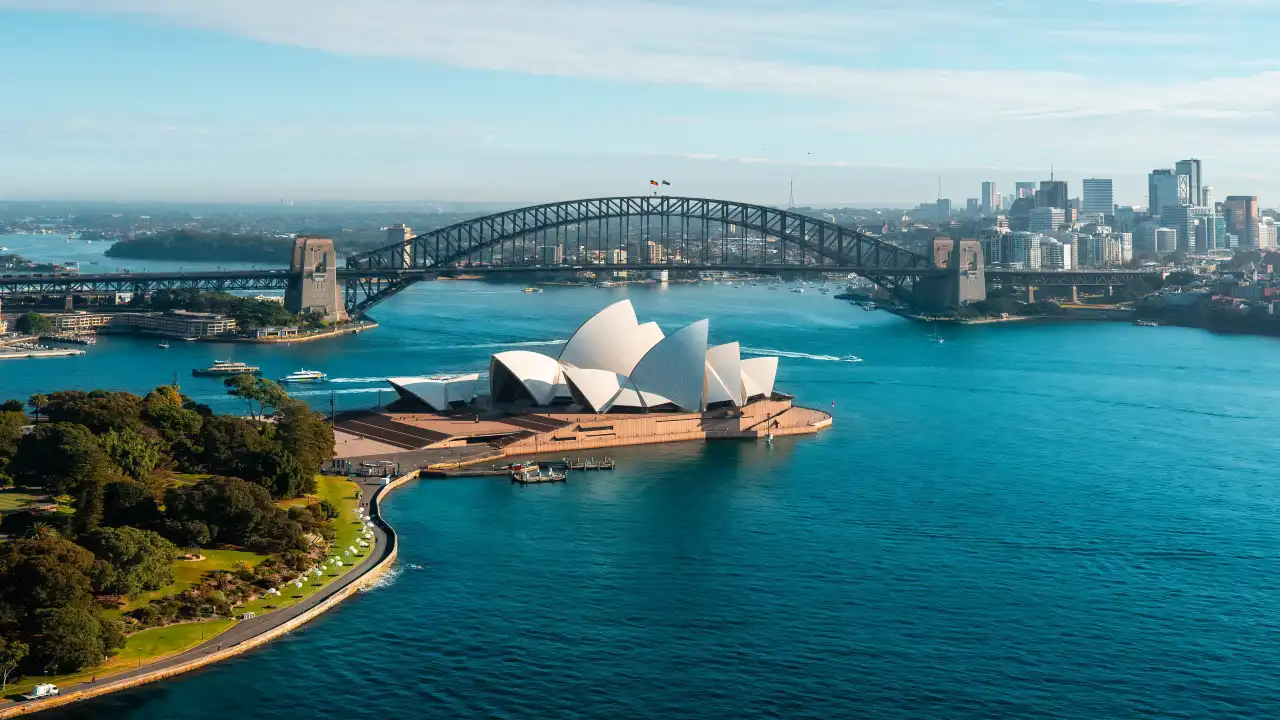
Sydney Harbour is probably the first thing most people picture. The Opera House, the Harbour Bridge, water everywhere. Hard to take a bad photo here. Try Circular Quay, Mrs Macquarie’s Chair and The Rocks for the skyline. A ferry ride across the harbour also offers wonderful views of the surrounding landmarks.
Photography highlights:
- Sydney Opera House and Harbour Bridge.
- Sunset views from Mrs Macquarie’s Chair.
- Waterfront photographs at Circular Quay.
- Historic streets around The Rocks.
Pro Tip: Go early in the morning or around sunset. The light is softer and the harbour looks much better.
2. Great Ocean Road, Victoria
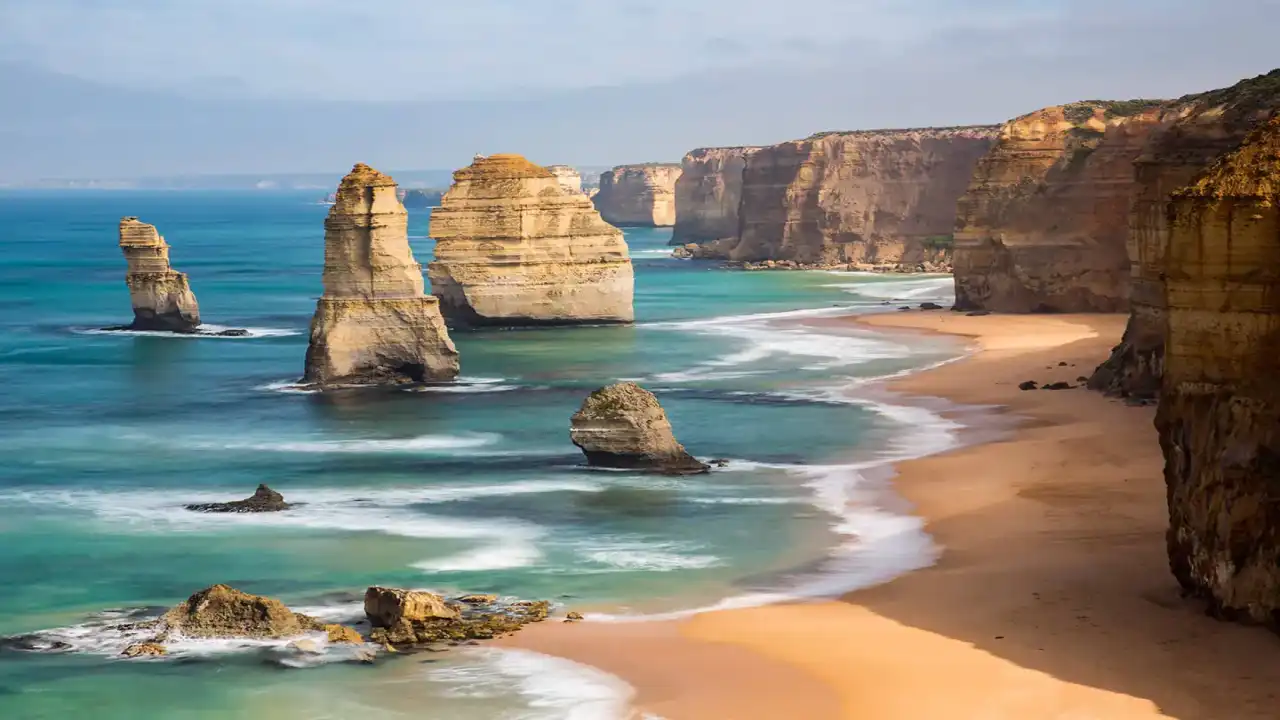
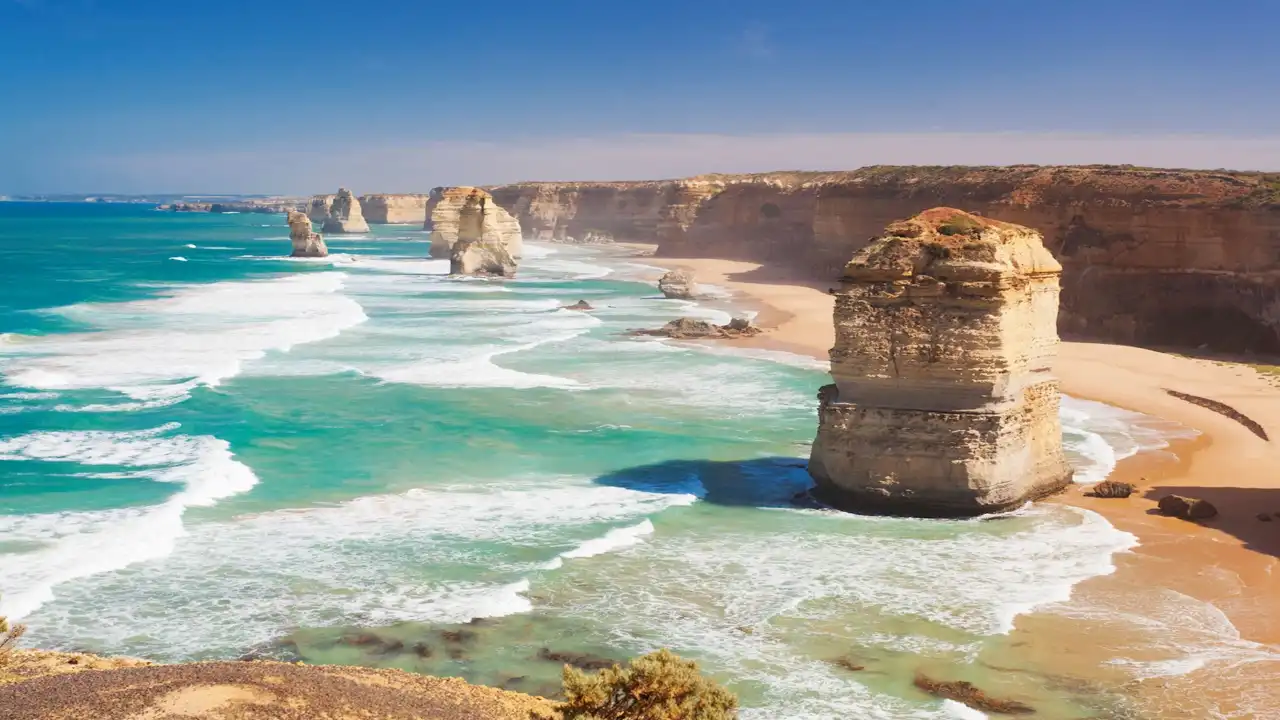
The Great Ocean Road is one of Australia’s best coastal drives. Cliffs, beaches, big ocean views, the lot. The Twelve Apostles are the main stop. Huge limestone stacks stand in the Southern Ocean. Loch Ard Gorge and London Arch are close by and just as photo-worthy. And honestly, the road itself is worth a few shots. It twists along the coast, so the drive feels like part of the trip.
Photography highlights:
- Twelve Apostles limestone formations.
- Coastal views from Loch Ard Gorge.
- Ocean landscapes and cliffs.
- Scenic stretches of the Great Ocean Road.
Pro Tip: Start early. You’ll get to more viewpoints without rushing from one stop to the next.
3. Whitehaven Beach, Queensland
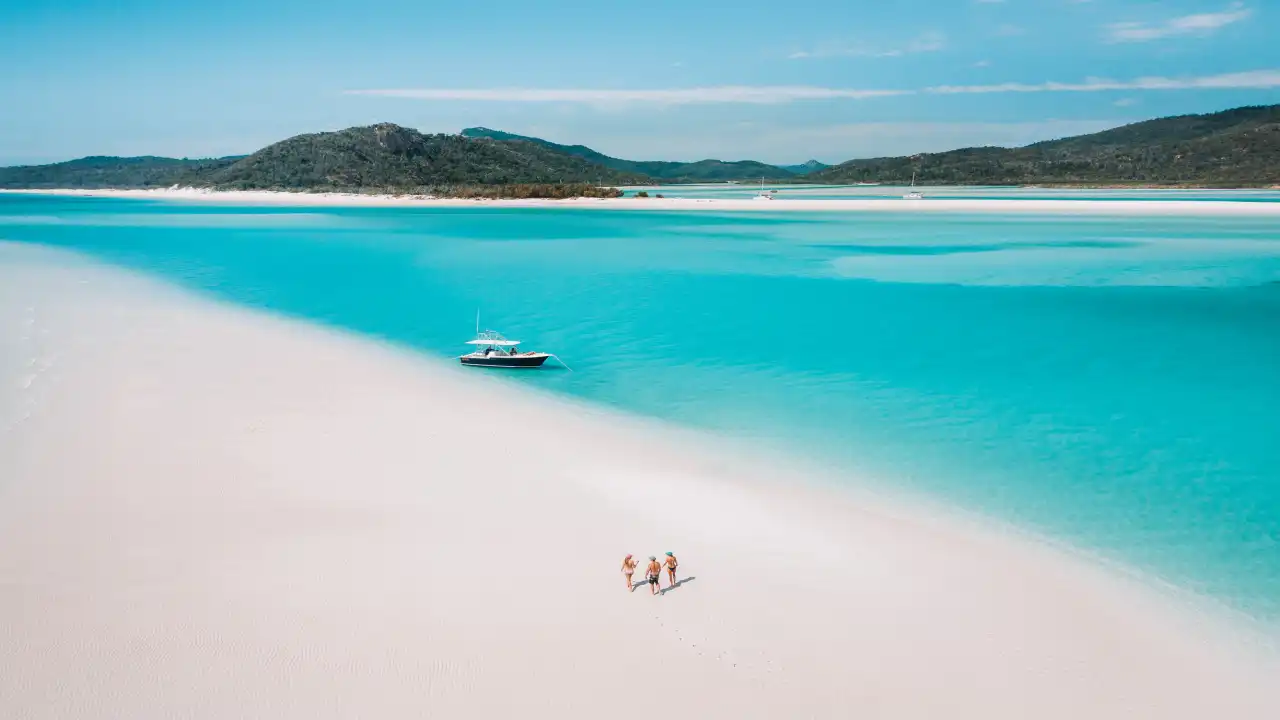
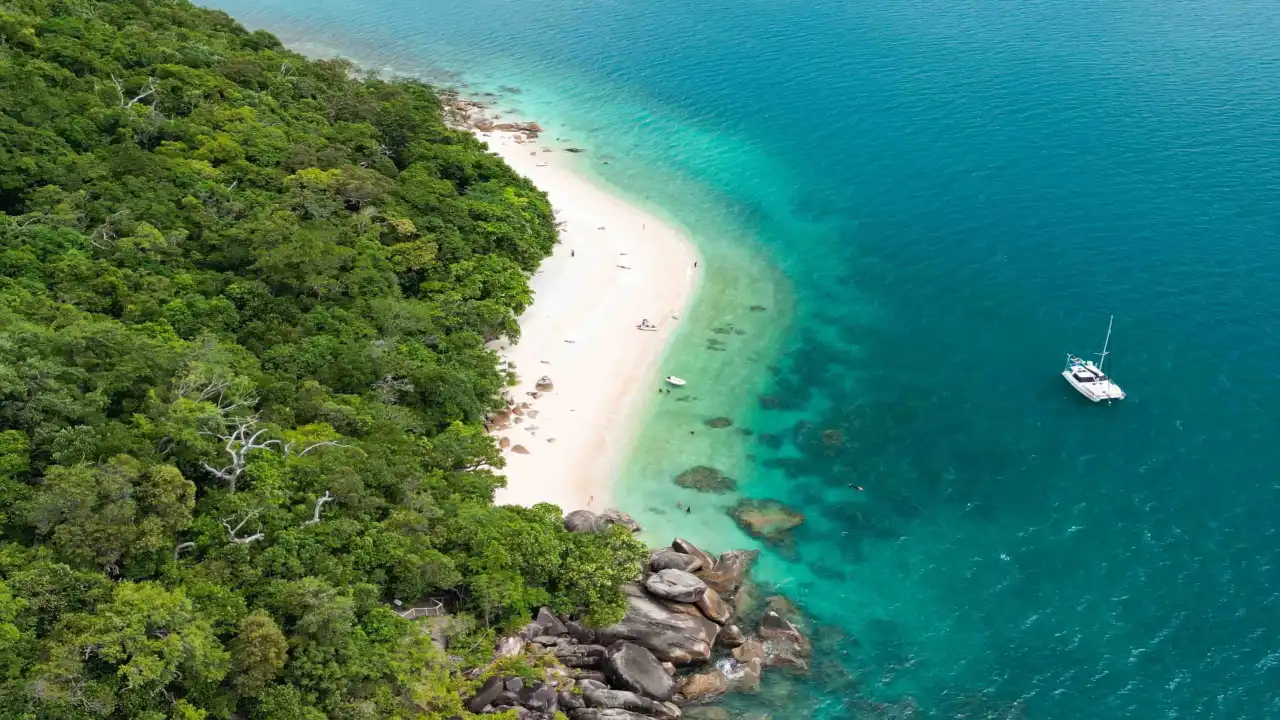
Whitehaven Beach is in the Whitsunday Islands. The sand is white silica and the water is a clear turquoise. It runs for around seven kilometres, so there’s plenty of room to walk and shoot. Hill Inlet is the favourite spot for photographers. The sand and water swirl together in white and blue-green patterns. From the lookout it almost feels like you’re shooting from above.
Photography highlights:
- Hill Inlet lookout.
- White sandy beaches.
- Turquoise ocean views.
- Scenic boat and sailing photographs.
Pro Tip: Check the tide times before you go to Hill Inlet. The sand patterns change as the water moves.
4. Uluru, Northern Territory
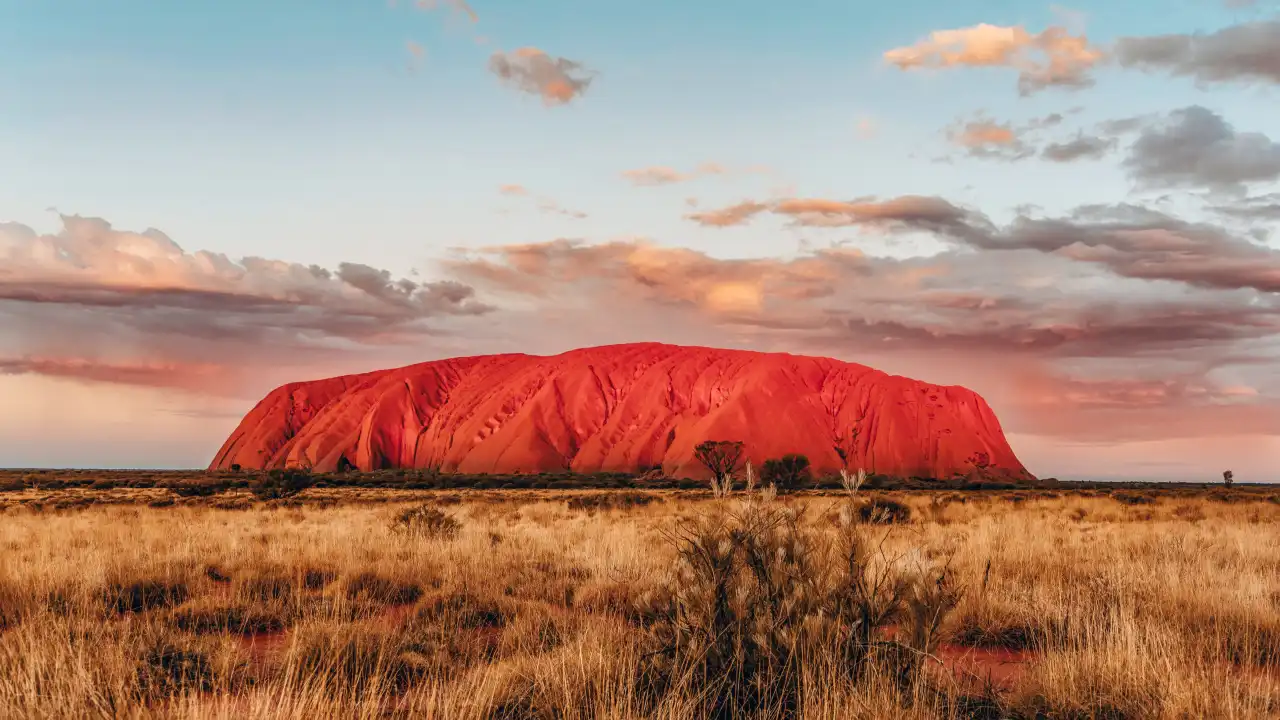
Uluru is one of Australia’s best-known landmarks. It’s a giant sandstone rock in the Northern Territory, and it holds deep cultural and spiritual meaning for the Anangu Traditional Owners. The colour keeps changing during the day. Orange, red, brown, depending on the sun. Sunrise and sunset are the most popular times for photos, and for good reason. Kata Tjuta is close by too. More rock formations and another great look at the desert.
Photography highlights:
- Sunrise and sunset views of Uluru.
- Red desert landscapes.
- Kata Tjuta rock formations.
- Wide panoramic views from designated viewing areas.
Pro Tip: Follow the local cultural guidelines and respect the photography rules in sacred areas.
5. Blue Mountains, New South Wales
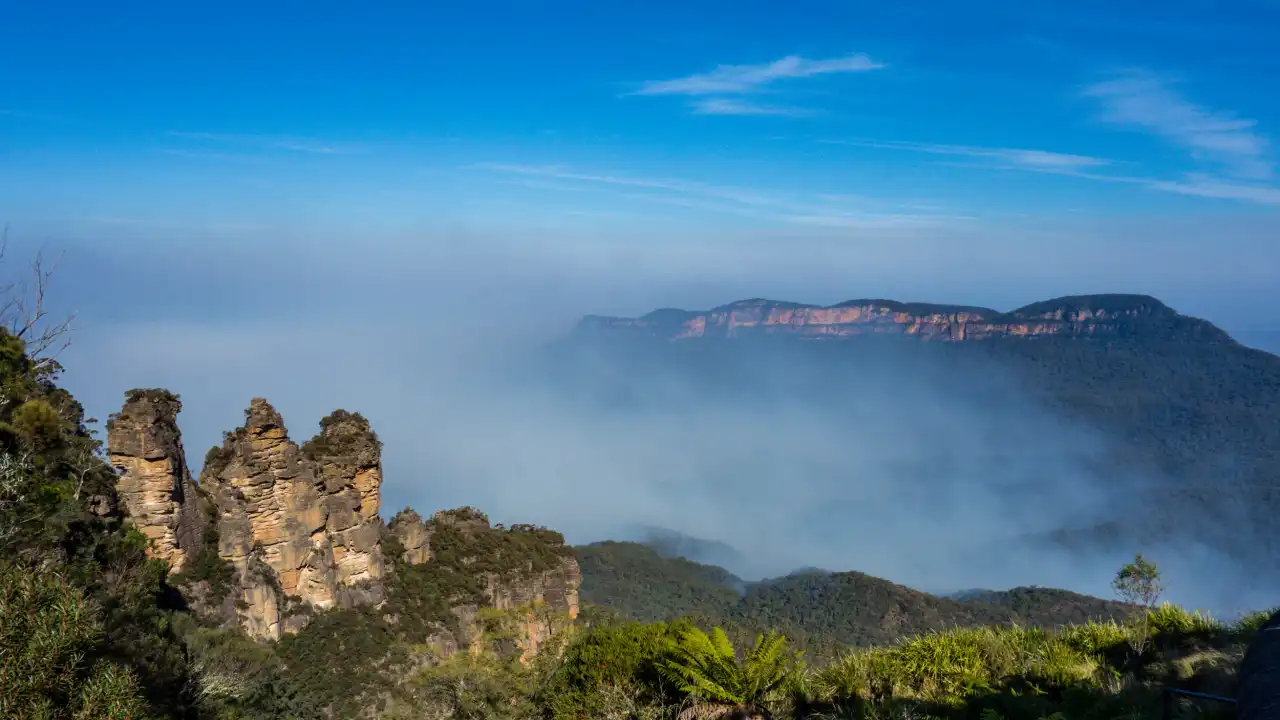
The Blue Mountains are close to Sydney and really beautiful. Eucalyptus forests, waterfalls, deep valleys, big cliffs. There are viewpoints everywhere. The Three Sisters at Echo Point is the famous one. From there you get wide views over the Jamison Valley. Other good spots are Wentworth Falls, Govetts Leap Lookout and Scenic World.
Photography highlights:
- Three Sisters at Echo Point.
- Wentworth Falls and surrounding greenery.
- Mountain views from Govetts Leap.
- Forest landscapes and walking trails.
Pro Tip: Go early in the morning. You might catch misty mountains, and it’s way quieter.
6. Daintree Rainforest, Queensland
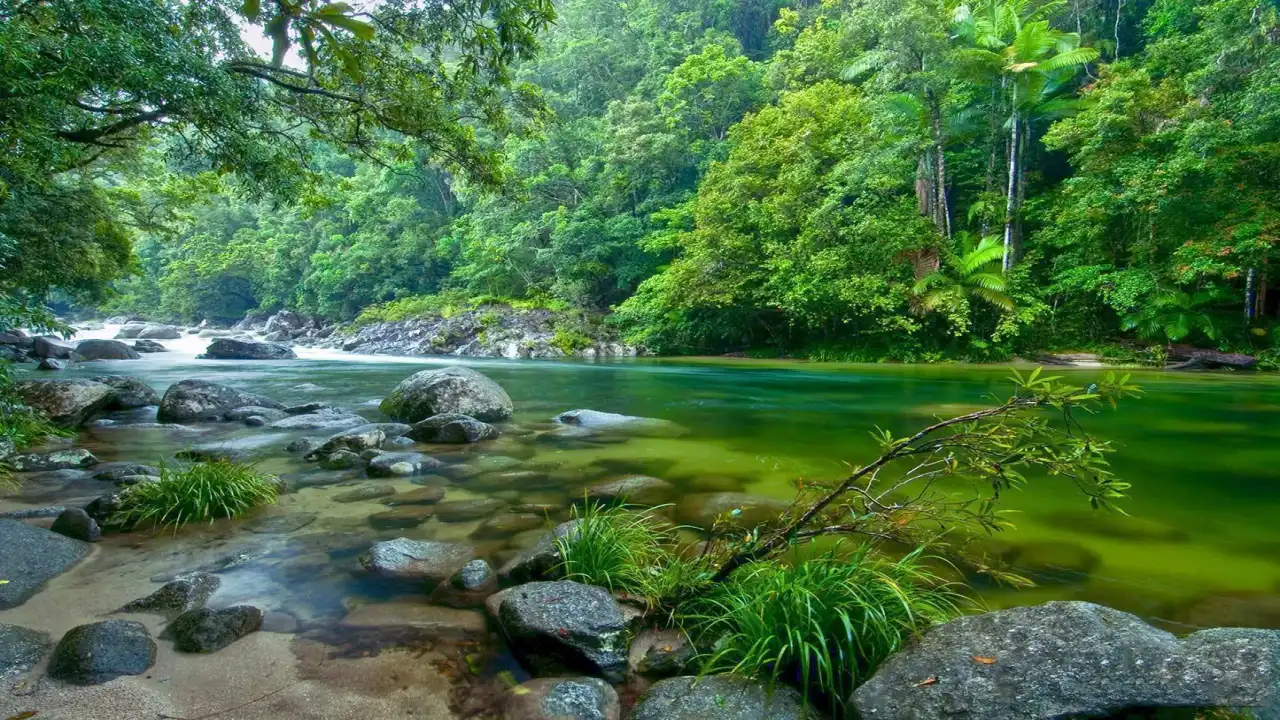
The Daintree Rainforest feels nothing like the beaches or mountains. It’s in Far North Queensland and is part of the Wet Tropics of Queensland, an ancient rainforest area. Think thick green plants, rivers, damp air and lots of wildlife. Mossman Gorge is a popular stop, with clear streams and big rocks sitting in the middle of the forest. You can also take a guided boat tour on the Daintree River and spot local wildlife.
Photography highlights:
- Mossman Gorge and freshwater streams.
- Daintree River landscapes.
- Tropical plants and rainforest trails.
- Local birdlife and wildlife.
Pro Tip: Bring a waterproof camera cover, and pick guided wildlife tours. They’re easier and you’ll see more.
7. Kangaroo Island, South Australia
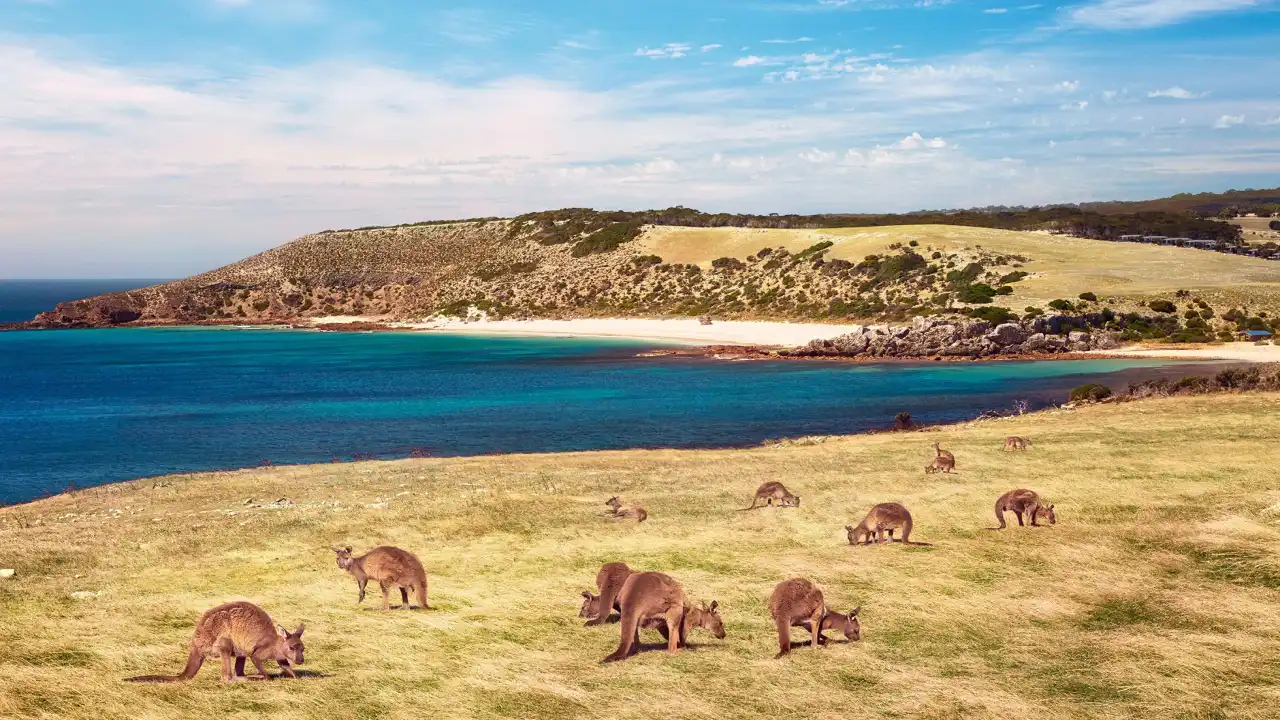
Kangaroo Island is off the coast of South Australia. It has a coastline, sandy beaches and protected natural areas, plus plenty of wildlife. Remarkable Rocks in Flinders Chase National Park is the big one. The granite formations look strange, and they’ve been shaped by weather over thousands of years. Admiral's Arch is another favourite, with dramatic ocean views and a chance to see New Zealand fur seals. Vivonne Bay is worth a stop for its beach too.
Photography highlights:
- Remarkable Rocks.
- Admiral's Arch and coastal views.
- Vivonne Bay’s sandy beaches.
- Wildlife at Seal Bay.
Pro Tip: Give yourself at least two days on the island. And stick to the safety rules when photographing wildlife.
Do read: Best Beaches in Australia for Watching Sunsets
Best Time to Visit Australia’s Photography Destinations
Australia has different seasons in different regions, so the best time depends on where you’re going.
Check the regional weather before you lock in your dates.
Read next: Hidden Gems in Australia That Deserve a Spot on Your Bucket List
Conclusion
Australia has a great mix of beaches, mountains, rainforests and landmarks. From Sydney Harbour and the Great Ocean Road to Uluru and Kangaroo Island, every place feels different, and every one gives you something worth photographing. Planning a trip to Australia's most picturesque locations or just a laid-back holiday, Australia works for both. With a well-planned international trip package from Travel Junky, seeing these places can be easy and a lot of fun.
Tips for Capturing Beautiful Photographs in Australia
Exploring the Scenic places in Australia gets easier with a bit of prep. A few simple tips:
- Choose the right time: Early mornings and late afternoons usually give better natural light.
- Check the weather: It can totally change how a beach, mountain or landscape looks.
- Experiment with angles: Don’t just shoot the standard postcard view. Move around a bit.
- Carry essential equipment: A camera or smartphone, spare batteries, a power bank and a tripod.
- Respect nature: Don’t disturb wildlife or walk into restricted areas for a photo.
- Plan your route: Places are far apart, so leave enough time for travelling.
Looking up the Best photography locations in Australia before you go also helps you build a more relaxed itinerary.