Thailand’s Top 5 Natural Hot Springs for the Perfect Wellness Escape
Thailand is about beaches, temples and night markets. Everyone knows that. But there’s a slow side too, and people hardly talk about it. Warm mineral water. Cool air under the trees. Hot water trickling down limestone. Springs in Thailand are worth a stop if you’re worn out and just want to sit somewhere for a bit. San Kamphaeng, Tha Pai and Khlong Thom are a decent start. Put them in your Thailand trip package and the trip stops feeling like a race. Less rushing around, more sitting in warm water. So, five natural hot springs for your Thailand itinerary.
Best Hot Springs in Thailand for a Relaxing Wellness Escape
Explore Thailand's natural hot springs, from Chiang Mai's mineral pools to Krabi's hot waterfalls, and enjoy a refreshing break surrounded by nature.
1. San Kamphaeng Hot Springs, Chiang Mai
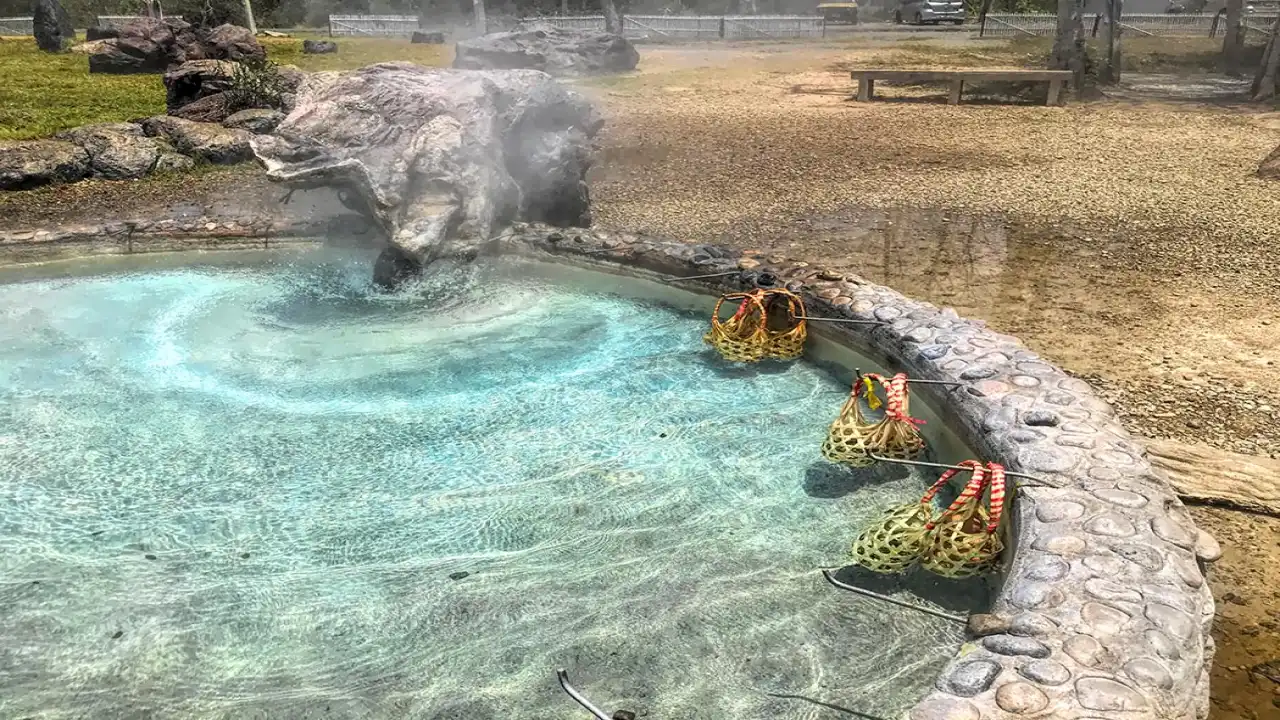
Around 35 kilometres east of Chiang Mai. It’s one of the best-known geothermal spots up north. Lots of trees, tidy gardens, and a few hours go by before you notice. The water comes out of the ground really hot. Some spots can boil eggs, and yes, people queue up to do it. Silly, but fun. Just don’t climb in those areas to bathe. The mineral pools, foot baths and private rooms are there for that.
Things to do:
- Put your feet in the mineral water foot bath.
- Hang out in the designated bathing pools.
- Boil an egg, since everybody does.
- Wander around the gardens.
Pro Tip: Go early in the morning. It’s cooler and there are far fewer people around.
2. Tha Pai Hot Spring, Mae Hong Son
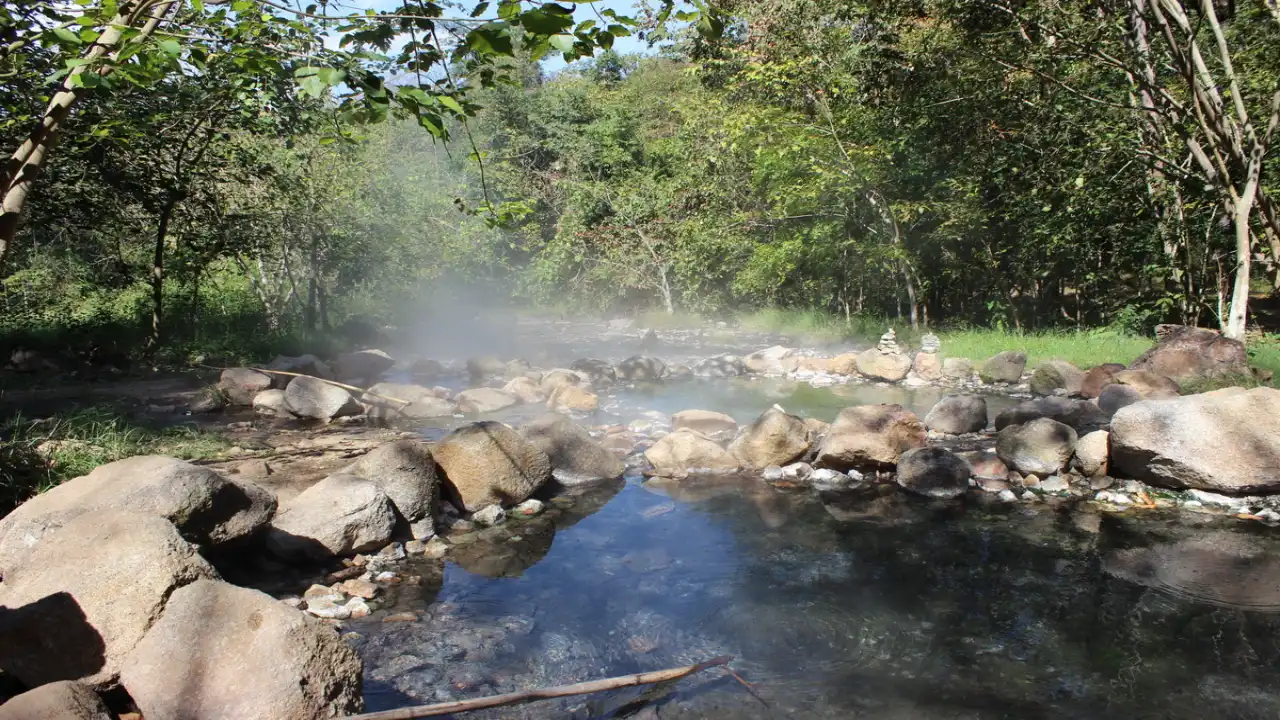
About 8 kilometres south of Pai town. Forest, green hills, and it’s quiet. Want nature without a crowd? This is your place. At the source, the water gets to about 80°C. Way too hot, so don’t try it. There are cooler pools. Go in the morning, when steam rises through the trees. Honestly, it looks great. Visitors can also try boiling eggs in designated areas using the natural hot spring water.
Things to do:
- Soak in the designated pools.
- Boil a few eggs in the spring water.
- Walk around the forest nearby.
- Add some Pai sightseeing to the same day.
Pro Tip: Morning visits are recommended. Avoid entering extremely hot source pools.
3. Khlong Thom Hot Spring Waterfall, Krabi
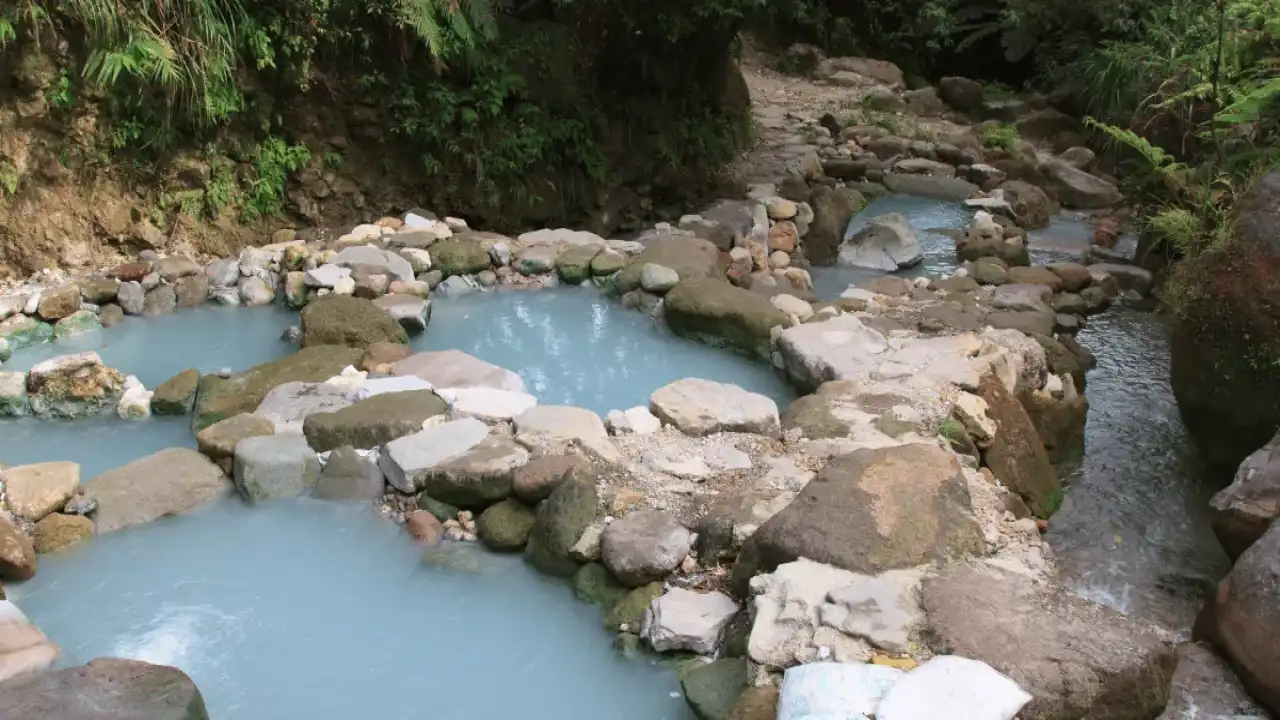
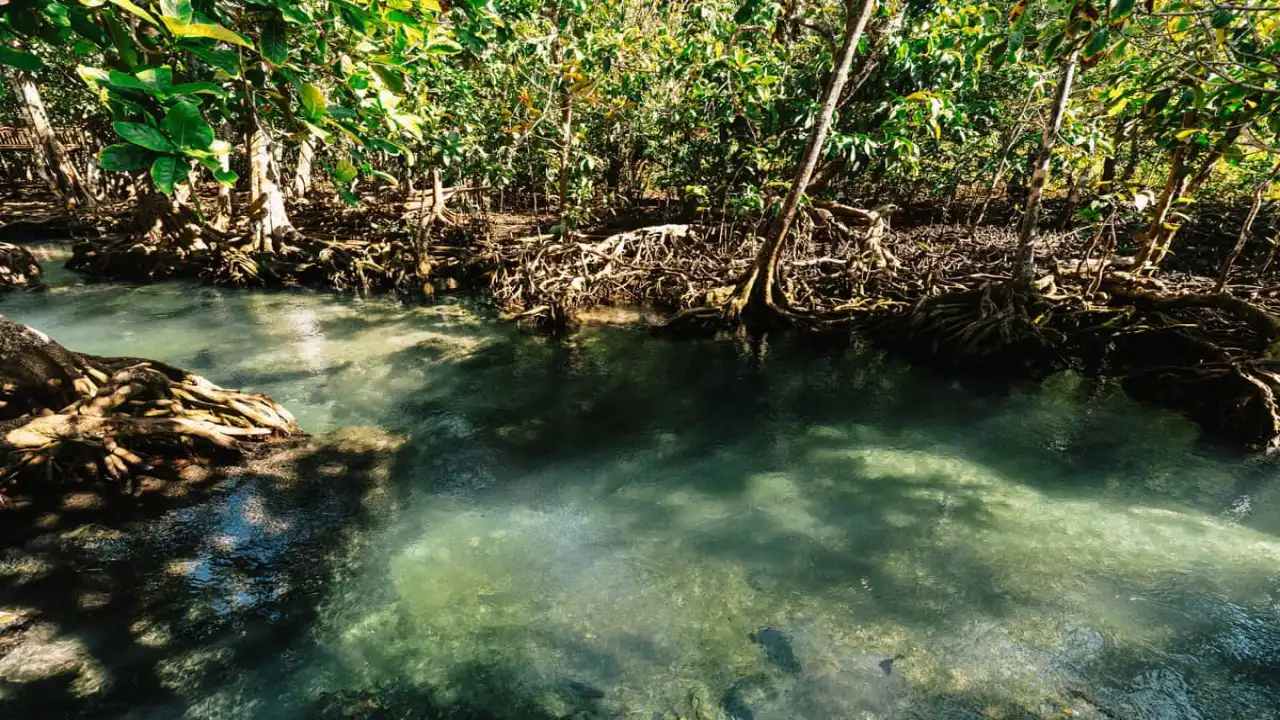
This one’s different from the usual Krabi spots. It’s not a normal pool. Warm water slides down smooth limestone steps and ends up in small natural pools. Tropical forest around you. The water gets heated underground and cools a bit as it runs over the rock, so when you sit in it, it feels nice and not scary. You sit, you look at all the green; that’s about it. The Emerald Pool is close, so you can see both in one trip.
Things to do:
- Relax in the warm natural pools.
- Explore the tropical forest.
- Look at the limestone formations.
- Visit the nearby Emerald Pool.
Pro Tip: Wear shoes with good grip. Wet limestone is slippery, seriously. And go early before the crowds show up.
4. Raksawarin Hot Springs, Ranong
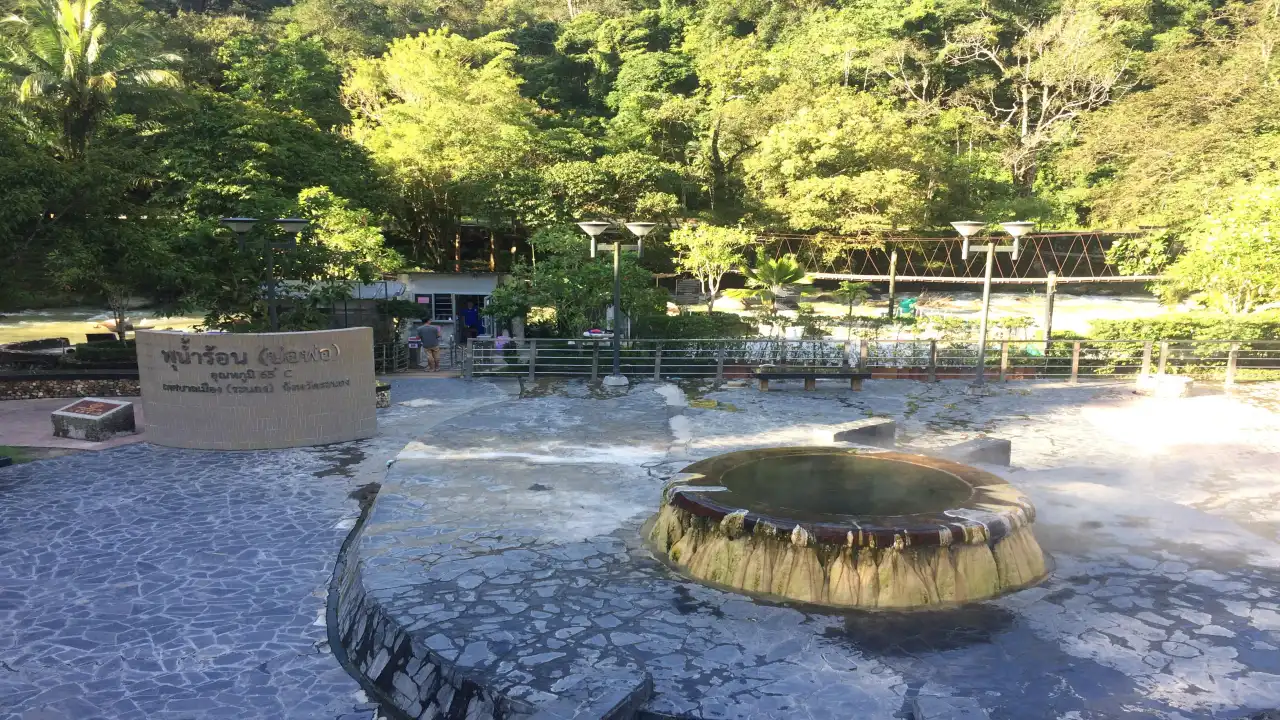
Ranong is green and hilly, with mineral water all over the place. Raksawarin Hot Springs is inside Raksawarin Public Park and it’s one of the most popular spots in town. The water is around 65°C. There are three main sources, and people call them the Father, Mother and Daughter springs. The original water is far too hot to get into. So the park has foot baths and bathing areas instead. There are walking paths too, plus corners and places to sit and do nothing for a while. Of all the popular hot springs in Thailand, Raksawarin feels the calmest, like a neighbourhood park.
Things to do:
- Try the mineral water foot baths.
- Explore Raksawarin Public Park.
- Use the designated bathing facilities.
- Walk around the green areas.
Pro Tip: Bring a towel and spare clothes if you plan to use the bathing facilities.
5. Hin Dat Hot Spring, Kanchanaburi
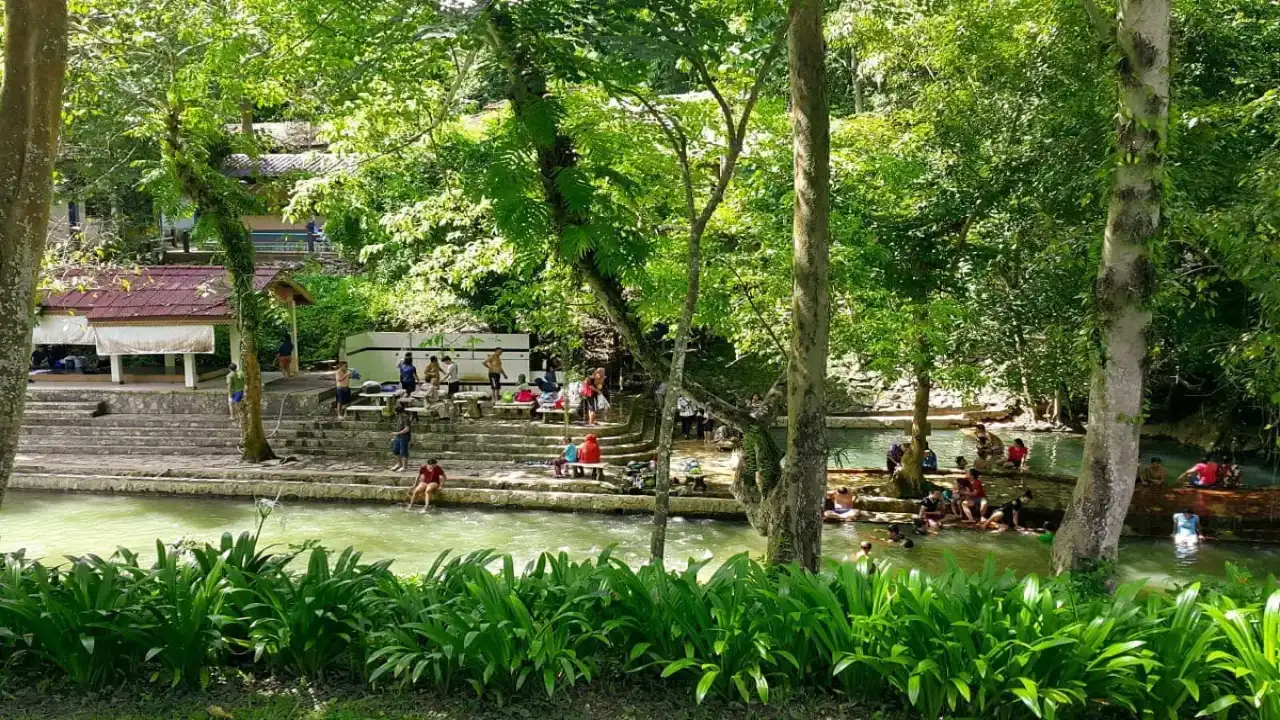
Hin Dat is in Thong Pha Phum district, hidden among the trees. Feels far from the tourist crowds, which is a plus. One of its interesting features is the natural cold-water stream located beside the hot spring pools. Visitors can enjoy warm mineral water and then cool off in the nearby stream. There are three main pools and each one has a different heat. The water usually stays between 45°C and 55°C. Some say Japanese soldiers found the spring in the Second World War. Today it’s popular with travellers who want a quiet, natural break.
Things to do:
- Relax in the hot spring pools.
- Cool off in the cold-water stream.
- Explore the area around it.
- Combine the trip with Kanchanaburi sightseeing.
Pro Tip: Carry swimwear, a towel and a change of clothes. Start with a short soak and choose a comfortable pool temperature.
Do read: Best Tourist Attractions in Thailand: A Journey Through Culture, Nature, and Everyday Magic
Why Visit Thailand’s Natural Hot Springs?
The hot springs experience in Thailand is not only about sitting in warm water. You also land in places most tourists skip.
A few reasons to add them to your itinerary:
- Relaxing experience: Warm mineral water feels so good after a long day of sightseeing.
- Beautiful surroundings: Many springs sit close to forests, mountains and small streams.
- Unique activities: Egg boiling and bathing in natural waterfalls make these visits interesting.
- Different travel experience: It’s quieter than the busy beaches and shopping streets.
Best Time to Visit Natural Hot Springs in Thailand
It depends on where you’re going and what kind of trip you want.
- November to February: Cooler weather, so it’s great for Chiang Mai and Pai.
- March to May: Temperatures are higher, so early morning visits are recommended.
- June to October: Rainy season. Everything looks greener, but heavy rain can mess up your plans.
For most people, November to February is the easiest time for northern Thailand.
Conclusion
Thailand has way more than beaches, temples and nightlife. Its geothermal spots show you another side of the country, and you actually get to relax while you’re at it. From the mineral pools at San Kamphaeng to the waterfall in Krabi, every place feels a little different. Travel Junky can help you plan an international trip package that mixes Thailand’s natural attractions with its popular sightseeing spots.
Travel Tips for Visiting Hot Springs
A few quick things to remember before you head out:
- Pack swimwear, towels and extra clothes.
- Check entry fees and opening hours first.
- Don’t bathe in the extremely hot source pools.
- Follow the local safety rules.
- Drink water and take breaks between soaks.
- Wear non-slip shoes near waterfalls.
A little planning makes trips to natural hot springs in Thailand easier and more fun.
Do read: Thailand Under ₹70,000: Is This Dream Trip Actually Possible?