Australia’s Most Beautiful Lakes You Need to Visit
Ask most people what Australia is about and they’ll say beaches, kangaroos, big coastal cities. Fair enough. But the lakes? Honestly, just as good. Pink salt lakes, crystal-clear freshwater ones, quiet spots up in the mountains. It’s all here. Lake McKenzie, Lake Hillier and Lake St Clair have nothing in common. Some are perfect for photos, some are better for a swim or a boat ride, and some are just good for doing absolutely nothing. Exploring the Beautiful Lakes in Australia shows you a side of the country most travellers skip. Here are eight worth putting on your list.
1. Lake McKenzie, Queensland
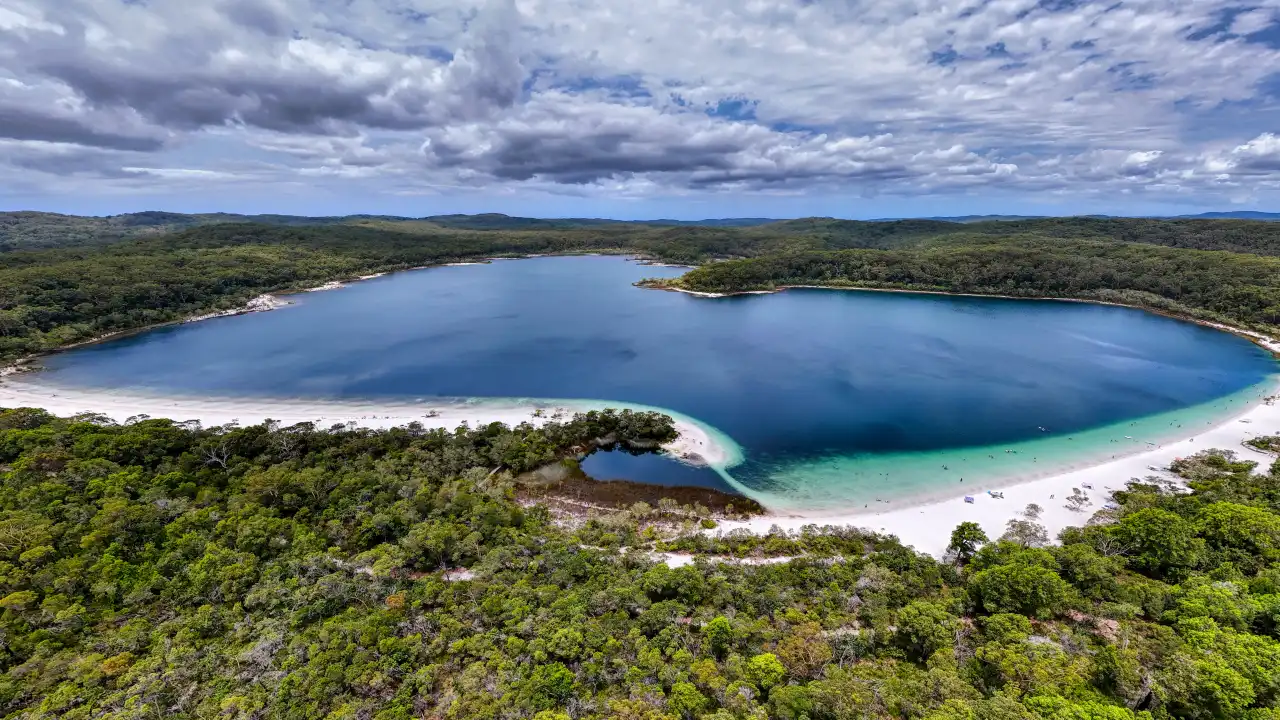
Location: K’gari (Fraser Island), Queensland
Lake McKenzie, also called Boorangoora, is one of Queensland’s most popular spots, and you’ll get why the second you see it. The water is super clear, the sand is soft and white, and the blue looks almost fake. It’s a perched lake, so it only fills with rainwater. No rivers, no groundwater. That’s the reason it stays so clean.
Things to do:
- Swim in the freshwater lake.
- Chill on the white sand.
- Take photos of that blue water.
- Have a picnic in the marked area.
Pro tip: Get there early, before the crowds turn up. You’ll need a high-clearance 4WD or an organised tour to reach it.
2. Lake Hillier, Western Australia
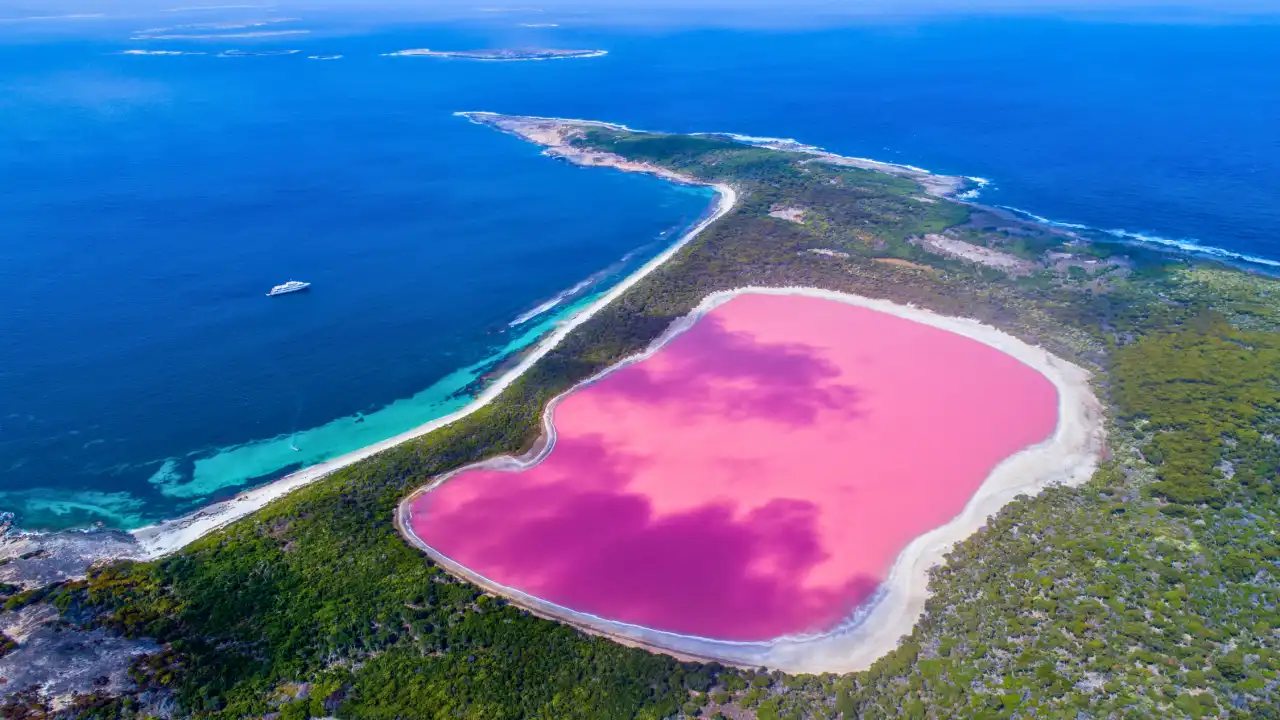
Location: Middle Island, Recherche Archipelago, Western Australia
Lake Hillier is the famous pink one. It sits on Middle Island near Esperance, with green bush around it and the blue ocean right next to it. Pretty mix of colours. The pink comes from lots of salt and tiny microorganisms. But colours shift. After heavy rain in 2022, the lake lost a lot of its bright pink. The island is remote too, so most people see it on a scenic flight or a specialist tour.
Things to do:
- Take a scenic flight over the lake.
- Check out the coastal scenery.
- Shoot some aerial photos.
- Visit other Esperance attractions.
Pro tip: Check current conditions before you book a flight. It might not be bright pink right now.
3. Hutt Lagoon, Western Australia
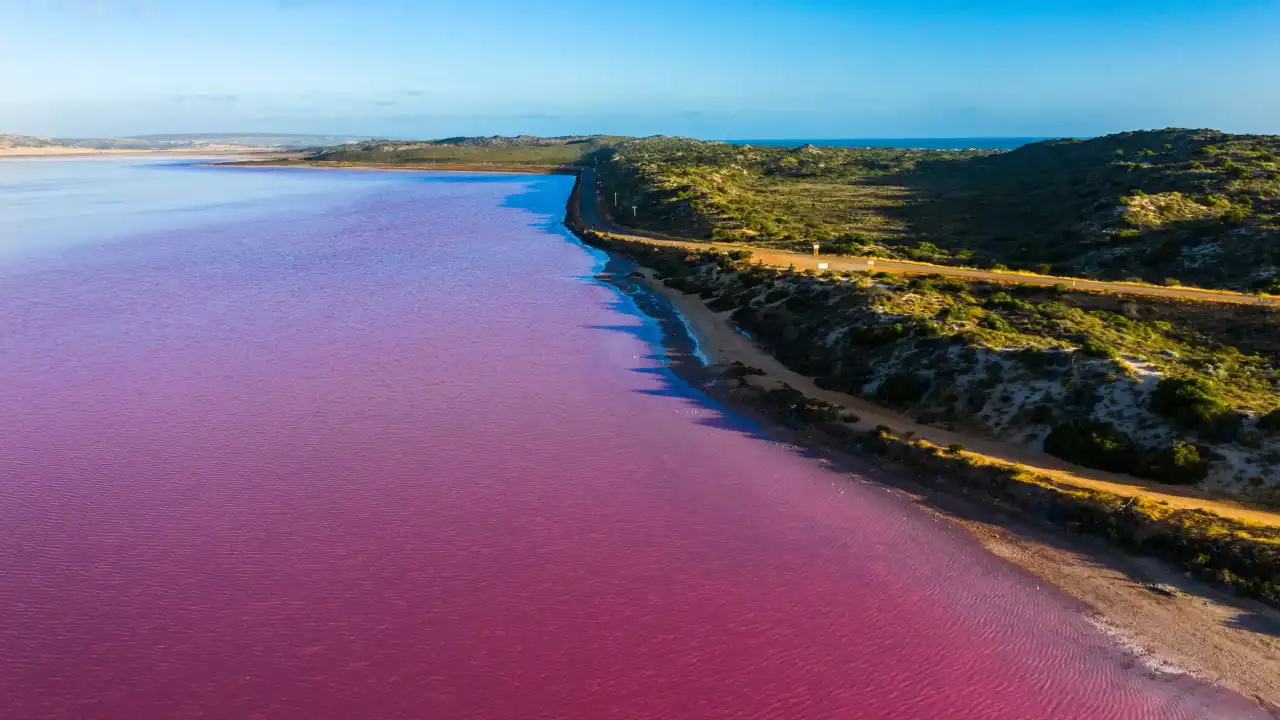
Location: Port Gregory, Western Australia
Hutt Lagoon turns up in pink, red and sometimes purple. It’s on the Coral Coast, and photographers love it. The colour depends on sunlight, water levels, salt and microorganisms, so it looks different all through the year. It’s also easy to fit into a Coral Coast road trip from Perth.
Things to do:
- Stop at the roadside viewpoints.
- Photograph the colourful water.
- Explore nearby coastal spots.
- Drive around the lagoon.
Pro tip: Go mid-morning or at sunset for the best photo light.
4. Lake MacDonnell, South Australia
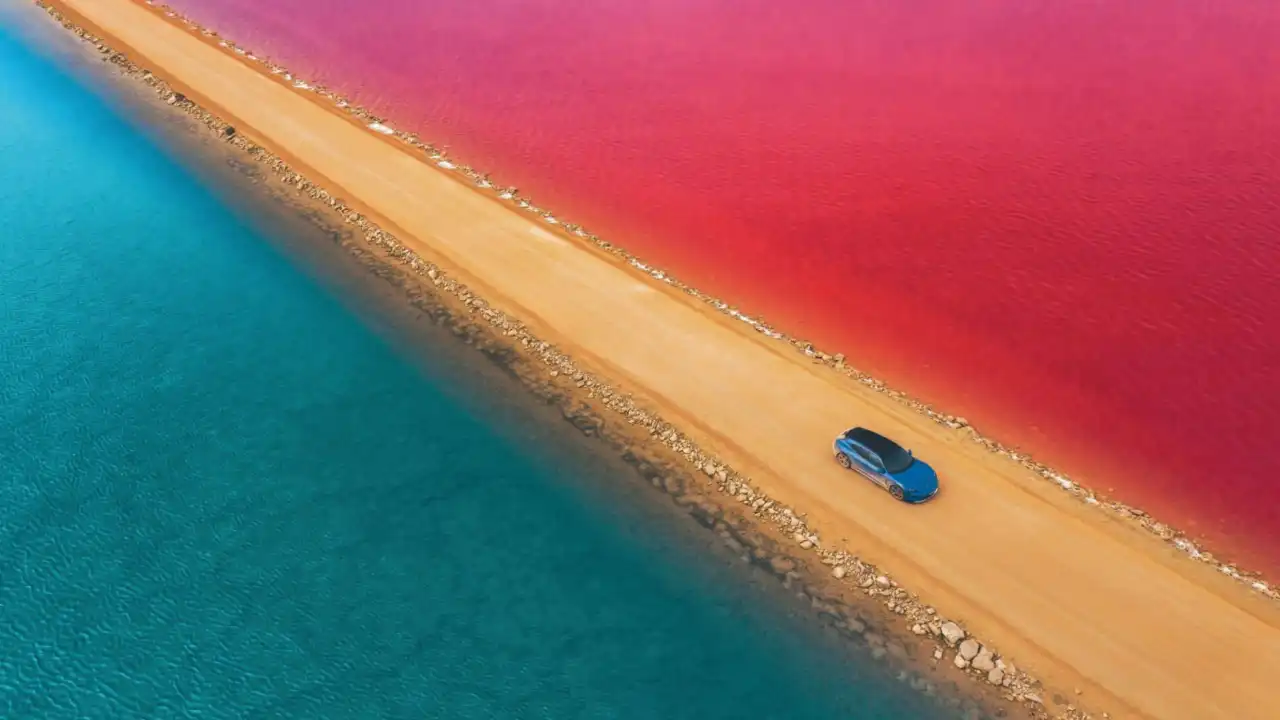
Location: Eyre Peninsula, South Australia
Lake MacDonnell has pink water on one side and green-blue on the other. The most photographed bit is Watermelon Avenue, a narrow road running between two different coloured lakes. The pink comes from salt and microorganisms, and the shade changes with the weather and water levels. The surrounding Eyre Peninsula also offers beautiful beaches and coastal landscapes.
Things to do:
- Drive down Watermelon Avenue.
- Photograph the lake colours.
- Explore the Eyre Peninsula.
- Stop at nearby Cactus Beach.
Pro tip: Check road conditions first, and take your photos from safe spots along the road.
5. Lake St Clair, Tasmania
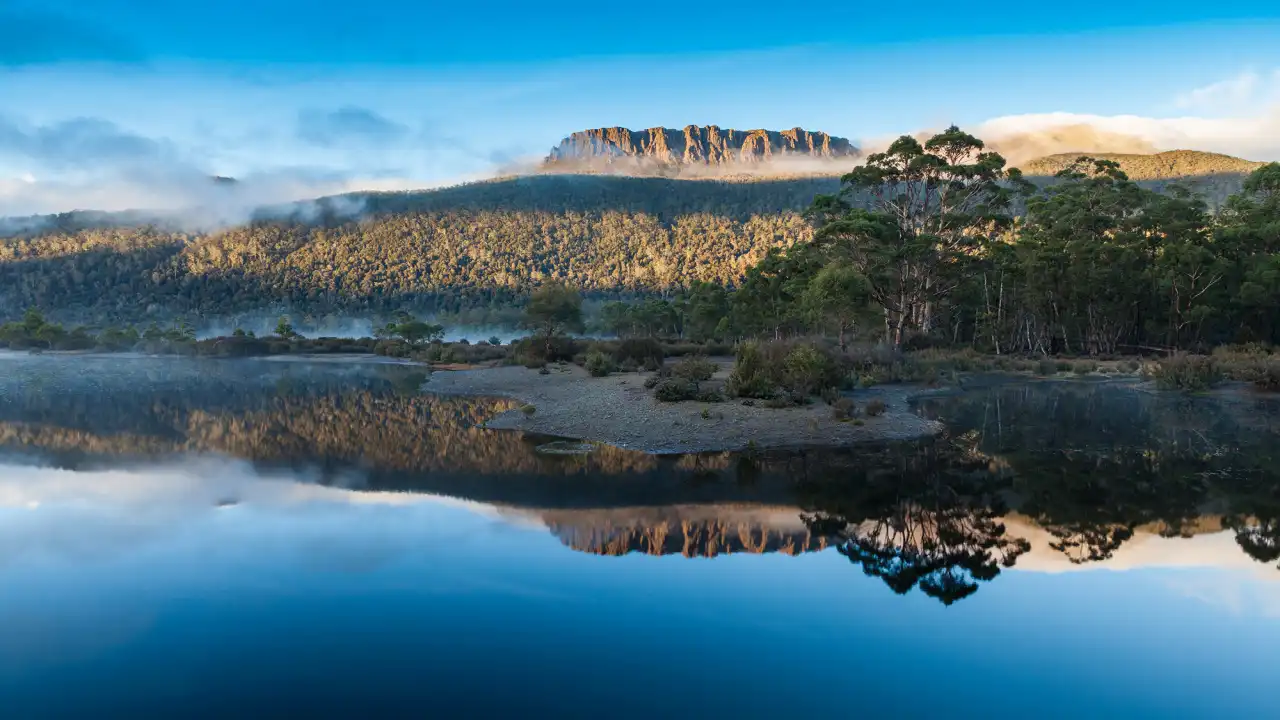
Location: Cradle Mountain-Lake St Clair National Park, Tasmania
Lake St Clair is surrounded by forest, mountains and walking trails. It’s Australia’s deepest freshwater lake, around 163 metres at its deepest. Glaciers shaped it a long time ago. It’s also the end of the famous Overland Track, so hikers come from all over the world.
Things to do:
- Walk the lakeside trails.
- Explore the national park.
- Go boating or fishing where it’s allowed.
- Look out for native wildlife.
Pro tip: October to April is the popular time to visit. Pack warm clothes, because the weather can flip fast.
6. Blue Lake, South Australia
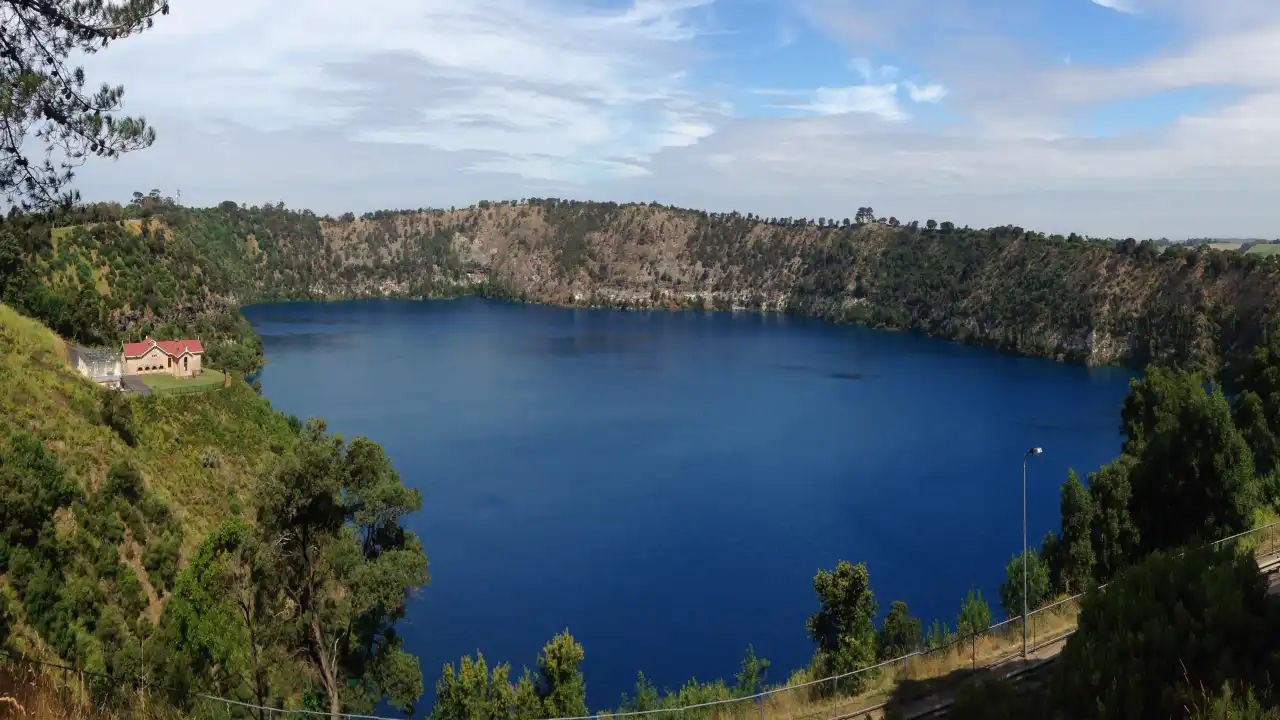
Location: Mount Gambier, South Australia
Blue Lake is a volcanic crater lake with a deep cobalt-blue colour in the warmer months. It’s one of Mount Gambier’s best-known spots. The colour changes with the seasons. It’s an intense blue from November to February, then goes greyer when things cool down. There are several viewpoints and walking routes around the crater.
Things to do:
- Walk the circuit around the lake.
- Visit the viewing platforms.
- Photograph the seasonal colours.
- Check out nearby Umpherston Sinkhole.
Pro tip: December to February is your best shot at that famous blue.
7. Lake Eacham, Queensland
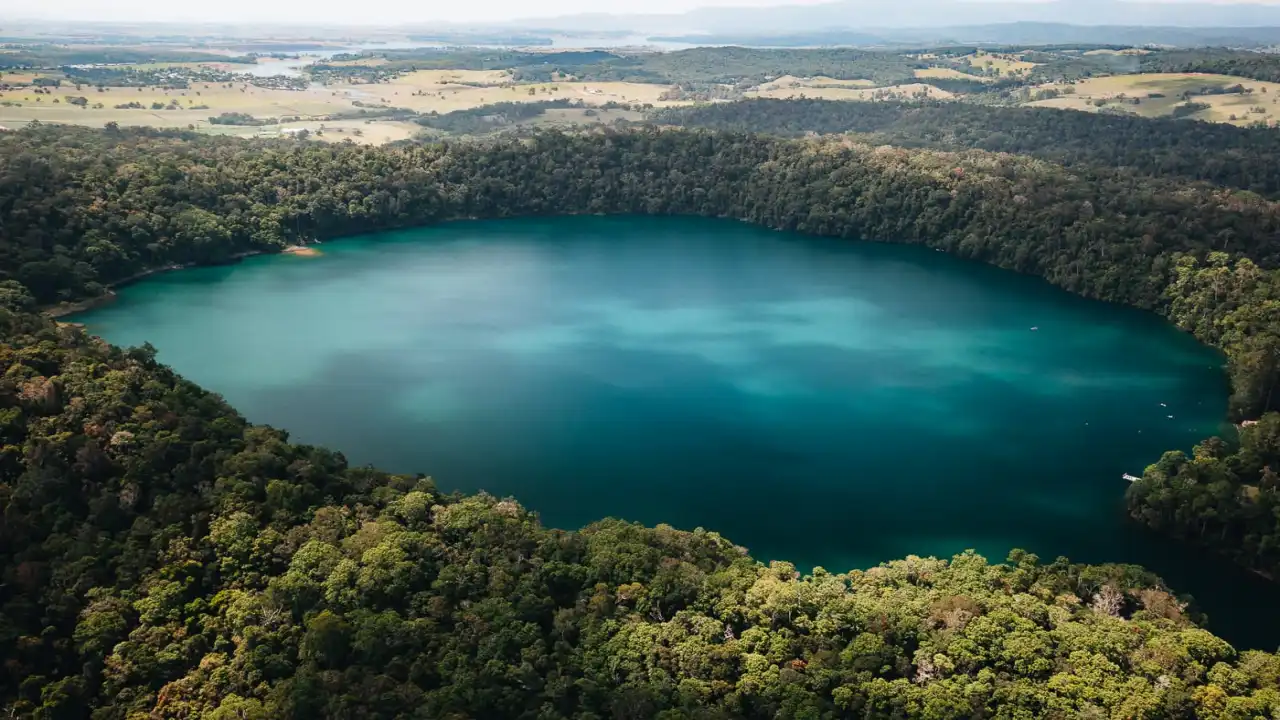
Location: Atherton Tablelands, Queensland
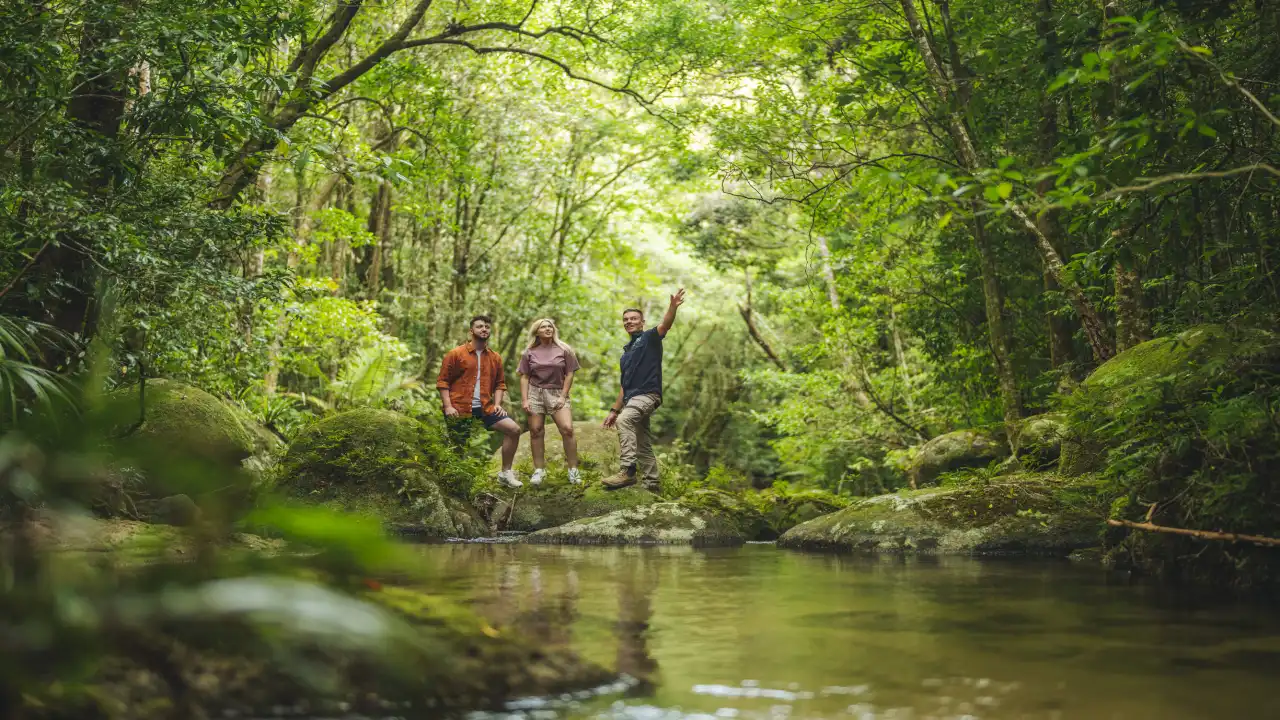
Lake Eacham is a volcanic crater lake wrapped in tropical rainforest, inside Crater Lakes National Park. The water is clear and blue, and it’s really quiet. Volcanic activity formed it thousands of years ago. These days people come to swim, canoe and spot wildlife. A 3-kilometre track goes around the lake, with rainforest views along the way.
Things to do:
- Swim and snorkel.
- Walk the rainforest circuit.
- Try kayaking or canoeing.
- Spot turtles and native birds.
- Have a picnic by the water.
Pro tip: You can visit any time of year. Just follow the local swimming safety signs and wildlife rules.
8. Kati Thanda-Lake Eyre, South Australia
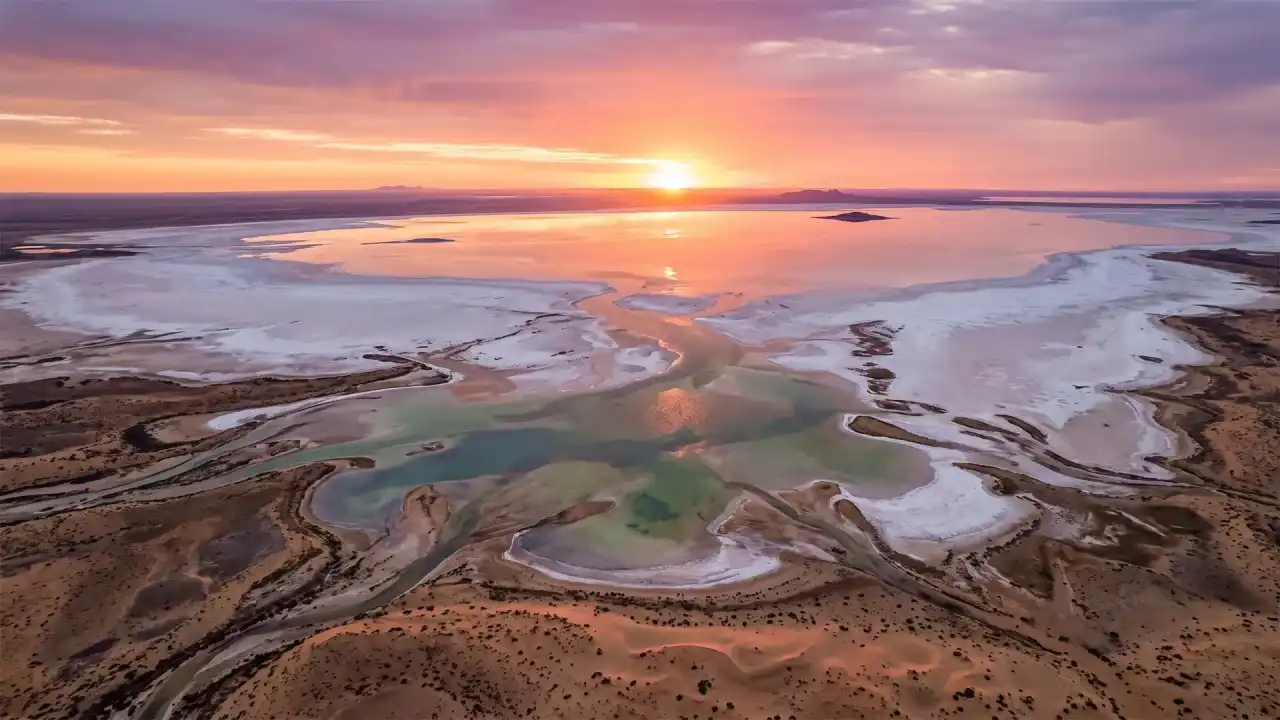
Location: Outback South Australia
Kati Thanda-Lake Eyre is Australia’s biggest salt lake, and a pretty strange place. Most of the time it’s a dry salt pan. After big rain, it turns into a huge sheet of water. When the water arrives, birds show up in massive numbers and the whole area changes for a while. One year it’s white salt flats, the next it’s shiny water. Scenic flights are among the best ways to appreciate its enormous size.
Things to do:
- Take a scenic flight over the lake.
- Photograph the salt flats.
- Explore the surrounding outback.
- Watch the birdlife during floods.
Pro tip: Check rainfall, flooding and access before you plan anything. Dry and flooded look completely different.
Best Time to Visit Australia’s Lakes
It depends on the lake and what you want to do there.
Plan Your Australian Holiday with Travel Junky
The Best Lakes to Visit in Australia mix natural beauty, outdoor fun and landscapes you won’t find anywhere else. From Queensland’s freshwater lakes to South Australia’s colourful salt lakes, every single one is different. You can fit them into family holidays, photography trips, nature escapes or a longer road trip. Travel Junky can help you find the right itinerary and plan an Australia trip package that mixes lake visits with nearby beaches, national parks and big cities. The Famous Lakes in Australia deserve a spot on your travel bucket list, especially if you want to see a different side of the country.
Travel Tips for Visiting Australia’s Lakes
A bit of planning goes a long way, and Travel Junky makes exploring remote destinations easier.
- Check the weather: Water levels and lake colours change with the seasons.
- Plan transport: Some places need a 4WD or an organised tour.
- Carry essentials: Water, sunscreen and comfy walking shoes.
- Follow safety rules: Swimming and boating are restricted in some areas.
- Respect nature: Don’t litter or bother the wildlife.
- Check local updates: Look up road closures and national park alerts before you go.