World's Most Beautiful Water Villages You Should Visit
Some destinations are best explored on foot, while others are easier to discover by boat. Water villages offer a different travel experience, with houses beside canals, communities living above lakes, and boats serving as everyday transport. Giethoorn in the Netherlands, Kampong Phluk in Cambodia, and the Uros Floating Islands in Peru show how communities have adapted to life around water.
Visiting the Best Water Villages in the World will give you insight into the history of the villages. If you are looking for a relaxing place away from large cities and tourists, then this is the place to go. You can include boat rides, local cuisine, and some culture in your International holiday package.
Top 5 Water Villages To Visit In The World
5 Water Villages with stunning waterways, historic homes, and a way of living that cannot be found in cities.
1. Giethoorn, Netherlands – Canal & Wooden Bridge Village
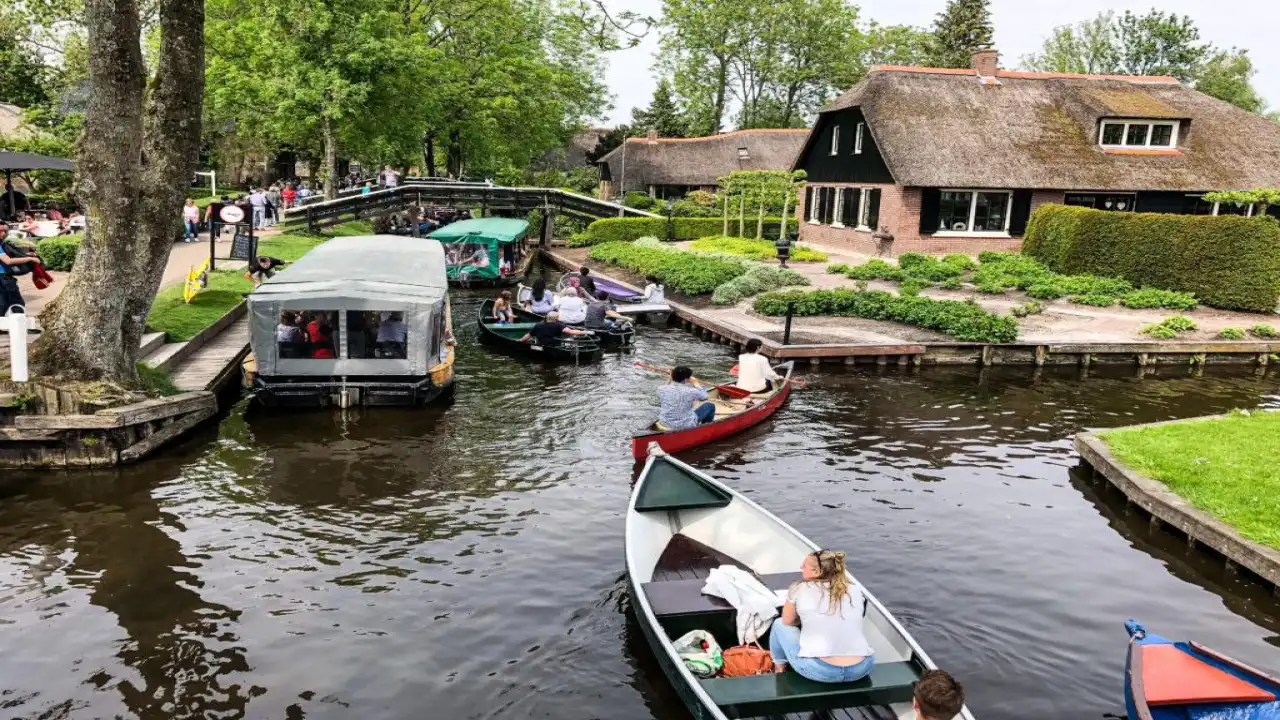
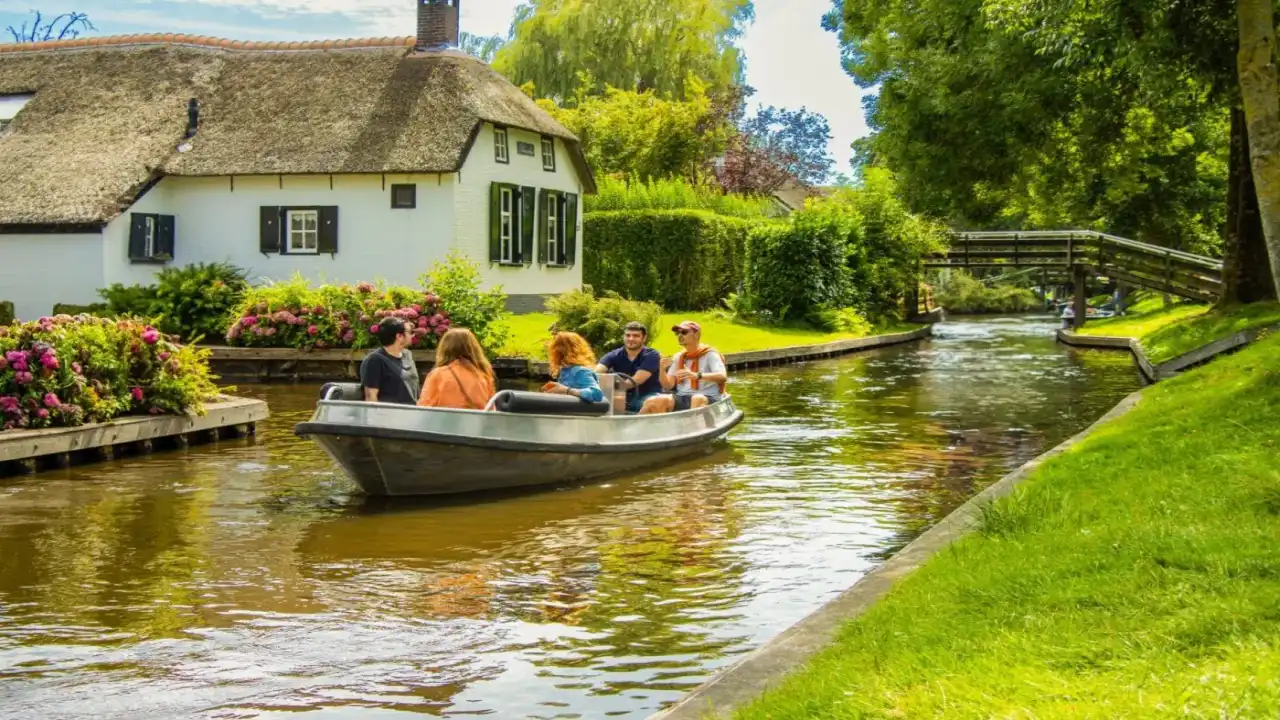
Giethoorn is located in Overijssel, the Netherlands. It has beautiful canals, small wooden bridges and historic homes. The best way to explore this historic village is by boat or on foot. Compared to most places in Europe, this village is extremely quiet. Many homes have thatched roofs and the gardens slope down to the water.
You will see lots of flowers, a few ducks and possibly a bike leaning against the fence. The small bridges link both sides of the water. There are lots of cafes and footpaths so you can easily find somewhere to stop for a hot drink. Most people hire electric boats to explore the area which is a great choice. It is very quiet with just the gentle sound of the water and occasional birds.
Things To Do:
- Electric boat ride along the canals.
- Walk across the wooden bridges and explore the pathways.
- Stop for a drink at local cafes.
- Take photos of the historic homes and gardens.
Giethoorn should be included on your list of best canal villages in the world as it is very water-focused.
Pro Tip: Go early to avoid busy times.
2. Ganvié, Benin – Community On Lake Nokoué
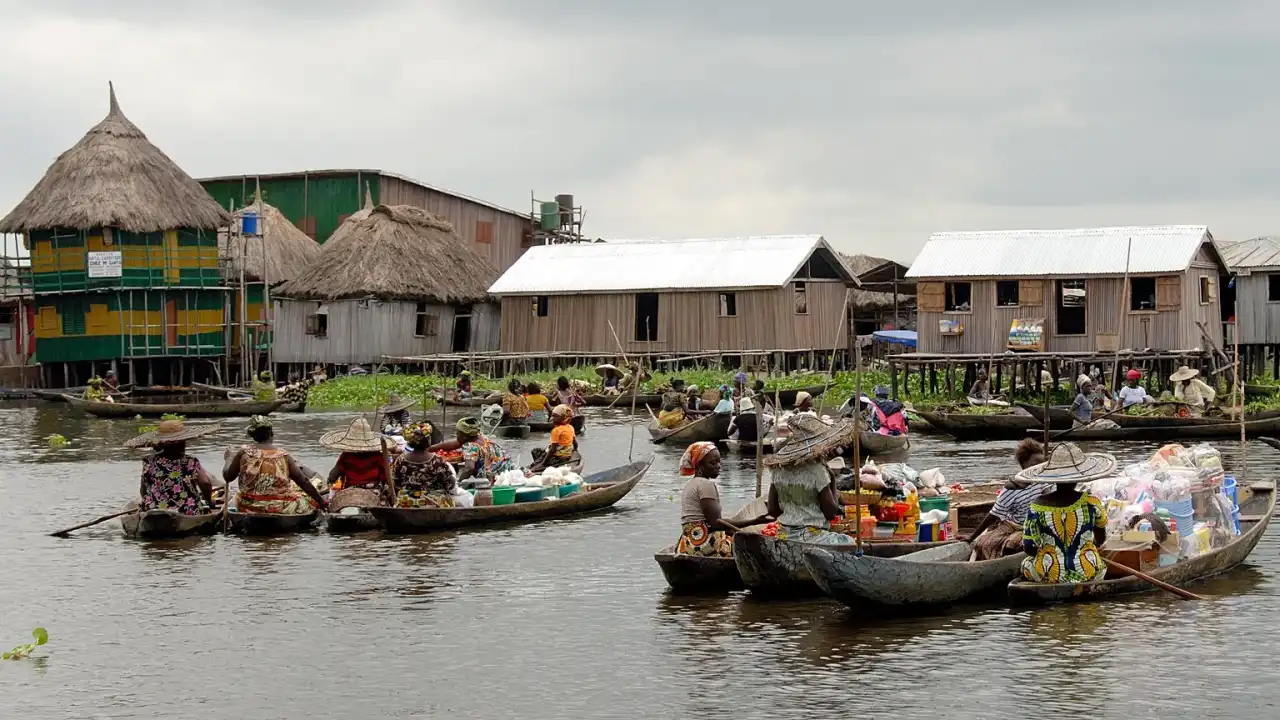
This village can be found on Lake Nokoué in West Africa. The homes are built on wooden stilts. This place has a long history, as the Tofinu people moved to live on the lake to escape slave raiders a long time ago. Fishing is very important here. Everything is done by boat including getting to your home, market and school. As a tourist you can float along the channels and see how people live their everyday lives on the lake.
Things To Do:
- Guided boat tour.
- Floating market.
- Learning about traditional fishing.
- History and culture of the Tofinu people.
Ganvié should be included on your list of best stilt towns in the world as the homes and everyday lives revolve around the lake.
Is Ganvié the largest floating village in the world?
Many people say that it is one of the largest lake settlements in Africa. However, saying that it is the Largest floating village in the world could be misleading. Depending on what you consider a floating village it could be argued. Are we considering the population? Size? Stilted homes? To avoid causing any confusion it is better to refer to Ganvié as a large stilted settlement on Lake Nokoué.
Pro Tip: Hire a local guide. Ask permission before photographing anyone. This is a real community.
3. Kampong Phluk, Cambodia – Stilted Homes On Tonlé Sap
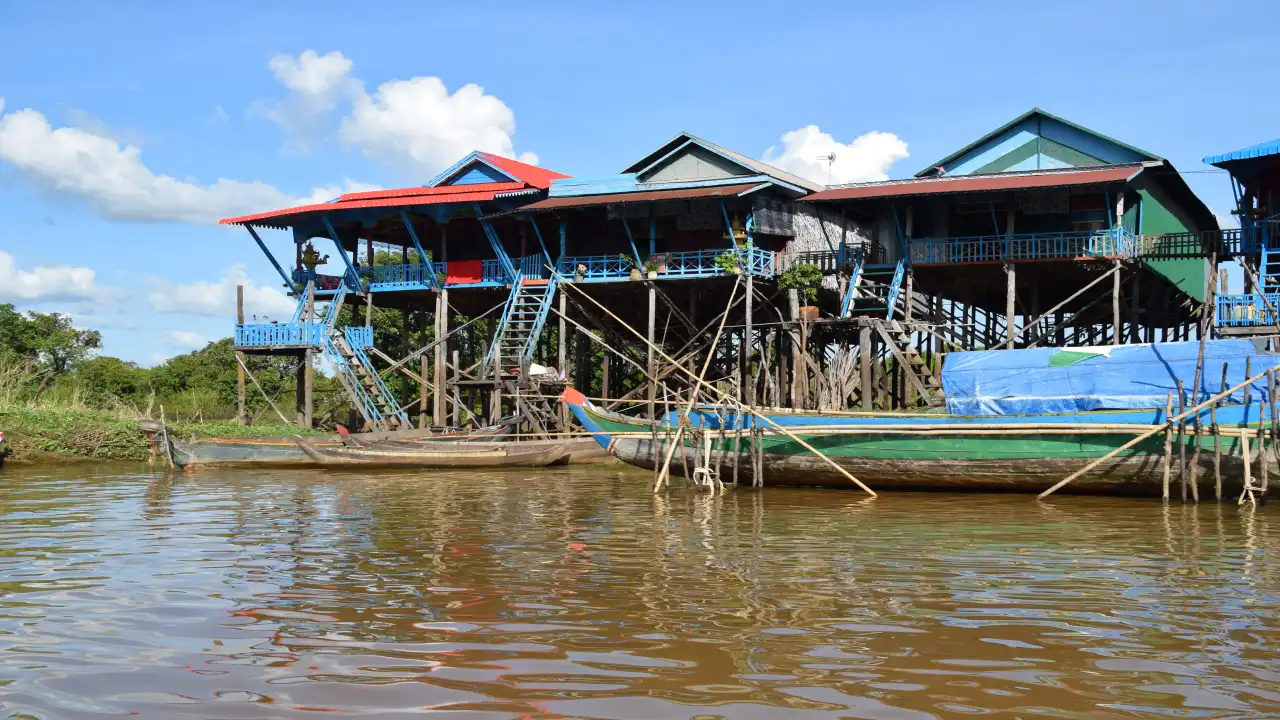
This village can be found near Siem Reap on Tonlé Sap. The homes are very tall as there is a massive variation in the water levels throughout the year. During the dry season you will see how tall the poles are under each home. During the wet season everything looks completely different. Fishing is a big part of many families' lives. The flooded forest nearby is also a huge attraction. You can get close to the homes by boat.
Things To Do:
- Take a boat tour.
- See the stilted homes from the water.
- Explore the flooded forest (depending on conditions).
- Learn about fishing and living around Tonlé Sap.
Kampong Phluk should be included on your list of famous floating villages to visit as it is very lake-focused. Although the homes are stilted they are not floating.
Pro Tip: Do some research on the water levels. The village can vary a lot depending on the season so choose dates that will fit the scene you are looking for.
4. Uros Floating Islands, Peru – Reed Homes
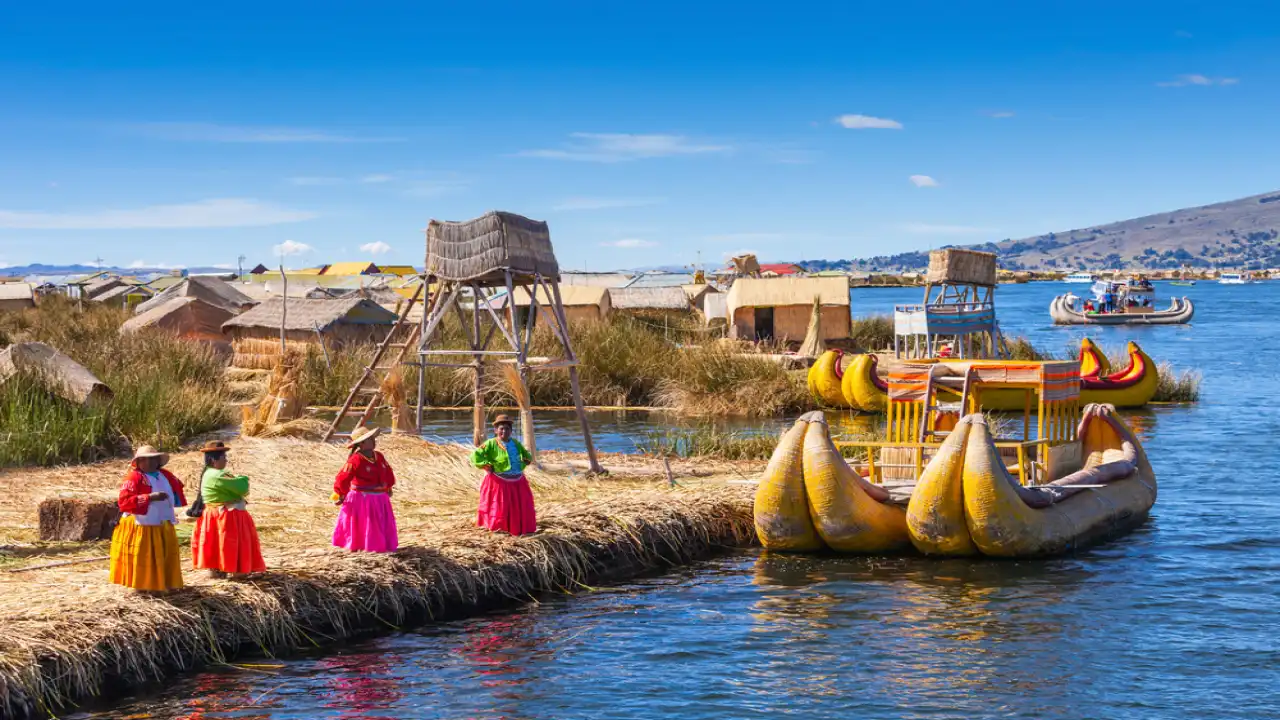
These islands can be found on Lake Titicaca near Puno. Few places in South America are as bizarre. There are no stilts. The islands are built from layers of totora reeds growing around the lake. Everything is made from reeds including the ground, homes and boats. Over time they begin to rot, so constant repairs and new layers need to be added. This knowledge has been passed down for generations. You can take a boat out to the islands. On some islands you will be shown how the reeds are built up and repaired by guides. You will also learn about the history of the community and how they rely on the lake.
Things To Do:
- Guided boat tour across Lake Titicaca.
- Learn how the islands are built up using totora reeds.
- See the reed boats and homes up close.
- Local guides will tell you about their traditions.
Uros Islands should be included on your list of the most unique water cities and villages as everything is plant-based.
Pro Tip: Lake Titicaca is very high so allow time to get used to it. Wear loose comfortable clothing and apply sun cream.
5. Zhouzhuang, China – Historic Canals & Stone Bridges
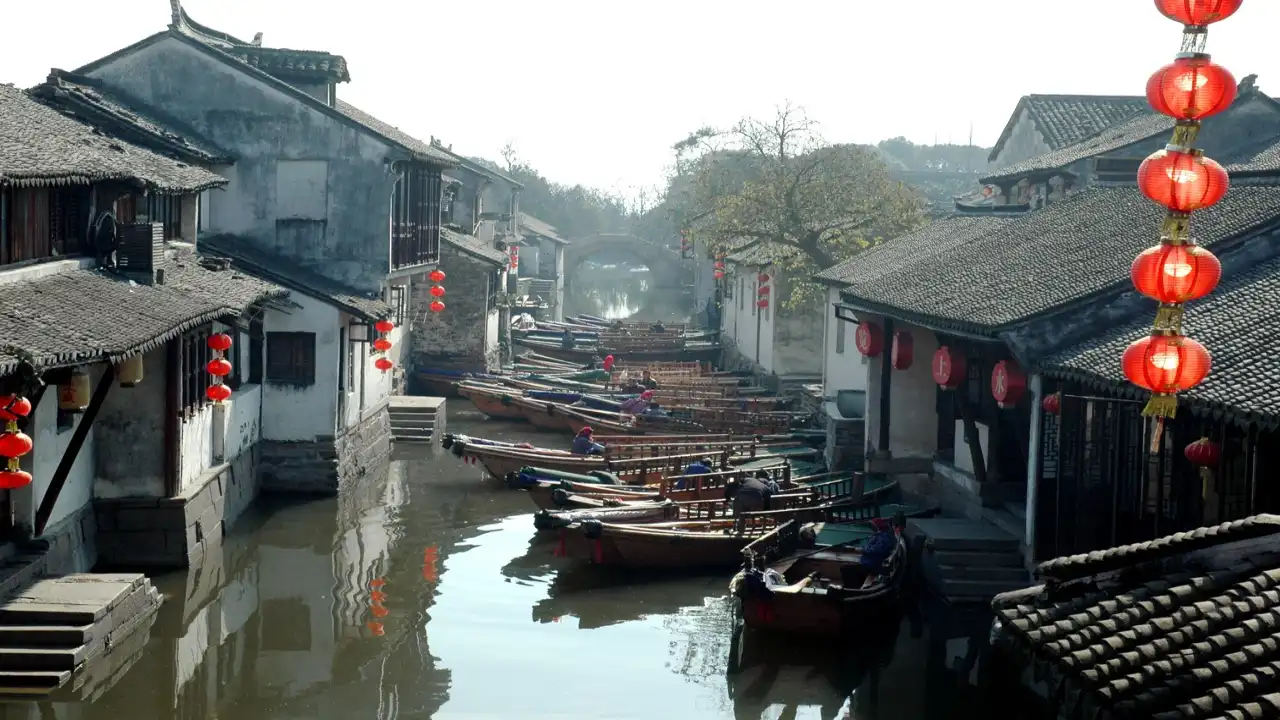
Zhouzhuang can be found in Jiangsu Province. This is a very historic water town. The village has canals, stone bridges and traditional homes. This village is not floating but grew up around the waterways. This helped transport goods and allowed trade and everyday living. Explore the historic centre or board a traditional-style boat. The historic buildings are right on the water with stone bridges connecting the town. There is more to do. Explore the historic courtyards, small shops and enjoy some local Chinese cuisine. If you love Chinese heritage you will love this place.
Things To Do:
- Take a boat tour along the historic canals.
- Walk across the historic stone bridges.
- Explore traditional homes and courtyards.
- Enjoy some local cuisine.
Zhouzhuang is a great option if you want to visit the most beautiful water villages in the world. Especially if you love historic buildings and peaceful canal walks.
Pro Tip: Go early to avoid the crowds. Allow extra time to enjoy the food and small shops.
Which Water Village To Visit?
It depends on what you are looking for.
- Peaceful canal rides – Giethoorn (Netherlands).
- Traditional stilted homes – Ganvié (Benin).
- Beautiful lake views depending on the season – Kampong Phluk (Cambodia).
- Unique floating islands – Uros Floating Islands (Peru).
- Historic buildings – Zhouzhuang (China).
Each village shows how people have learnt to live on/around the water. Choose the one that suits you and you won’t feel rushed.
Conclusion
Not only will you get some beautiful photos, but you will also learn about how people have built their homes, fished, and lived with nature. You will also get an insight into their traditions. Each place has a different vibe. Some are perfect for peaceful boat rides, while others give real insight into how they live their lives. If you plan well and are respectful to the locals, you can create an unforgettable International holiday.
Planning Your Water Village Holiday with Travel Junky
A water village holiday requires a bit more thought. Water levels, weather, boat times and season can all affect your visit. Timing is key. With Travel Junky, we can create and organize your holidays tailored to your interests, how many days you have and how much you can spend. Depending on where you are going you can include a water village with other local heritage sites, local cuisine and attractions.
Before booking:
- Consider the season. Water levels may affect how the place looks and whether you can visit.
- Consider the transport. Some places are best with canoes, whereas others have pathways and roads.
- Be respectful to the local community. Ask permission to take photos and avoid private areas.
- Pack sensible. Apply sun cream, bring a bottle of water, a hat and comfortable shoes.
- Support local businesses. Hire local guides and buy local products.
- Check travel advice. Research to ensure you know about safety, entry requirements and transport.