7D/6N
Ultimate Nepal Itinerary 7 Days with Pokhara & Muktinath Tour




..+1
Starting At:
₹37,500
₹52,500
Per Adult On Twin Sharing Basis
Get up to 29% OFF on
Starting at ₹37,500₹52,500
Get up to 29% OFF on
Nepal Tour Package
Starting at ₹37,500
..+1
Starting At:
₹37,500
₹52,500
Per Adult On Twin Sharing Basis
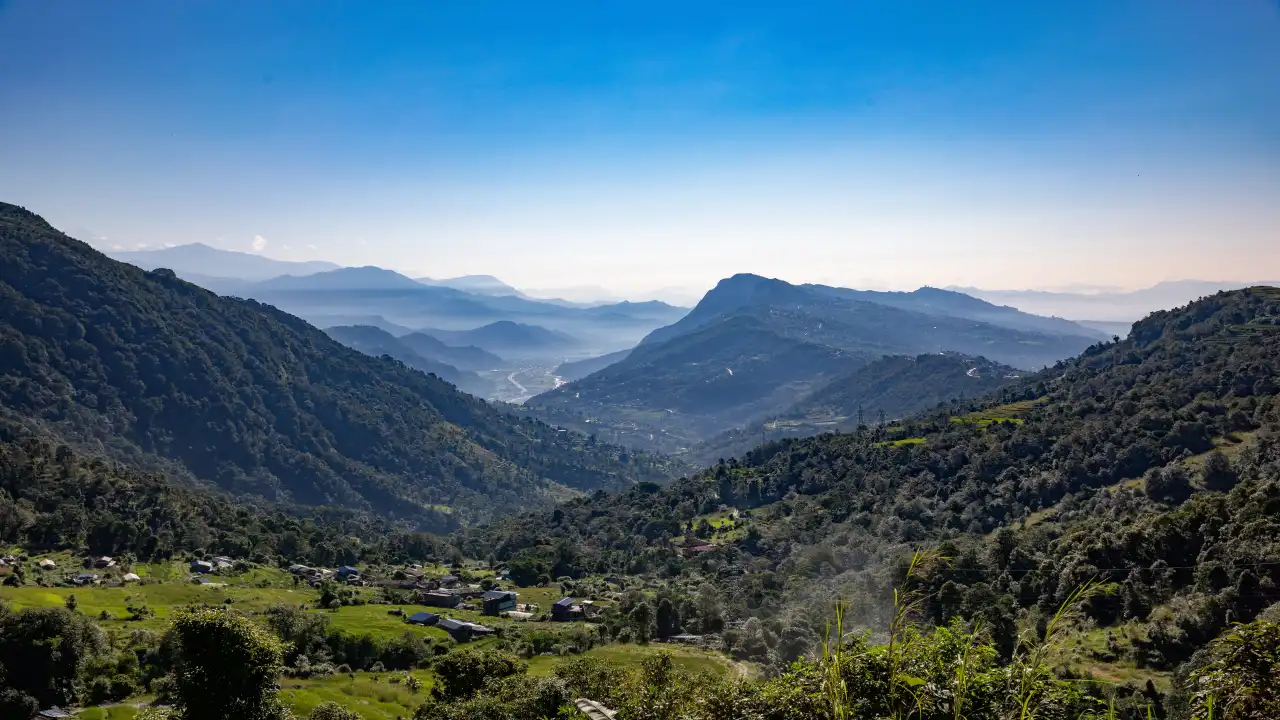
Nepal is right there on the map, just above India, but the shift when you actually land feels bigger than the distance suggests. The air changes first. Then the terrain starts folding into hills, and eventually the mountains take over everything in the background. It’s not dramatic in a cinematic way. More like a slow adjustment, your body notices before your brain does.
For Indian travellers, the appeal is practical before anything else. No visa stress, manageable costs, short flights. That’s why Nepal tour packages keep showing up on shortlists when people want something international without overcomplicating things. You get access to the Himalayas, temples that actually matter religiously, and places like Pokhara where time just... loosens a bit.
This guide isn’t trying to sell the idea. It’s more about what the trip actually looks like on the ground. Routes, timing, what works, what feels rushed, and where people usually misjudge things.
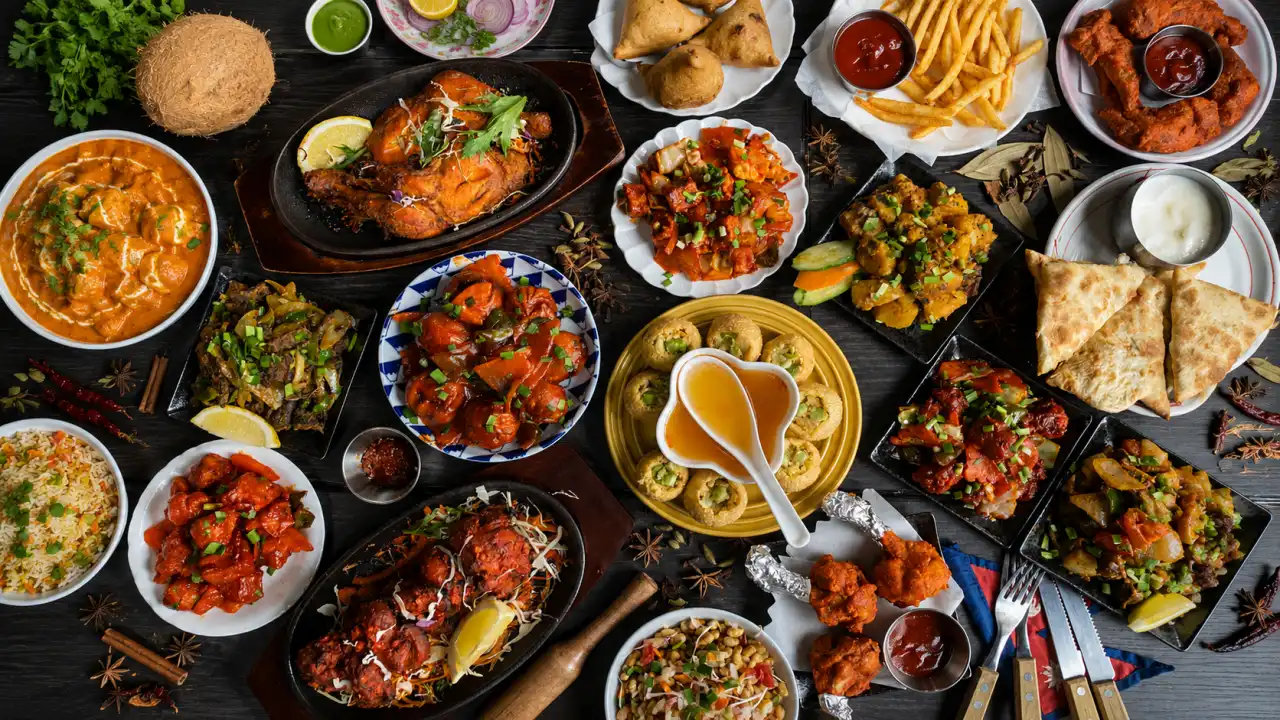
Nepal tour package works because it doesn’t force you into one kind of trip. You can keep it slow, or you can pack in temples, viewpoints, short treks, and still feel like you didn’t overdo it. Cost-wise, it’s one of the easier international trips for Indians. You won’t constantly feel like you’re converting prices in your head and worrying about overspending. Food is familiar enough. Not identical, but close enough that you don’t struggle.
Getting there is straightforward. Flights from Delhi to Kathmandu are short. Road trips via Gorakhpur are longer and a bit unpredictable, but people still do them to save money.
What stands out is how different experiences sit next to each other without much effort:
It suits different travel styles without trying too hard:
It’s not overwhelming. That’s part of the appeal.
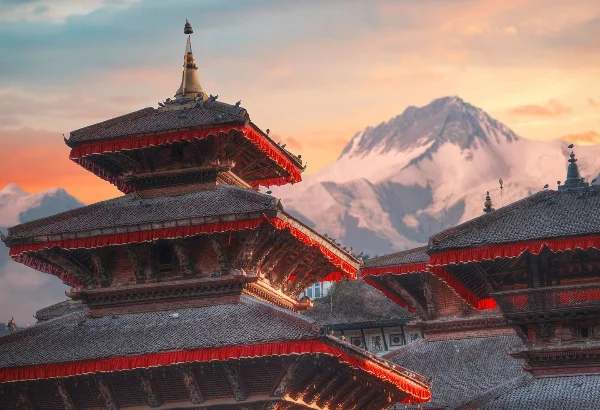
Kathmandu isn’t instantly likable. It’s busy, a bit chaotic, and doesn’t clean itself up for visitors. But give it a day, maybe two, and it starts making sense. The city revolves around religion and routine. Pashupatinath Temple is one of those places where you feel like an observer more than a visitor. The evening aarti happens every day, not for tourists, but you can stand there and watch it unfold.
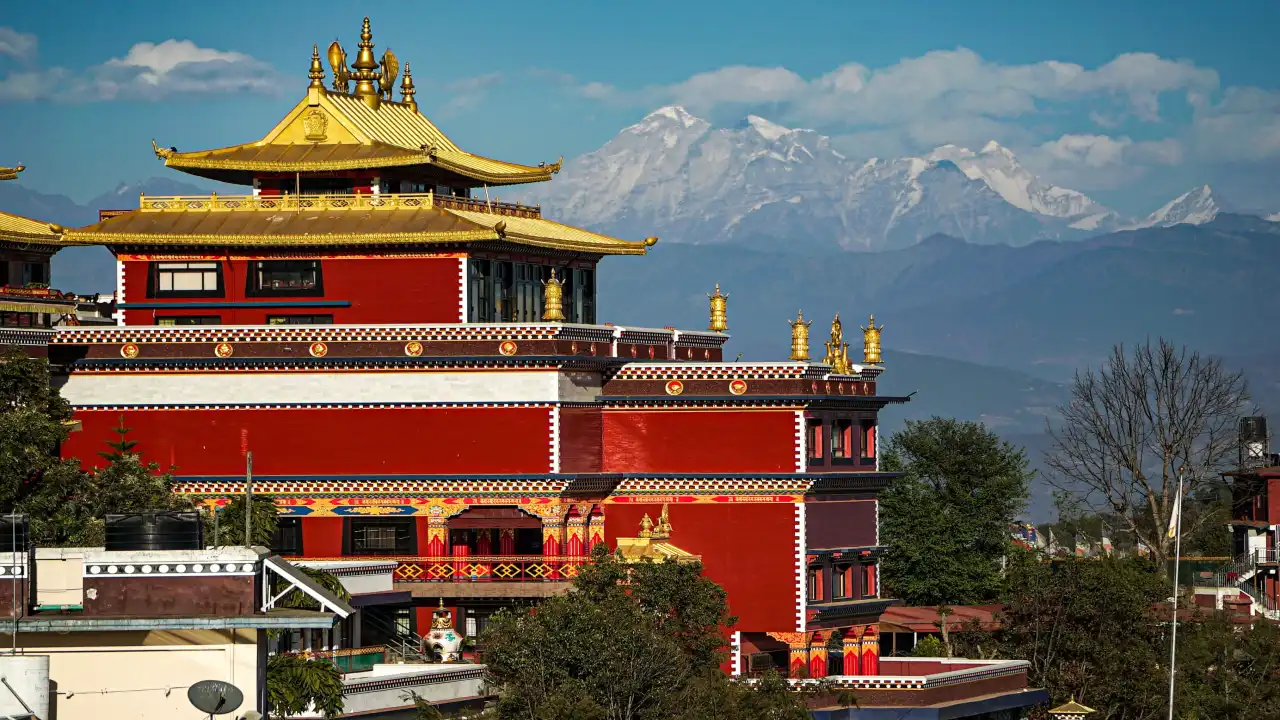
Boudhanath Stupa feels calmer. Wide open space, people walking in circles, prayer flags overhead. It’s quieter, even though it’s still busy. Then there’s Swayambhunath. You climb up, deal with monkeys trying to outsmart you, and end up with a wide view of the valley. It’s a bit chaotic, but that’s part of it.
Other things that just happen naturally here:
The best time to be here is October to December. Clear skies, less dust in the air.
Pokhara feels like someone turned the volume down. After Kathmandu, that difference is obvious. Everything centres around Phewa Lake. Most people stay near Lakeside, where you can just walk around without thinking too much about directions or traffic.
Things people usually end up doing:
Pokhara is also where the “activity” side of the Nepal tour package shows up:
For couples, this place works. It’s quieter, slower, and doesn’t need constant movement. Most Nepal travel packages keep at least two nights here, sometimes more.
Chitwan feels like a different country compared to the rest of Nepal. Flat land, dense forests, humid air. People come here for wildlife. The one-horned rhino is the main sighting. Tigers exist, but spotting one isn’t something you should expect.
What you’ll likely do:
It’s usually added as an extension. Not everyone includes it, especially on shorter trips.
Lumbini is quieter than most places in Nepal. Not in a “peaceful retreat” way. Just less movement, fewer crowds, more space. It’s known as Buddha’s birthplace. The Maya Devi Temple marks the exact spot, but the larger area includes monasteries built by different countries. You don’t rush here. You walk, maybe cycle, and move between zones slowly. There’s not much else to do, and that’s kind of the point.
Most Nepal tour packages cover the same places, but what people remember later are the smaller, in-between experiences. Nepal isn’t just about ticking off locations. It’s more about what you actually do in those places, and how much time you give yourself to not rush through them. Here are some activities that tend to stand out, without needing heavy planning.
This isn’t a “show.” It’s a ritual that happens whether tourists are there or not. You stand along the river, people gather slowly, priests move into position, and the ceremony begins almost without announcement. The sound builds gradually. Bells, chants, fire. If you stay long enough, the crowd fades into the background. It’s less about watching and more about just being there for it.
Most people visit during the day, but early morning feels different. Fewer tourists, more locals walking around the stupa in silence. Shops are half-open, and monks move in and out without much attention. You don’t need an agenda here. Just walk a few rounds, sit somewhere, maybe get tea from a nearby café. It’s one of those slow hours that doesn’t feel wasted.
Paragliding gets mentioned everywhere, but it’s not always guaranteed. Flights depend heavily on wind conditions.
When it works, you take off from Sarangkot and drift over the valley. The lake below, mountains in the distance, small houses scattered across the hills. It’s not extreme, more steady than people expect. If the weather doesn’t cooperate, you wait. That’s part of it.
This sounds basic, but it’s one of the better ways to slow things down. Rent a boat, row out toward the middle, and just sit there for a while. You’ll see reflections of the hills, occasional birds cutting across the water, and very little noise. Most people don’t stay long enough. If you do, it changes the pace of your day.
You don’t need a long trek to experience Nepal’s trails. Short routes like the Ghorepani Poon Hill trek are manageable even for beginners. Early mornings are the main thing here. You start before sunrise, walk in low light, and reach a viewpoint where the mountains slowly come into view. No rush, no crowds if you time it right. It’s less about distance and more about the rhythm of walking.
Thamel is chaotic, crowded, and designed to pull you in. Shops selling trekking gear, souvenirs, food, and everything are stacked close together.
But if you walk through without trying to shop, it becomes more interesting. Watch how people move, how shopkeepers negotiate, how small streets branch off into quieter corners. You’ll still probably end up buying something. Most people do.
Skip the bigger restaurants at least once. Walk into a smaller place that looks average and try:
Food here isn’t about presentation. It’s straightforward, often repetitive, but it grows on you.
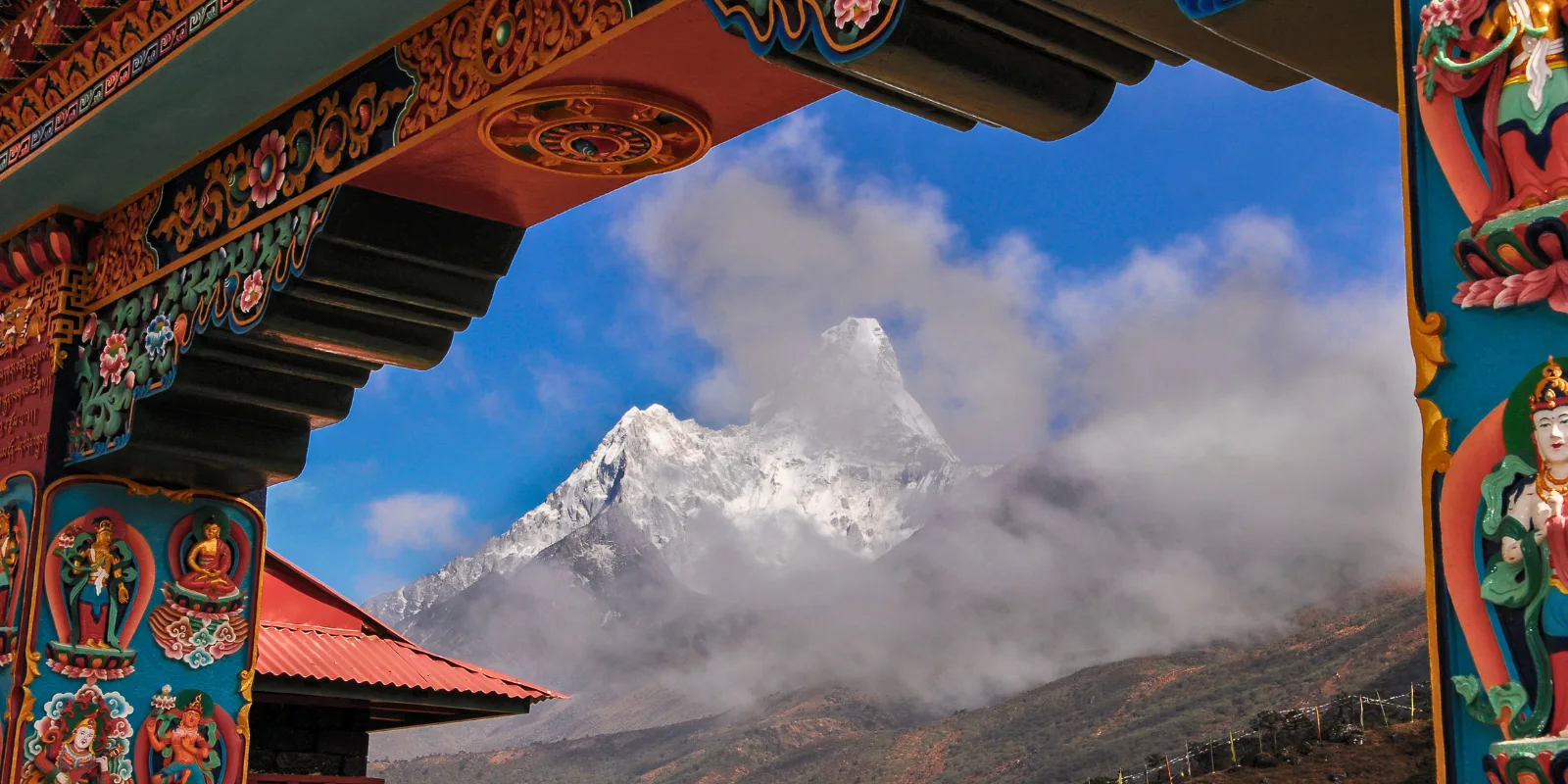
This one depends on the weather more than anything. Some mornings are completely covered in clouds. But when it’s clear, the mountains show up slowly. Not all at once. Light hits different peaks at different times. People get quiet without being told to. It’s a simple experience, but timing matters.
This sounds like a non-activity, but it’s worth including. Sit by the lake, walk aimlessly, stop for tea, don’t check the time. Most trips feel rushed. Pokhara is where you can ease off a bit without missing anything important.
Most trips follow a similar structure. It works, even if travel times stretch things a bit.
Day 1: Arrival in Kathmandu
Check in, short walk around Thamel.
Day 2: Kathmandu Sightseeing
Pashupatinath, Boudhanath, Swayambhunath.
Day 3: Travel to Pokhara
Drive or fly. The road takes longer than expected.
Day 4: Pokhara Sightseeing
Lake, temples, caves, waterfalls.
Day 5: Activities or Rest
Paragliding, short hikes, or just doing nothing.
Day 6: Return to Kathmandu
Back by road or flight.
Day 7: Departure
Shorter trips (3 days) stick to Kathmandu. Longer ones (10 days) add Chitwan or Lumbini.
The best time to visit Nepal is from October to December because the skies stay clear and mountain visibility is better. March to May is also popular for trekking and outdoor activities.
Family Experience
One family travelling with Travel Junky said Kathmandu felt a bit overwhelming at first. But the temples stood out. Pashupatinath wasn’t staged or polished, which made it feel real. Pokhara was the opposite. Slower days, cleaner air. Sarangkot sunrise didn’t fully cooperate, but when the clouds cleared, it made up for it.
Couple Experience
A couple focused mostly on Pokhara. Less sightseeing, more just staying near the lake. Paragliding ended up being the highlight, not just for the activity but for the view it gave. Evenings were simple. Walking, eating, nothing planned.
Ratings Snapshot
Photos usually show mountains and lakes. But most people remember the pace more than the visuals.
Most Nepal tour packages include hotels, local transport, and sightseeing. If you’re booking a Nepal trip package, check what’s excluded. Entry fees, activities, and meals can quietly increase the total.
Packages vary depending on how you travel:
The difference usually comes down to how packed the schedule is.
Nepal isn’t difficult to travel in. But it doesn’t run on tight schedules either. If you go in expecting everything to be exact, it might feel frustrating. If you leave a bit of space in your plan, it works better.
So go grab your Nepal tour package now and have an experience of a lifetime!
Your Next Adventure
Is A Click Away
Let our specialists build a journey that fits your life, not the other way around. No cookie-cutter tours — just thoughtful, personalised travel.