Must-Try Foods in Nepal: Traditional Dishes You Shouldn't Miss
Introduction
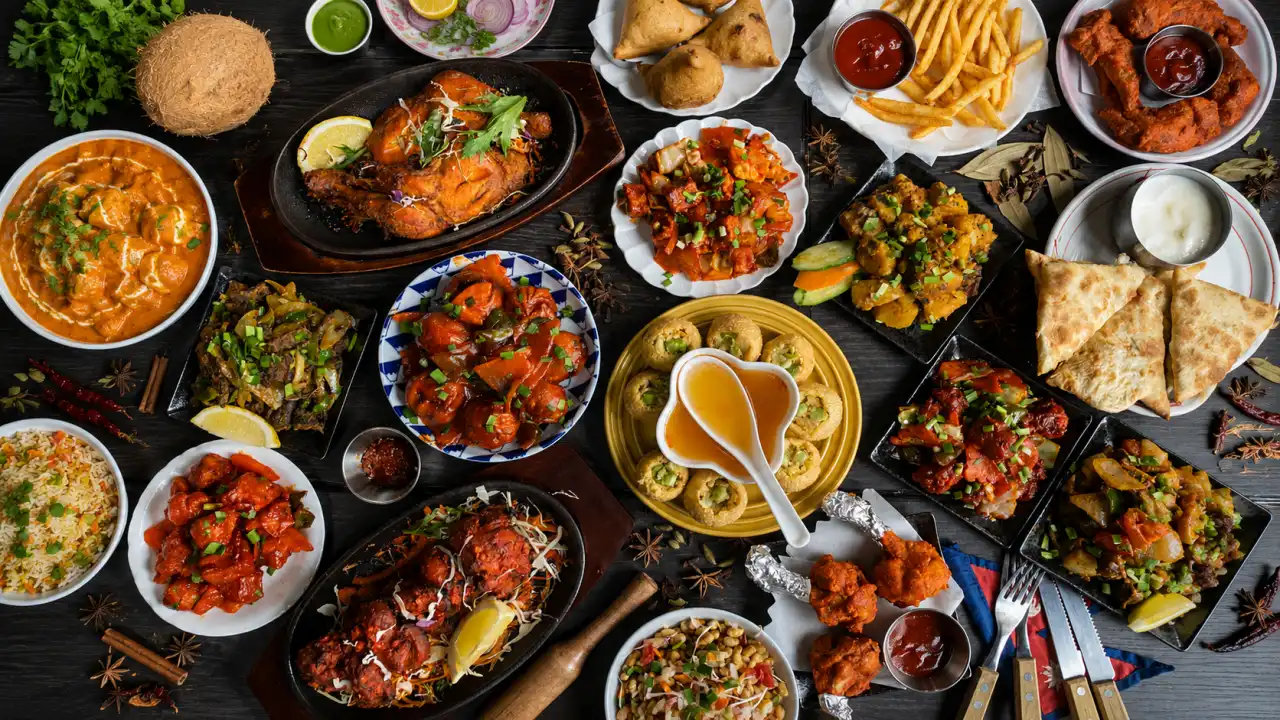
Anybody who has been to Nepal will likely mention food first if you ask them what they remember best. Yes, the mountains are gorgeous and the temples you will never forget but perhaps a lot of the best memories come from sitting in a little hole-in-the-wall restaurant with some local food. That is where you actually experience daily life. Nepal is varied, and every bit of it has something to put on the plate. The recipes might be basic, but packed with history and made with staple food that people have relied on for generations. For anyone visiting Nepal, sampling these Must-Try Foods in Nepal is as important as sightseeing. Many travelers choose a Nepal trip package because it gives them the chance to explore different regions and discover local food along the way.
Why Nepali Food Feels Different
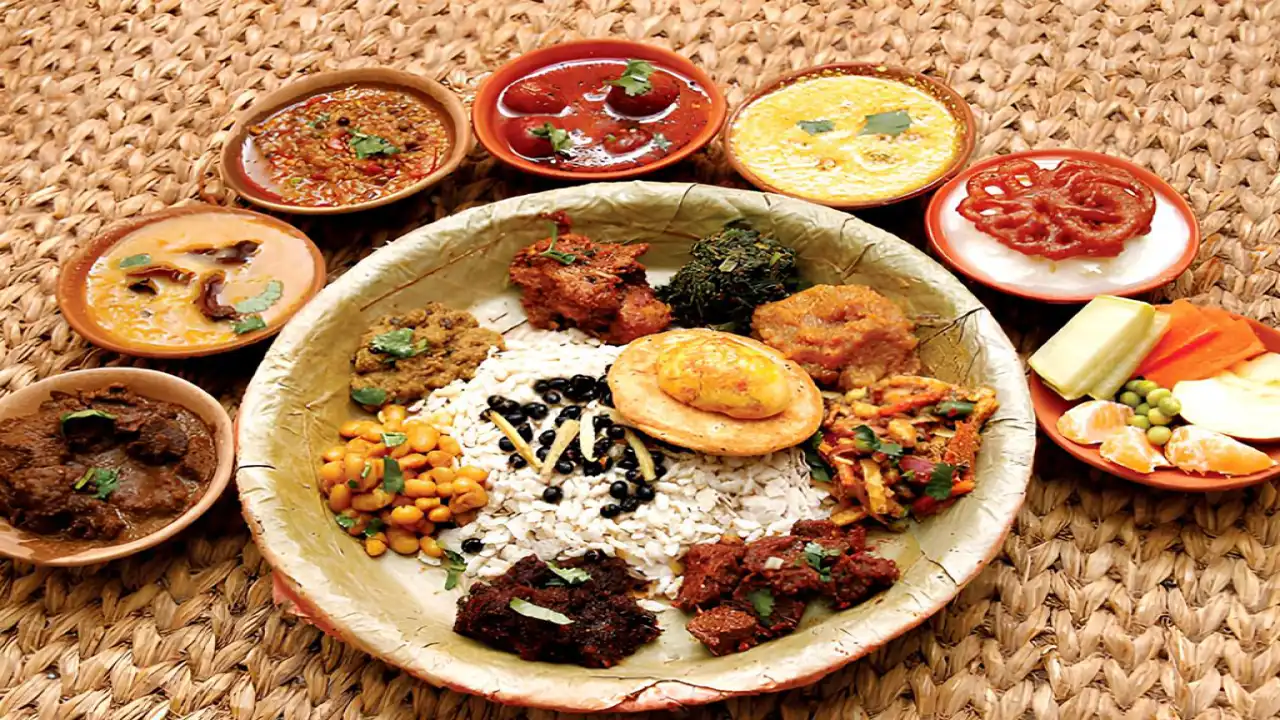
Nepal is located between India and China, which accounts for a sizable portion of its recipes, explaining why many of its recipes are influenced by those two countries. The food is mostly rice and lentils, seasonal vegetables, herbs and spices to add flavor without setting the taste buds on fire. Try stepping into a cozy family eatery, and you would probably get something else to witness. The food isn't rushed. Many dishes are prepared fresh, eaten warm, and enjoyed at your leisure rather than eaten across the street on the go.
Pro Tip: A busy local small restaurant at lunchtime is likely to be more reassuring than a posh restaurant with deserted tables.
Dal Bhat – The Meal That Never Gets Old
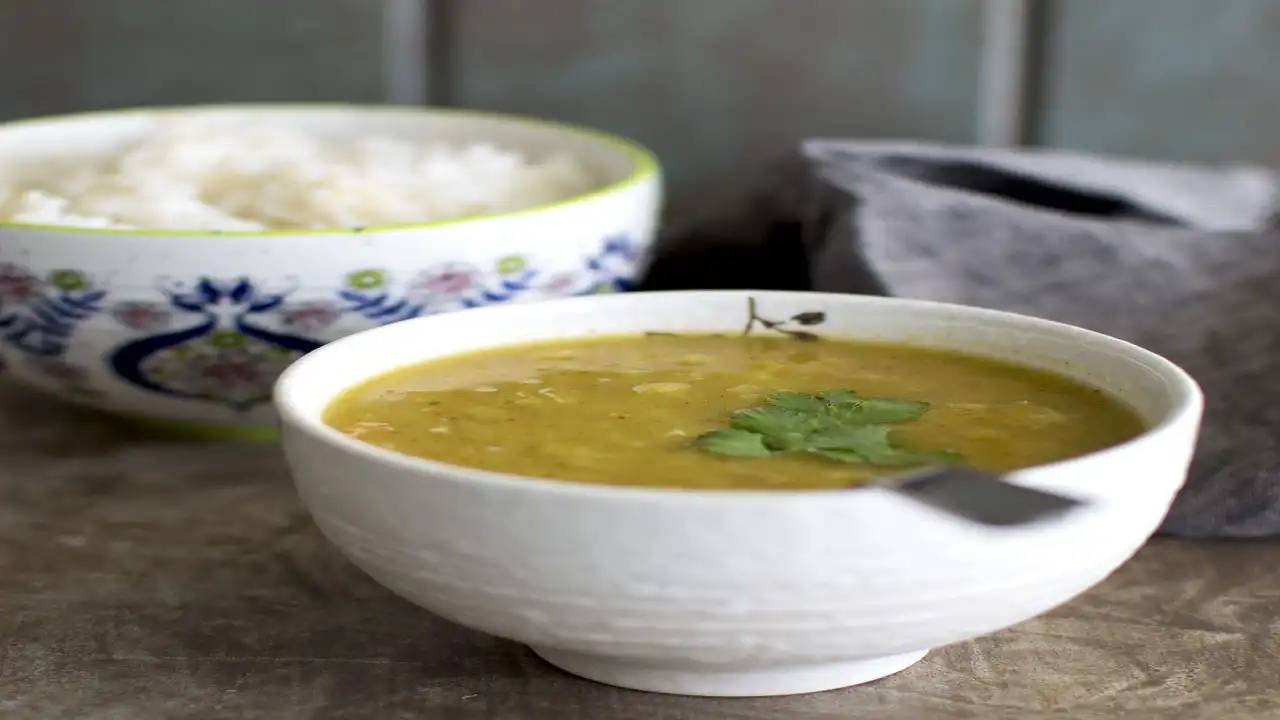
Dal Bhat is the heart of everyday eating in Nepal. It can seem like a very simple plate of rice, lentil soup, vegetables, pickles, and sometimes meat. Then you understand why it keeps getting ordered again and again. It is so filling; it has all food parameters balanced, and well, in a way comforting. Some restaurants even do unlimited refills, so if someone asks you if you want more, you'd better believe that. The trekkers love it because it gives you energy for hours and locals love it simply because it's local food.
Momo – Everyone's Favorite
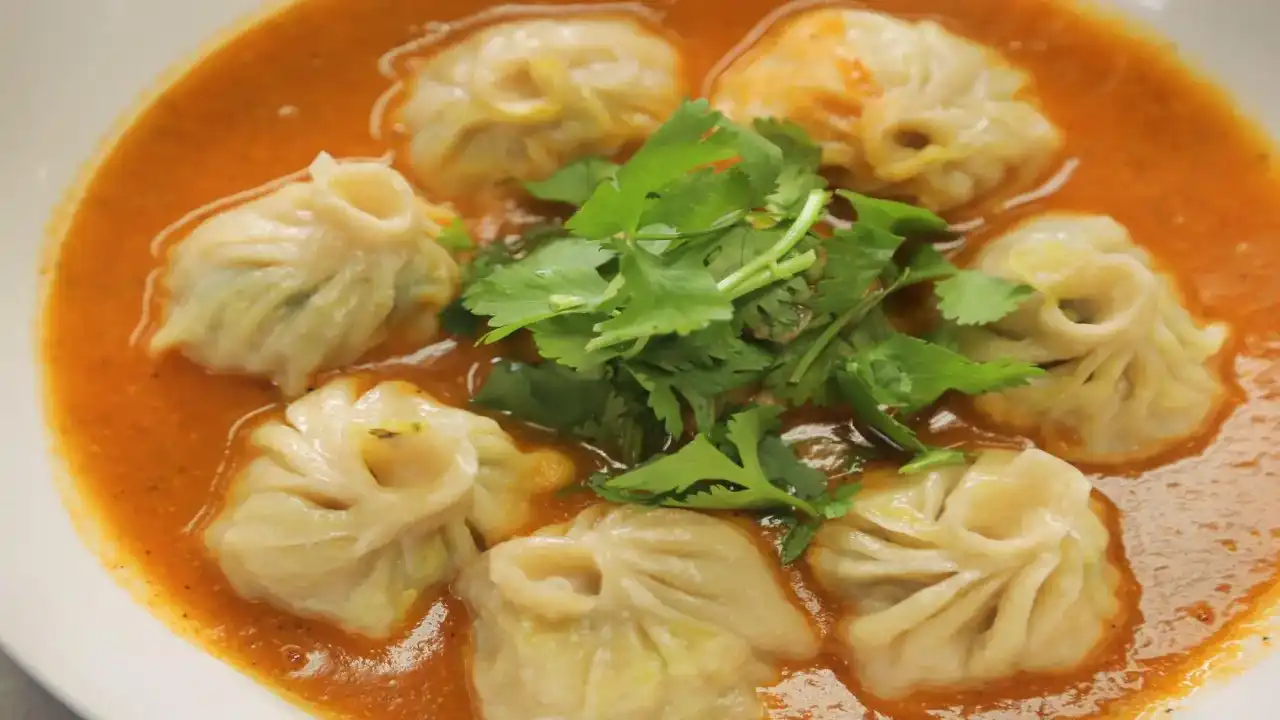
In Nepal, you can't go two minutes without coming across Momos! Little dumplings stuffed with either vegetables, chicken, or even buffalo meat or pork and boiled or fried with a spicy dipping sauce that becomes almost as famous as the dumplings themselves. You will find them in anything from street food stands to restaurants and they devour off your plate faster than any other dessert.
Thukpa – Comfort in a Bowl
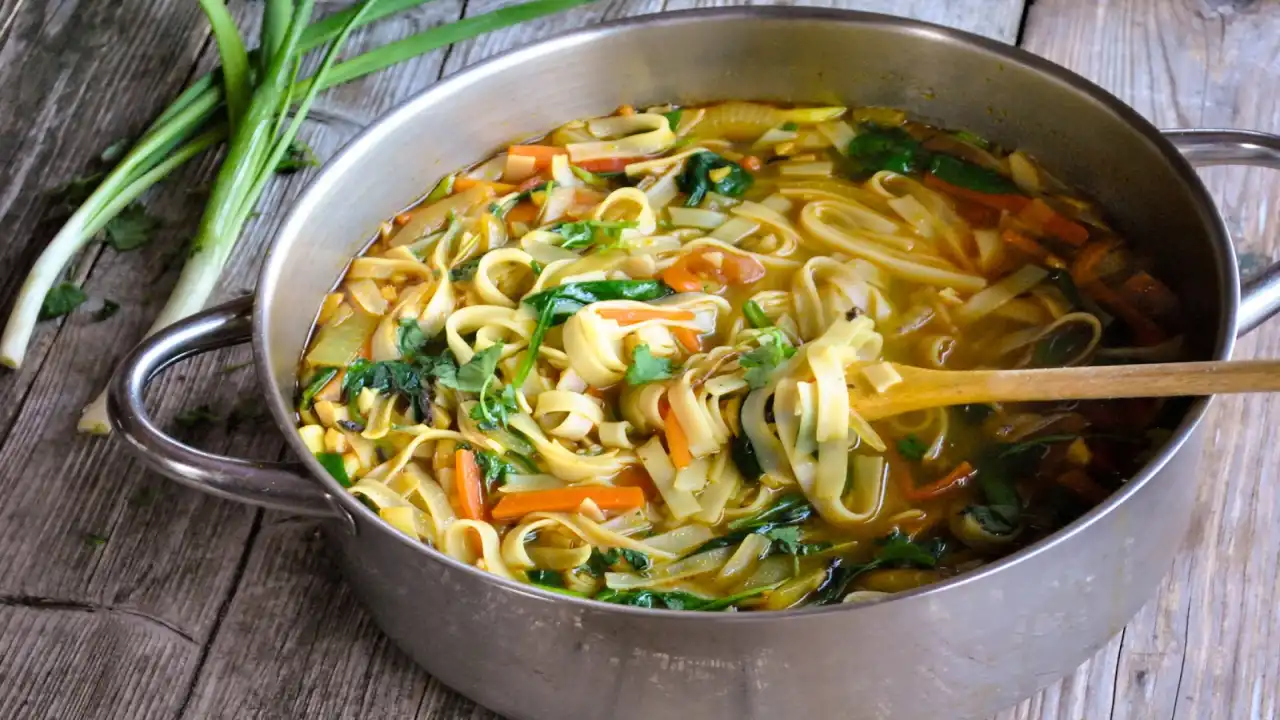
A Thukpa, along with the chilly weather, is a perfect combination. It is a noodle soup that includes vegetables, herbs and at times meat, which is especially popular in the Himalayan regions. It is warm, hearty, and precisely what you need after walking all day and half the night.
Sel Roti – A Festival Favorite
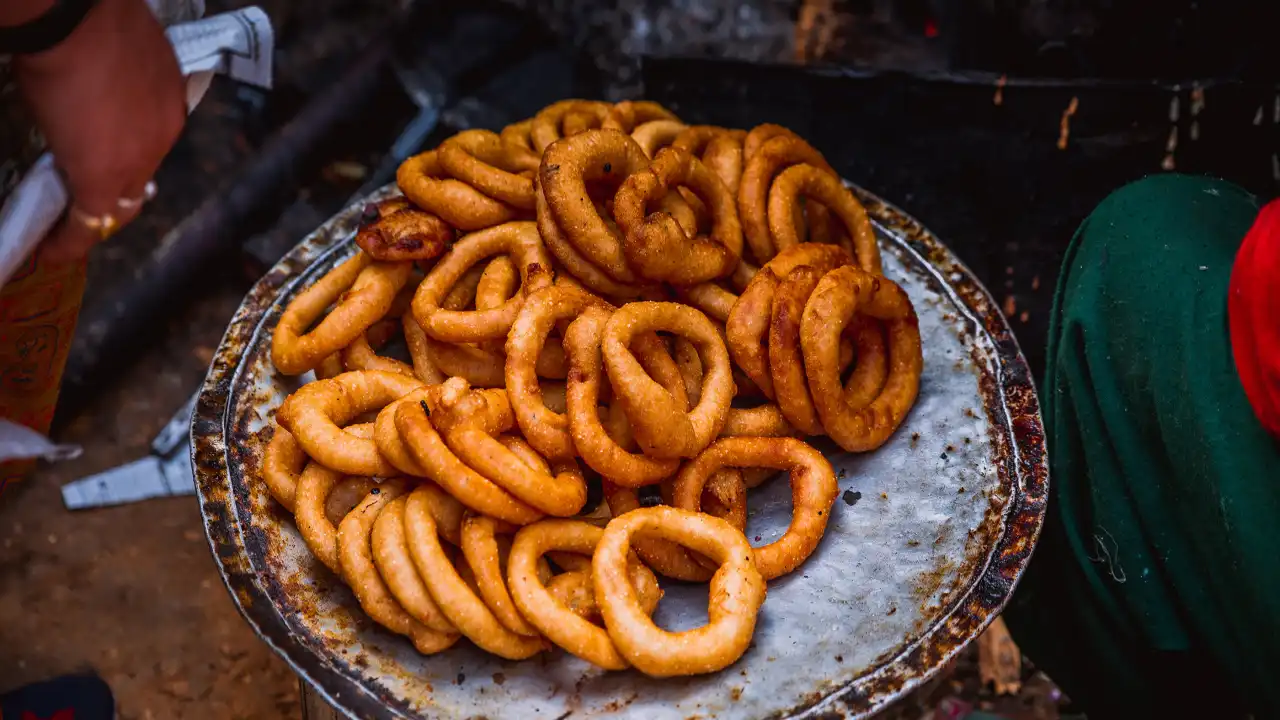
One of those Traditional Nepali dishes that you can never forget, and Sel Roti surely makes it among the most popular ones. They are made of rice flour, sweetened lightly and fried into a ring shape with crispy edges but tender inside. It is made during festivals like Dashain and Tihar but you will find it year-round in bakeries as well. One of those simple combos that are unbeatable is a cup of tea and freshly made Sel Roti.
Yomari – A Dessert with Tradition
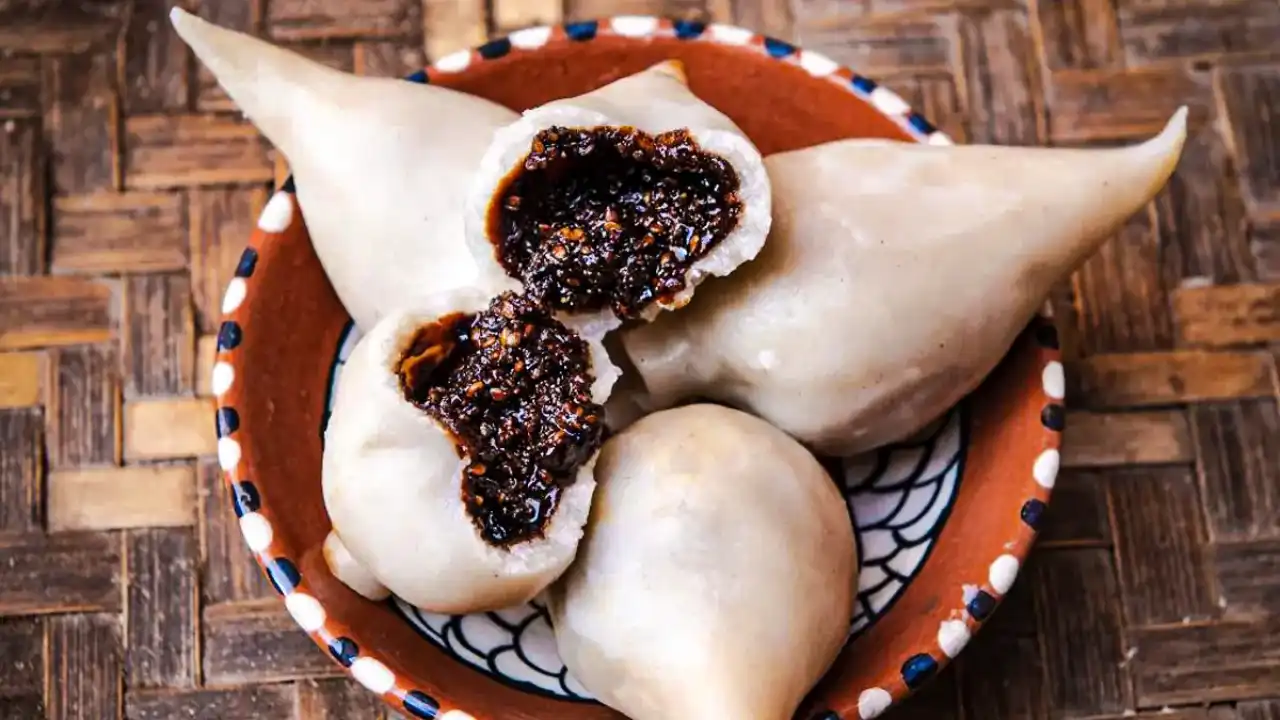
Yomari is one of those sweets that make you say "wow" even before putting it in your mouth. Traditionally and culturally very closely tied to the Newar community, they consist of rice flour dough with a molasses or sesame seeds or coconut filling and are culturally very closely associated with the Newar community and the Yomari Punhi festival. According to tradition, its shape symbolizes prosperity, so this dessert is not just any other dessert.
Chatamari – Nepal's Own Twist
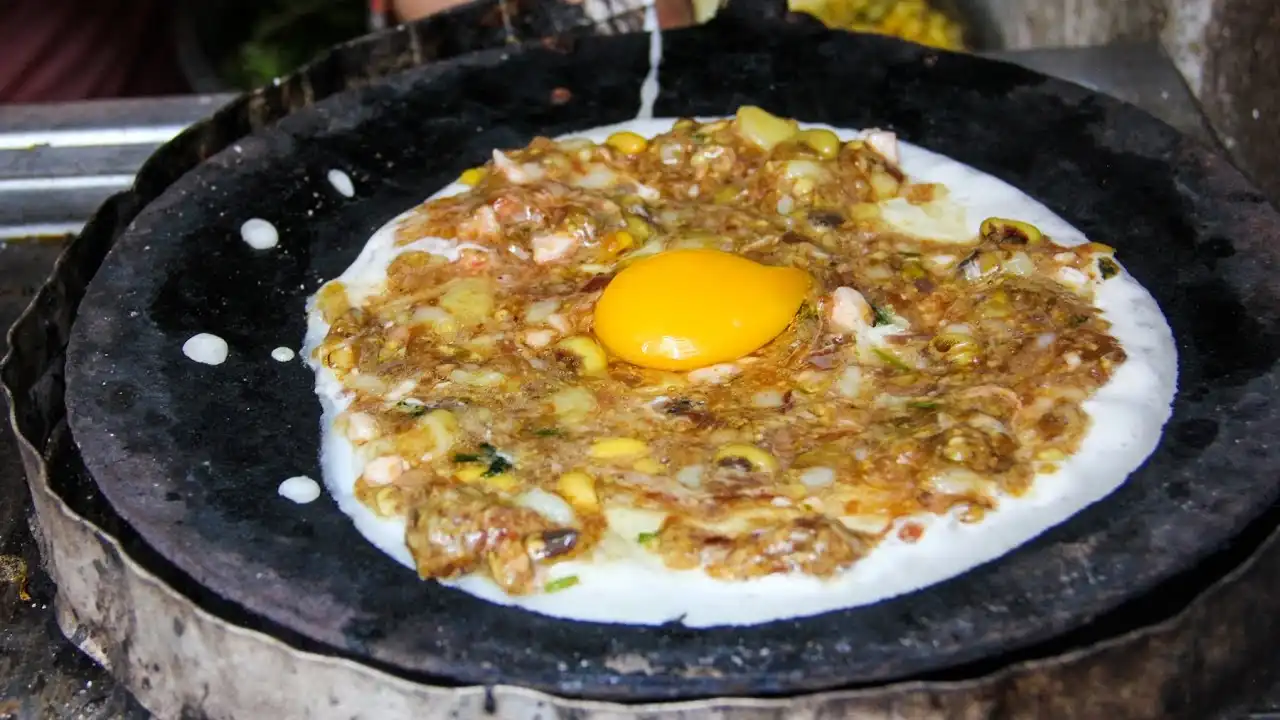
Chatamari is often compared to pizza, but it's only partly true. It replaces bread with a thin rice flour base covered with eggs, minced meat, vegetables, onions and spices. It's savory, refreshing and perfect for lunch when you don't want rice for the hundredth time.
Gundruk – An Acquired Taste
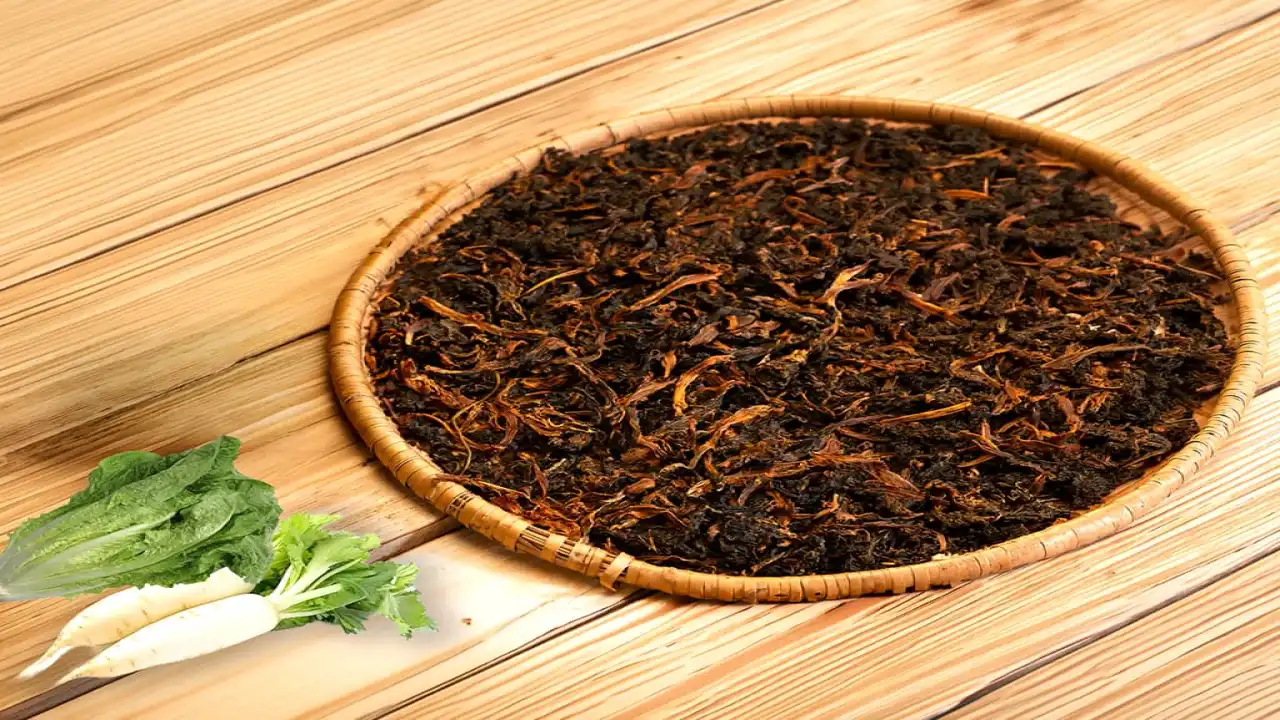
Not everything convinces everybody at first bite. Gundruk- fermented leafy vegetables with a sour flavor that you may never taste anything similar to if it's from abroad. Some fall in love with it straight away; for others, it takes a second go. Either way, it's a big part of Nepali food culture and something you should try at least once.
Dhido – Simple but Filling
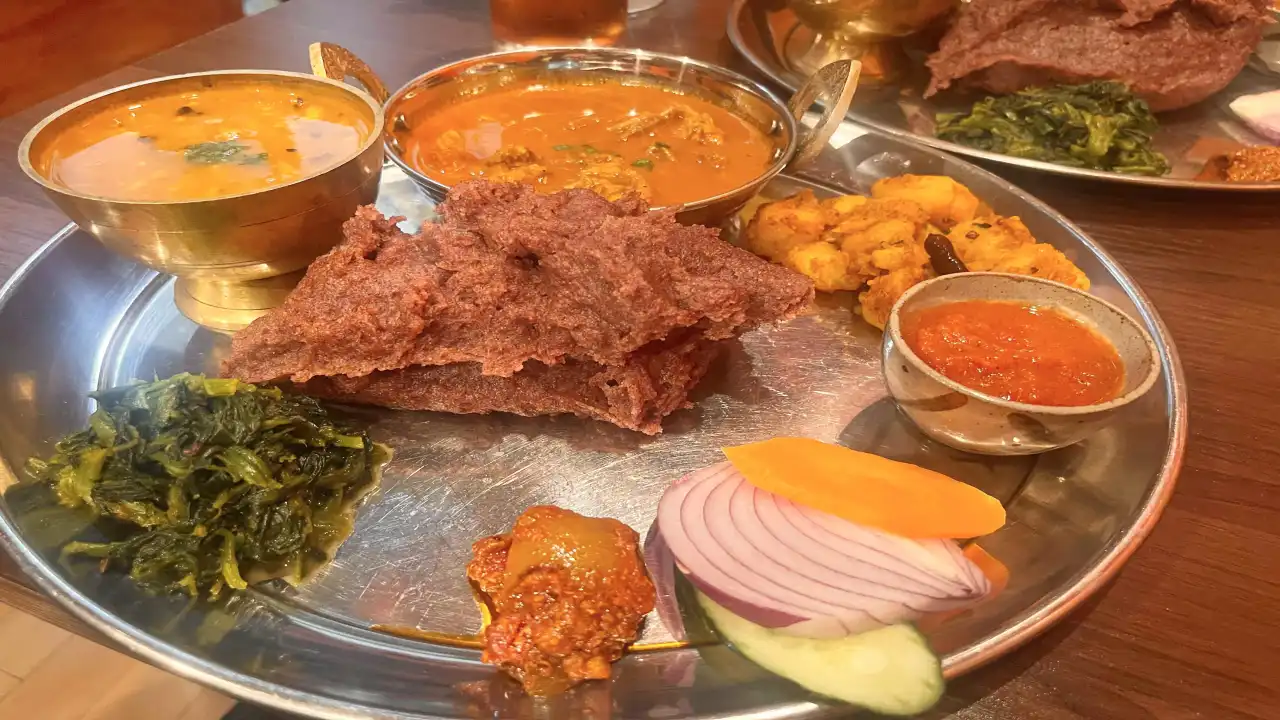
For generations, Dhido has been the food for people of Nepal's mountain families. Usually eaten with lentils, vegetables or meat curry made using millet, maize or buckwheat flour. It's not glamorous but a lot of people end the proverbial day in the outdoors just happy to have such a last meal.
Choila – For People Who Like Bold Flavors
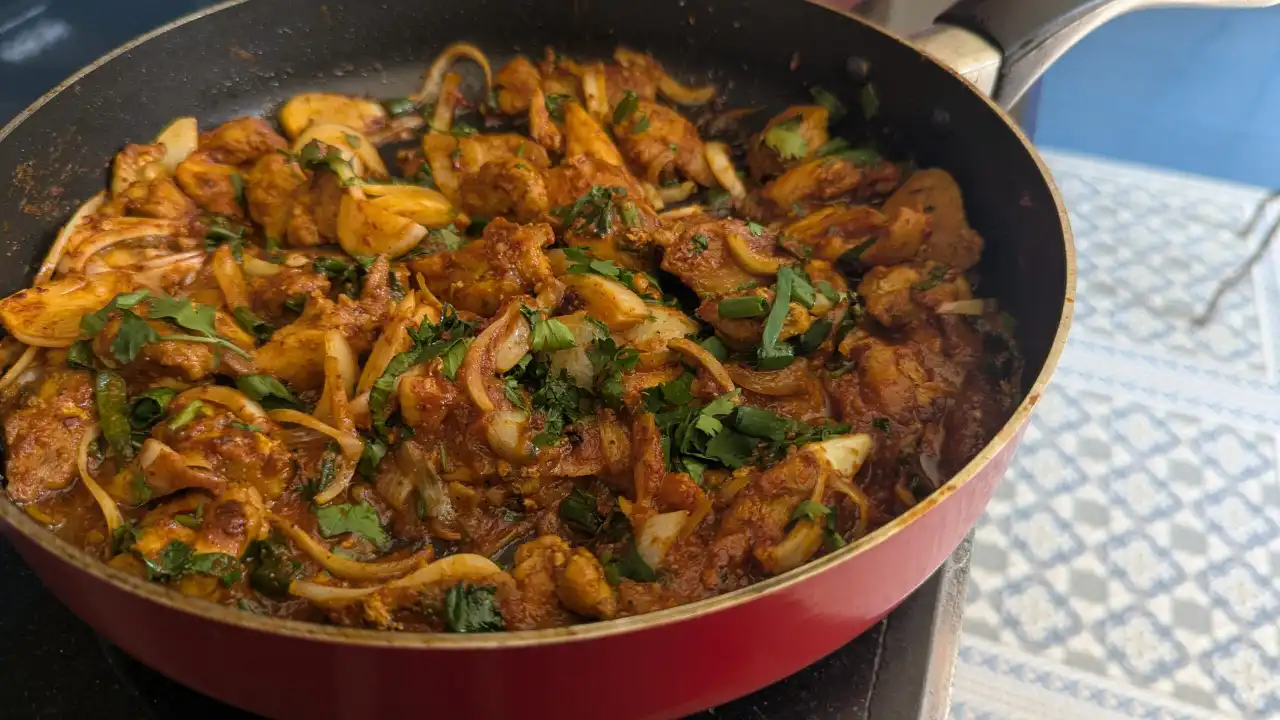
Choila is full of smoky, spicy flavor. The meat is grilled and then combined with further garlic, ginger, mustard oil, green chilies and locally grown spices then served with beaten rice or other side dishes. It's very common in Newari restaurants and frequently found at festivals and family get-togethers.
Juju Dhau – The Famous Yogurt
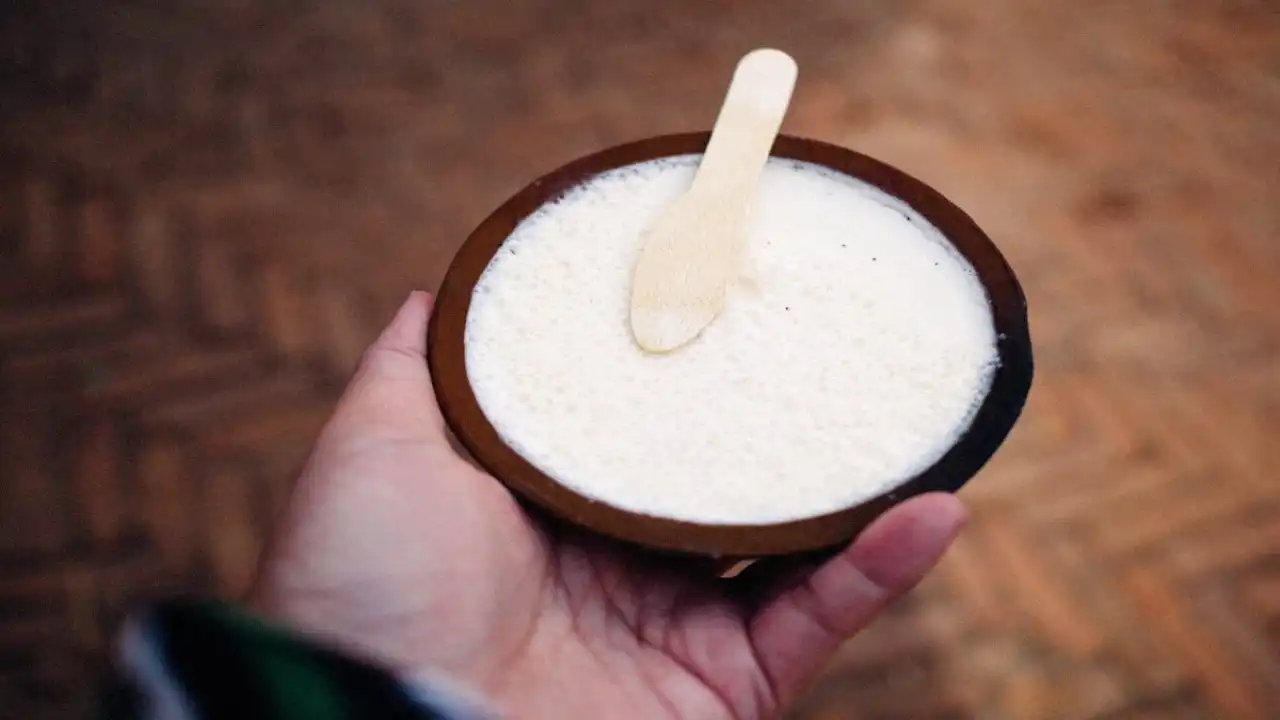
A Must-Try If You Visit Bhaktapur. The name translates to "King Yogurt," and after one mouthful, we can see why. It's a refreshing finish to a meal without feeling too heavy. Often the most straightforward desserts are memorable.
Bara – A Snack Worth Finding
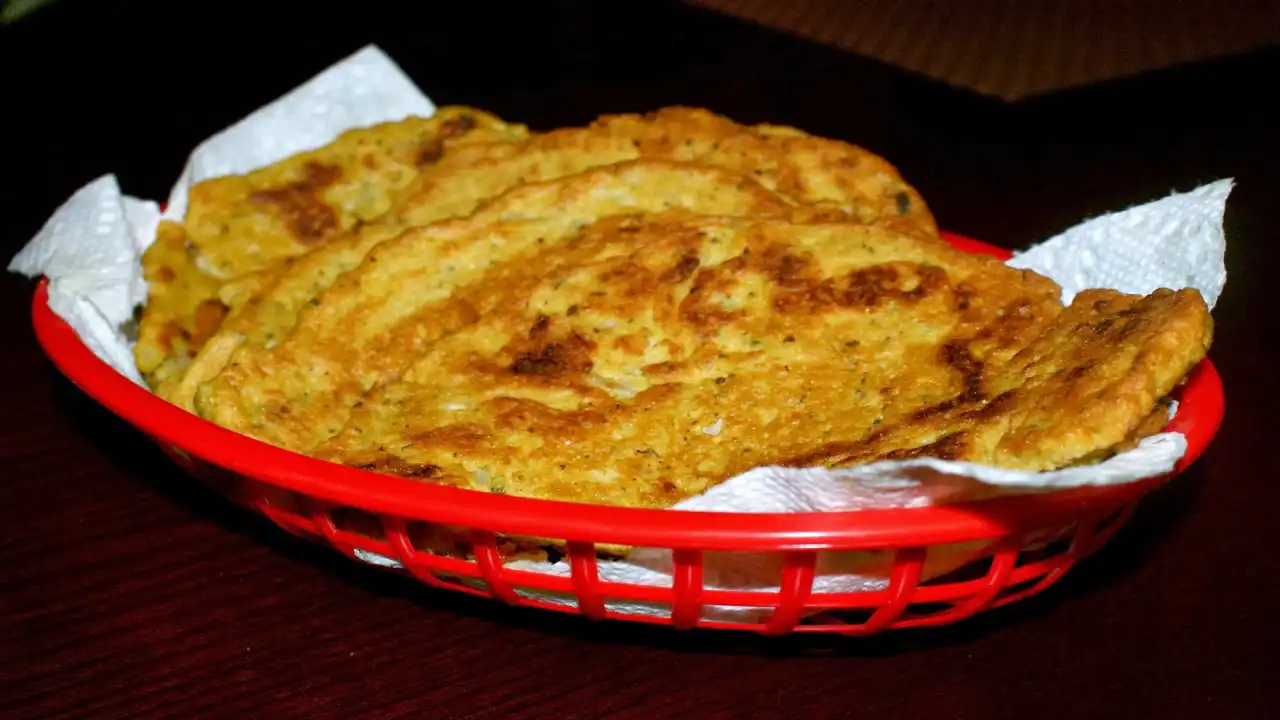
Bara is prepared from black lentils and cooked into thick pancakes. Others contain eggs or minced meat, and some have no meat at all. Hot out of the pan, crispy on the edges and soft in the middle. Fill enough portion for lunch, but it can also be eaten as a quick snack while walking around the city.
Sekuwa – Grilled the Traditional Way
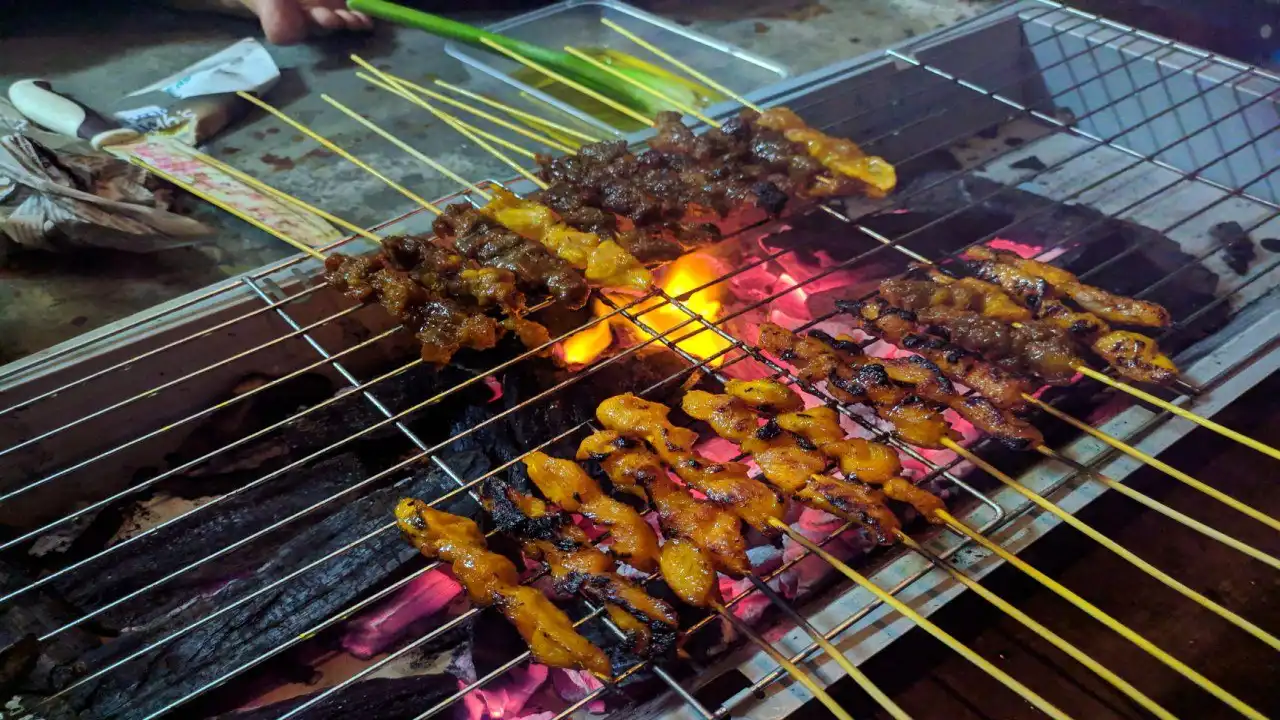
When talking about Famous Food in Nepal, Sekuwa deserves a place near the top. Chunks of marinated meat are grilled over charcoal until they're smoky, juicy and packed with flavor. It's the kind of dish people often order to share, though it rarely stays on the table for long.
Conclusion
Funny how food finds a way into becoming some of your memories related to travel. So you will not recall every street you walked down months after the trip, yet the steaming plate of Dal Bhat at the end of a long day or that first bite into a freshly made Momo. There is nothing in Nepali cuisine that relies on expensive ingredients and complicated recipes. It is therefore real, warm, part and parcel of everyday life. Slow eating, the way locals do, gives you a deeper understanding of the country while introducing you to memorable coffee breaks and traditional meals, especially when you explore with a Domestic Trip Package by Travel Junky.
A Few Food Tips Before You Go
Trying local food is part of the adventure, but a little caution never hurts.
- Pick restaurants that locals actually visit.
- Drink bottled or filtered water.
- Start with mild spice if you're unsure.
- Eat food that's freshly prepared.
- Carry basic medicine for an upset stomach.
- Don't skip local desserts; they're often memorable.