Top 5 War Places to Visit in Vietnam: Explore Historic Battlefields and Memorials
Most people think of Vietnam and picture beaches, green rice fields and noisy, busy cities. Fair enough. But the history here is just as interesting, and honestly, you can’t really get the country without it. There are landmarks all over that show the struggles, the fighting and the sacrifices that made modern Vietnam what it is.
The War Places to visit in Vietnam include underground tunnels, war museums and old military bases. Cu Chi Tunnels, the War Remnants Museum and Hoa Lo Prison are the famous ones, and they all tell the story from a different angle. If you’re an Indian traveller, these places can make a nice change from the usual holiday plan. With a Vietnam trip package, you can mix Vietnam’s history with local food, culture and the regular sightseeing spots. A bit of both, basically.
What are the best Vietnam War sites to visit?
Here are the five best Vietnam War sites to visit for exploring the country's historic tunnels, battlefields, museums, and wartime memorials.
1. Cu Chi Tunnels, Ho Chi Minh City
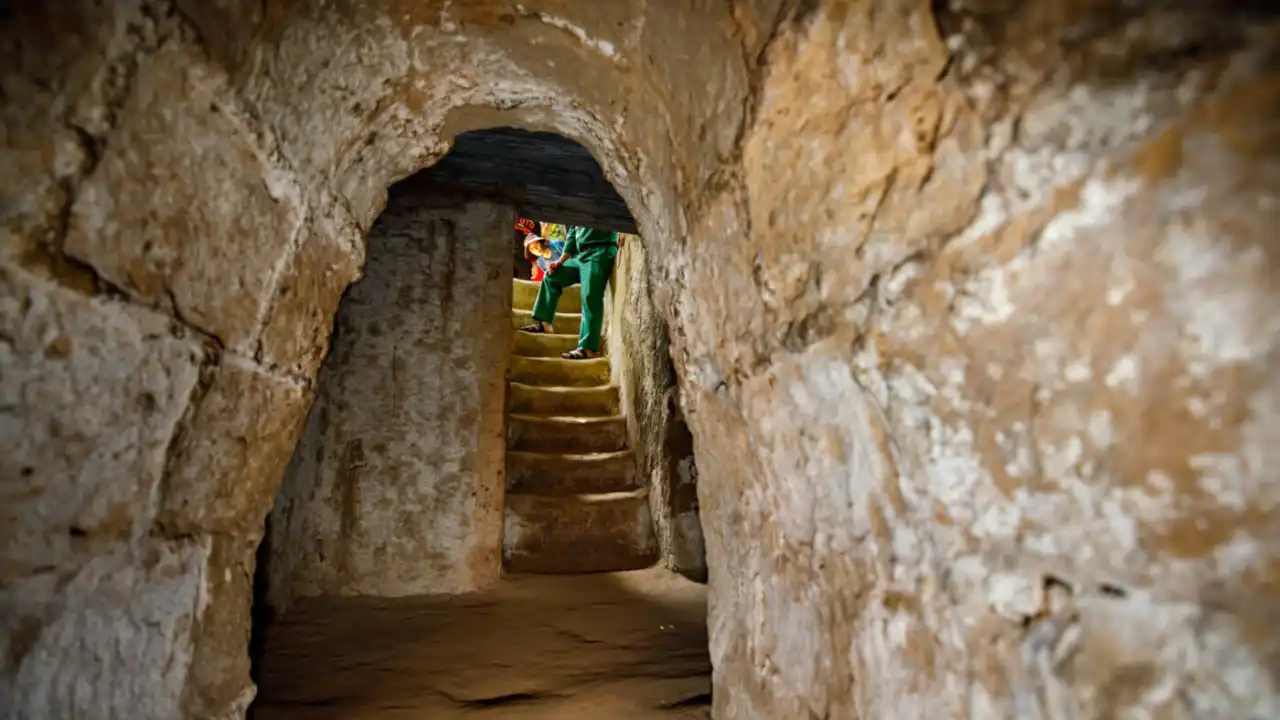
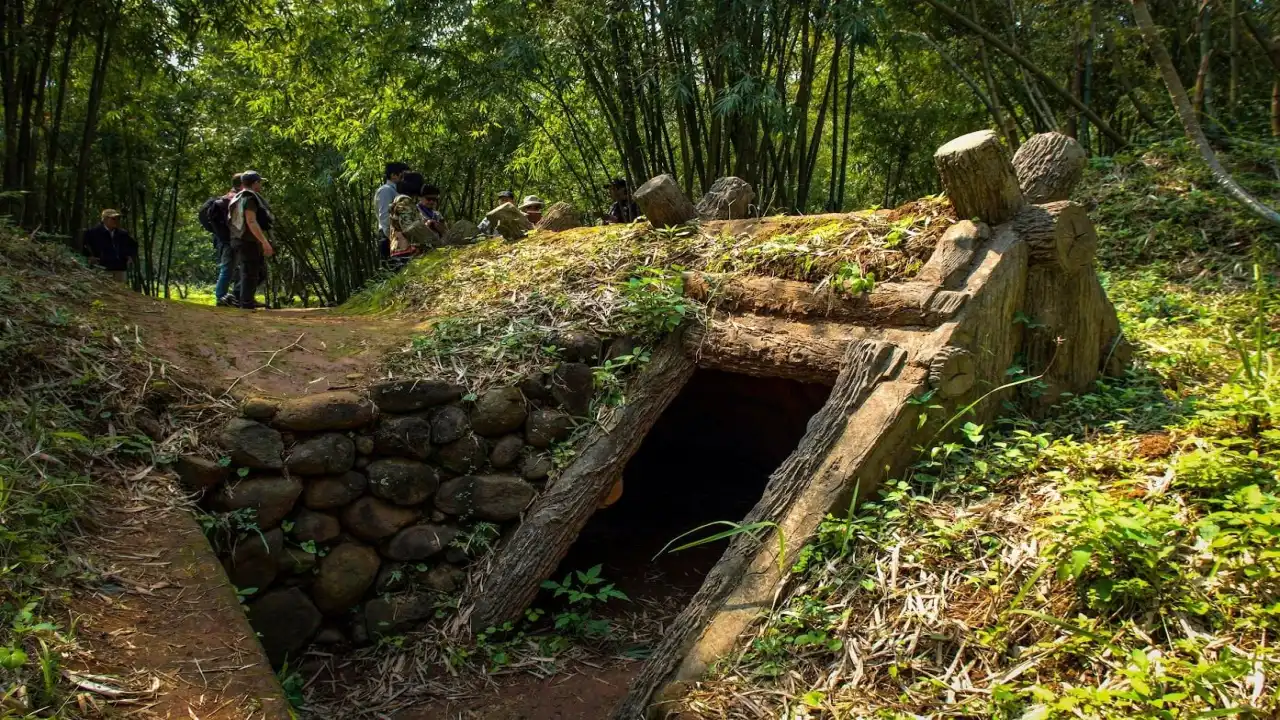
The Cu Chi Tunnels are among the most talked-about Vietnam War sites. They’re just outside Ho Chi Minh City, and the whole thing is one big underground network. During the war, Vietnamese forces used it to hide, keep supplies, send messages and move around without being seen. You can walk through some of the opened sections and look for the hidden entrances. Honestly, they’re so well hidden you’d walk right past them. You also get to see how people lived down there day to day. Some parts are narrow and tight, and you’ll feel it. Not everyone enjoys that, and that’s fine.
Things to explore:
- Walk through selected underground tunnels.
- See displays of wartime equipment and hidden entrances.
- Learn about underground living and military strategies.
Pro tip: Wear comfy shoes and carry water. It gets hot, sticky and a bit airless. Travelling with kids or older family members? Check tunnel accessibility before you go, not after.
2. War Remnants Museum, Ho Chi Minh City
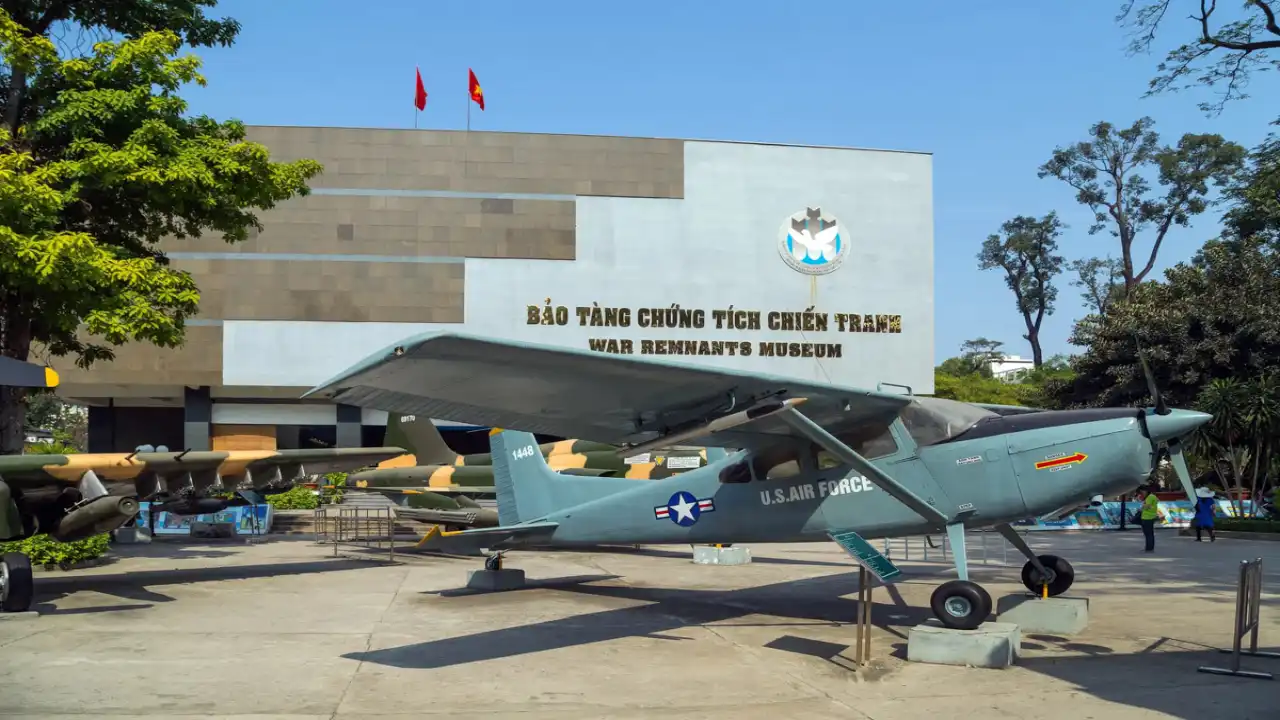
The War Remnants Museum shows what the Vietnam War did to regular people, not just soldiers. You’ll find old photographs, documents, military vehicles and exhibits about what soldiers and civilians lived through. A few displays cover chemical warfare and the damage that lasted for years afterwards. It’s heavy. No point pretending otherwise. So don’t hurry. Slow down and read what’s on the walls, because that’s where the real story is.
Things to explore:
- View historical photographs and wartime documents.
- See aircraft and military equipment displayed outside.
- Learn about the effects of war on Vietnamese communities.
Pro tip: Give it around two hours. For Ho Chi Minh War Museum tickets, look at the museum’s official website for the latest admission info and opening hours. These things change.
3. Vinh Moc Tunnels, Quang Tri Province
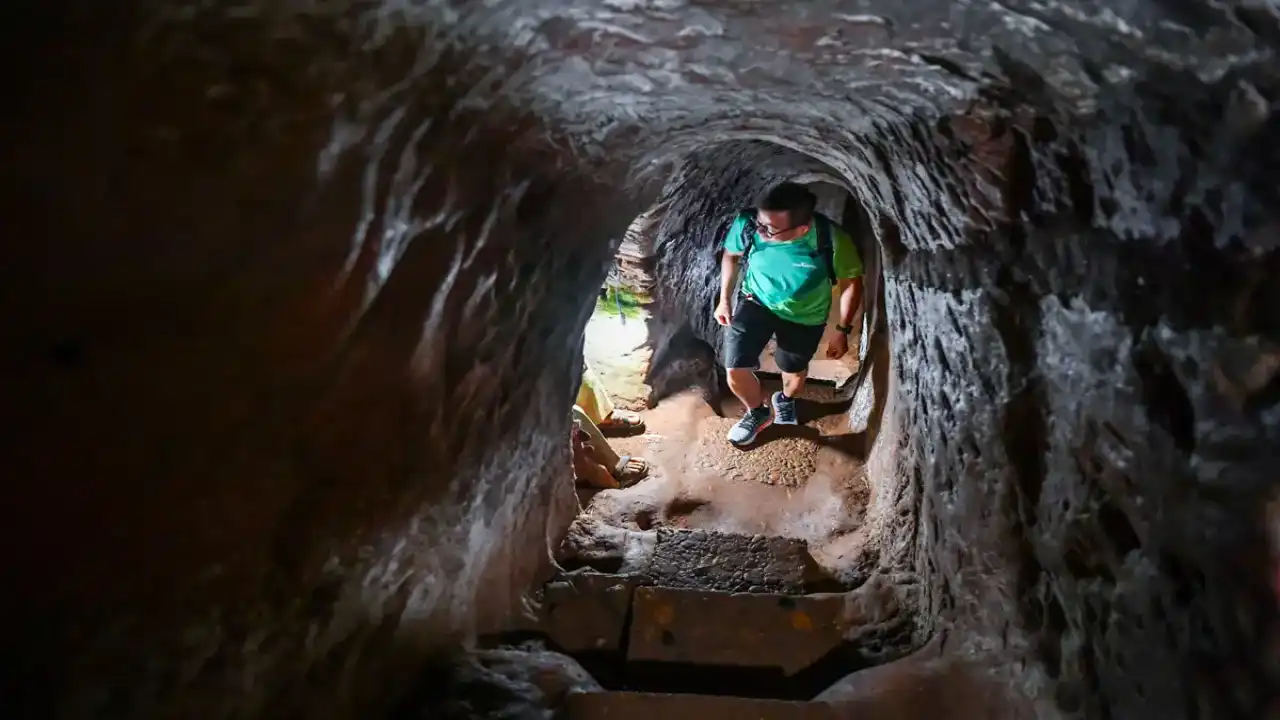
The Vinh Moc Tunnels are in central Vietnam. Villagers dug them to protect themselves from bombing. Villagers, not an army. Inside there were places to sleep, meeting areas, wells and other things people needed to get through each day. A lot of war sites are all about military action. This one isn’t. Vinh Moc shows how ordinary families kept going in awful conditions. Some sections are still open, so you can see it yourself.
Things to explore:
- Walk through preserved underground passages.
- See areas used for shelter and daily activities.
- Learn about the villagers who lived inside the tunnels.
Pro tip: It’s dark, damp and low in some spots. Good grip shoes help a lot. And if a section starts to feel too much, just skip it.
4. Khe Sanh Combat Base, Quang Tri Province
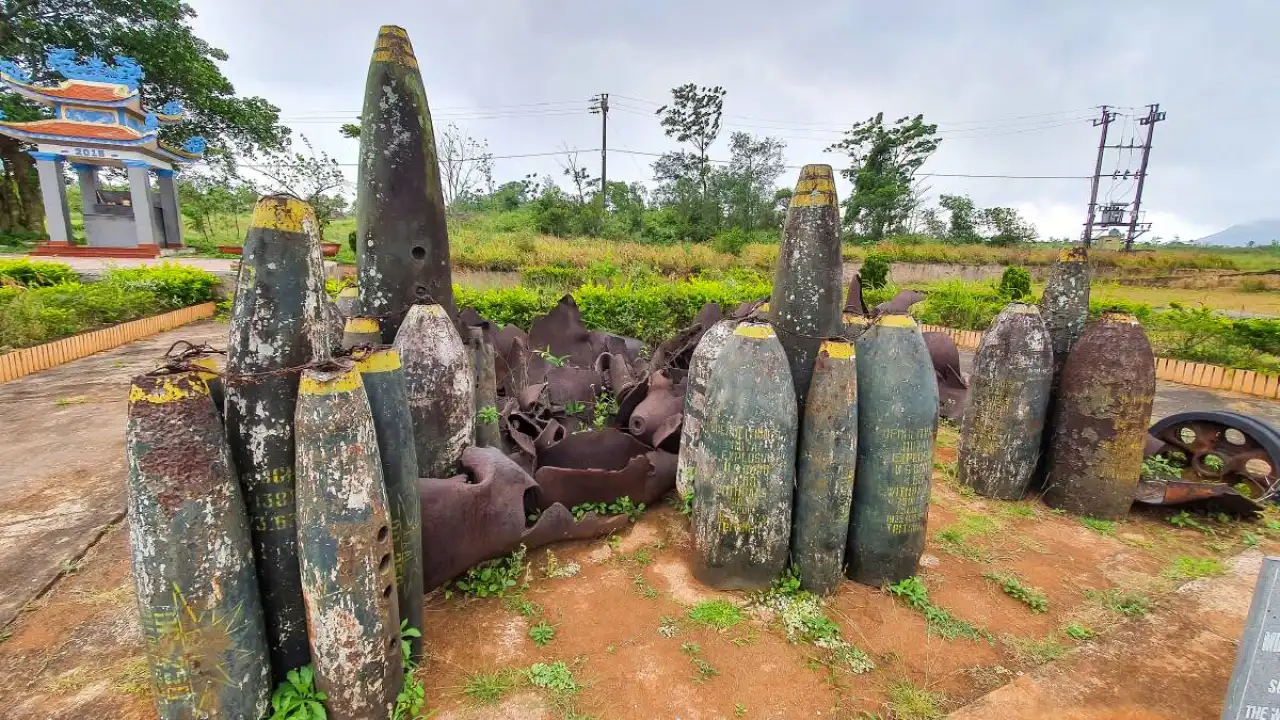
Khe Sanh Combat Base was at the centre of a major battle in 1968. US Marines were stuck there in a long siege, and it went on for ages. The base is close to the Laos border, and that’s the main reason it mattered so much. Today there are military displays, aircraft, equipment and bits of the old base to look at. Don’t forget to look up and around at the land itself. Once you see the area, you get why the place was such a big deal.
Things to explore:
- Visit historical displays and military exhibits.
- Learn about the 1968 Battle of Khe Sanh.
- Explore the area as part of a wider Demilitarized Zone (DMZ) tour.
Pro tip: Set aside a full day from Hue or another nearby base. The road takes time. Don’t visit too many faraway places the same day; you’ll just end up tired and rushed.
5. Hoa Lo Prison, Hanoi
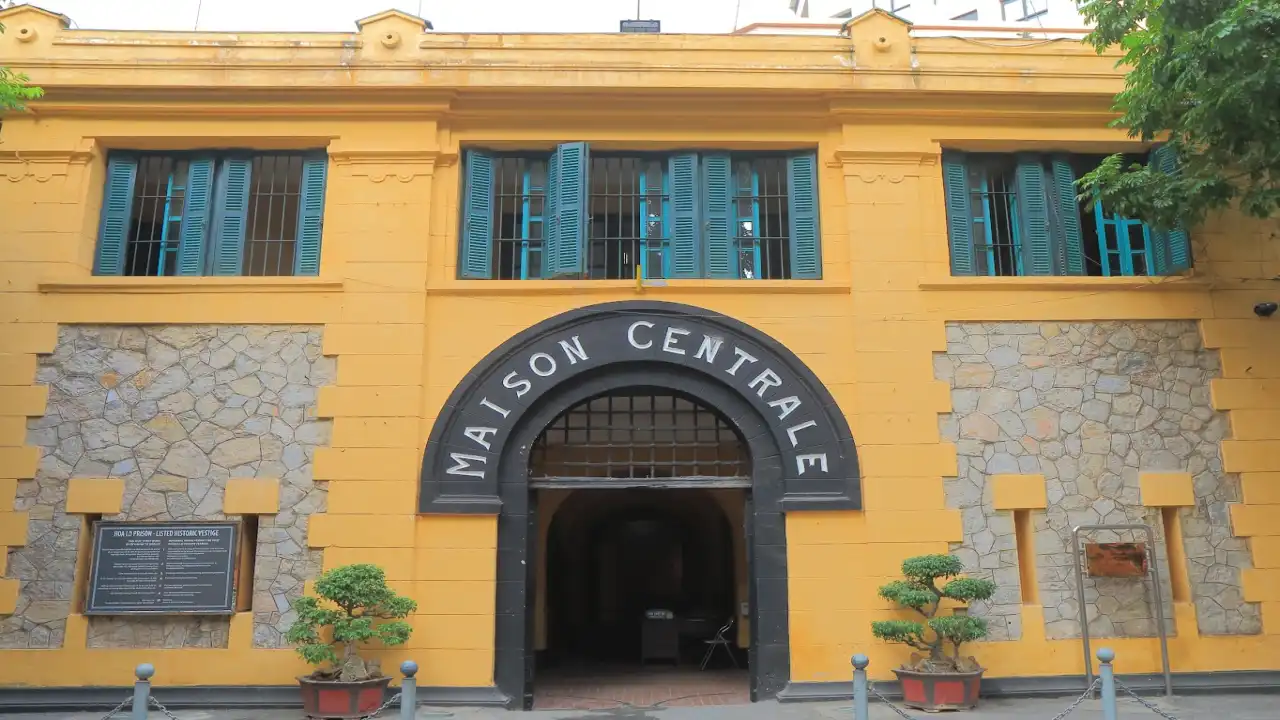
Hoa Lo Prison is one of Hanoi’s big historical landmarks. The French built it while they ruled Vietnam, mainly to hold Vietnamese prisoners. Later, in the Vietnam War, American prisoners of war were kept there too. These days it’s a museum. You’ll see preserved buildings, cells, photos and displays from different times in its history. It gives you a picture of Vietnam’s colonial past and what went on during the war.
Things to explore:
- View preserved prison cells and historical exhibits.
- Learn about the prison during French colonial rule.
- Understand its later role during the Vietnam War.
Pro tip: Read the exhibit descriptions properly. A guided tour can help too, since it explains the background and the different views people have about the place.
How to Visit Vietnam’s Historical War Sites
Wondering how to visit Vietnam War historical sites? Plan by region. Vietnam is long. Travelling between the north, the centre and the south takes way more time than most people expect.
- Southern Vietnam: Visit Cu Chi Tunnels and the War Remnants Museum from Ho Chi Minh City.
- Central Vietnam: Explore Vinh Moc Tunnels and Khe Sanh as part of a DMZ tour.
- Northern Vietnam: Visit Hoa Lo Prison while exploring Hanoi.
When you look at the historical war sites in Vietnam, ask yourself what grabs you most. Museums? Tunnels? Military landmarks? Pick that first. Local guides are a good idea.
Are Vietnam War Battlefields Still Visible Today?
Yes, there are plenty of places to visit in Vietnam, including historic tunnels, military structures, memorials, and war museums. Cu Chi and Vinh Moc stand out for tunnels, and Khe Sanh has military exhibits and features from the old combat base. But not every battlefield looks the same. Some areas have gone back to farmland or turned into regular villages and towns. A few of the displays were rebuilt for visitors too.
Best Time to Visit Vietnam’s Historical Sites
It really depends on the region you’re going to:
- Southern Vietnam: December to April usually Vietnam in winter works well for Ho Chi Minh City and Cu Chi.
- Northern Vietnam: October to April is often cooler, so walking around Hanoi feels easier.
- Central Vietnam: February to August is okay for sightseeing, but the weather can swing around.
Check the local forecast before you leave, mostly if you’re planning outdoor trips in central Vietnam.
Conclusion
Vietnam’s history makes more sense when you see it through its museums, tunnels and old military bases. Cu Chi Tunnels show how people survived underground. The War Remnants Museum records the human cost of the conflict. And Hoa Lo Prison gives you a peek into the country’s colonial and wartime past.
These five spots are a solid starting point if you’re into Vietnam War places to visit. Plan by region, give each place enough time, and mix the history with Vietnam’s food, culture and scenery. You’ll come back with a fuller, more balanced holiday, and an international trip package that lets you explore Vietnam’s history, culture and landscapes will give you a lot more to talk about.
Travel Tips for Indian Visitors
Planning Vietnam's historical places to visit from India becomes easier with preparation.
- Check the latest visa rules for Indian passport holders.
- Wear comfortable footwear for tunnel visits and battlefield walks.
- Carry water and sun protection for outdoor sightseeing.
- Respect memorials and follow the photography rules.
- Keep enough time for road journeys between places.
Travel Junky can handle your stay, transfers and sightseeing, so putting history and local experiences together doesn’t turn into a headache.