St. Patrick’s Day: From Ireland to Global Celebrations
Introduction
St. Patrick’s Day has a habit of arriving quietly and then suddenly being everywhere. One minute, it’s just another slightly cold March day. The next, shop windows glow green, someone at work is wearing a shamrock pin, and pubs sound louder than usual before noon. Even people who can’t point to Ireland on a map start feeling oddly included.
The roots of the day are firmly tied to Patrick’s Day in Ireland, but what we see now is much bigger than one country. It’s a day that has traveled, changed accents, picked up new habits, and somehow still feels familiar. What started as a religious date on a calendar turned into a shared excuse to pause, gather, and enjoy being around other people. This isn’t just about parades or green drinks. It’s about how traditions wander. How families pass down small rituals. How travelers stumble into celebrations they didn’t plan and end up remembering them for years.
Who Was St. Patrick?
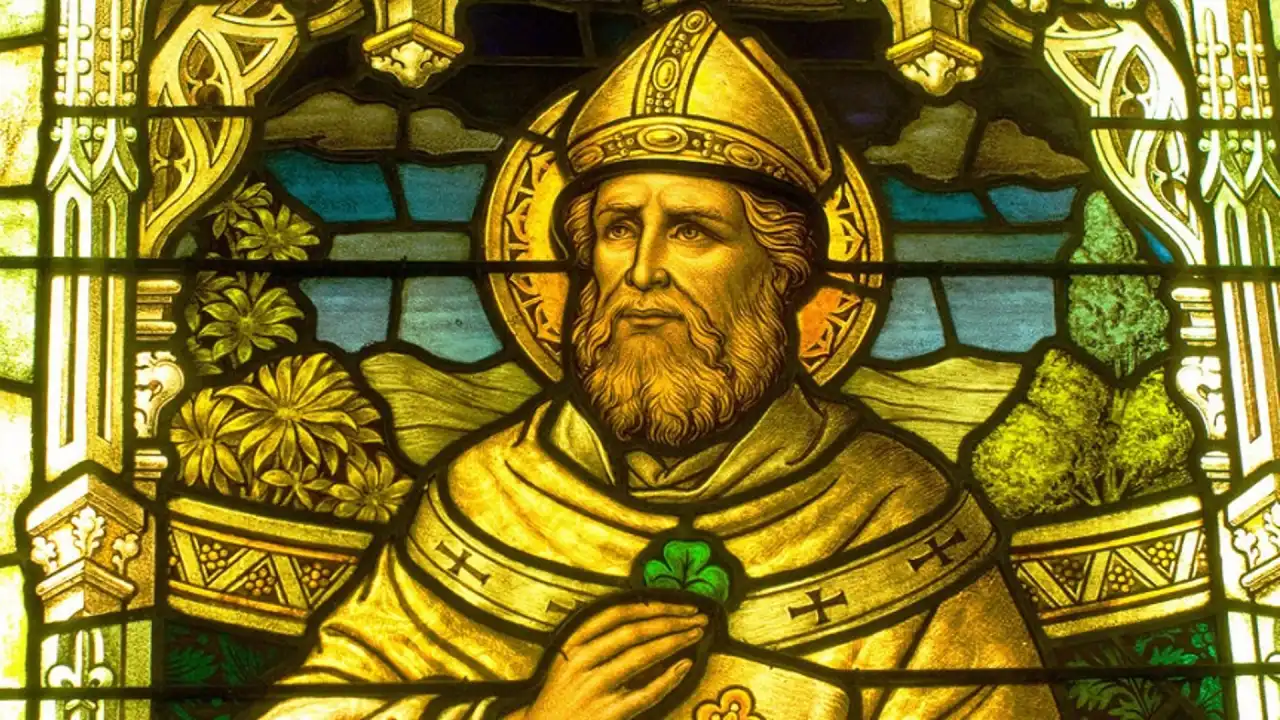
Before all the noise and color, there was a real person. And no, Patrick wasn’t Irish. That surprises a lot of people. He was born in Roman Britain and brought to Ireland as a teenager, against his will, as a captive. Not exactly a festive beginning. After years of hardship, he escaped. Most people would have stayed far away after that. Patrick didn’t.
He returned later as a missionary, spending decades moving from place to place, talking to small communities, building trust slowly. His life wasn’t dramatic in a movie sense. No grand speeches. Just persistence. Over time, stories grew around him. Some are clearly symbolic. The famous snake story, for example. There were no snakes in Ireland, but the image stuck. It represents change, leaving old fears behind, starting something new. What matters isn’t whether every legend checks out. It’s how Patrick became a symbol of endurance for Irish people over generations.
Why March 17 Is a Big Deal
March 17 is believed to be the day Patrick died, which is why it became his feast day. For a long time, it wasn’t loud or flashy. It was quiet. Church services. Family meals. In fact, pubs in Ireland were once closed on that day. Things changed when Irish people began settling in other countries. When you’re far from home, traditions matter more.
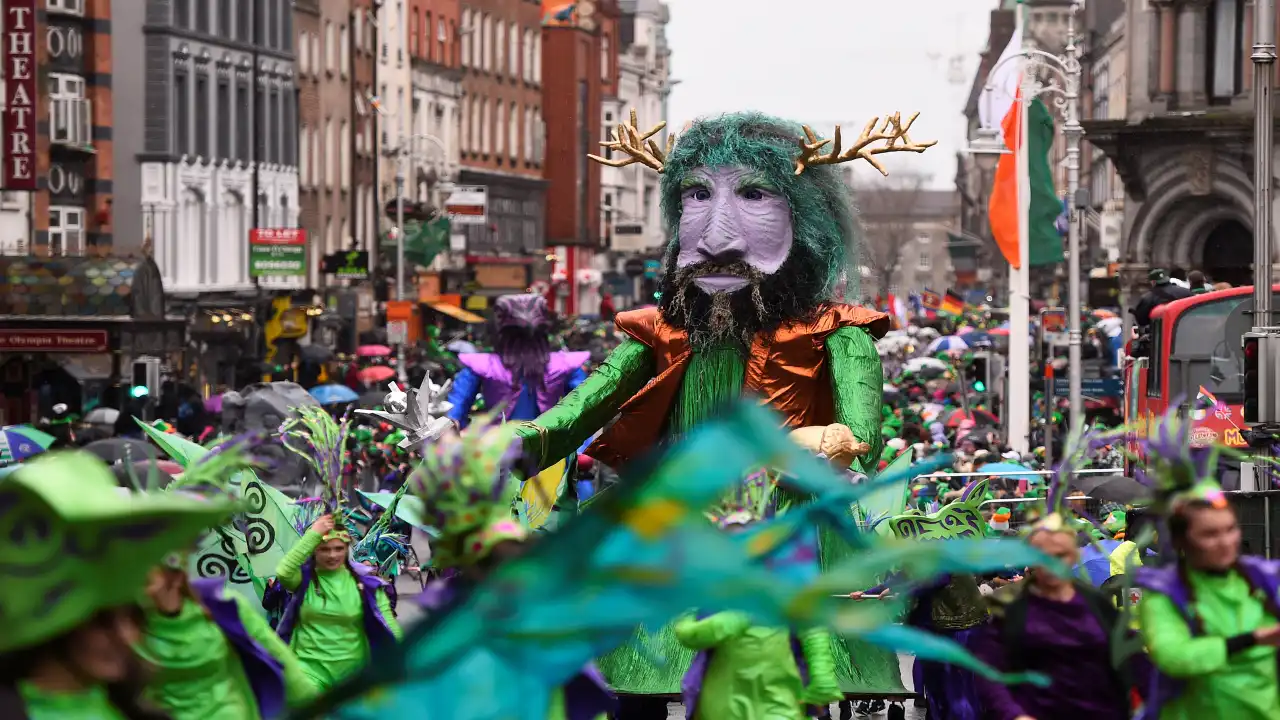
Celebrating St. Patrick’s Day became a way to stay connected, to remember where you came from while figuring out where you’re going. Slowly, the tone shifted. Reflection turned into pride, and pride eventually turned into celebration. That change is easy to see today in Ireland, Saint Patrick’s Day, where the quiet meaning is still there, just wrapped in color, music, and shared energy.
How Ireland Marks the Day Now

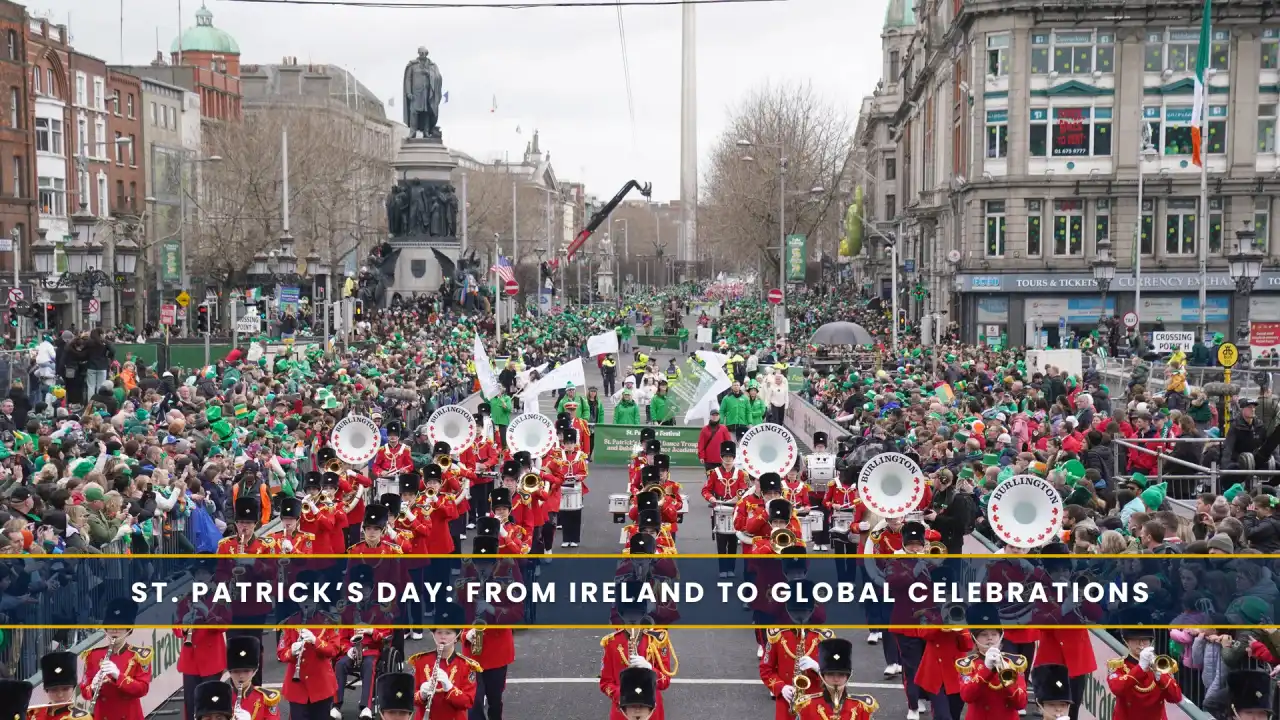
These days, Ireland mixes tradition with a relaxed sense of fun. Dublin hosts a multi-day festival that includes concerts, street performers, storytelling, and the big parade everyone expects. It’s lively, but not chaotic. Outside Dublin, things feel different. Galway leans into music, the kind that drifts out of pubs and makes you stop walking for a minute. Cork focuses more on food and community events. Smaller towns keep it simple: local gatherings, familiar faces, no rush. What really stands out during Ireland Paddy’s Day is how normal it all still feels. People go to work. Kids attend school events. Families meet later for dinner. The green decorations are there, but they don’t shout.
The Symbols

St. Patrick’s Day comes with symbols that are easy to recognize and easy to carry anywhere.
- The shamrock: Linked to Patrick’s teachings, now a quiet sign of Irish identity.
- Green: Obvious, maybe, but tied deeply to Ireland’s landscapes and its nickname, “The Emerald Isle.”
- Music and dance: Old rhythms that still work, whether played in a pub or on a city street.
- Parades: Started by Irish communities abroad, now adopted almost everywhere.
They’re simple symbols. That’s why they travel so well. You don’t need a history lesson to enjoy them.
St. Patrick’s Day Around the World
United States
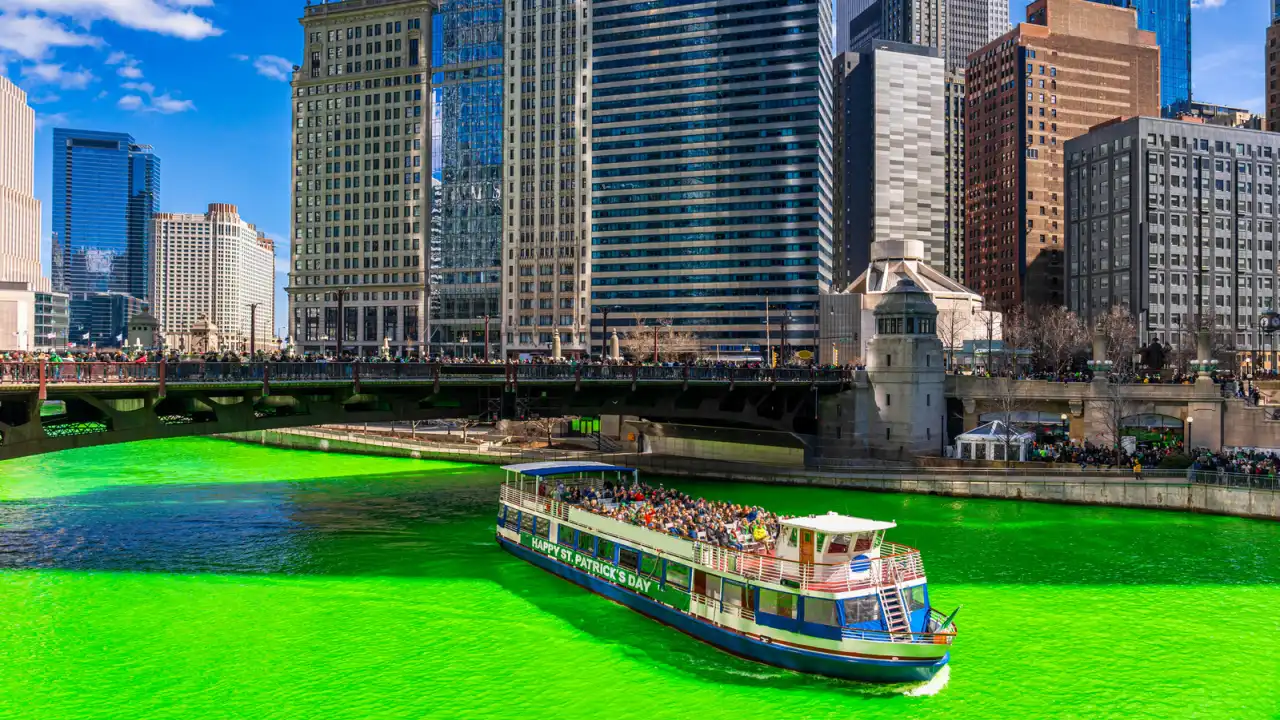
New York and Boston go big, as expected. Chicago dyes its river green, a tradition that still feels slightly unreal even if you’ve seen photos.
Canada
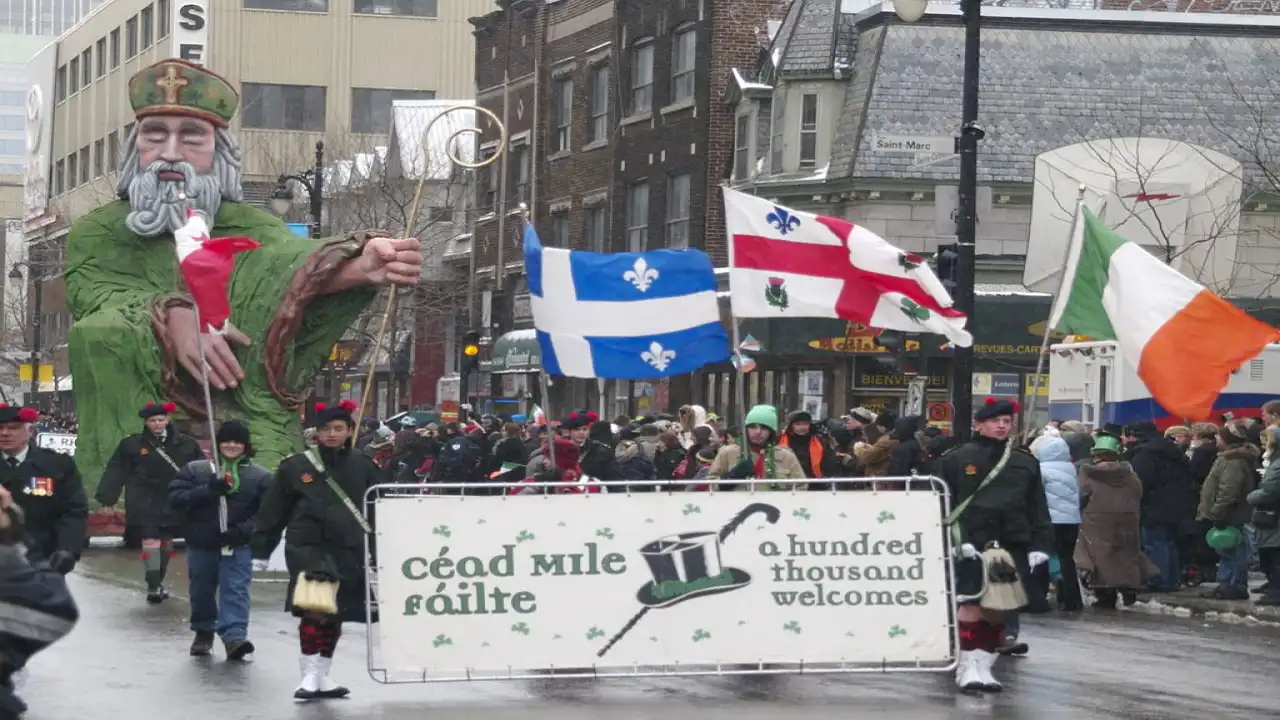
Montreal’s parade goes back to the early 1800s. Toronto brings strong community energy, with families lining the streets despite the cold.
Australia and New Zealand

Festivals, music sessions, and events that feel more relaxed, often outdoors.
Europe and Asia
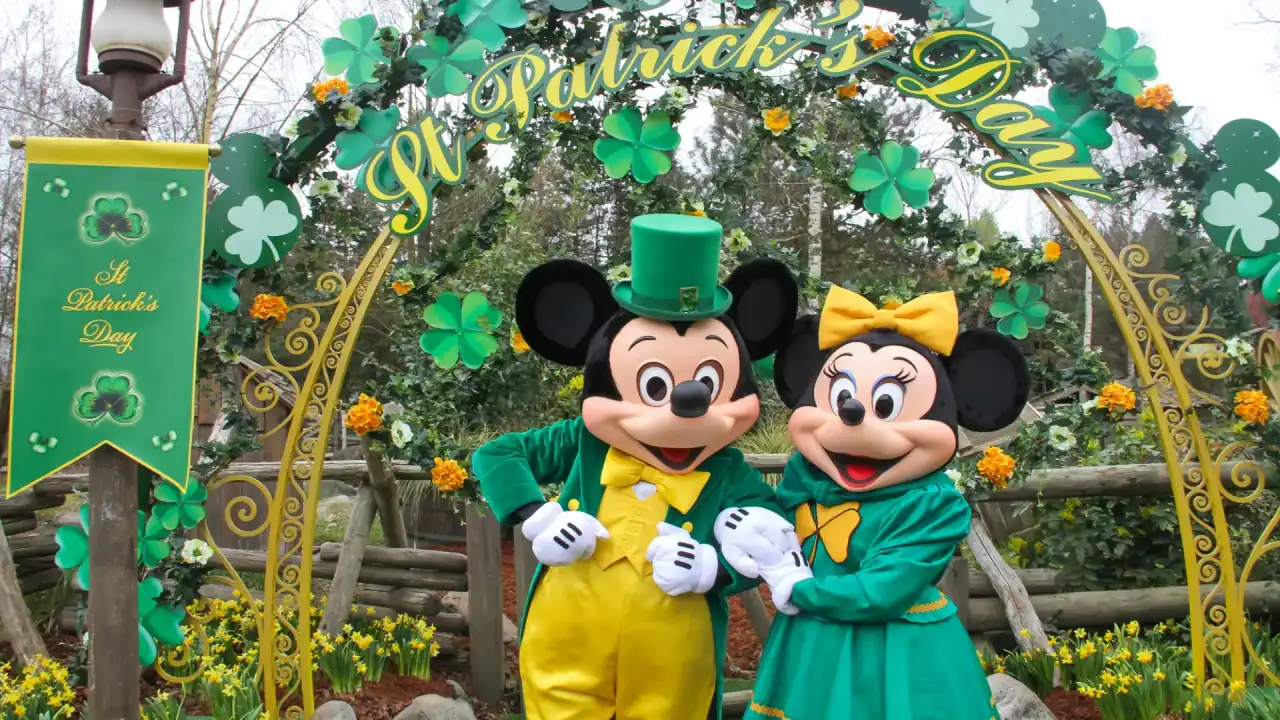
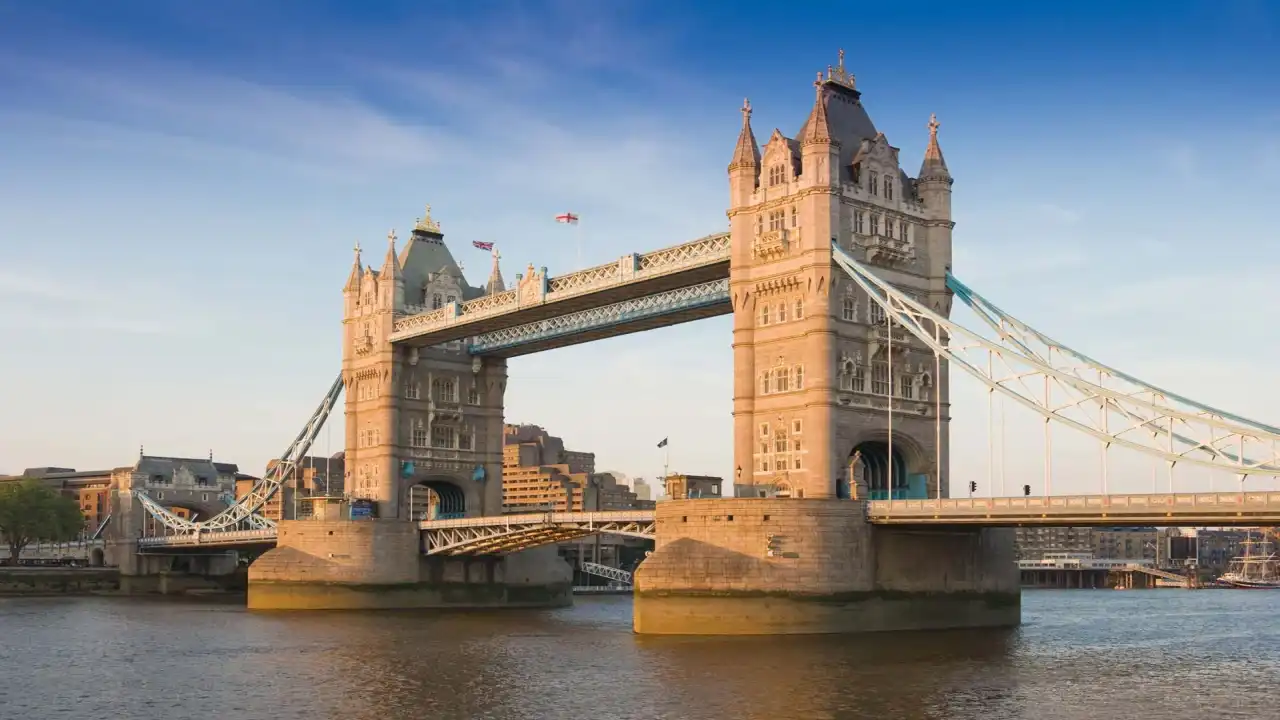
London and Paris in Europe, along with cities like Tokyo and Singapore, far from Ireland, now host their own celebrations, each adding a local twist while keeping the spirit of the day intact.
Different accents, same idea: Irish culture, shared openly.
Food: Quiet but Important

Food doesn’t usually steal the spotlight, but it matters. Traditional Irish cooking is practical, shaped by weather and history. On St. Patrick’s Day, meals are comforting rather than fancy.
You’ll often see:
- Irish stew with lamb or beef
- Soda bread, still warm, heavy with butter
- Colcannon, simple potatoes, and cabbage done right
Outside Ireland, menus mix Irish ideas with local flavors. That’s fine. The point isn’t authenticity. It’s eating together.
A Day for Families Too
Despite its party reputation, St. Patrick’s Day is surprisingly family-friendly. Especially in Ireland. Daytime parades, music sessions, storytelling, and small fairs are common. Parents don’t need to stay out late to enjoy the day. That’s why many travelers look for family trip packages around mid-March. The festival works across ages without forcing a schedule.
Traveling for St. Patrick’s Day
March in Ireland can be unpredictable. Rain comes and goes. Sometimes all in one hour. It’s part of the experience.
A few things help:
- Book early, especially in Dublin
- Don’t ignore smaller towns
- Balance busy festival days with quieter sightseeing
- Try local events, not just headline parades
For families, arriving a few days before March 17 makes everything feel calmer. You catch the buildup, not just the peak.
St. Patrick’s Day and Modern Tourism
Tourism around St. Patrick’s Day keeps growing, but there’s more focus now on balance. Authorities encourage visitors to explore beyond major cities. Smaller communities benefit, and travelers get a better feel for the place. Some travelers choose international trip packages that mix festival dates with scenic routes and slower stays. Done right, the trip feels less like ticking boxes and more like letting the story unfold.
Conclusion
You don’t have to be Irish to enjoy St. Patrick’s Day. That’s kind of the point. It’s about watching a culture travel, adapt, and still hold onto its heart. For families, travelers, or anyone curious, it offers more than green decorations and loud music. It offers connection. And honestly, that’s something most of us could use more of.
Small Tips That Actually Matter
- Wear green, but don’t overdo it.
- Try a few Irish greetings. Even clumsy attempts get smiles.
- Remember the religious side of the day, especially in churches.
- And rest when you need to. The best moments are often unplanned.