Hiking trails in India Every Adventure Lover Should Experience
Introduction
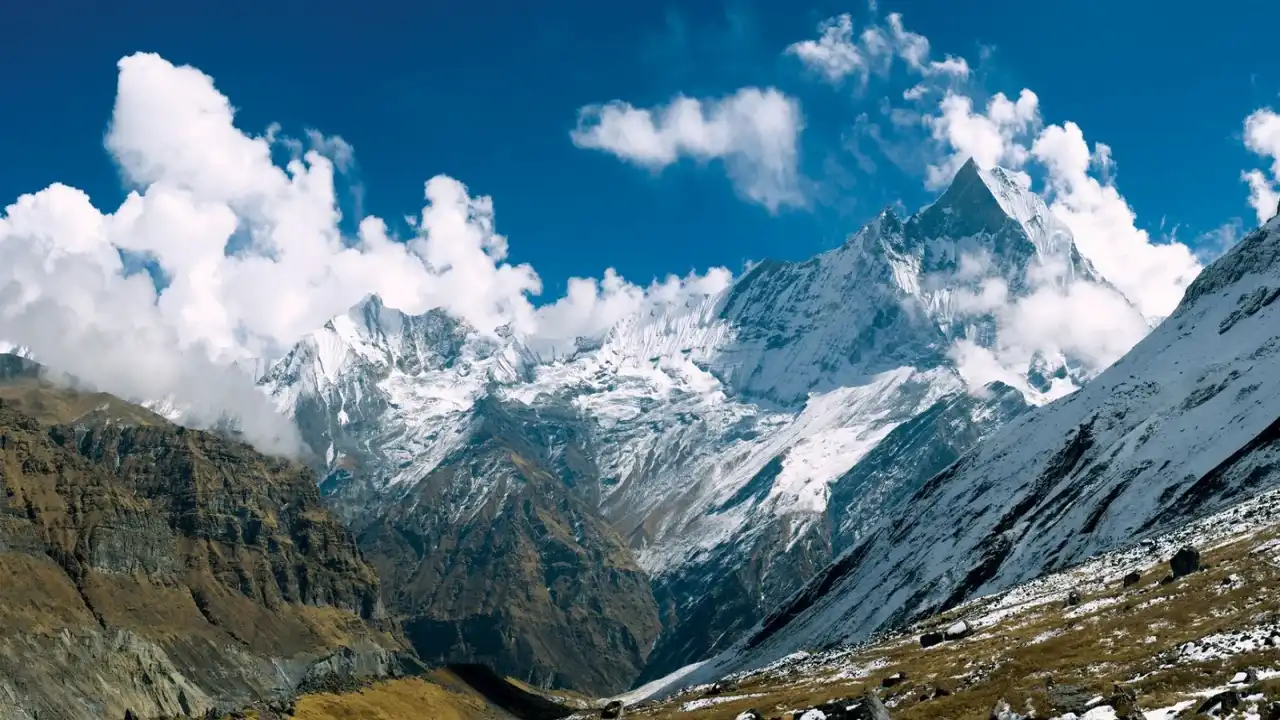
India is home to some of the most incredible trekking routes in the world. From the Snowy Himalayas to green valleys and high-altitude lakes, every trail offers a different kind of adventure. One day it's pine forest and half-frozen streams. The next day you're staring at water so blue you don't quite believe it. Kedarkantha's views, the challenging climb to, flowers everywhere in Kashmir monsoon, there's a trail for whatever mood you're in. If exploring the hiking trails in India is on your travel bucket list, then this guide will help you choose the right trail for the next unforgettable journey.
1. Kedarkantha Trek, Uttarakhand
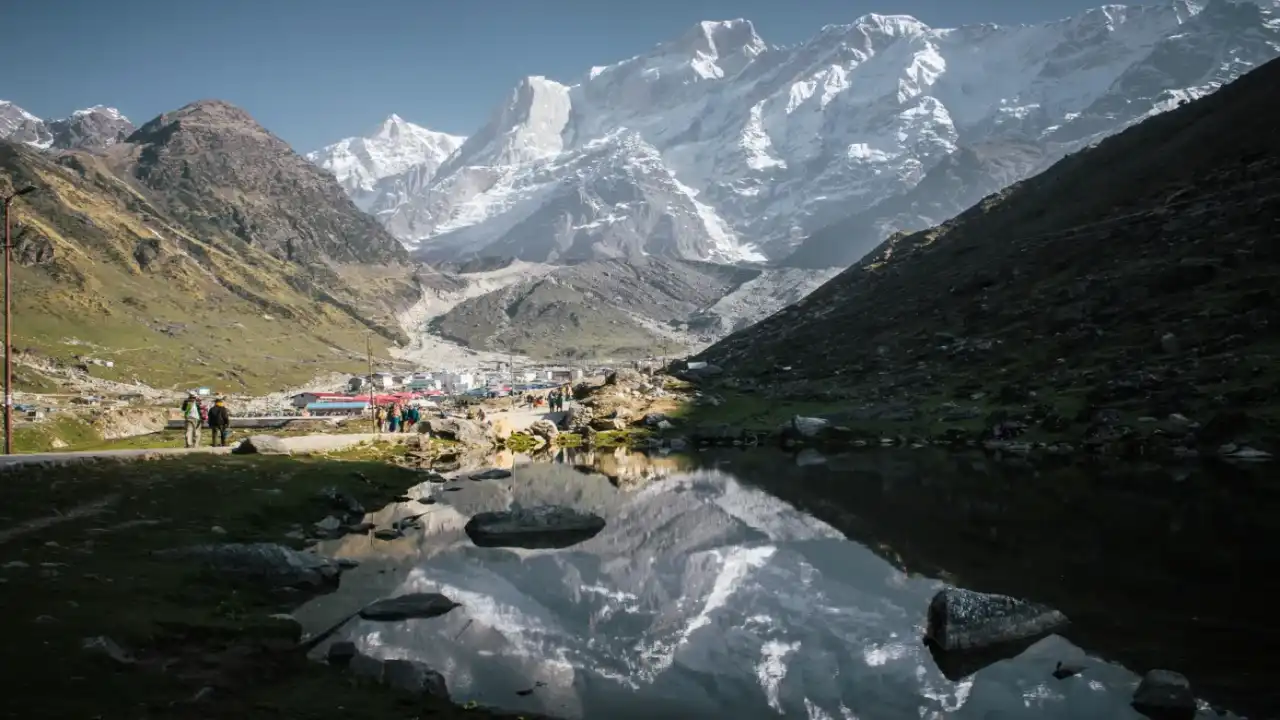
Kedarkantha has turned into one of India's favorite winter treks. During winter, the trail transforms into a snowy landscape that looks straight out of a postcard. The climb is gradual, making it suitable for beginners who want to experience snow trekking without taking on an extremely difficult route. The trek passes through pine forests, frozen streams, charming villages, and open meadows before reaching the summit. From the top, the views of peaks like Swargarohini, Bandarpoonch, and Black Peak are simply unforgettable.
Why visit?
- Beginner-friendly winter trek
- Snow-covered forests
- Big Himalayan summit views
- Decent camping
Best Time: December to April
Difficulty Level: Easy to Moderate
Pro Tip: Waterproof shoes, non-negotiable. Snow sticks around longer than you'd guess and wet socks wreck the whole day.
2. Valley of Flowers Trek, Uttarakhand
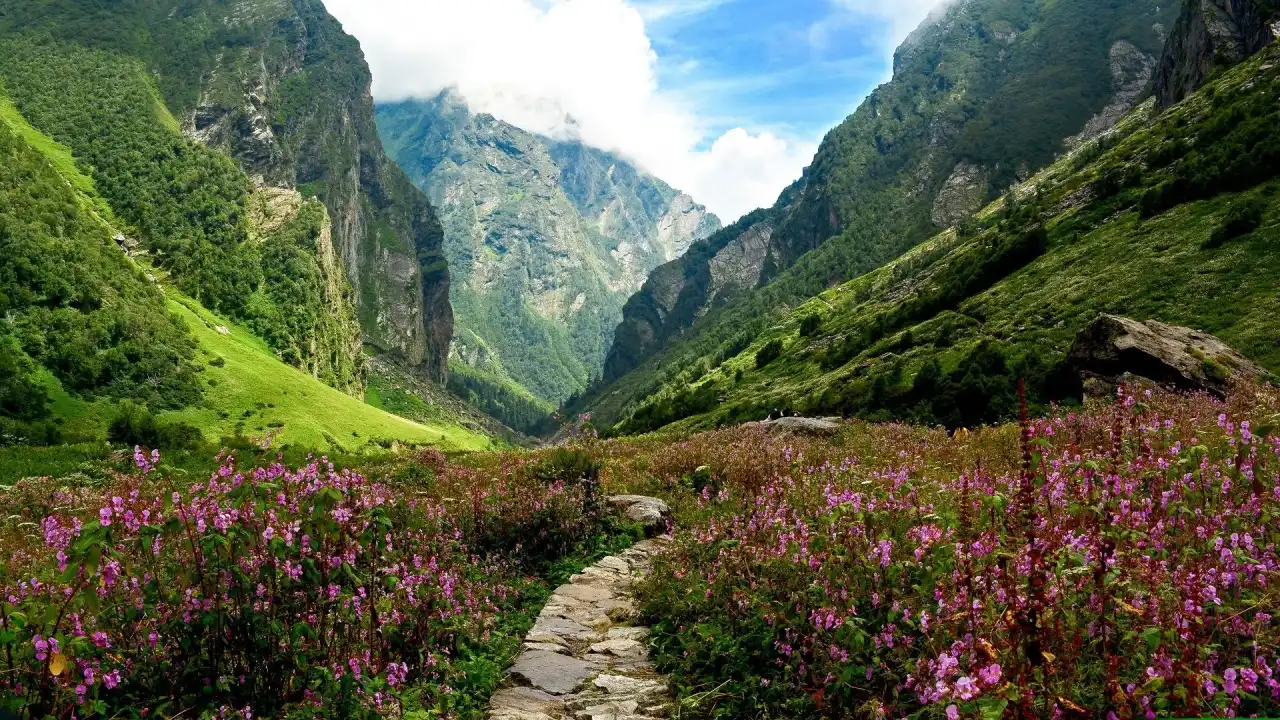
Different energy entirely. No snow drama, just alpine meadows packed with flowers hundreds of species- all going wild during monsoon. Waterfalls, clean air, the kind of place that feels a bit staged, except it's not. UNESCO site too, so there's some history tucked in with the scenery. A lot of people fold in a Hemkund Sahib visit while they're up there. Turns up on basically every list of best trekking places in India, usually from people who'd rather smell flowers than gasp their way up some ridge.
Highlights
- UNESCO World Heritage Site
- Rare Himalayan flowers
- Waterfalls, streams
- Hemkund Sahib nearby
Best Time: July to September
Difficulty Level: Easy to Moderate
Pro Tip: Get moving early. Rain shows up by afternoon, almost like clockwork.
3. Hampta Pass Trek, Himachal Pradesh
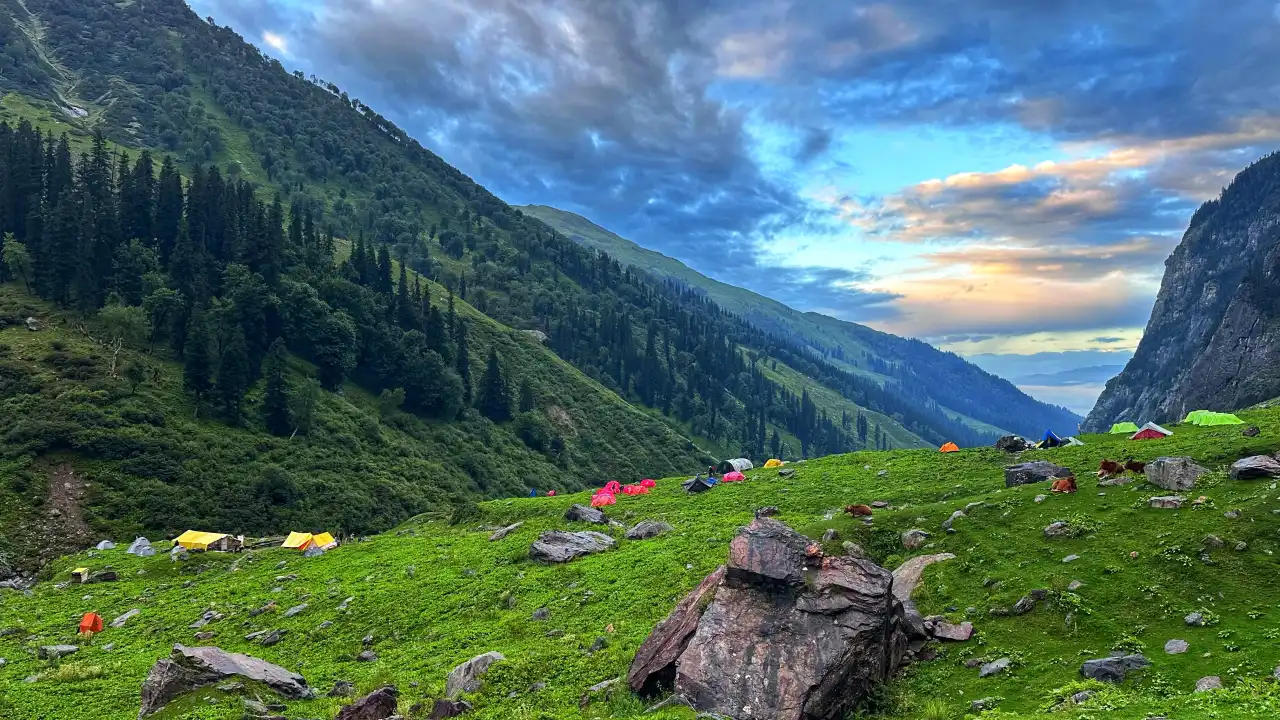
Hampta Pass feels like two separate treks glued together. Green, lush, near Manali at the start. Then it just flips dry, barren, desert once you're close to Lahaul. That switch is basically the whole point of doing it. Every day feels new, sometimes annoyingly so. Stream crossings, glaciers, wide-open valleys. A bit of everything, never really flat or dull.
Why trekkers love it
- Landscapes keep changing
- River crossings, cold but kind of fun
- Glacier views
- Good mix of scenery and effort
Best Time: June to September
Difficulty Level: Moderate
Pro Tip: Bring poles. Those crossings get slick fast, and nobody wants wet gear at 11,000 feet.
4. Goechala Trek, Sikkim
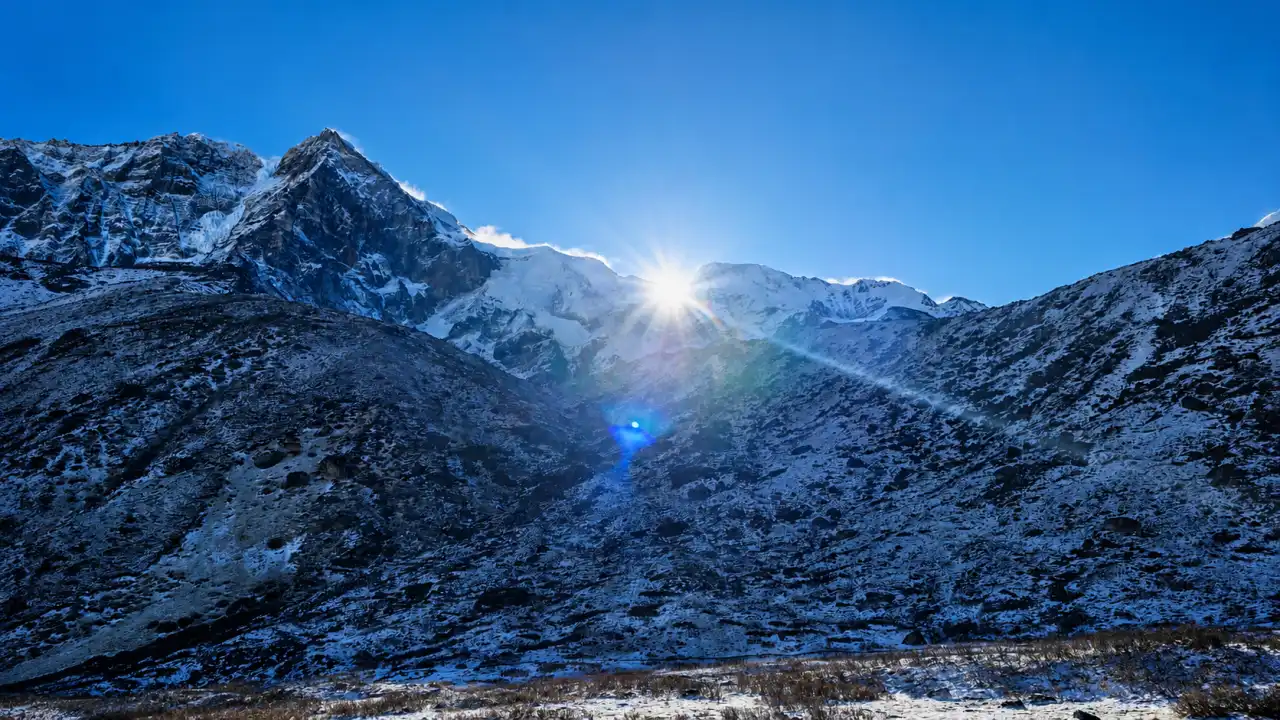
Want a real one? Goechala. You don't summit Kanchenjunga itself, but the viewpoints catch sunrise hitting the world's third-highest peak, and honestly that's arguably better than standing on a summit anyway. Trail runs through forest, suspension bridges, rhododendron valleys, high camps, all building toward the Goechala View Point. Easily one of the more popular hiking trails in India for anyone chasing proper mountain views.
Major attractions
- Kanchenjunga sunrise
- Alpine forests
- Quiet camps
- Wildlife and birdlife
Best Time: April to June and September to November
Difficulty Level: Moderate to Difficult
Pro Tip: Don't skip acclimatization days. Altitude doesn't care how fit you are.
5. Kashmir Great Lakes Trek, Jammu & Kashmir
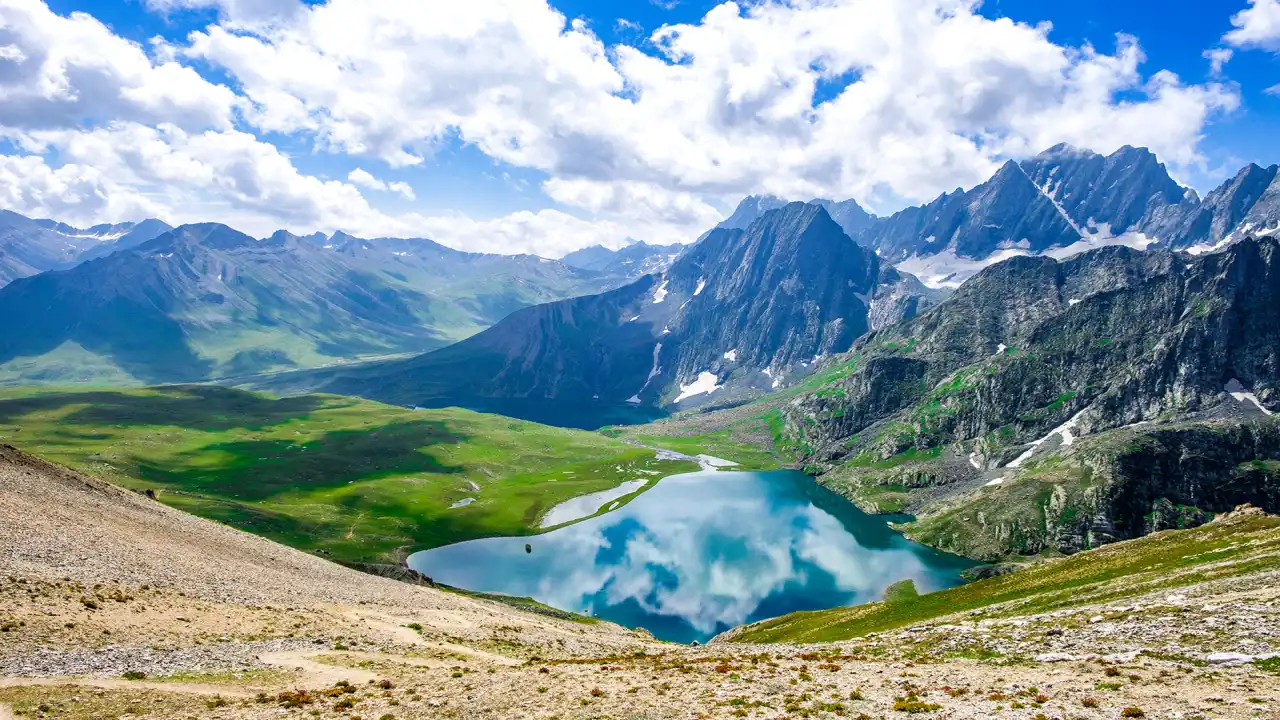
Few treks in India offer as many breathtaking alpine lakes as this one. New one nearly every single day, ringed by meadows and snow peaks, valleys shifting shape as you walk through them. People call it one of the prettiest stretches in the whole Himalaya. Hard to argue once you've actually stood there.
Highlights
- Multiple alpine lakes
- Endless meadows
- Wildflowers
- Amazing photography opportunities
Best Time: July to September
Difficulty Level: Moderate to Difficult
Pro Tip: Weather flips fast here. Keep the rain jacket accessible, not buried at the bottom of your pack.
6. Brahmatal Trek, Uttarakhand
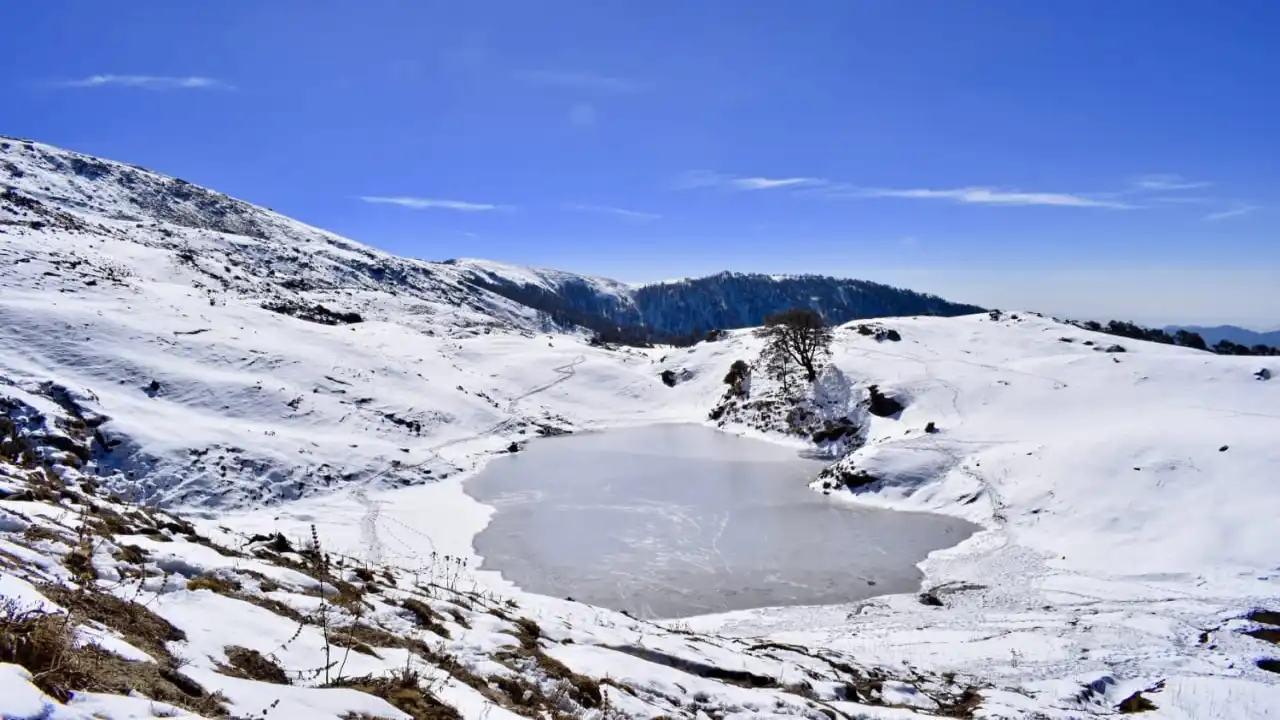
Brahmatal is another excellent winter trek that combines snow trekking with stunning Himalayan views. It's quieter than the bigger winter routes everyone piles onto. Camps here still feel peaceful. Not wall-to-wall tents like some places get. It often comes up on lists of top trekking destinations in India for beginners and experts; beginners like the manageable climb, and experienced folks come back purely for the views.
Reasons to choose Brahmatal
- Frozen lake views
- Snow-covered forest
- Big Himalayan panoramas
- Fewer crowds
Best Time: December to March
Difficulty Level: Easy to Moderate
Pro Tip: Layer clothes instead of one heavy jacket. Temperature swings hard through the day.
7. Sandakphu Trek, West Bengal
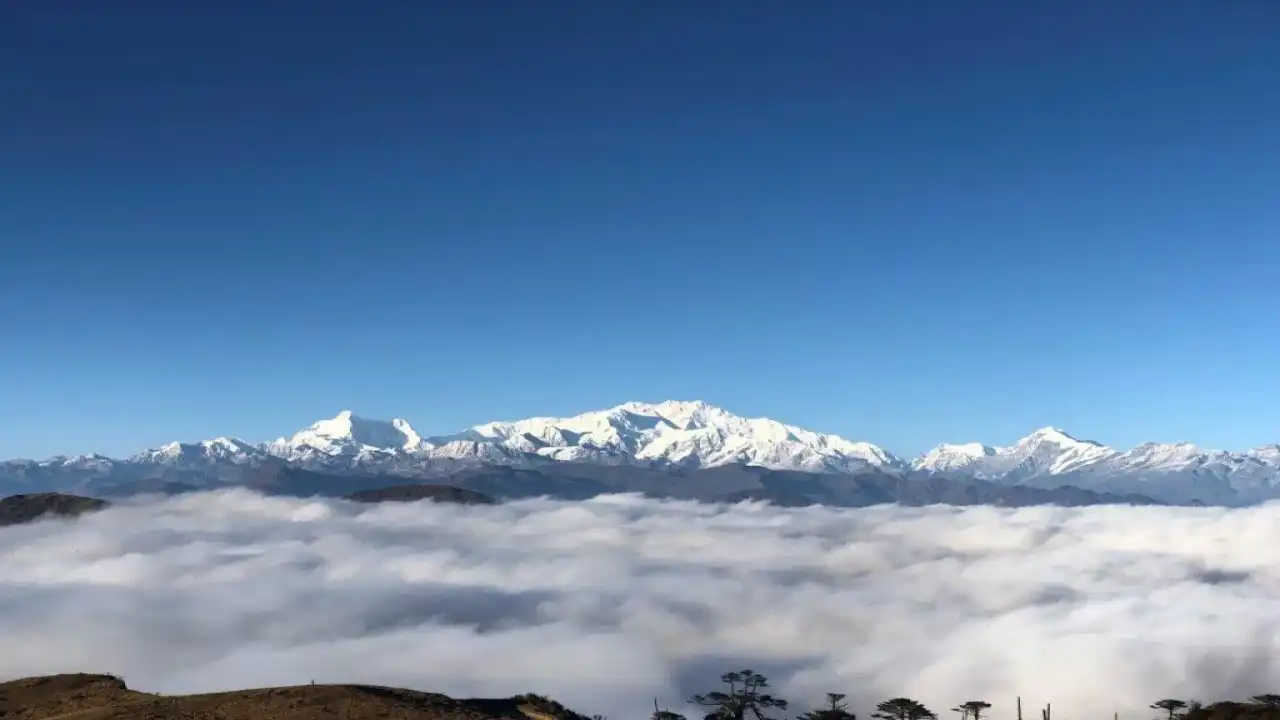
On a clear day up at Sandakphu, you see four of the five highest peaks on earth, all lined up in one shot: Everest, Kanchenjunga, Lhotse, Makalu. That's the whole draw, really. Doesn't happen everywhere, which is exactly why people keep grinding up that climb even when their legs are screaming.
What makes it special?
- Everest and Kanchenjunga views
- Rhododendron forests
- Village stays
- Local culture
Best Time: March to May and October to December
Difficulty Level: Moderate
Pro Tip: Bring binoculars if you've got them, as distant Himalayan peaks look even more spectacular.
Trekking Essentials Checklist
Clothing
- Moisture-wicking T-shirts
- Warm fleece jacket
- Waterproof jacket
- Trekking pants
- Woollen cap
- Gloves
- Extra socks
Gear
- Trekking backpack
- Trekking poles
- Water bottles
- Sunglasses
- Sunscreen
- Headlamp
- Power bank
Personal Items
- First-aid kit
- Personal medicines
- Energy bars
- Dry fruits
- Identity proof
- Cash for remote villages
Plan Your Next Himalayan Adventure
Snowy forests, mountain passes, lakes clear enough to count pebbles India's trails have all of it. Decent gear, decent fitness, a little planning, and the trip stops feeling like a struggle and starts feeling like an adventure again. Don't feel like planning every little piece yourself? A customized domestic package from Travel Junky can bundle the trekking with nearby attractions into one trip.
Conclusion
Trekking's still one of the best ways to see India past the usual tourist spots. Every trail's got its own thing going quiet forests, high lakes, snowy ridges, valleys full of flowers. What's right for you comes down to fitness, what you're after, and how much adventure you can actually handle. Plan well, respect the mountains, and you'll be itching to go back before you've even fully unpacked.
Essential Trekking Tips Before You Go
Prep matters as much as the trail itself. Sometimes more, honestly.
Before you leave:
- Pick a trek that matches your fitness, not your ego
- Walk or exercise for at least four weeks beforehand
- Invest in comfortable trekking shoes instead of new shoes at the last moment.
- Drink water constantly, even when you're not thirsty
- Pack light, only what you'll actually use
- Stick to marked trails, listen to your guide
- Skip the plastic, carry your trash back down
- Check the weather before you leave, not halfway up