Best Warm-Weather Destinations in Europe During Cold Months
Introduction
Winter hits Europe hard. Or at least that’s what most people assume. Grey skies, heavy coats, short days, everyone rushing indoors. And yes, that version exists, especially in the north. But it’s not the whole story. Down south, Europe keeps going in a quieter way. Cafés still put tables outside when the sun shows up. People walk around without gloves. The sea doesn’t look frozen or angry; it just sits there, calm, waiting for a slow walk beside it.
If you’ve ever caught yourself Googling the warmest country in Europe while scraping ice off a windshield or layering sweaters indoors, this is probably the escape you had in mind. Not a dramatic tropical getaway. Just warmth. Normal warmth. Enough to breathe again. This guide is for travelers who don’t want extremes. No scorching heat, no loud beach scenes, no packed sightseeing schedules that leave you exhausted by noon. These places work best between November and March, when crowds thin out and life feels manageable. Mornings stretch a little longer. Lunch isn’t rushed. Evenings don’t end just because it’s cold outside.
Why Travel to Warm European Destinations in Winter?
Winter travel has a reputation problem. People think it means compromise. In reality, it often means relief if you choose the right destination.
- Fewer crowds: Cities feel like cities again, not moving queues.
- Lower costs: Flights, hotels, and even local tours usually drop in price.
- Comfortable weather: You can actually walk all day without overheating or freezing.
- Real conversations: Locals aren’t burnt out by tourism and are more open to chatting.
Pro Tip: Winter sun is different. Softer. You don’t feel drained after hours outside, which makes a huge difference when you’re exploring on foot.
1. Spain – Where Winter Turns the Volume Down
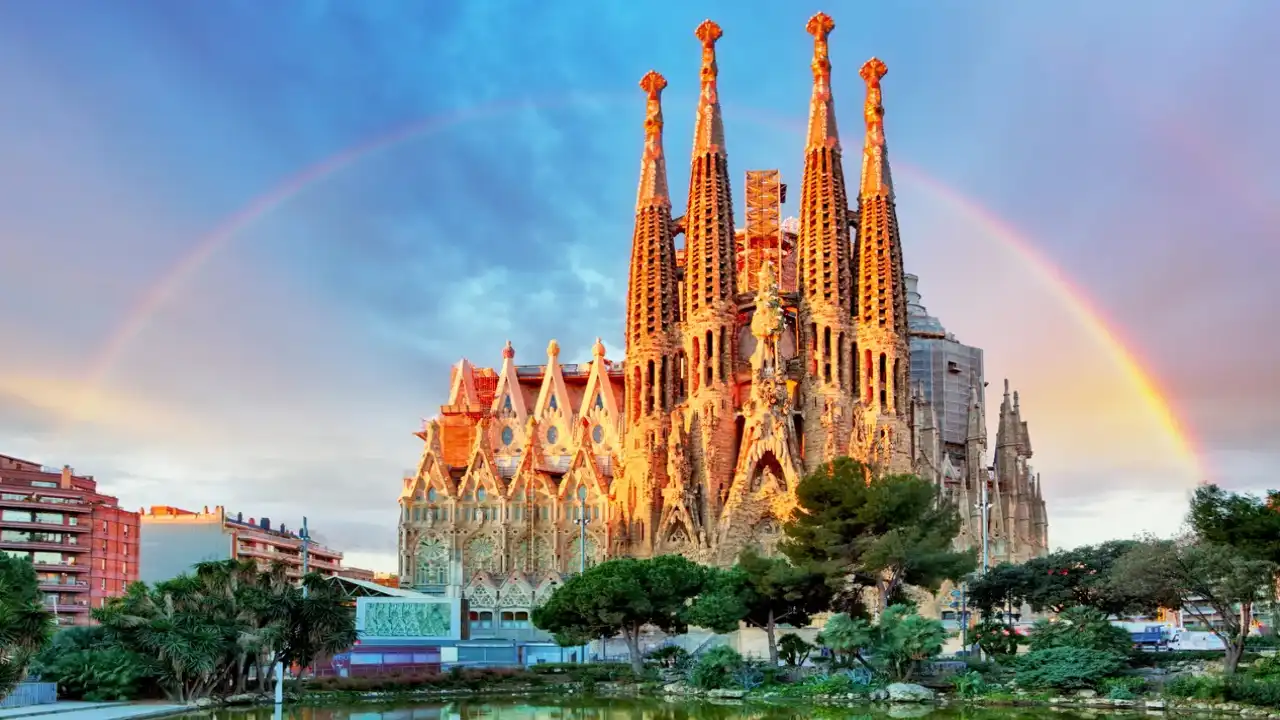
Spain doesn’t shut down when winter arrives. It just relaxes a bit. Southern regions like Andalusia and the Canary Islands stay pleasantly warm even in January. Not beach-hot, but warm enough to sit outside with a coffee and forget what heavy coats feel like. Days are bright. Afternoons are made for walking. Evenings stretch into long dinners instead of quick meals before running back inside.
What Winter Actually Feels Like
Picture this: a small plaza in Seville. You’re wearing a light jacket, nothing bulky. Coffee in hand. The sun hits the old stone buildings just right. People pass by slowly. No rush. No biting wind. You don’t check the weather because you don’t need to.
Best Places to Visit
- Seville: Culture everywhere, and space to enjoy it
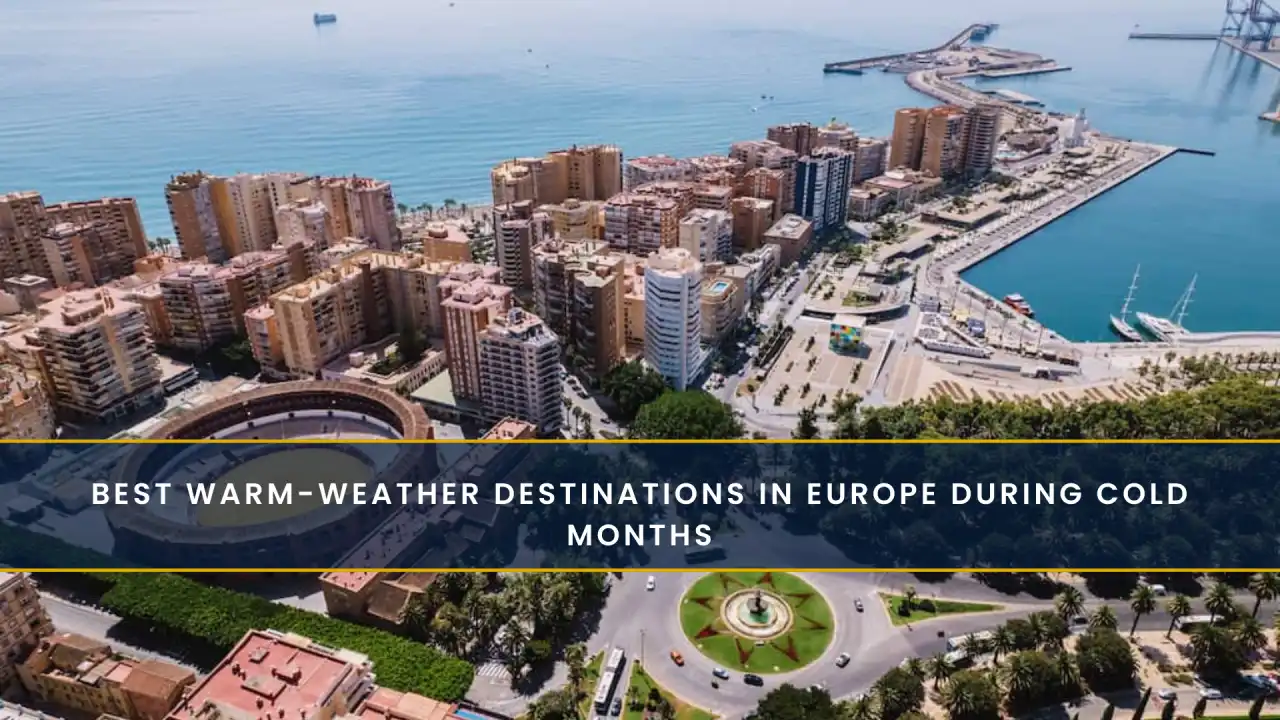
- Malaga: Coastal warmth without summer crowds
- Granada: Cool mornings, sunny afternoons, and fewer crowds at the Alhambra
- Canary Islands: Almost spring-like weather all winter
Things to Do
- Wander historic streets without sweating
- Eat tapas without waiting half an hour
- Walk on beaches just to walk on them
- Visit landmarks calmly, without summer rush
Pro Tip: Spain’s museums and historic areas feel completely different in winter. Quieter. More thoughtful. You actually notice things.
2. Portugal – Sunshine Without the Noise
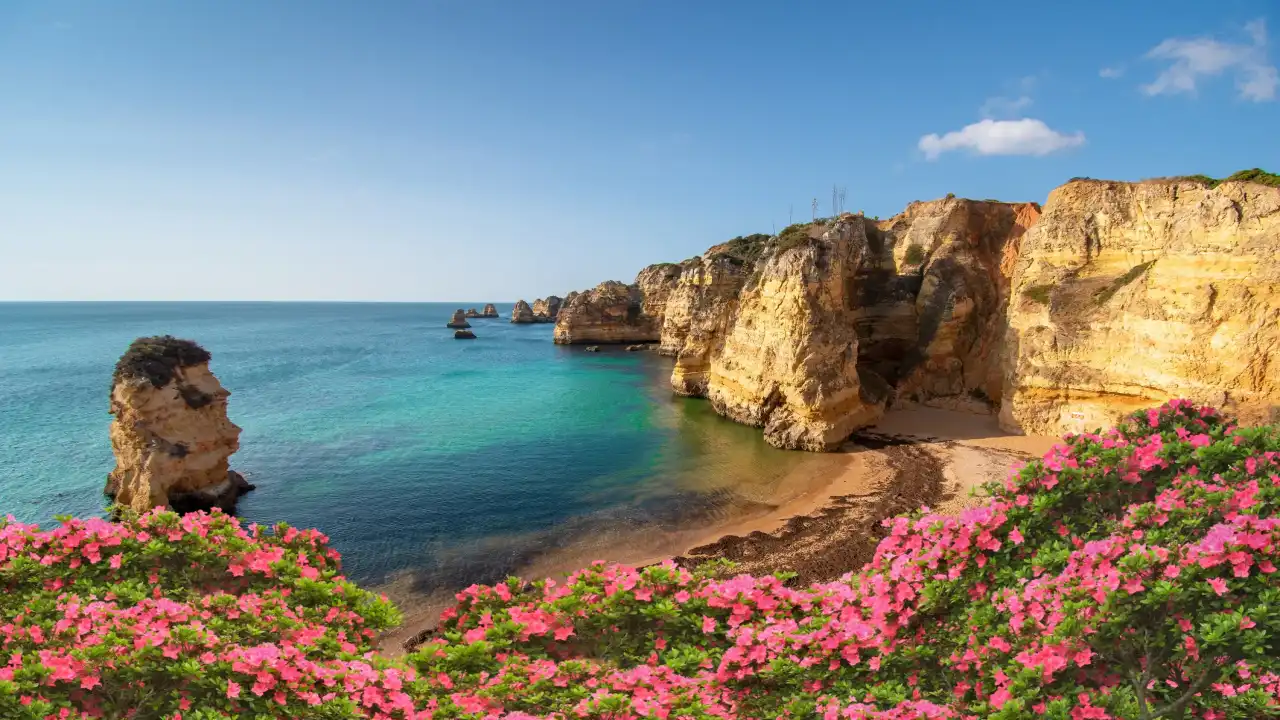
Portugal in winter feels oddly peaceful. While much of Europe bundles up, Portugal keeps its rhythm. Sunny days. Ocean air. A pace that doesn’t demand anything from you.
Why It Works So Well
Temperatures stay comfortable, especially in Lisbon and the Algarve. You won’t be swimming every day, sure but you also won’t be hiding indoors.
Best Places to Visit
- Lisbon: Hills, viewpoints, and cafés that don’t close for the season
- Algarve: Dramatic coastlines, empty beaches, and space to think
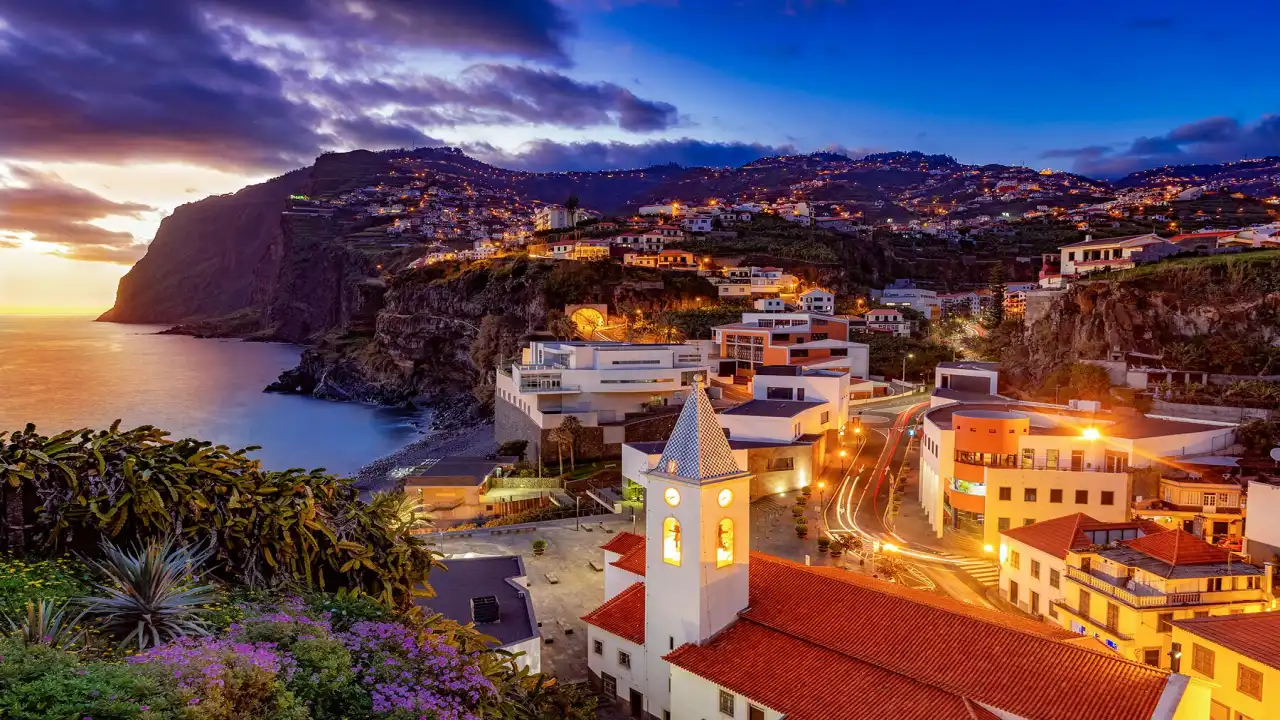
- Madeira: Green, calm, and quietly warm all year
What Makes It Different
Portugal doesn’t try to impress you loudly. It lets you settle in. Mornings start with strong coffee. Afternoons drift into coastal walks. Evenings are long meals where no one rushes you out.
Pro Tip: Winter road trips along the Algarve are underrated. Fewer cars, clearer viewpoints, and no pressure to “do everything.”
3. Southern Italy – The Calm Side of a Busy Country

Italy in summer can be a lot. Crowds, heat, noise, movement everywhere. In winter, especially in the south, it finally exhales.
Where to Go
- Sicily: Mild weather, fewer tourists, incredible food
- Naples & Amalfi Coast: Dramatic views without the chaos
- Puglia: Quiet towns, olive trees, and open space
Why Winter Works
There’s no constant crowd to push through. Restaurants don’t hover. Locals actually have time. Cities feel lived in, not staged.
Experiences You’ll Enjoy
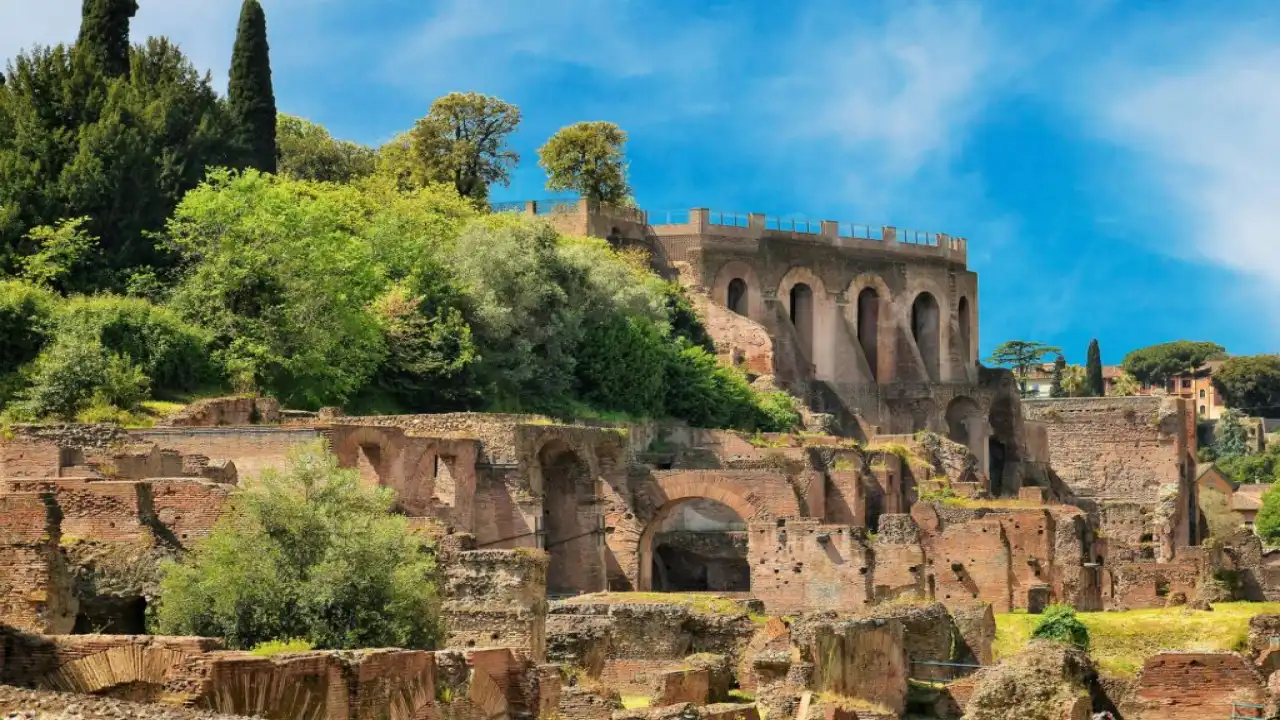
- Ruins without lines
- Long lunches that turn into conversations
- Coastal walks in light sweaters
Pro Tip: Southern Italy in winter is perfect if food is a big reason you travel. Seasonal dishes feel heavier, warmer, and more comforting.
4. Greece – Less Noise, More Meaning
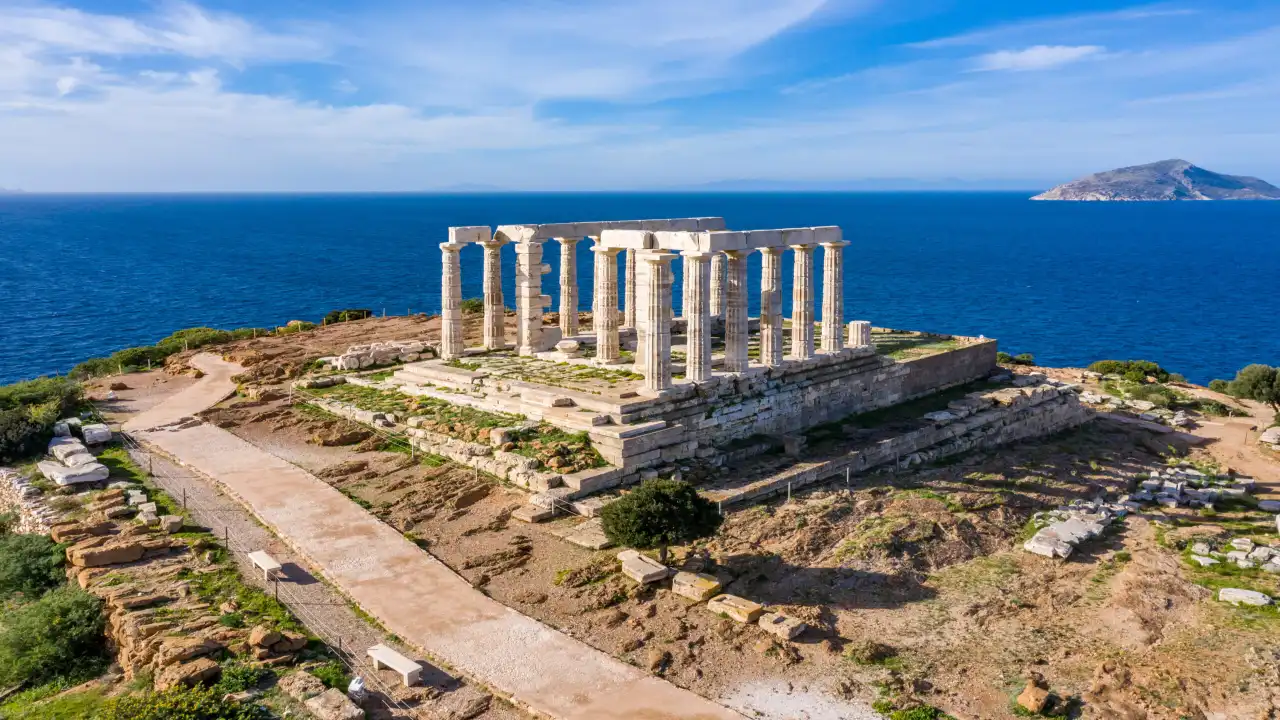
Greece doesn’t disappear in winter. It just changes the mood.
Best Winter Spots
- Crete: One of the warmest islands, even in colder months
- Athens: Ideal weather for walking and history
- Rhodes: Sunshine without summer pressure
What Winter Looks Like Here
Beach clubs fade into the background. Taverns stay open. Ancient sites feel calm. Locals talk more. You listen more.
Why It’s Worth It
- Comfortable daytime weather
- Clear skies
- A more honest version of the country
Pro Tip: Greek cities are made for walking. Winter lets you do that without stopping every ten minutes for shade.
5. Malta – Small, Quiet, and Surprisingly Warm
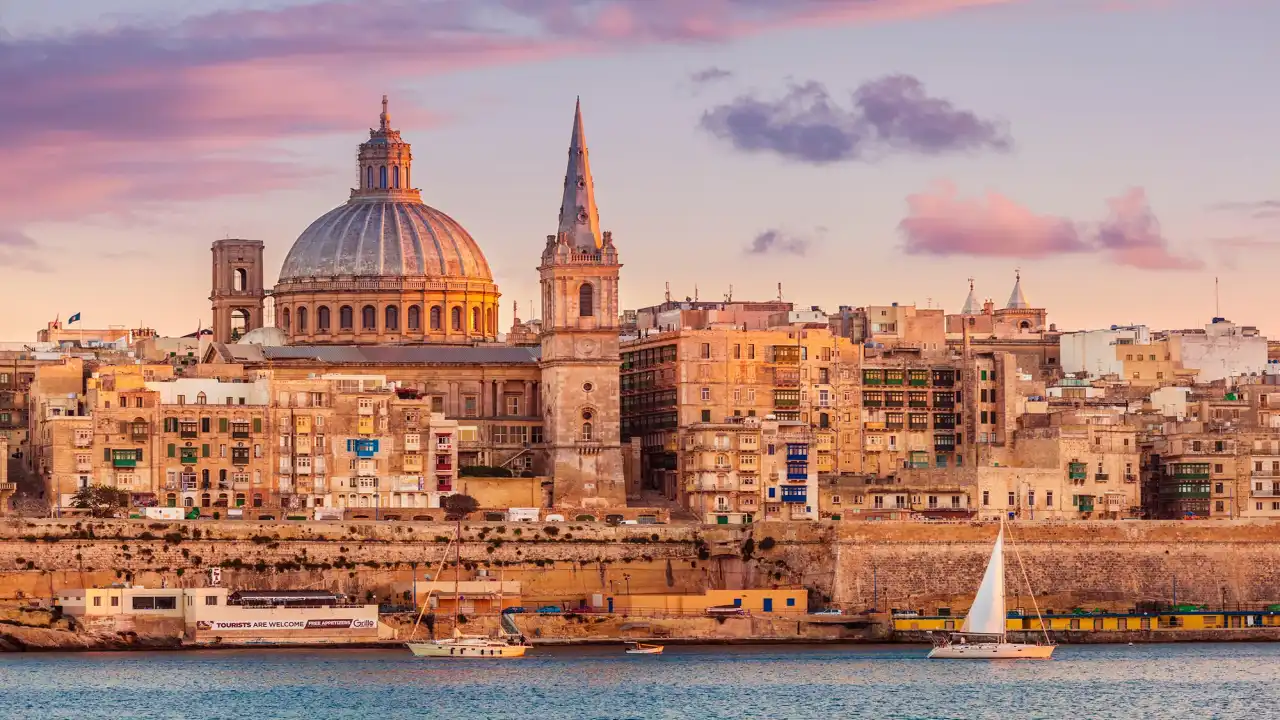
Malta doesn’t always make winter travel lists, which is exactly why it works.
Why Malta Shines in Winter
- Mild temperatures year-round
- Easy to get around
- Deep history without crowds
What to Do
- Visit ancient sites without heat
- Walk coastal paths just because you can
- Eat local food without fighting for tables
Winter in Malta feels like someone pressed pause but not stop. Life continues. Just slower.
Pro Tip: Winter light here is fantastic for photos. Soft sun, empty streets, no harsh shadows.
6. Cyprus – Warmth Without Distractions
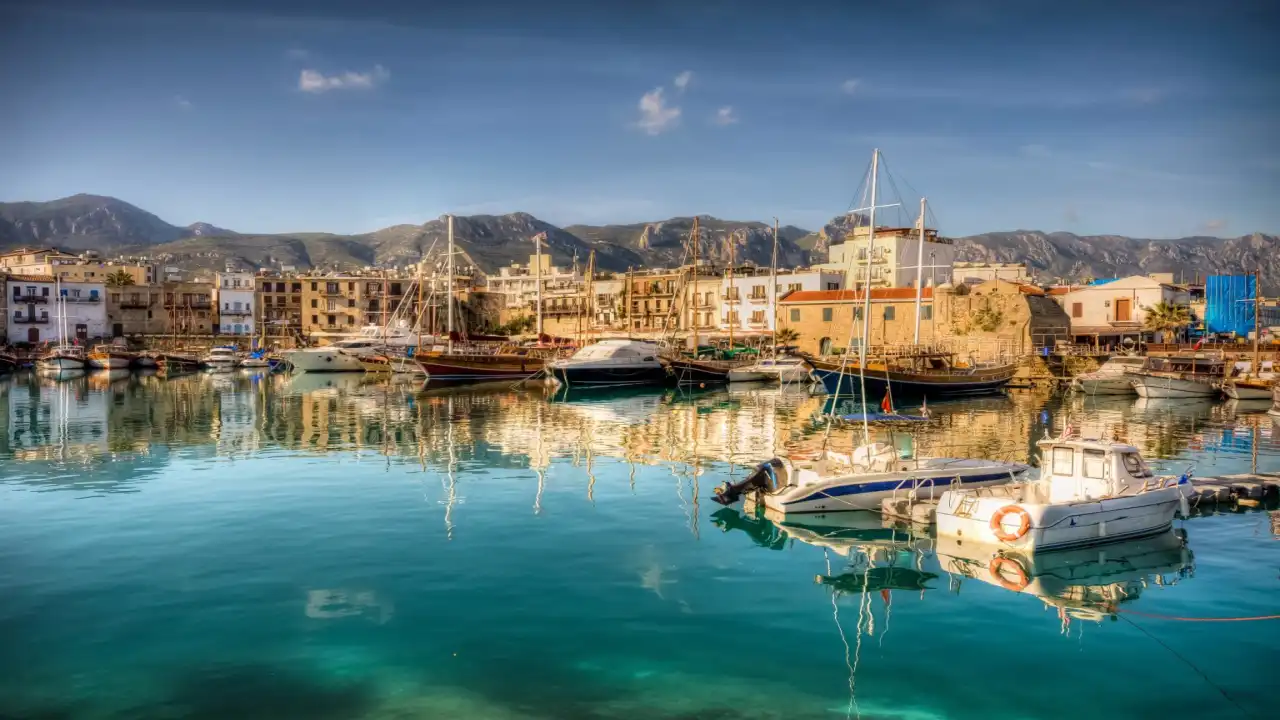
Cyprus is calm by nature, and winter suits it.
Best Places to Visit
- Paphos: History and coastline in one place
- Limassol: City comfort with beach access
- Larnaca: Easygoing, seaside feel
Why Winter Works
Sunny days still happen. Cafés stay open. Attractions don’t shut down. You get warmth without the summer rush.
Pro Tip: Winter evenings in Cyprus are made for slow seaside walks and warm meals. Nothing fancy. Just good.
Choosing What Fits You
Not every place fits every traveler. A quick way to decide:
Spain or Italy, if you want:
- Strong culture
- Lively cities
- Food-focused travel
Portugal or Malta, if you want:
- Quiet coastlines
- Slower days
- Easy logistics
Greece or Cyprus, if you want:
- Sunshine without crowds
- Deep history
- Friendly, relaxed locals
Who These Trips Are Best For
These destinations suit:
- Couples who want quiet time
- Families avoiding peak chaos
- Solo wanderers who enjoy wandering
- Older travelers who want comfort over crowds
If you like conversations with locals, empty streets, and travel that doesn’t feel rushed, a winter Europe tour might surprise you.
Planning Without Stress
Winter trips aren’t complicated. Flights run normally. Hotels stay open. Services work fine, just without the pressure of peak season. For travelers who want things organized but not rigid, International Packages can make planning easier without removing freedom.
Conclusion
Warm European destinations in winter aren’t about chasing summer. They’re about balance. You get warmth without exhaustion. Culture without crowds. Days that feel full but not draining. You sit longer. Walk slower. Notice things you’d rush past in summer. If you’ve only seen Europe at its loudest, winter shows you something else entirely. Quieter. Kinder. And, in its own way, warmer.
Practical Winter Travel Tips
- Pack layers. Days are warm; evenings cool off.
- Check local holidays; some winter festivals are worth planning around.
- Be flexible. Some towns slow down mid-week.
- Rent a car if you can. Roads are quieter and driving feels easier.
Pro Tip: Don’t overplan winter trips. The best moments usually aren’t scheduled.