Europe Tour for Families: Kid-Friendly Destinations and Activities
Introduction
Some trips with kids blur into a slideshow. Others turn into the kind of family folklore that gets dragged out at every birthday dinner. Europe usually leans toward the latter. Maybe it is watching your child freeze in front of a painting they cannot explain, or the way a narrow lane in Vienna suddenly pulls a sulky teenager out of their mood. Families settle in strangely fast here. One minute you are negotiating gelato flavours, the next you are all climbing some half-forgotten castle because curiosity wins.
Below is a list of destinations that attract the most eyes in Europe family tour packages because they cater to both the excited tiny tots and parents who need a “holiday” from their duties.
Where to Go in Europe With Kids and Why These Places Work
1. Paris: Art, Parks, and Just Enough Magic

Paris intimidates parents until they arrive and notice how quickly children settle into its rhythm. Carousels pop up near major landmarks, crepe stands save the mood when energy dips, and museums like Musée de l’Orangerie are compact enough that even toddlers tolerate them. The city also gives families breathing space. Luxembourg Gardens has puppet shows, shaded areas, and a pond where children navigate miniature sailboats. The Eiffel Tower, despite the queues, is something that even restless kids find thrilling simply because it is all so unexpectedly tall.
2. Switzerland: Nature That Entertains Without Trying
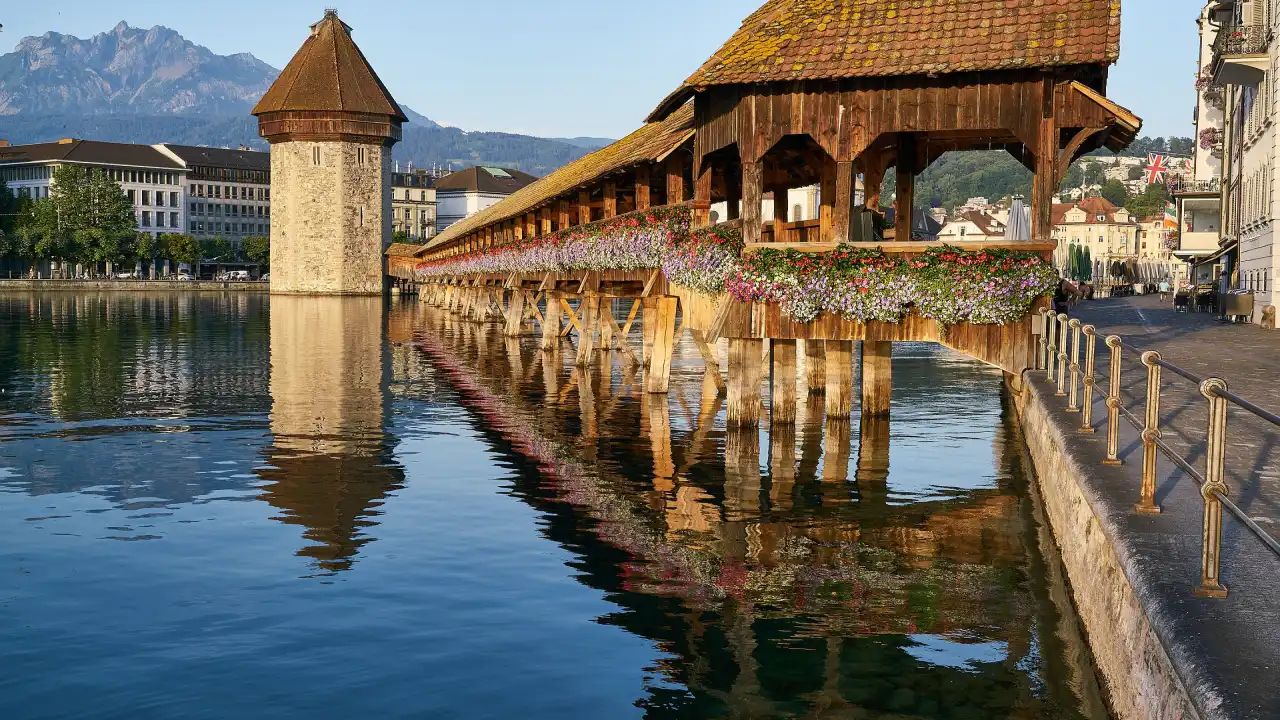
Switzerland has a calming effect on families. Maybe it is the lakes or the spotless trains or the mountain views that look strangely unreal. Interlaken, Lucerne, and Zermatt are favorites because you can blend gentle walks, cable car rides, lake cruises, and short village visits without exhausting anyone. Children rarely forget the cogwheel train up Mount Rigi or the boat ride across Lake Lucerne. Parents rarely forget how easy it is to manage logistics. Switzerland is a masterclass in reliability.
3. Italy: History Served in Snackable Portions
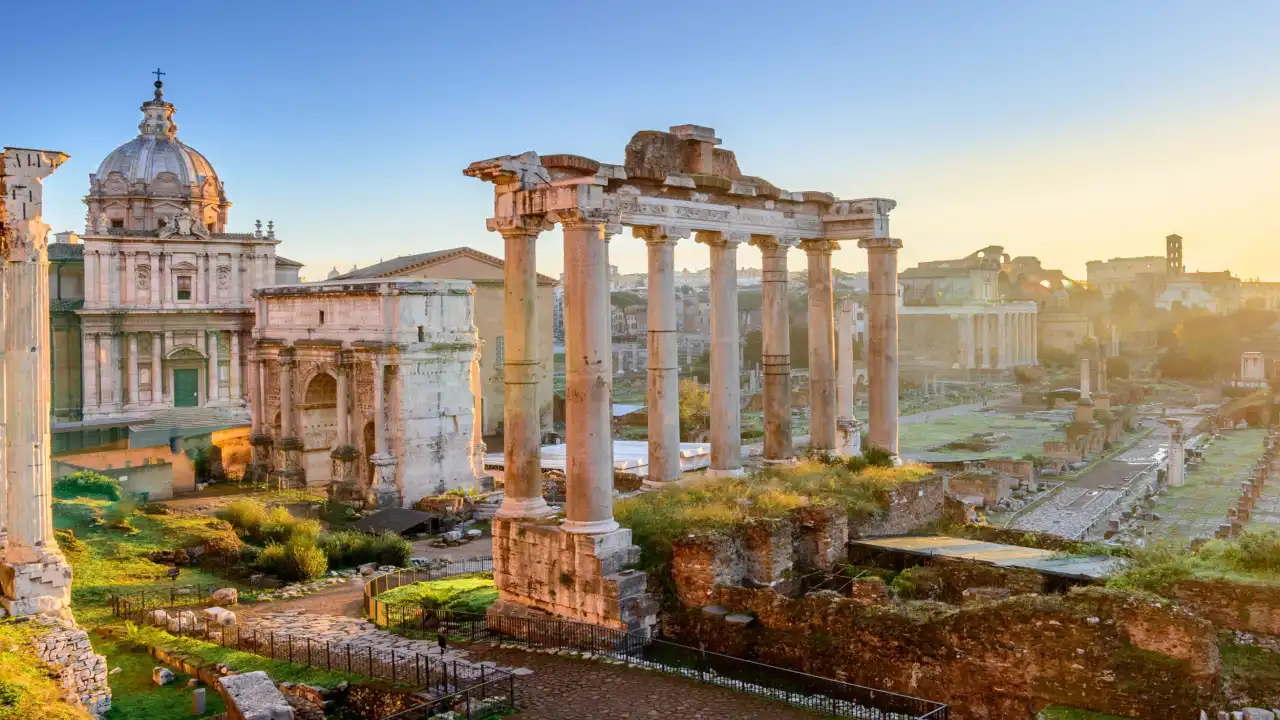
Italy works because it blends culture with reward. Look at Rome. A walk through the Forum feels like entering a movie set, and the same afternoon can be rescued by gelato or a pizza slice. Florence is compact and art-filled. Venice is essentially a real-life maze that children treat like an adventure game. Families often tell me Italy is where their kids surprised them with curiosity. Renaissance art might not be their hobby at home, but the scale and drama of the works make them pay attention, even if briefly.
4. Austria: Open Spaces and Unexpected Thrills
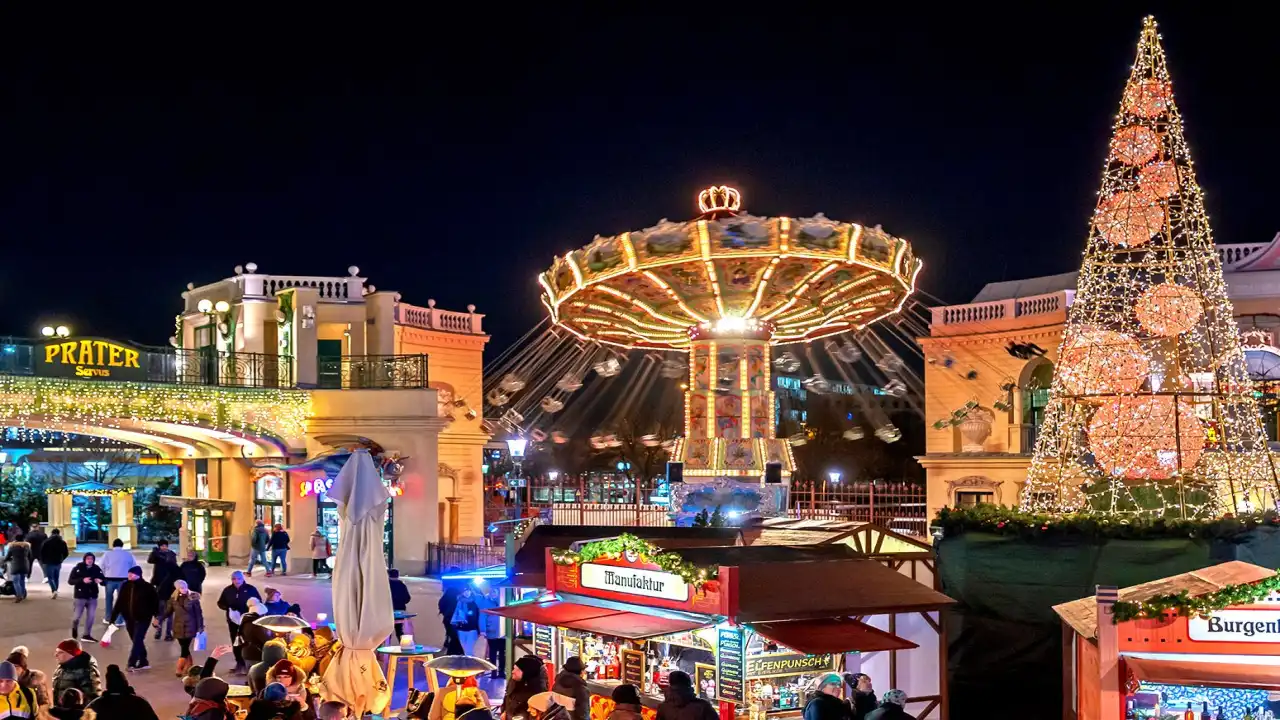 Vienna is one of the cleanest, most relaxed capitals for families. Prater Park’s vintage amusement rides balance the classical overload of museums and palaces. If you head to Salzburg, the Sound of Music countryside tour is charming for adults and visually delightful for kids who are not even familiar with the film. Austria is also ideal for families who want a quieter pace. It is structured, scenic, and rarely overwhelming.
Which Activities Actually Work For Families?

Food Experiences That Don’t Feel Forced
Food tours sound grown-up, but in cities like Florence or Lisbon, they somehow fit families just fine. Kids warm up fast when the first thing handed to them is a warm pastry or a square of chocolate. Guides talk, kids nibble, and parents learn something without feeling like they’re stuck in a lecture. It’s easy, light, and usually the one activity nobody complains about.
Biking Without the Stress
Places like Amsterdam and Copenhagen make biking feel normal, even with kids. Cargo bikes help with the smaller ones, and older kids like the freedom of pedaling beside you. Routes are simple enough that you’re not constantly checking maps. It turns sightseeing into movement instead of dragging everyone from point A to point B.
Short Water Trips That Reset Everyone
A quick ferry or lake boat ride is one of the easiest resets for kids who are running out of patience. Norway’s fjords, Swiss lakes, Stockholm’s island routes, they’re calm, scenic, and don’t demand much effort. Parents get a breather, kids stare at the water, and everyone regroups without feeling rushed.
Workshops That Don’t Feel Like Homework
Cooking classes in Italy or France are usually a hit because kids get to touch everything: dough, cheese, tomatoes, whatever’s on the table. Parents learn a bit, kids stay busy, and nobody notices an hour passing. Museums in Scandinavia and Central Europe do hands-on sessions where children build or tinker with something. It’s structured, but not stiff.
Simple Stuff That Fills the Gaps
On slow days, it’s the low-key things that save the schedule. Picnics in a park, paddle boats on a quiet lake, a funicular up a hillside, wandering through a busy market. These usually weren’t planned, but they hold the day together better than the big attractions. Kids don’t question them; parents appreciate the break; everyone wins quietly.
What Kids Love and Parents Appreciate
• Easy rail travel between major cities
• Walkable historic centers with plenty of breaks
• A wide variety of child-friendly museums
• Nature experiences without rough terrain
• Flexible dining options
• Multigenerational appeal
• Clean public spaces
• Safe and intuitive transport systems
Why Europe Works Shockingly Well for Family Travel
Europe can feel like an enormous buffet of history, landscapes, and distractions. Most of it is surprisingly manageable with kids when you know how to navigate it. Trains run on time, cities are walkable, and every few hours you bump into something that earns an unexpected gasp from the younger travelers. What makes the continent particularly suitable is not just the famous landmarks. It is the small moments: musicians playing in Prague squares, street art hunts in Berlin, alpine cows ringing bells in Switzerland, the thrill of hearing a new language every few days, and comfort foods that parents can use tactically when patience dips.
Conclusion
Once you have crossed the first few days, the real questions appear. What route actually works with kids? How many cities before exhaustion kicks in? Which plan keeps everyone happy without turning parents into full-time referees? That is where the right Europe family tour packages make an actual difference.
You will see Travel Junky pop up now and then in this guide, but not in a loud way. Think of them as that friend who has done Europe multiple times with their own chaotic family and learned the shortcuts the hard way. They know the logistics, the meltdowns, the unexpected wins, and the places where kids suddenly come alive. Toward the end of your planning, remember to compare structured routes with the flexibility of curated International Packages that let you adjust destinations without losing the essentials that make Europe so memorable.
Pro Tips
• Always check for family rooms or interconnecting rooms early because they sell out first.
• For long sightseeing days, keep one unplanned evening every third day for rest.
• Book major attractions with timed entries to avoid queues with kids.
• Use playgrounds as strategic reset points.
• If traveling with teenagers, let them pick at least one activity per city to build ownership.