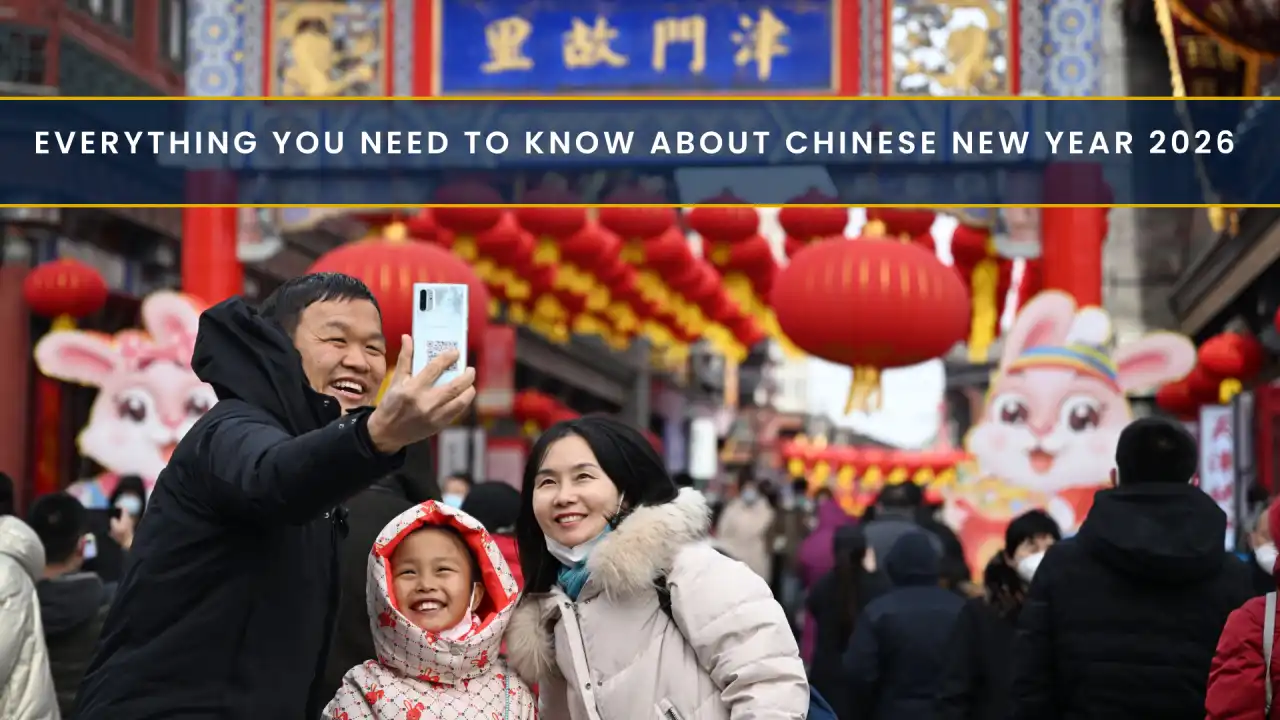
Everything You Need to Know about Chinese New Year 2026
Introduction
Have you ever watched a city stretch awake, inhale the cold winter air, and suddenly erupt into colour as if someone shook a giant paintbox over the rooftops? That is roughly what Chinese New Year feels like when you’re actually in China and not just seeing it through a festival reel. The holiday isn’t a single moment. It’s a slow burn, a rising drum, a collective shift in mood. And somewhere after those first eighty-odd words of taking it all in comes the reminder of why you’re reading this: the Chinese New Year rush will be at its brightest in 2026, and it’s worth knowing what you’re stepping into before booking those tickets.
Key Dates for the 2026 Festival
If you want your planning to feel less chaotic, these are the dates that actually matter once you land:
- February 6 to February 17, 2026
The warm-up stretch. Markets turn louder, crowds expand, and cities begin switching into festival mode. - February 17, 2026
Chinese New Year’s Eve. The busiest travel day, the grand reunion dinner, and late-night firecrackers. - February 18, 2026
New Year's Day. A quiet morning, a lively evening, and the symbolic start of the 2026 Chinese New Year celebrations. - February 18 to February 24, 2026
Official public holiday period. Expect temple fairs, lion dances, community visits, and packed attractions. - March 4, 2026
Lantern Festival. The calm, glowing epilogue where cities trade fireworks for soft light.
What Makes 2026 Unique
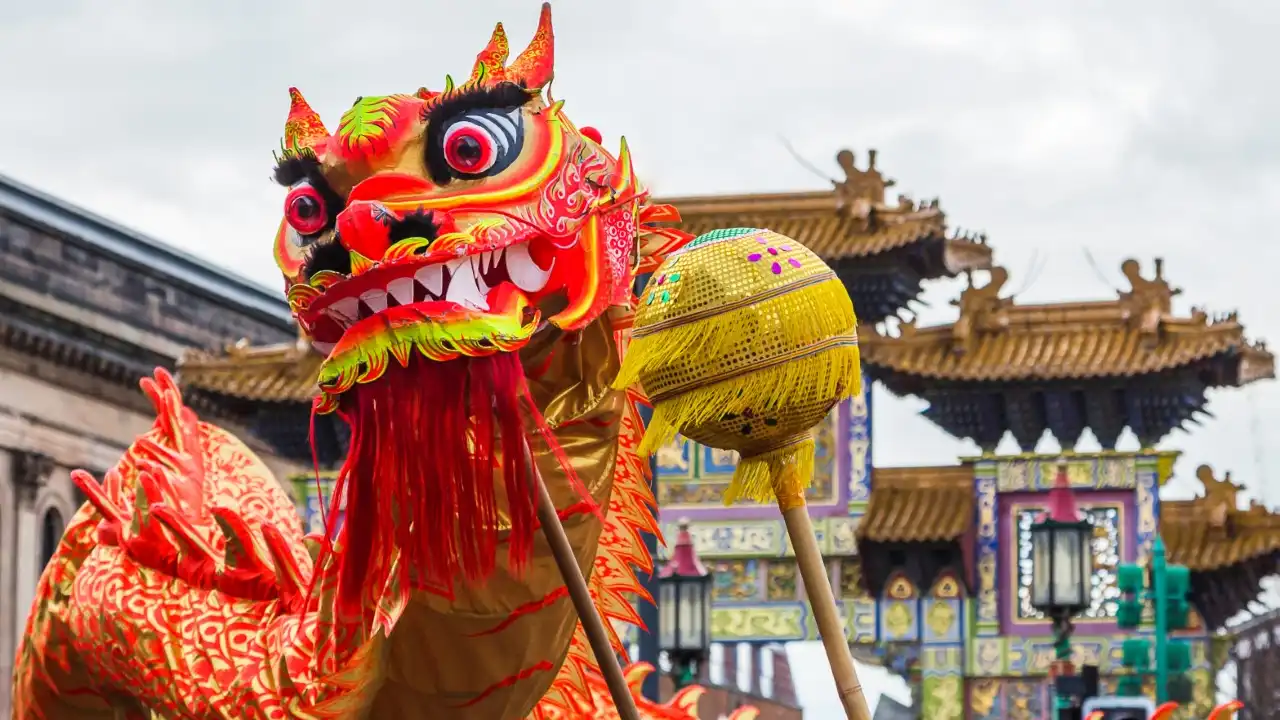
2026 rings in the Year of the Chinese New Year dragon, a cycle that always carries a bit more weight. Dragon years tend to be viewed as powerful and high-energy, and you will feel that in the way cities decorate. Expect oversized lanterns, dragon sculptures winding over plazas, and a general shift toward bolder colours. Locals travel more, temples are busier, and public celebrations stay alive longer into the night.
How the Festival Works When You’re on the Ground
The travel surge
By early February, railway stations feel like they’ve taken on a second life. Screens flicker with long-distance departure boards, families carry entire households in suitcases, and you might need to stand in a line just to join another line. If you’re coming from abroad, time your arrival before peak Chunyun traffic begins.
Decorations that tell stories
Lanterns aren’t just decorative props; they’re small markers of good fortune. Shops hang red couplets on both sides of the door. Apartment windows glow with cut-paper symbols. Once you’re in the thick of it, you start recognising recurring motifs and the quiet competition between neighbours for the best display.
Food that makes the festival feel real
Every region has its own must-eat dish during the season. In the north, dumplings appear on almost every dinner table. In the south, sticky rice cakes take the spotlight. If you’re travelling, food becomes your compass. Follow the queues at street stalls; they never lie.
The Best Cities to Experience the Festival
Beijin
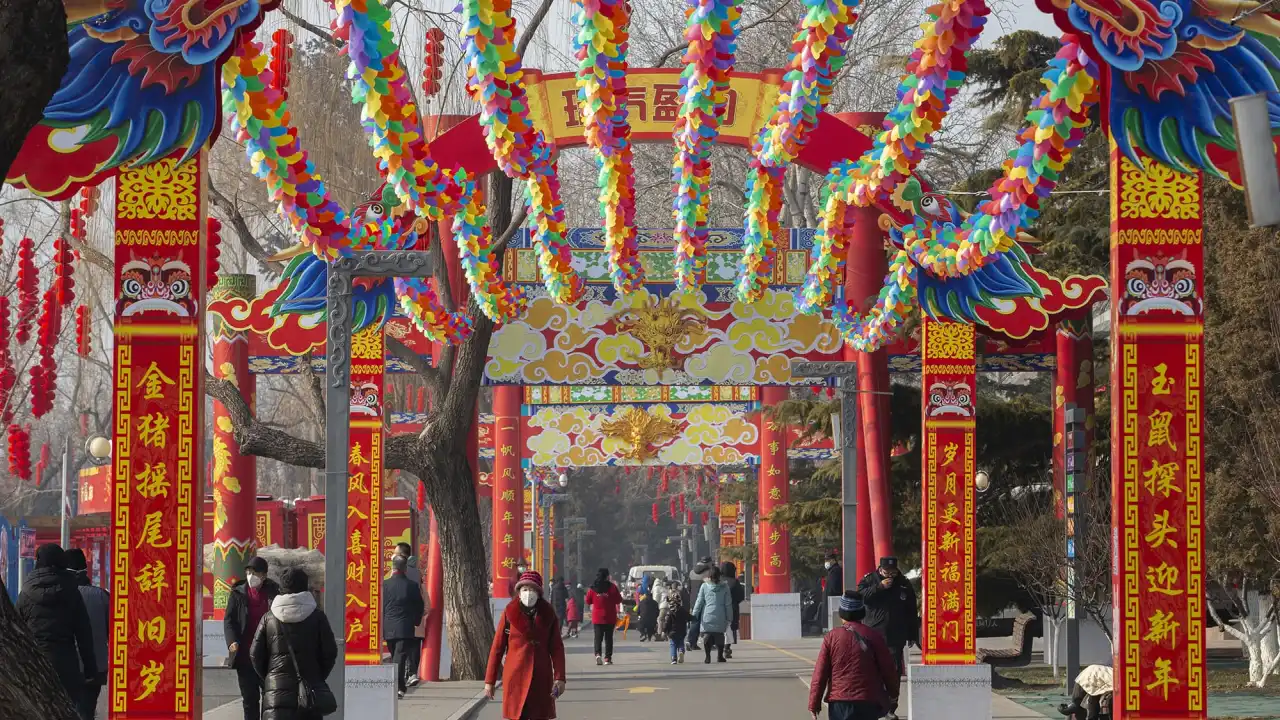
A classic choice if you want depth. The capital blends tradition with scale. Temple fairs sweep through parks with lion dances, candy sculptures, and smoky grills ladling out lamb skewers. The sky at night, when fireworks are allowed, becomes a moving constellation.
Shanghai
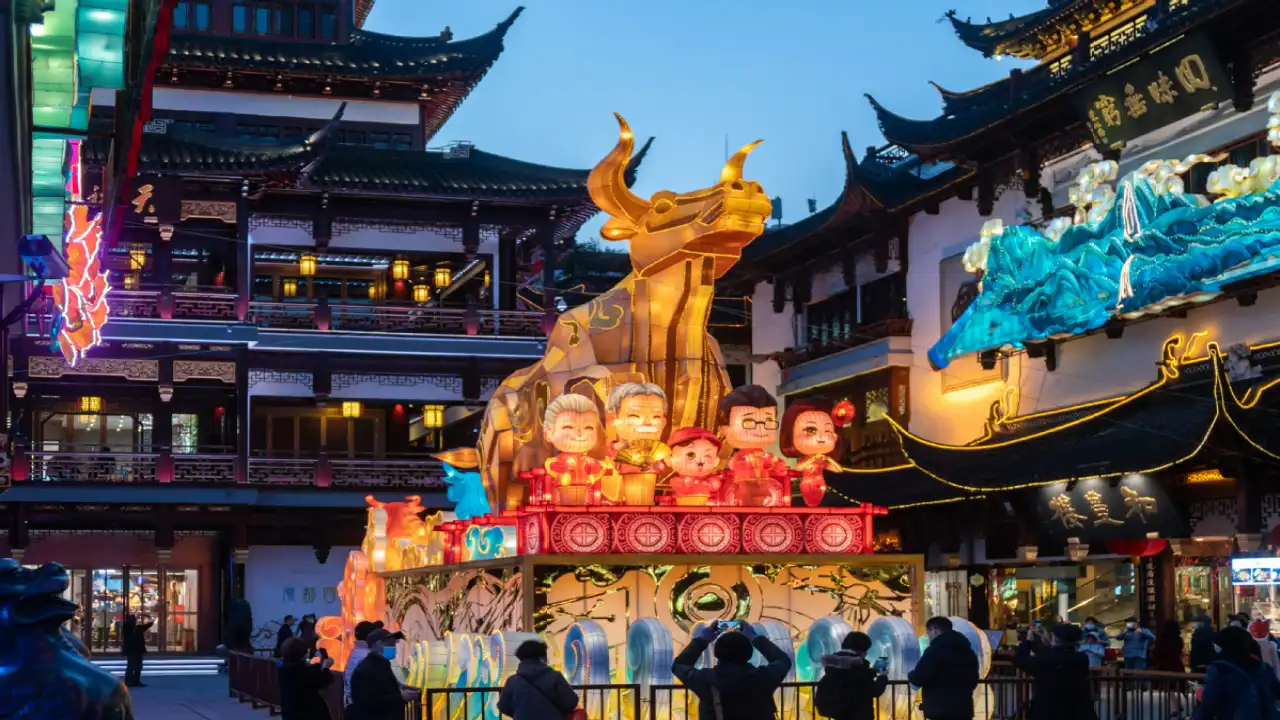
Modern, sharp-edged, and excellent for travellers who like festivals with convenience. Markets around Yuyuan Garden glow like a scene waiting for a film crew. The decorations here tend to be extravagant, especially during a dragon year.
Guangzhou and Shenzhen
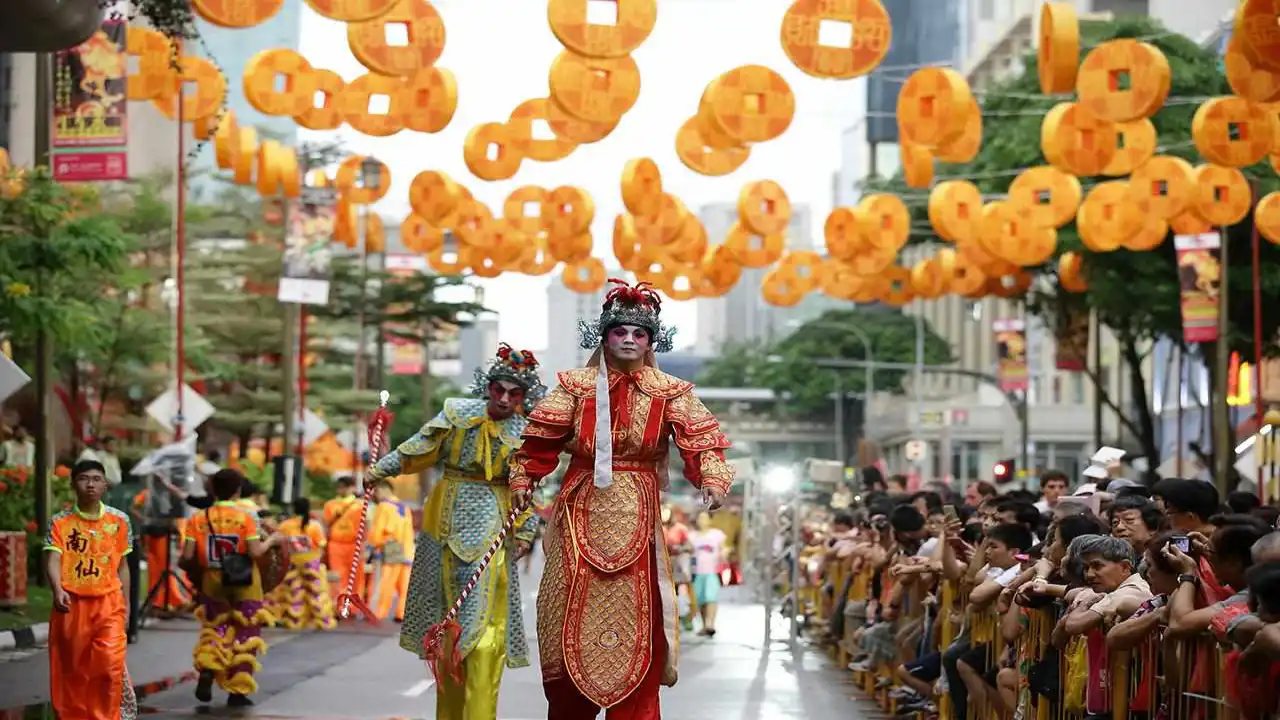
Great if you prefer warm weather. Flower markets flood entire avenues with orchids, kumquat trees, and citrus scents. You can stroll without needing three layers of clothing.
Chengdu
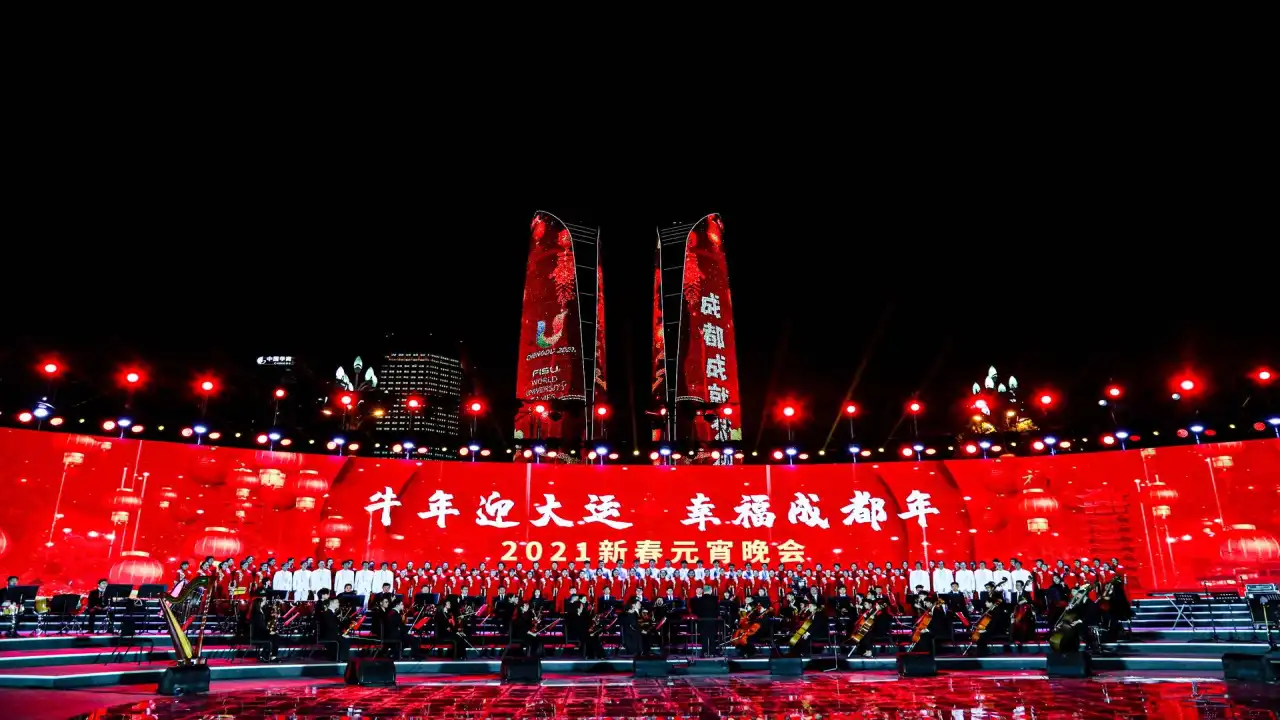
Soft, slow, spicy. If food is half the reason you travel, this is your city. Hotpot restaurants stay open late, and locals have a calm, relaxed way of celebrating that’s infectious.
Essential Festival Experiences You Shouldn’t Miss
The New Year’s Eve rush
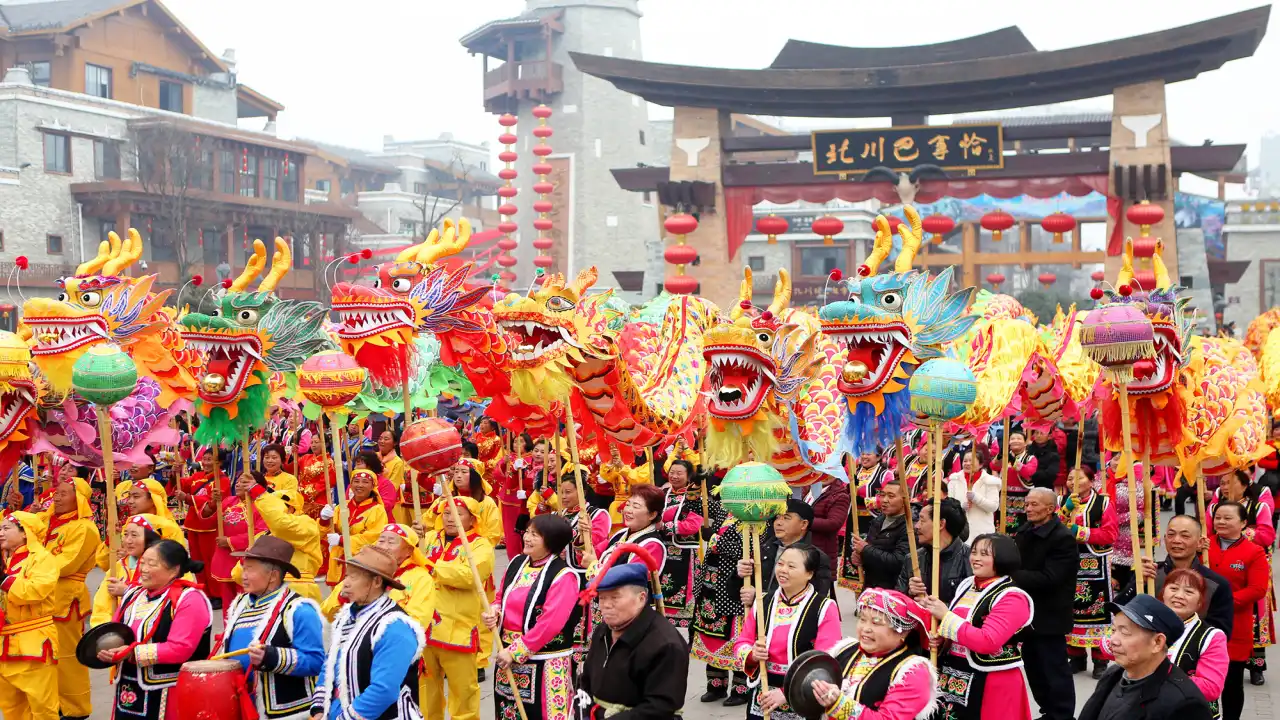
This is when last-minute shoppers crowd markets, buying fruit, sweets, firecrackers, and gifts for the reunion dinner. Wander through a local market in the evening, and you’ll see families bargaining fiercely for that final box of fresh dates or candied lotus root.
Temple fairs
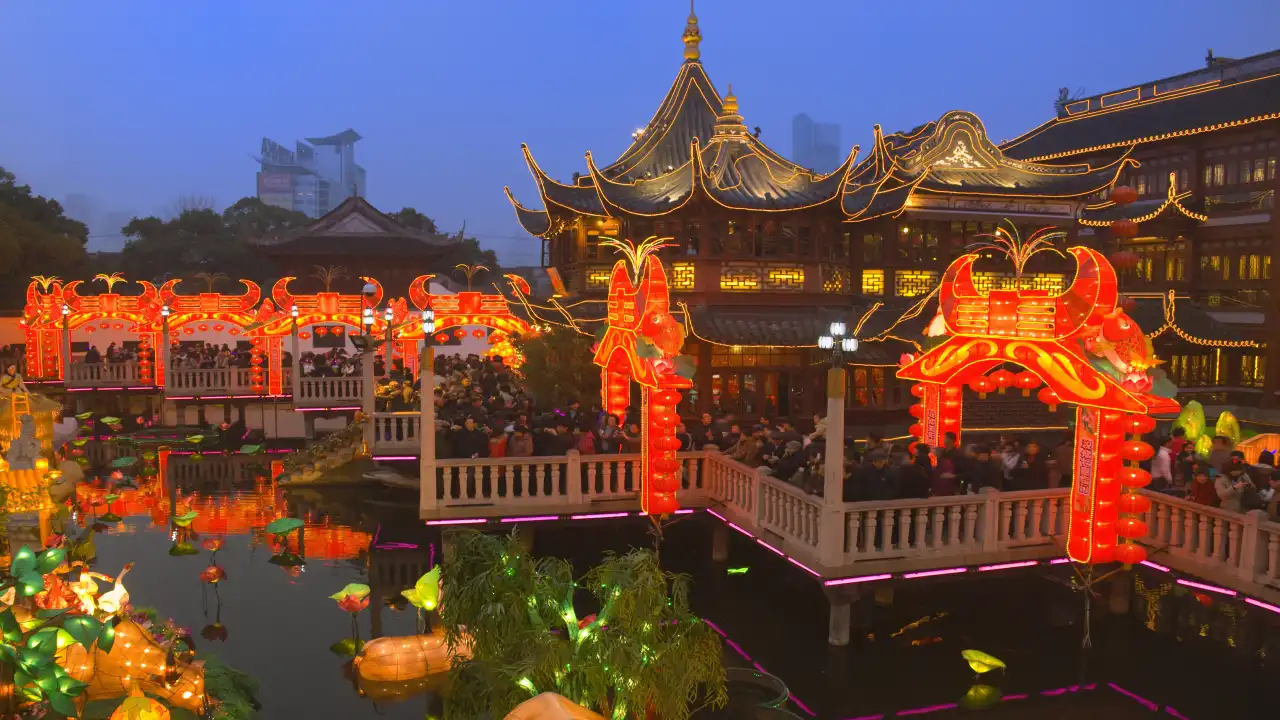
These are daytime pleasures. You’ll find everything from calligraphy stretches to performers on stilts. Go early to beat the crowds.
Watching lion and dragon dances
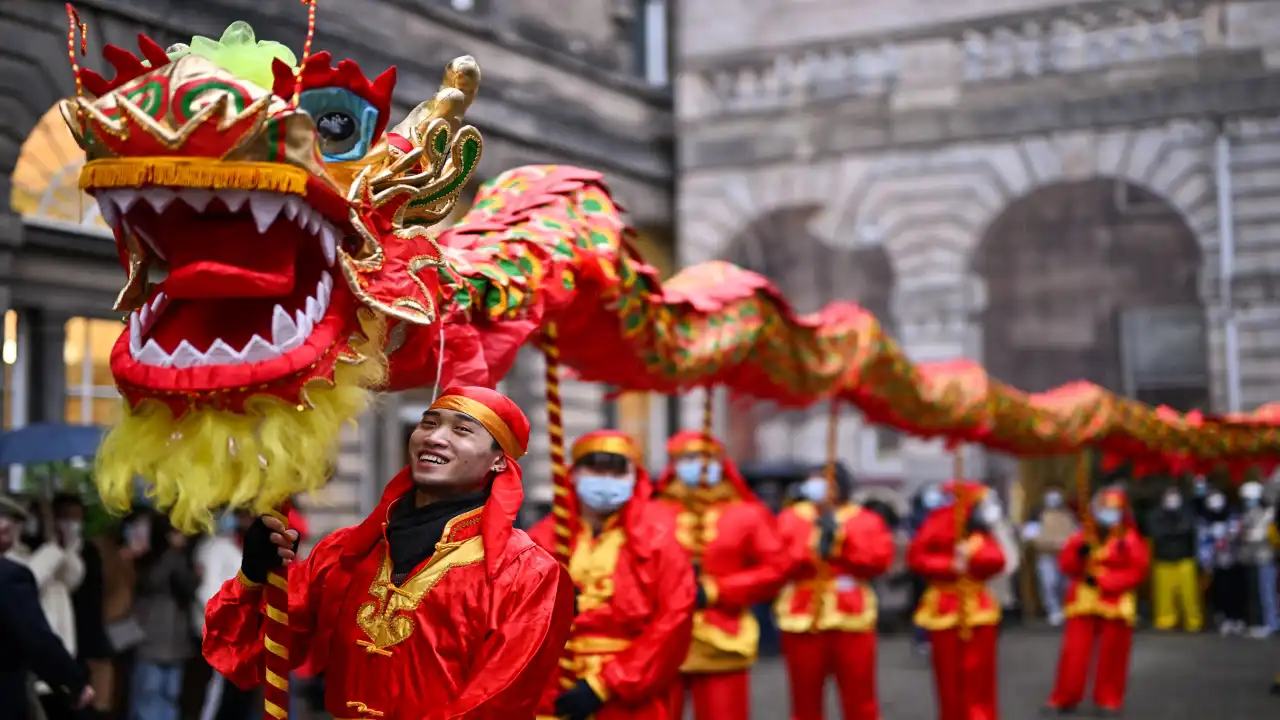
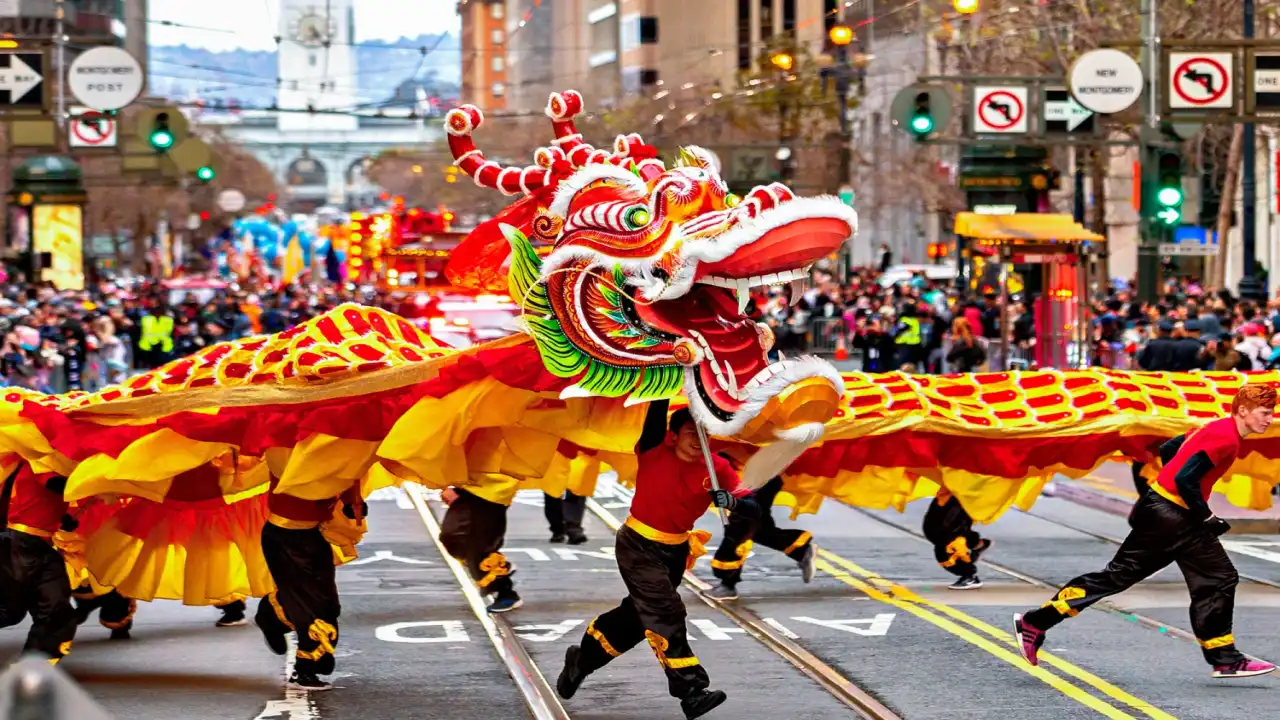
They’re loud, irregular, and unpredictable. Sometimes you follow the sound of drums only to find a troupe performing outside a quiet neighbourhood shop that’s just reopened for good luck.
Lantern festivals
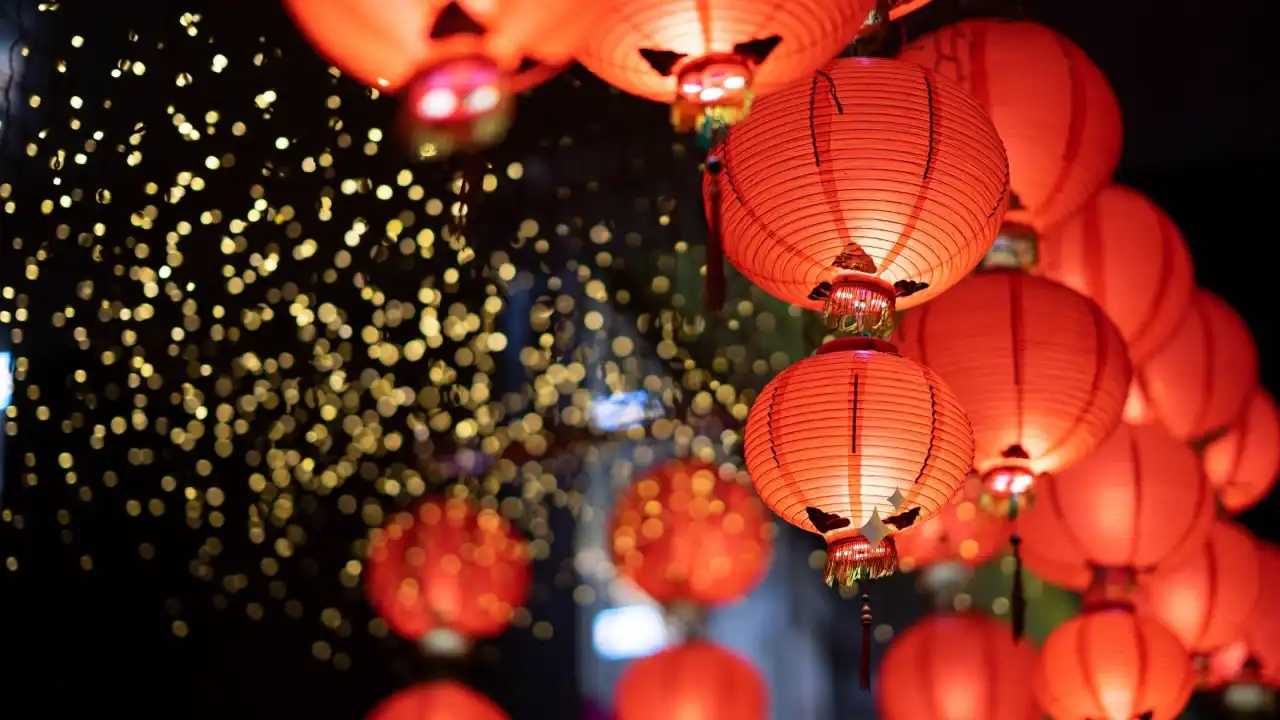
Held on the 15th day, this is when the festival softens and glows. Riversides, parks, and scenic spots become illuminated trails. China does lanterns like no one else.
A Closer Look at Food Traditions

Dumplings in the north
They’re shaped like ancient gold ingots, which symbolise wealth. Families wrap them together, chatting, telling stories, and arguing occasionally. Some hide coins inside for luck.
Fish dishes
Fish sounds like surplus in Mandarin. Serve it whole, save some for the next day, and don’t flip it over; that’s considered unlucky in coastal regions.
Sweet rice cakes
Soft, chewy, and often shared among friends visiting one another. You find them cooling on racks at markets, ready to be sliced and fried.
Hotpot dinners
In cities like Chongqing or Chengdu, hotpot carries the weight of bonding. You dip, share, laugh through the rising steam, and forget about the cold outside.
How 2026 Will Look for Travellers
The festival atmosphere in 2026 will likely lean bigger because dragons bring out the celebratory instinct. Expect:
- More public performances in major cities.
- Larger lantern installations in cultural districts.
- Higher domestic travel volume.
- A noticeable spread of New Year fairs into newer neighbourhoods.
If you’re using international packages, check that your itinerary includes late-evening cultural shows or temple fairs rather than only museum visits. New Year's nights are when cities show their real personality.
Planning Your Trip to China in 2026
Keep your expectations flexible. Festivals are living, breathing events. They won’t follow a strict schedule. A street performance may appear where you didn’t expect it. A crowd may form out of nowhere. A market you wanted to explore might close early because a stall owner wants to get home for their reunion dinner. This unpredictability is part of the charm.
If you’re travelling with the help of Travel Junky, ask them to shape your days around local traditions rather than only city landmarks. A well-timed market visit can be far more memorable than a museum line that stretches longer than the Great Wall feels.
Conclusion
Chinese New Year 2026 isn’t just a festival. It’s a mood, a shift, a collective heartbeat that fills entire cities. You don’t visit China during this season to observe. You visit to be absorbed. Lanterns, dumplings, fireworks, late-night walks, temple fairs, crowded trains, loud bargaining, quiet rituals at doorsteps. Everything blends into a celebration that doesn’t try to impress you. It just exists, and you get to step into its current. If you're planning to understand the festival beyond its postcard version, 2026 is the right year to do it. The dragon doesn’t usually do things halfway.
Pro Tips
- Avoid arriving in China during the first two days of the holiday. Airports stay crowded with returning families.
- Choose one major city as your base instead of hopping around during peak days.
- Wake up early for temple fairs; mornings are calmer and atmospheric.
- Try local sweets sold only during the New Year week. They’re rarely exported.
- Keep an eye out for smaller community firework displays. They feel more intimate than the big-city ones.
- If you want photos without ten thousand people in the background, explore residential lanes instead of major tourist districts.