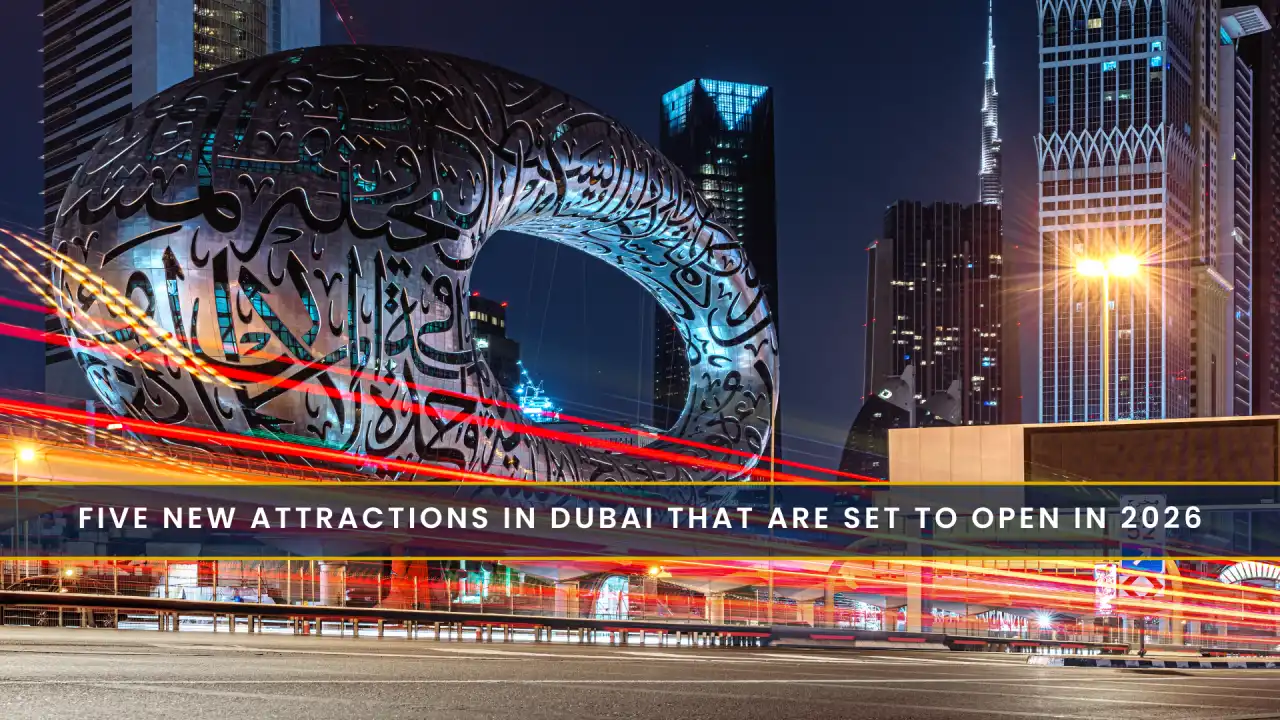
Five New Attractions in Dubai That Are Set to Open in 2026
Introduction
Dubai has always had this strange habit of catching people off guard. You think you’ve seen it all. The tallest building. A ski slope inside a mall. Aquariums are bigger than some towns. And then, quietly, without too much noise, the city starts working on the next thing. No dramatic announcements. No rush. Just planning, building, adjusting, and then suddenly it opens. And everyone asks the same question: How did they even pull this off? That’s pretty much where Dubai is right now.
By 2026, a fresh wave of experiences will start opening across the city. Not louder. Not necessarily bigger. Just smarter. These places are meant to change how people actually spend their time here, not just how they take photos. Some are slow. Some are immersive. Some are made for families who don’t want to keep hopping between malls. In this blog, we’re looking at New Attractions in Dubai 2026, breaking down what they really offer, who they’re best for, and why they’re worth thinking about if you’re planning a future trip. This isn’t hype. It’s a grounded preview, written the way someone in the travel industry would explain it over coffee.
1. Dubai Mangrove Reserve Experience – A Quieter Side of the City
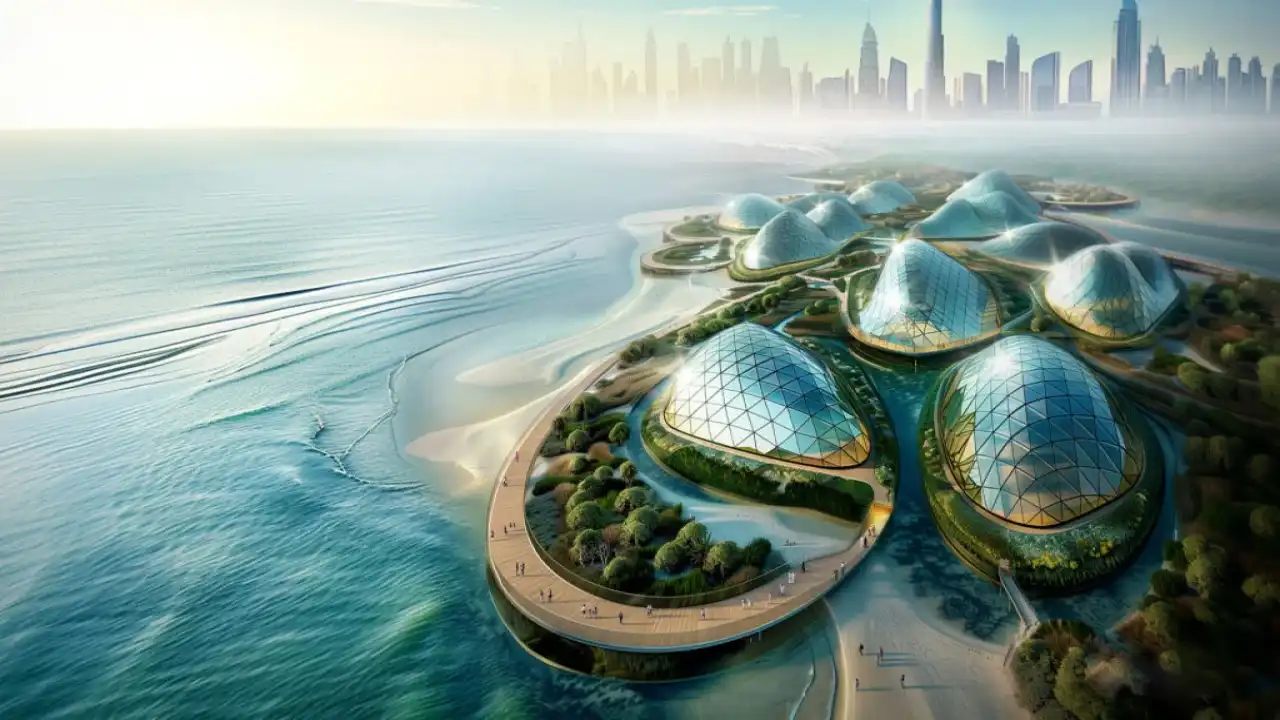
For most people, Dubai still means glass buildings, highways, and endless construction cranes. That image isn’t wrong but it’s incomplete. In 2026, Dubai adds something softer to the mix. A mangrove reserve that’s actually designed for people to step inside, not just look at from a distance. This isn’t a fake “nature-themed” attraction. No artificial birds. No background music. Just real coastal mangroves, protected and opened carefully so visitors can move through them without damaging what’s there.
What you’ll find there
- Raised wooden walkways weave through dense mangroves
- Calm kayaking routes led by eco-guides who know the area
- Small learning spaces explaining how marine life survives here
- Viewing decks where people stop talking without realizing it
The pace changes the moment you enter. Traffic noise drops. The air feels different. You start noticing small things, ripples in the water, birds resting in the shade.
Why this matters
Mangroves quietly protect coastlines and support marine life. Turning them into an educational visitor experience shows Dubai is thinking beyond spectacle. Tourism here is slowly shifting toward responsibility, not just attraction.
Who’ll enjoy it most
- Families with curious kids
- Travelers who need a break from malls and crowds
- Anyone who enjoys walking without rushing
Pro tip: Early mornings or late afternoons feel best. The light is softer, and the space feels almost private.
2. Museum of the Future – New Zones That Feel More Real
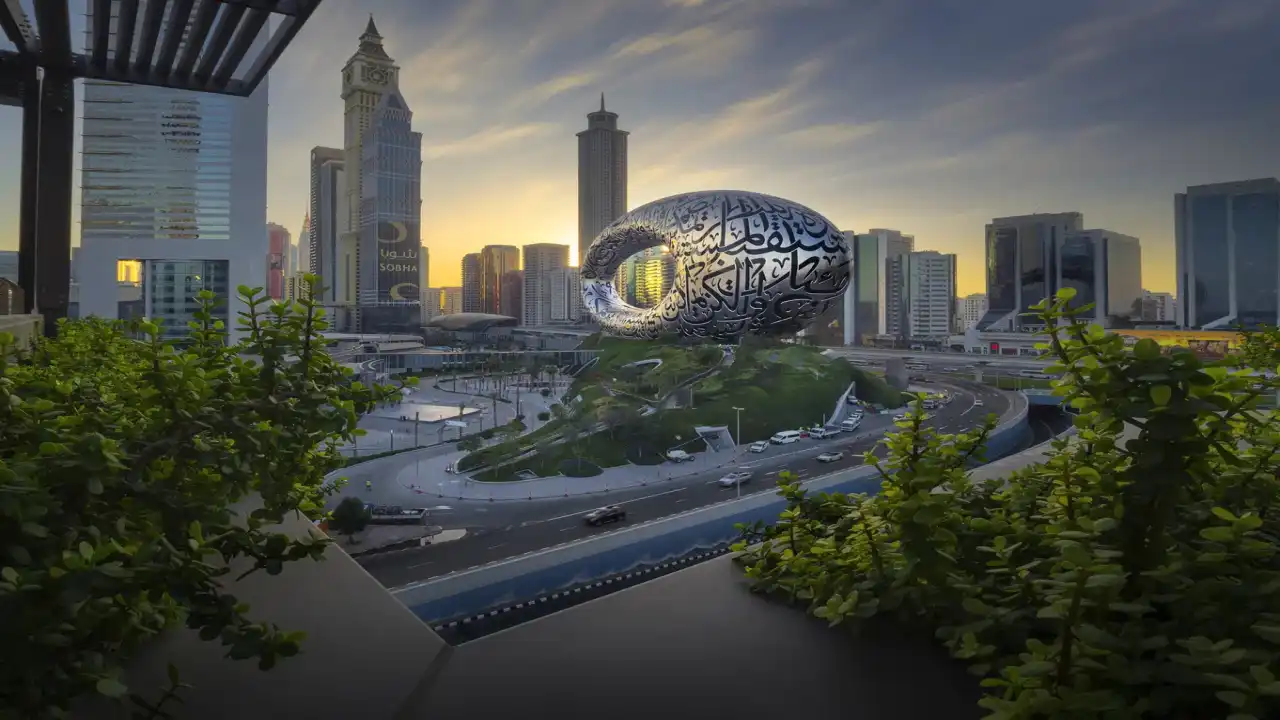
The Museum of the Future already grabs attention, even from people who don’t usually like museums. Mostly because of how it looks. But by 2026, it goes further inside. New expansion zones are coming, and they’re less about abstract ideas and more about daily life. You don’t just read about the future. You step into it.
What’s being added
- Smart city simulations where you try managing energy and traffic
- Health-tech areas showing how AI might actually help doctors
- Learning spaces exploring how schools could change by 2040
- Guided storytelling instead of silent screens everywhere
It feels more practical than futuristic. Less “sci-fi,” more “this could happen sooner than you think.”
Why it works
A lot of future-focused spaces feel confusing or distant. This one keeps asking simple questions. How will we live? How will cities stay comfortable? How much technology is actually helpful?
Best suited for
- Adults who like innovation without technical overload
- Teenagers thinking about careers
- Travelers who prefer interactive experiences
Pro tip: Don’t rush it. Give yourself time. Three hours disappear faster than you expect.
3. Palm Jebel Ali Waterfront District – Not Just Another Beach Spot
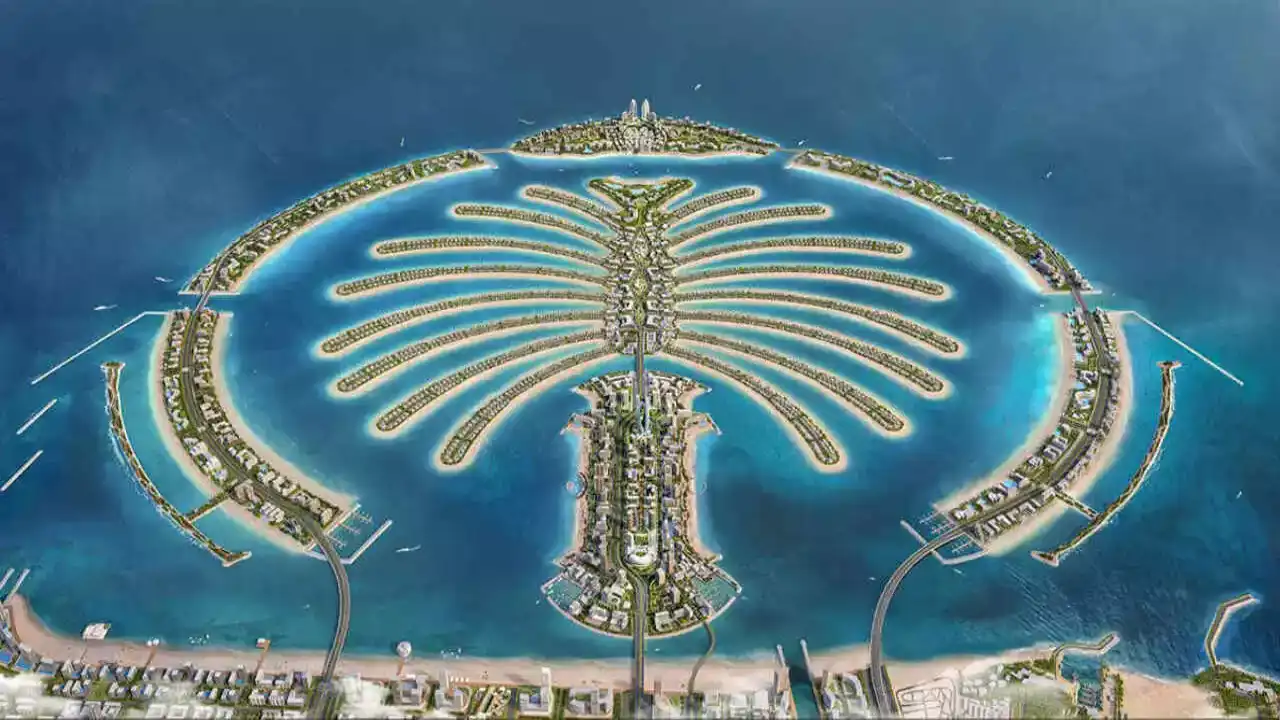
Palm Jebel Ali has been talked about for years. By 2026, its waterfront district will finally open and it’s not trying to compete with flashy beach clubs. Instead, it feels slower. More open. Almost casual. This area is built around walking, sitting, eating slowly, and not checking the time too often.
What stands out here
- Long promenades with shade and seating
- Cultural spaces for small exhibitions and events
- Restaurants that encourage leisurely dining, not quick meals
- Play areas and water features for kids
It’s the kind of place where plans form after you arrive.
What makes it different
Unlike polished beachfront developments, this one feels lived-in. Less staged. More repeat-friendly. You can visit without turning it into an “event.”
Who it’s good for
- Families wanting relaxed beach time
- Couples who enjoy evening walks
- Travelers staying longer in Dubai
Pro tip: Weekday evenings feel calmer and more local.
4. Dubai Sphere – Entertainment That Surrounds You
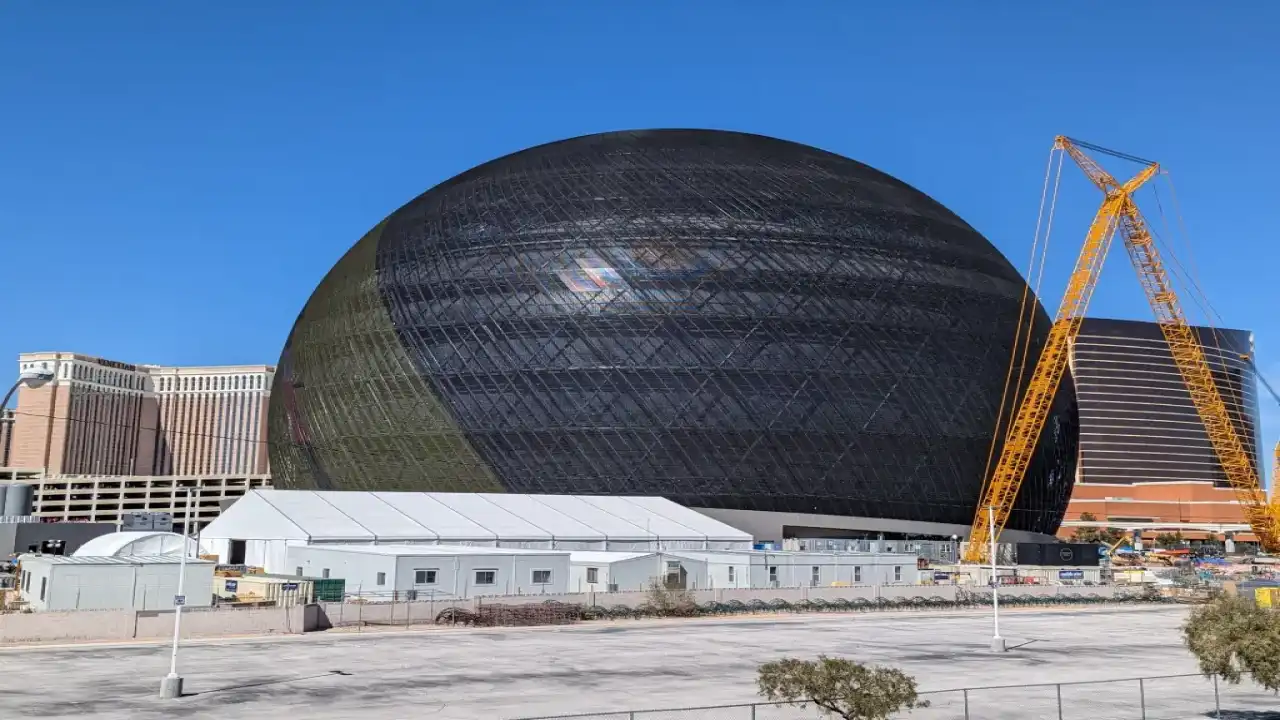
Dubai already knows how to put on a show. But the Dubai Sphere changes how those shows are experienced. Opening in 2026, this venue uses advanced projection and sound tech so that every surface becomes part of the performance. You don’t just watch the stage. You will feel like you’re inside the visuals.
What happens inside
- Concerts where sound and visuals wrap around you
- Cultural shows blending tech with storytelling
- Global events streamed with live effects
- Custom productions designed only for this space
There’s no “bad seat” here. The experience surrounds everyone.
Why are people excited?
It’s not just bigger. It’s closer. Performances feel personal, even with thousands of people inside.
Ideal for
- Music lovers
- Travelers looking for memorable nights
- Anyone curious about new entertainment formats
Pro tip: Central seating gives the most balanced experience.
5. Hatta Eco-Adventure Expansion – Slowing Down Outside the City

Hatta has always felt like Dubai’s pause button. Mountains. Open land. Fewer distractions. By 2026, its eco-adventure zone will expand, making it easier for more people to explore without losing the area’s raw feel.
What’s being added
- Longer trails for hiking and cycling
- Beginner-friendly guided mountain activities
- Eco-lodges built with minimal impact
- Programs teaching desert and mountain ecology
It’s an adventure without pressure. You go at your own pace.
Why it’s worth going
Many visitors never leave the city. Hatta reminds you there’s more here, quiet space, and a very different rhythm.
Best for
- First-time adventure travelers
- Families with older kids
- Visitors extending their stay
Pro tip: Stay overnight. Evenings feel calm in a way the city never does.
What These New Openings Say About Dubai
There’s a pattern here.
These attractions aren’t about records. They’re about balance.
- Nature inside an urban city
- Technology explained simply
- Waterfronts meant for everyday use
- Entertainment that feels closer
- Adventure that welcomes beginners
Dubai isn’t just building things to be seen anymore. It’s building places meant to be used.
Conclusion
Dubai in 2026 won’t feel unfamiliar, but it will feel more thoughtful. The city isn’t slowing down at all. It’s adjusting its pace, adding layers, and building places people actually want to spend time in, not just tick off a list. If you’ve visited Dubai before, this next phase provides a genuine reason to return and see it with fresh eyes. And if you haven’t been yet, 2026 might be the right moment when the city feels confident enough to pause between the skyscrapers and let visitors explore at their own rhythm. Many travelers even start planning Dubai as part of broader international package journeys, using it as a stop where modern energy meets more grounded experiences. Still ambitious. Still surprising. Just more human this time.
Planning a 2026 Visit the Smart Way
Timing matters with new openings. Not everything launches perfectly on day one.
A few practical tips
- Check soft-opening dates before booking
- Mix city experiences with outdoor escapes
- Leave empty days in your itinerary
- Don’t overschedule
Many travelers prefer a flexible Dubai package that allows room for new attractions without rushing.