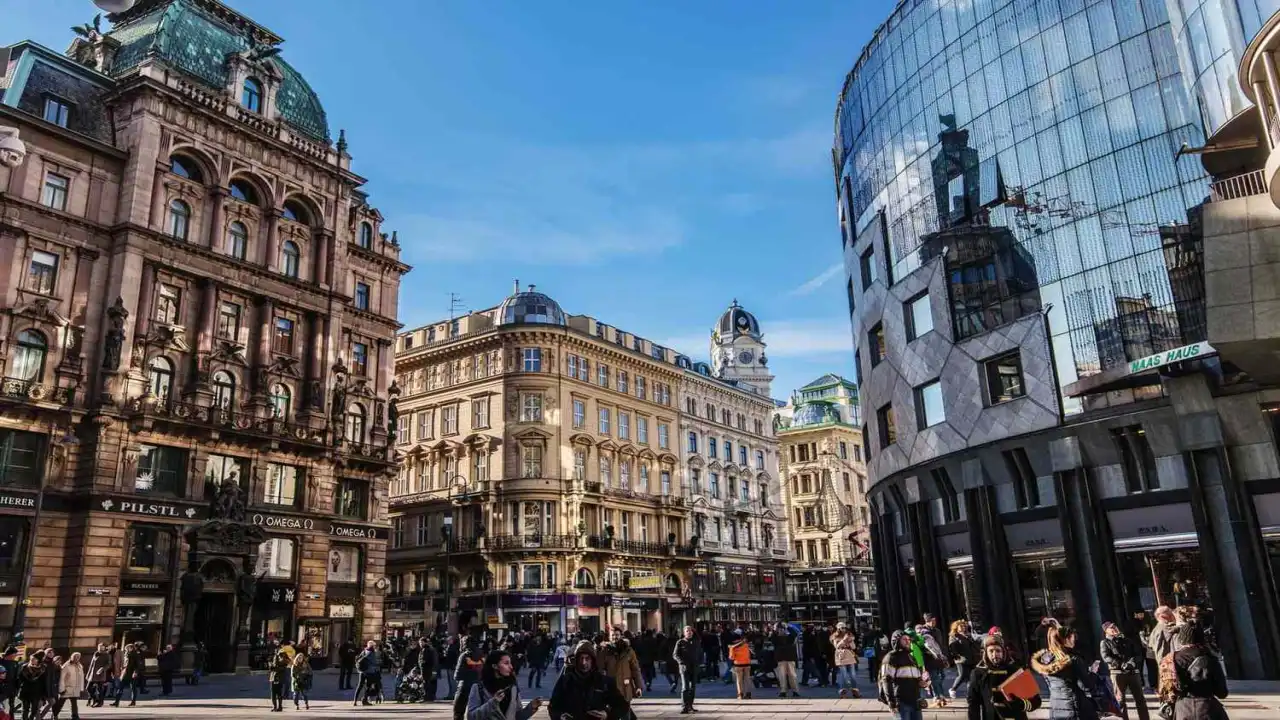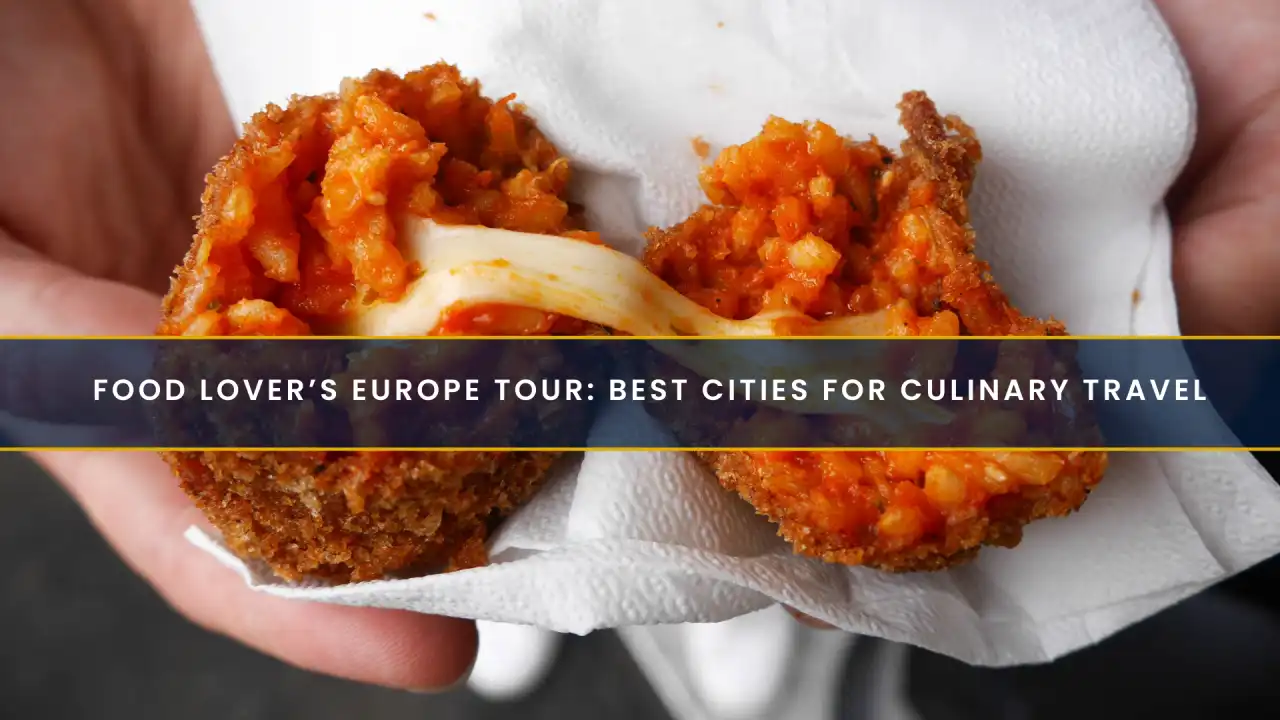
Food Lover’s Europe Tour: Best Cities for Culinary Travel
Introduction
Planning a food-focused trip across Europe isn’t like planning a normal holiday. It’s more like sitting down for a long chat with different cultures every city speaking through its plates, smells, and those tiny backstreet kitchens you find by accident. If you’re the type who cares more about what’s bubbling in a pot than what’s trending online, this guide is basically made for you. And yes, there are plenty of reasons why food in Europe keeps pulling people back again and again.
Think of this as a simple, straight-talking roadmap for travellers who want their trip to feel real, not polished. No fancy lines. Just the honest things where to eat, what locals actually order, how to avoid overpaying, and which random streets end up giving you meals you remember for weeks. To set the context right from the start, this isn’t a bland catalogue of restaurants. It’s more like a friend telling you what worked for them during their own Europe tour, mistakes included. And because many travelers today prefer structured planning, we’ve kept the entire guide helpful for you. Let’s get into the cities that make Europe a paradise for people who travel with their appetites first.
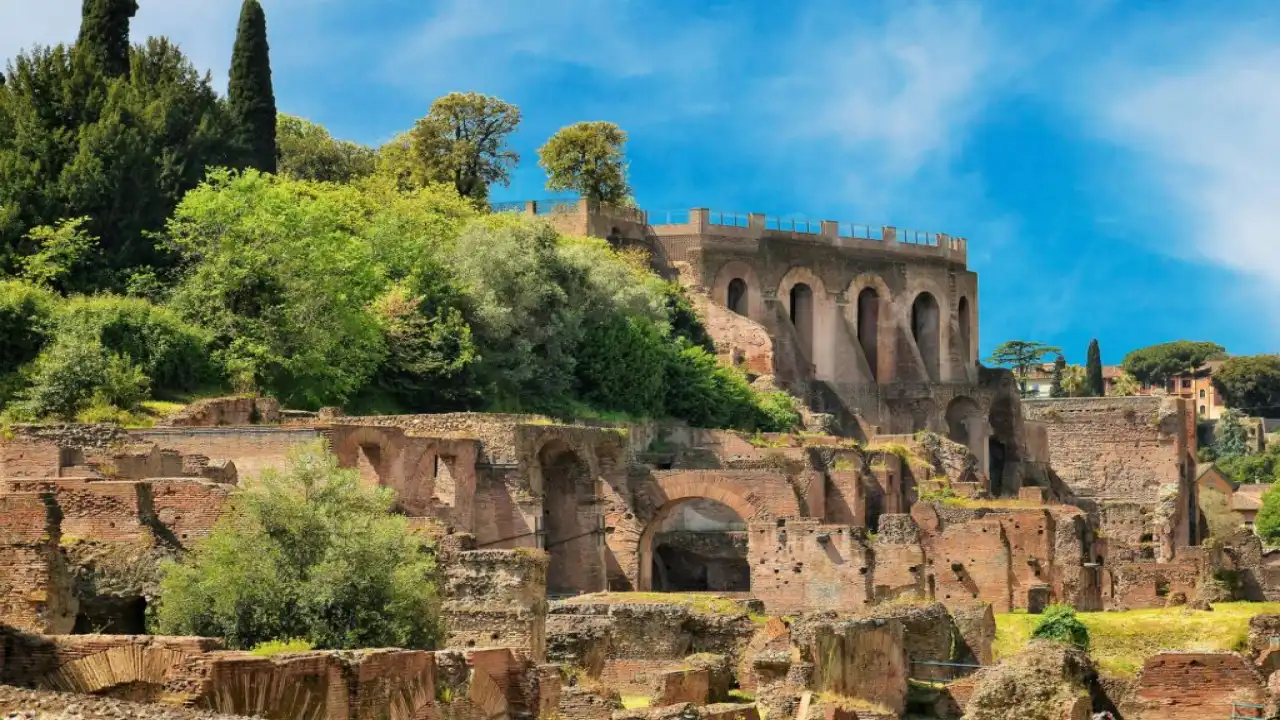
1. Rome – A City That Feeds You Like Family
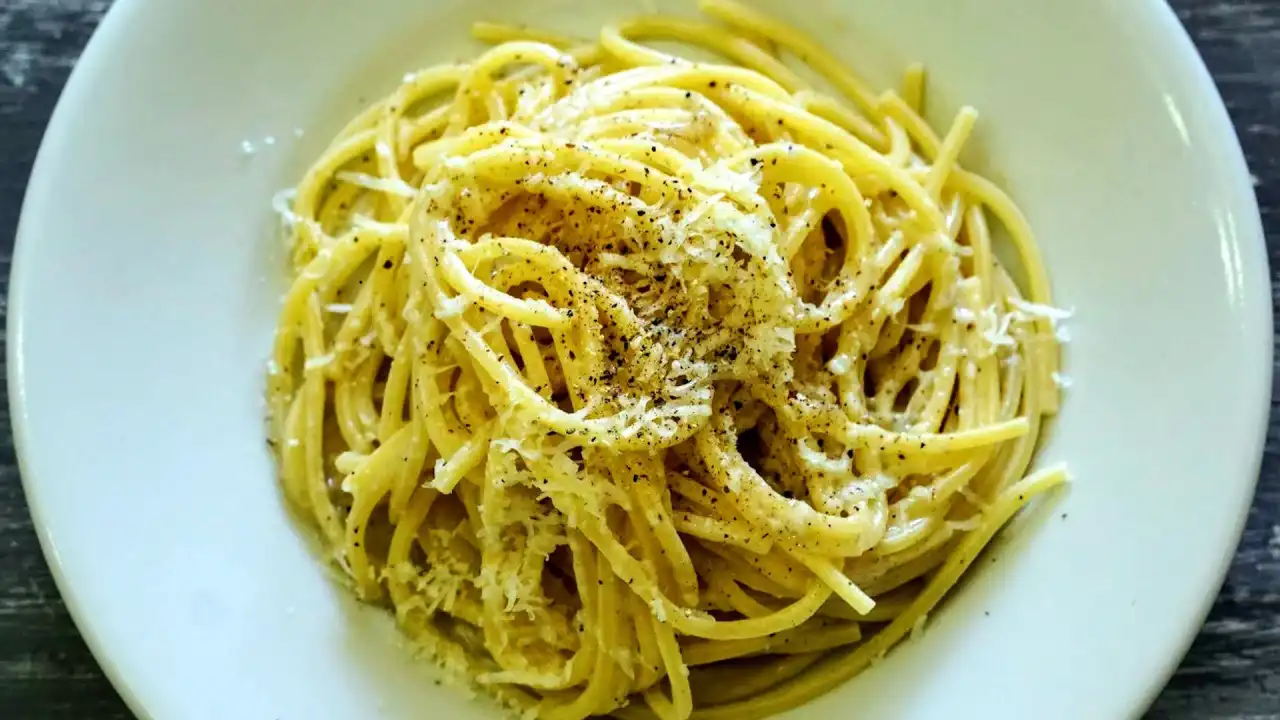
There’s something about Rome that makes eating feel like an emotional experience. Even simple dishes hit differently. Maybe it’s the old city charm, maybe it's the fact that recipes here don’t try to impress; they just exist, the same way they have for decades.
What Makes Rome Perfect for Food Lovers?
Rome doesn’t complicate things. It’s the home of comfort food. The type of food that calms you down, even after a long day of sightseeing in the sun.
- Pasta cooked the Roman way, no experiments, no nonsense
- Cheese that tastes like it has its own autobiography
- Desserts, you promise to take “just one bite” and then finish the whole plate
Must-Try Dishes
- Cacio e pepe
- Carbonara
- Pizza al taglio
- Supplì
These aren’t just dishes; they’re the anchors for your entire Roman memory.
Where to Eat
You don’t need Michelin stars here. Go for the old family-run places, the ones where the owner looks surprised if you’re not hungry.
- Trastevere’s small trattorias
- Local pizza-by-weight shops
- Campo de Fiori morning market
Pro Tip
Don’t order a cappuccino after 11 a.m. It’s not “wrong,” but locals will stare at you like you’re doing something suspicious.
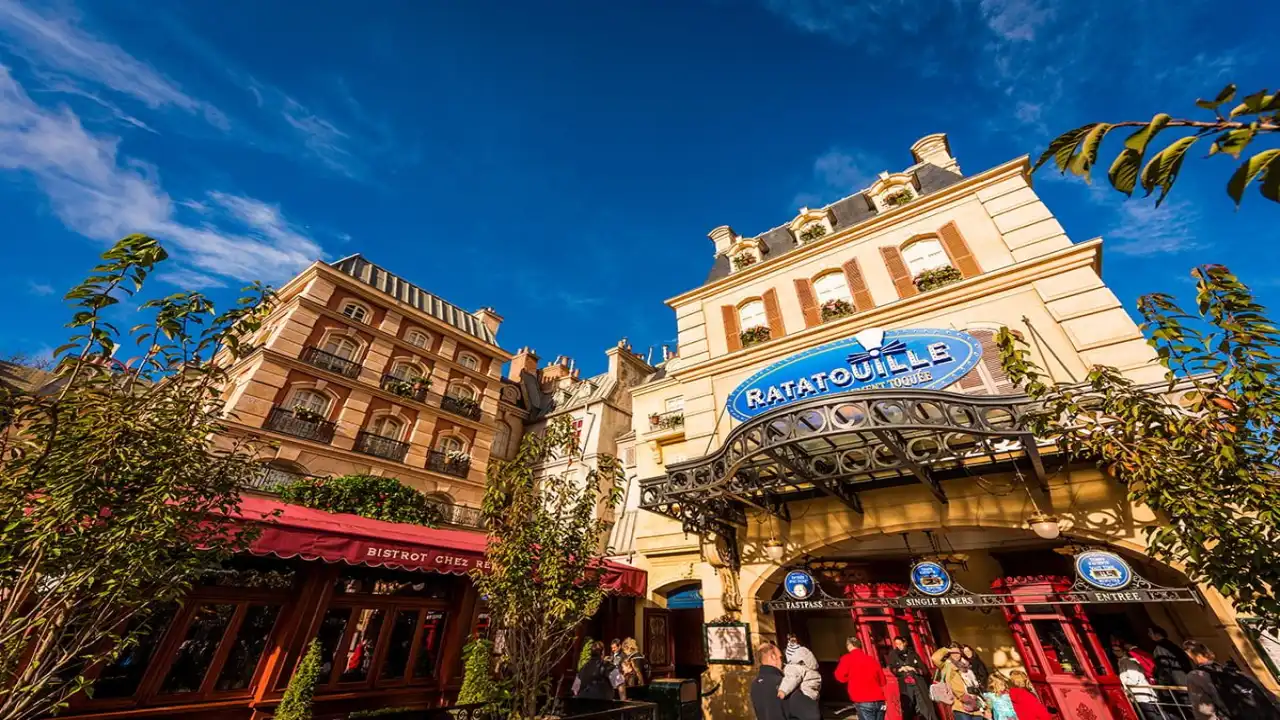
2. Paris – Where Every Bite Has a Backstory
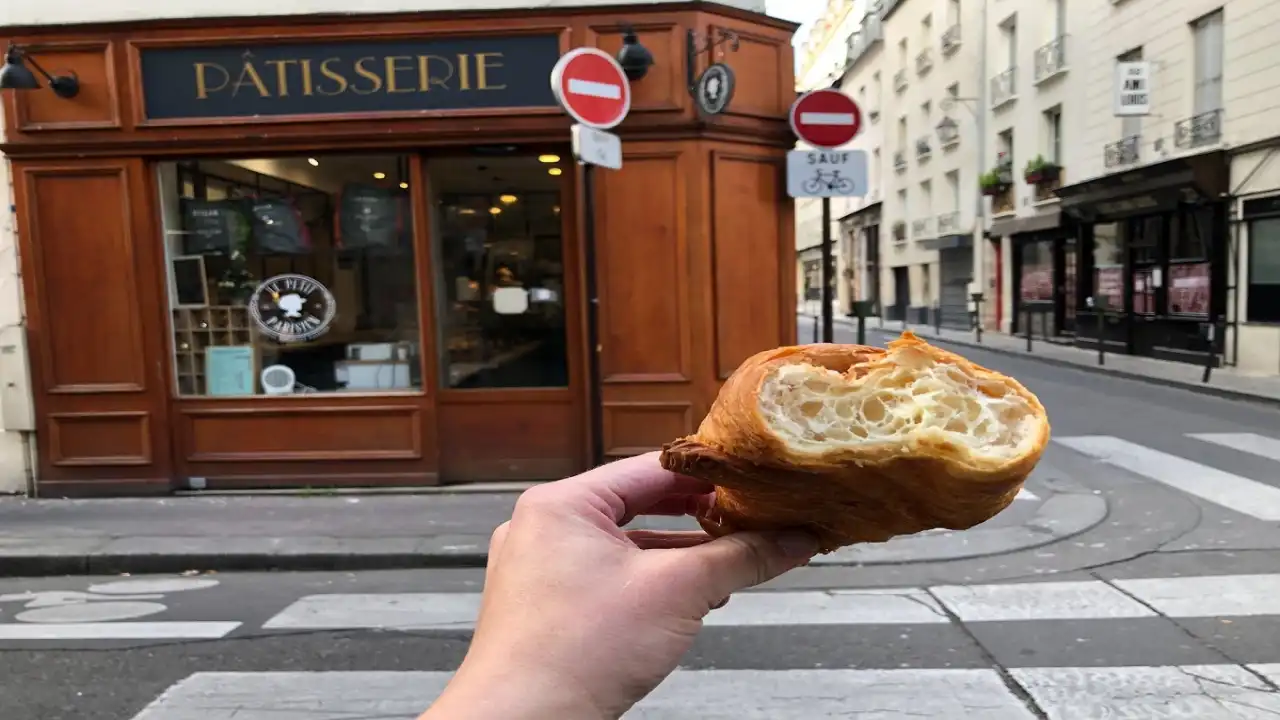
Paris doesn’t rush you. It lets you get comfortable first and then throws flavors at you from every direction. The city feels like a giant bakery mixed with a museum, mixed with the smell of butter following you everywhere.
Why Paris Works for Food Travelers
Because even the basic things, bread, cheese, and pastries, taste better here. You’ll notice the difference without anyone having to explain it.
Must-Try Dishes
- Croissants (early morning is best)
- Steak-frites
- Onion soup
- Macarons
- Baguette sandwiches (yes, they're worth talking about)
Food Experiences You Shouldn’t Miss
- Sitting outside a café, even if you don’t order much
- Trying a fresh-baked loaf straight from a boulangerie
- Visiting fromagerie shops and tasting without rushing
Pro Tip
Don’t judge places by fancy signs. Some of the best bakeries look like they haven’t renovated since the 70s.
3. Barcelona – A Mix of Flavor, Colour & Good Chaos
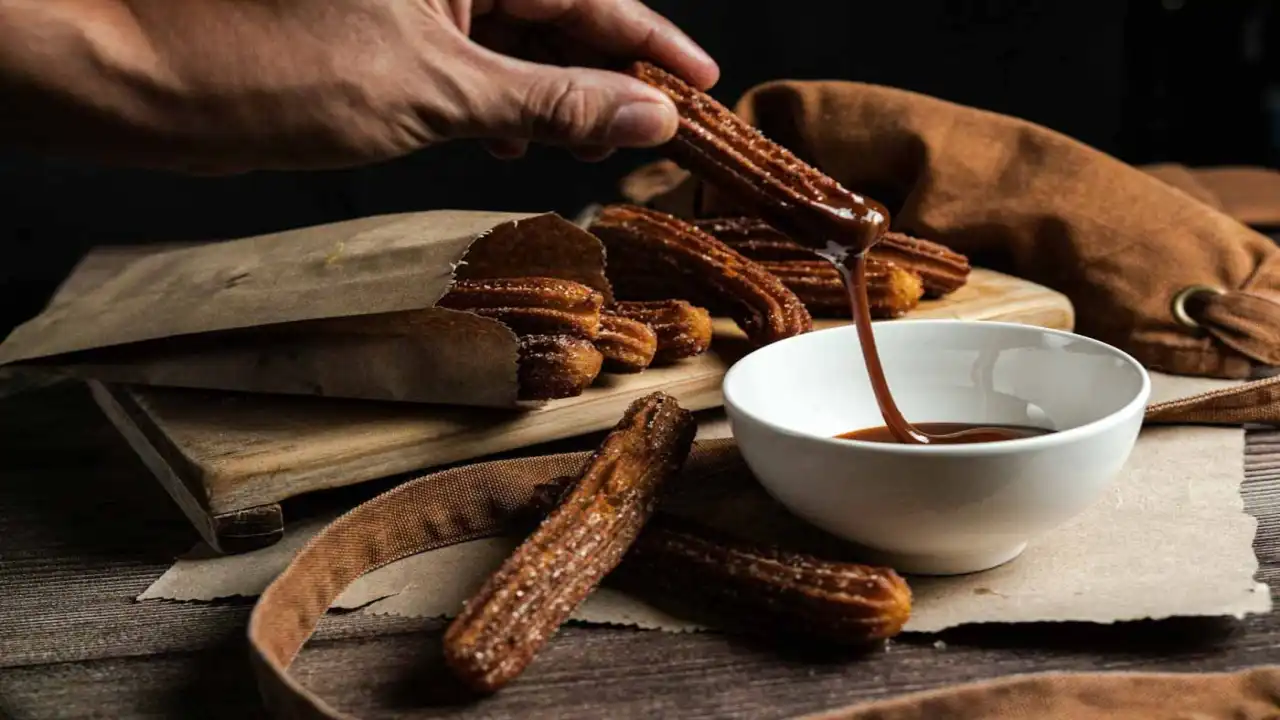
Barcelona feels alive. Food here is loud, bright, and full of character. You don’t just eat; you join in. It’s the kind of city where you end up trying new dishes without even planning to.
Top Barcelona Foods
- Tapas (start with patatas bravas)
- Jamón ibérico
- Seafood paella
- Churros dipped in thick chocolate
- Bombas (local potato croquettes)
Where to Eat
- La Boqueria Market
- Old town tapas bars
- Beachside restaurants in Barceloneta
A Realistic Expectation
Barcelona can be touristy in many corners, so check menus first. If it has 40+ photos of food items, walk away.
Pro Tip
Eat standing sometimes. Locals do it, and it makes you feel like part of the city, not a visitor.
4. Vienna – Where Everything Tastes Polished
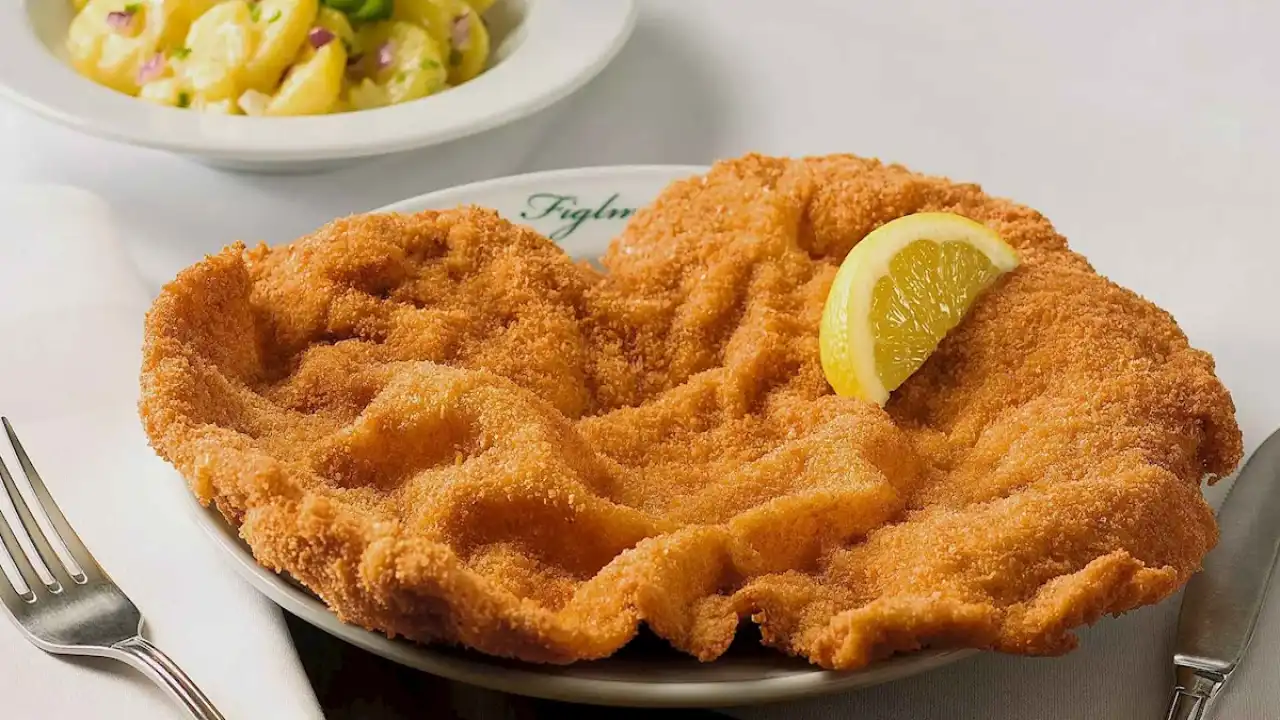
If Europe had a city where food “behaves,” it would be Vienna. Everything here is smooth, structured, and elegant, even dishes that are supposed to be simple.
What to Try in Vienna
- Wiener schnitzel
- Sacher torte
- Apple strudel
- Sausages from street stands
It’s not a city of extremes; it’s a city of balance.
Food Culture Notes
- Coffee houses are important here. They’re not cafés, they’re institutions.
- Meals can take time, and nobody rushes.
Pro Tip
Order a mélange instead of just “coffee.” It’s the Viennese way.
5. Prague – Old World Charm, New World Flavor
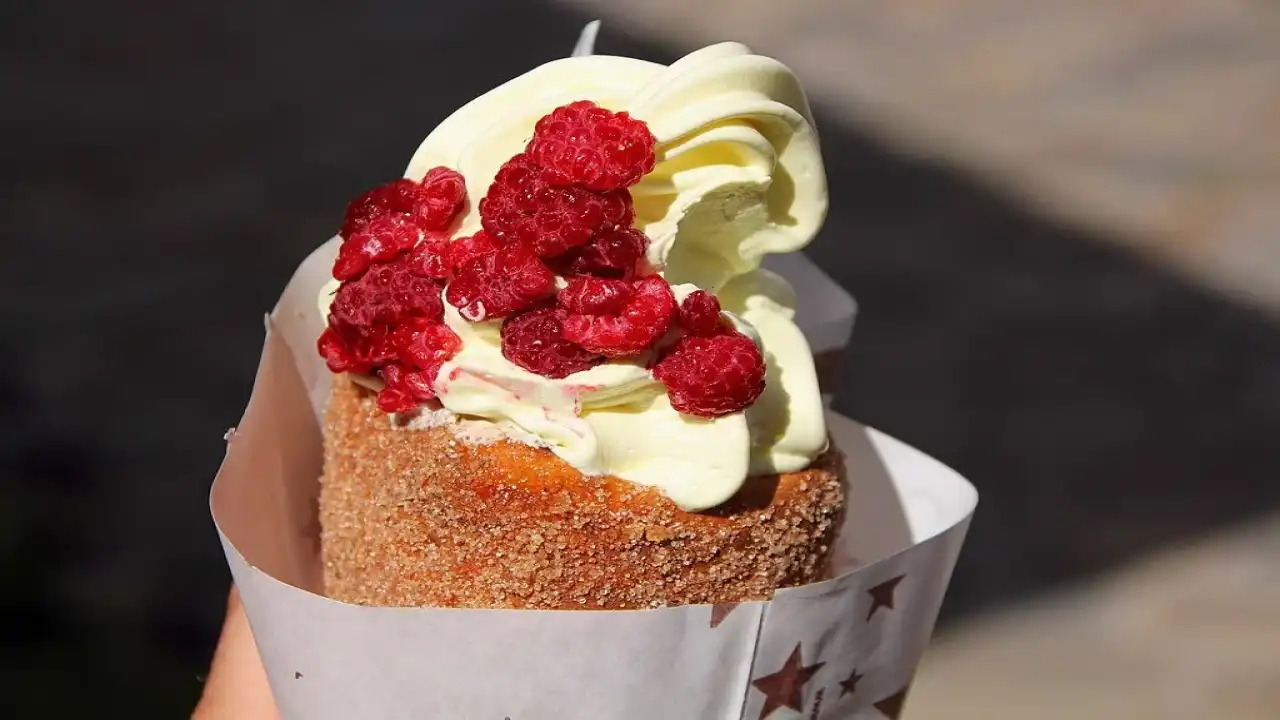
Prague gives you hearty, filling, comforting meals, things that make you feel warm even if it’s snowing outside. Food here is underrated, but once you dive in, you understand the hype.
Must-Eat Items
- Goulash
- Pork knuckle
- Trdelník rolls
- Beer
Where to Go
- Old Town pubs
- Local breweries with small kitchens
- Street stalls serving chimney rolls
Pro Tip
Prague portions are bigger than you expect. Don’t order too much at once.
6. Lisbon – A Quiet Star That Deserves More Attention
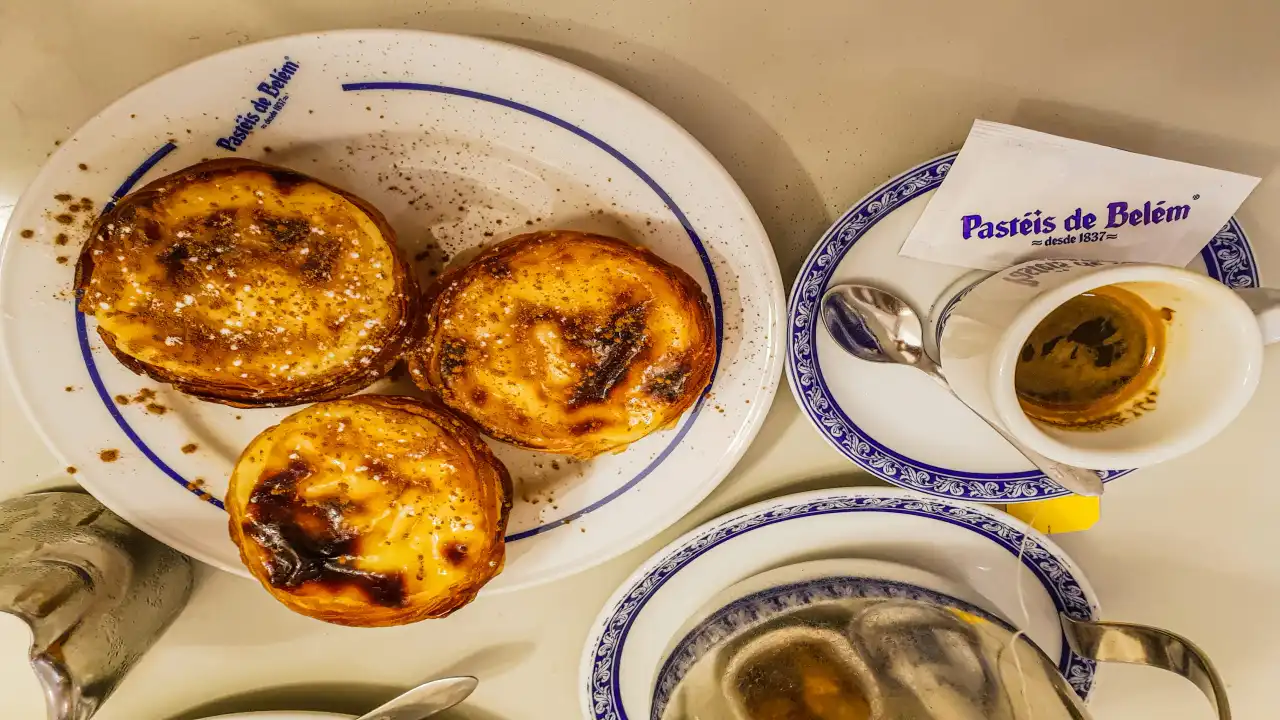
Lisbon has this calm confidence. It doesn’t scream for your attention; it lets the food speak quietly but powerfully.
Best Lisbon Bites
- Pastéis de nata
- Seafood rice
- Grilled sardines
- Piri piri chicken
Where to Eat
- Alfama’s small restaurants
- Waterfront seafood spots
- Bakeries that still smell of warm custard
Pro Tip
Try pastries fresh out of the oven. The difference is massive.
7. Athens – A Full-Flavoured, No-Fuss Food Heaven
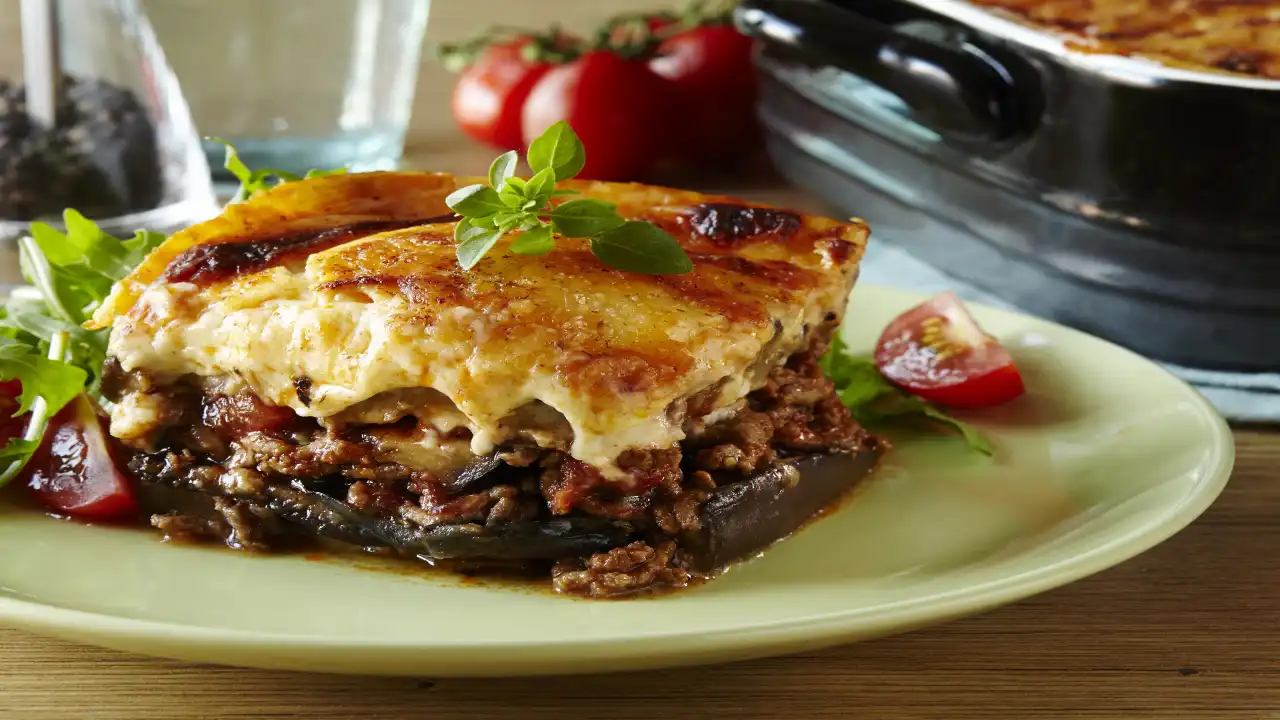
Athens is where food feels both ancient and modern at the same time. The dishes are built on fresh ingredients, olive oil, and simple recipes that have survived centuries.
What to Try
- Souvlaki
- Moussaka
- Greek salad
- Loukoumades (small honey dough balls)
Eating Culture Notes
Meals are social; you’re supposed to share. Ordering separate plates for everyone isn’t common.
Pro Tip
Don’t skip local wines. They’re affordable and surprisingly good.
8. Istanbul – A Bridge of Cultures on a Single Plate
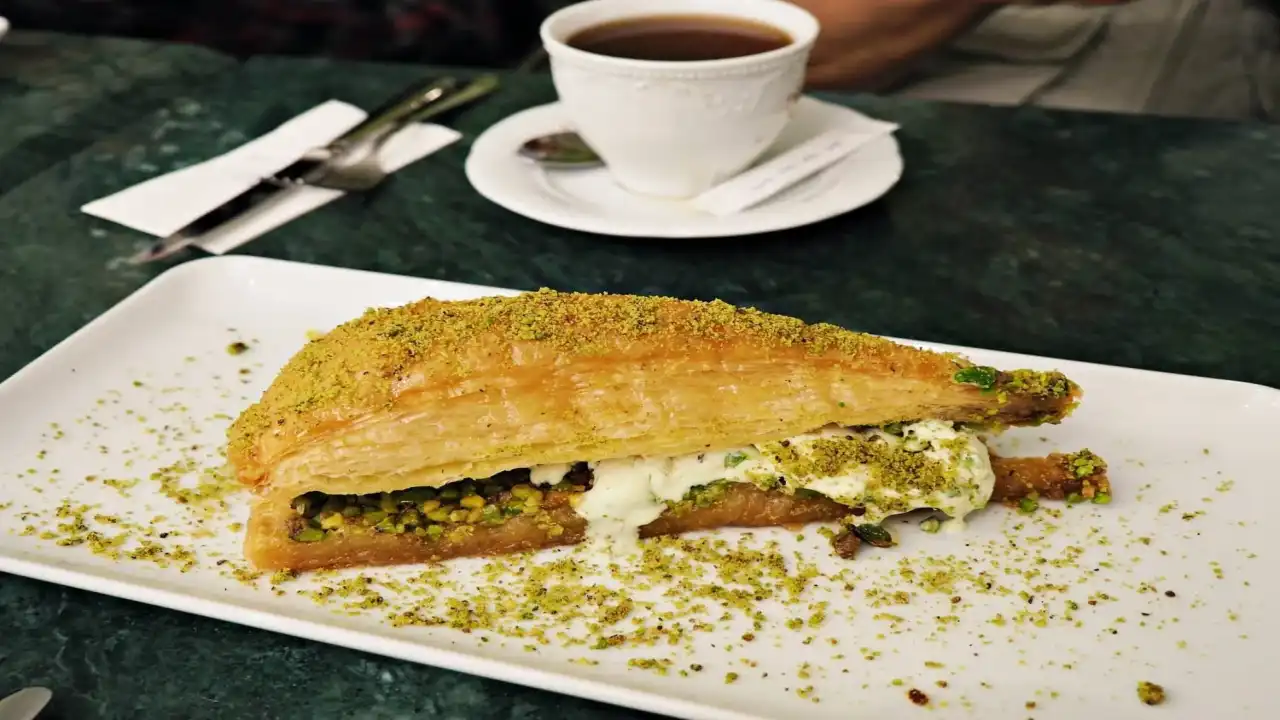
Technically on the edge of Europe, but too iconic to ignore. Istanbul’s food blends Middle Eastern, Mediterranean, and local traditions like it’s nothing.
Must-Try Foods
- Kebabs
- Meze platters
- Simit (Turkish bagel)
- Baklava
- Turkish tea
Where to Eat
- Spice Bazaar
- Old town cafés
- Rooftop restaurants
Pro Tip
Tea is everywhere. Accept it. It’s part of being here.
Culinary Travel Tips to Make Your Trip Easier
1. Eat Where Locals Eat
Walk two streets away from tourist spots and you’ll immediately get better food at better prices.
2. Stay Open-Minded
Even if something looks unfamiliar, try it. Europe’s best dishes usually come from recipes created to solve everyday problems.
3. Learn Basic Local Phrases
Not full sentences, just “thank you,” “please,” and “delicious.” It earns instant respect.
4. Street Food Is Not “Cheap” Food
Some of Europe’s best cuisine is served from windows, carts, and small counters.
5. Ask for Recommendations
Locals rarely point you wrong when it comes to food.
Conclusion
If you plan your trip the right way, Europe stops feeling like a regular vacation and starts feeling like a chain of meals you keep thinking about later. Some smells, a random bite, a street corner, you end up remembering those long after you’ve landed back home. That’s basically what culinary travel is: letting a place talk to you through its food instead of brochures or fancy ads.
Each city has its own vibe. Rome feels like someone’s home kitchen, Paris feels a bit like a dish someone plated with extra care, Barcelona feels like a loud, happy gathering, and Lisbon, honestly, it feels like that comforting end-of-day hug. And whether you’re going on your own or checking International Packages, the idea stays the same: go slow and eat like you mean it. Take your time, try different things, and don’t trap yourself in those “top 10” lists. The best food moments usually happen when you’re not even trying. The best food memories often come from unexpected corners. Your food journey starts whenever you want it to. Europe is ready. Your appetite just needs to follow.
Pro Tips for a Smooth Food-Focused Trip
- Carry a small water bottle: not all restaurants offer free water.
- Keep cash: old bakeries and markets may not accept cards.
- Avoid peak dining hours: wait times shoot up dramatically.
- Don’t try to eat everything in one day: food experiences are better when spaced out.
- Take photos quickly and eat while hot: don’t ruin meals for aesthetics.
- Share dishes: gives you a wider range of tastes without overfilling.
- Learn about local mealtime habits: some cities eat late, while others eat early.