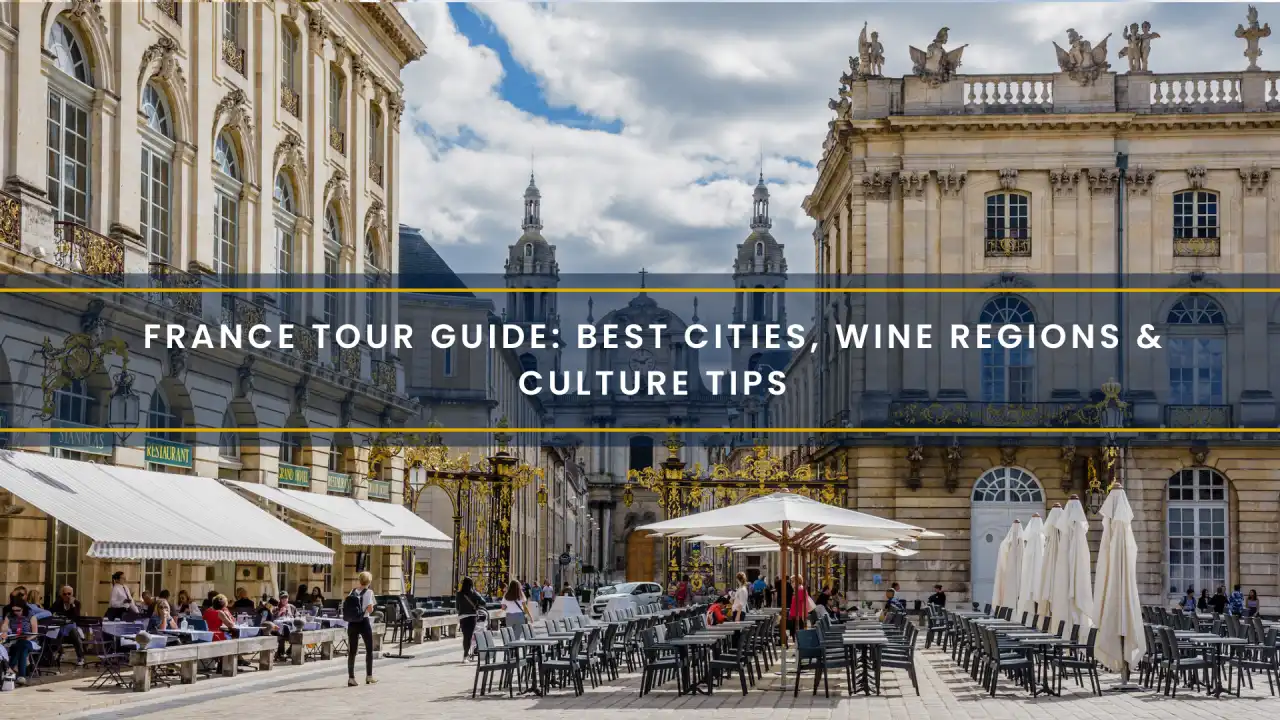
France Tour Guide: Best Cities, Wine Regions & Culture Tips
Introduction
Travel conversations about France tend to fixate on the obvious: the big monuments, the too-familiar postcards, the usual stereotypes. Yet the real texture sits in the quieter details. Street corners where baguette queues form without complaint. Train rides where vineyards appear like someone had painted them in a hurry. Little moments where locals switch between politeness and blunt honesty with no warning. After settling into this rhythm, the country begins to make sense. Around this point, most travelers start hunting for practical information, and that is where this guide steps in. Just past the early orientation, it’s time to dig into the places worth plotting on a map and the habits that make navigating France smoother. Now comes the part where the Paris travel guide quietly slides into relevance.
A little later into the journey, travelers comparing options for a Europe tour package notice that France tends to hold its own special place without even trying.
Best Cities in France to Anchor a Trip
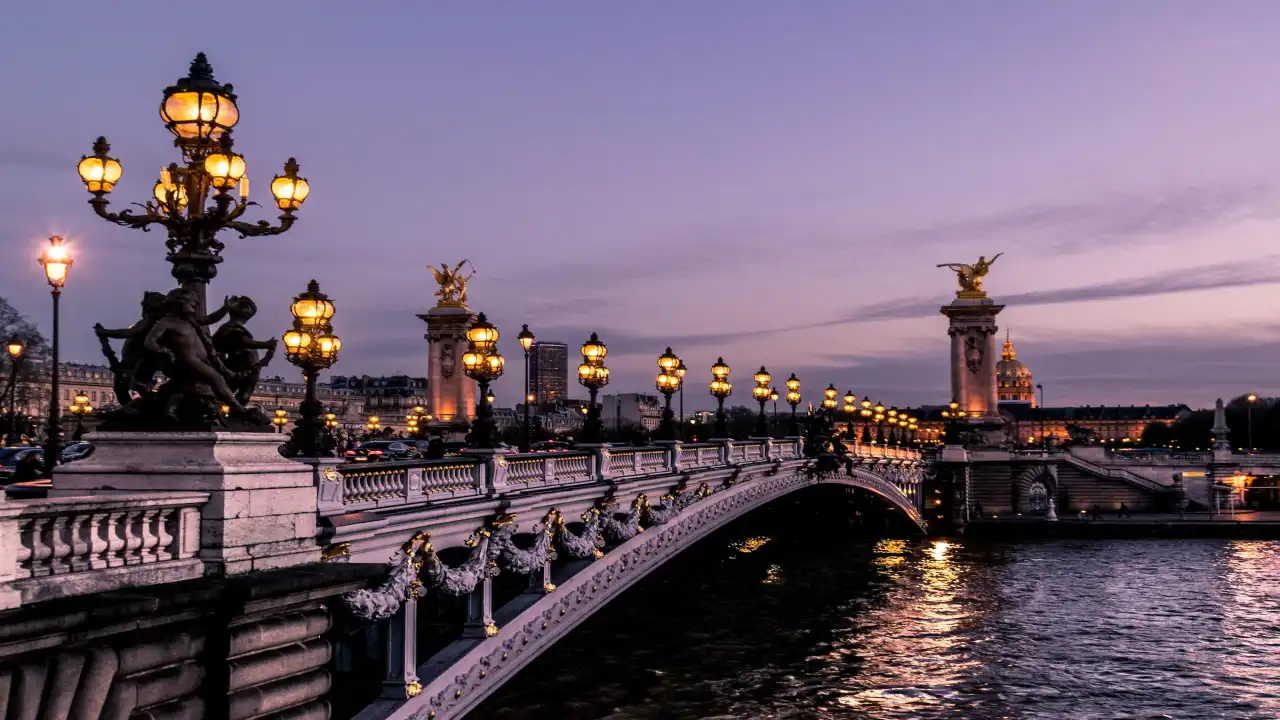
France’s cities carry their own moods, shaped by architecture, food, and the way locals inhabit public spaces. The following examples keep things sharply focused so travelers know exactly where each place excels.
Paris
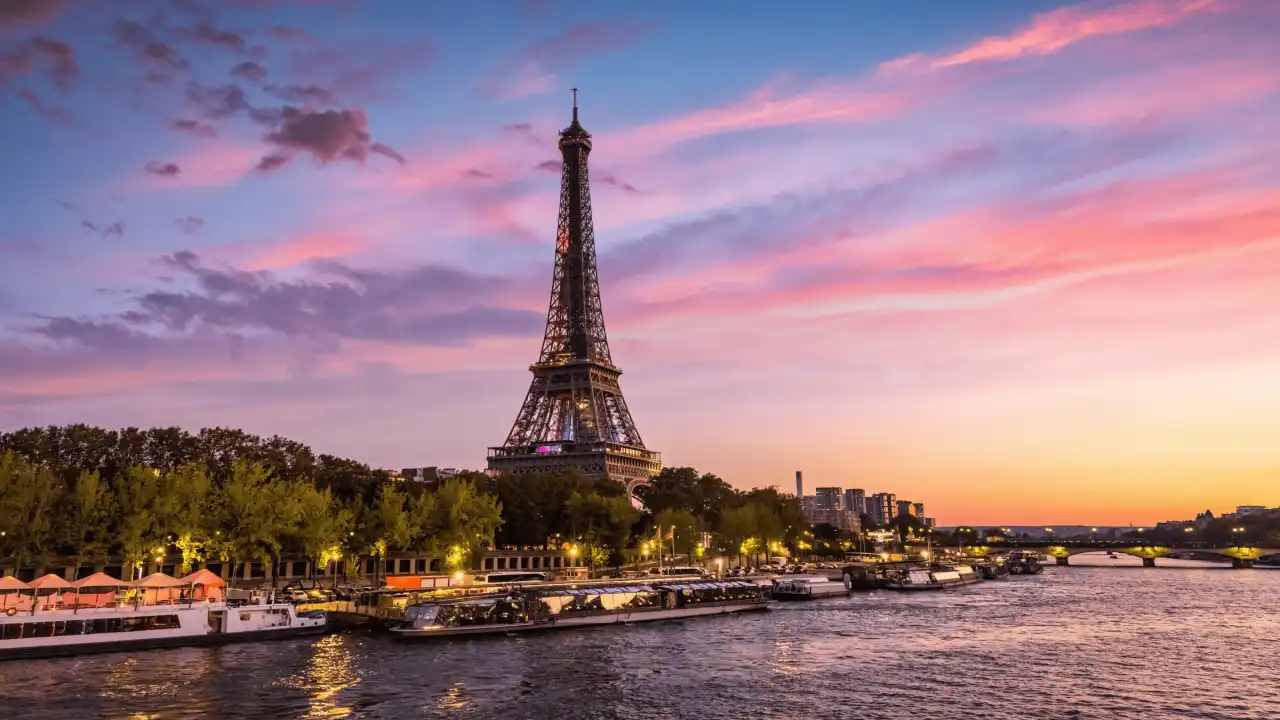
Paris doesn’t play by one mood. It looks graceful from afar, then throws a mix of sharp edges and soft details once someone actually pays attention. Streets that seem orderly hide bursts of noise, interruptions, and half-finished conversations. The famous spots don’t need explaining, but the city’s real pull comes from the smaller pieces that slip between schedules: heat drifting from a bakery before the sun is properly up, brasseries that keep the same handful of regulars like part of the furniture, museum rooms that feel like they’re still arguing with the centuries they’re supposed to represent. Paris only settles in when visitors stop rushing around and let the city decide the tempo.
Things To Do
- Walk through Belleville or Canal Saint Martin, where the city shows the version it doesn’t clean up for anyone.
- Try museums like Musée de l’Orangerie or Marmottan, places that feel curated by people rather than crowds.
- Drift into Marché d’Aligre early; the whole area wakes up in layers.
Lyon
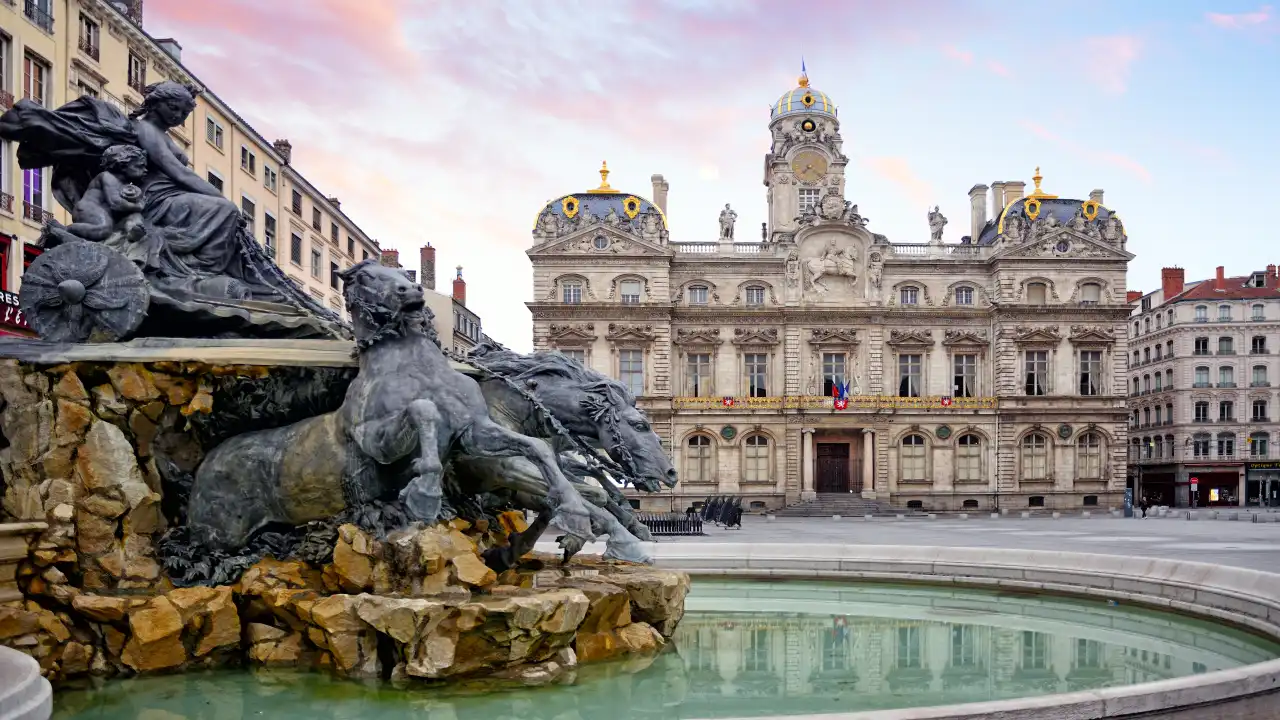
Lyon runs steadily and sure, without feeling the need to announce itself. Food is the obvious headline, but the place has a quieter backbone built from Roman ruins, old alleys, and rivers that frame the city instead of cutting through it. The city carries weight, but not in a loud way. Travelers who want something grounded usually end up staying longer than planned.
Things To Do
- Slip through the traboules of Vieux Lyon; the pathways twist just enough to feel intentional.
- Eat in a bouchon where the menu looks like it was typed up once and never touched again.
- Walk the Rhône at dusk when the light goes thin and the hum of the city drops.
Nice
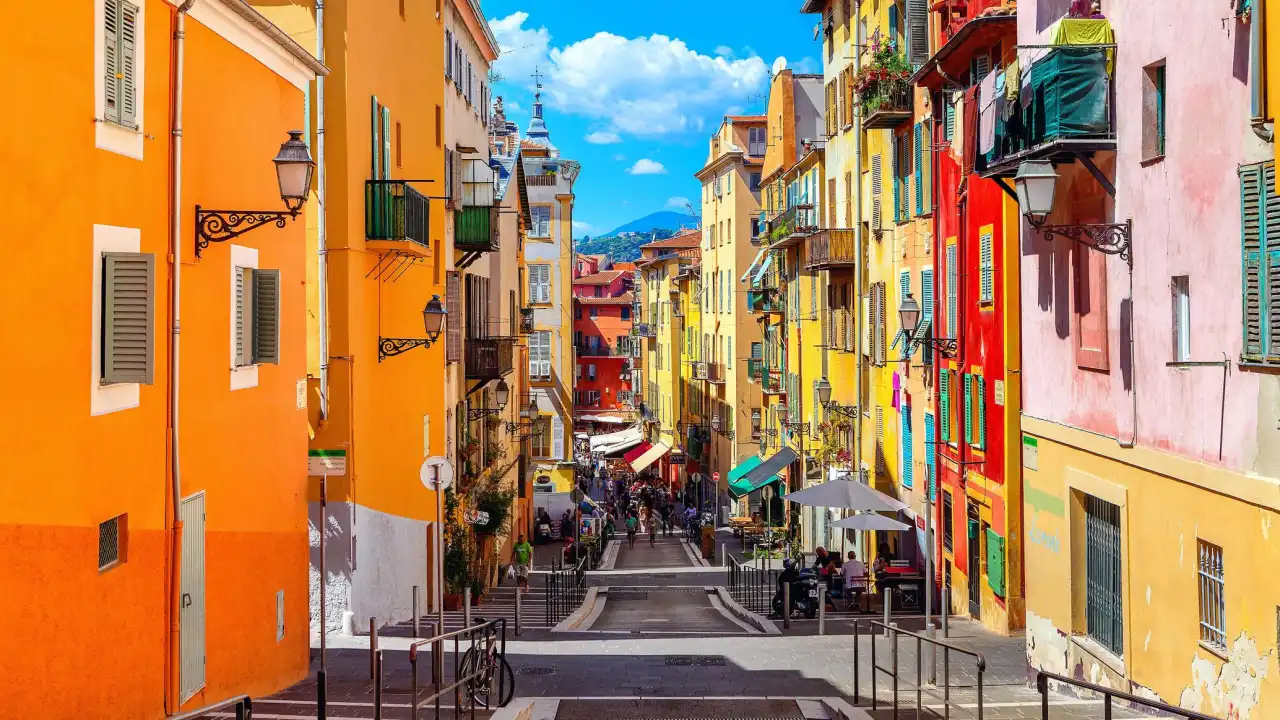
Nice has sunlight that does half the work. The city moves with beach-town calm but refuses to drift into laziness. Stretches of old stone, sudden bursts of color, and a quiet Italian thread running through everything. It’s a convenient base for wandering the coast, but it also stands firmly enough on its own to fill days without effort.
Things To Do
- Climb Castle Hill for a view that looks too dramatic to be accidental.
- Swim before most people are upright; the water behaves differently at that hour.
- Lose track of time in the old town where French and Italian influences blend without ceremony.
Bordeaux
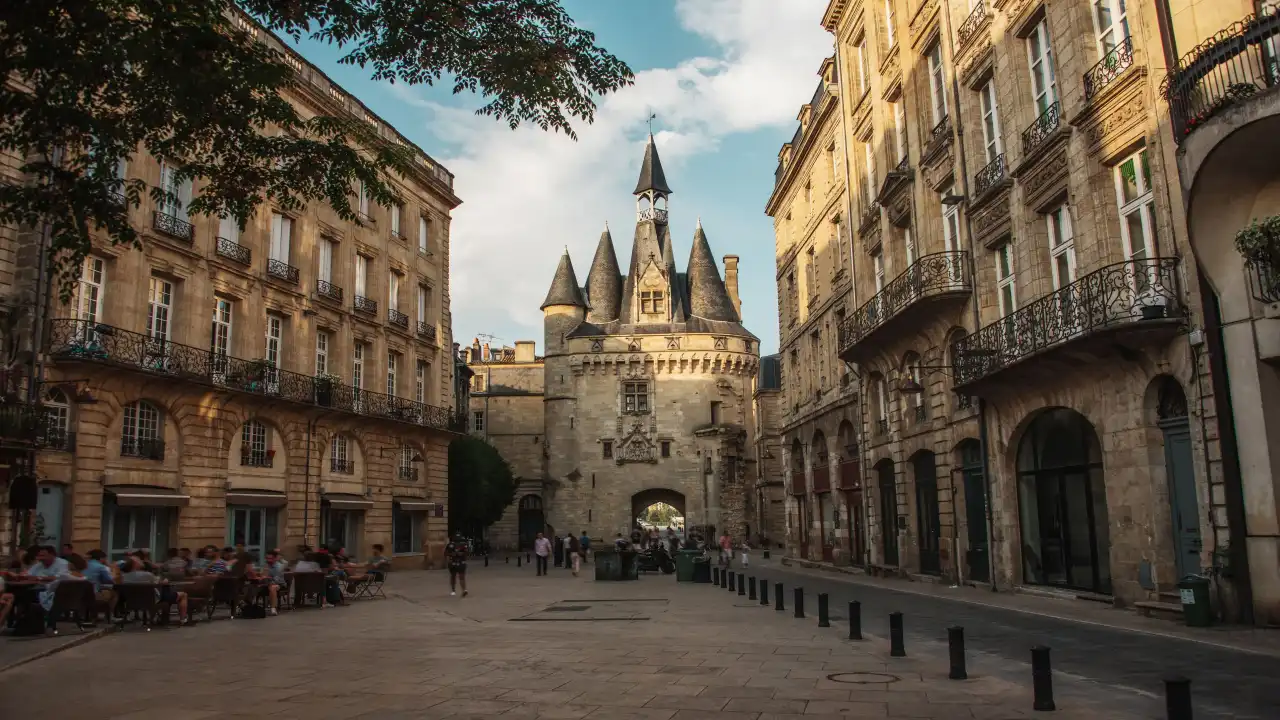
Bordeaux feels arranged, but not stiff. Buildings line up neatly, like someone wanted everything to look balanced but not overly forced. The atmosphere leans easy, with food that doesn’t perform and a riverfront that encourages long, slow walking. Pride lingers here, not loud, but constant.
Things To Do
- Visit Cité du Vin, which turns into a deeper experience than the name suggests.
- Walk the Garonne at night; the reflections sharpen in a way that makes the river look twice as deep.
- Wander Chartrons for antiques, old shelves, and cafés that don’t hurry customers out.
Best Wine Regions of France
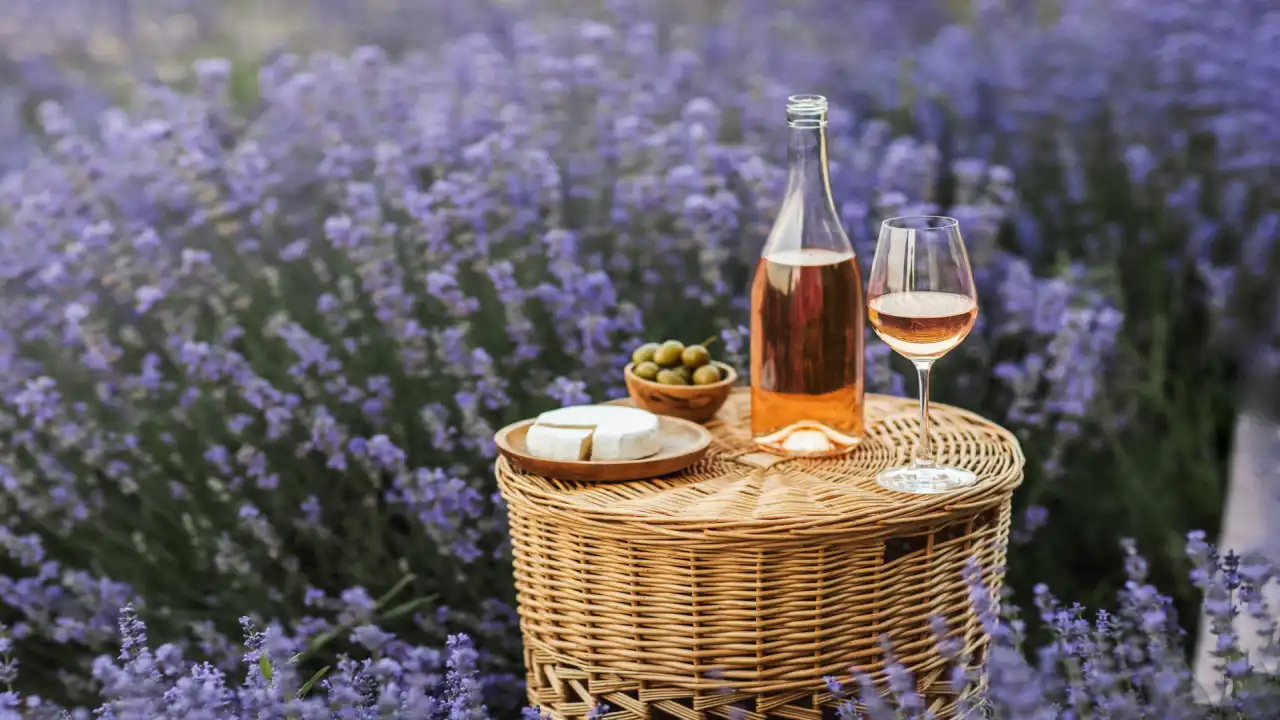
Wine regions in France behave like distinct characters. Each one comes with its own pace, landscape, and mood. Instead of drowning in long descriptions, here are the key examples travelers genuinely find useful:
- Bordeaux Region: Clean lines of vineyards arranged almost too neatly, with estates that have been tending the same soil for generations.
- Burgundy: A patchwork of small plots, each fiercely protected. Precision is everything here.
- Champagne: Pale hills and underground cellars that feel like forgotten cathedrals.
- Loire Valley: Long river drives, chateaux appearing without announcement, and whites that pair effortlessly with simple food.
- Provence: Rosé country, lavender fields, and long afternoons that seem immune to schedules.
Cultural Tips for Travelers Trying Not to Stand Out
A stripped-down list of cultural essentials that genuinely matter on the ground:
- Greetings matter; always start with a polite bonjour before asking anything.
- Locals value space; avoid overly familiar chatter with strangers.
- Dining follows pacing; rushing a meal signals impatience.
- Dress leans toward neat and understated, especially in cities.
- Public transport etiquette stays quiet; loud conversations stand out.
How Travel Junky Fits into the Planning
The planning phase is where travelers often lose hours comparing timetables, regions, seasons, and logistics. This is where Travel Junky becomes quietly useful. The brand is known for organizing France-focused itineraries that keep the essentials intact without over-engineering the experience. Whether choosing city stays or a more balanced mix of countryside and coast, Travel Junky tends to structure things in a way that feels practical rather than promotional.
Conclusion
France’s appeal lies in its layers. Cities that read like cultural essays, wine regions that make the countryside feel choreographed, and social habits that reflect centuries of refinement. International Packages work best when approached with curiosity rather than a checklist. Let the country’s rhythm set the tone and allow space for the unplanned. With grounded planning support from Travel Junky, the country becomes easier to navigate without sanding down its character. France rewards travelers who look closely, pace themselves, and embrace the small details that make the experience linger long after the trip ends.
Pro Tips
- Book intercity trains earlier to avoid sudden price spikes.
- Restaurants fill quickly; reservations prevent disappointment.
- Learn a few simple French lines; locals engage more openly.
- Avoid tight itineraries; France rewards slower pacing.