Harbin Ice and Snow Festival 2026: Complete Travel Guide
Introduction
What does winter look like when a city stops apologising for it? Not the postcard version with neat scarves and mild frost, but the kind of winter that freezes rivers solid and then asks what else they might be useful for. Harbin answers that question without hesitation. It takes the cold seriously, treats it like a building material, and reshapes itself around it every year. Water becomes blocks. Blocks become streets. Streets glow after dark. This is how the city gives form to the Harbin Ice Snow Festival, an event so large and so stubbornly physical that it refuses to feel temporary, even though it disappears every spring.
What the Festival Is and Why It Exists Here
Harbin sits in China’s northeast, close enough to Russia that the influence shows up in food, architecture, and attitude. Winters here are long, dry, and punishing. Historically, they forced people to adapt instead of retreat. Frozen rivers weren’t obstacles, they were surfaces. Ice lanterns began as practical tools for fishing and travel, not decorations.
Over time, necessity turned competitive. Then creative. Then the public. What exists now is not a side attraction added for visitors, but something the city builds for itself first and opens to the world second. That distinction matters when you’re walking through it at night, surrounded by locals who look like they’ve done this their whole lives.
Festival Dates 2026 and Timing Your Visit
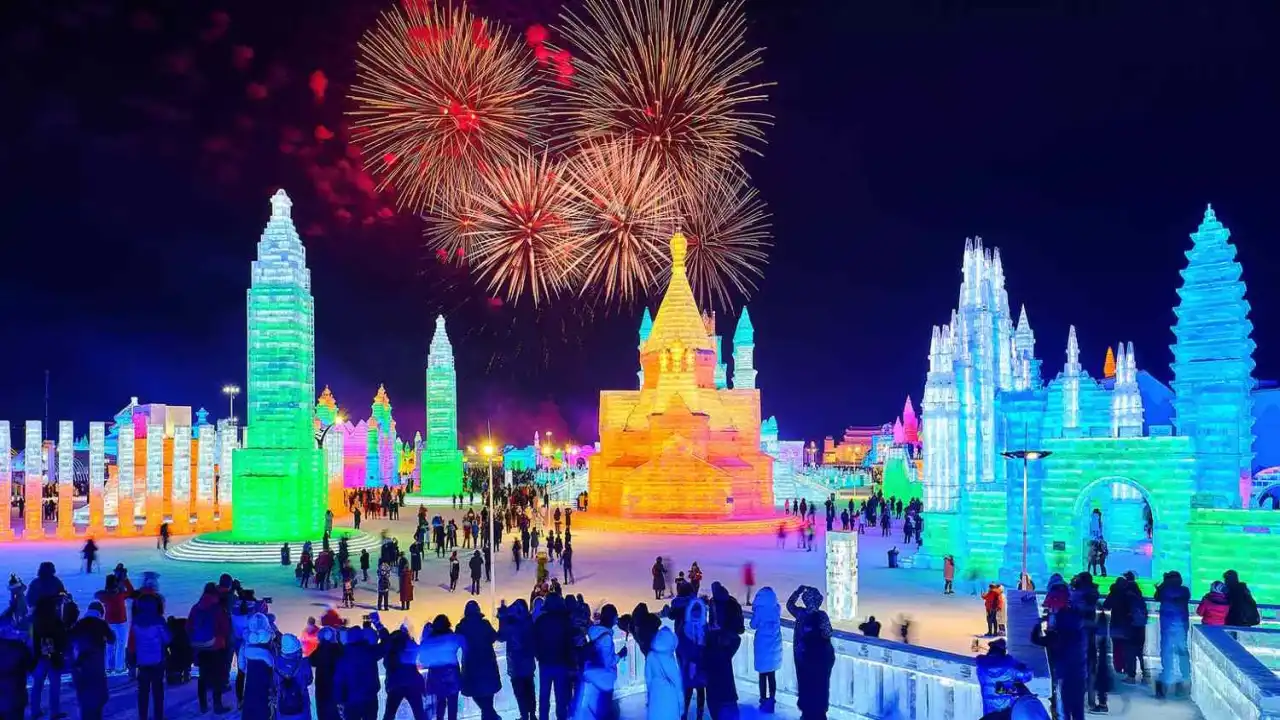
One thing worth clearing up early: Harbin doesn’t run this festival by the calendar. It runs it by temperature. If the Songhua River freezes early, construction starts early. If winter takes its time, everything shifts. The dates exist, but they flex slightly every year, and nobody here seems particularly stressed about that.
What matters more than opening day announcements is when the ice has settled, and the city finds its rhythm.
- Early January is when the festival properly comes alive
That’s when the opening ceremonies usually happen, and all the major venues are fully operational. By then, the structures feel finished rather than rushed. - Mid-January to early February is the safest window
Everything is built, the lighting systems behave, and the ice is at its clearest and strongest. First-time visitors usually enjoy this stretch the most. - Chinese New Year changes everything
If your visit overlaps, expect crowds, fireworks, higher prices, and longer waits. It’s visually striking and loud, but not calm.
One thing that catches people off guard is how the cold sets the pace. You might plan a full day and realise that two hours in that standing still in minus twenty does things to your energy. Build loose days. Harbin does not reward packed schedules.
Key Venues That Shape the Festival
Harbin Ice and Snow World
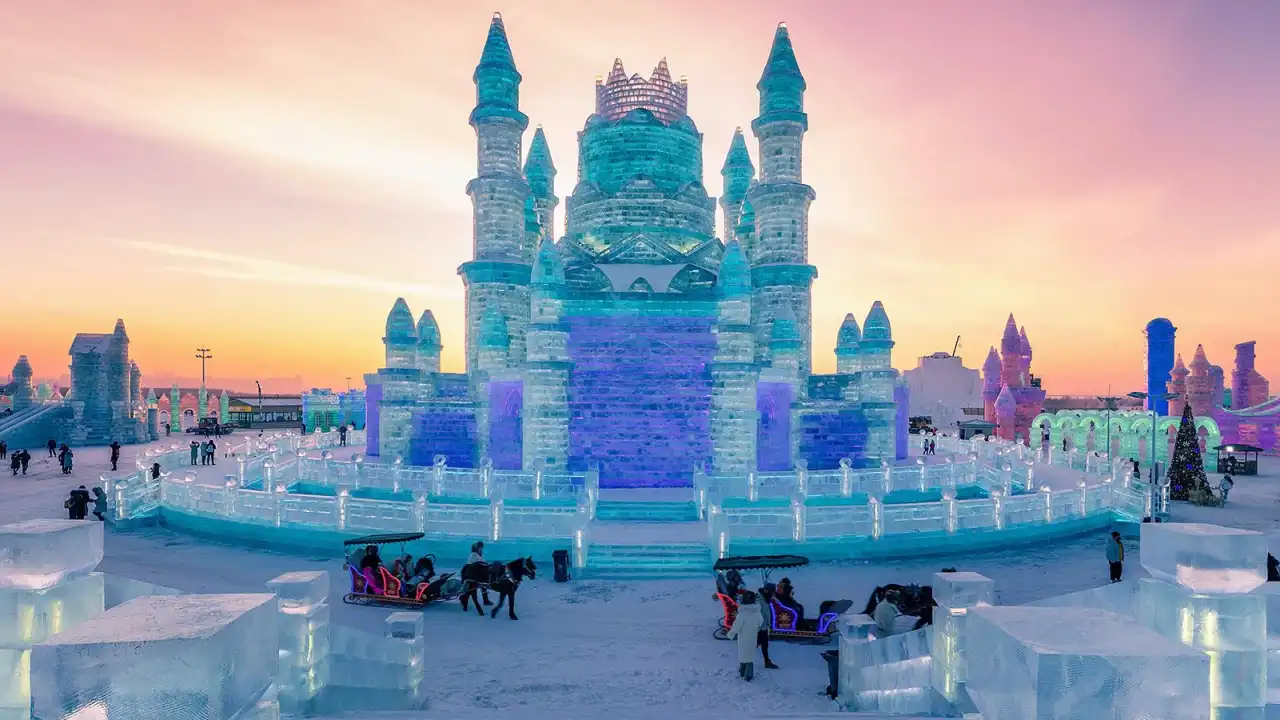
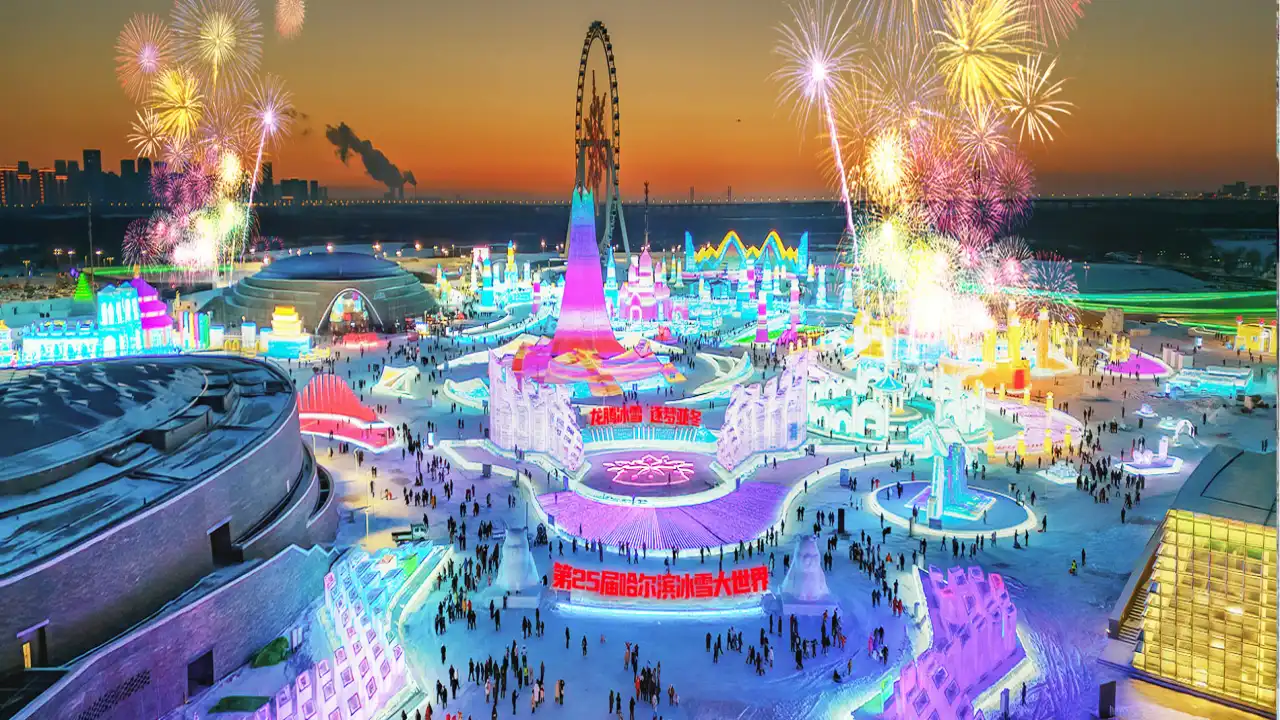
This is the main event, and it’s impossible to ease into it. The scale hits immediately. Entire districts are built from ice blocks pulled straight from the frozen river. These aren’t thin panels or decorative facades. Each block weighs hundreds of kilos and is stacked with engineering discipline.
During the day, it feels architectural. At night, it turns strange. Light moves through ice differently than through glass. Shadows bend. Colours soak in instead of bouncing off.
You’ll find:
- Ice castles several stories high
- Walkable corridors and staircases
- Ice slides that are faster than they look
It’s vast, windy, and exposed. Dress accordingly and accept that you won’t see everything in one visit.
Sun Island Snow Sculpture Expo
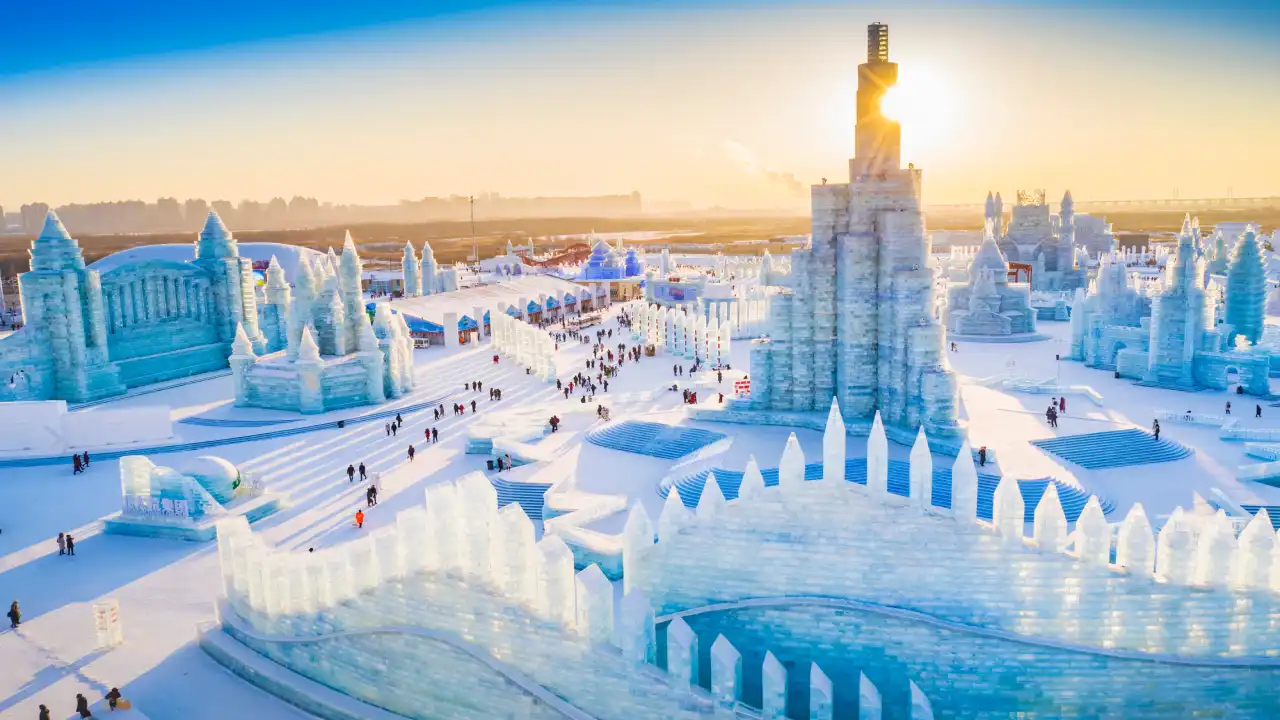
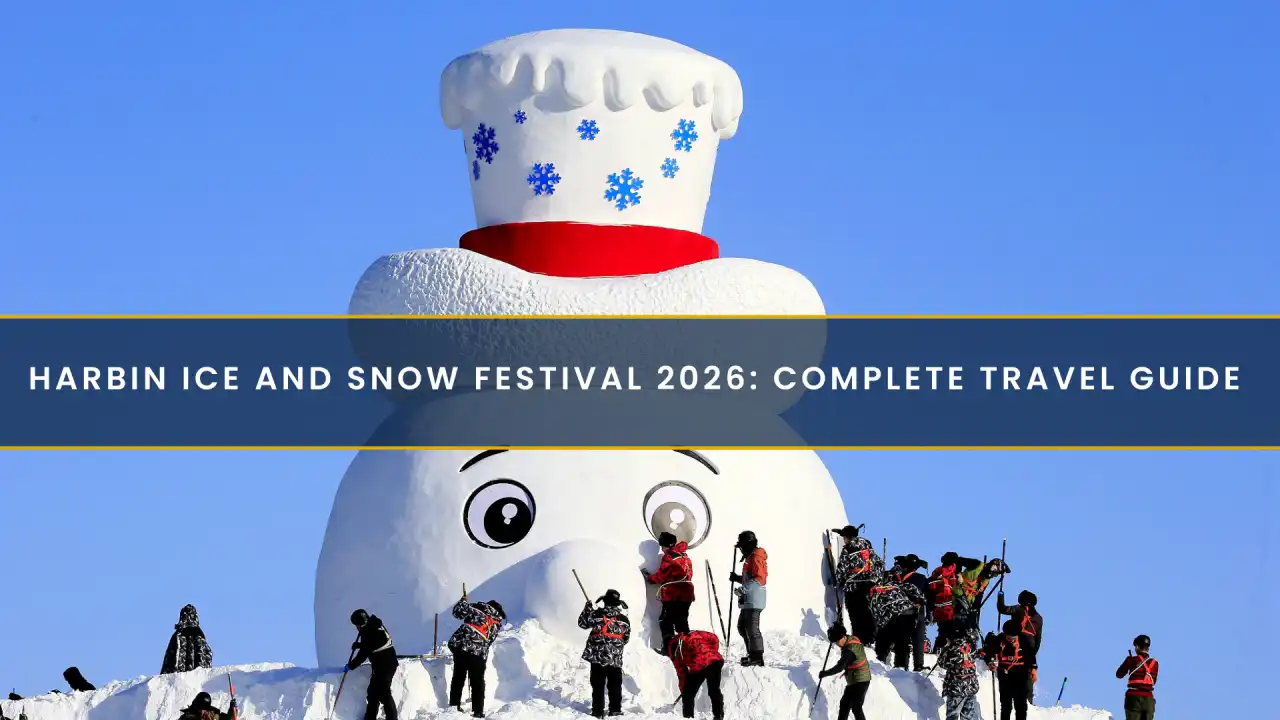
Snow tells a quieter story than ice. Sun Island is where that difference becomes obvious. Sculptures here are massive but soft-edged, shaped more by subtraction than stacking. International artists compete here, and styles vary wildly. This is a daytime venue. Sound disappears into the snow. People move slower. It’s a good counterbalance to the intensity of Ice and Snow World.
Zhaolin Park Ice Lantern Festival
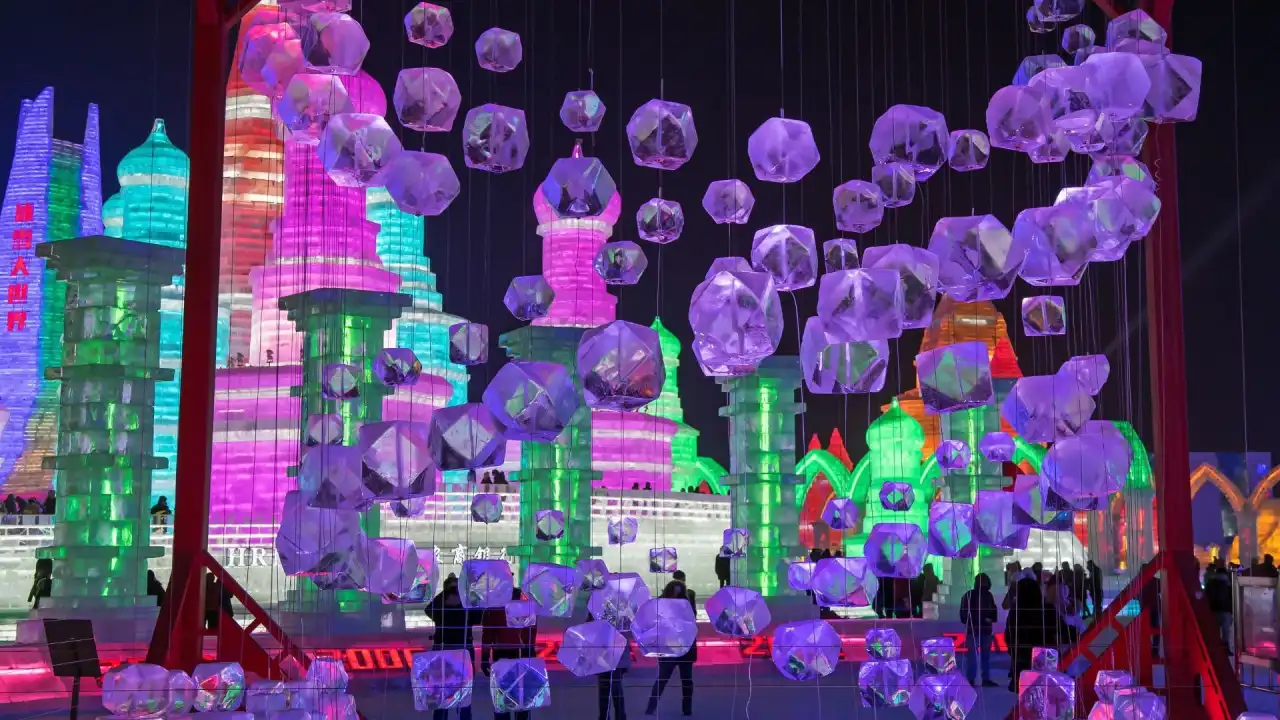
Zhaolin Park is smaller, older in spirit, and closer to the roots of the festival. The lanterns are playful, sometimes odd, sometimes nostalgic. Families come here in the evenings. Kids run ahead. Elderly locals walk through without stopping much. It doesn’t try to impress. That’s why it works.
Songhua River Ice Activities

When the river freezes, it becomes public space. You’ll see sledges, bikes with metal runners, improvised games, and occasional chaos. This isn’t curated. It’s how winter functions here when no one is selling tickets.
Major Highlights Beyond the Obvious
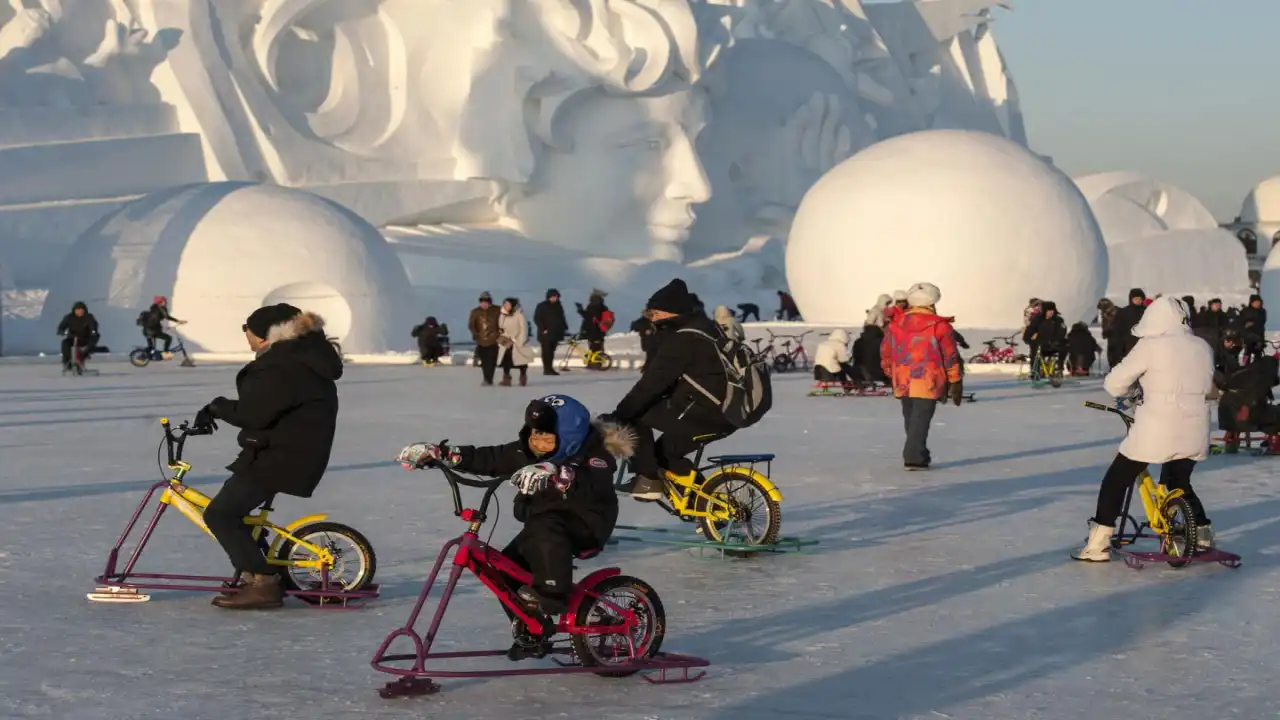
Yes, there are giant ice castles. Yes, the lighting is dramatic. But what lingers are smaller moments. The crunch of boots echoes through an ice corridor. Steam rising inside a glowing tower. The way your breath fogs photos at the wrong moment. There are skating areas, ice slides, and winter sports zones that feel more joyful than staged. At night, synchronised lighting ripples across entire sections of the park. People stop walking just to watch walls change colour. This is where the Harbin ice festival earns its reputation. Not through scale alone, but through atmosphere.
Cultural Significance Beneath the Ice
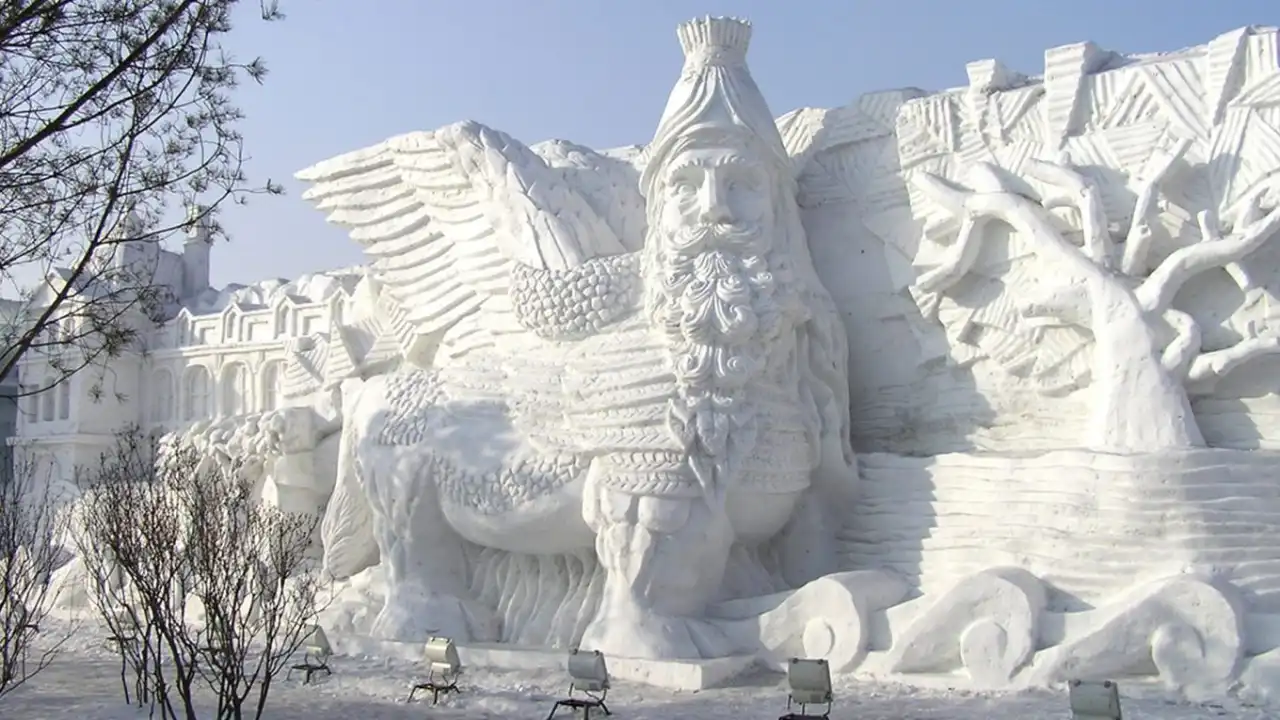
Ice lanterns were once practical tools. Over time, competition crept in. Neighbours tried to outdo each other. Villages compared designs. Eventually, the city formalised it. Today, sculpture competitions draw teams from around the world, each bringing different techniques and tolerances for cold. That mix keeps the festival from becoming repetitive. When the festival overlaps with Lunar New Year, symbolism thickens. Fireworks crack over frozen ground. Red lanterns glow against blue ice. Cold and warmth exist side by side, not as contrast, but as balance.
Tickets and Entry Without Overthinking It
Tickets are sold separately for major venues. Ice and Snow World is the most expensive, especially on weekends and holidays. Prices change year to year, so checking official sources close to your visit matters. Buy tickets online when possible. Standing in line at minus twenty feels longer than it is. Some venues allow same-day re-entry, which helps if you need to warm up and return after dark.
Weather and Packing: Don’t Get This Wrong
Harbin winter doesn’t flirt. It commits. The cold doesn’t care how prepared you think you are. It will find gaps you didn’t know existed and sit there all day.
What actually works:
- Thermal base layers
Not one. Two, if you run cold. Cheap ones feel fine indoors and useless outside. - A serious outer jacket
Puffy, insulated, windproof. If it feels bulky, you’re dressed correctly. - Proper boots
Insulated, thick-soled, good grip. Fashion boots turn sidewalks into hazards. - Phone-friendly gloves and power banks
Cold kills batteries fast. Keep backups inside your jacket.
Standing still is worse than walking. Ice parks involve a lot of stopping. Dress for that reality.
Getting There and Around
Harbin Taiping International Airport connects well with major Chinese cities. High-speed trains run from Beijing and elsewhere, though journeys are long. Within the city, taxis and ride-hailing apps work reliably, but traffic slows near festival venues at night. Many travellers simplify logistics by booking International packages, especially during peak weeks.
Where to Stay Without Regret
Central Street is popular for a reason. It’s walkable, lively, and full of food options. Hotels here range from historic to modern and are well-heated. Staying closer to Ice and Snow World in Songbei reduces commute time but feels quieter at night. Choose based on whether you want atmosphere or proximity.
Suggested Itineraries That Respect the Cold
One to two days
First evening at Ice and Snow World. Stay until full dark. The next day, visit Sun Island in daylight and Zhaolin Park after sunset.
Longer stay
Add the river, museums, and slower meals. Space outdoor time carefully. Cold fatigue arrives quietly.
A Note on Planning With Experience
Having worked in travel long enough to see trends come and go, festivals that rely purely on spectacle rarely age well. This one does. It reinvents itself each year while staying rooted in place. That balance is why experienced planners at Travel junky often suggest Harbin to travellers who think they have seen it all. Not as a novelty, but as a reminder that climate and culture can collaborate rather than compete.
Conclusion
The China Harbin Ice Festival is not an easy trip. It demands preparation, patience, and a tolerance for discomfort. But that’s also why it stays with you. Harbin doesn’t soften winter or dress it up politely. It leans into it, builds with it, and lets it define the season. In 2026, the festival continues to prove that when winter is taken seriously, it can be as expressive and unforgettable as any place on earth.
Pro Tips From Experience
- Visit Ice and Snow World twice if you can
- Keep batteries warm inside inner pockets
- Eat before entering large venues
- Slow down. Rushing makes the cold worse