Hidden Coastal Towns in Southern Europe
Introduction
Southern Europe has a strong pull toward the sea. Most people imagine famous coastlines, busy walkways, and beaches packed with tourists. But when you slow down and stop chasing the popular spots, you start finding smaller coastal towns that feel quieter and more personal. These places don’t try to grab your attention. They just wait for people who have time and don’t need to rush.
When people talk about Europe travel destinations, they usually mean big cities and capitals. This blog is about something different. It’s about coastal towns where life still moves at its own pace. Fishermen head out early in the morning, shops open late without stress, and dinner usually starts after the sun begins to go down. Below, you’ll find some of Southern Europe’s most underrated coastal towns, explained in a simple and honest way. These are the kinds of places you understand only after spending a little time there, not just stopping by for photos.
Why Look for Hidden Coastal Towns?
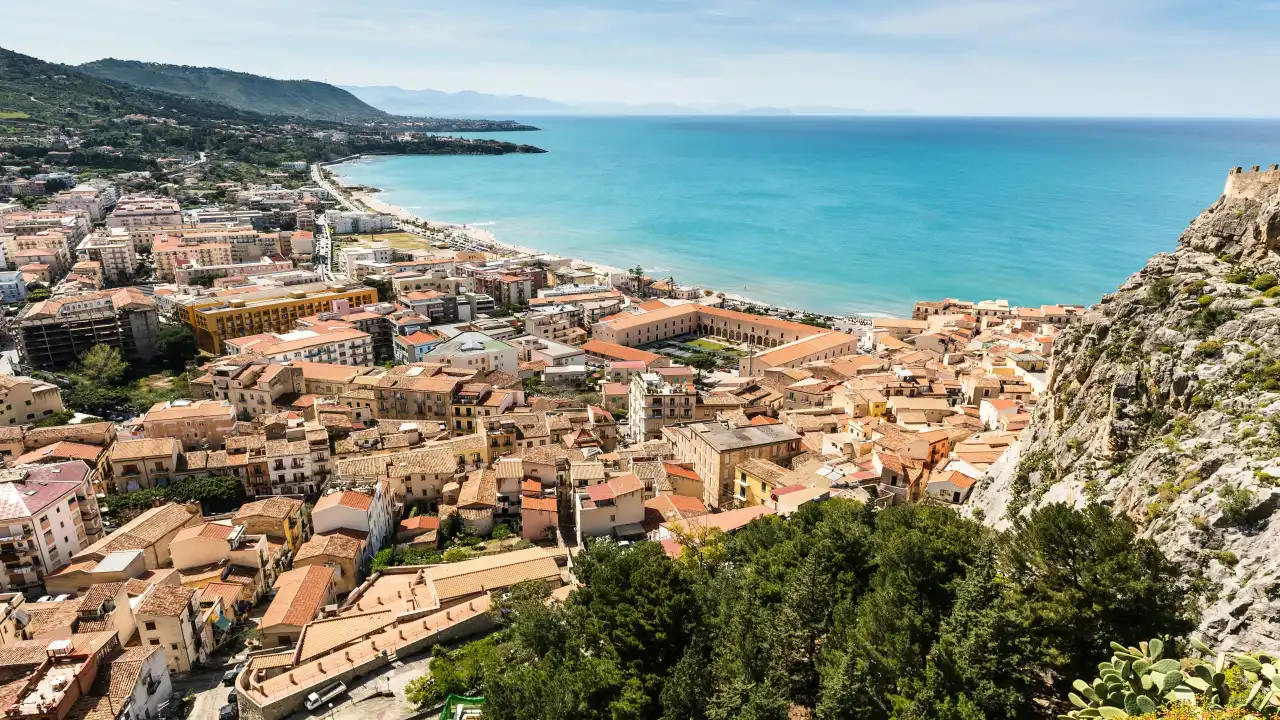
Before we jump into destinations, let’s talk about why these places matter. Big-name coastal cities are beautiful, no doubt. But they can feel rushed. Hidden towns offer something different:
- Fewer crowds, even in peak season
- Lower prices for food and stays
- A stronger sense of local culture
- Beaches that don’t feel like public events
Pro tip: If a place has only one main square and closed shops in the afternoon, you’re probably in the right spot.
Rovinj, Croatia – Old Streets and Quiet Sunsets
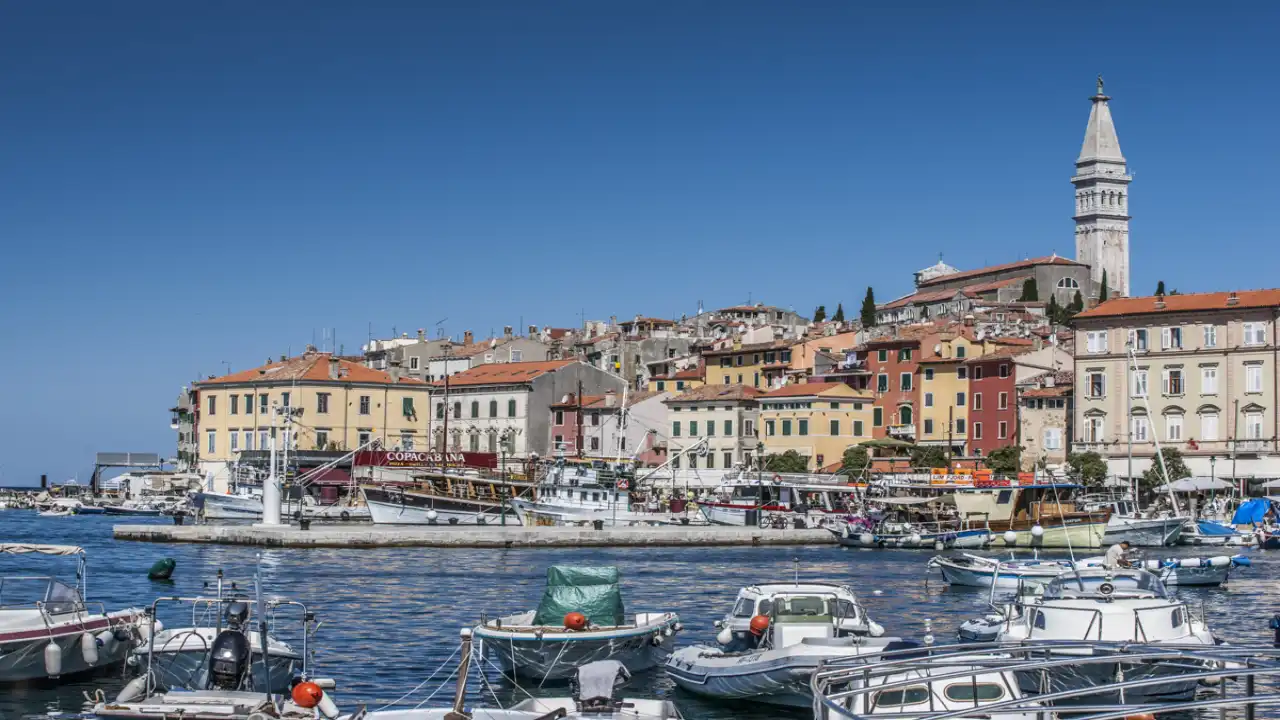
Rovinj feels like a place where you don’t need a plan. It’s on Croatia’s Istrian coast and sits on a small piece of land reaching into the sea. The houses are close together and painted in soft colors, which makes the town feel warm and friendly.
What makes Rovinj special
- Small stone streets that slowly lead you down to the sea
- A quiet harbor where little fishing boats are always floating
- Simple cafés where locals sit for a long time with coffee
The old town rises gradually, ending at a hilltop church. From there, you get a view of the Adriatic that feels wide and peaceful, not dramatic or staged.
The best way to experience it
- Walk early in the morning before day-trippers arrive
- Swim from the flat rocks instead of looking for sandy beaches
- Eat seafood in family-run konobas (local taverns)
Pro tip: If a restaurant menu is handwritten and changes daily, that’s a good sign.
Cadaqués, Spain – A Town That Slows You Down
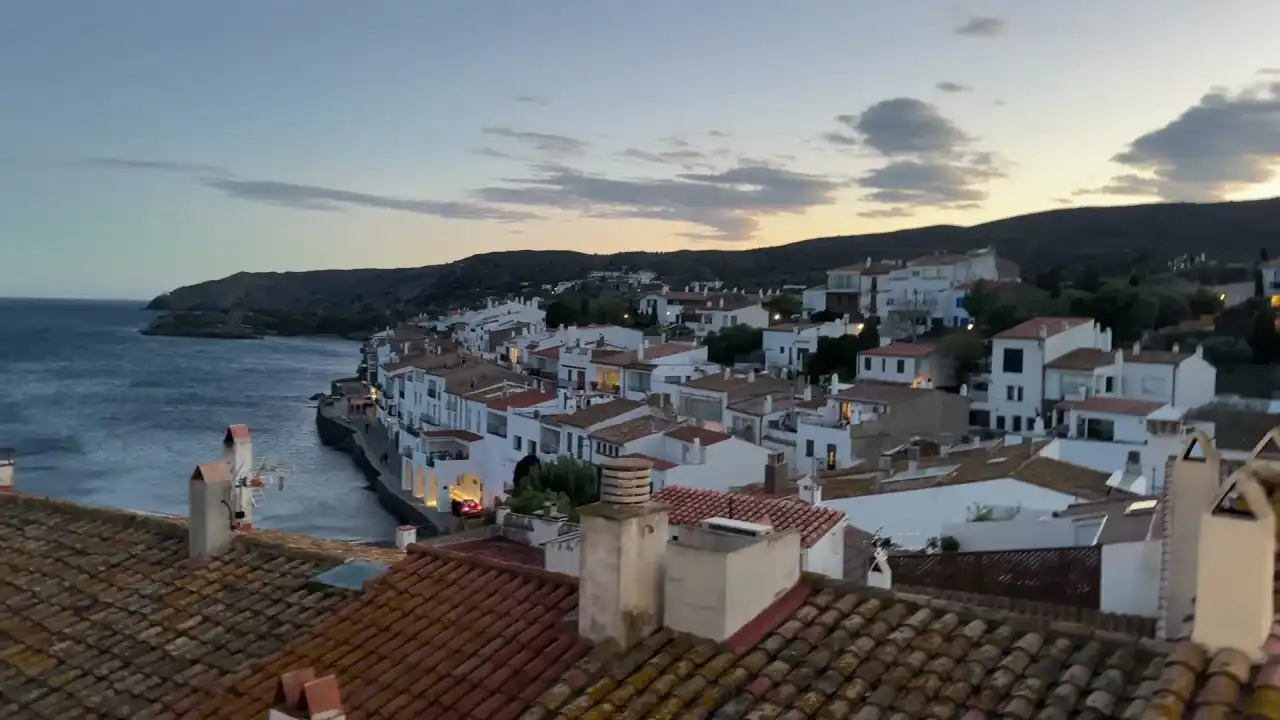
Tucked away near the French border, Cadaqués is not the easiest place to reach. That’s exactly why it still feels untouched. This whitewashed village once attracted artists, but today it appeals to travelers who enjoy quiet evenings and simple pleasures.
Why do people fall in love with Cadaqués
- Stone beaches with clear, cold water
- Simple houses with blue shutters
- Long, relaxed dinners that stretch into the night
There’s no rush here. Shops close when they want to. Boats drift slowly in the harbor. Even conversations seem unhurried.
Things to do without trying too hard
- Walk along the coastal path at sunset
- Visit small art galleries run by locals
- Try anchovies and local wine at a no-frills restaurant
Pro tip: Pack water shoes. The beaches are rocky, but the water clarity makes it worth it.
Monopoli, Italy – Puglia’s Quiet Coastal Surprise
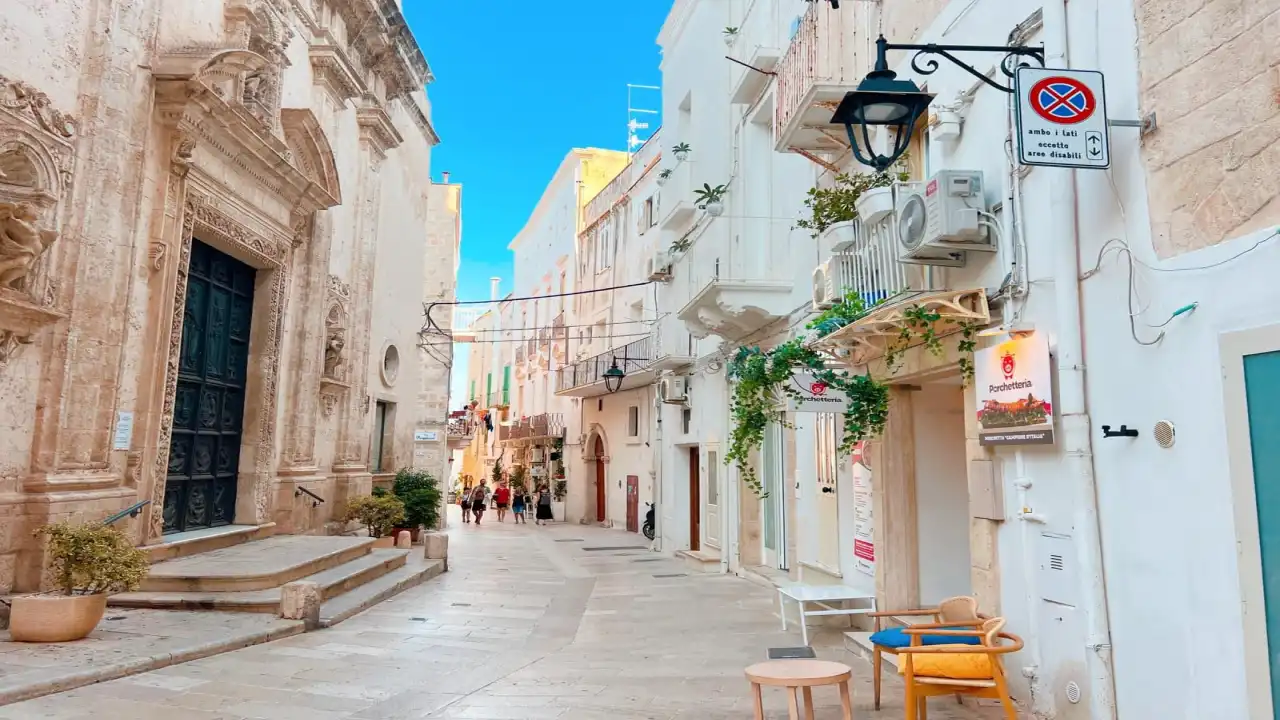
Most travelers heading to southern Italy focus on Naples or the Amalfi Coast. Monopoli, on the Adriatic side, offers a calmer alternative with just as much character. The old town sits right on the water, with white stone buildings and small coves tucked between walls.
What stands out in Monopoli
- Locals swim near the old harbor every morning
- Small chapels and arches woven into daily life
- Fresh seafood served without fancy presentation
It feels lived-in, not staged. Laundry hangs from balconies. Fishermen unload their catch right next to where kids play.
How to enjoy Monopoli properly
- Stay inside the old town, not outside it
- Visit beaches early or late in the day
- Keep meals simple: grilled fish, bread, and olive oil
Pro tip: Ask locals where they swim. The best spots aren’t marked on maps.
Ericeira, Portugal – More Than a Surf Town
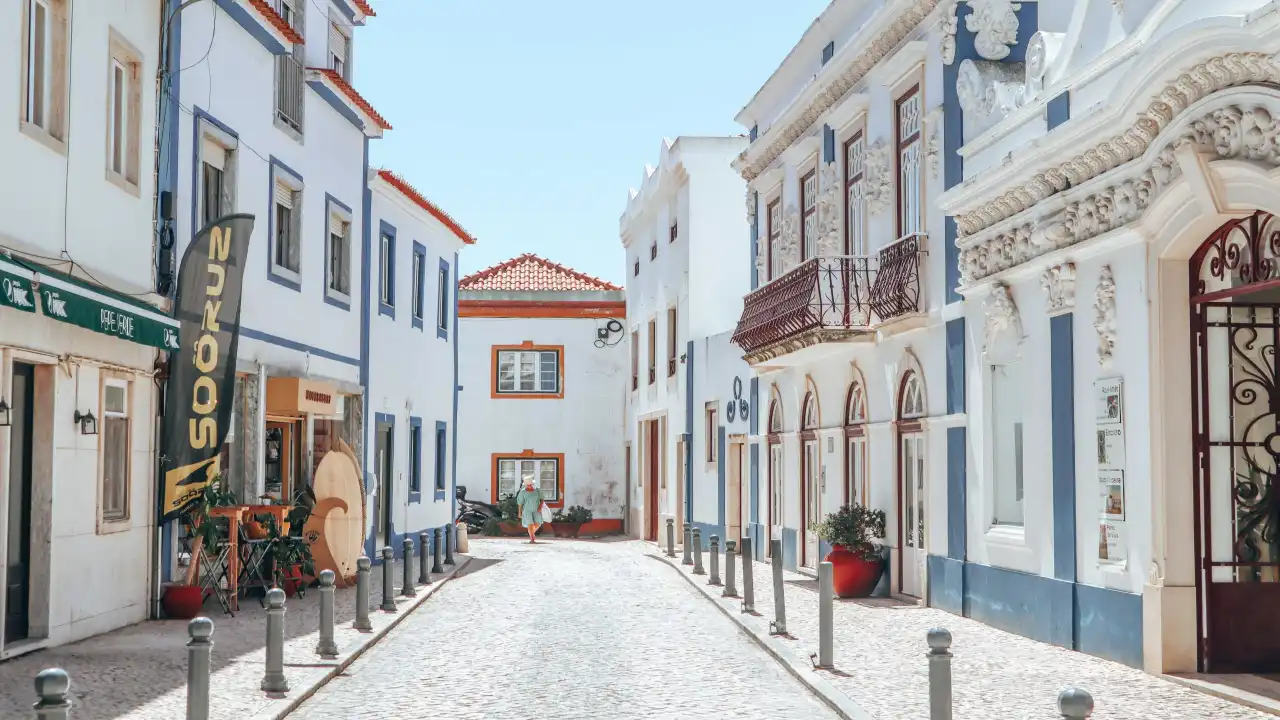
Ericeira is often mentioned for surfing, but there’s more to it than waves. Located north of Lisbon, this small town balances ocean life with everyday Portuguese charm.
Why Ericeira works for non-surfers too
- Cliffside walking paths with ocean views
- Bakeries serving warm pastries every morning
- Town squares that feel social, not touristy
You’ll see surfers heading out at dawn, then the town shifts gears as cafés fill up and locals go about their day.
Simple pleasures here
- Watching the ocean from a bench, doing nothing else
- Eating grilled sardines with lemon
- Exploring nearby beaches on foot
Pro tip: Even if you don’t surf, early mornings are magical here.
Piran, Slovenia – Small Town, Big Character
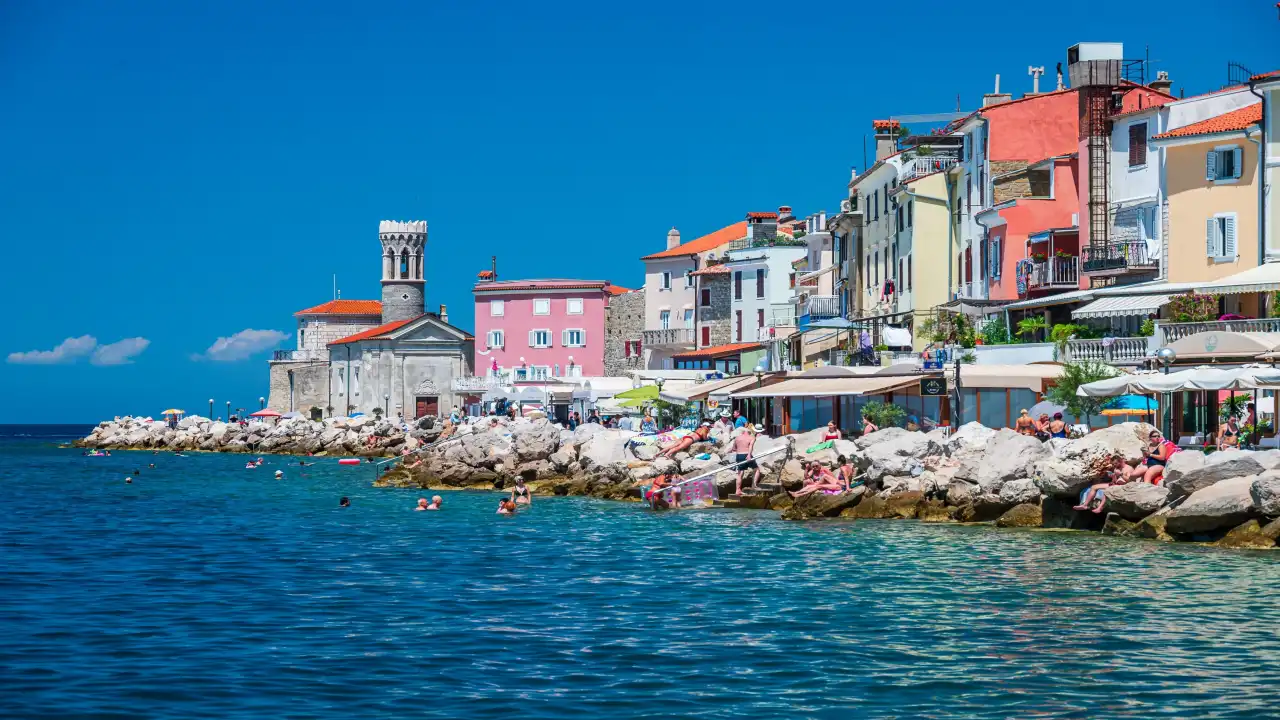
Slovenia’s coastline is short, but Piran makes the most of it. This compact town sits at the tip of a peninsula, surrounded by the Adriatic on three sides.
What gives Piran its charm
- Venetian-style architecture
- A car-free old town
- A central square that feels like a living room
Everything is closed. You can cross the old town in minutes, but you’ll want to stop often.
Best experiences in Piran
- Swimming near the town walls
- Eating gelato by the harbor
- Sitting in Tartini Square just to observe
Pro tip: Visit in late spring or early fall for warm water and fewer people.
Fiskardo, Greece – Calm Side of Kefalonia
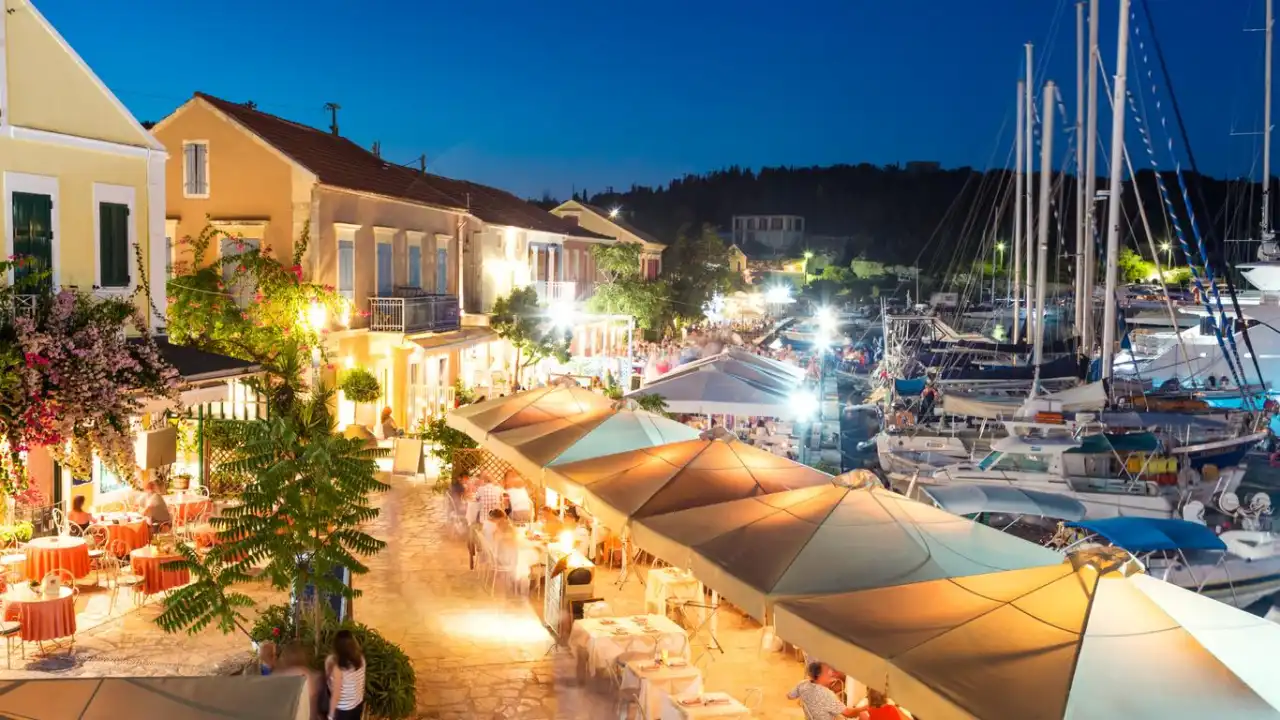
Fiskardo is located on the northern tip of Kefalonia and feels very different from busier Greek islands.
Why Fiskardo feels refreshing
- Colorful harbor houses untouched by mass tourism
- Calm waters are perfect for swimming
- Evenings that feel social but relaxed
There’s no loud nightlife here. Nights revolve around dinners by the water and slow walks along the marina.
How to enjoy Fiskardo
- Rent a small boat for the day
- Swim off wooden ladders into the sea
- Eat late and walk afterward
Pro tip: Book accommodations early in summer. Options are limited.
When to Visit These Coastal Towns
Timing matters more than people realize.
Best months overall
- May to early June
- September to early October
Why do these months work
- Warm water, but cooler air
- Fewer crowds
- Better prices
Pro tip: Avoid August if you dislike crowds. Locals are on holiday too.
How to Plan Without Overplanning
Hidden towns reward flexibility. Overplanning can take away the magic.
Keep these things loose
- Meal times
- Daily schedules
- Beach plans
Focus instead on
- Staying central
- Walking everywhere
- Talking to locals
This kind of travel works well whether you’re booking independently or considering a Europe tour package for the broader route while keeping these towns as quieter stops.
Who These Places Are Perfect For
These coastal towns are ideal if you:
- Prefer calm over nightlife
- Enjoy walking more than sightseeing lists
- Like meals that last longer than planned
They also suit couples, solo travelers, and families who value space and simplicity.
Some travelers even build their entire southern route around one well-chosen family package and then add a few of these towns on either side for balance.
Conclusion
Hidden coastal towns in Southern Europe don’t try to impress. They’re not built around big-ticket sights or packed day plans. That’s kind of the point. What you get instead is something that sticks with you longer, easy days, familiar faces, and that strange comfort of feeling as you belong, even though you know you don’t. Not really.
If you’re fine ditching alarms, eating because you’re hungry (not because it’s “time”), and wandering down streets with no real plan, these towns kind of get under your skin. Nothing feels set up for photos or forced for visitors. It just feels normal, like life happening around you. And weirdly, those are the places that stick the longest. Not the flashy ones. The quiet towns that didn’t care whether you showed up or not.