Hidden Gems of Europe: Small Towns Worth Adding to Your Tour
Introduction
Europe is packed with cities that hog the spotlight, but its smaller corners have a way of turning travelers into quiet evangelists. You don’t brag about them; you whisper, as if revealing a map to the treasure filled with Europe hidden gems. We all have that friend who says, “Bro, I know a spot,” and then takes you to the most random but breathtakingly beautiful place ever, and you know what? Europe is filled with these places. But just in case you don’t have that friend in your life, we are here to be that friend for you. Below are some villages, hamlets, coastal corners and old stone settlements that deserve a moment.
Hallstatt, Austria
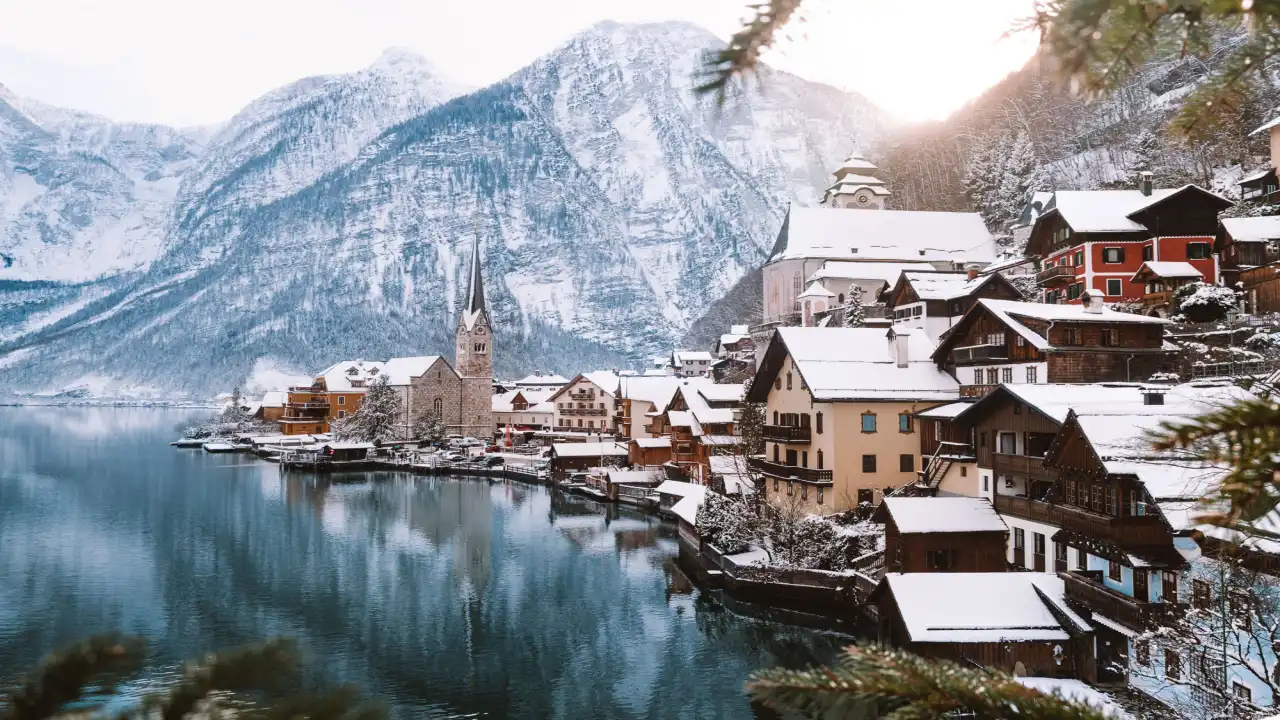
Hallstatt looks unreal from the lake, but real life kicks in as soon as you wander past the waterfront. The alleys climb like ladders, steep enough to make you reconsider that extra pastry. Laundry hangs over railings, clattering in the wind, reminding you that people genuinely live here. Mornings smell like wet stone and smoke from old chimneys. Stay long enough, and the fog becomes part of the routine, drifting in and out like a neighbor who keeps forgetting something indoors.
Piran, Slovenia
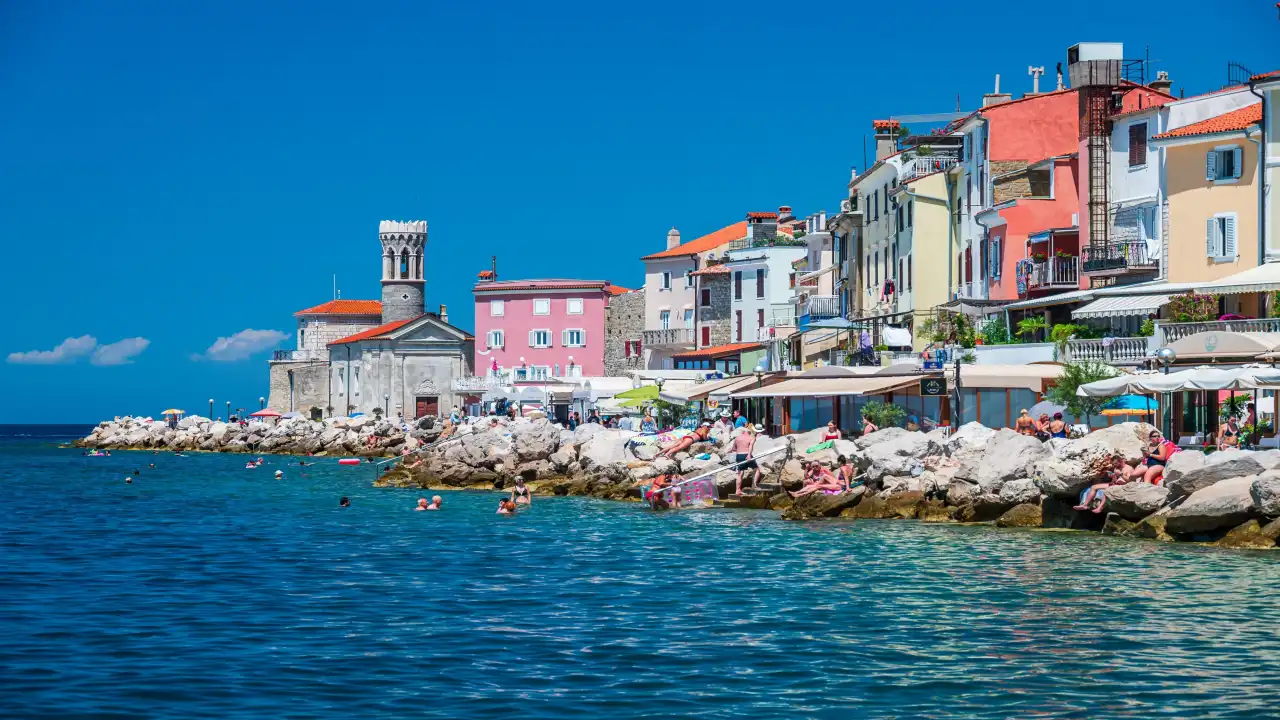
Piran is a coastal triangle with the Adriatic licking at its edges. Venetian architecture wraps tightly around the old streets, making every turn feel older than the last. The climb to the city walls rewards you with rooftops stacked like terracotta cards. Down below, fishermen work with a rhythm that feels inherited. It is the kind of place where lunch becomes a slow ceremony instead of a task.
Dinan, France
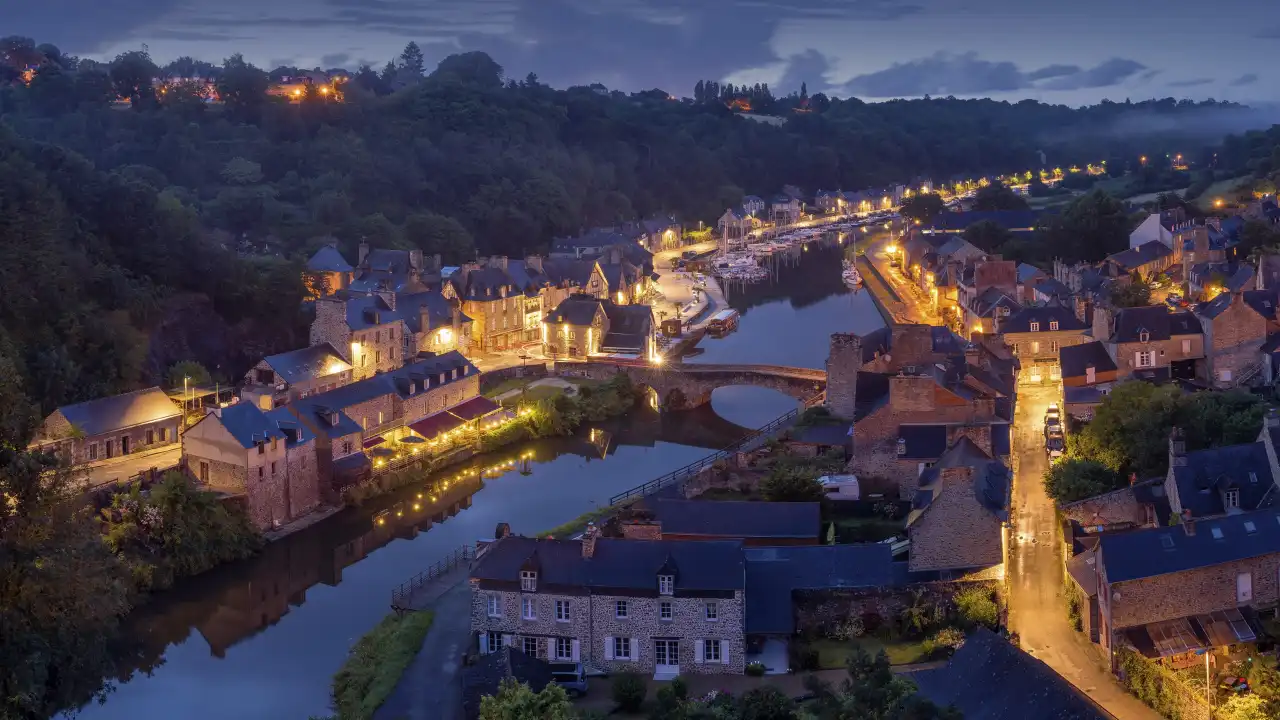
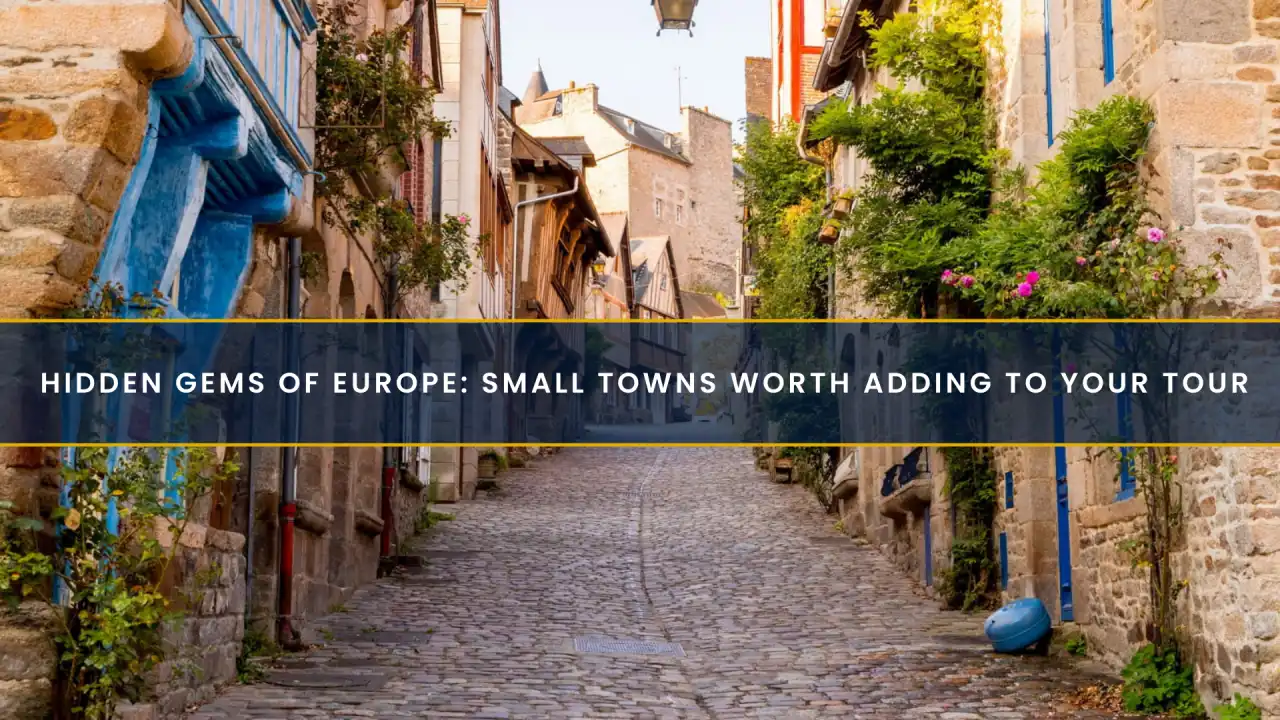
Dinan feels medieval without acting like a theme park. The timber houses lean inwards, as if whispering across the street. Rue du Jerzual drops steeply toward the river, giving your legs a workout they did not ask for. Cafes sit lazily along the banks, waiting for anyone willing to linger. For travelers planning a honeymoon package, the atmosphere here is intimate without trying to charm you.
Bernkastel Kues, Germany
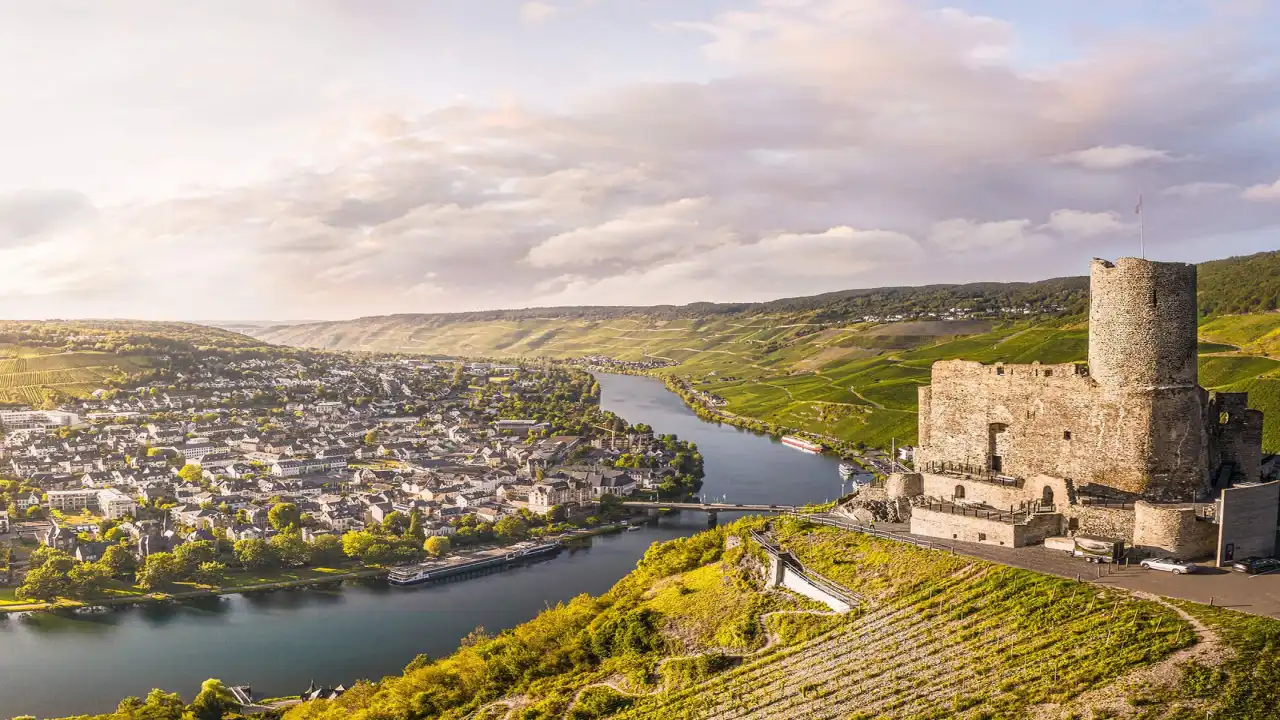
The Moselle River curves gently around this town, carrying reflections of crooked houses and vineyard hills. Wine is the backbone here, and everyone speaks of it like family history. The castle ruins offer the best view, especially at dusk when the valley folds into soft blues. Streets stay quiet after dark, but not in a lonely way. It feels like the town changes pace the moment the wine glasses stop clinking.
Albarracin, Spain
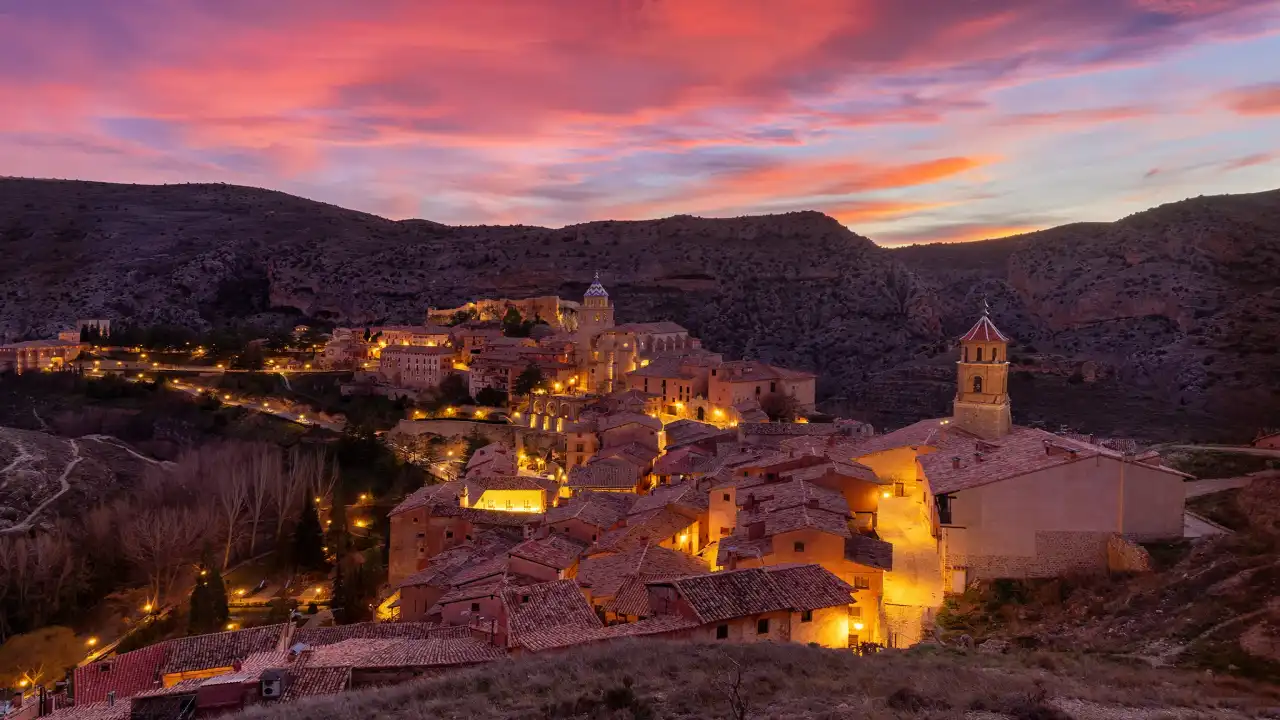
Albarracin rises in red stone, blending into cliffs as if carved by the same hands. Narrow passages twist until you forget your sense of direction. The fortress walls lead you upward, rewarding you with open sky and a sweep of ancient land. Silence here comes layered, not empty. You leave with dust on your shoes and the feeling that you walked through a long-forgotten chapter.
Cesky Krumlov, Czech Republic
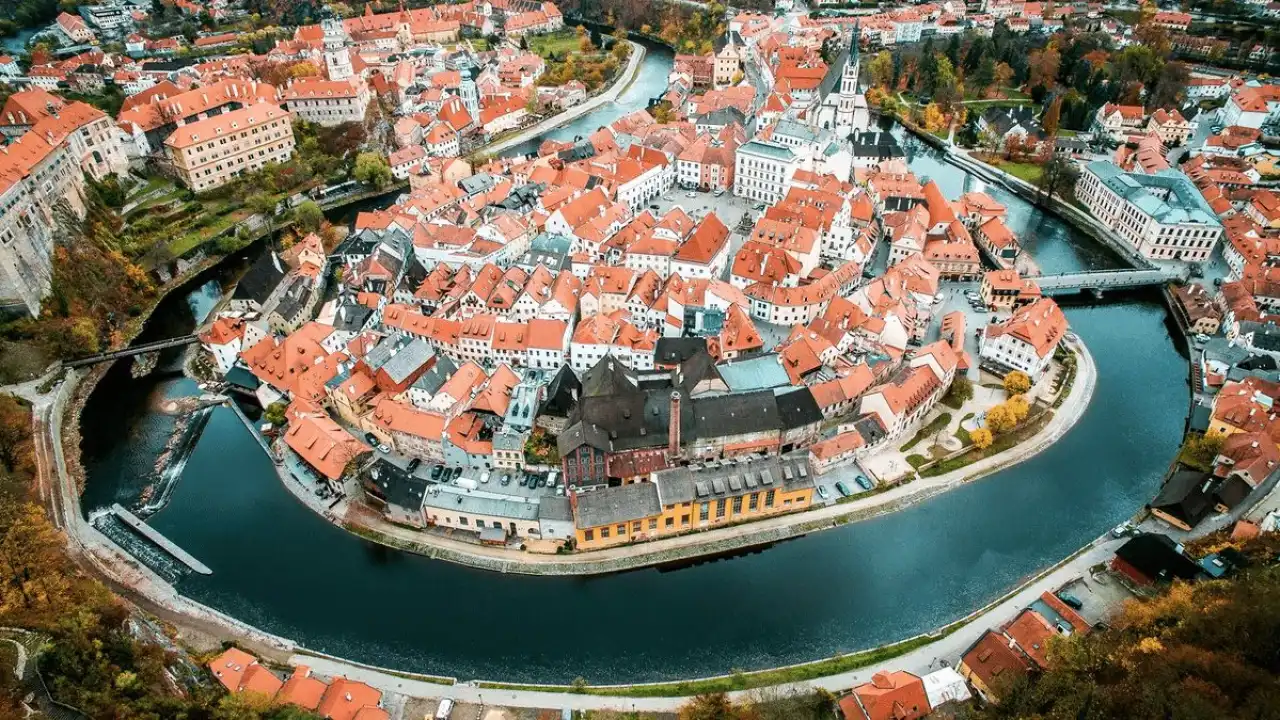
The town loops inside a lazy river bend, almost too pretty for its own good. The castle towers overhead, a little dramatic but in a charming way. Day visitors fill the squares, but after sundown, the town exhales and softens. Musicians practice in side alleys as though no one is listening. Stay overnight if you want to see the real version.
Bosa, Italy
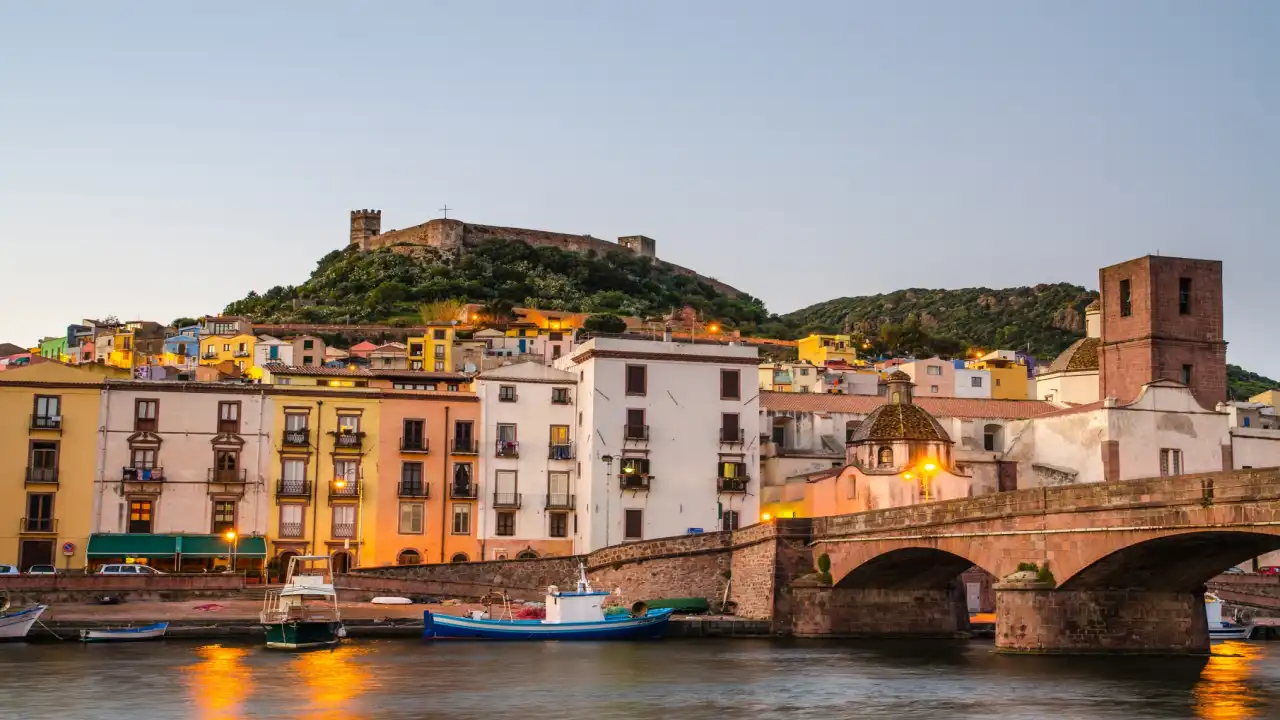
Along the Temo River, Bosa appears like a watercolor test page, each house painted a shade that refuses to match the next. The Malaspina Castle sits quietly above, watching the town with the patience of something ancient. Wander inland and you hit alleys decorated with plants, buckets, and old chairs. Locals sit outside because it is their living room, not a photo opportunity. The town moves on a soft rhythm, and it pulls you into it without asking.
Tarnow, Poland
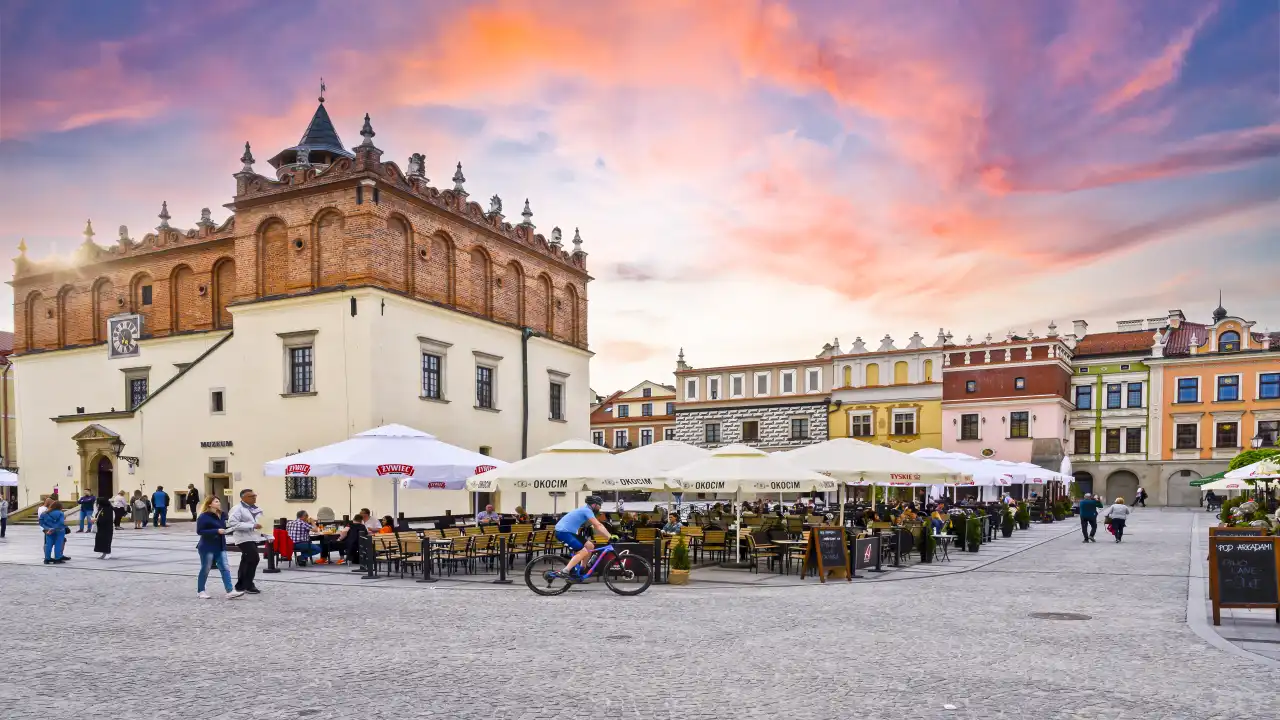
Tarnow is a small puzzle of Renaissance buildings, subdued colors and quiet corners. The old town has an intimacy that larger cities lost years ago. Cafes gather like clusters of friends, not tourist traps. History sits deep here, especially around the Jewish heritage sites. The town rewards slow walkers more than fast planners.
Gimmelwald, Switzerland
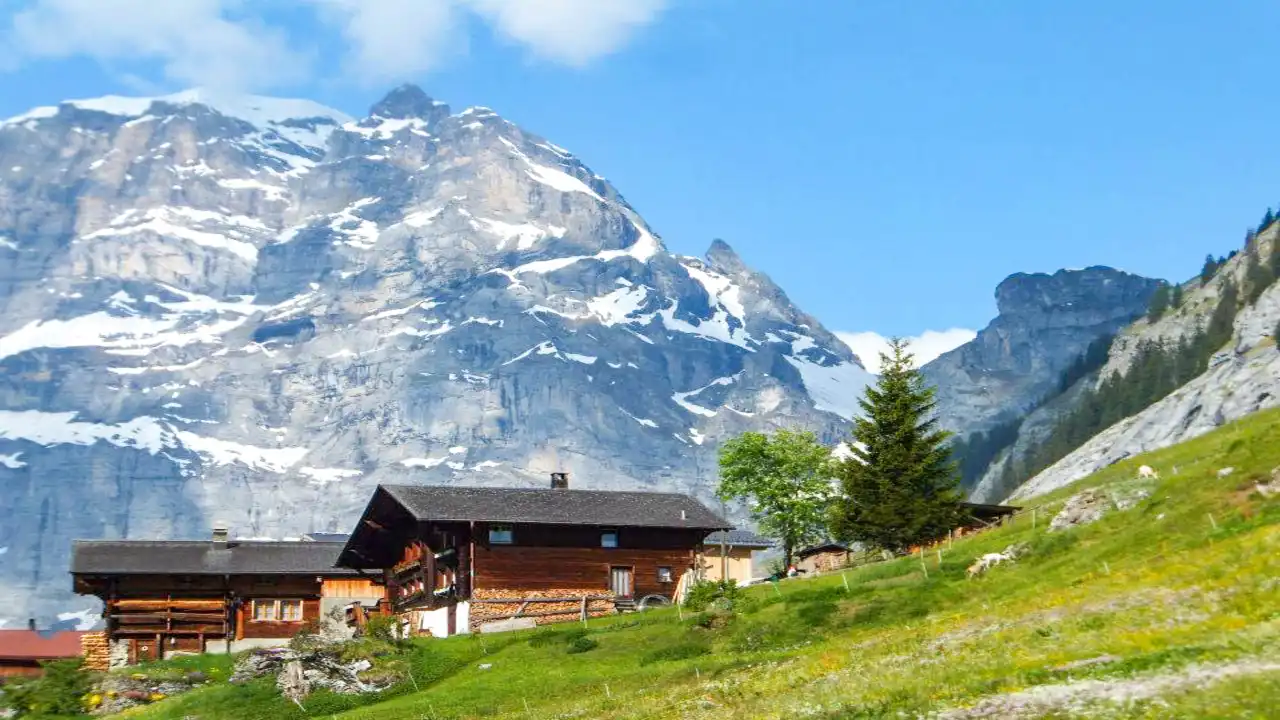
Gimmelwald lives above a valley that looks too dramatic to be real. Wooden chalets feel worn in the best way, showing every winter they survived. Cowbells echo across the cliffs like a soundtrack no one planned. Trails wind through meadows that feel strangely private. The town asks nothing of you except to walk and look.
Rovinj, Croatia
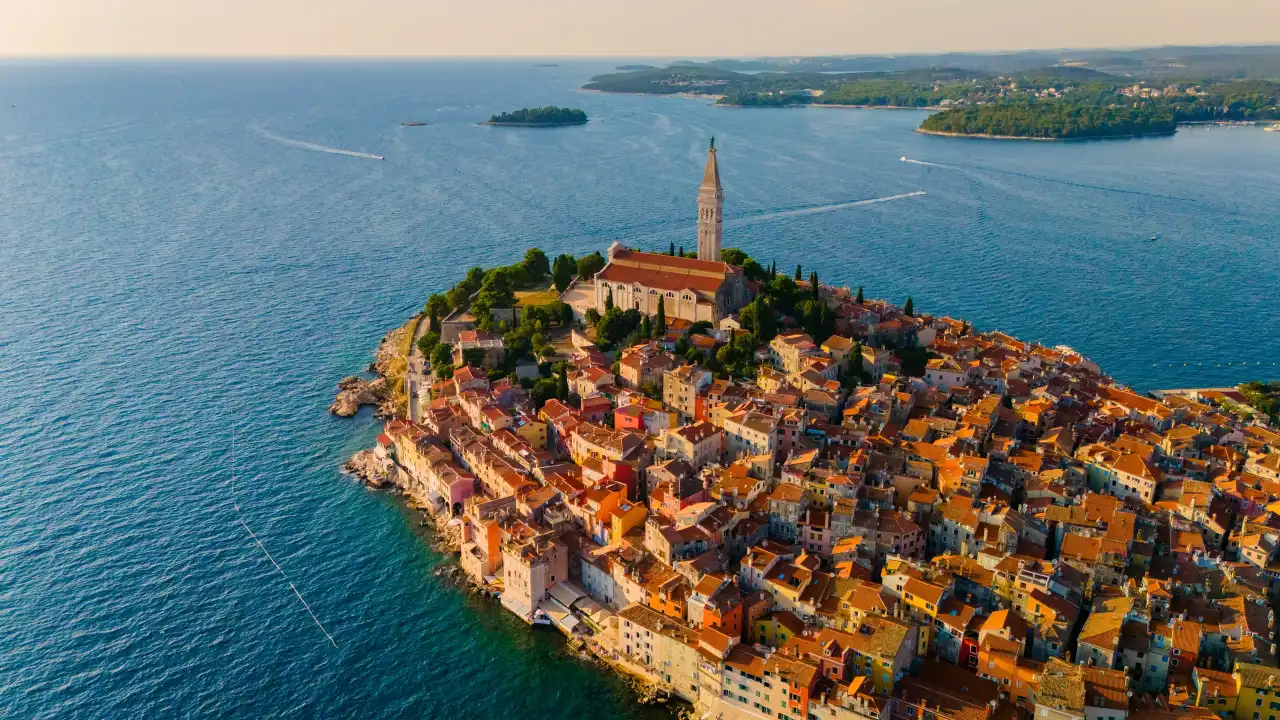
Rovinj rises from the sea like a cluster of houses climbing toward the hilltop church. The alleys shine from decades of footsteps, not polishing. Boats knock softly in the harbor while locals chat across windows. Follow the southern coastal path and the water turns glass-clear. Even the quiet corners smell like pine and salt.
Highlights: Small Town Experiences That Stick
• Streets that wander instead of leading anywhere predictable
• Local food that tastes better when there is no menu in English
• Morning markets where no one performs for visitors
• Colors, textures, and architecture shaped by centuries
• Slower days that recalibrate your pace
• Views that feel earned rather than staged
Why These Places Stick With You
The biggest appeal of these towns is not scenery, though the scenery is usually excellent. It is the way they slow you down, insist on attention, and turn a trip into something textured. Big cities impress. Small towns persuade. They do so with a kind of quiet confidence, the kind that doesn’t need to broadcast its charms.
Travelers who choose these places often come back changed in small, subtle ways. They start noticing details again. They talk more to strangers. They remember what it feels like to walk slowly without apology. And tucked inside any balanced Europe vacation packages, these towns give shape to the journey in a way polished itineraries never quite manage.
Conclusion
If Europe feels too mapped out in your mind, these towns will edit that picture. They remind you that the continent’s true character hides in corners, not capitals. And if you build your next route with Travel Junky, you will find that detours, not landmarks, are often what stay with you. Plan a trip that lets curiosity lead the way. Europe is full of places that don’t ask for attention but reward it endlessly.
Also Read: Most Romantic Cities in Europe for Couples & Honeymooners
Pro Tips
• Skip every restaurant on the main square, even if it looks charming.
• Follow the street where laundry hangs from windows; locals usually eat nearby.
• Spend at least one sunrise outside. Small towns reveal more in the quiet.
• If a shop owner talks to you, listen longer than you planned. These chats unlock history.
• Walk uphill even when you are tired. The best views always hide behind effort.