Historic Walks Through Old Towns Across Europe
Introduction
Ever walked down a street and felt it was watching you back? Not in a spooky way, but more like Naina and Bunny wandering through Udaipur, where the place feels alive as they walk through it. Cobblestones creak as you walk, old shutters move in the breeze, and somewhere nearby a baker is busy with fresh dough. This is what Europe’s old towns feel like. They are a little messy, full of layers, and impossible to rush through. You cannot just look and move on. Stay a while, and you start to feel centuries hiding in narrow lanes, tall towers, and quiet courtyards. Time slows down here. Sometimes it pauses, sometimes it drifts. And in those moments, the real magic appears, the kind of European history you do not find in textbooks, but feel as you walk.
Getting Lost in Old Prague
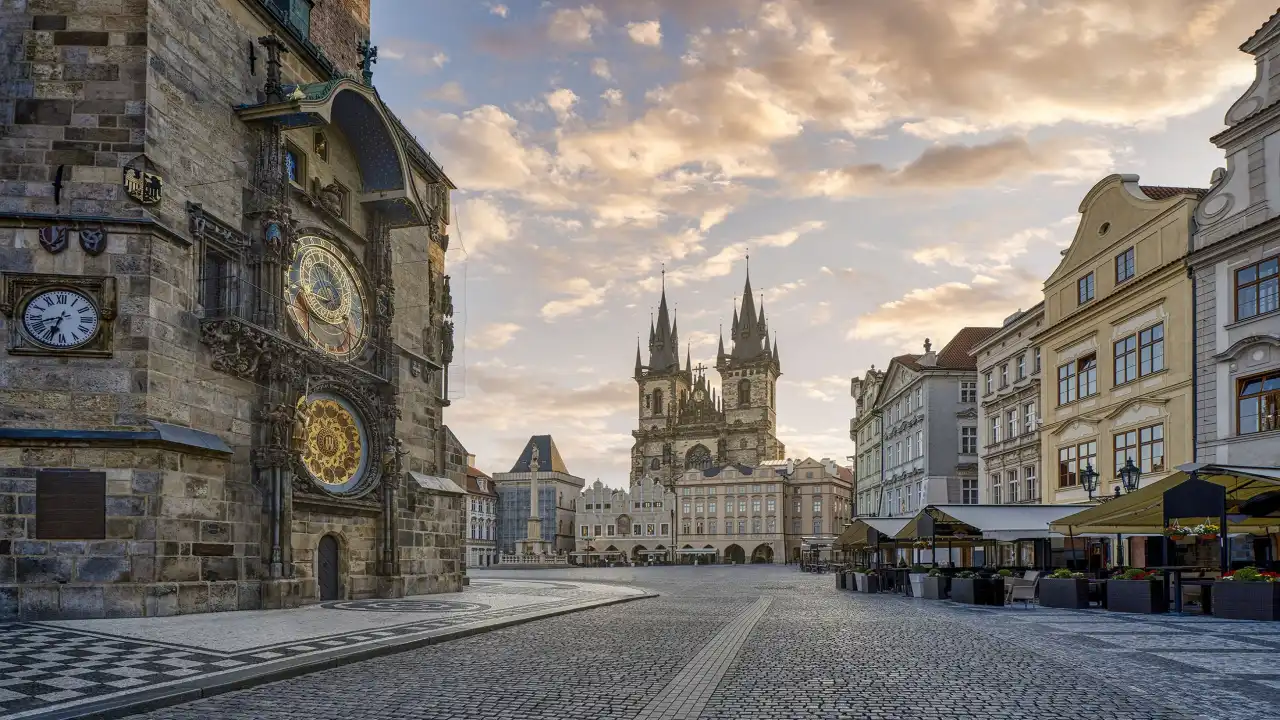
Prague’s Old Town rewards wandering. The Astronomical Clock draws crowds, sure, but the alleys nearby carry quieter stories, the kind you almost trip over if you’re not paying attention.
- Golden Lane isn’t just pastel houses. It once held alchemists, archers, and maybe a few people who just liked secrets.
- Spires punctuate the skyline, jagged and irregular, while cafés hum quietly below.
- Sit in a courtyard café, sip espresso, and imagine candlelight deals long before electricity. Not that it feels staged. Somehow, it works.
Even locals sometimes pause and smile when they see tourists notice the same corners they do.
Tallinn: Medieval Walls and Whispered Legends
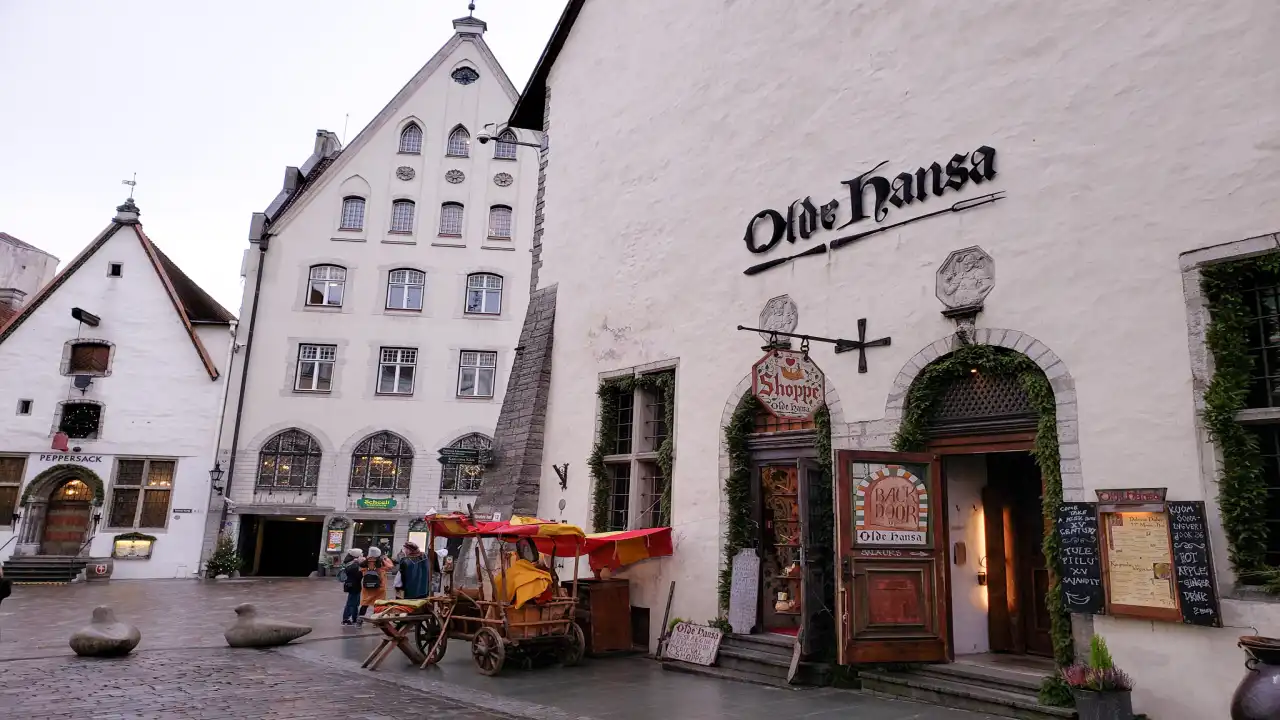
Tallinn’s Old Town is quieter, almost cautious. Stone towers lean slightly, the air smells faintly of smoked fish, and somewhere in the distance the harbor hums.
- Climbing the walls shows rooftops scattered with laundry lines and pigeons hopping like they own the place.
- Alleyways twist so sharply you almost bump into walls. You might stumble on a fiddler or a market stall with amber jewelry.
- Street performers pop up unexpectedly, bridging centuries with music that somehow feels eternal.
Florence: Renaissance Streets Without a Script
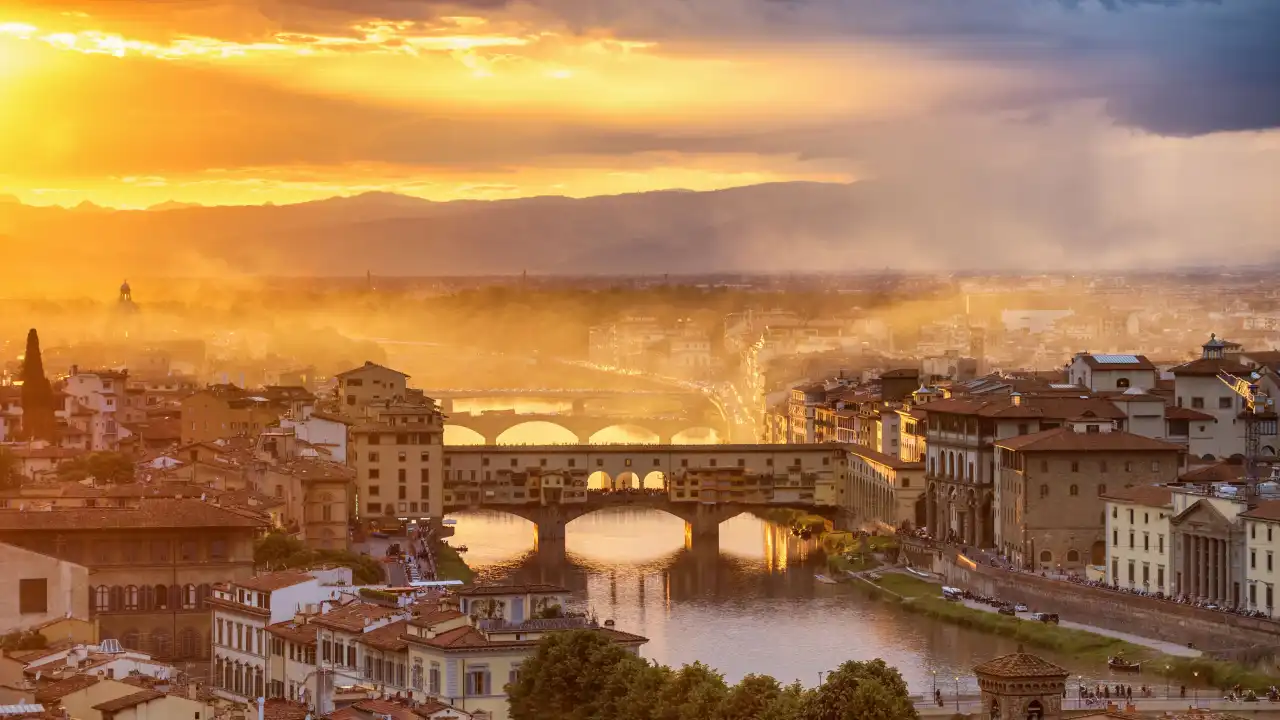
Florence hums where you least expect it. Museums are obvious; piazzas are crowded. But the narrow streets whisper.
- Piazza della Signoria is like an open stage. Statues watch silently, almost gossiping about civic triumphs.
- Workshops spill leather, gold leaf, and books into alleys. Some artisans have been at it for generations.
- Dusk on the Arno River reflects domes, chimneys, and occasional bicycles, turning ordinary bridges into accidental paintings.
History here isn’t a backdrop. It is stitched into the city’s rhythm, sometimes loud, sometimes whispering in unexpected corners.
Kraków: History in Every Corner
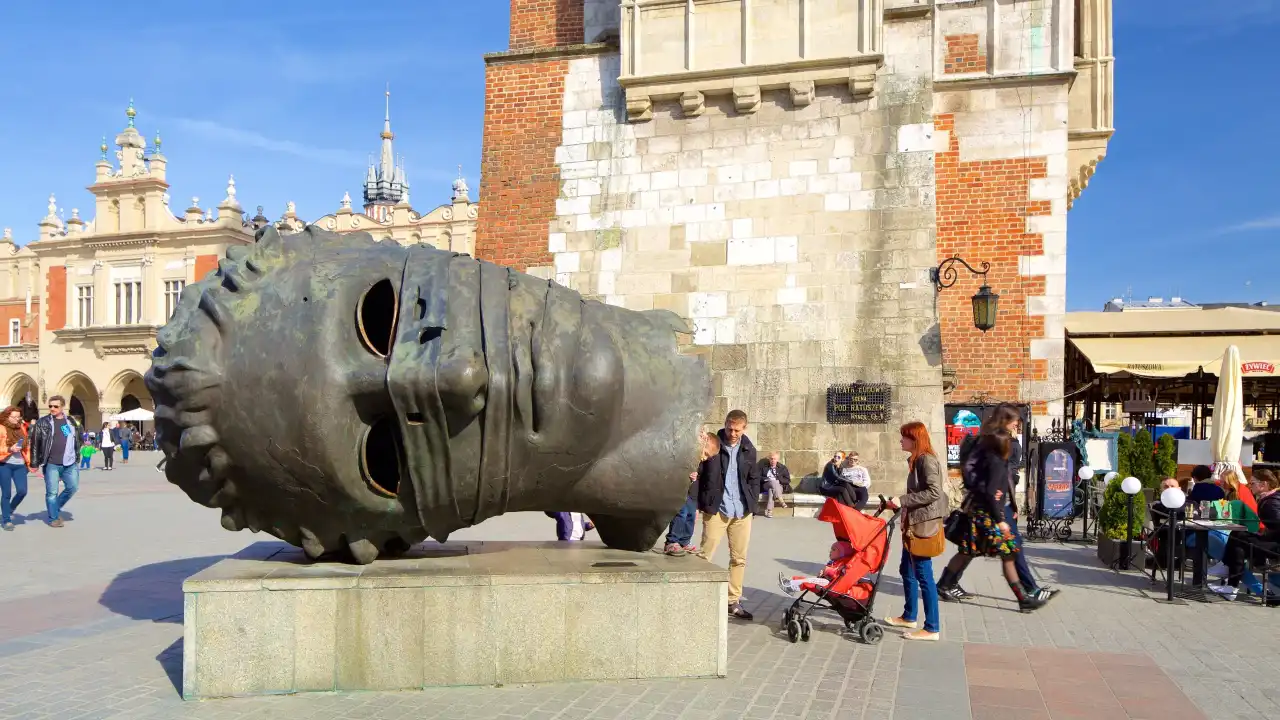
Krakow rewards slow exploration. Market Square is massive, but the streets around it are intimate.
- St. Mary’s Basilica dominates the skyline; its trumpet call slices the air like punctuation from centuries past.
- Wawel Castle watches over the city, solid and silent, though you can almost imagine a modern argument happening in its shadow.
- Cafés nearby are perfect for pauses. Notice the iron gates, worn cobbles, and tiny plaques. Centuries compressed into small details.
Bruges: Canals, Cobbles, and Everyday Magic
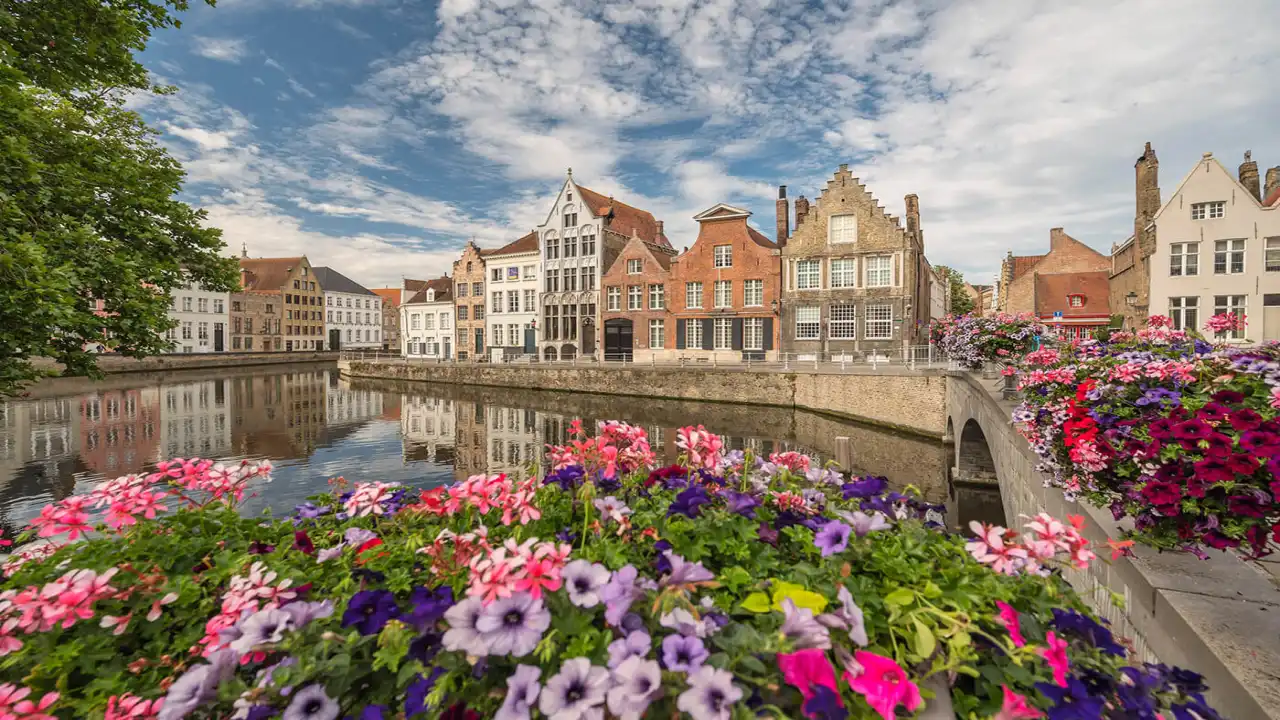
Bruges is cinematic, but stubbornly real. Early mist rolls over canals, and swans drift as if auditioning for a play.
- Water mirrors façades in ripples. Some reflections shift faster than you expect.
- Chocolate shops and lace ateliers remind you that craft survives centuries without losing charm.
- Climb the Belfry. Stairs squeak, wind gusts, and suddenly you see the city sprawled, uneven rooftops stacked like a storybook.
Bruges rewards getting lost. Often, the best discoveries are accidents. Not that you mind.
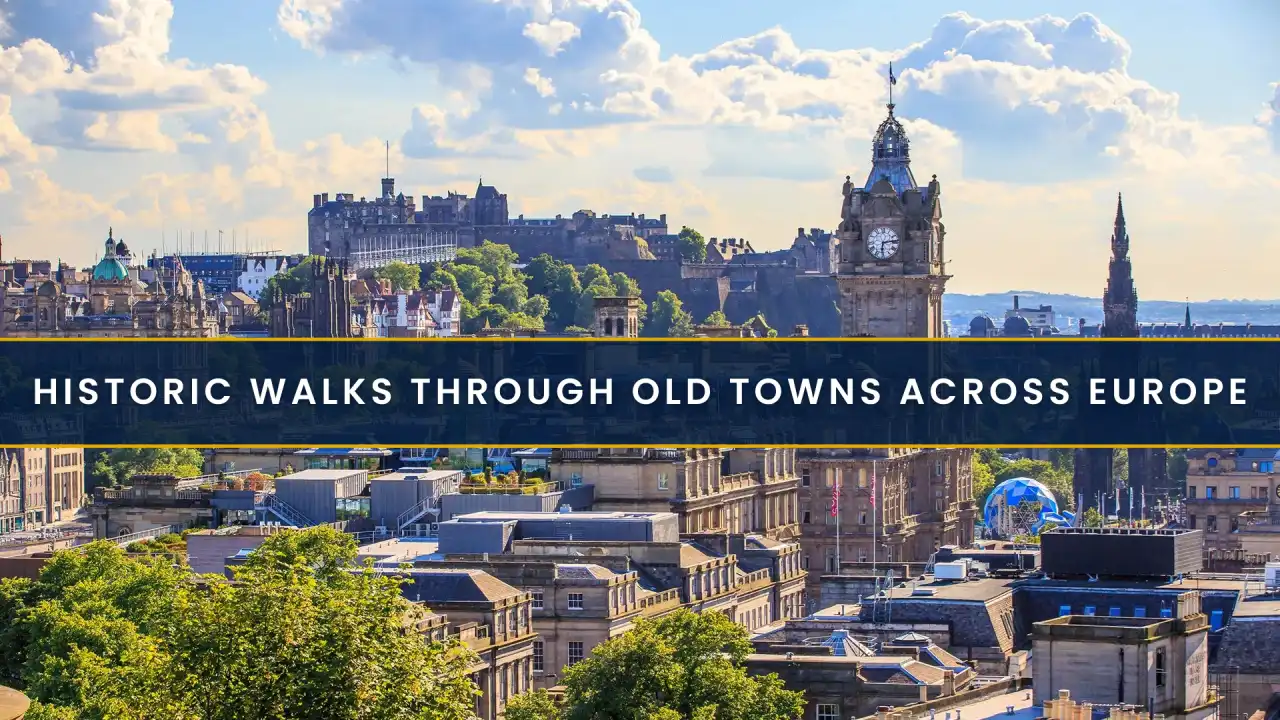
Edinburgh: Where Streets Tell Stories

Edinburgh twists like a spine holding centuries upright.
- The Royal Mile connects the castle to the palace, but side alleys hide staircases and courtyards. Private corners peek out, almost shy.
- Greyfriars Kirkyard is quiet. Sometimes a crow or a stray footstep feels like history brushing past.
- Bookshops and pubs inhabit old buildings, blending modern life with shadows of centuries gone by.
In Edinburgh, Europe historical exploration is about sensing as much as seeing.
Venice: Walking on Water
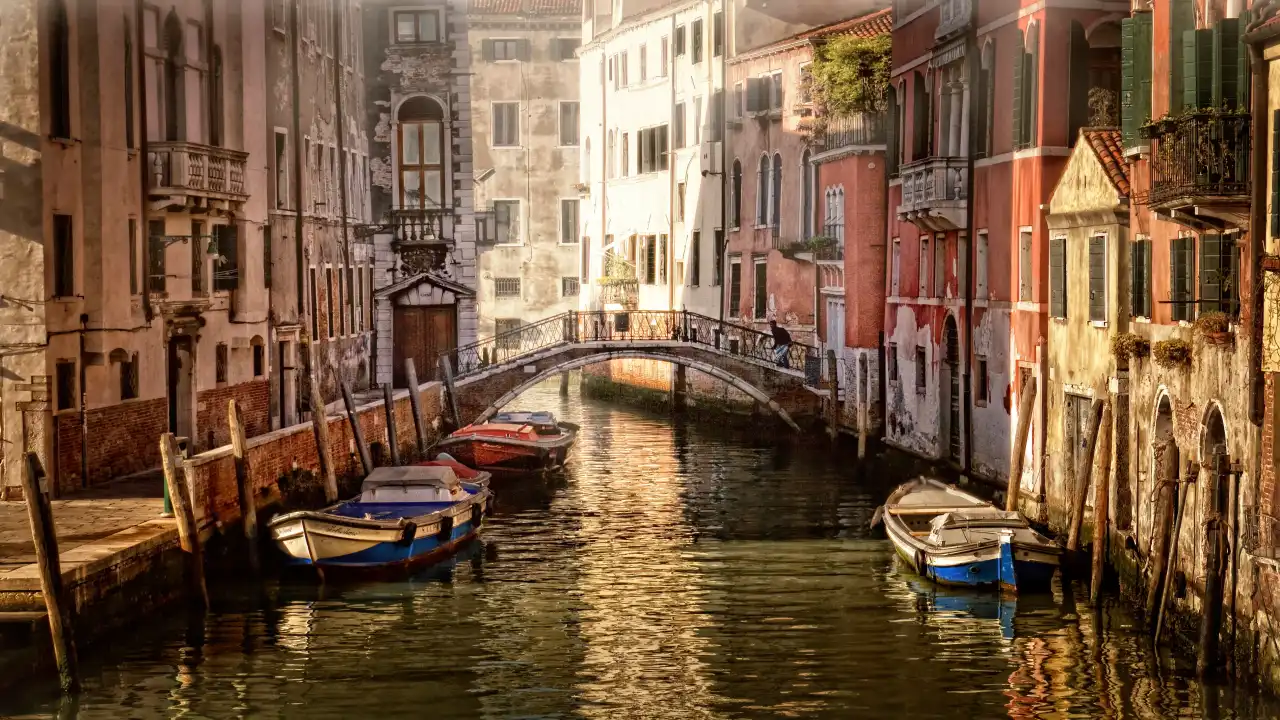
Venice refuses to be straightforward. Streets vanish into canals, alleys twist unpredictably, and maps feel inadequate.
- Piazza San Marco dazzles, but early walks reveal tiny bridges, silent churches, stray cats, and the occasional smell of brackish water.
- Mask shops hint at centuries of carnival mischief. You wonder how private life survived beneath the spectacle.
- Rowing canals, you notice façades enduring floods, fires, and human life in stubborn, almost proud ways.
Lisbon: Alfama’s Tangled Streets
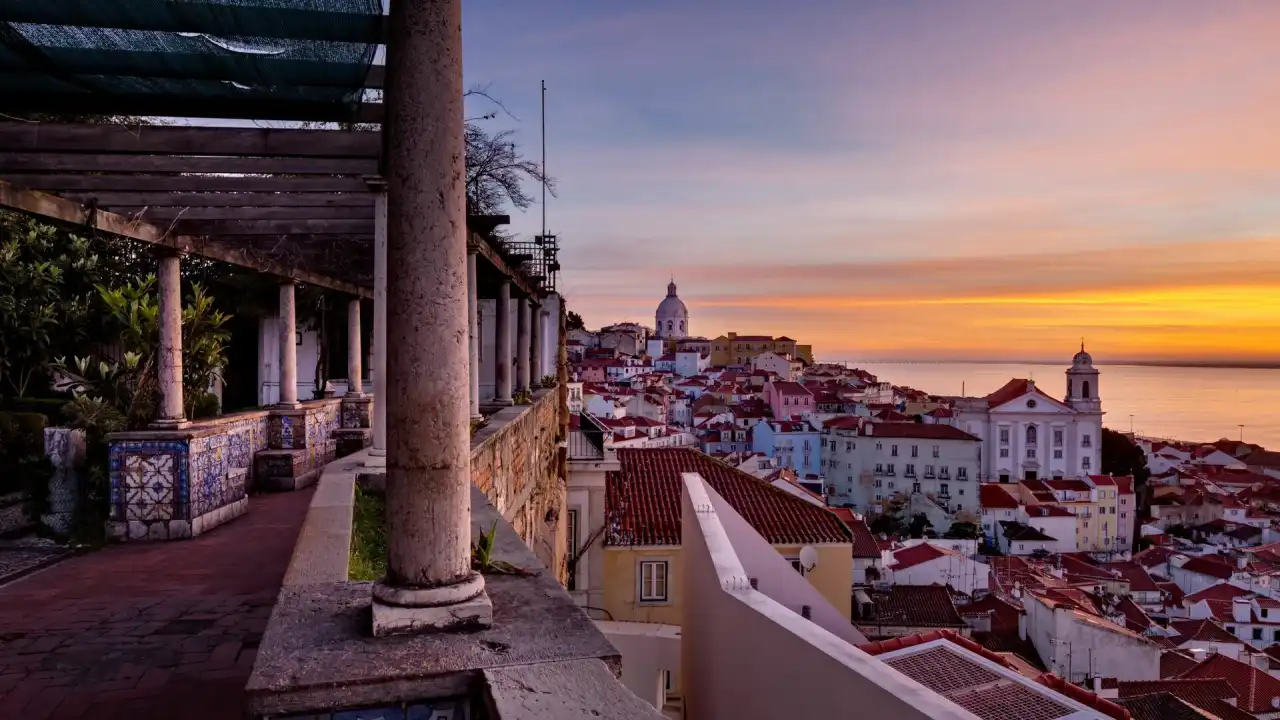
Alfama is chaotic, steep, and bright. Stairways twist unexpectedly, revealing glimpses of the Tagus River or sun-bleached tiles.
- Markets spill smells and colors. You catch grilled fish, bread, and spices as you walk by.
- Streets turn and twist. Sun patches make even brief walks feel magical.
- Tiles on façades tell layered stories, faded and defiant, just like the locals.
Why Europe’s Old Towns Captivate
Every old town is distinct yet familiar. Paris’s Marais has hidden courtyards. Bruges’ canals shift with light. Florence hums with craft. Tallinn’s towers echo medieval life. Each city folds past and present together, accidental yet deliberate. Europe tour package itineraries from Travel Junky reveal these layers without over-planning. It lets you cross countries seamlessly while preserving surprises.
Conclusion
Walking Europe’s old towns is not a checklist. It is curiosity, attention, and willingness to notice. Alleys, squares, and bridges all offer chapters in human history. Historical exploration in Europe is a dialogue, not observation. From Prague’s alleys to Venice’s canals, Tallinn’s towers to Alfama’s stairways, old towns show time as lived, layered, and human. International packages from Travel Junky, along with an openness to surprise, transform these streets into experiences that linger long after you leave.
Pro Tips
- Step lightly. Uneven cobblestones sometimes slip underfoot.
- Time it right. Early mornings or late afternoons give streets a different personality.
- Engage your senses. Smells, sounds, and textures reveal stories better than signs.
- Try a local guide. Even one short walk uncovers hidden gems.
- Pack lightly. Heavy bags slow you down; minimal gear gives freedom.
- Notice layers. Modern shops above medieval doorways are subtle conversations across centuries.