Iconic Lakes in Europe You Must See
Introduction
Have you ever wondered why certain places make you pause mid-thought? Not because they are loud or dramatic, but because they feel complete somehow. Lakes have that effect. They don’t perform. They reflect. Europe, a continent known for movement, borders, and centuries of noise, holds its quietest truths beside water. These are places where time stretches, where even seasoned travellers instinctively slow their steps. If you have already seen the cathedrals and crossed the bridges, turning your attention to lakes in Europe feels like switching the conversation from small talk to something more honest.
Why Lakes Feel Different in Europe
Europe’s lakes are not accidental beauty spots. They are woven into daily life. Villages grew beside them. Trade routes followed their edges. Generations learned patience by watching water behave on its own terms.
Across lakes in Europe, you will notice a pattern.
- Towns face the water, not away from it
- Cafes linger instead of turning tables quickly
- Nature is not fenced off, but lived beside
These lakes are not only weekend escapes. They are routines.
Lake Como, Italy: Quiet Luxury That Knows When to Stop Talking
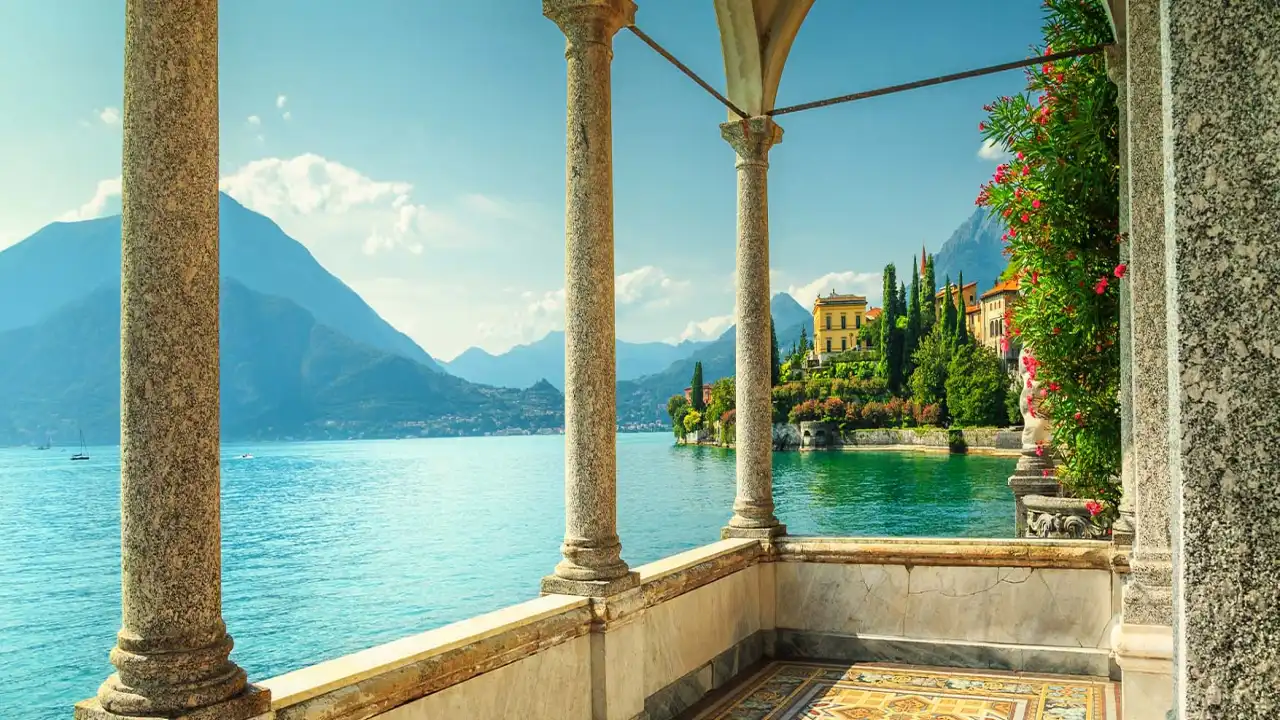
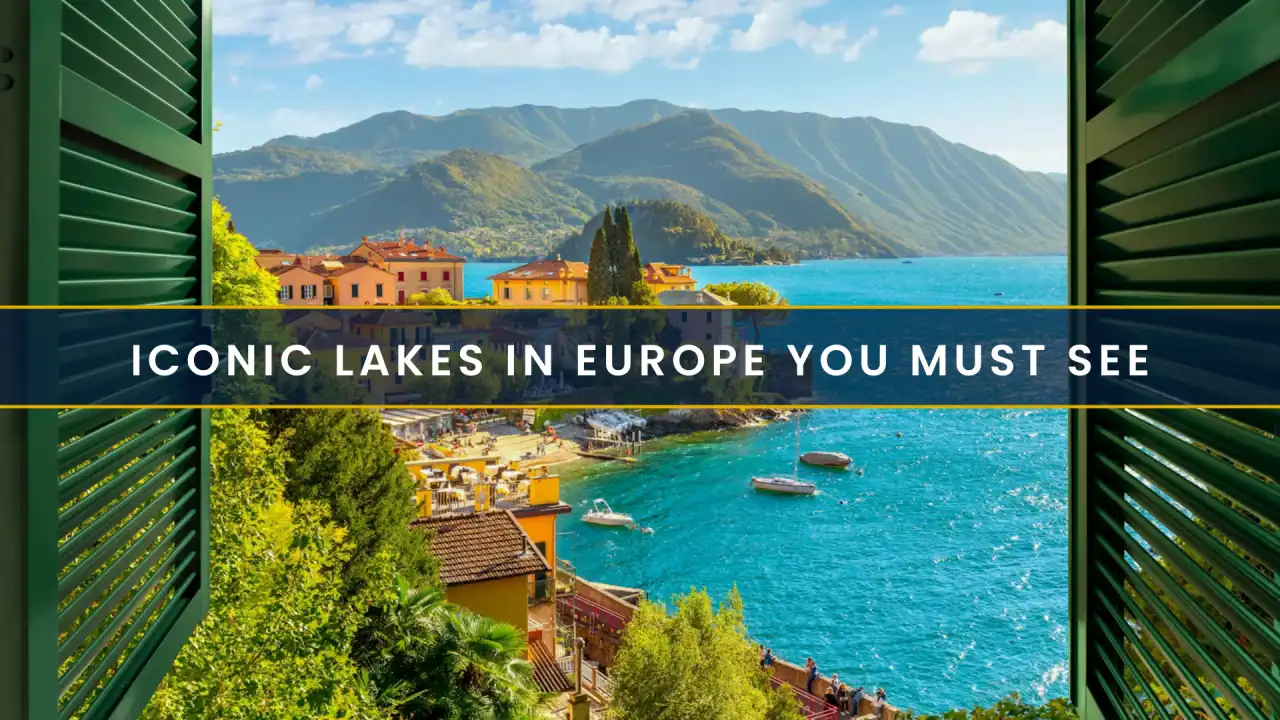
Lake Como does elegance in lowercase letters. It is refined without needing validation. Villas climb steep hills, gardens spill toward the water, and ferries arrive with practised calm. What separates Como from other lakes in Europe is its restraint. Wealth exists here, but it does not dominate. Locals take the same boats as visitors. Schoolchildren wait at the docks beside well-dressed travellers.
Base yourself in towns like Varenna or Bellagio, not because they are famous, but because they are walkable. Sit by the water in the evening when day trippers leave. The lake settles into itself then. This is a place where even silence feels expensive, in the best way.
Lake Bled, Slovenia: Familiar Beauty That Still Surprises
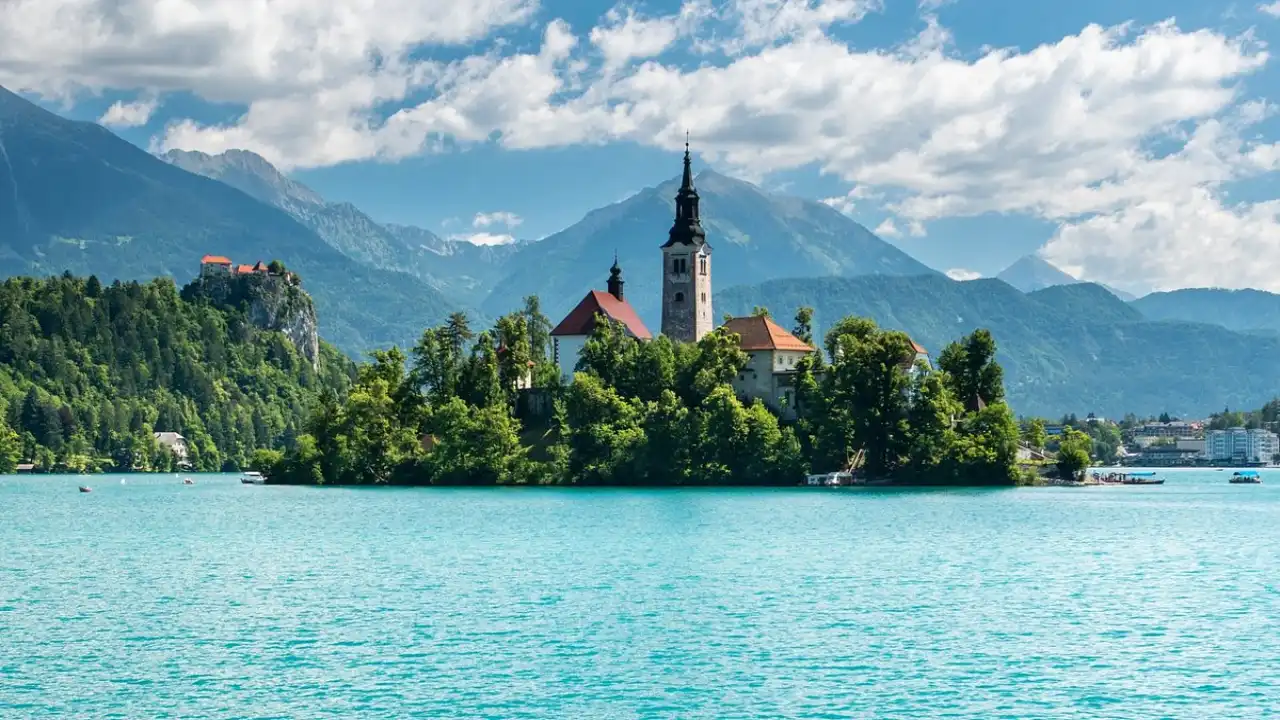
Lake Bled is often dismissed as too pretty, too obvious. That judgment usually comes from people who didn’t stay long enough. Yes, it looks like a painting. But it behaves like a place that has been lived in for centuries.
Walk the perimeter at sunrise. Watch rowers glide across water that barely ripples. Hear church bells drift rather than echo. Among lakes in Europe, Bled earns its reputation by being consistent, not flashy. And yes, eat the cream cake. Cultural immersion counts in small ways.
Lake Geneva, Switzerland and France: Where Nature Learns Discipline
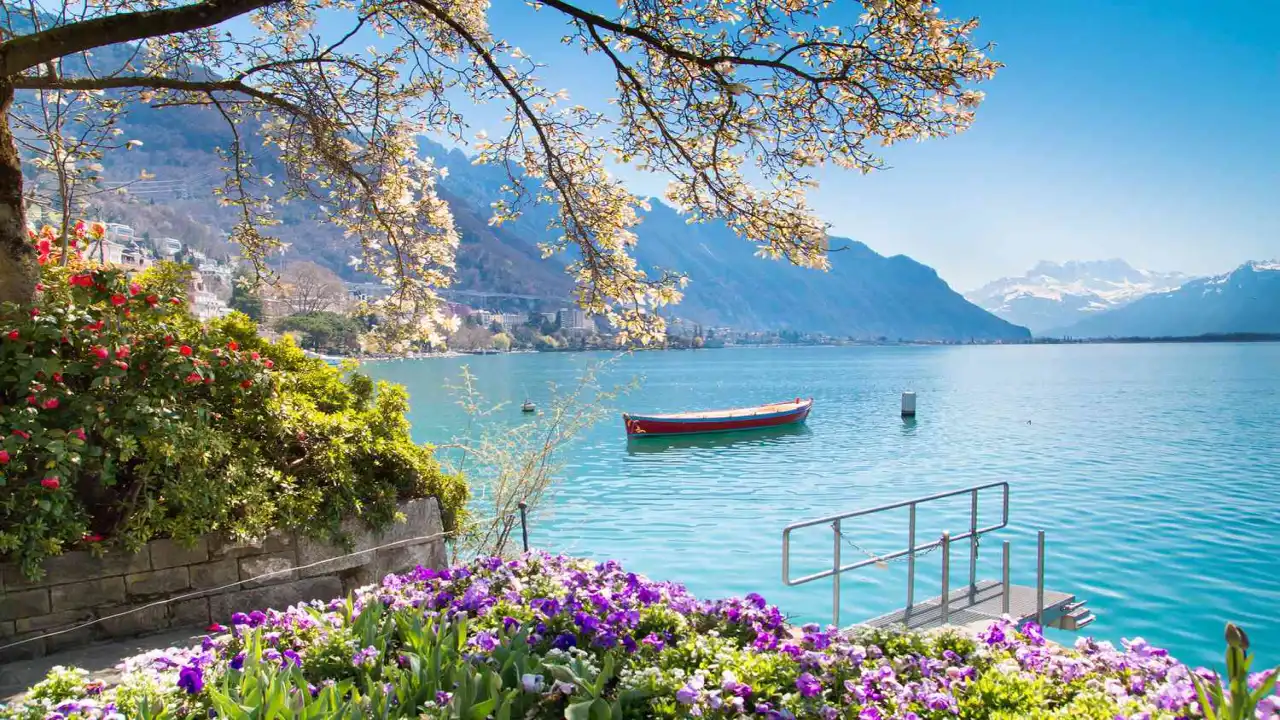
Lake Geneva feels deliberate. The Alps frame it like a promise. Vineyards line its edges with geometric patience. Cities like Lausanne and Montreux bring culture without clutter. This is one of those lakes in Europe that works equally well for doing nothing or doing everything. Morning swims. Afternoon walks. Evening concerts. Nothing feels forced. Sit on a bench and watch locals move through their routines. That quiet rhythm is the real attraction.
Plitvice Lakes, Croatia: Movement as a Main Character

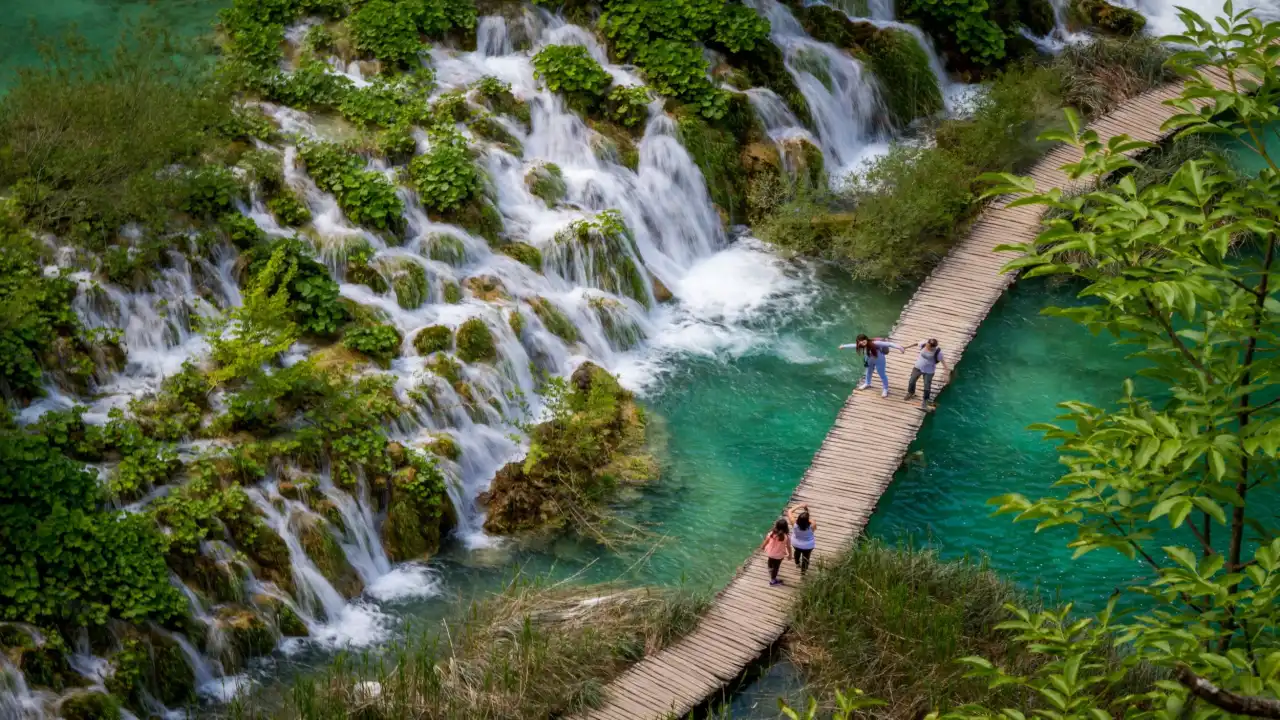
Plitvice is kinetic. Water spills, cascades, gathers, then moves again. Unlike calmer lakes in Europe, this place thrives on motion. Wooden pathways float just above turquoise water. Fish drift beneath your feet. Waterfalls sound louder after rain, softer in dry months. Visit early. Let others rush ahead. When the space opens, Plitvice feels almost unreal. Nature is slightly showing off, but we allow it because it earned that confidence.
Lake Annecy, France: Effortless Balance
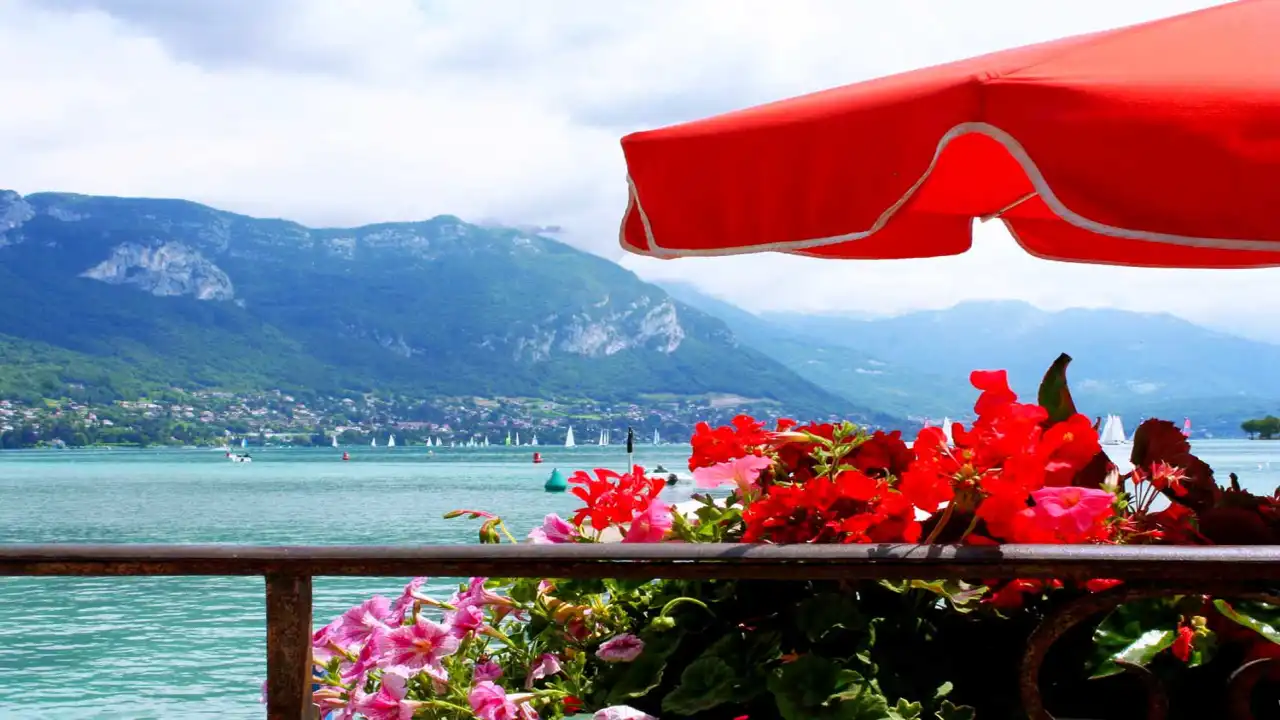
Annecy feels like someone blended alpine discipline with southern ease. The water is famously clear. Locals swim without ceremony. Cyclists trace the shoreline daily, not as tourists, but as habit.
Among lakes in Europe, Annecy stands out for how well it integrates movement and stillness. You can kayak in the morning, eat a pastry in the afternoon, and do absolutely nothing by evening. The town does not ask you to choose. That is its quiet genius.
Lake Balaton, Hungary: Where Locals Go to Breathe
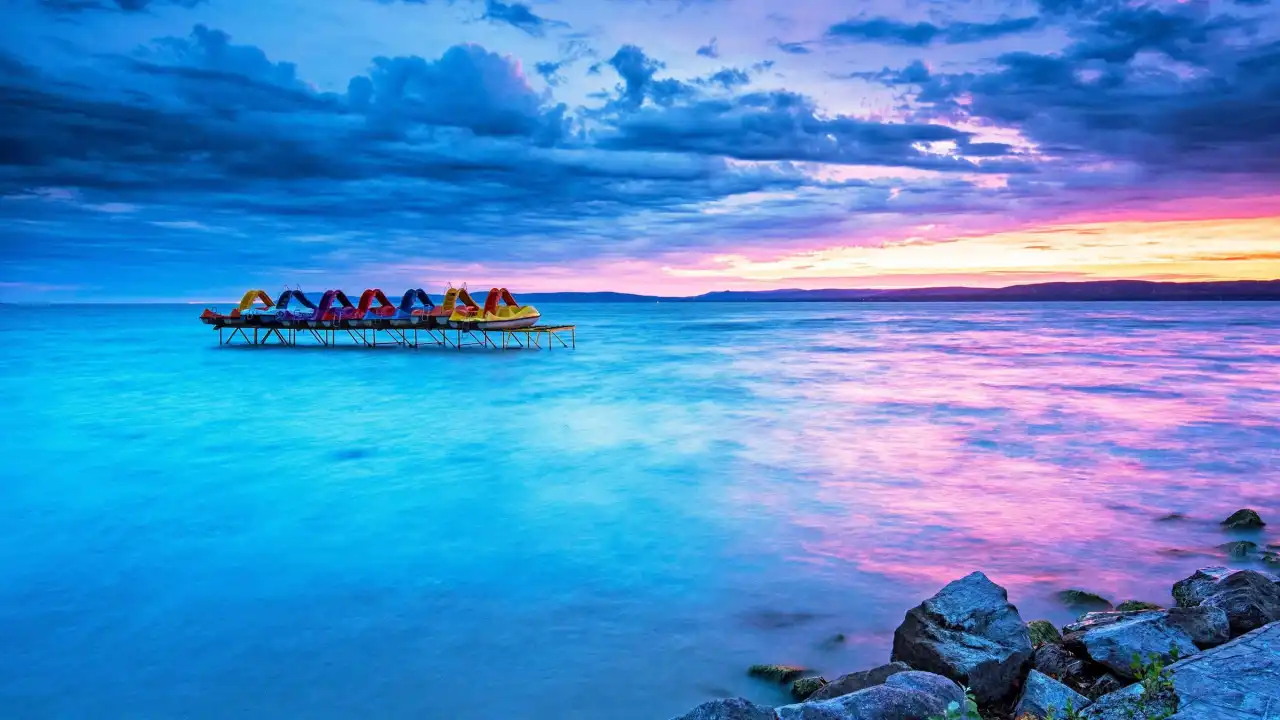
Lake Balaton does not chase international attention. It does not need to. This is where Hungarians escape summer heat, open wine bottles, and stay late into warm nights. The lake is shallow, which changes its mood. Water warms quickly. People linger. Laughter travels far. Among lakes in Europe, Balaton reminds you that popularity among locals matters more than global fame. Stay near smaller towns. Eat regional food. Let conversations happen naturally.
Hallstatt Lake, Austria: Precision in Stillness
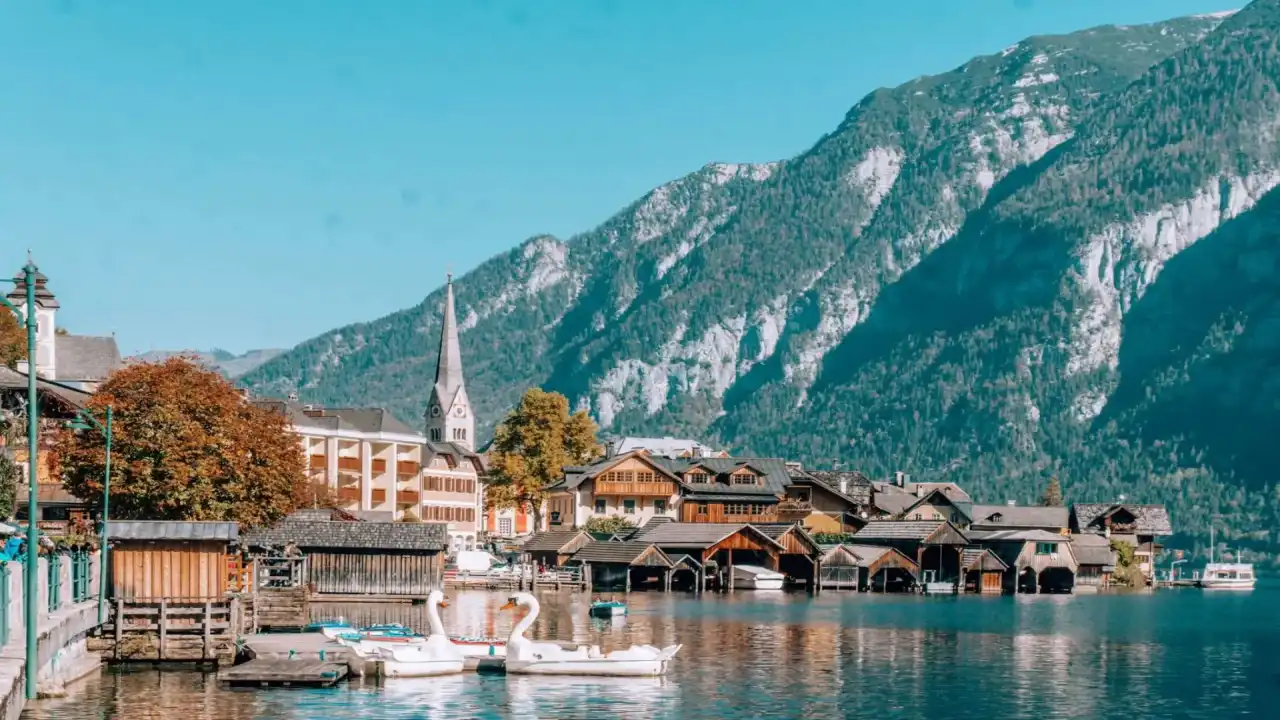
Hallstatt feels almost too composed, like someone adjusted the saturation carefully. Pastel houses, mountain reflections, boats moving slowly on purpose. This is one of the most photographed lakes in Europe, but also one of the quietest if approached correctly. Arrive early. Walk beyond the main square. Sit without documenting. Hallstatt rewards respect. Treat it gently.
Lake Ohrid, North Macedonia: History Beneath the Surface
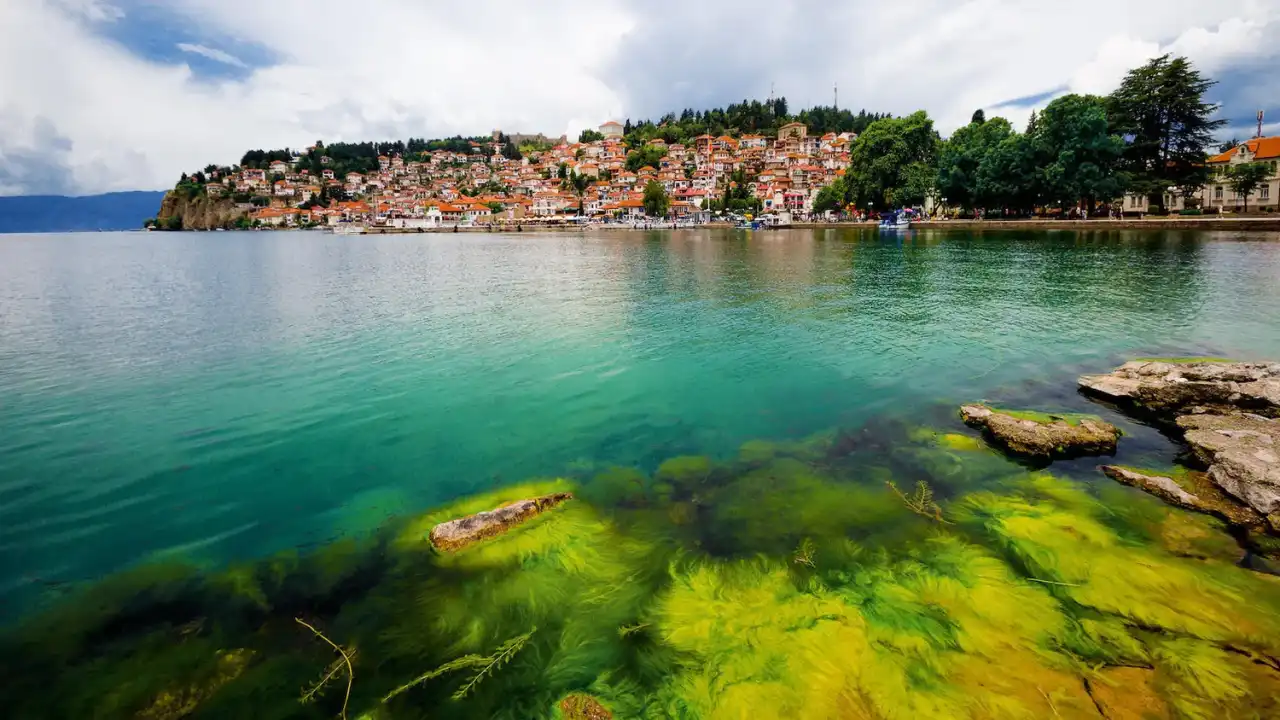
Lake Ohrid is ancient. Literally. One of the oldest lakes in Europe, it holds layers of history that feel heavier than its calm surface suggests. Churches line its shores. Stones feel worn, not restored. Among lakes in Europe, Ohrid stands apart for how deeply time is embedded here. Swim where history floats quietly beneath you. It changes how you experience water.
Lake Saimaa, Finland: Silence as a Feature
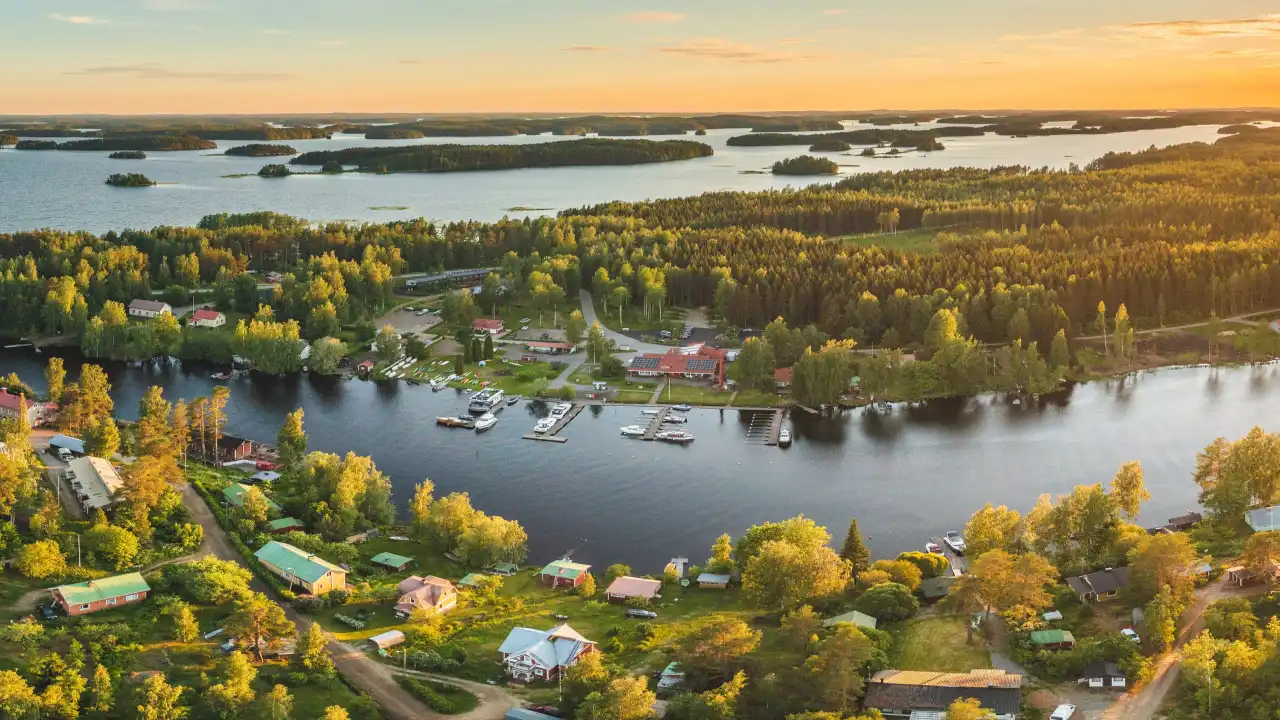
Lake Saimaa is not dramatic. It is expansive, quiet, and deeply Nordic. Forests press close. Cabins hide rather than display themselves. This is one of the lakes in Europe that teaches you to sit in silence. No agenda. No noise. Just long evenings and slow light. If you crave reset rather than stimulation, Saimaa delivers.
How Lakes Shape Smarter European Travel
Lakes work best when placed between intensities. Cities stimulate. Mountains challenge. Lakes restore. Many travellers design a Europe tour package filled with movement, then realise the moments they remember most happened when nothing was scheduled. This is where experienced planners like Travel Junky subtly adjust routes, adding water not as filler, but as punctuation. Lakes give journeys breathing room.
Lakes That Deserve More Attention
Europe’s lake map is generous. A few quieter names worth remembering:
- Lake Constance for cycling across borders
- Lake Bohinj in Slovenia for alpine calm
- Lake Neusiedl, between Austria and Hungary, for wide skies
Each reshapes how lakes in Europe can feel.
Conclusion
Europe’s lakes do not compete with its cities. They complement them. They soften edges, stretch time, and give space for reflection, both literal and emotional. From iconic shores to quiet waters, lakes in Europe reveal the continent’s most grounded side. For travellers crafting thoughtful journeys with Travel junky, lakes are not optional detours, but essential chapters. They are where travel stops performing and starts feeling real, which is exactly why they deserve a central place in well-paced European travel and carefully curated international packages.
Pro Tips
- Stay overnight near any lake you visit, never just pass through
- Early mornings reveal more than sunsets
- Walk first, photograph later
- Eat local, not scenic
- Let the weather change your plans