Little India in Singapore: A Home Away From Home
Introduction
The neighborhood has this warm, lived-in vibe, colors everywhere, spice smells drifting around, people chatting on sidewalks, and old shops that feel like part of the street, and somehow it keeps you longer than you planned. You come thinking it’ll be a quick walk, but what sticks are those small moments: a shopkeeper’s joke, a plate of food you didn’t expect to enjoy that much, and if you’re still searching for a reliable Singapore tour, this area is easy to explore on your own.
Little India, Singapore, isn’t a place for checklists; it never works that way. You just wander, look at fresh marigold garlands outside shops, aunties sorting spices while talking about their day, tailors fixing clothes under dim yellow lights. Everything feels real, unpolished, and welcoming. This guide simply helps you notice the heart of the community and find what matches your travel style. It’s also a reminder that this neighborhood isn’t just home to the Indian community; travelers come here to feel culture in a natural, easy way.
Why Little India Feels Like Home Even for First-Time Visitors
People often say that the best places are the ones that don’t try too hard, and Little India is basically that idea in neighborhood form. Nothing feels staged. Temple bells ring early, bread comes out of tiny bakeries, and fruit or flower vendors are already setting up before the sun fully rises. It all feels messy, real, like a community quietly doing its thing. If you like culture that actually lives and breathes, not something spoon-fed, you’ll feel at home fast. Streets move at their own pace. One moment, a colorful temple grabs your attention, the next you’re slouching with a cold drink, watching scooters squeeze through. No pressure, no rigid schedule. Just a flow.
The Community Spirit That Shines Through
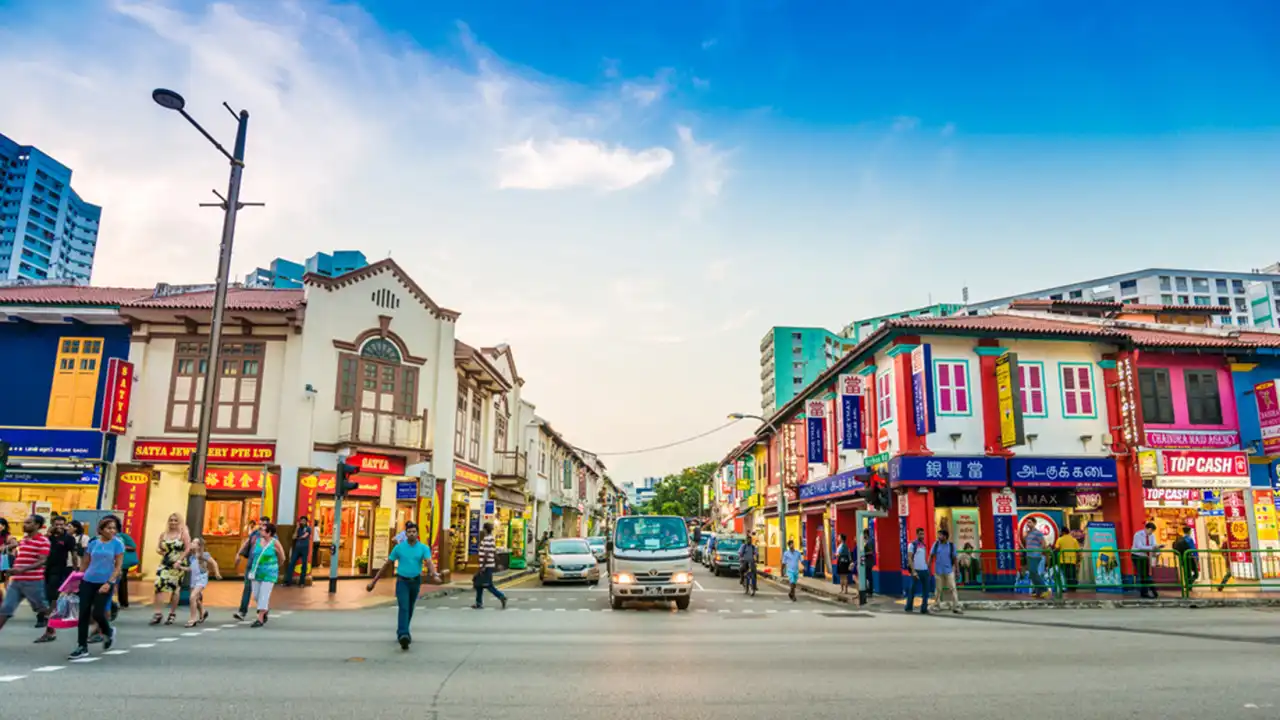
Many travelers say the warmth of the people stays with them long after they leave Singapore. Shopkeepers greet you even if you’re not buying anything. Restaurant owners ask where you’re from and suggest dishes based on your comfort with spice. Even when people are busy, there’s a calm sense behind it. The pride in culture and tradition is visible everywhere, but it’s never closed off. It’s welcoming.
You know how in some tourist-heavy places you always feel like an outsider or a walking wallet? That doesn’t happen here. In Little India, people look up and smile like you’ve been walking these streets for years. This is part of the neighborhood’s charm and one reason why it appears in almost every Singapore Family Packages booklet. The environment feels warm enough for families with kids and interesting enough for couples and solo travelers.
What Makes the Street Experience Special

There’s something very comforting about wandering with no plan here. You walk down a street and suddenly find a shop full of hand-carved wooden figures. A few steps later, a jewelry store with gold pieces stacked so closely the glass seems to glow. And somewhere between those two spots, there’s always a tiny snack stall selling fresh samosas or pakoras that taste like they were made in someone’s home kitchen.
This is also where the Little India attractions Singapore search term starts making sense to travelers. Not in the “tourist spot” way, but in the “every corner has something worth noticing” way. The buildings themselves add a lot of character. Bright colors, old shutters, decorative trims, and places that feel like they’ve lived a long life. Some look untouched for decades, while others have a newer polish. The mix keeps the walk interesting. Even on warm days, the neighborhood feels walkable. You find shade here and there, small cafés for breaks, and narrow lanes where the pace naturally slows down. You might forget how long you’ve been walking, in the good way.
Key Spots You Should Not Miss
Now that you have a sense of the vibe, here are some places that help anchor your visit. Think of them as the main characters in this Singapore Little India guide, even though exploring the backstreets is equally fun.
Tekka Centre

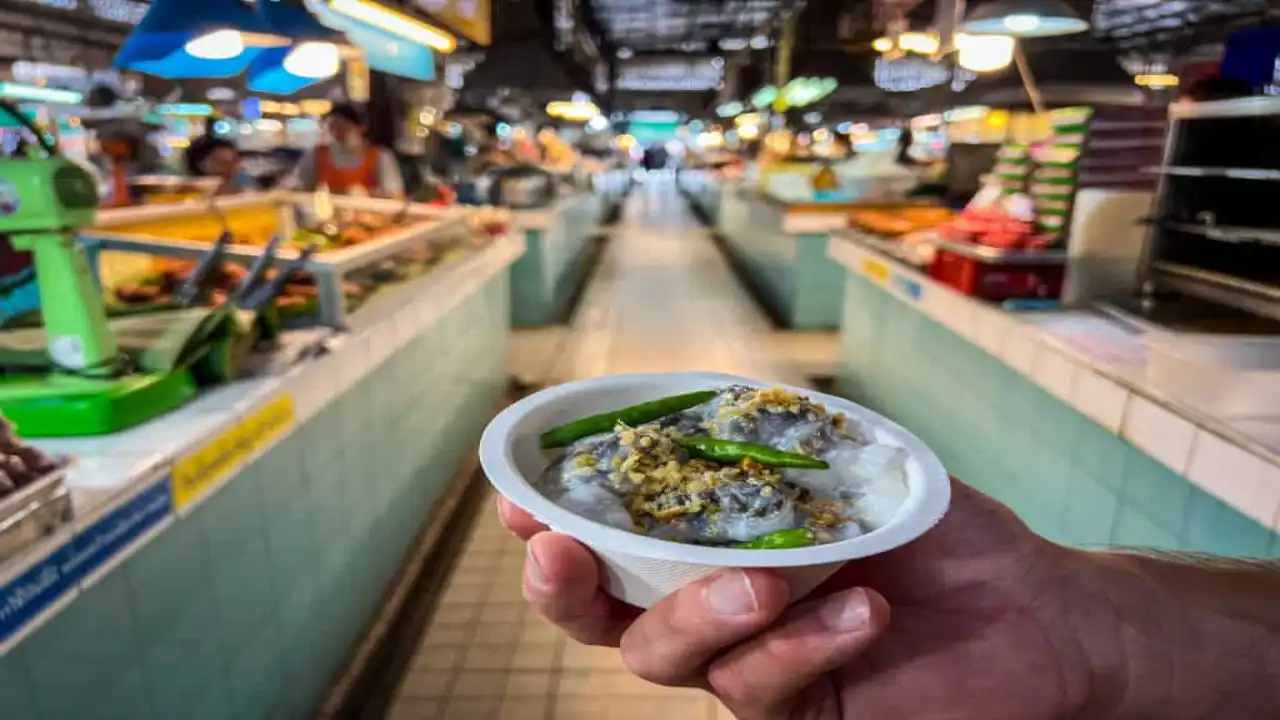
One of the most energetic spots in the entire area. A mix of wet market, food court, and clothing stores. If you want local food that doesn’t pretend to be anything other than real, Tekka is where you’ll find it. Mornings here feel especially alive.
Sri Veeramakaliamman Temple
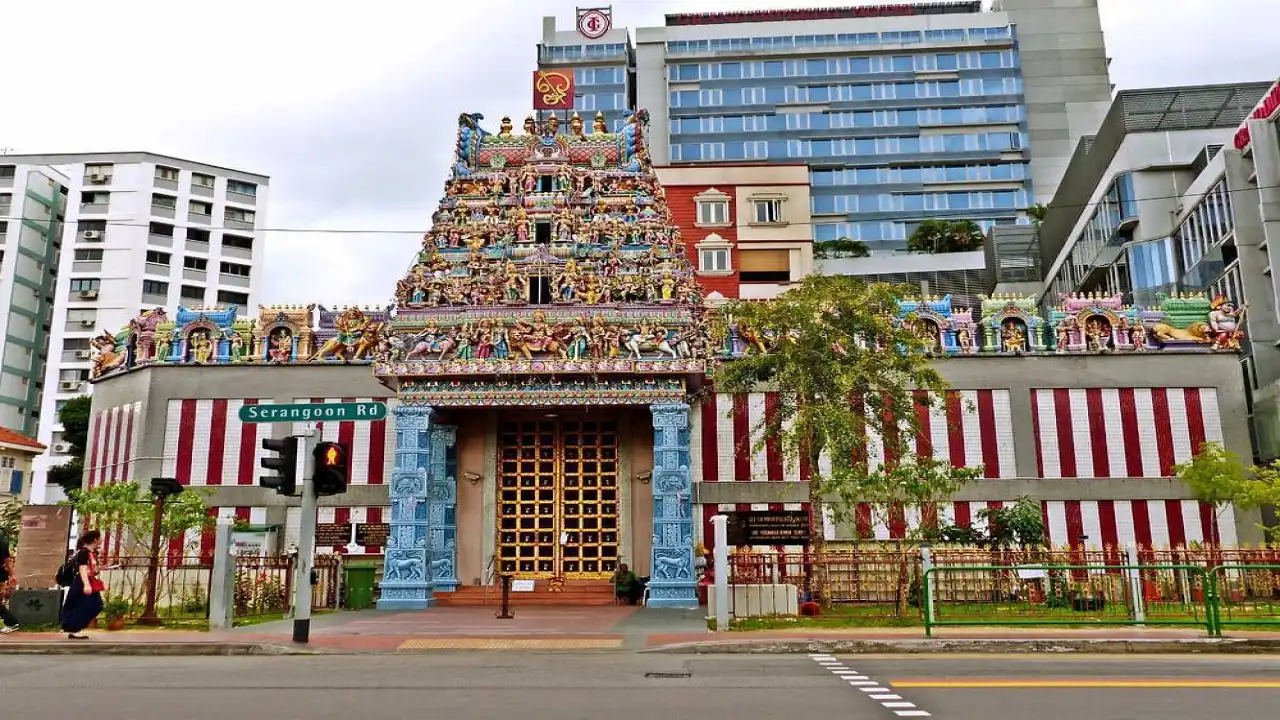
You’ll see it before you even reach it: tall gopuram, colorful statues, and a peaceful atmosphere. It’s one of those places you stand in front of for a few minutes just to take in the details. Inside, it’s calm and grounding.
Mustafa Centre
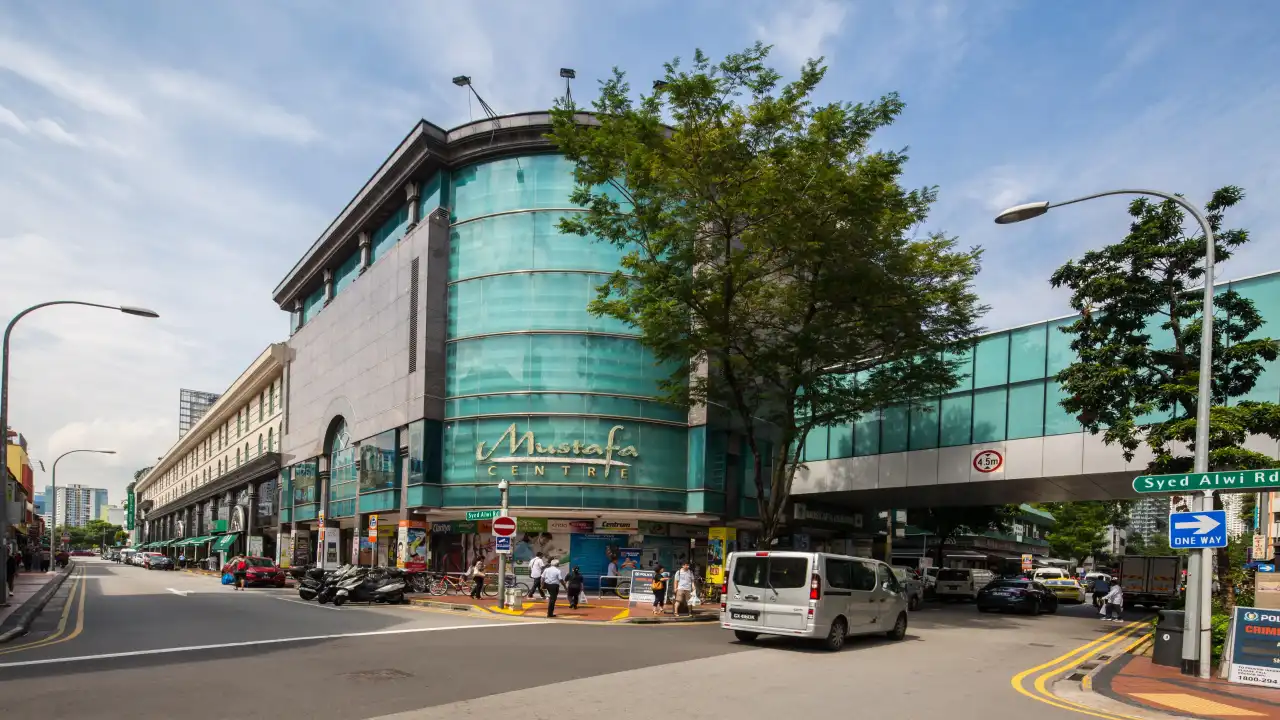
Even people who hate shopping somehow lose track of time here. It’s open 24 hours and sells everything you can imagine: electronics, perfumes, clothes, snacks, groceries, and toys. You name it, they have it. Most people walk in thinking they’ll browse and walk out with at least a few surprise items.
Serangoon Road
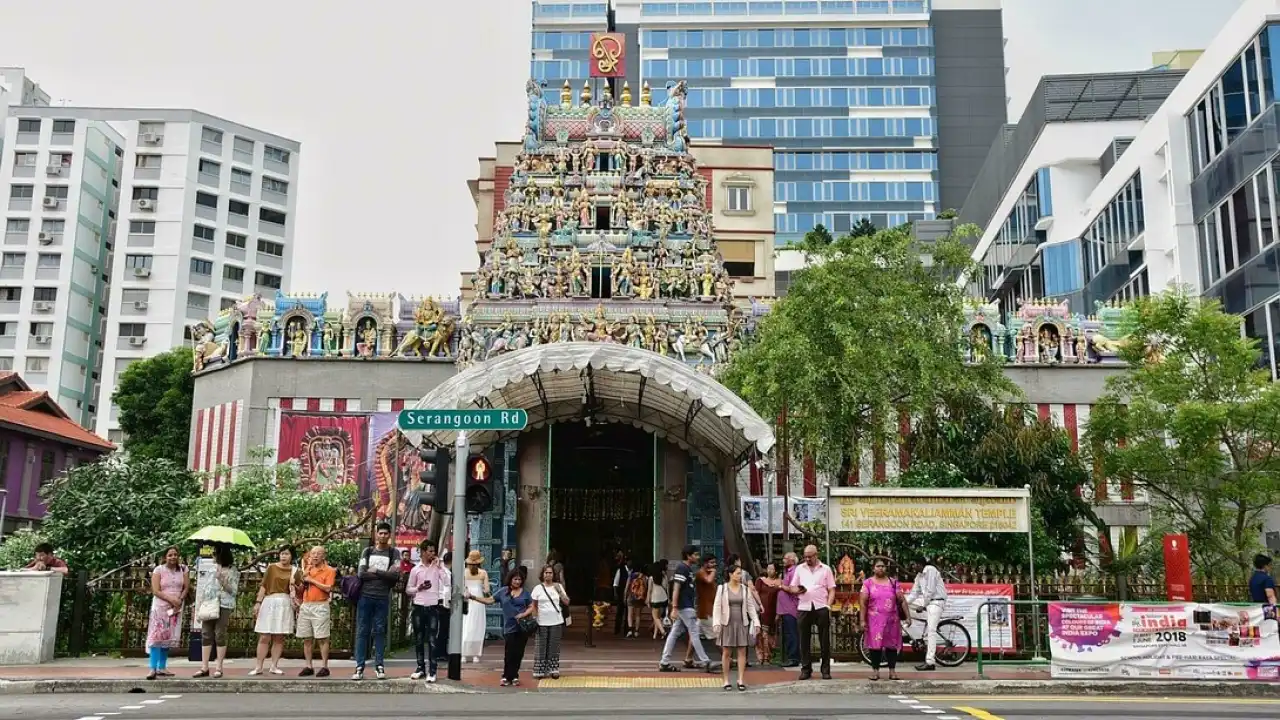
Long, lively, and full of stores. Traditional clothing, modern outfits, spices, home items, everything sits side by side. It’s one of the best roads for slow, aimless wandering.
Food That Makes You Want to Stay Longer
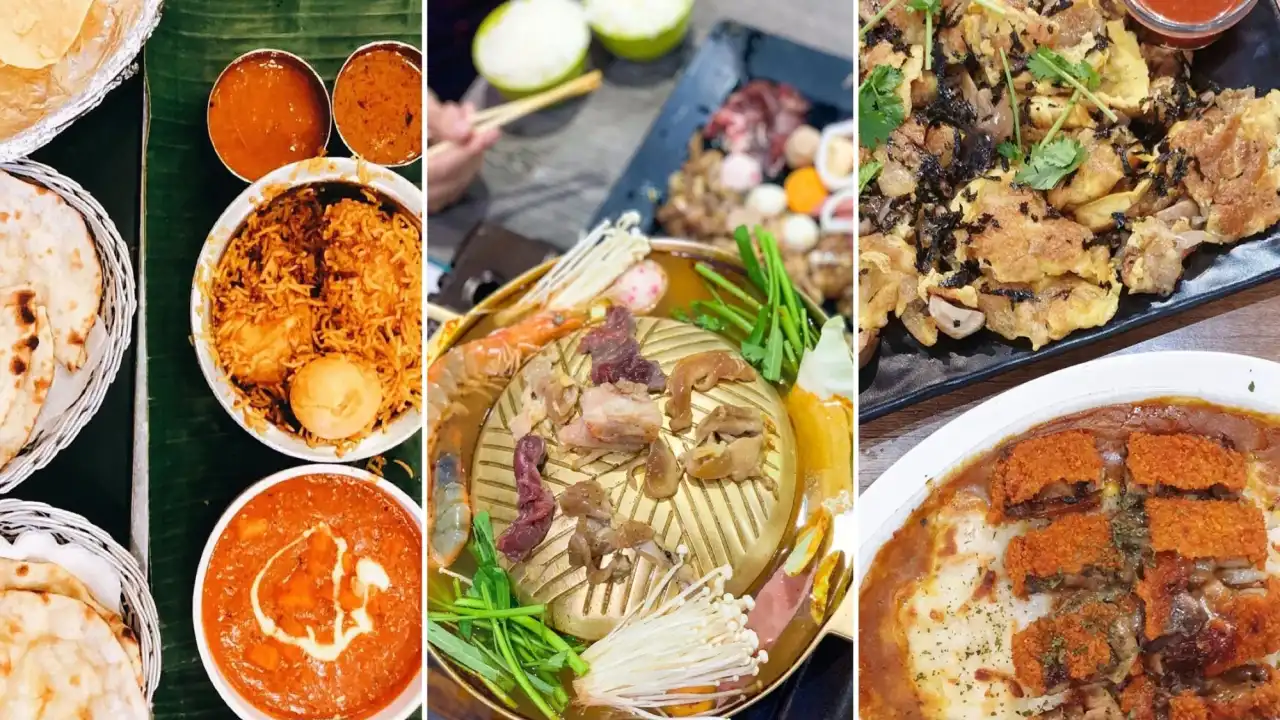
If you love food or even if you don’t think you do, you’ll probably end up eating more than planned. The smell of curries, grilled meat, sweets, and all sorts of spices hangs in the air pretty much everywhere you walk. You’ll see North Indian food like tandoori naan, all that, and then right next to it some South Indian dosas, rice meals, things that come out fast and hot. Most places don’t wait for you to ask; they’ll just tell you what to try based on how much spice you can actually handle.
And then there are the tiny snack counters you keep running into. Fresh samosas thrown onto trays, pani puri guys working fast, vada pav wrapped before you even blink, fried snacks that crack when you bite them, plus jalebi, gulab jamun, all those sweets calling your name. These little stops end up becoming your “okay, one more break” spots without you planning it.
Shopping That Goes Beyond Souvenirs
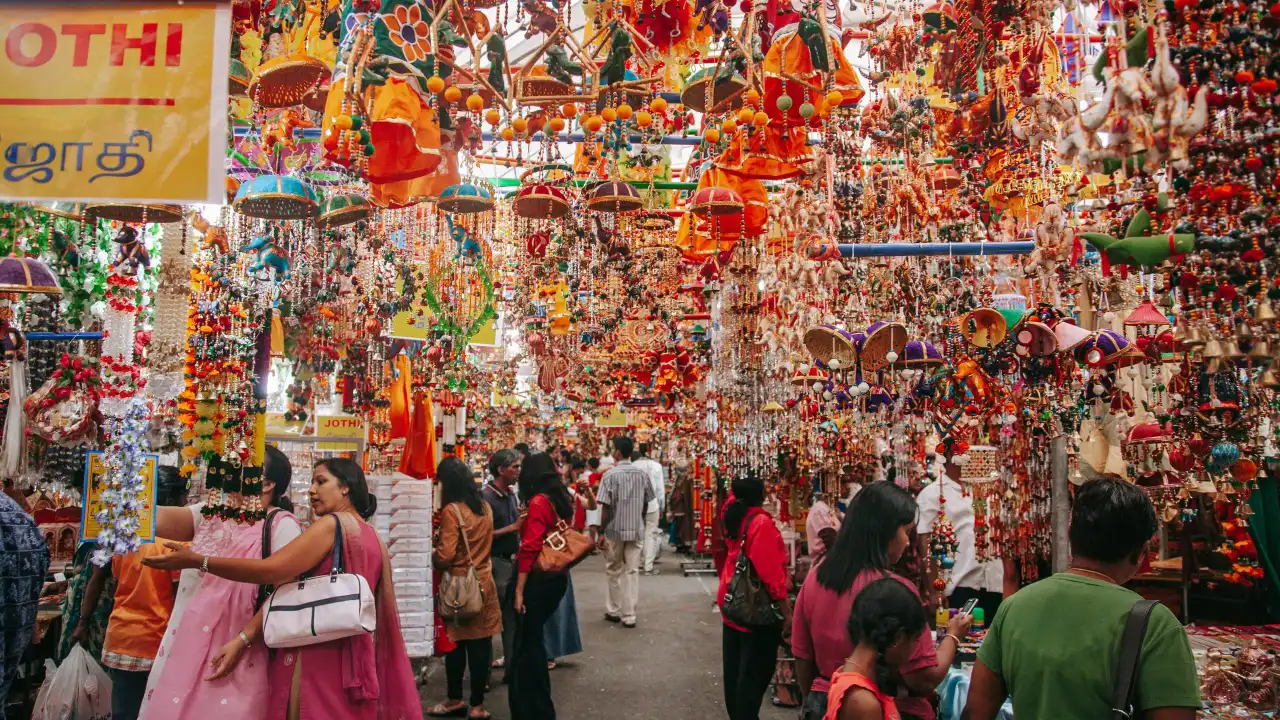
Shopping in Little India isn’t neat or planned; you just end up finding random things you didn’t expect at all. Spice shops hit you hard with strong smells, and the owners throw quick cooking tips at you like it’s nothing. Handmade gifts, bangles, incense, perfumes, everything stacked in a way that looks messy but kind of warm. Clothing shops mix old-school outfits with newer things, no big display, just whatever fits on the racks. You think you’ll take a quick round, but somehow the area slows you down without trying. Even if you don’t buy a thing, wandering through it still feels oddly satisfying.
Best Times to Visit for the Full Experience
1. Morning: calm, cool, and a great time for wet markets
2. Afternoon: shops fully open, streets lively, perfect for exploring
3. Evening: lights switch on, restaurants fill up, atmosphere turns cozy
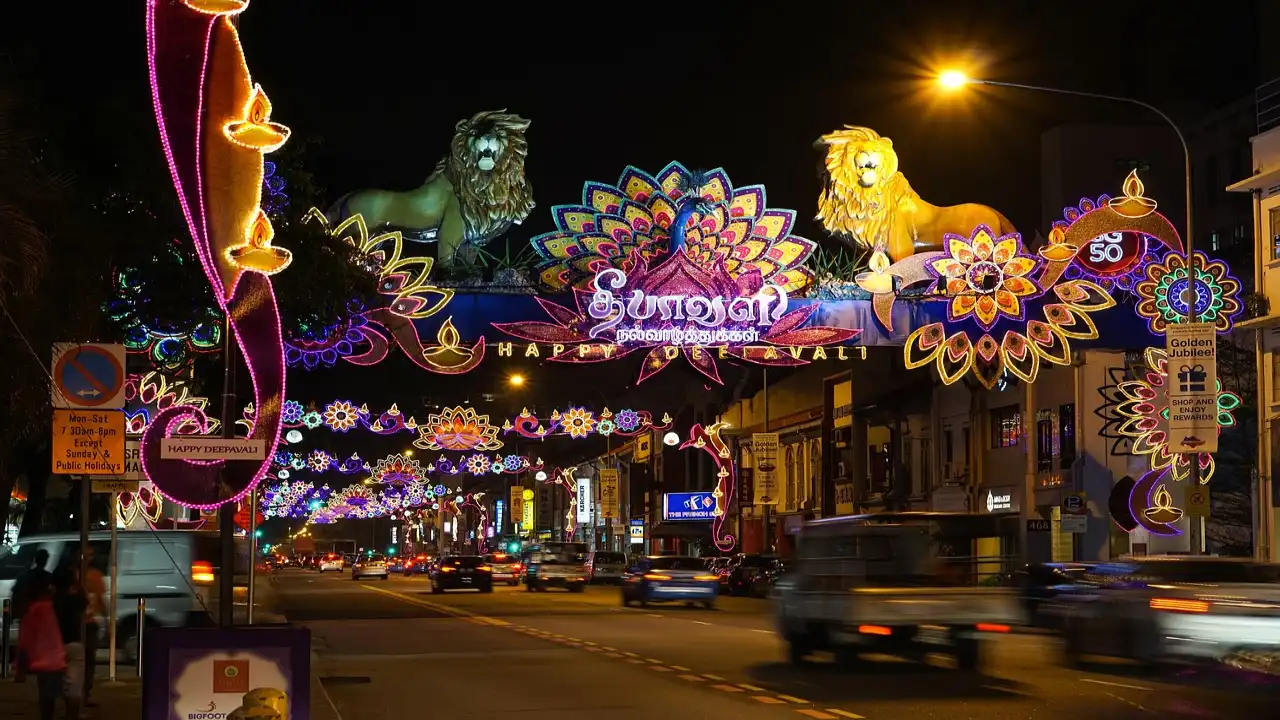
Deepavali is one of the most magical times to visit the neighborhood as it glows with decorations, and the festive spirit is infectious.
The Blend of Old and New
What stands out in Little India is how the past and present don’t argue with each other. An old family-run shop, the kind with faded signs and slow ceiling fans, sits right next to a clean, modern café buzzing with laptops and chatter. It looks strange for a second, then feels completely normal. You walk past gold jewelry windows, then suddenly streetwear and glass storefronts. Nothing feels curated. It’s noisy, uneven, a bit chaotic, and very real.
Why Families and Couples Love Visiting
Little India works well for almost every type of traveler. Families enjoy the food, cultural details, and colorful streets. Couples love the unique shops, cozy cafés, and the slow, storytelling rhythm of the neighborhood. The area is safe, friendly, easy to walk around, and interesting even when you’re not trying.
Slow Travel Works Best Here
Little India rewards slow walking and long pauses. The more you slow down, the more you notice, as a tailor focused on his sewing machine, the smell of fresh coffee drifting out of a quiet café, or a vendor arranging flower garlands with practiced hands. These little things become the memories you remember after your trip.
Conversations That Stay With You
Simple conversations here turn into small stories. You ask a shop owner about a spice mix and they tell you how their mother uses it. You ask a restaurant server for a recommendation and suddenly you’re hearing about local festivals. Nothing feels scripted. People speak openly and naturally, and that honesty is what travelers remember.
A Great Place for Photography Without Trying Too Hard
If you’re into photography, even just with your phone, Little India will keep you busy. The colors, the streets, the temples, the shops, the people, everything has texture and personality. You don’t need perfect light or fancy gear. Even simple everyday scenes make good photos. People are also understanding about visitors taking pictures, just be respectful in religious areas.
Conclusion
Little India is one of those places you walk into and think, “Okay, this feels real.” Nothing fancy, nothing staged, just life happening around you. The heat hits first, spice smells drift from tiny kitchens, someone yells to a friend, scooters squeeze through gaps that seem too small. It’s chaotic, sure, but the kind that feels easy on the nerves. You wander without thinking much, grab food because it smells good, and slow down because the street does. Somewhere along the way, you catch tiny scenes, incense drifting out of a doorway, a shopkeeper joking too loudly, an argument that turns into laughter, and you realize you’re not sightseeing, you’re just part of the day. By the end, you realize you didn’t just look around you blended in for a bit. If you want warmth, life, and something human, Little India gives it without effort or pretending.
Pro Tips for a Better Experience
- Pack light; the streets are easier to explore that way.
- Chat with shop owners; locals always have great suggestions.
- Stay hydrated; Singapore's heat can hit unexpectedly.
- Carry a small tote bag; chances are you’ll end up shopping.
- Try at least one vegetarian meal; the flavors are fantastic on their own.
- Visit Tekka Centre early for the freshest and liveliest atmosphere.
- Don’t rush temples; the details are worth a few extra minutes.
- Try foods you weren’t planning to; surprises here are usually good.
- Walk a little off the main road; that’s where hidden gems sit quietly.
- Always ask before taking photos inside temples.