Old vs New Singapore: A City Balancing Two Worlds
Introduction
Singapore is one of those places that quietly surprises you. On the surface, everything looks sharp, polished, and perfectly planned. Trains arrive on time, streets shine, and glass towers stretch confidently into the sky. But take a few steps away from the main roads, and another side slowly shows itself. This contrast is what makes the old vs. new Singapore so fascinating. It’s not about choosing one over the other; it’s about how both live together, often on the same street, without trying to outshine each other. Walking out of a modern MRT station and, within minutes, landing in a neighborhood where elderly uncles play chess under a banyan tree. That moment summed up Singapore perfectly. It’s a city that doesn’t erase its past to make space for the future. Instead, it carefully fits both into the same frame.
Understanding Singapore’s Dual Personality
Singapore’s identity isn’t built overnight. It comes from years of careful choices about what to preserve, what to rebuild, and what to modernize without losing soul. The city doesn’t shout its history. You have to notice it. One minute you’re surrounded by steel and glass. Next, you’re standing in front of a 100-year-old shophouse with laundry hanging from wooden windows. This balance is what defines Singapore's modern and traditional life.
The Old Singapore: Stories That Still Breathe
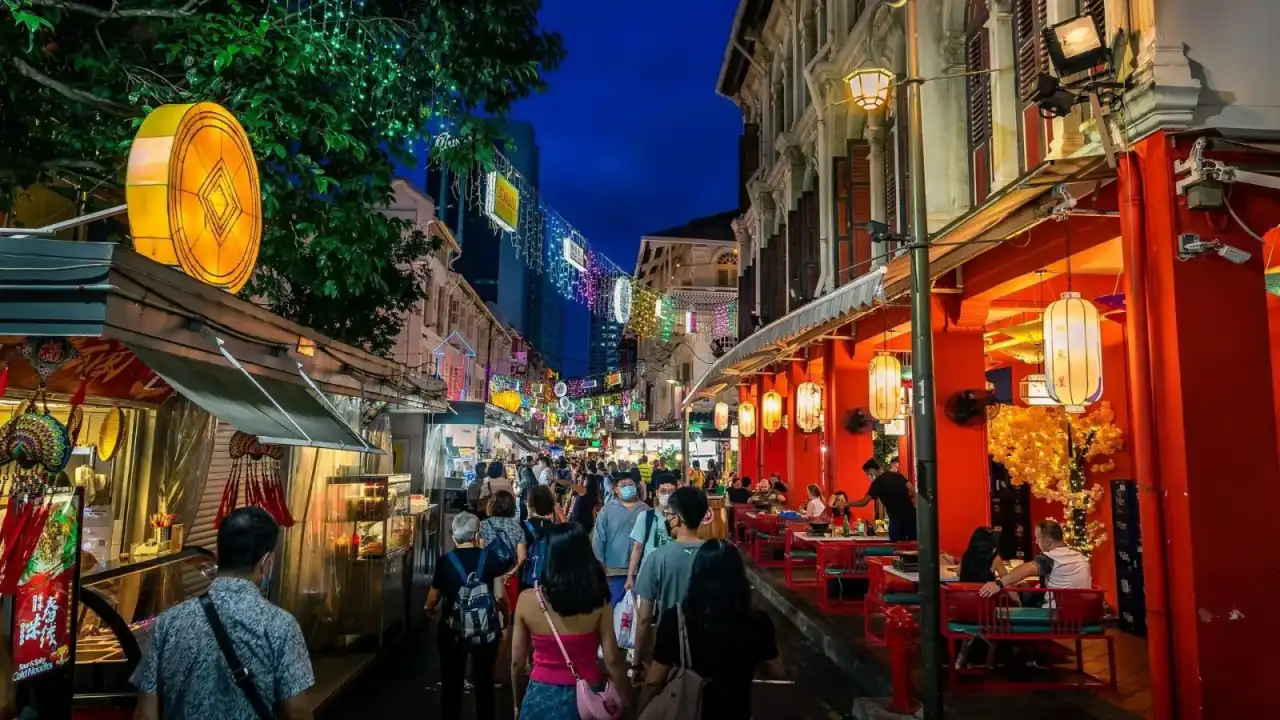
Old Singapore isn’t frozen in time. It’s alive, working, and adapting, just at its own pace.
Historic Neighborhoods That Hold Their Ground
Some places feel like living memory books:
- Chinatown – Red lanterns, herbal medicine shops, and family-run eateries that haven’t changed menus in decades
- Little India – Flower garlands, spice stores, and temples humming with daily rituals
- Kampong Glam – Malay heritage, textile shops, and the golden dome of the Sultan Mosque
Walk through these areas early in the morning and you’ll see locals going about their routines, not performing for tourists. That’s the charm.
Food That Carries Generations
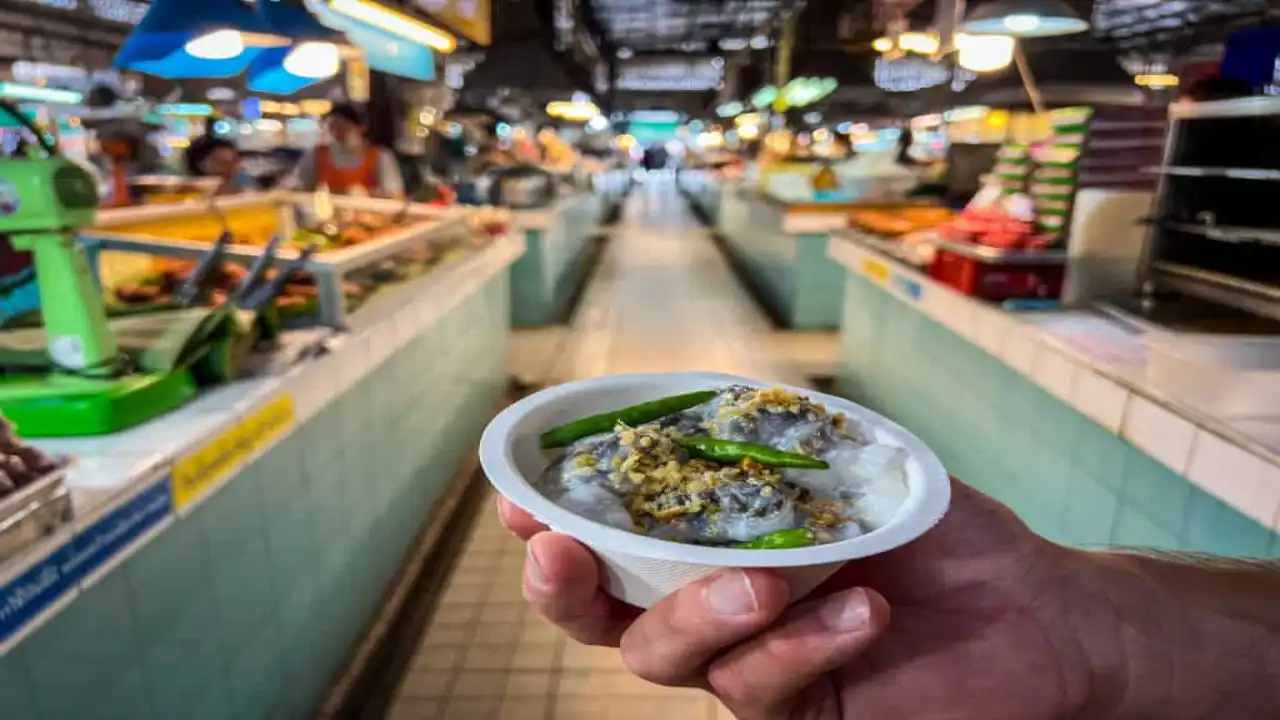
Hawker centers are where old Singapore truly speaks.
You’ll find:
- Recipes passed down through families
- Stalls run by the same owners for 30–40 years
- Simple meals that don’t rely on trends
No fancy plating. Just food that tastes the same as it did years ago and that’s exactly the point.
Architecture With Purpose
Old buildings in Singapore weren’t designed to impress. They were built to work.
- Shophouses with narrow fronts and deep layouts
- Wooden shutters for airflow
- Covered walkways to escape the heat
These structures still stand strong, quietly reminding you how thoughtful design existed long before modern tech.
The New Singapore: Fast, Smart, and Always Moving
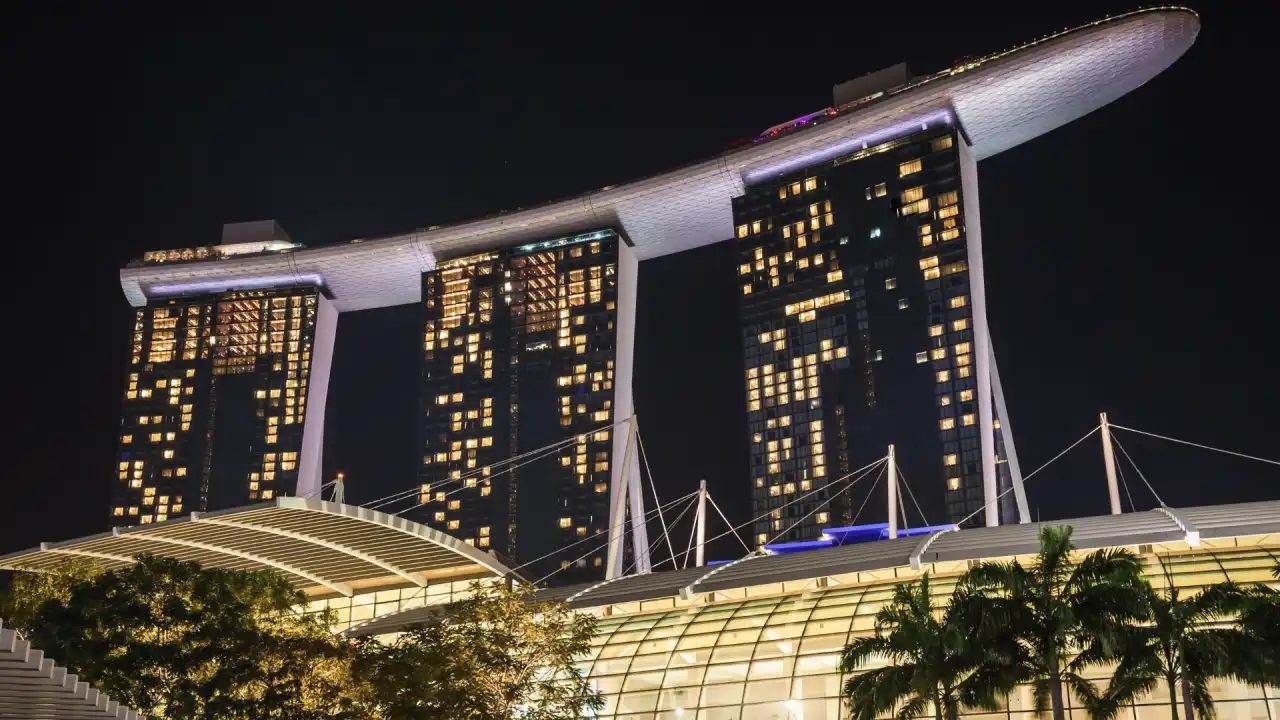
Then there’s the other side, the one most people recognize instantly.
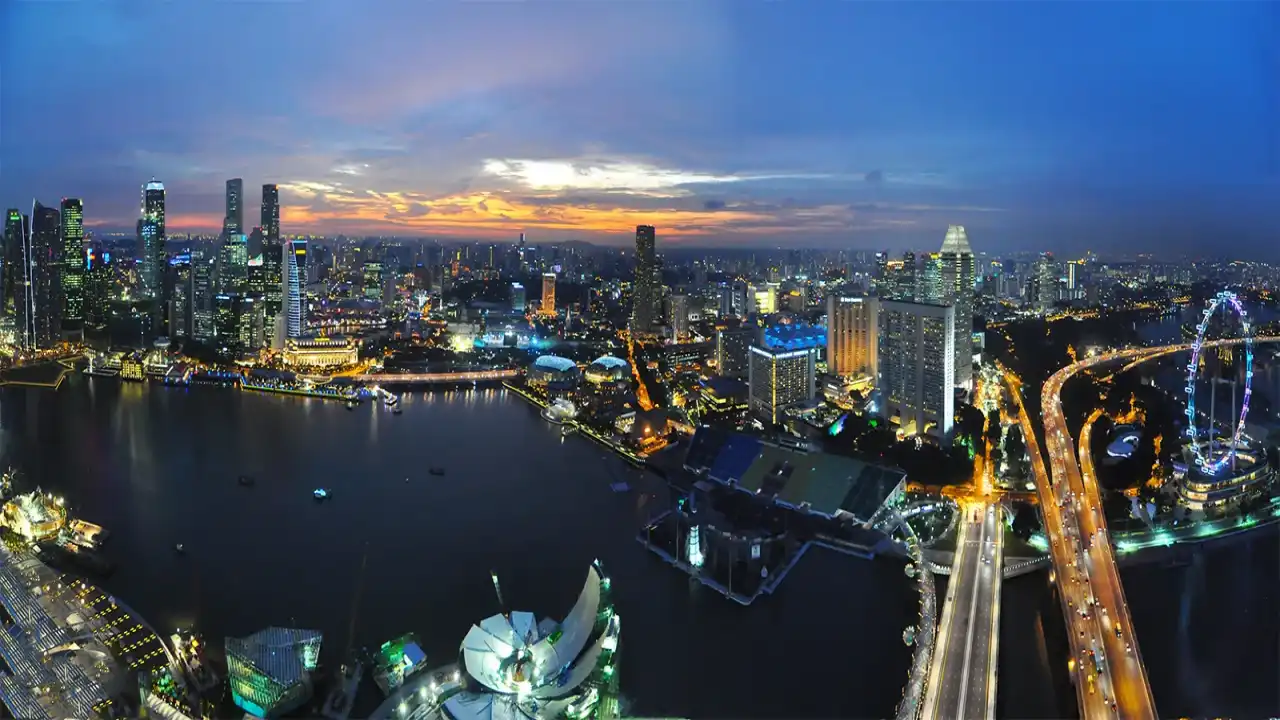
A Skyline That Signals the Future
Modern Singapore looks confident.
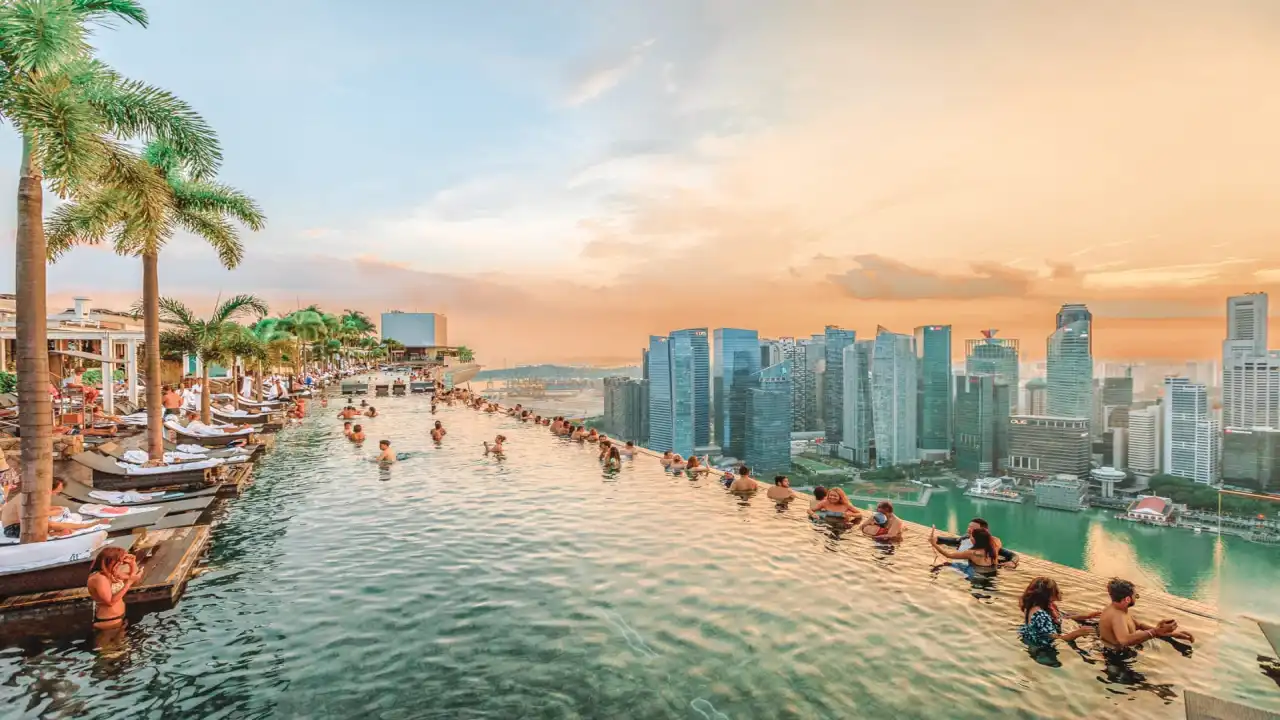
- Marina Bay’s iconic skyline
- Futuristic structures like Gardens by the Bay
- Smart city planning with green spaces everywhere
Nothing feels random. Every building seems placed with intention.
Technology in Daily Life
Here, modern living doesn’t feel forced; it feels helpful.
- Cashless payments are almost everywhere
- MRT connectivity across the island
- Clean energy initiatives and green buildings
It’s not about showing off innovation. It’s about making life easier.
Lifestyle and Entertainment
From rooftop bars to massive malls, modern Singapore knows how to unwind after work.
- Luxury shopping districts
- World-class attractions
- Nightlife that’s lively but controlled
It’s modern, yes but never chaotic.
When Old and New Share the Same Space
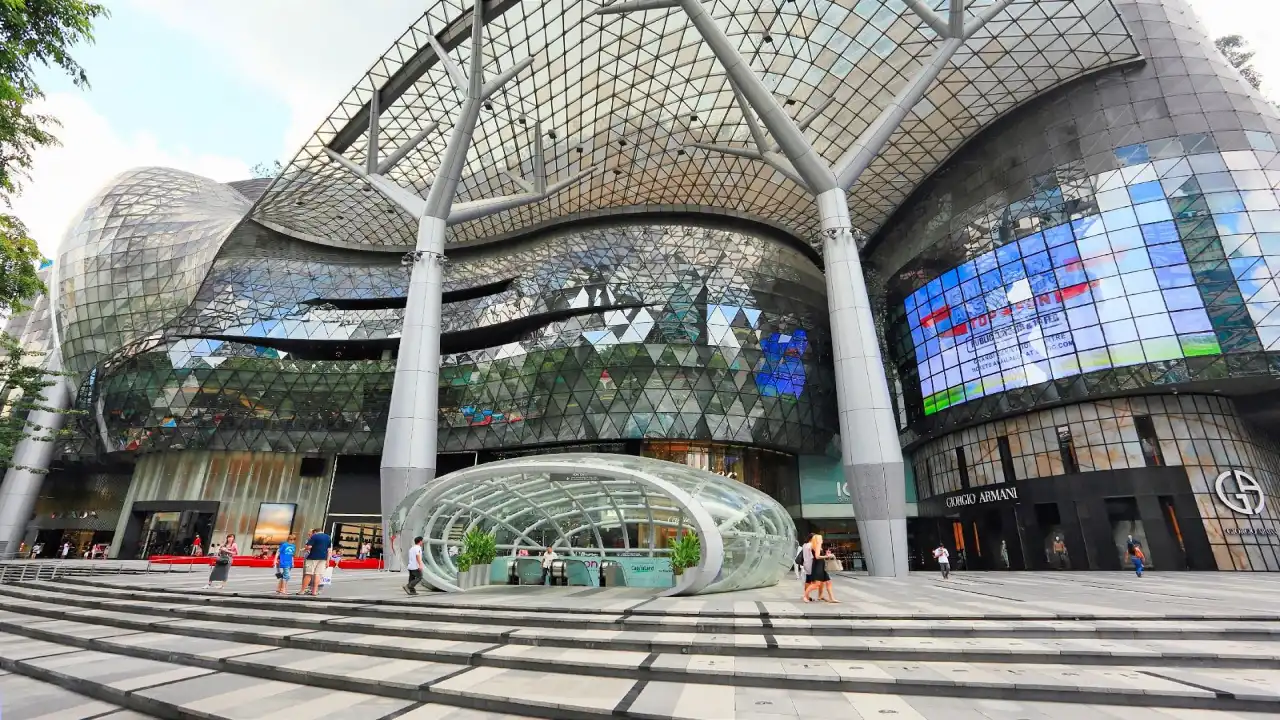
The most interesting part isn’t old Singapore or new Singapore separately. It’s how they blend.
You might see:
- A traditional temple beside a corporate office
- A heritage street leading into a modern mall
- Elderly residents living above trendy cafés
This contrast highlights Singapore's heritage vs modern living most naturally. Nothing feels forced. It’s simply how the city grew.
Daily Life: Where the Balance Feels Most Real
For locals, this mix isn’t special; it’s normal.
- Grandparents shop at wet markets
- Young professionals grab coffee from specialty cafés
- Families celebrate festivals in traditional ways, then head to air-conditioned malls
Both worlds support each other. Neither competes.
Experiencing Both Sides as a Visitor
If you’re planning a Singapore tour, understanding this balance makes the experience richer. Don’t rush from attraction to attraction. Slow down and observe.
How to See Old Singapore Properly
- Visit heritage areas early morning
- Eat where locals line up
- Walk instead of taking transport in historic zones
How to Enjoy Modern Singapore
- Explore the city at night
- Use public transport, it’s part of the experience
- Visit observation decks for perspective
Budget vs Luxury: Old and New Singapore Side by Side
One of the most interesting things about Singapore is how budget and luxury experiences reflect the city’s old and new sides. You don’t need to choose between them. They exist together, often just a few steps apart.
Budget Experiences Rooted in Old Singapore
Budget travel in Singapore often connects you more closely with its traditional side.
- Hawker centers serving local dishes at low prices
- Heritage neighborhoods where walking is the main activity
- Traditional markets, temples, and cultural streets with free entry
These experiences feel grounded and real. You’re seeing how locals live, eat, and move through the city every day. Old Singapore shines here, not polished, but honest and welcoming.
Luxury Experiences Shaped by New Singapore
Luxury travel, on the other hand, highlights Singapore’s modern face.
- High-end hotels with skyline or marina views
- Fine dining restaurants inside modern towers
- Premium shopping districts and rooftop lounges
This is where the new Singapore stands out. Everything is smooth, efficient, and designed for comfort. Luxury here feels calm and organized rather than loud.
Where the Two Worlds Meet
What makes Singapore special is how easily you can move between these two styles.
- A simple street meal in the afternoon, a luxury dinner at night
- A heritage walk in the morning, a modern attraction in the evening
- Budget-friendly transport connecting luxury destinations
This mix reflects the city itself. Old traditions keep Singapore grounded, while modern comforts push it forward. Neither side replaces the other—they work together.
Conclusion
Singapore doesn’t really make you pick sides. You’re not told to choose between old streets or shiny buildings. You just move through the city, and somehow both show up on the same afternoon. One minute you’re walking past a quiet temple, the next you’re staring up at glass towers, wondering how you got there so fast. And honestly, it works. When you leave, it’s not just the skyline or the historic spots that stick with you. It’s the way everything fits together without trying too hard. Nothing feels forced. Nothing feels out of place. Singapore seems to get one thing right: if you take care of where you came from, moving forward doesn’t feel rushed or messy. The past isn’t pushed aside here. It’s carried along, quietly, while the city keeps going.
Pro Tips for First-Time Visitors
- Don’t plan too tightly, leave space to wander
- Try local food before international chains
- Respect cultural spaces; they’re active, not museums
- Visit both heritage streets and modern districts on the same day to feel the contrast