Rann Utsav 2026: Experience Kutch After Sunset
Introduction
Have you ever noticed how some places only reveal their truth after the sun clocks out? Kutch is one of those places. During the day, it introduces itself politely. At night, it drops the formalities. The salt desert cools, conversations soften, and the horizon stretches without asking for attention.
Rann Utsav is Gujarat’s annual cultural celebration set against the Great Rann of Kutch, blending local traditions, craft, food, music, and desert geography into one seasonal gathering. It unfolds slowly, mostly after sunset, when the white desert finally feels awake.
The idea of Rann Utsav 2026 is simple on paper but layered in reality. It is about landscape, yes, but also about timing. About waiting for the light to fade before understanding why people travel this far, this repeatedly, for something that cannot be rushed or recreated elsewhere.
What Is Rann Utsav Really About?
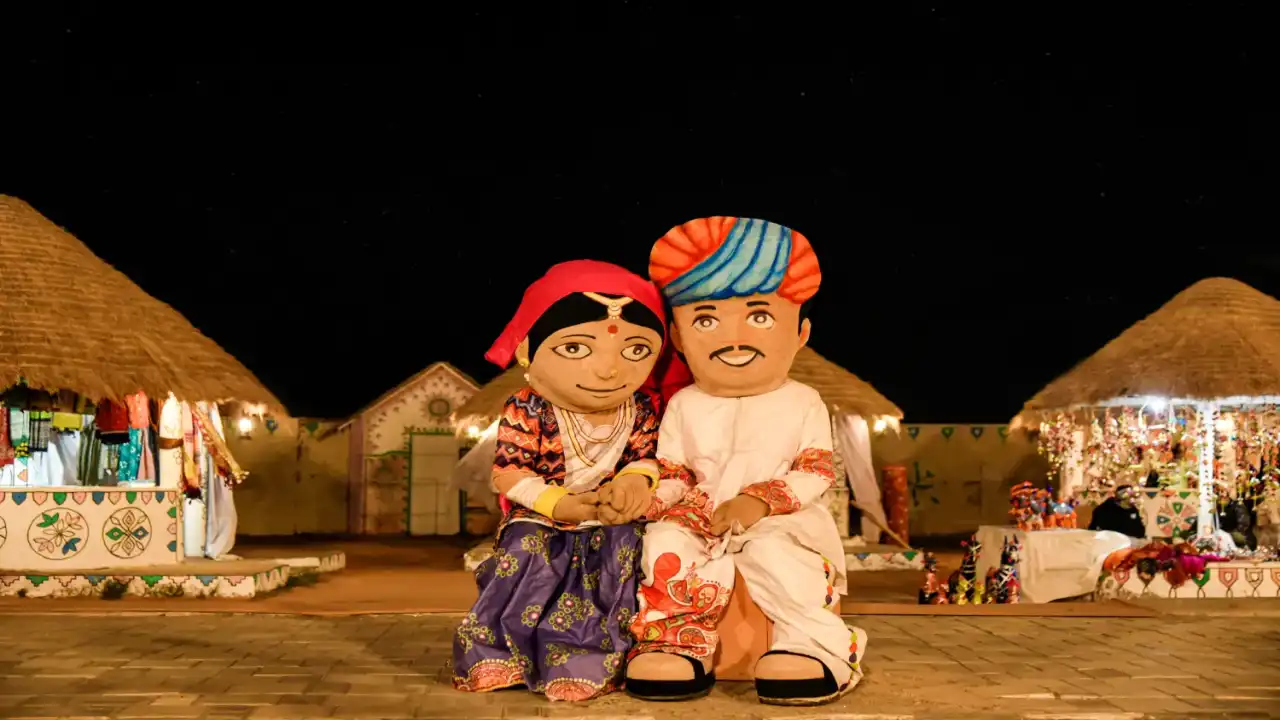
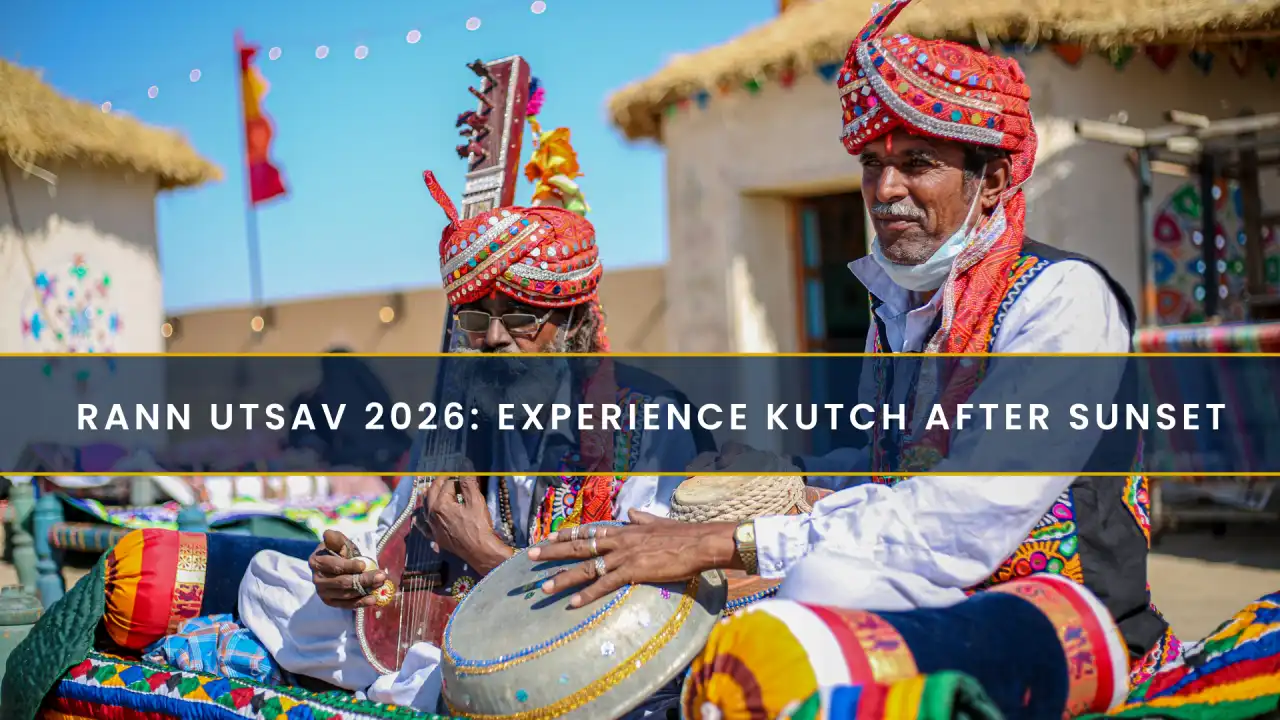
At its core, Rann Utsav is a seasonal festival designed to showcase Kutchi culture in its natural setting. Not staged away from home, not polished into something unfamiliar. Folk music sounds the way it always has. Embroidery techniques remain stubbornly slow. Meals follow the logic of winter, not trends. What makes the experience distinctive is how the environment participates. The salt desert is not a backdrop. It is a presence with moods, silences, and a sense of timing that refuses to be rushed.
Rann Utsav 2026: Dates, Season, and the Question of Timing
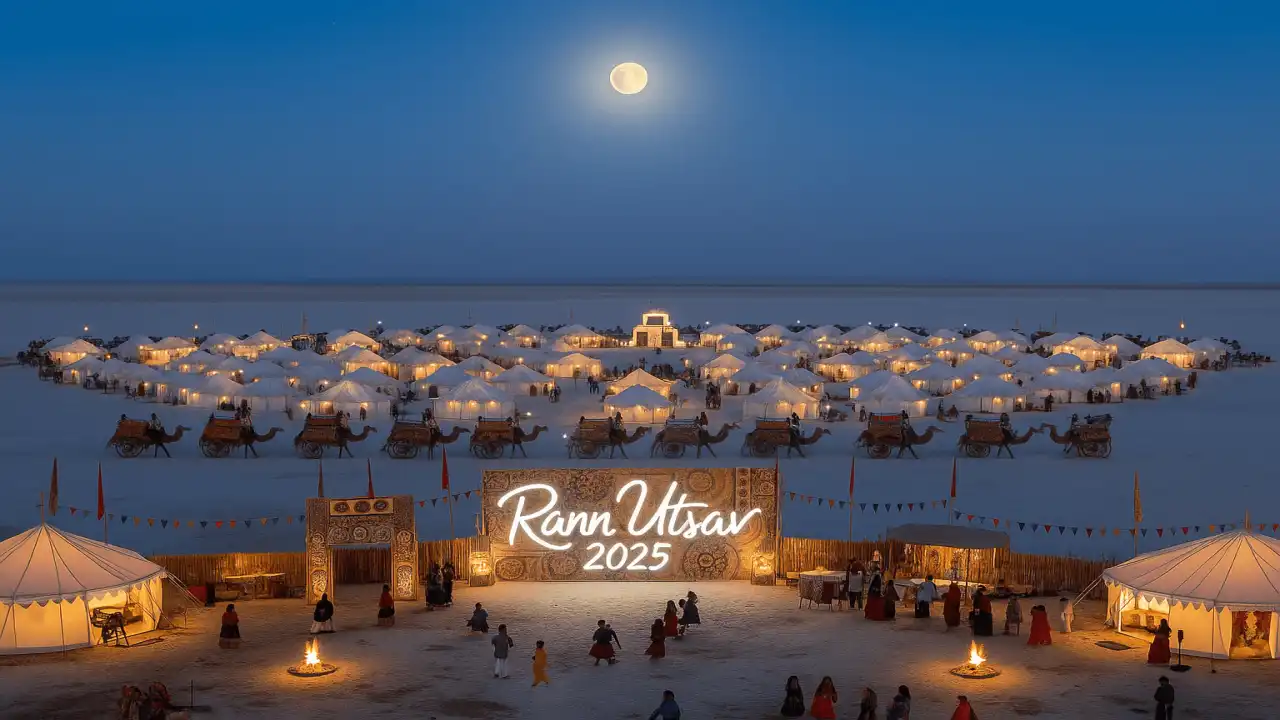
Rann Utsav follows the desert’s rhythm, but dates still matter. For Rann Utsav 2026, the festival runs through the winter season and continues until March 4, 2026, offering a generous window to experience the White Rann at its best. December and January bring colder nights and a fuller cultural programming schedule, while February and early March tend to feel warmer, quieter, and less crowded. Full moon nights remain the most visually striking, but darker phases offer calmer evenings and sharper skies. The timing rewards patience rather than urgency, especially toward the closing weeks of the festival.
The White Rann After Sunset: A Landscape That Changes Its Mind
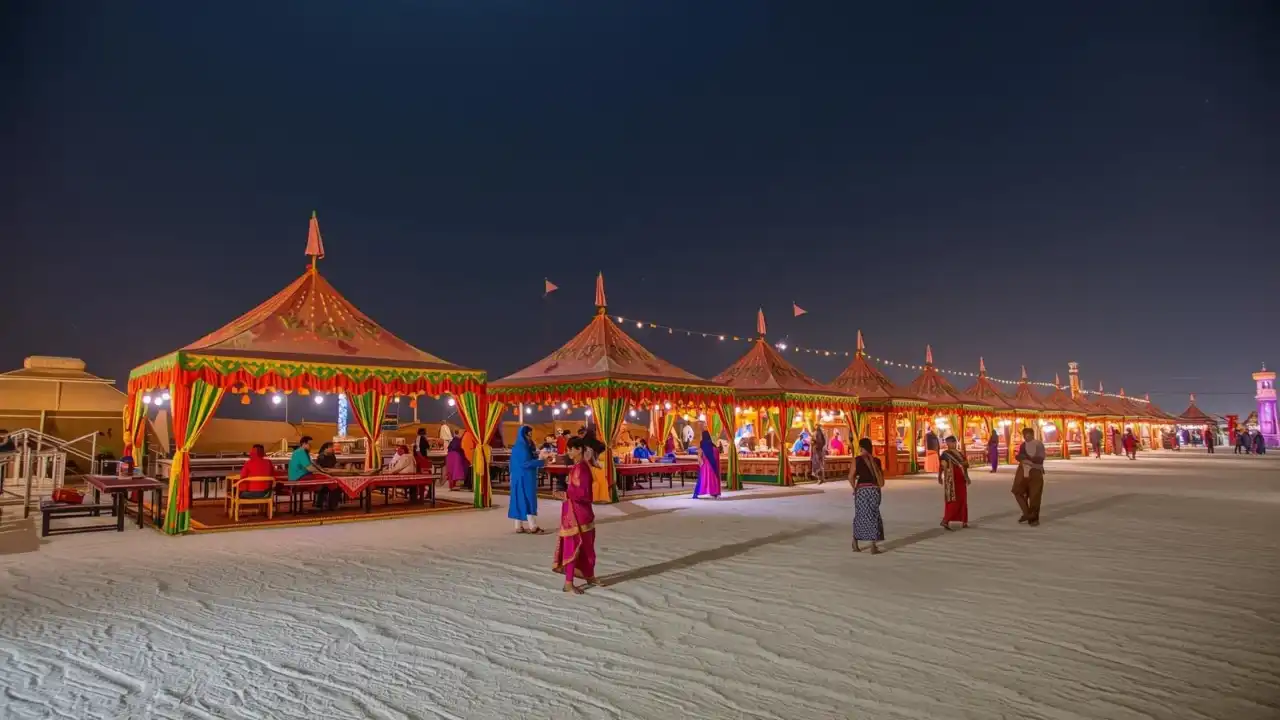
During the day, the salt desert can feel stark. After sunset, it softens. Shadows flatten. Distances blur. The ground begins to glow faintly under moonlight, no longer flat white, but silvery and fluid. Walking out onto the Rann at night is a lesson in restraint. Sounds travel farther than expected. Footsteps feel louder than they are. Even casual conversations lower themselves instinctively.
What stays with you:
- Moonlight turns footprints into temporary patterns
- Stars appear sharper once city habits fall away
- The absence of movement and how calming that becomes
This is not scenery designed to perform. It exists quietly and lets you decide how much attention to give it.
Evening Cultural Performances That Feel Unforced
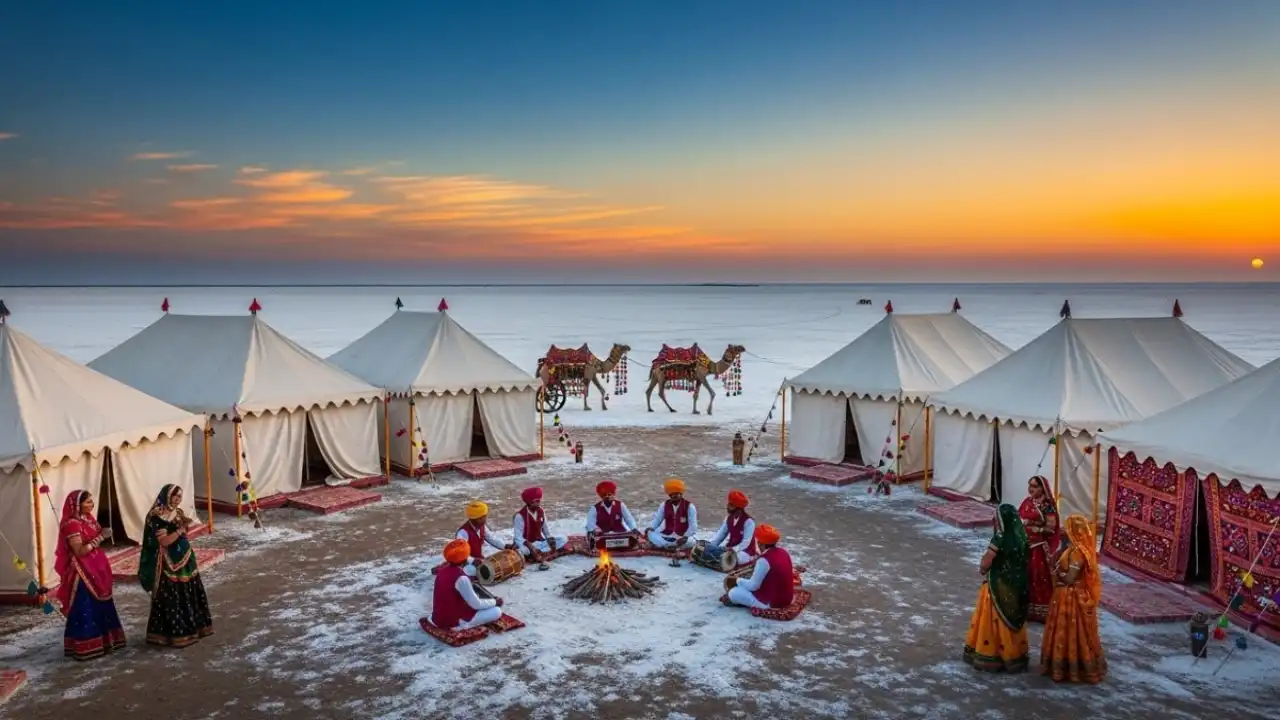
The performances at Rann Utsav do not hurry to impress. That restraint is their strength. Music begins without spectacle. Instruments are tuned openly. Dancers adjust anklets mid-performance. Nothing is hidden, and nothing is overexplained. The atmosphere leans communal rather than theatrical.
You will encounter:
- Folk dances that value rhythm over choreography
- Storytelling sessions that assume you are listening
- Music that builds gradually, without manufactured peaks
As the night deepens, performances feel less like shows and more like shared time.
The Night Bazaar: Craft That Refuses to Rush
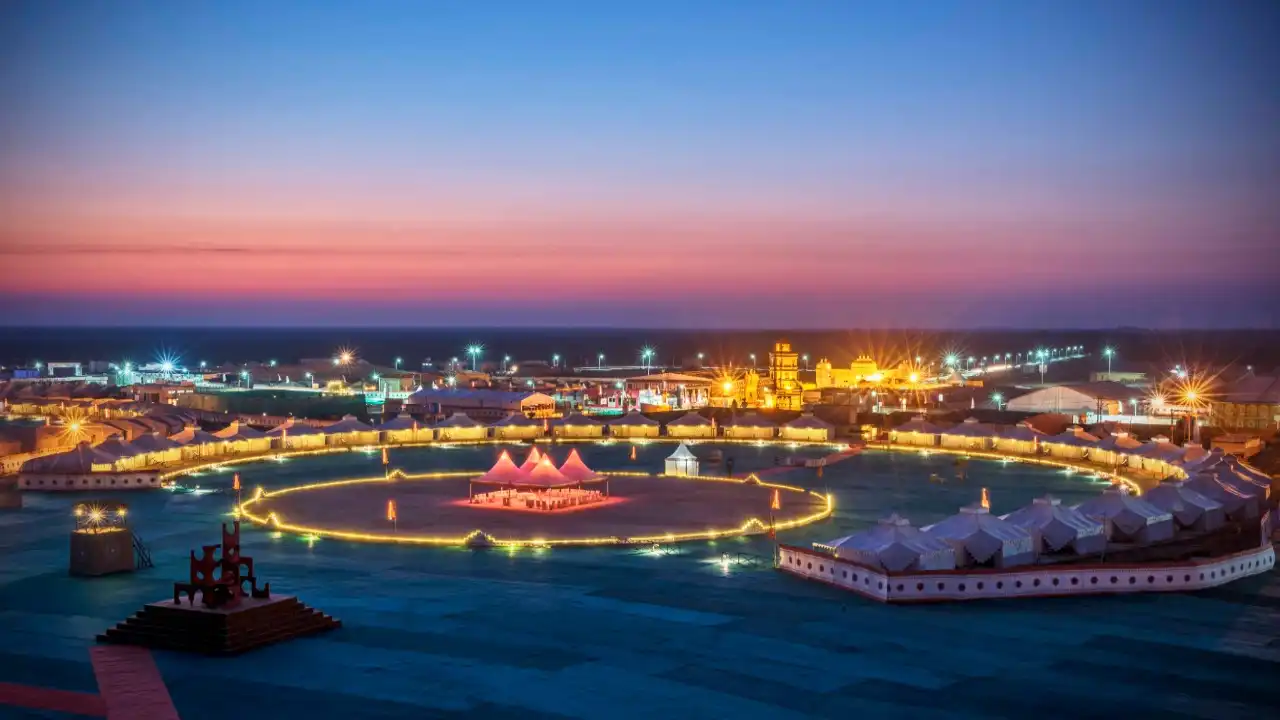
Shopping at the night bazaar requires a reset. This is not a place for speed or impulse. Stalls glow under soft lights. Artisans sit behind their work, often stitching or painting as they wait. Conversations precede transactions. Prices make more sense once you understand the process.
You will find:
- Hand embroidery stitched without shortcuts
- Rogan art demonstrated, not just displayed
- Objects meant to be used, not framed
This is where the Rann festival feels most grounded, rooted in continuity rather than novelty.
Food After Dark: Meals That Understand the Desert
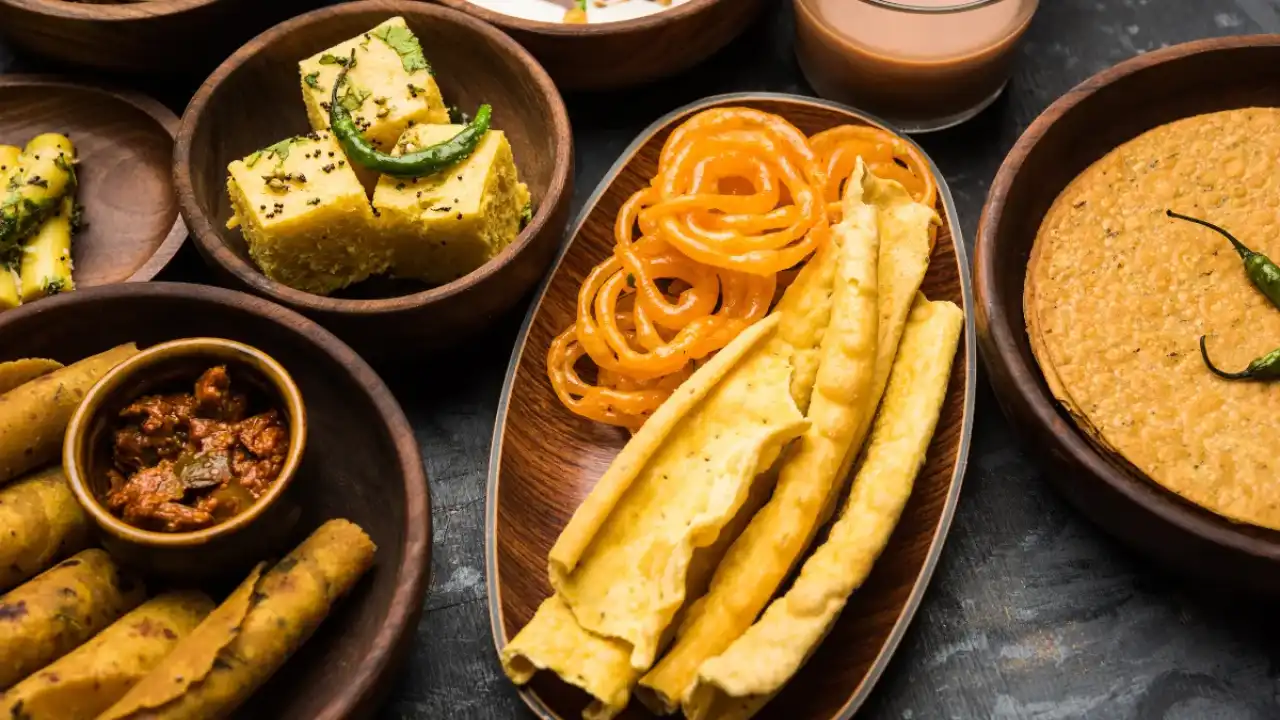
Night meals at Rann Utsav are practical and deeply considered. There is no attempt to modernise flavours that already know their place. Expect warming dishes designed for long evenings and cold air. Portions are generous without excess. Spices comfort rather than challenge.
Common evening plates include:
- Bajra-based breads that retain heat
- Slow-cooked vegetables are suited to winter
- Simple sweets that feel earned after the cold
Food here supports the experience instead of competing with it.
Where You Stay Shapes the Experience
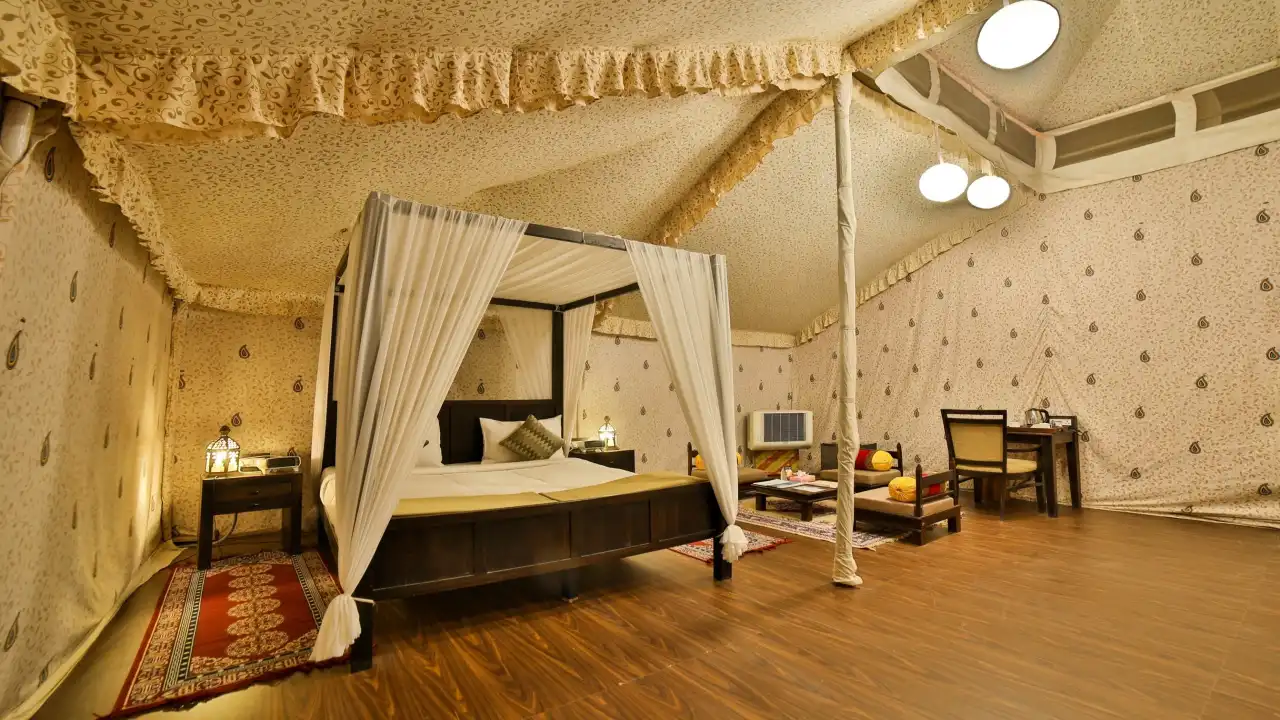
Accommodation during Rann Utsav 2026 quietly influences how the days and nights unfold. Tent cities offer proximity and structure, while village stays provide context and stillness.
Tent stays typically include:
- Insulated sleeping spaces built for desert nights
- Cultural activities within walking distance
- Predictable routines and shared meals
Village stays offer something different:
- Earlier nights and quieter mornings
- Fewer distractions after dark
- Deeper interaction with local rhythms
Beyond the Festival Grounds
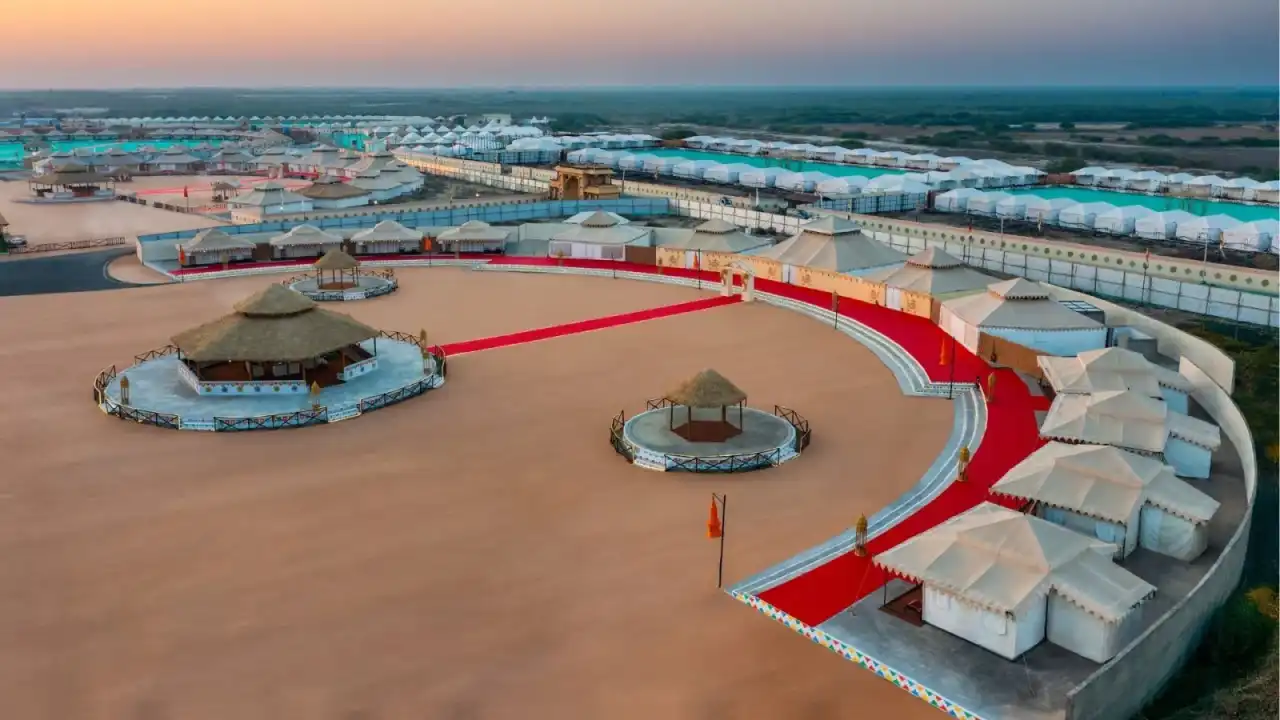
While evenings dominate the experience, the surrounding landscape deserves attention. Sunset at Kala Dungar reframes scale. From above, the desert looks deliberate rather than endless. Seasonal wetlands bring birdlife that softens the geometry of salt and sky. Understanding the Kacha Rann Utsav routes adds historical context. This landscape has always been transitional. Borders shift. Salt remains.
Getting There Without Breaking the Spell
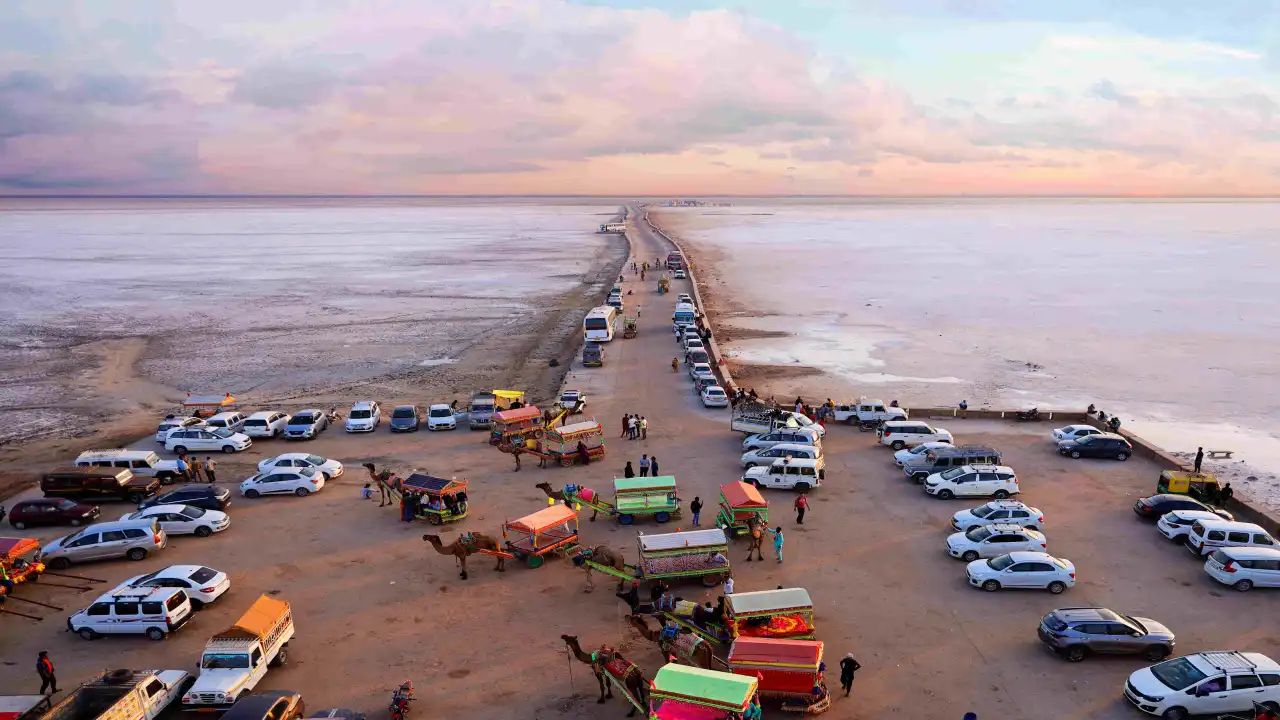
Reaching the Rann is part of the transition. Bhuj remains the primary access point, connected by rail and air. Roads flatten quickly, both literally and mentally.
During festival months:
- Shared transport runs reliably
- Roads remain well-marked despite isolation
- Travel slows naturally as surroundings simplify
This is not a destination that benefits from haste.
Why Rann Utsav 2026 Feels Timely
Every edition reflects the year it exists in. Rann utsav 2026 arrives at a moment when travellers are more selective, less tolerant of noise, and increasingly drawn to places that do not overexplain themselves. Gujarat understands this instinctively. The festival offers structure without scripting emotion. You are guided, not managed. For travellers exploring domestic packages, this destination stands apart not because it is loud, but because it trusts its setting.
At Travel Junky, that trust shapes how journeys across Gujarat are curated. Not as checklists, but as sequences that respect pacing, place, and pause.
Conclusion
Some destinations impress immediately. Others reveal themselves slowly. Rann Utsav belongs firmly to the second category. Its beauty does not announce itself. It waits. For the sun to drop. For crowds to thin. For attention to sharpen. Rann utsav 2026 is not about seeing everything. It is about noticing enough. About standing in a white desert at night and realising that silence, shaped by place and history, can feel unexpectedly full. Once you experience Kutch after sunset, daylight travel tends to feel slightly unfinished.
Also Read: Discovering the Vibrant Festivals of Gujarat
Pro Tips From the Desert
- Carry one extra warm layer. Desert nights ignore forecasts.
- Walk the Rann without headphones at least once. Sound matters.
- Skip photographing the first sunset. Watch instead.
- Eat dinner later than usual. Nights stretch naturally.
- Ask artisans about the process before price. Conversations last longer.