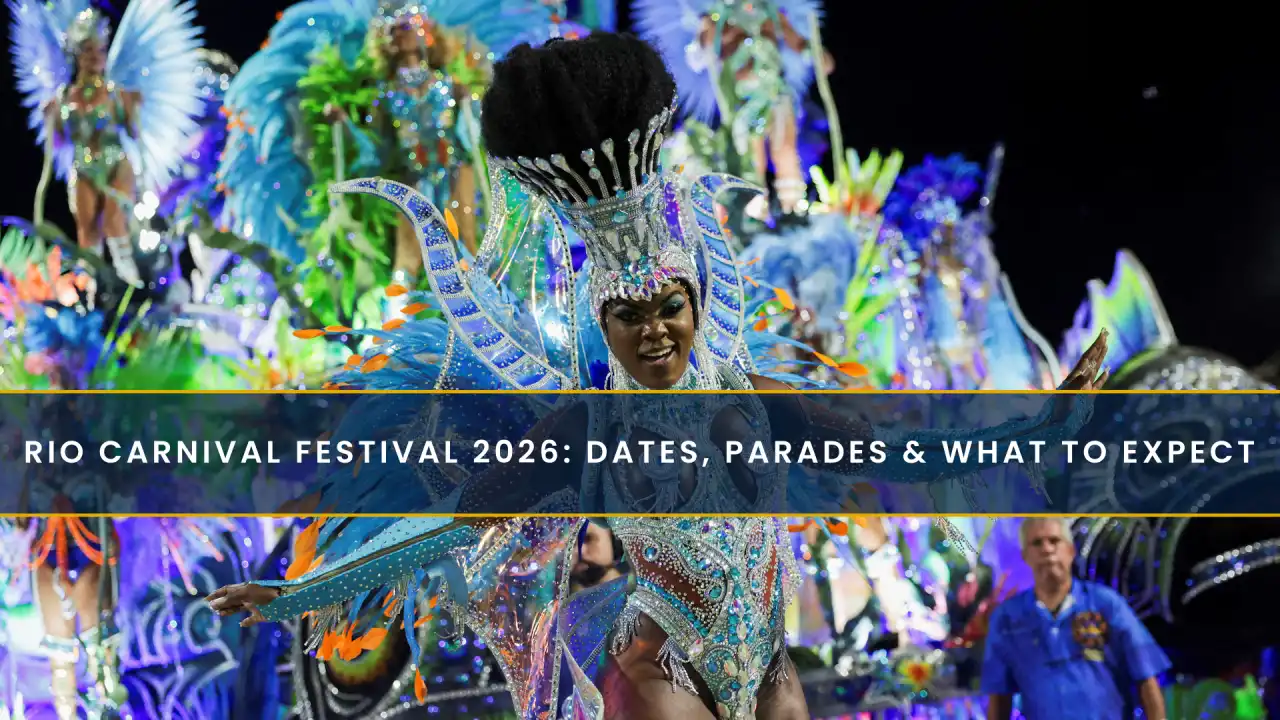
Rio Carnival Festival 2026: Dates, Parades & What to Expect
Introduction
Festivals are doorways to the culture and people of the place they're celebrated in. And if you are the kind that doesn’t just like to visit a destination but live it, then you are in the right place, and if you are not, then this is your “Naina moment” from YJHD, leave your parents a note and get on that flight. Because there are festivals you attend, and then there are events that completely rewrite your idea of celebration. The upcoming Brazil spectacle falls firmly in the second category.
Anyone who has stood in Rio during February knows the city doesn’t simply host a carnival; it shifts into a different heartbeat. The air feels charged, the rhythm under your feet is relentless, and the joy is strangely contagious. Visitors often arrive expecting music and costumes and end up discovering an entire philosophy of living. And somewhere in that sensory overload, the Rio festival becomes less of a trip and more of a baptism into Rio’s unfakeable energy.
The Legacy of a City That Never Sits Still
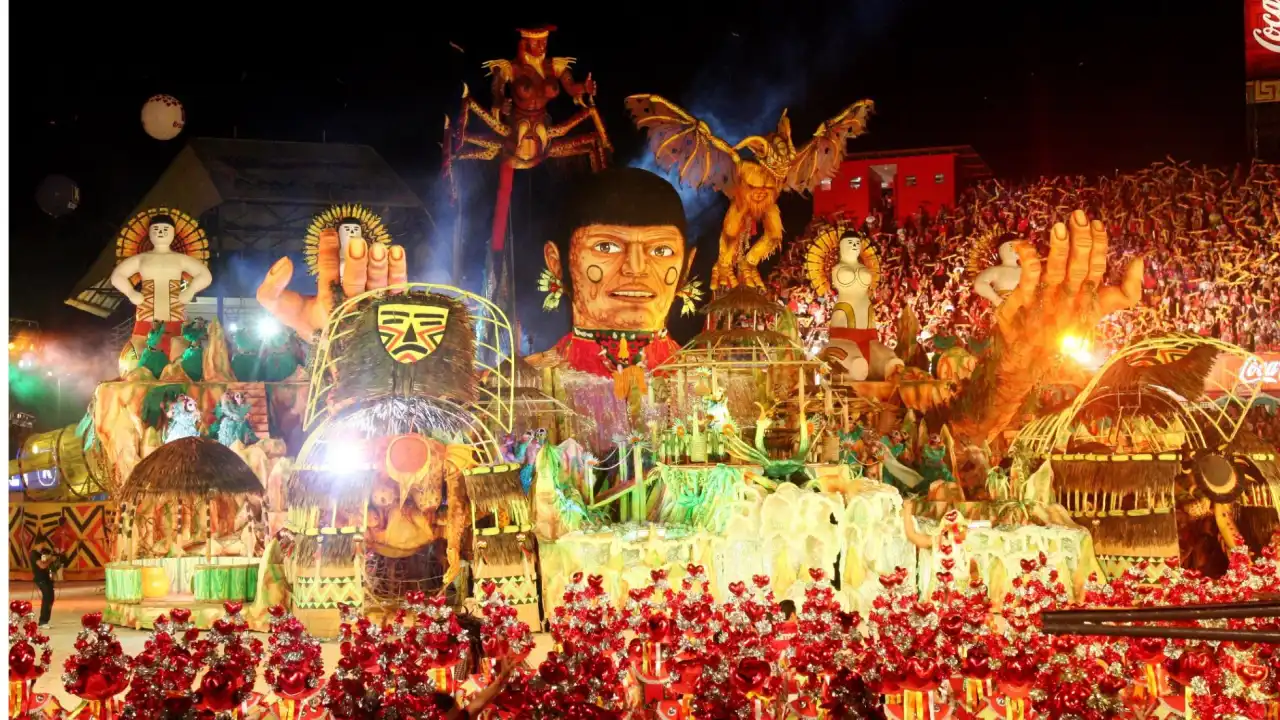
Before you start stuffing feathers and glitter into a suitcase, it’s worth knowing how Rio’s carnival became the giant it is. The roots go way back to the 1700s, when Portuguese settlers brought over their pre-Lent traditions, and enslaved Africans blended in their own rhythms, dances, and street culture. Over time, it all fused into something that wasn’t planned or designed. It just grew, shifting from polite European masquerades to full-blown street parties powered by drums, samba, and people who refused to celebrate quietly.
That mix created a festival that feels alive in a way you can’t choreograph. Carnival doesn’t stay in one place. It spills into alleys, beaches, hillsides, wherever people decide the party should move next. And despite all the smaller celebrations around town, the main Rio Carnival is still the one everyone watches.
Rio Carnival Festival 2026 Dates You Should Lock In
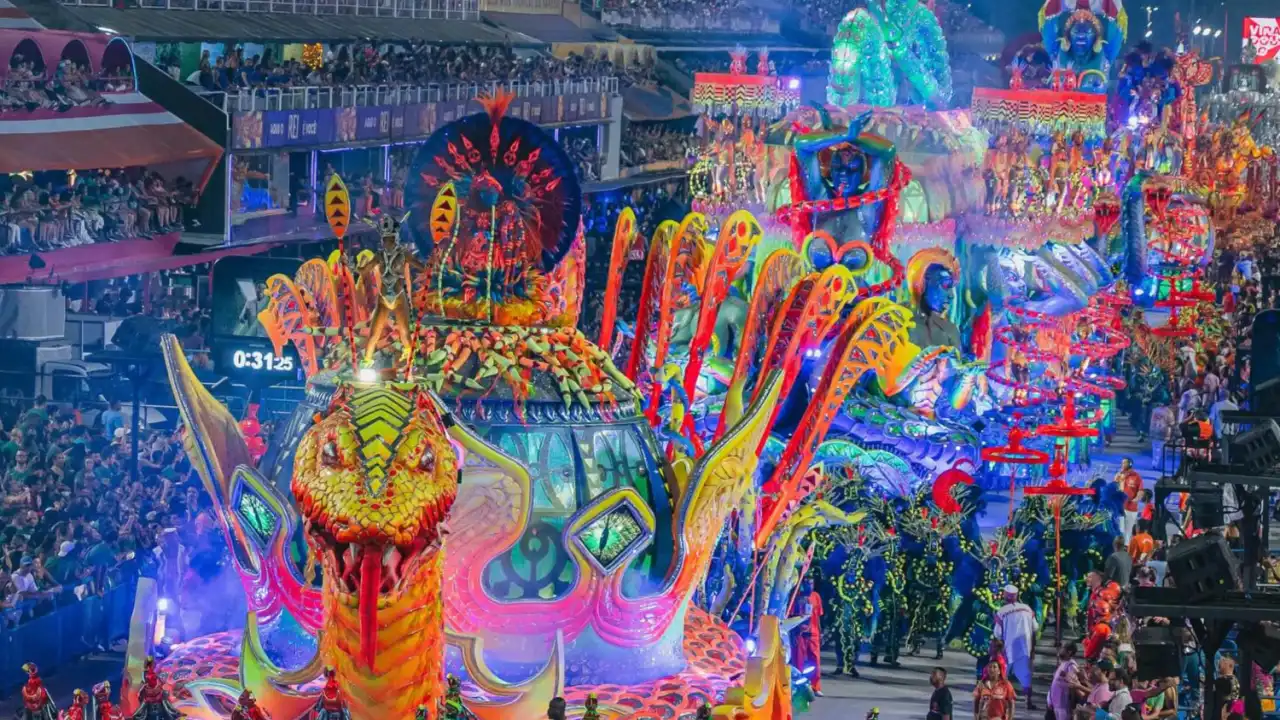
The Rio Carnival Festival 2026 runs from February 13 to February 18, although the city starts warming up weeks before. Samba schools rehearse loudly at night, street artists test new rhythms, and by early February, the blocos begin bubbling across the city in informal waves.
Key dates for 2026:
- February 13: Opening celebrations and first wave of large blocos
- February 14 and 15: Sambadrome parades for the lower and intermediate samba leagues
- February 16 and 17: The major Sambadrome championship parades
- February 18: The Winner’s Parade
Even if you don’t manage to get tickets to the big parades, the streets guarantee more than enough action. Rio never allows a quiet moment during this week.
The Sambadrome: Rio’s Most Theatrical Arena
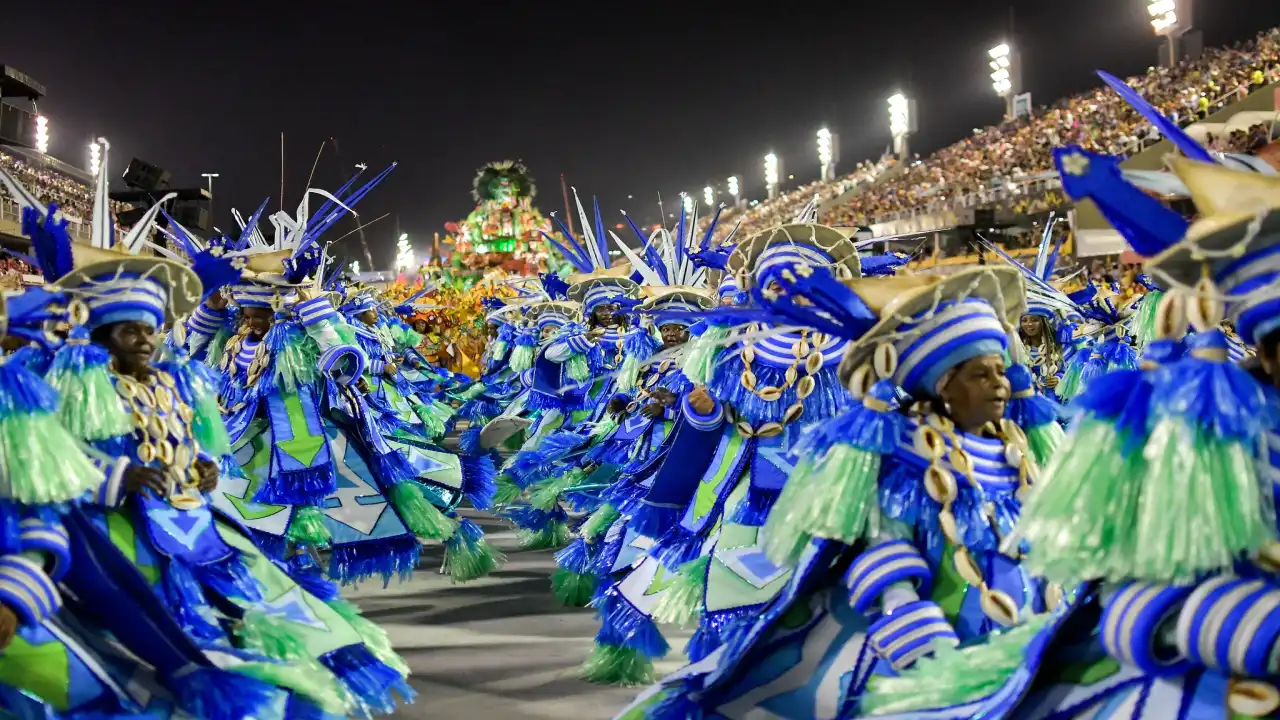
Watching a parade at the Sambadrome is a sensory collision. The sound hits first. Drums with their deep pulse, sharp whistles slicing through the air, and hundreds of performers moving in flawless sync. If you have only seen snippets online, know this: the real thing is louder, brighter, and significantly more emotional.
What to expect inside the Sambadrome:
- Choreography that feels like a play, a dance, and a political commentary at the same time.
- Floats engineered at a scale that defies logic.
- Costumes that shimmer even from the highest seats.
- A crowd that treats every school like it is defending its honour.
The best sections for first-timers are the middle-numbered stands. They’re lively but not suffocating, offering excellent visibility without the premium price tag. Book early, though; seasoned travellers lock in their seats months ahead.
Blocos: Where the City Shows Its Real Personality
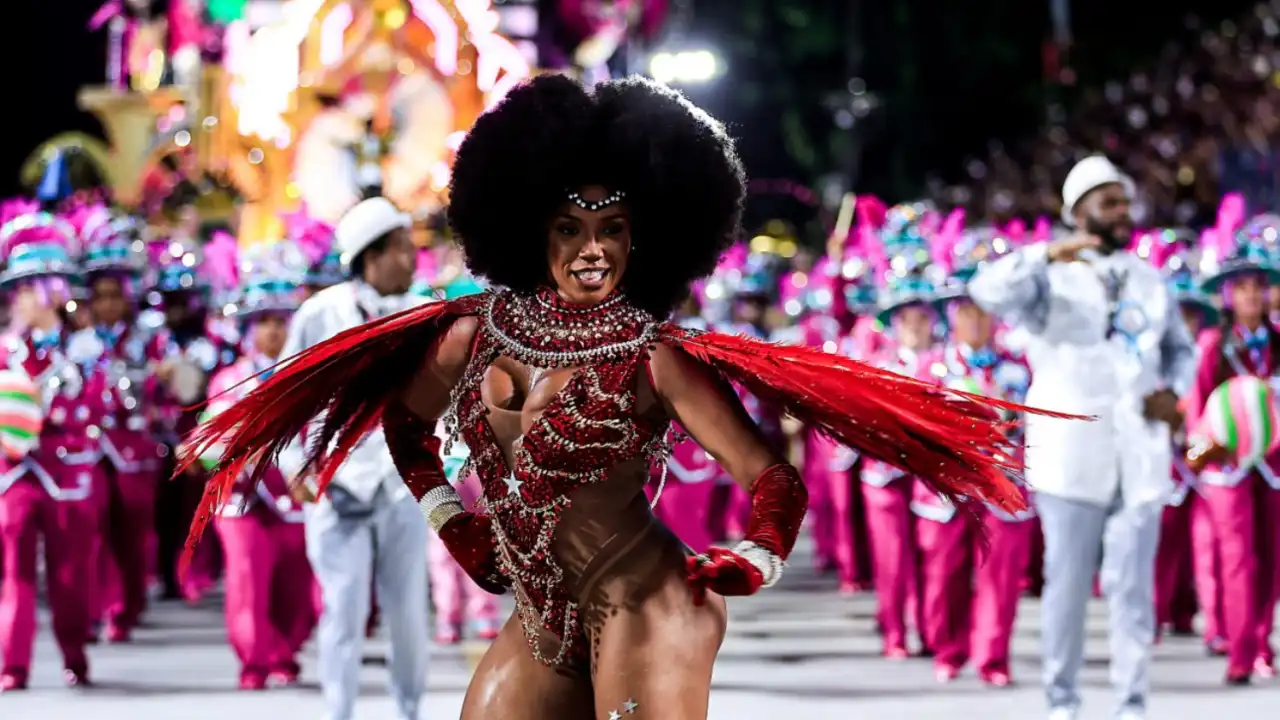
If the Sambadrome is Rio at peak production, the blocos are Rio in its purest state. These street parties move like living creatures. Some are massive and chaotic; others are small, almost intimate jams tucked into side streets.
A few blocos to watch out for in 2026:
- The morning bloco near Flamengo, a favourite of locals who prefer early rhythms to late-night frenzy.
- The famously quirky one in Santa Teresa, known for playful costumes and a crowd that knows how to improvise.
- A beachfront gathering in Ipanema where the drums echo off the water.
Blocos are free, inclusive, and very democratic. You dance if you want. You watch if you want. You take a breather, grab a cold drink, then dive back in.
The Culture Behind the Glitter
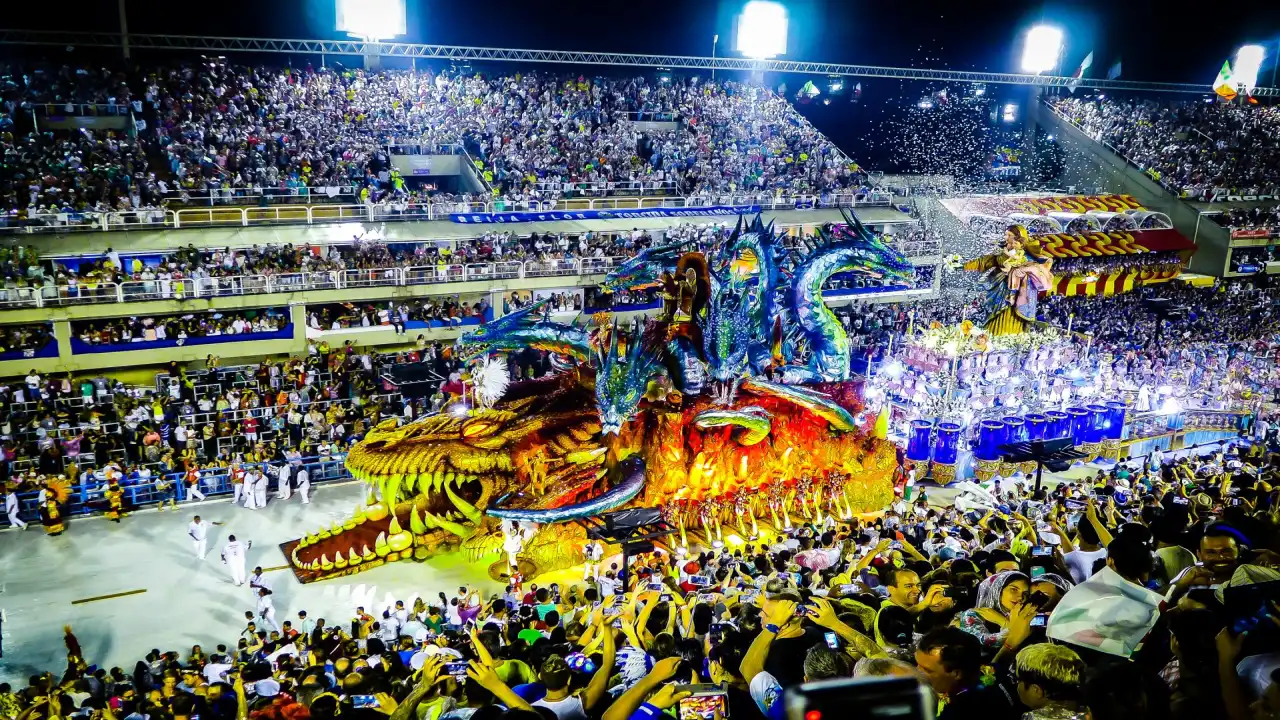
Many first-timers assume carnival is only about costumes and nightlife. But the depth is in the storytelling. Samba schools spend an entire year crafting narratives. Some retell myths. Some highlight historical injustices. Some honour unsung heroes. When those floats roll out, you are not just seeing art; you’re watching a community display its identity.
Even the costumes have meaning. Feathers, sequins, oversized accessories, body paint. Every element is part of a theme. Locals are quick to point out details. The more you ask, the more you realise how layered the artistry is.
Where to Stay Without Losing Your Mind

Rio is large enough to offer plenty of accommodation, and carnival attracts everyone from budget travellers to high-rollers. Best areas for 2026:
- Copacabana: Easy beach access, plenty of restaurants, and quick entry to major parade routes.
- Ipanema: A bit more stylish, a bit more polished, ideal for travellers who prefer quieter nights.
- Lapa: The nightlife centre, perfect if you want to be close to after-hours events.
Prices rise fast in February, so it’s smart to finalise your stay as soon as possible. Travellers using curated holiday plans or international packages often get more predictable pricing.
Navigating the City During Carnival
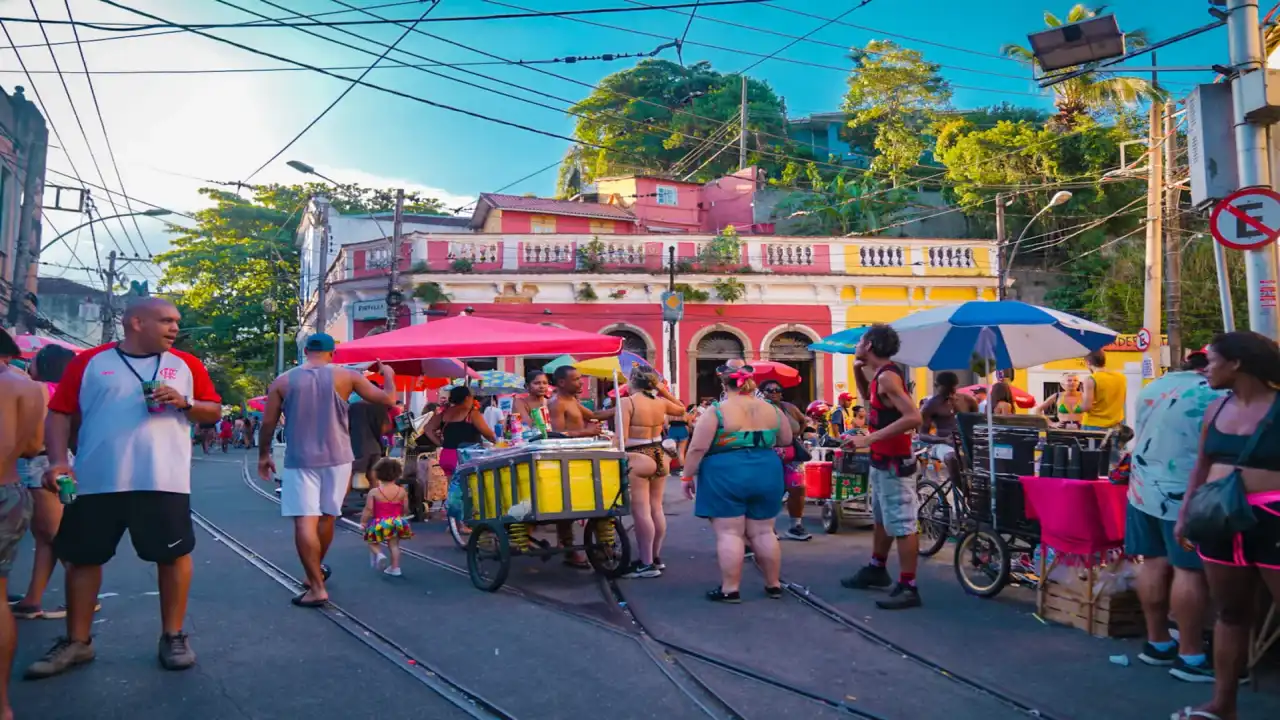
You’ll walk more than you think. Streets close unpredictably to make way for blocos, and taxis may take longer routes. The metro becomes your best ally. It is safe, frequent, and used by everyone during carnival week. If you’re heading to the Sambadrome, follow the crowd; nobody gets lost on parade nights. Carry minimal items. A lightweight sling bag or belt pouch is ideal. Hydration stations are scattered generously, but keep your own bottle. February in Rio is hot, humid, and frequently sunny.
What to Eat When You Need Fuel
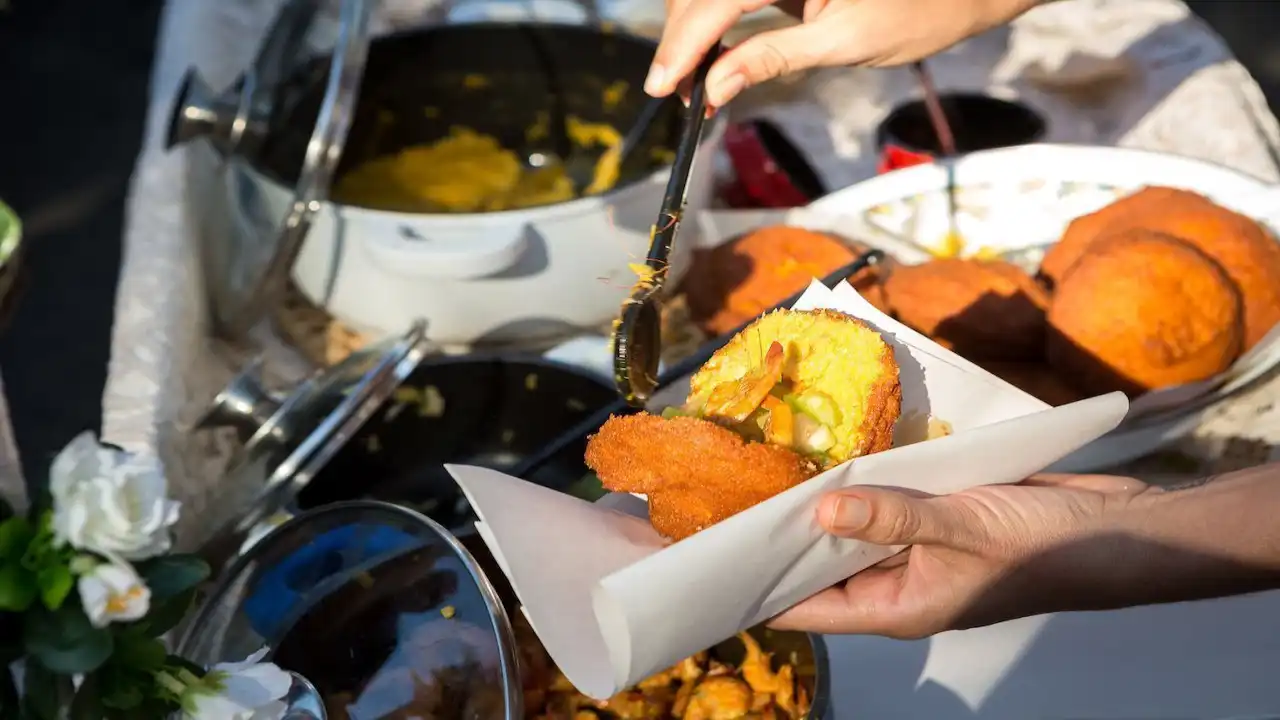
Carnival works up an appetite. Luckily, Rio knows how to feed people in motion. Try these:
- Feijoada on quieter afternoons
- Coxinhas from reliable street vendors
- Açaí bowls stacked with fruit
- Grilled cheese skewers are sold on the beach
Packing Smart for 2026
Your bag should be practical, not bulky. Leave anything precious at home. Rio rewards travellers who pack simply. Consider these essentials:
- Breathable clothing
- Comfortable shoes
- Sunscreen
- Portable charger
- A waterproof phone case
- Light rain protection
- A small amount of cash along with a card
Why Rio Feels Different?
Plenty of cities have parties, but Rio’s difference lies in the transparency of its joy. People dance as they mean it. Kids join blocos with painted faces. Elderly couples show up as early as dawn, wearing matching T-shirts from past carnivals. Even strangers share shade, water, jokes, and directions. The city becomes one living organism for a week.
Visitors often confess that after a few hours in the crowd, they stop trying to understand carnival and simply let it absorb them. That’s when the magic hits. The celebration stops being a spectacle to witness and becomes an experience to participate in.
Is Rio Carnival 2026 Worth Flying Across the World For?
Short answer: yes. Longer answer: absolutely. The combination of music, culture, unpredictability, and wholehearted celebration is unlike anything else on the planet. Even seasoned travellers find themselves recalibrating their expectations after one night in the Sambadrome.
The 2026 edition promises bigger floats, deeper themes, more refined blocos, and an expanded international audience. First-timers will be spoiled. Returning travellers will find new layers. Those planning from afar will discover that February is closer than it appears.
Conclusion
The Rio festival leaves a strange aftertaste once it is over, the kind that follows you home even when the glitter has been washed out of your shoes. Most events fade once you leave the venue. Rio does the opposite. You keep remembering fragments long after February has ended. A float rolling past like a moving mural. A bloco turning an ordinary street into a river of sound. A stranger handed you water because the sun was merciless that afternoon. It stays with you. When you are ready to shape your route through the celebration without losing the spontaneity that makes carnival what it is, Travel junky can help you make a trip of our lifetime with a blend of carnivals and landscapes. Step in with an open itinerary. Leave with a memory that behaves nothing like a typical holiday.