Songkran 2026: A Complete Guide to Thailand’s New Year Celebration
Introduction
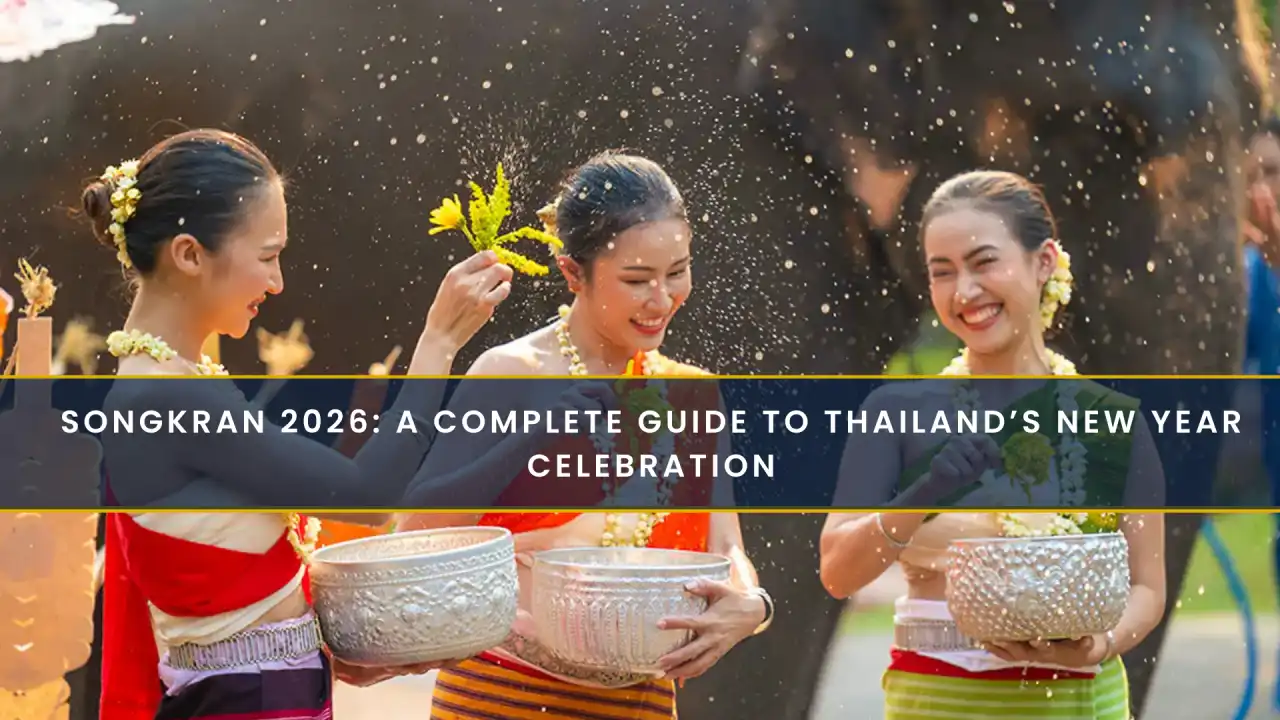
Every April, something shifts in Thailand. You feel it before you fully understand it. Offices shut a little earlier. Emails slow down. Traffic, surprisingly, doesn’t feel as aggressive. Even people who usually look stressed start smiling at strangers. Not a big smile. Just a small one. Like they know something you don’t yet. That “something” is Songkran. It’s Thailand’s traditional New Year, and no, it isn’t just a giant water fight, though that’s the part most people see online. Yes, you’ll get soaked. Yes, there’s laughter, shouting, and music echoing down streets that are usually chaotic for other reasons. But underneath all that noise is a quieter idea. Resetting. Letting go and starting clean. In 2026, Songkran is expected to feel especially alive. Travel numbers are up again, and there’s a clear effort by locals and communities to keep the old customs visible, not buried under plastic buckets and speakers. This guide isn’t just about what happens during Songkran. It’s about how it feels when you’re standing there, dripping wet, not entirely sure what time it is anymore, realizing why this festival still matters so much.
What Is Songkran, and Why Does It Matter?
Songkran marks the Thai solar New Year. It’s been around for generations, long before it became something tourists planned flights around. The word itself originates from an old term that roughly translates to "movement" or "transition." Which makes sense. It’s about closing one chapter and opening another, even if life hasn’t gone exactly the way you hoped.
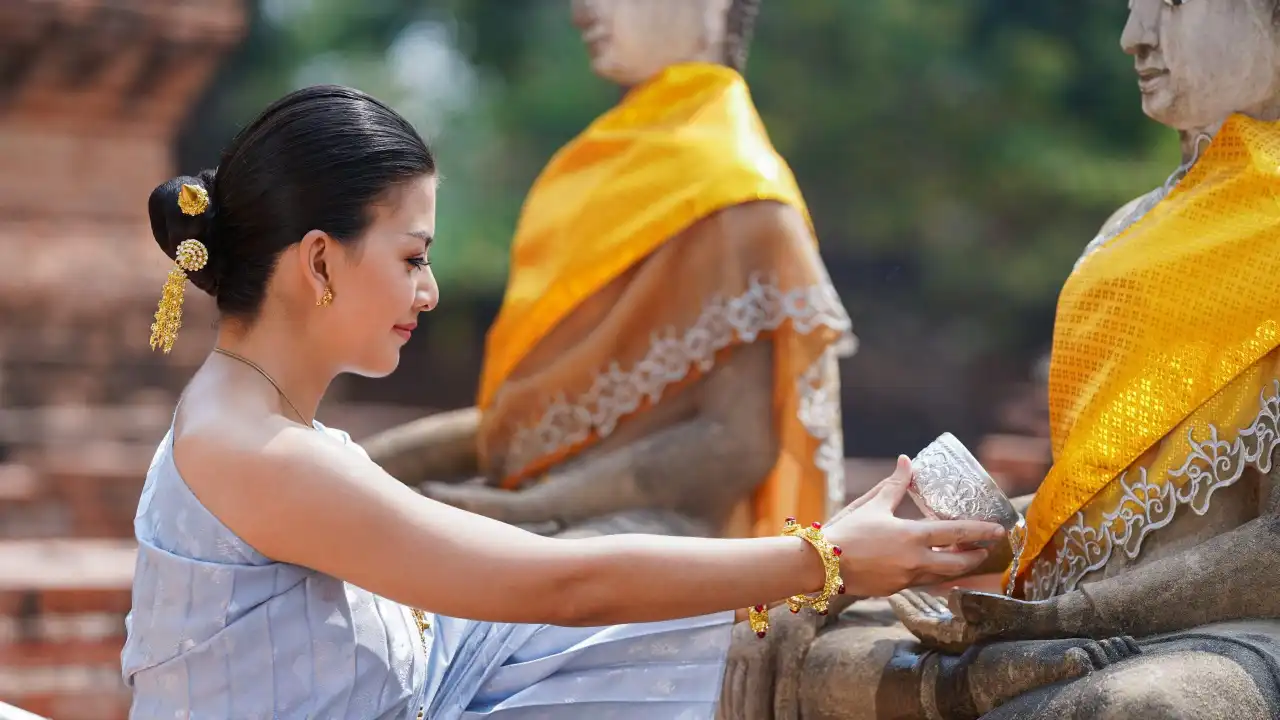
Originally, Songkran was calm. Quiet, even. Houses were cleaned properly, not rushed through. Elders were visited without checking the clock. Temples weren’t background scenery; they were the center of the day. Water has always been the heart of it. Not the chaotic kind. The gentle kind. A small bowl. A careful pour over hands or a Buddha statue. Water is a symbol of washing away what you don’t want to carry forward. Regret. Bad luck. Old mistakes. That meaning hasn’t disappeared, even now. It just wears louder clothes. Beneath the hoses and buckets, Songkran is still about family, gratitude, and remembering to pause. In a country that moves fast, especially in cities, that pause matters more than people admit.
Traditional and Religious Practices During Songkran
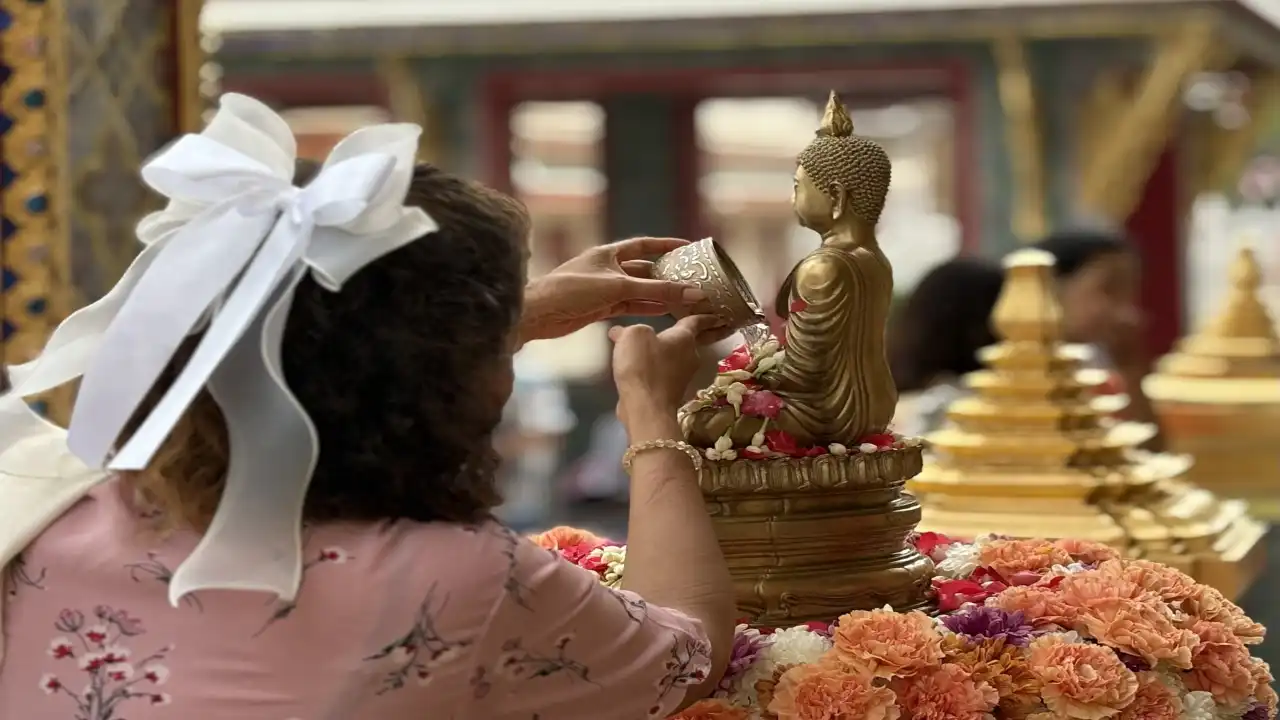
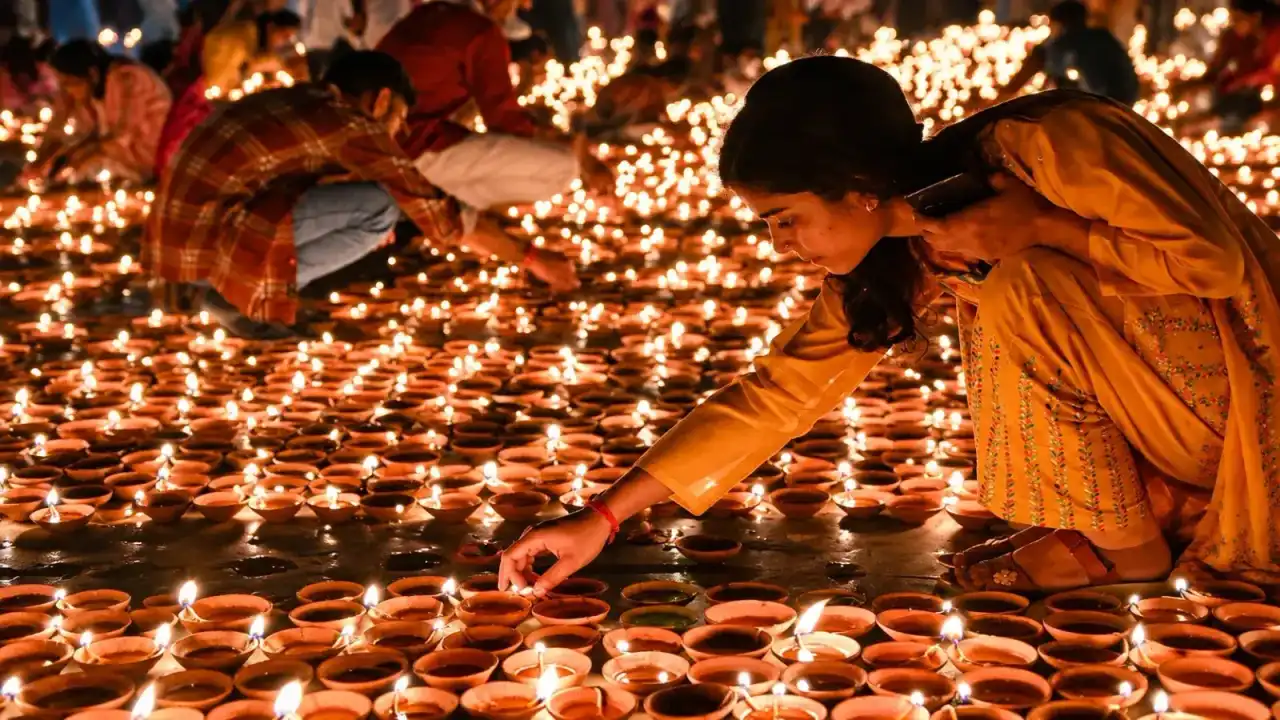
At its core, the Songkran festival is spiritual. Many people start the day early, before the streets wake up. Temples smell like incense and flowers. Food is laid out neatly for monks. Voices stay low. Phones stay in pockets. Merit-making is important here. Giving food. Offering respect. Setting intentions for the year ahead. For many Thais, this part matters more than anything that comes later.
One of the most meaningful rituals is pouring water over Buddha statues. The water is often mixed with flower petals. It’s poured slowly. No splashing. No jokes. Families also pour water over the hands of elders and ask for blessings. The responses are simple. Good health. Peace. Stability. It doesn’t look dramatic. No one’s filming it for social media. But if you’re paying attention, you’ll notice how much weight these moments carry. For many families, this is one of the rare times everyone is in the same place, eating together, cleaning old homes, and talking without watching the clock.
How Songkran Changed Over Time
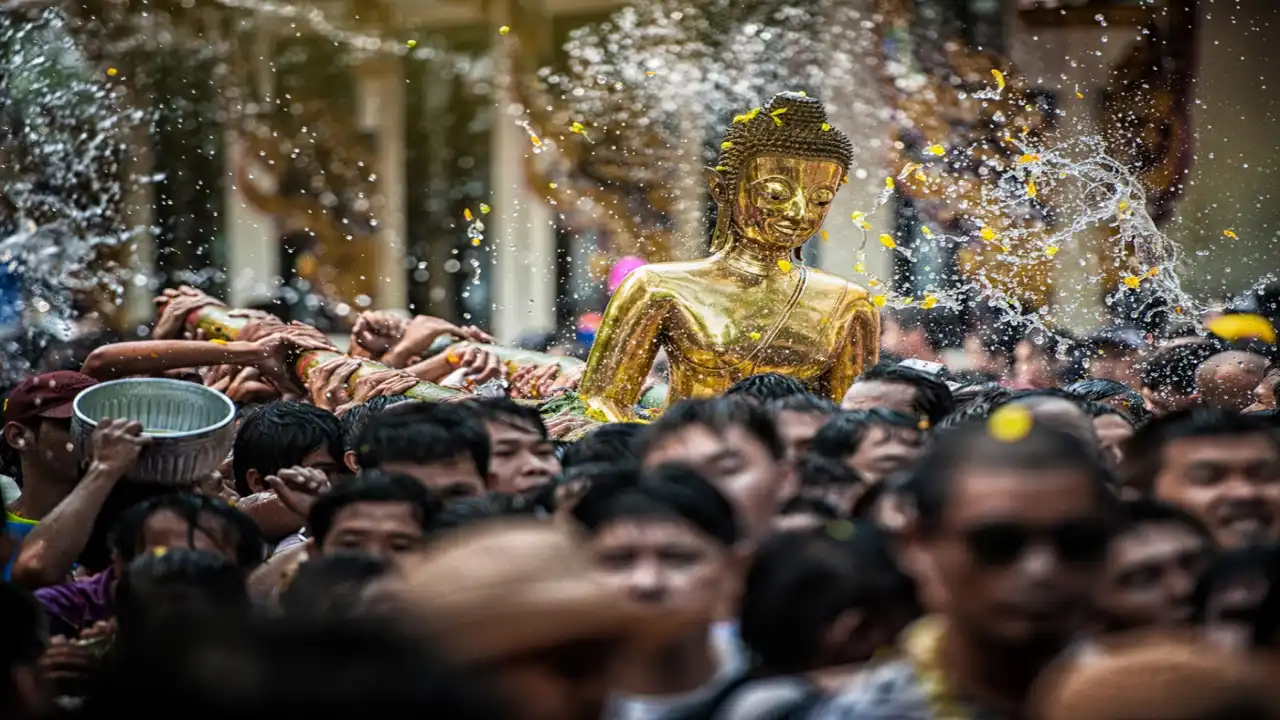
Songkran wasn’t always a street-wide event. It stayed close to homes and temples for a long time. Water was used carefully. Everything felt personal. Tourism changed that. Slowly, then all at once. Visitors loved the openness of it. The joy. The fact that strangers laughed together without needing a reason. Water play grew louder. Streets filled with buckets, hoses, and speakers blasting music all day. What started as a ritual turned into a shared celebration.
Thailand hasn’t completely resisted this change. Instead, it’s tried to manage it. Many cities now separate cultural spaces from water-play zones. You can spend your morning in a quiet temple and your afternoon getting drenched on a main road. It’s not always perfectly balanced, but the effort is real. Tradition hasn’t been abandoned. It’s just learning how to coexist with modern chaos.
Songkran 2026 Dates and National Schedule
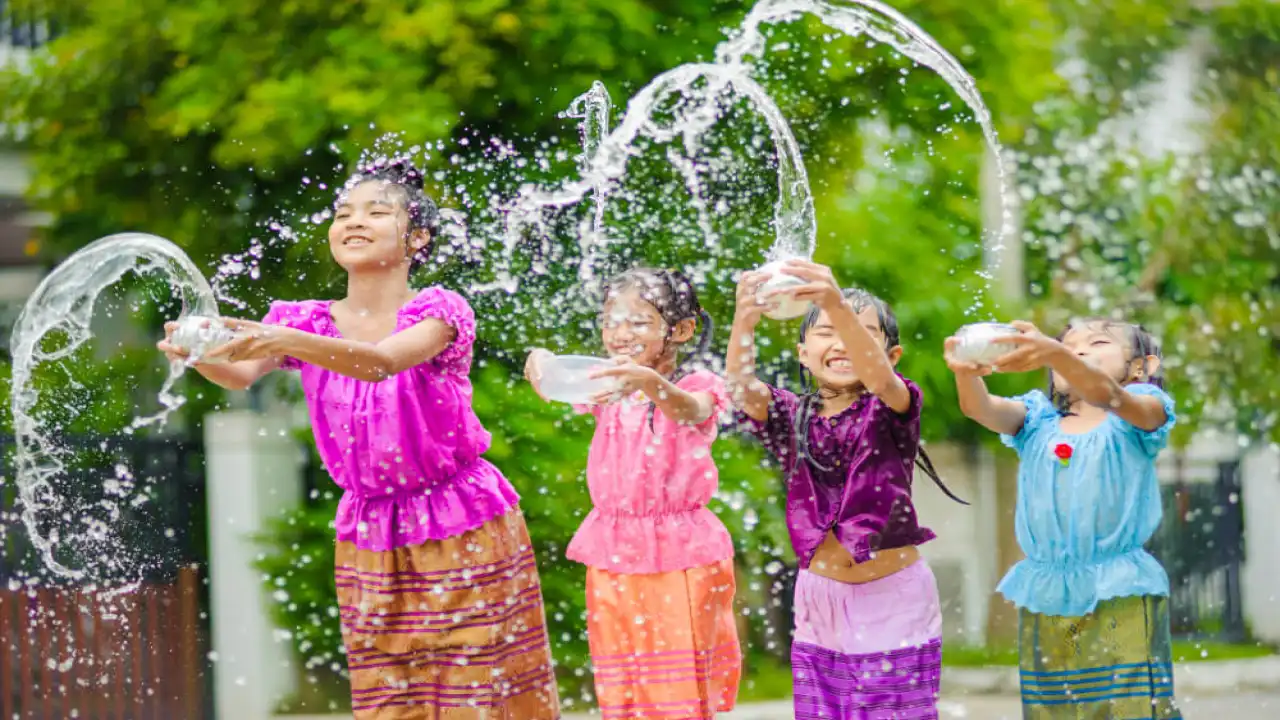
Officially, Songkran tradition runs from April 13 to April 15. That won’t change in 2026. These are national holidays. Offices close. Schools shut. Travel spikes everywhere. But in reality? Songkran doesn’t care much about official dates. Some cities start celebrating early. Others keep going days after April 15. Parades, cultural shows, and designated water-play areas across the country are being used to manage crowds and safety. If you’re visiting during this time, flexibility helps more than strict planning. Trains sell out. Buses run late. Schedules shift without warning. You can plan, but don’t expect control. That’s kind of the point.
Songkran Celebrations Across Thailand
Bangkok
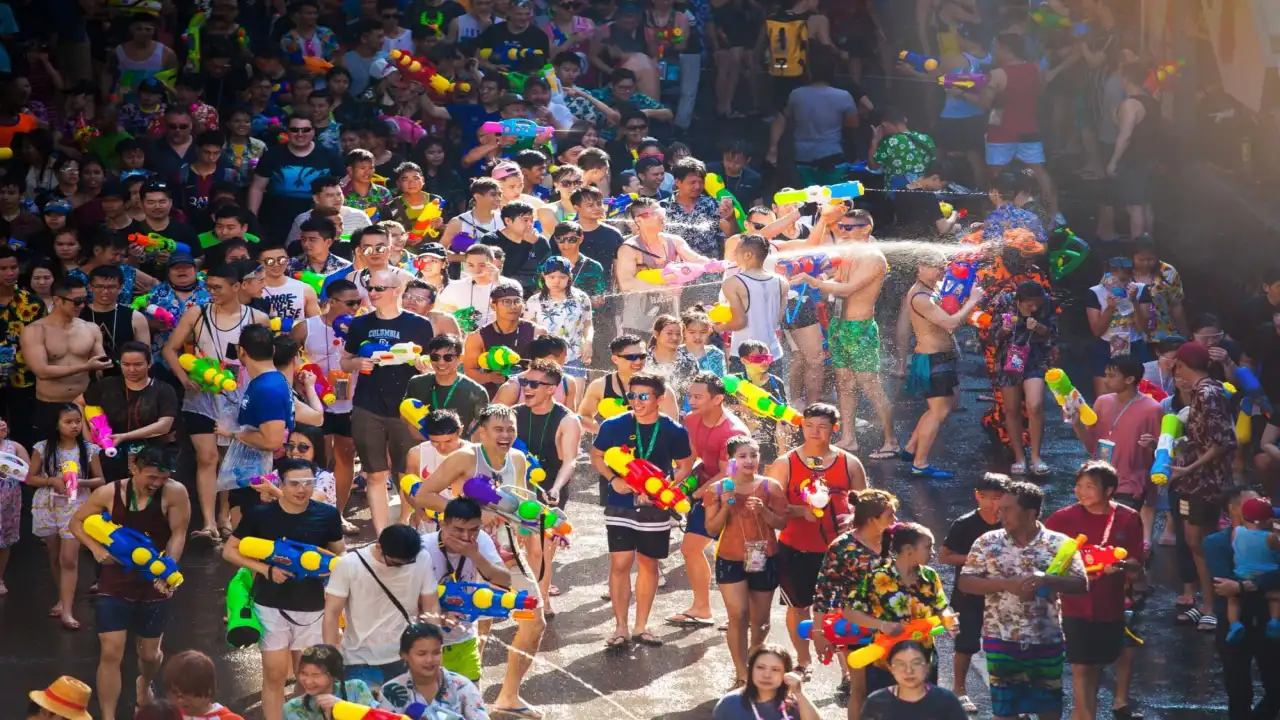
Bangkok during Songkran can feel intense. Major streets turn into moving crowds. Music plays nonstop. Water comes from every angle. It’s loud, messy, and exhausting in the best and worst ways. Step a few blocks away, though, and temples remain calm. That contrast is very Bangkok.
Chiang Mai
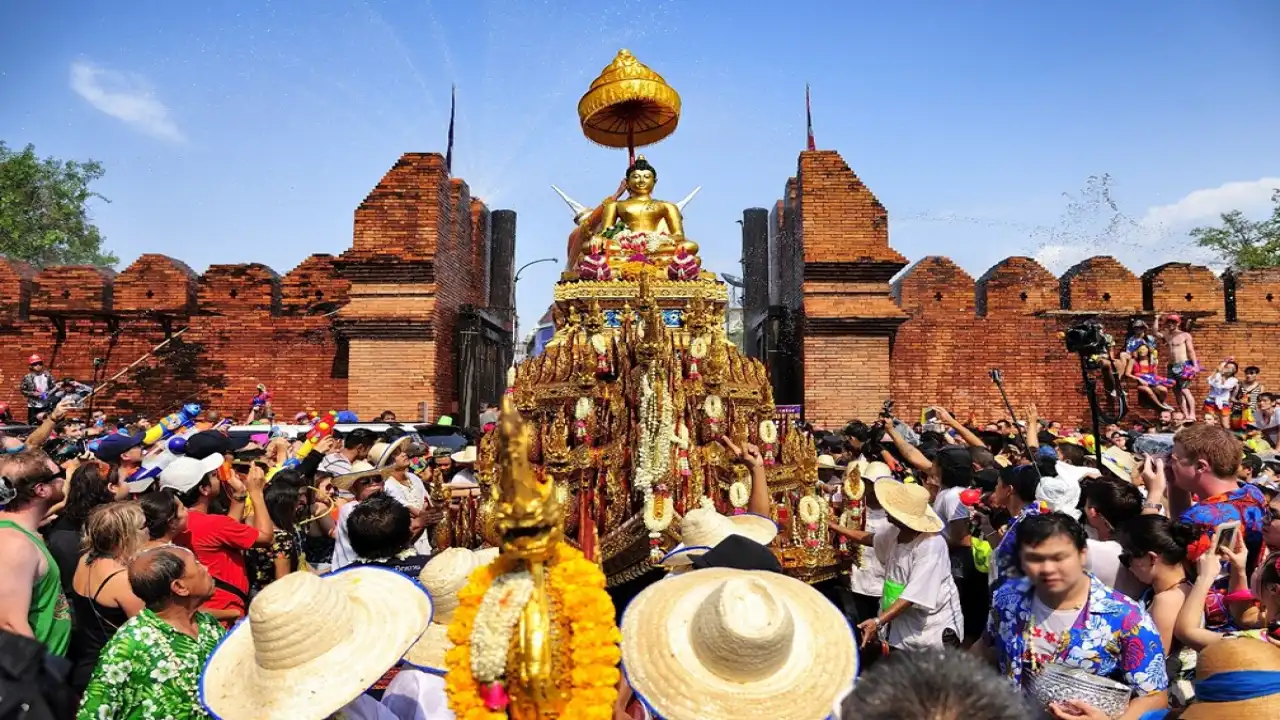
Many people call Chiang Mai the heart of Songkran, and it’s easy to see why. Celebrations last longer. The old city becomes a central hub. There’s plenty of water play, but also parades and ceremonies that feel deeply rooted in community.
Phuket
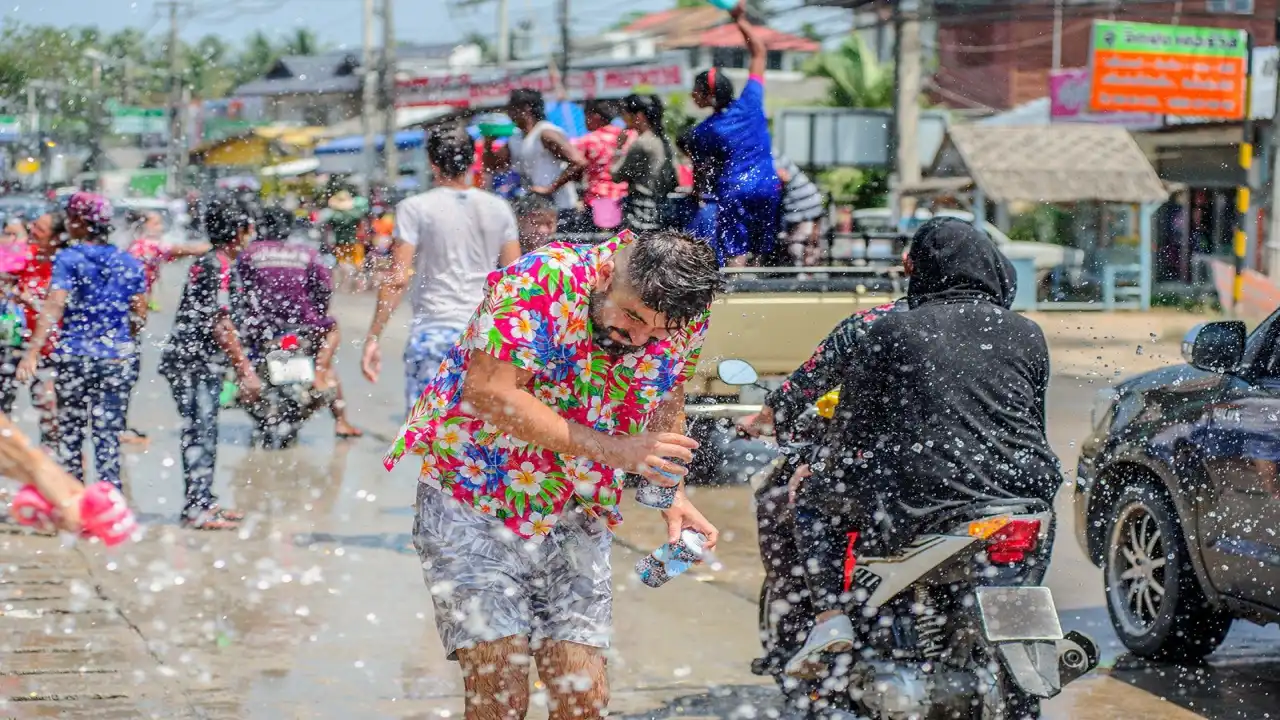
In Phuket, Songkran blends into beach life. Some areas are loud and busy. Others stay relaxed. You can choose your pace here, which makes it appealing for travelers who want options.
Pattaya
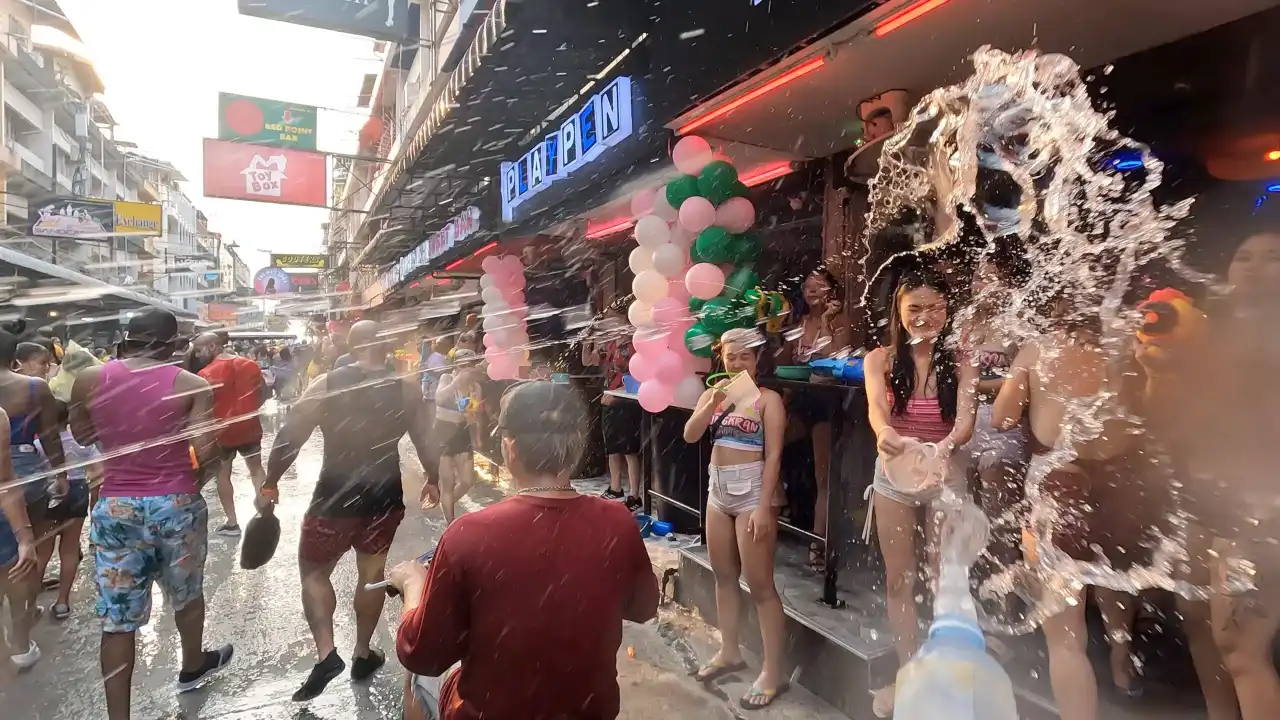
Pattaya doesn’t like endings. Celebrations stretch well beyond official dates. Music stays loud. Crowds stay big. It suits travelers who enjoy long, social, high-energy events.
Smaller Cities and Rural Areas
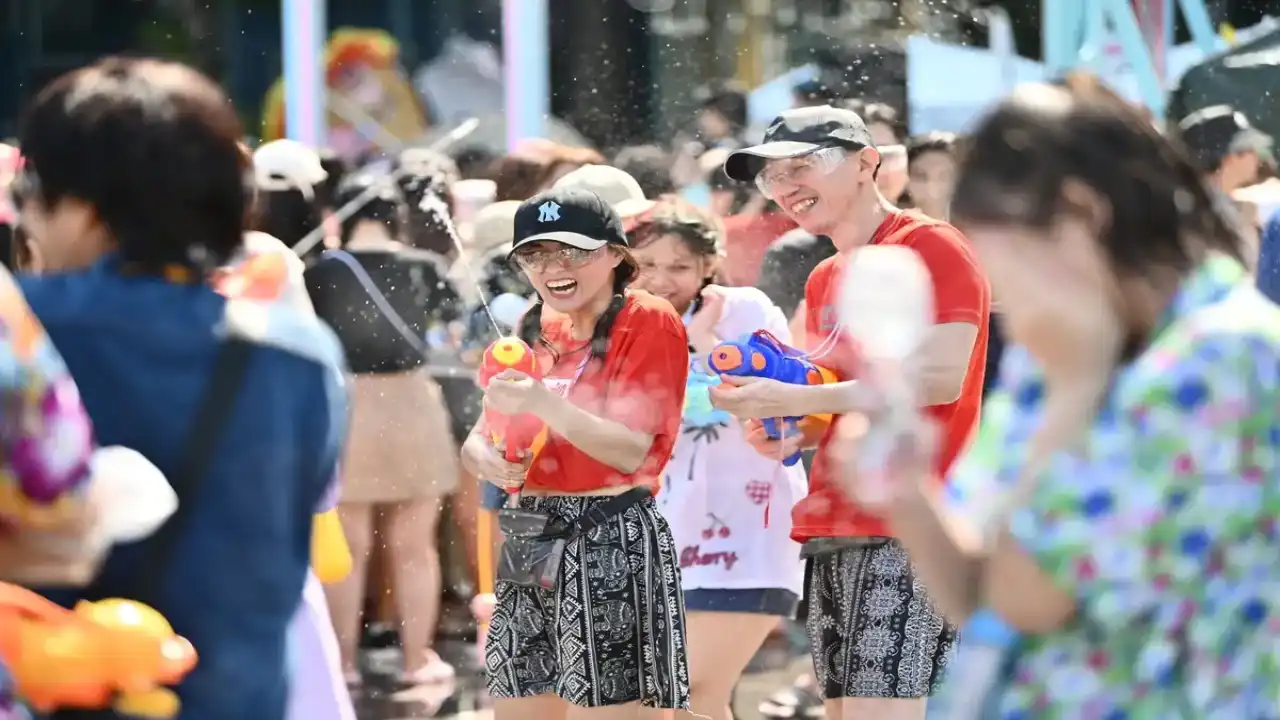
Away from tourist centers, Songkran feels different. Quieter. More personal. Water is used gently. Traditions lead the day. Everyone seems connected. If you want to see how the festival fits into everyday life, this is where it makes the most sense.
What to Wear and Bring for Songkran 2026
What you wear matters. More than you think.
Quick-drying clothes are your friend. Modest outfits are important for temple visits. Sandals with grip beat fashion shoes every time.
Things worth carrying:
- A waterproof phone case
- Small bags that can get wet
- Comfortable sandals
- A dry change of clothes
One honest tip: leave valuables at your hotel. Crowds don’t mix well with unnecessary stress.
Songkran Etiquette and Cultural Respect
Water play is everywhere during Songkran but not everywhere. That part matters. Monks, elders, and anyone inside a temple are off-limits, even if everyone else around you is soaked. Early mornings are usually quieter anyway. Locals are focused on religious rituals, not buckets and hoses. You will probably misread a moment at some point. Most people do. It’s rarely a big deal. A quick smile, a small apology, and moving on usually fixes things. Honestly, the best way to learn is just to watch what locals do and copy that. Overthinking it makes things worse.
Safety, Rules, and Government Guidelines
Songkran comes with a lot of safety messaging, and there’s a reason for it. Road accidents spike during this period, so you’ll see campaigns everywhere, posters, checkpoints, and announcements you half-listen to while walking past. Alcohol rules are also tighter, especially in public areas. Enforcement varies, but it’s taken more seriously than usual. It’s meant to keep things fun without tipping into chaos.
Water use has become a bigger conversation, too, especially in drier years. You’ll hear reminders about conserving water and being mindful. The goal isn’t to stop people from celebrating. It’s to celebrate without creating problems that last longer than the festival itself. If you’re moving between cities, plan. Then plan to be flexible anyway. Tickets sell out. Delays happen. Accepting that early makes the whole experience easier.
Visiting Thailand During Songkran 2026
For visitors, Songkran can be one of those trips you don’t really forget. The warmth. The laughter with strangers. The feeling that you’ve walked into something real, not put on just for visitors. That said, it does take some planning. Hotels fill up quickly. Transport gets crowded and unpredictable. Whether you’re traveling on your own or through a Thailand tour package, booking early saves a lot of stress. If it’s your first time, guided or family-friendly trips can help add context, especially around customs and timing. Songkran works for different travel styles; you just need realistic expectations and a bit of patience.
The Cultural and Economic Impact of Songkran
Songkran is a big deal for Thailand’s economy. Street vendors, hotels, transport services, and small local businesses all see a boost. It’s also one of the main ways people from outside the country experience Thai culture firsthand. Lately, there’s been more attention on doing things responsibly. Sustainability. Water conservation. Cultural respect. Not in a preachy way, just small reminders that add up. The idea is to let Songkran grow without turning it into something empty or overdone. It’s a balancing act. And for the most part, it works.
Conclusion
Songkran isn’t just another festival you tick off a list. It feels more like a pause button. A moment where things slow down, whether you planned for it or not. Water on your skin. Incense in the air. The odd calm that sneaks in between all the noise. It reminds you gently, not dramatically, that life doesn’t always need to be rushed. In 2026, that feeling is still very much there. People come together around simple things. Respect. Gratitude. A quiet hope that the year ahead might be steadier than the last one. Some experience it early in the morning at a temple, barefoot and half-awake. Others find it laughing on a crowded street, completely soaked, phone wrapped in plastic. Even travelers arriving on an international package end up caught in the same moment, whether they expected it or not.
Different settings. Same meaning.
It’s about washing off what you don’t want to carry anymore.
And starting again. Together.