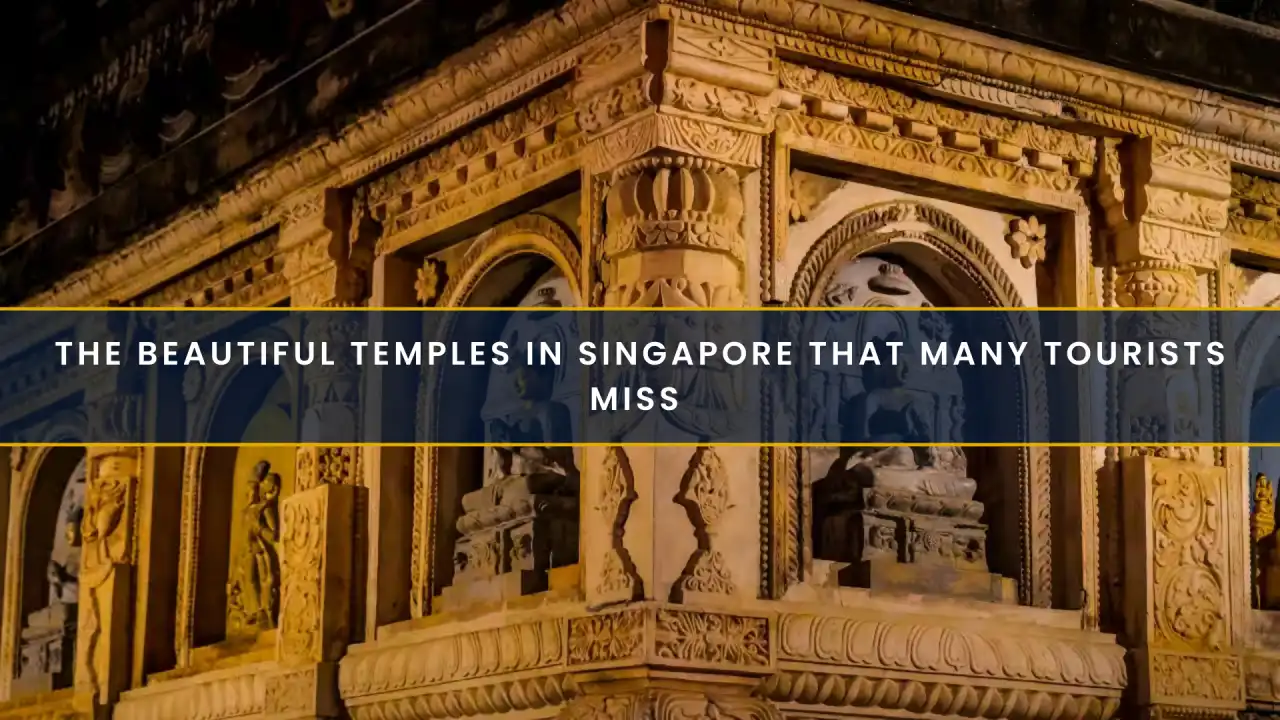
The Beautiful Temples in Singapore That Many Tourists Miss
Introduction
Ever wondered what travelling truly means to you? Are you more like Arjun from Zindagi Na Milegi Dobara, who discovers during his trip the joy of slowing down, breathing deeply, and soaking in the world around him, or like Bunny from Yeh Jawaani Hai Deewani, racing from one thrill to the next with a carefully planned bucket list in hand?
Singapore is a city that makes space for both kinds of travellers. Many know it as a hub for thrill-seekers, from watersports on Sentosa Island to the rides at Universal Studios, but take a step off the usual path and a very different world appears. A spiritual world, intimate and lived-in, full of stories that unfold quietly. Slow down, look closer, and the temples of Singapore reveal layers of faith, migration, resilience, and everyday devotion that most travellers rarely get to see.
Sri Sivan Temple, Geylang: Faith in Motion
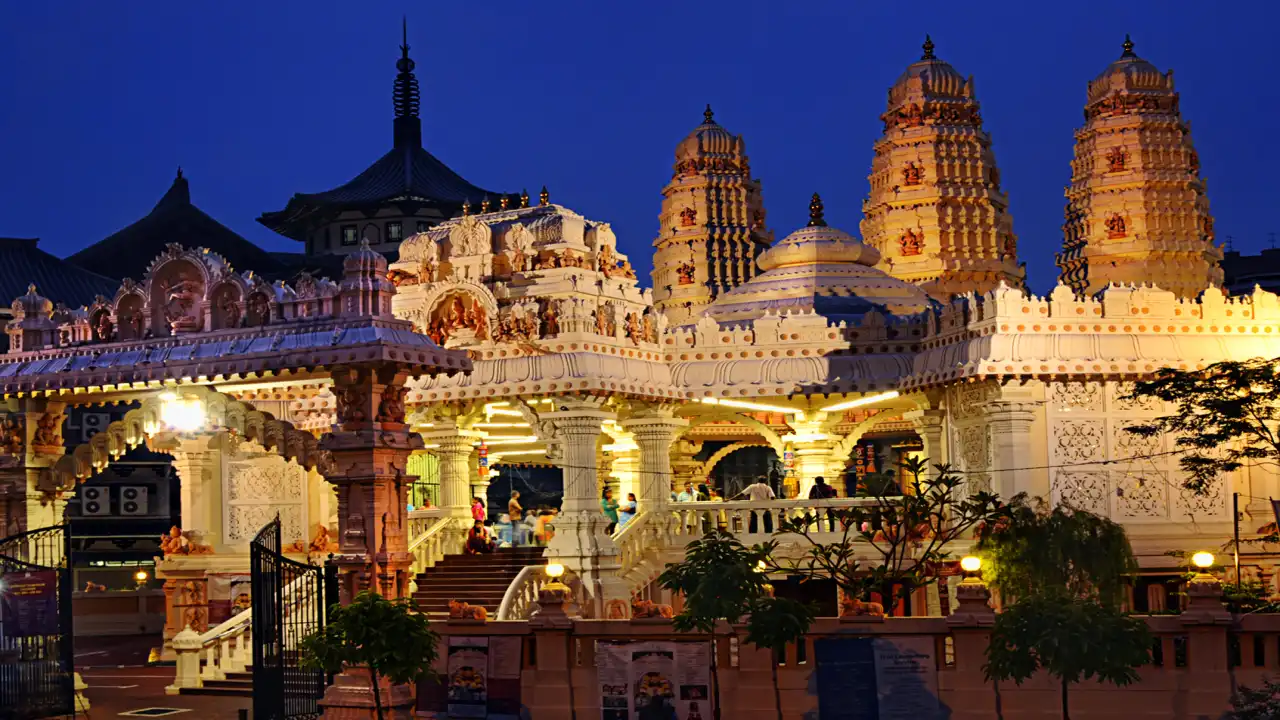
Sri Sivan Temple does not sit politely on a tourist trail. It exists where life is busy, sometimes messy, always moving. Dedicated to Lord Shiva, this temple feels active rather than ceremonial. Bells ring often. Priests move quickly. Devotees arrive between errands and obligations. Inside, the air smells of camphor and flowers, not incense alone. The prayers feel practical, grounded. Among temples in Singapore, Sri Sivan stands out for its rhythm. It is not about spectacle, but continuity.
Pro Tip: Visit during an early morning pooja to witness the temple at its most focused and least crowded.
Sasanaramsi Burmese Buddhist Temple: Calm Without Conditions
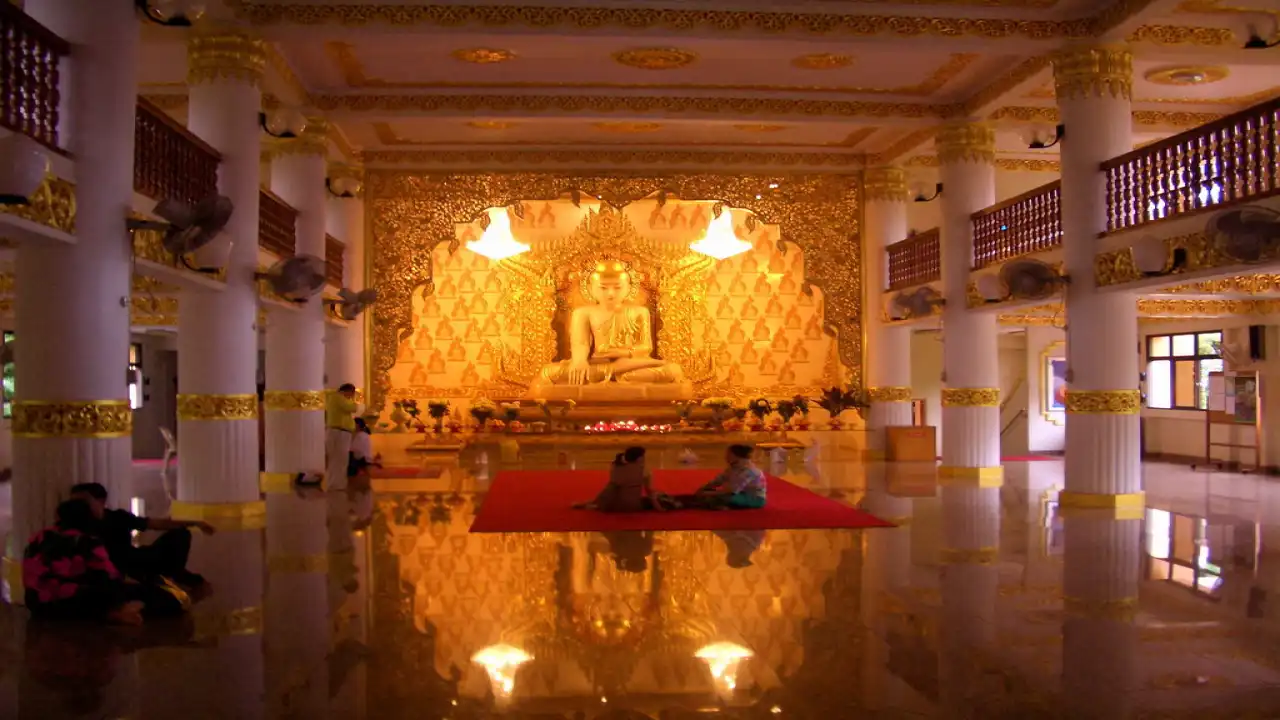
Tucked inside a quiet residential area, this Burmese Buddhist temple feels almost suspended from the city around it. The main Buddha statue radiates a stillness that seems to slow your breathing without instruction. What makes this space special among temples in Singapore is its accessibility. There is no performance, no pressure to behave a certain way. You sit, you observe, you leave lighter than you arrived.
Pro Tip: Spend a few minutes in silence before exploring the compound. The calm builds gradually.
Lian Shan Shuang Lin Monastery: Grandeur With Restraint
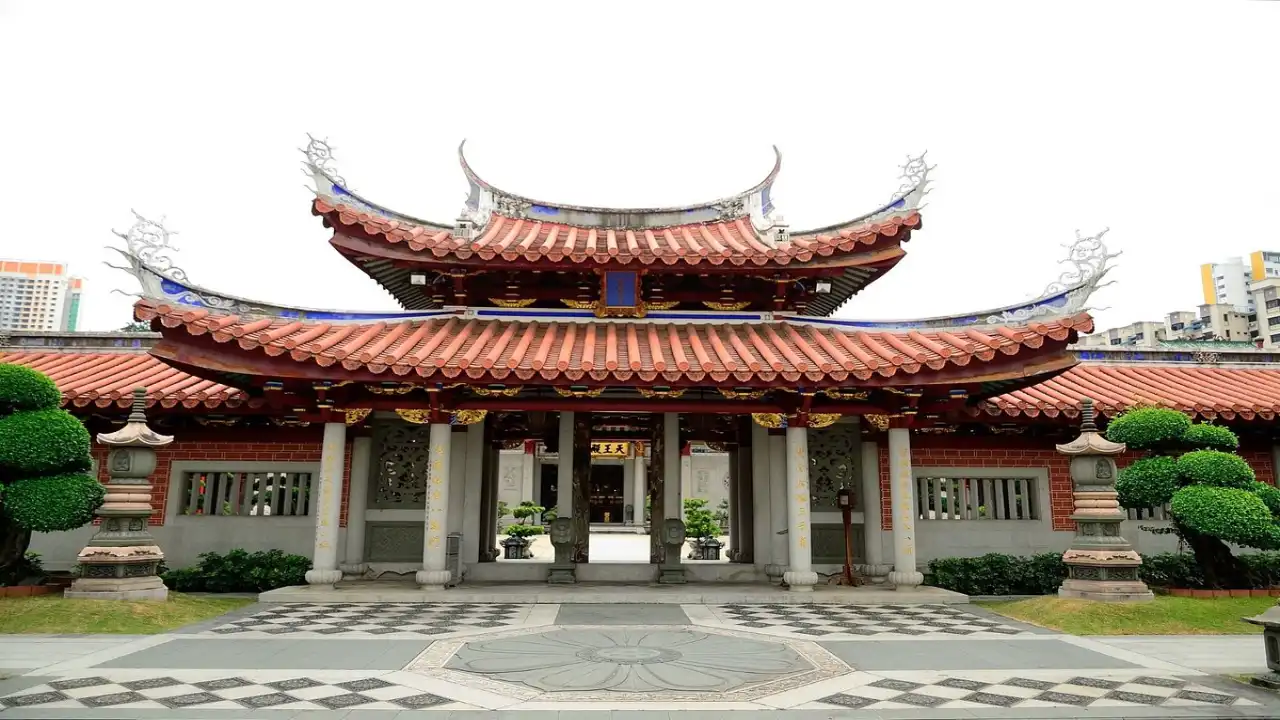
Often overshadowed by flashier religious sites, this monastery is one of Singapore’s oldest Buddhist complexes. It is expansive but disciplined, ornate but never overwhelming. The architecture carries intention. Every courtyard feels measured. Among temples in Singapore, this monastery reflects an older sense of spiritual patience, where time stretches instead of compresses.
Pro Tip: Walk slowly through each courtyard instead of heading straight for the main hall.
Sri Veeramakaliamman Temple Side Shrines: Beyond the Main Attraction

Many visitors stop at the main entrance, take photographs, and move on. What they miss are the side shrines. Smaller spaces where individual stories live. These quieter corners show how temples in Singapore function as personal spaces, not just communal landmarks. Offerings are simple. Devotion is specific.
Pro Tip: Observe respectfully from a distance. These shrines are often deeply personal to worshippers.
Thian Hock Keng Rear Courtyard: Where the Temple Breathes
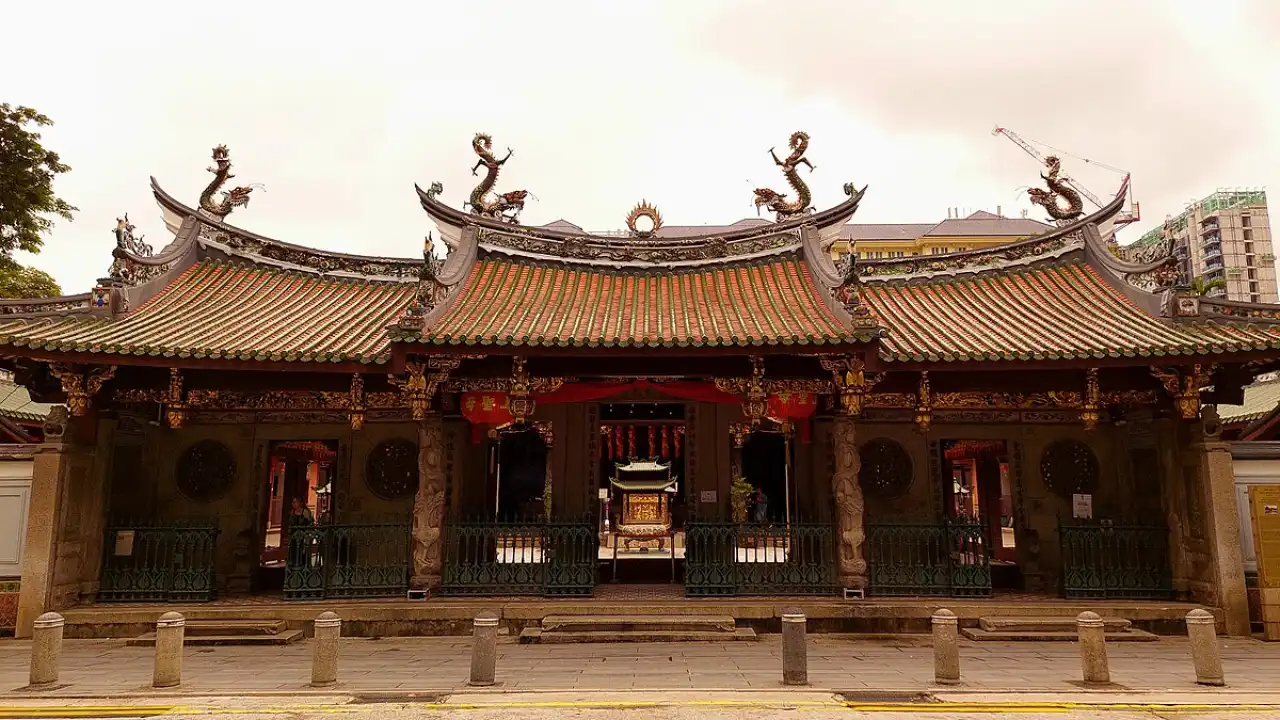
Thian Hock Keng is not hidden, but its rear courtyard often is. Away from the main altar, the space opens into something gentler. Light filters differently. Conversations soften. Among temples in Singapore, this courtyard reveals how architecture creates emotional shifts. It invites pause rather than awe.
Pro Tip: Step into the courtyard after the main hall to reset before leaving.
Sri Senpaga Vinayagar Temple: Colour With Purpose
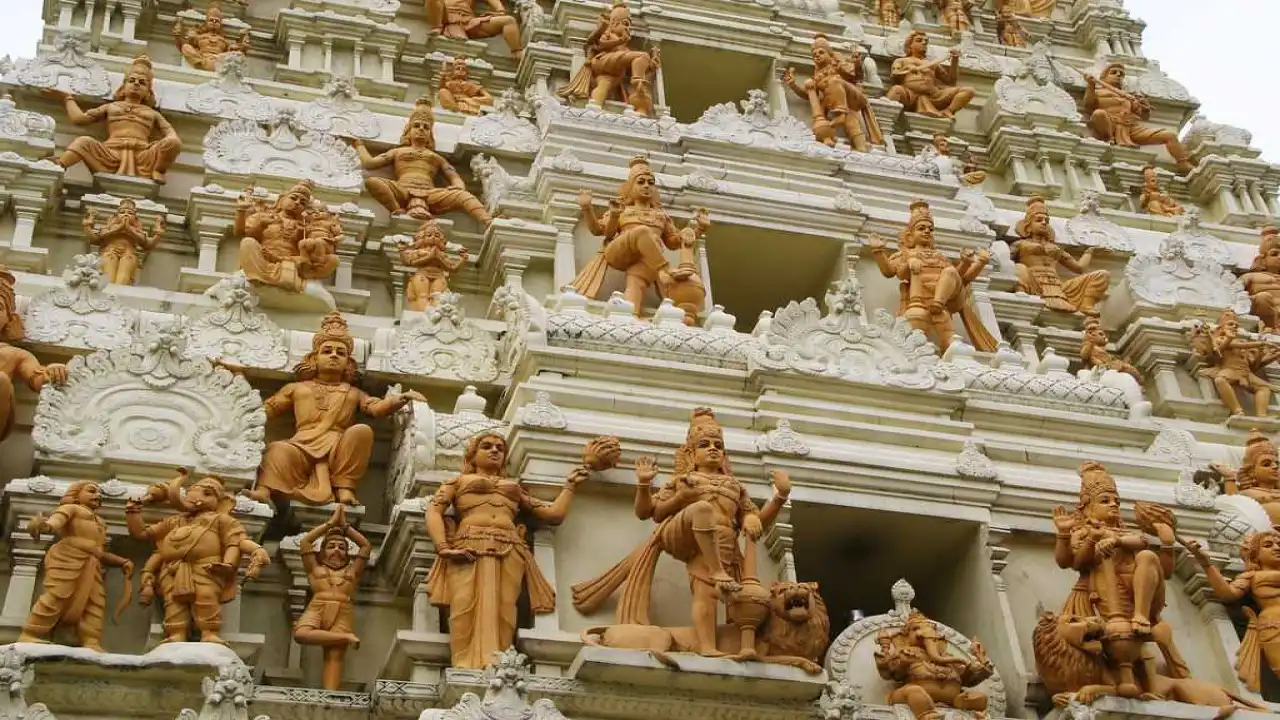
Located in Ceylon Road, this temple greets visitors with vivid colours and detailed carvings. But beyond the visual impact lies a sense of order. Every element has a role, every deity a function. This is one of the beautiful temples Singapore quietly keeps close to its residential heart. It serves its community first, visitors second.
Pro Tip: Look up. The ceiling work often tells stories overlooked at eye level.
Leong San See Temple: Taoist Traditions Without Noise
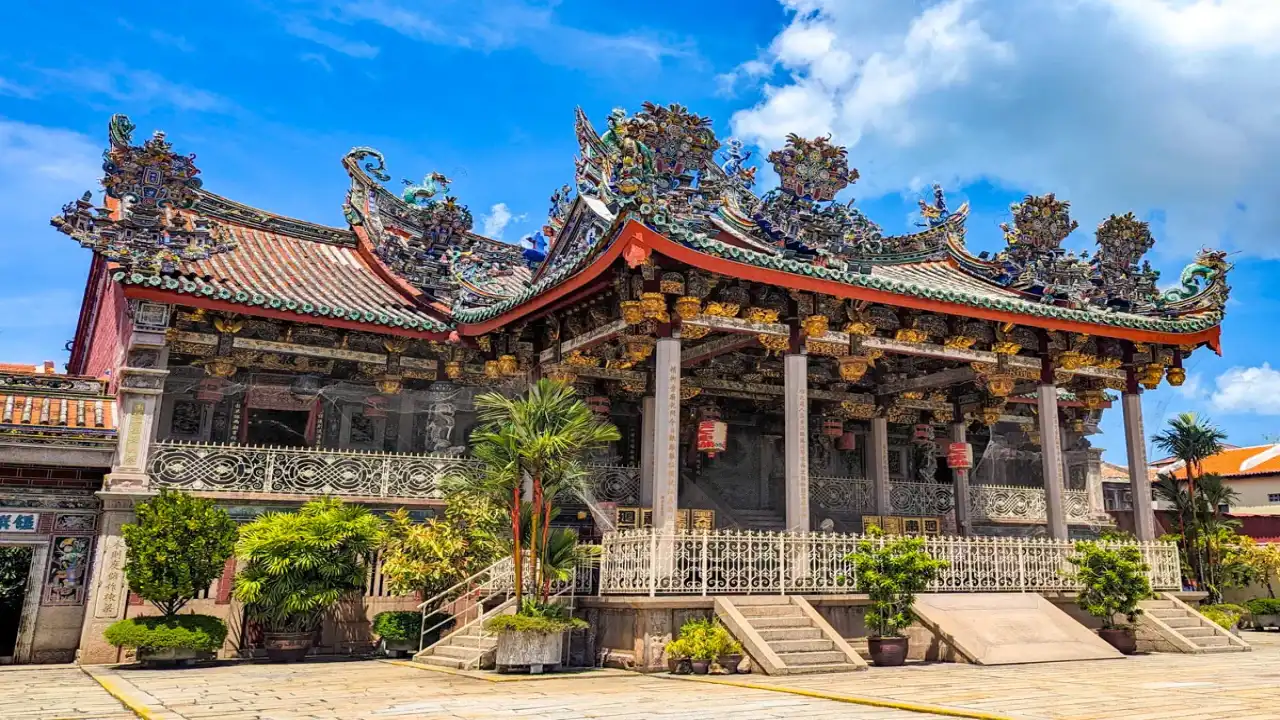
Leong San See does not advertise itself. Built in the traditional Fujian style, it feels like a preserved conversation between generations. Among temples in Singapore, it represents continuity. Nothing feels restored for display. Everything feels maintained for use.
Pro Tip: Visit mid-morning when locals arrive for quick prayers before daily routines.
Bright Hill Temple Complex: Space for Reflection
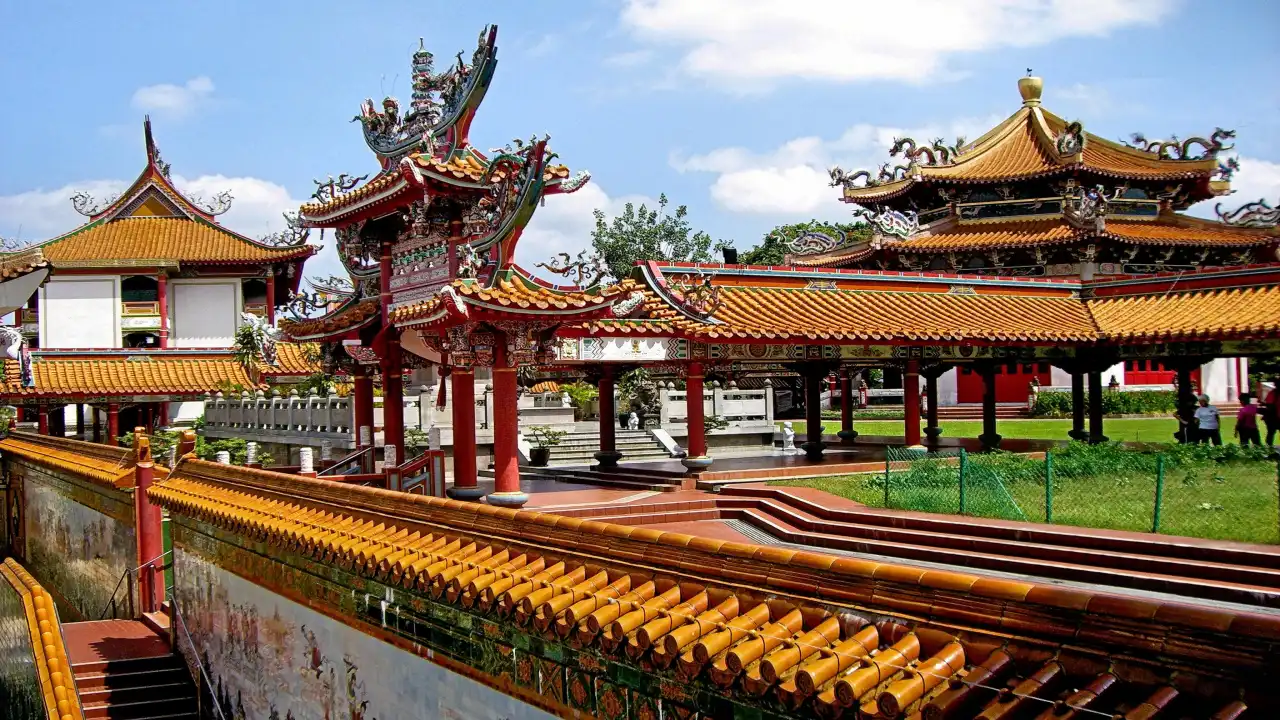
This temple complex near Bishan Cemetery surprises first-time visitors with its openness. The scale encourages walking, not rushing. Statues sit in conversation with the surrounding greenery. It challenges the idea that temples in Singapore are confined to dense urban pockets. Here, space itself becomes part of worship.
Pro Tip: Walk the outer paths before entering the main halls to ease into the atmosphere.
Sri Vadapathira Kaliamman Temple: Community at the Core
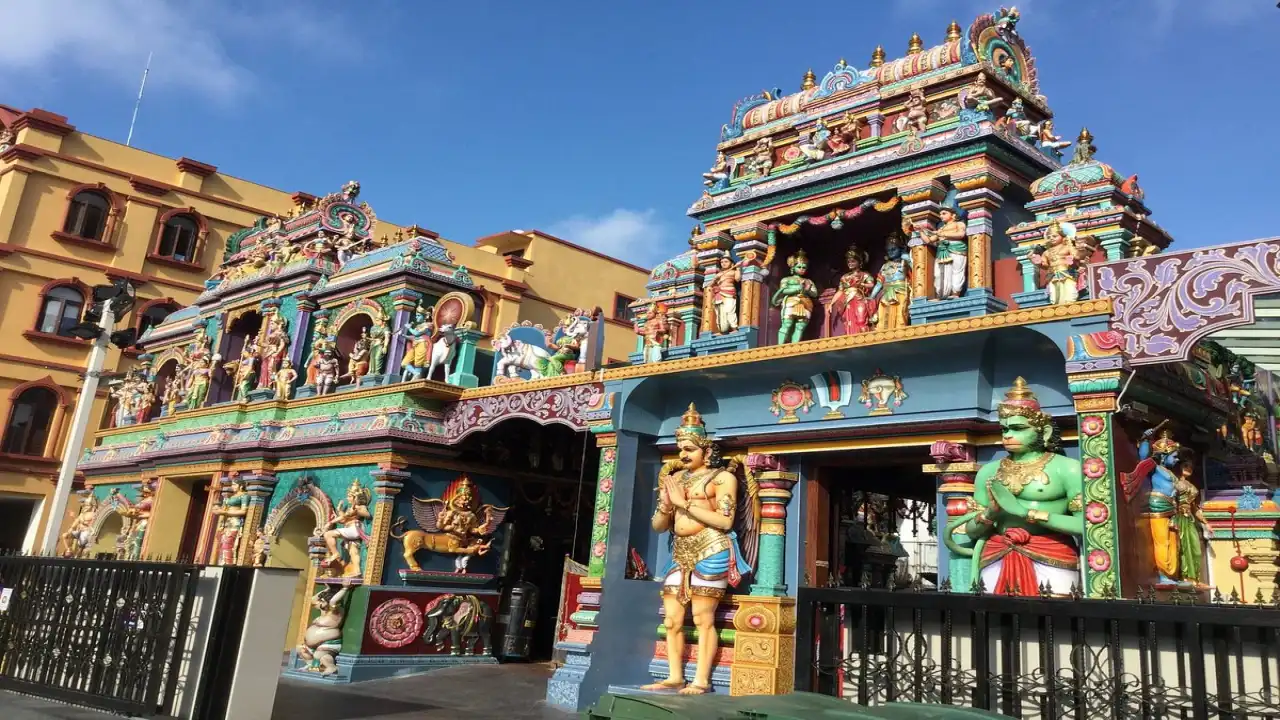
This temple operates like a neighbourhood anchor. Weddings, rituals, and daily prayers blend into one another seamlessly. It is one of those temples in Singapore where faith feels practical. You come with requests, gratitude, or simply habit.
Pro Tip: Attend during a community event to understand its social role.
Sakya Muni Buddha Gaya Temple Corners: Beyond the Reclining Buddha
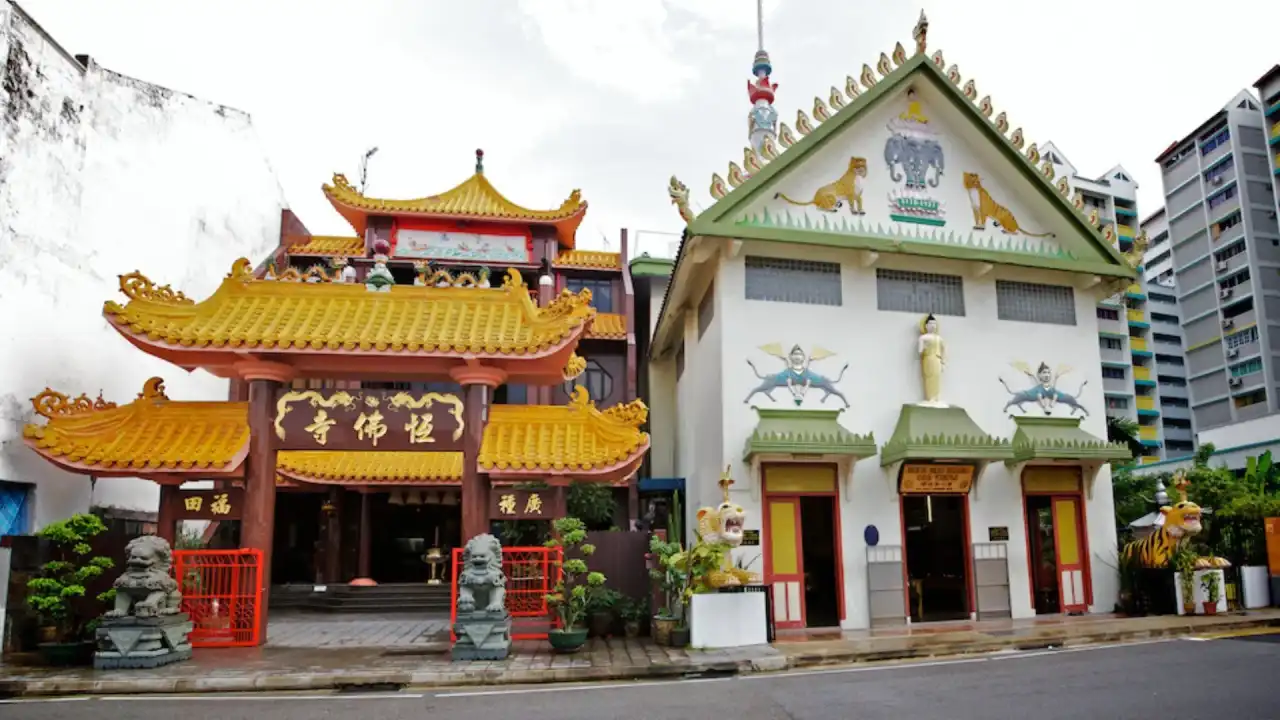
Most visitors stop at the main statue. Few explore the side halls and corners where smaller statues and prayer spaces exist. These quieter sections show how hidden temples in Singapore can exist within famous ones, unnoticed unless you linger.
Pro Tip: Spend time observing the smaller statues. They often hold different symbolic meanings.
How These Temples Fit Into a Thoughtful Singapore Visit
Singapore’s temples are not checklist items. There are pauses. When woven thoughtfully into a travel plan, they soften the pace of exploration. Travel Junky often frames such spaces as balance points rather than attractions. Understanding temples in Singapore means understanding how spirituality integrates with daily life here, not separate from it.
Pro Tip: Visit temples between other activities rather than grouping them all together.
Why These Temples Are Often Missed
Most travellers move through Singapore with precision. Routes are efficient, days are tightly planned, and attention is pulled toward landmarks that announce themselves clearly. Quiet temples do not compete in that environment. They ask for time rather than admiration. Many of these spaces sit inside residential areas, woven into daily routines, which makes them easy to overlook but deeply meaningful once noticed. Understanding temples in Singapore requires slowing down enough to notice what does not demand attention. This is where awareness matters more than itinerary.
Cultural Awareness That Enhances the Visit
- Remove footwear before entering the temple interiors. This signals respect and preserves the sanctity of the space.
- Keep voices low and movements unhurried, as temples in Singapore remain active places of worship throughout the day.
- Use cameras thoughtfully and avoid photographing individuals during prayer unless permission is clearly given.
- Dress modestly, with shoulders and knees covered, especially during prayer hours and festivals.
- Pause briefly before entering inner sanctums. A moment of stillness often communicates respect better than words.
Conclusion
Singapore’s lesser-known temples are not about grand entrances or iconic skylines. They are about presence. About faith practised daily, quietly, and with intention. Exploring temples in Singapore beyond the obvious reveals a city grounded not just in efficiency, but in devotion, memory, and continuity. With its attentive approach to travel storytelling, Travel Junky often highlights these softer spaces because they reveal what guidebooks rarely capture. In these temples, Singapore speaks in a lower voice, and for those willing to listen, it says something lasting.