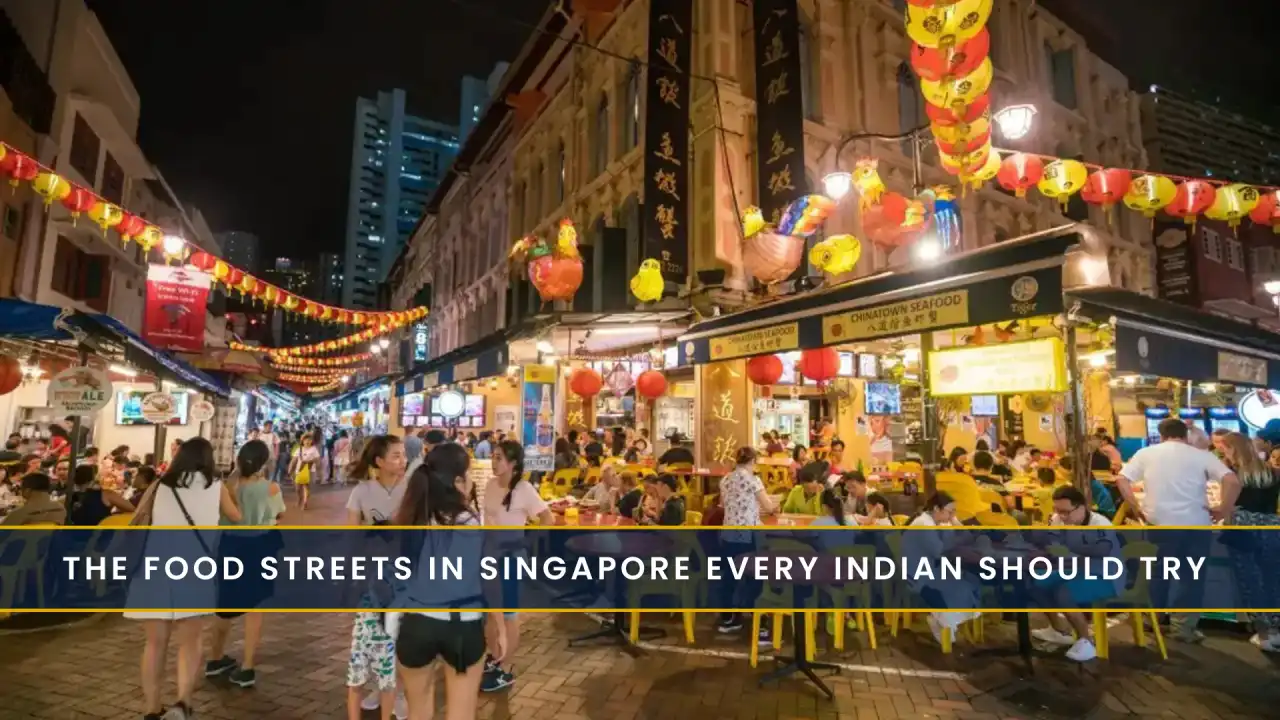
The Food Streets in Singapore Every Indian Should Try
Introduction
Singapore may look small on a map, but once you land there, especially if food matters to you, it feels surprisingly big. For many Indians visiting for the first time, food becomes the easiest way to settle in. New country, new systems, different pace of life but then you smell familiar spices or see flatbreads on a hot pan, and suddenly things don’t feel so unfamiliar anymore. That’s why exploring food streets Singapore style is not just about eating. It’s about comfort. It’s about finding places where you don’t overthink the menu, where prices don’t shock you, and where meals quietly turn into moments you remember later.
These food streets are not about fancy dining. No white tablecloths. No awkward silence. They’re busy, often loud, sometimes messy, and very much alive. Office workers rush in during lunch breaks, families crowd around shared tables, and travelers stand staring at menus for a minute too long before finally ordering something and smiling after the first bite. This guide is for Indians who want to eat without stress in Singapore, whether it’s your first visit or one of many. No big promises. Just practical, lived-in advice.
Why Indians Feel at Home on Singapore’s Food Streets
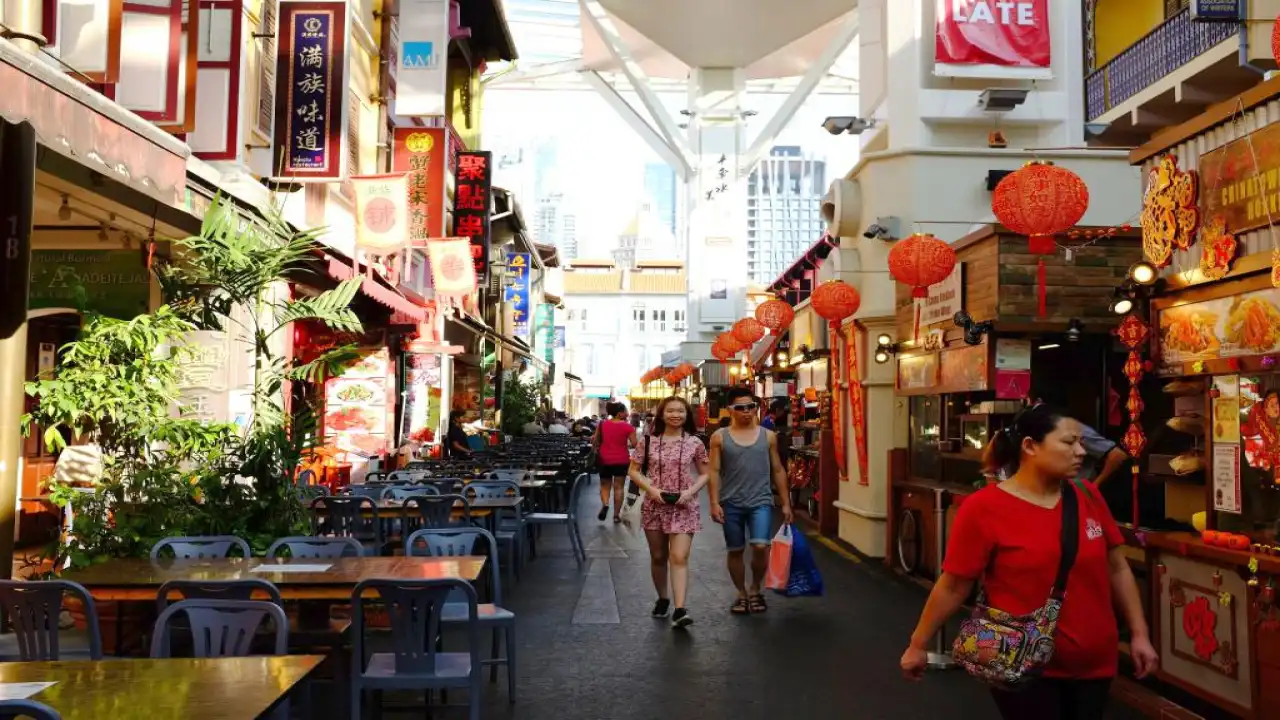
There are a few simple reasons why Singapore’s food culture works so well for Indian travelers. For starters, spices aren’t treated like strangers here. Indian, Malay, Chinese, and Middle Eastern flavors sit side by side without trying too hard to impress anyone. Vegetarian food isn’t an afterthought either; it’s clearly marked, taken seriously, and easy to find. And the setting itself is relaxed. You don’t need reservations, special clothes, or a plan worked out days in advance. Most importantly, nobody rushes you. You order, sit down, eat at your own pace, talk, maybe people-watch a little, and then leave. No one pushes you out. No one stares.
Pro Tip: If you’re confused about what to order, just ask. Stall owners deal with visitors every day and usually explain things without impatience.
Little India – The Most Familiar Stop
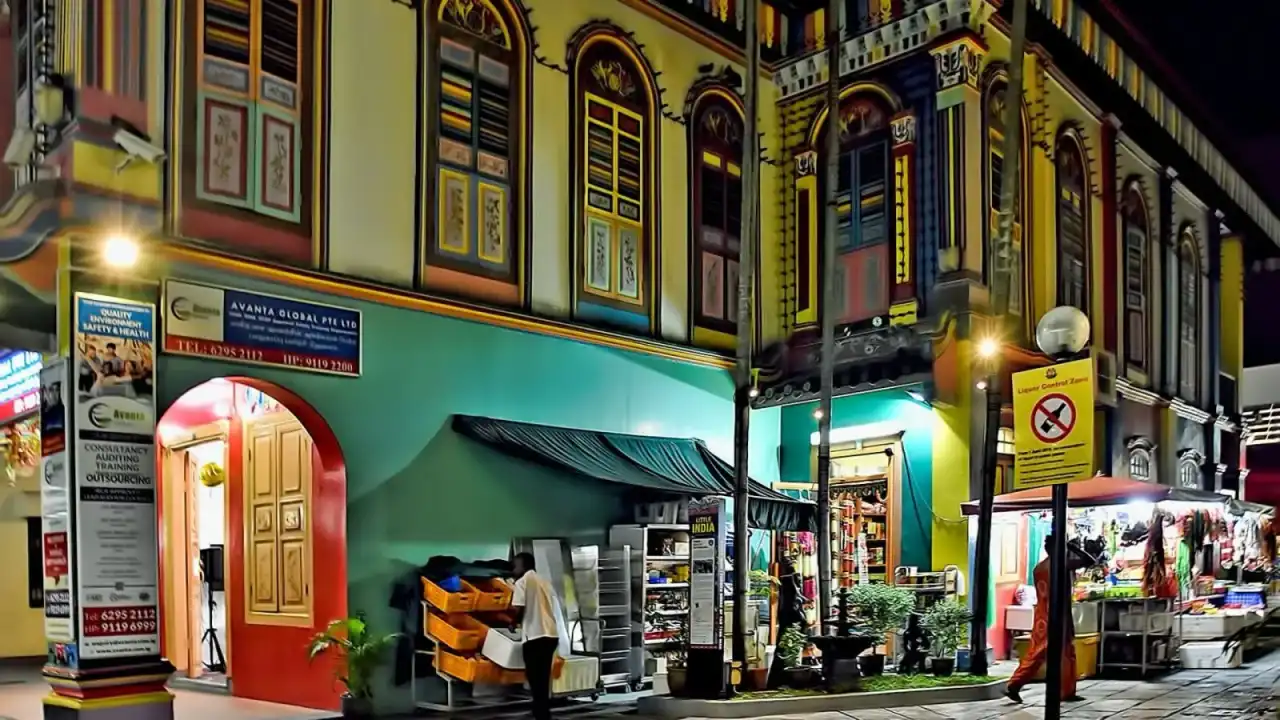
If Singapore had a place that feels instantly familiar to Indians, it would be Little India. Step out of the MRT and it hits you right away: the smell of incense, frying snacks, and strong spices in the air. It’s busy, yes, but comforting too. Like walking through an Indian market, only cleaner and more orderly.
What to Eat Here
Little India doesn’t stick to one region. You’ll find food from all over India.
- South Indian meals with dosa, idli, vada, and filter coffee
- North Indian thalis with roti, dal, paneer, and sabzi
- Street snacks like samosas, chaat, and pakoras
- Sweet shops stacked with jalebi, laddu, and barfi
Where the Food Streets Are
- Serangoon Road: Packed with casual eateries and sweet shops
- Tekka Centre: A food court-style space mixing Indian, Malay, and Chinese stalls
Tekka Centre works especially well if everyone in your group wants something different. Nobody feels left out.
Pro Tip: Don’t eat before coming here. Portions are generous, and you’ll want to try more than one place anyway.
Tekka Centre – Affordable and Honest Food
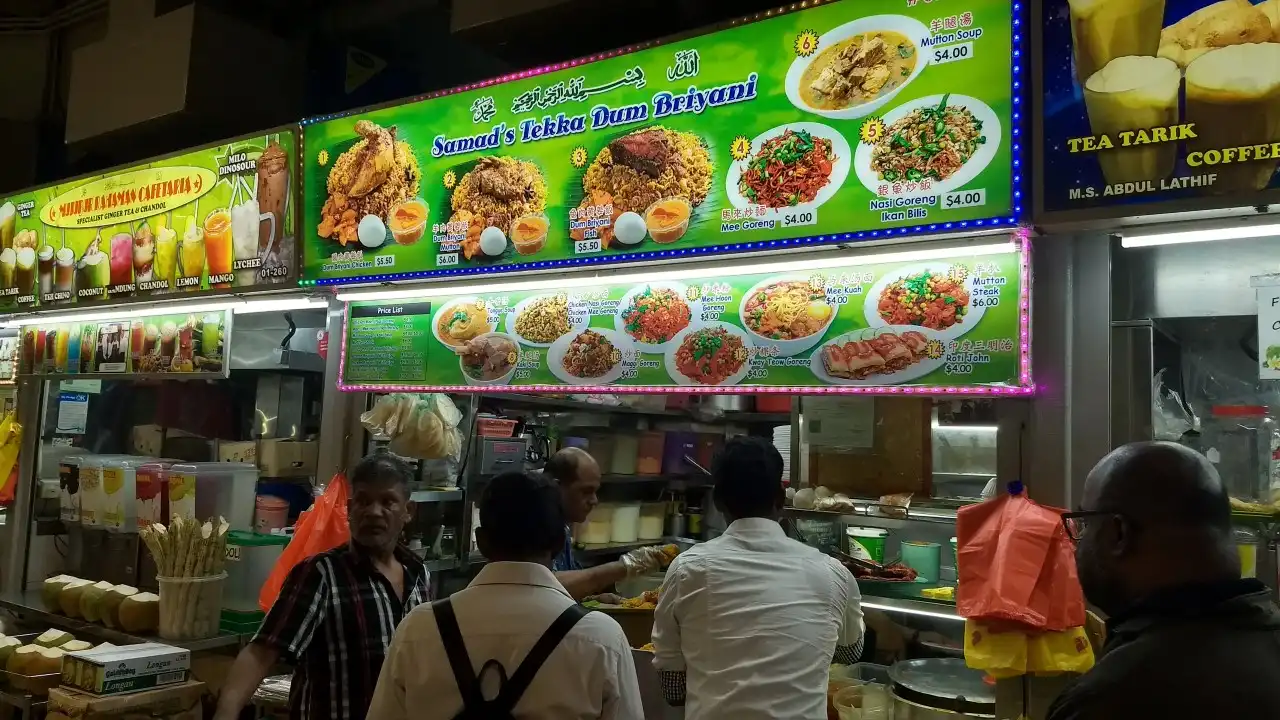
Tekka Centre deserves special mention because many Indian travelers don’t just visit once they come back. It isn’t stylish. It isn’t quiet. But the food is dependable, which matters more. This is everyday food. The kind locals eat during lunch breaks or after work. Rice plates, simple curries, fresh rotis, and strong tea that actually wakes you up.
Why Indians Like Tekka Centre
- Vegetarian stalls are easy to spot
- Prices stay reasonable
- Flavors feel familiar, not over-fused
You can eat properly here without worrying about your budget taking a hit.
Pro Tip: Lunch hours show the real energy of the place, but go a bit early if you hate standing in lines.
Chinatown Complex – More Than Just Chinese Food
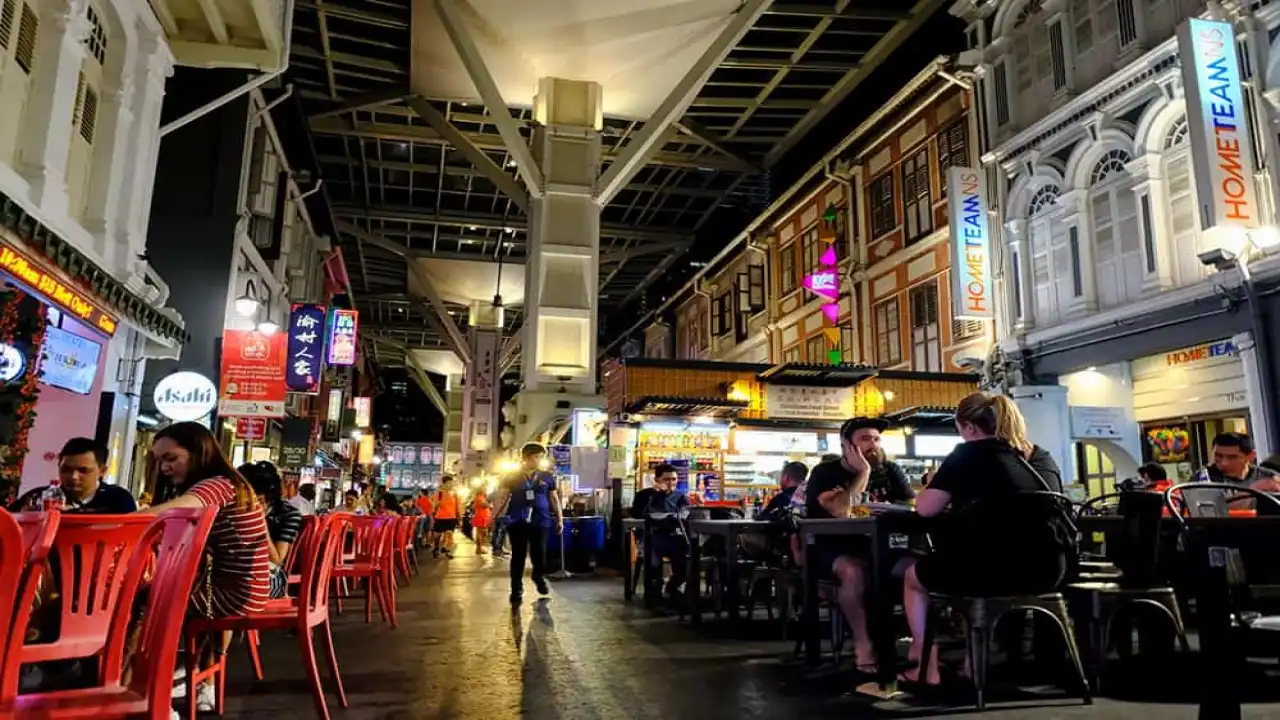
At first glance, Chinatown doesn’t scream “Indian food destination.” But the Chinatown Complex Food Centre surprises a lot of people. Mixed in with Chinese stalls, you’ll find Indian Muslim food, vegetarian Indian options, and even South Indian breakfast dishes if you look around.
What Works Well Here
- Indian Muslim stalls selling biryani and murtabak
- Vegetarian rice meals with different curries
- Fresh juices and simple desserts
There’s plenty of seating, which makes it comfortable for families or larger groups.
It often shows up in discussions about the best food streets Singapore offers, mostly because of its range and value.
Pro Tip: Carry some cash. Not every stall is fully card-friendly.
Kampong Glam – Indian Muslim Comfort Food
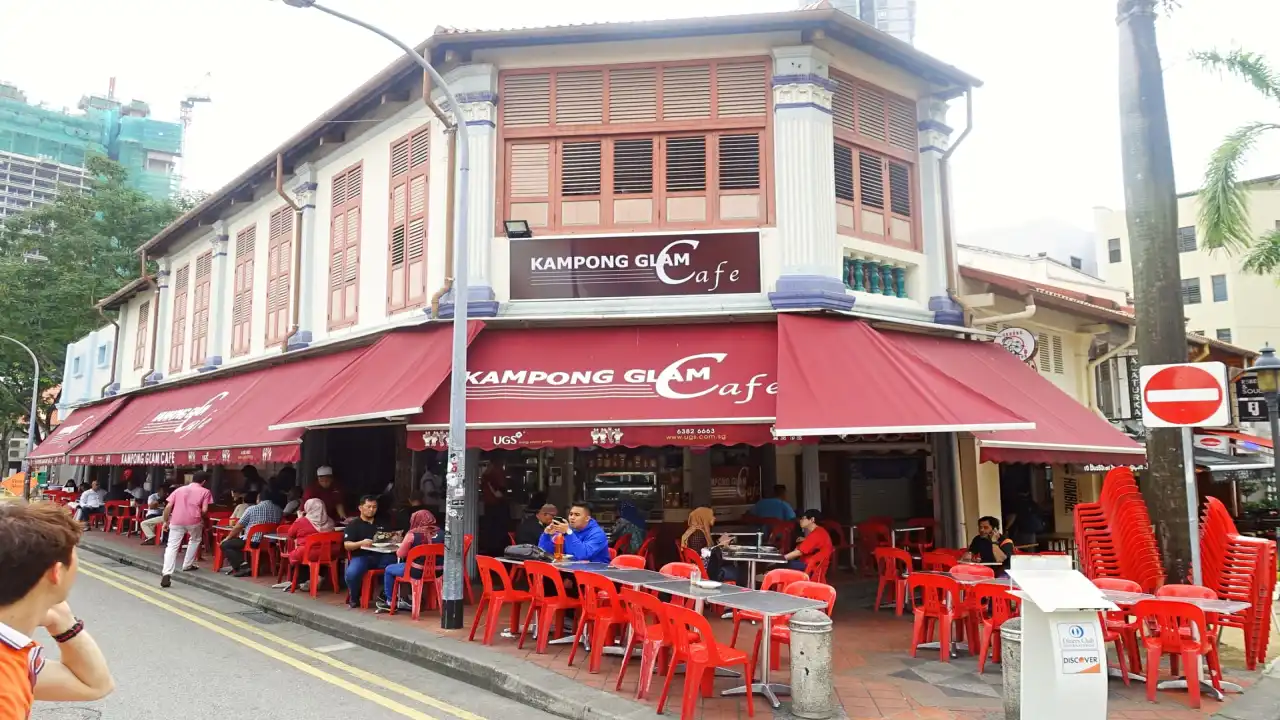
Kampong Glam feels calmer compared to some other areas. Known for its mosque, fabric shops, and relaxed streets, the food here leans strongly toward Indian Muslim and Middle Eastern styles. This area works well if you prefer rich gravies, grilled dishes, and spices that don’t overpower.
Must-Try Foods
- Murtabak (stuffed flatbread)
- Briyani with fragrant rice
- Teh tarik (pulled milk tea)
Many places stay open late, making this a good dinner stop after sightseeing.
Pro Tip: Dishes are fulfilling. Start small and order more only if you’re still hungry.
Lau Pa Sat – Famous and Easy to Access
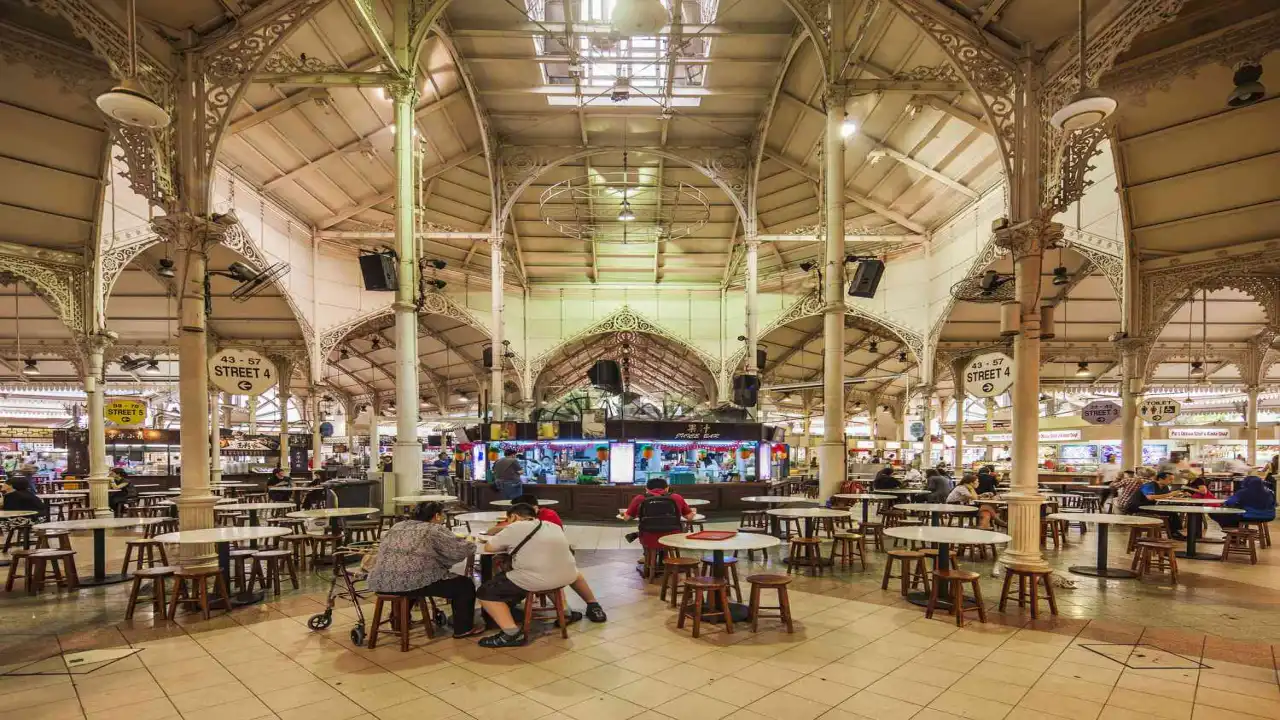
Lau Pa Sat is one of those places most visitors end up at least once. It’s centrally located and easy to reach, especially after a long day out. It’s more tourist-friendly, yes, but there are still decent Indian options available.
What Indians Usually Enjoy
- Curries with rice or roti
- Simple vegetarian vegetable dishes
- Fresh fruit juices
Prices run slightly higher than neighborhood food streets, but the convenience makes up for it.
Pro Tip: Visit in the evening when the lights come on and the place feels more lively.
Geylang Serai – Malay Influence with Indian Touch
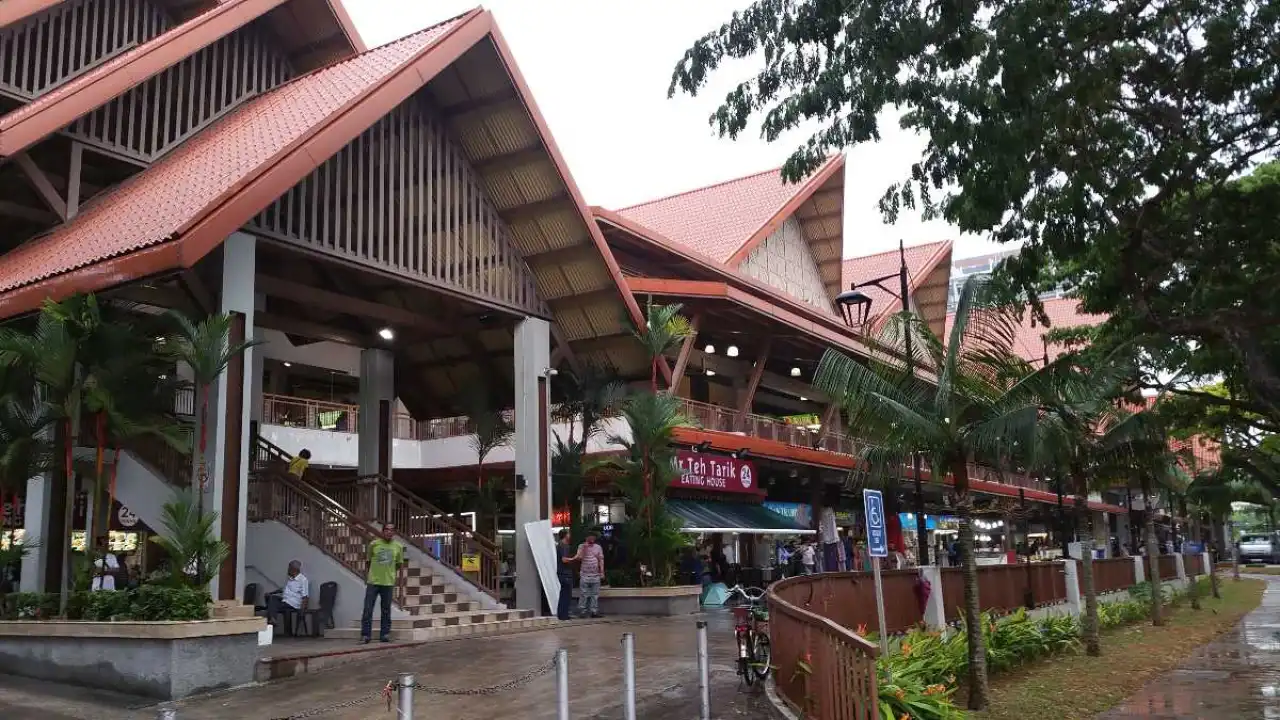
Geylang Serai doesn’t always appear on first-time itineraries, but Indians who explore it usually talk about it later. The food here leans Malay, yet many dishes feel familiar because the spices and cooking styles overlap with Indian food.
Good Choices for Indians
- Rice meals with coconut-based curries
- Grilled fish and vegetables
- Light snacks and desserts
It’s often mentioned when people talk about Singapore food streets for Indians, especially for travelers open to trying something slightly different without feeling lost.
Pro Tip: If you enjoy heat in your food, this area delivers. Still, ask about spice levels if needed.
Hawker Centres – How to Order Without Stress
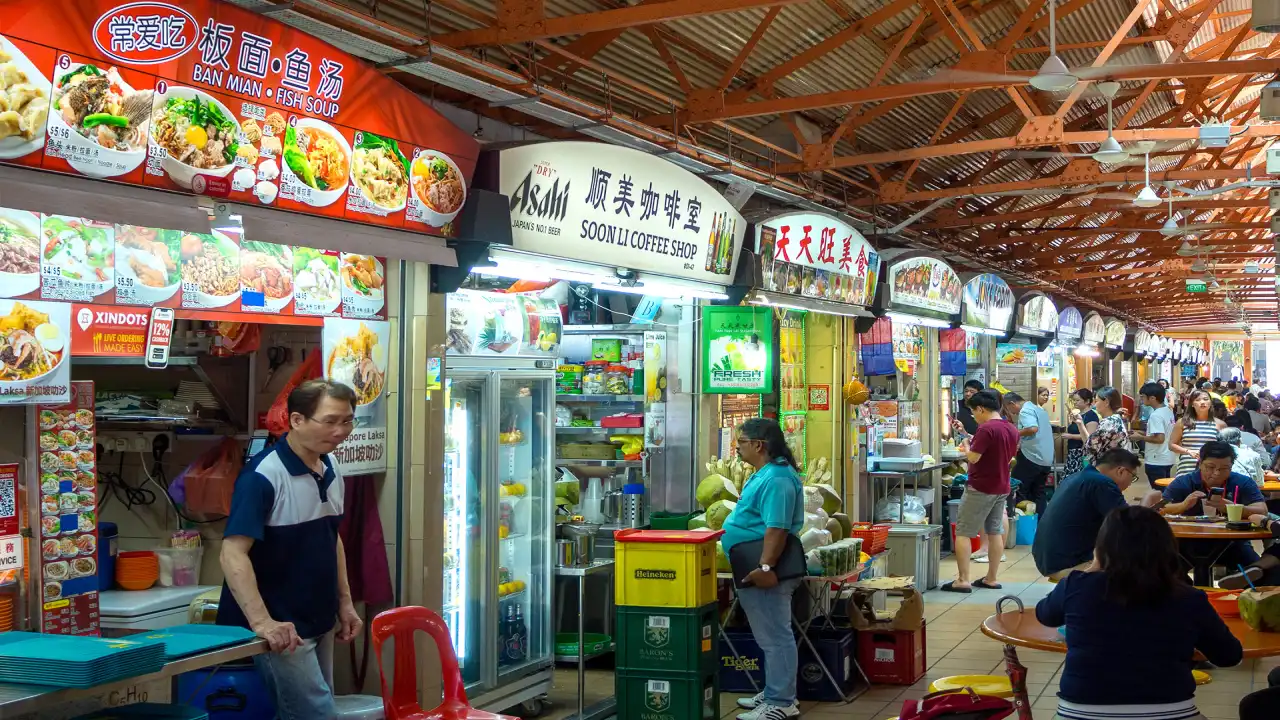
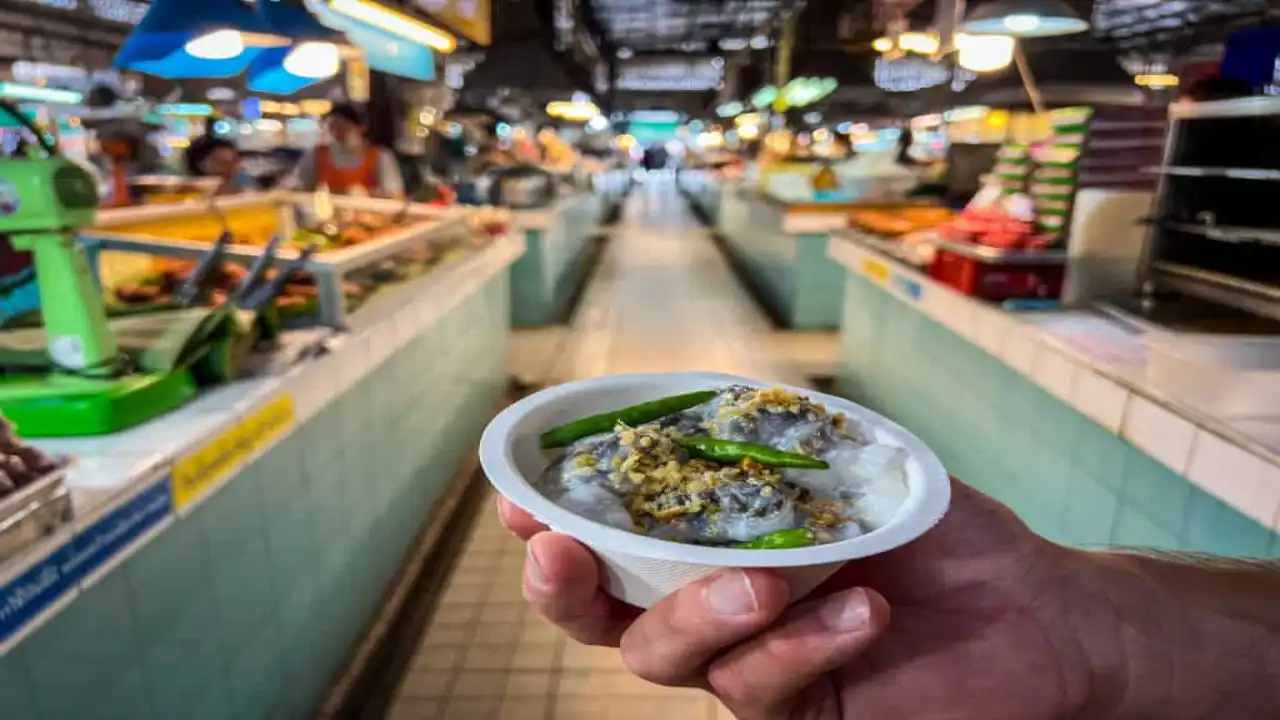
Food streets in Singapore usually mean hawker centres. For first-time visitors, ordering can feel confusing, but it’s simpler than it looks.
Simple Ordering Steps
- Walk around once before choosing
- Check if the stall is vegetarian or non-vegetarian
- Point at the dish if words fail
- Pay first, then wait
Pictures or display plates are common, so you’re rarely guessing.
Pro Tip: Pronunciation doesn’t matter. Pointing and smiling work just fine.
Vegetarian Travelers – You’re Well Covered
Singapore is one of the easiest destinations for Indian vegetarians. Dedicated vegetarian stalls are common, especially in Little India and the Tekka areas.
Common Vegetarian Dishes
- Vegetable curries with rice
- Dosa and idli sets
- Stir-fried vegetable noodles
Look for clear “Vegetarian” signs before ordering.
Pro Tip: If you avoid onions or garlic, ask politely. Some stalls are flexible.
Eating with Family – What to Keep in Mind
Traveling with parents or children? Food streets still work well.
Why They’re Family-Friendly
- Flexible seating
- Mild food options are available
- Quick service
Some families prefer mall food courts for air-conditioning and quieter spaces.
This is where planning a Singapore family package helps, since schedules usually include food breaks that suit all ages.
Pro Tip: Carry wet wipes and water bottles, especially with kids.
Hygiene and Safety – What Indians Should Know
One reason food streets work so well in Singapore is cleanliness. Standards are high, and rules are strict.
What You’ll Notice
- Clean tables and floors
- Staff wearing gloves or uniforms
- Clear food handling practices
You can eat without constantly worrying about hygiene.
Pro Tip: Follow the crowd. Busy stalls usually mean fresh food.
Budget Planning for Food Streets
Food streets help keep daily expenses under control.
Average Costs
- Breakfast: Low
- Lunch: Reasonable
- Dinner: Moderate, depending on location
Even on short trips booked through International Packages, eating this way keeps costs balanced.
Pro Tip: Share dishes. You save money and taste more things.
A Sample One-Day Food Street Route
If you want to plan a food-focused day, here’s a simple route.
- Morning: Tekka Centre for breakfast
- Afternoon: Chinatown Complex for lunch
- Evening: Kampong Glam for dinner
It’s varied and doesn’t require long travel gaps.
Conclusion
Food streets in Singapore take the pressure out of eating. You don’t need perfect planning or deep knowledge. You just walk, smell something good, and follow instinct. For Indian travelers, that ease matters. These places offer comfort when you miss home and small surprises when you want something new. Whether your trip is short or long, these food streets often become the memories you talk about later. Eat slowly. Try things without overthinking. And don’t worry about doing it “right.” In Singapore, food has a quiet way of making you feel welcome.