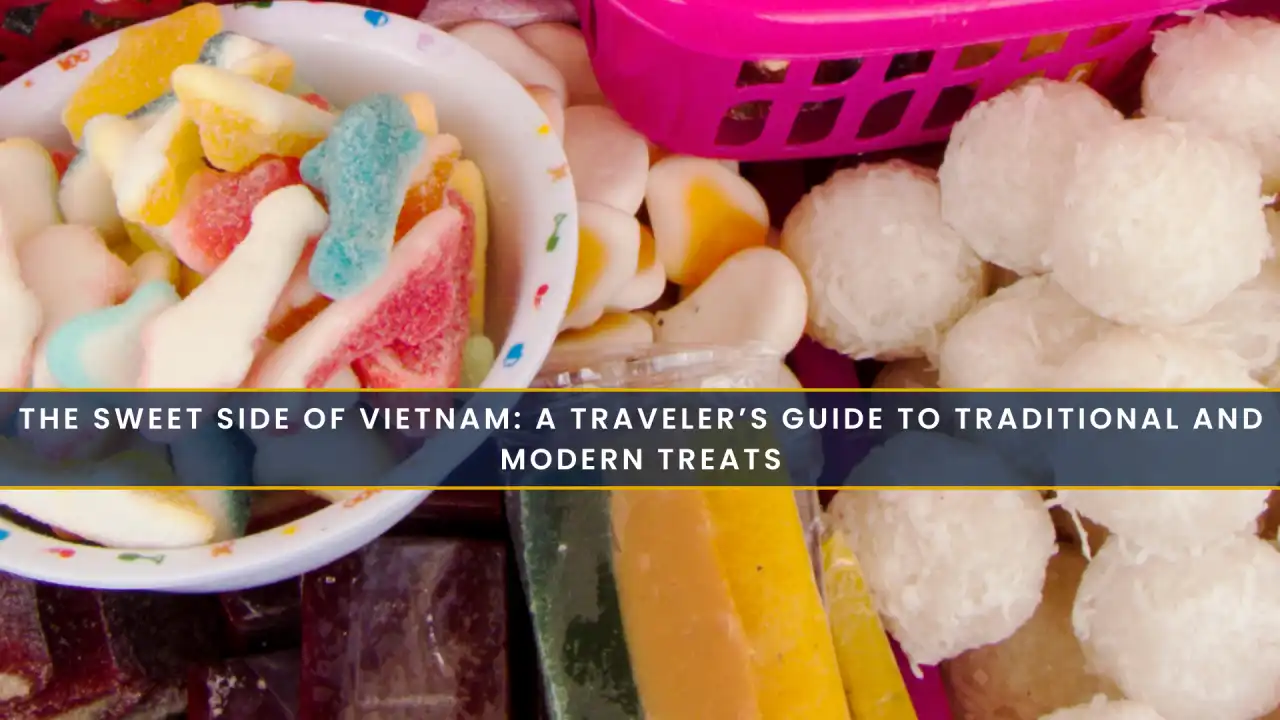
The Sweet Side of Vietnam: A Traveller's Guide to Traditional and Modern Treats
Introduction
Vietnamese food always throws you a curveball. You think of pho, banh mi, and sizzling street grills, but wander through night markets or tiny alleys and suddenly you’re in the dessert world, bright, messy, a little weird, and way more refreshing than you expected. Vietnam doesn’t really do dessert as the West does; here, it shows up anytime, anywhere, not just at the end of a meal. There’s no “save room for dessert” moment because sweets show up whenever they feel like it as an afternoon pick-me-up, a cold escape from the heat, or a bowl of something warm when rain starts tapping on the rooftops.
If you’re on a Vietnam tour package, you’ll start noticing real quick how every region has its own “dessert personality,” like each place is quietly showing off. It’s one of those things you never plan for, but somehow sticks in your head more than half the big attractions. This guide takes you through the whole sweet world of Vietnamese desserts, where they came from, what to try first, the street treats locals swear by, and the trendy new twists popping up. Think of it like following a friend who won’t stop talking about food, in that fun, can’t-look-away kind of way.
History of Vietnamese Desserts
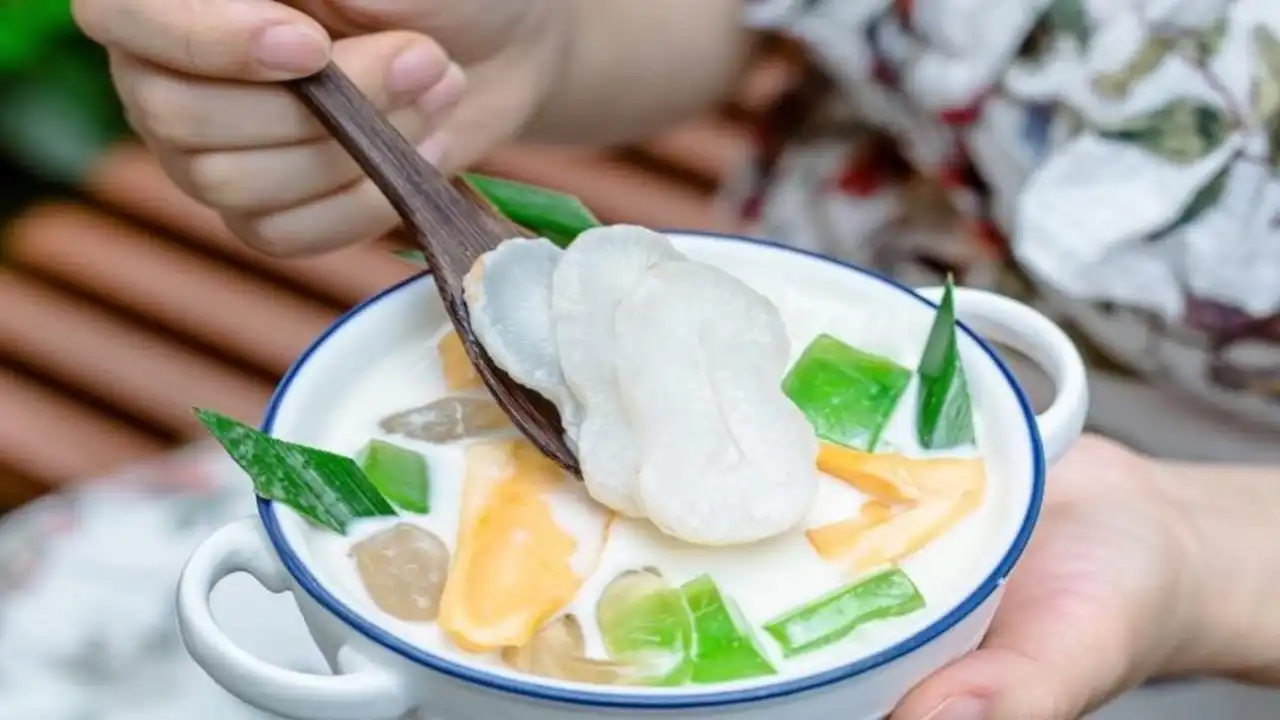
Vietnam’s sweets didn’t just appear one day. They slowly evolved out of what people had around them and the cultures they crossed paths with.
1. Built From What Grows Nearby
For ages, Vietnam relied on whatever nature handed over:
- Rice (in every form you can imagine)
- Coconut
- Mung, red, and black beans
- Palm sugar
- Pandan leaves
- A whole parade of fruits: bananas, mangoes, jackfruit, lychee
Because these ingredients were everywhere, early desserts leaned heavily on them. Coconut milk became the default “cream,” rice turned into flour, flour shaped into bites of all kinds, and beans, well, beans somehow made their way into the sweetest dishes you’ll ever try.
2. A Mix of Outside Influences
Vietnam has always been a crossroads:
- China brought bean-based sweets and herbal jellies.
- The French introduced flans, custards, and baking methods.
- Neighbors like Thailand and Cambodia inspired some fruity ice desserts.
Vietnam didn’t copy them directly. Instead, everything got “local-ized” with coconut milk, pandan, or rice flour until it felt uniquely Vietnamese.
3. Part of Everyday Life
Unlike in the West, nobody in Vietnam sits around waiting for dessert to show up at the end of a meal. People just eat it whenever life feels like it needs something sweet. Office people grab a cold cup of something after work, students buy whatever wobbly or icy snack they can find near the school gate, and families huddle over warm dessert soups when the rain starts knocking. It’s not really a “treat” here, more like a small comfort that’s been passed down quietly from grandparents to grandkids.
Must-Try Desserts
If you’re only in Vietnam for a short while, there are a few sweets you really shouldn’t skip. These are the ones people end up thinking about on the flight home, wondering why they didn’t eat more of them.
1. Che Ba Mau (Three-Color Dessert)
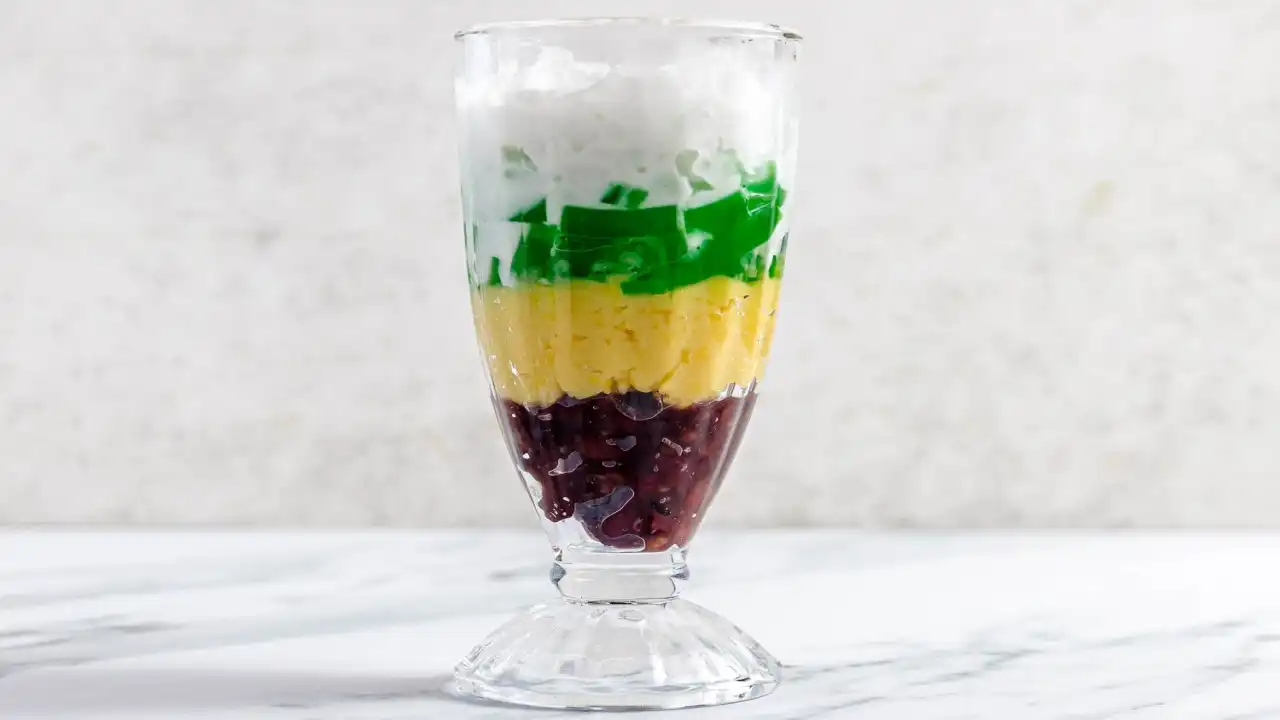
A tall glass stacked with red beans, mung beans, green jelly, coconut milk, and ice. It looks like something made for fun, and honestly, it tastes just as refreshing as it looks.
2. Banh Flan (Vietnamese Caramel Pudding)
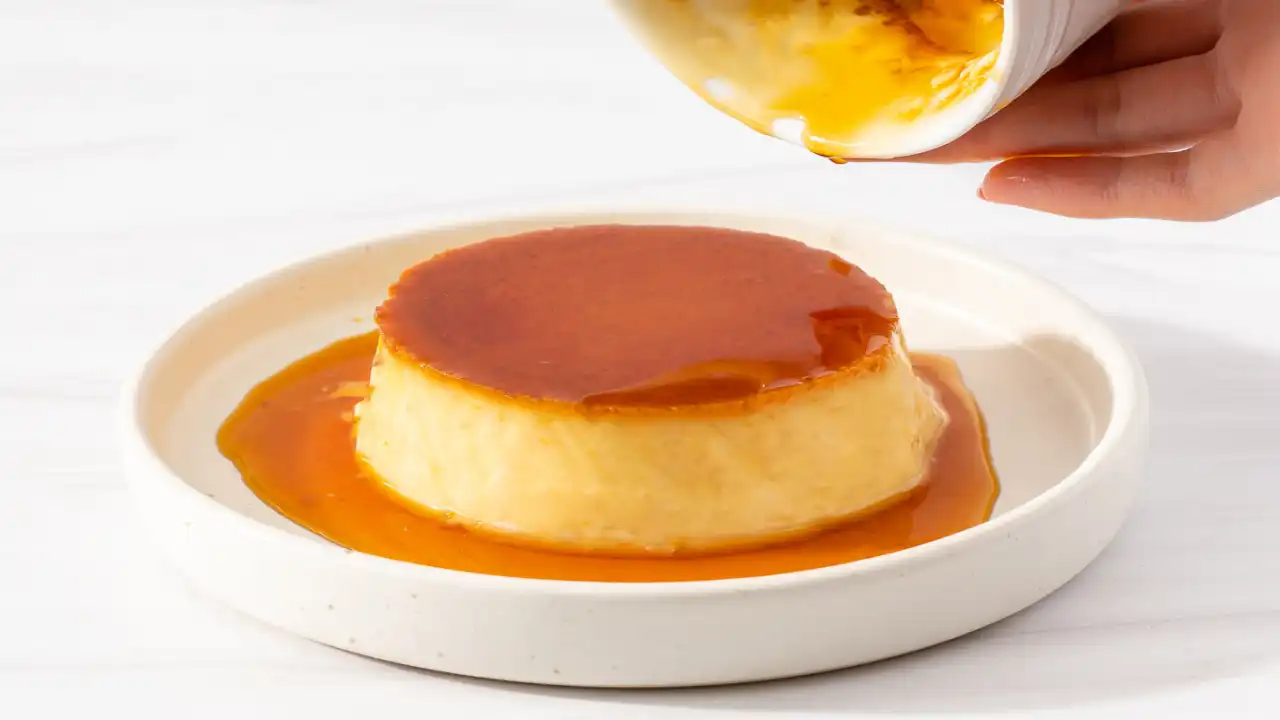
French roots, Vietnamese soul. It’s this soft, creamy flan usually dropped over crushed ice, and sometimes they’ll pour strong coffee right on top. Weird combo on paper, but somehow it works.
3. Che Troi Nuoc
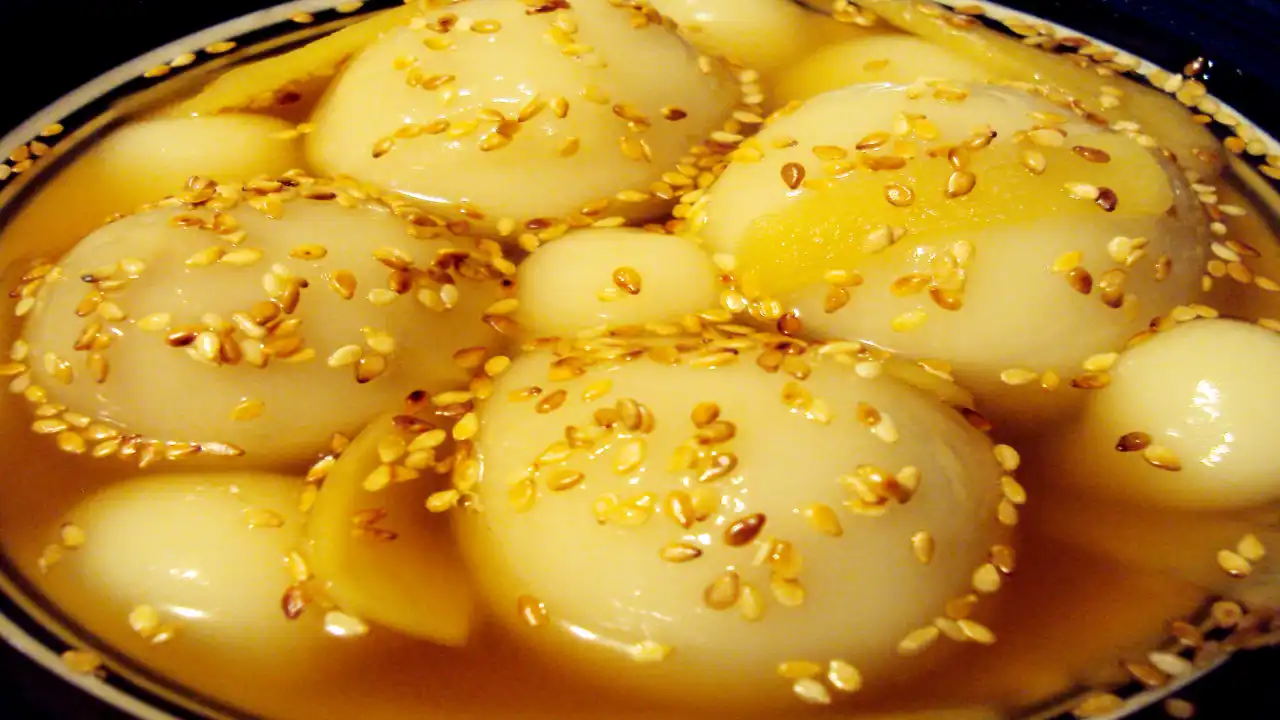
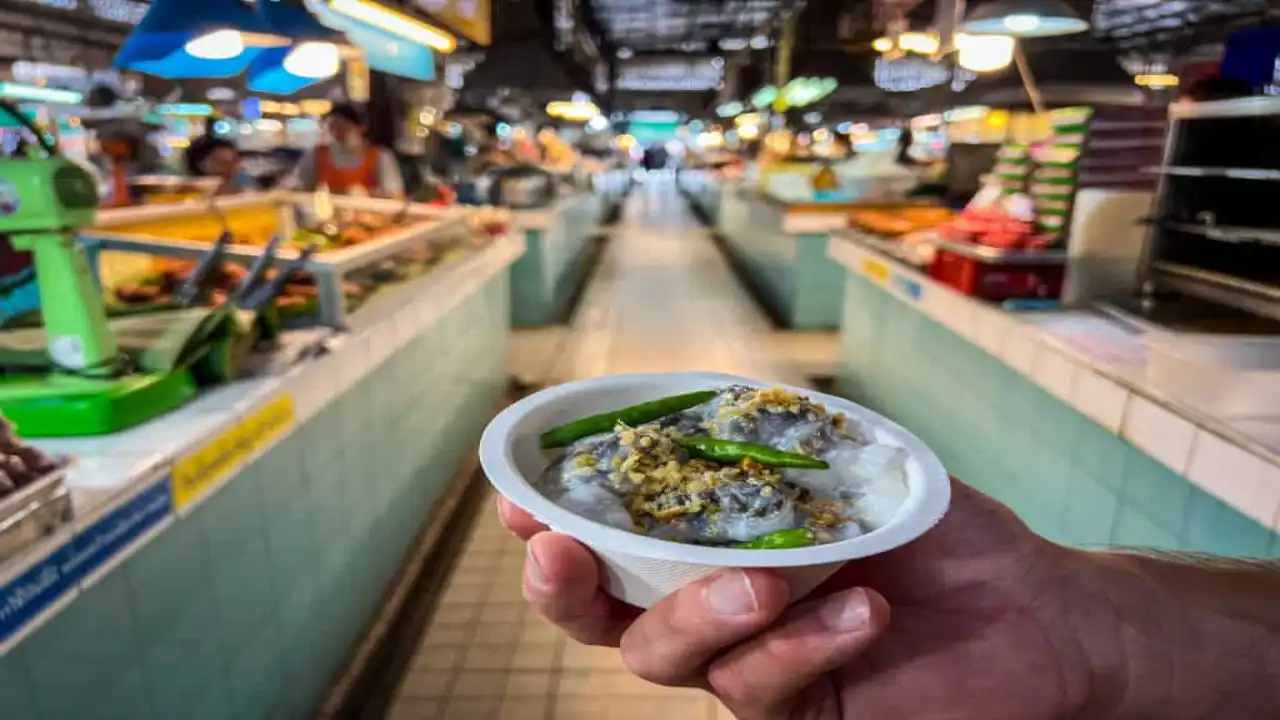
Warm, chewy rice balls stuffed with mung bean paste, floating in ginger syrup. It feels like someone handed you a tiny bowl of comfort.
4. Xoi Xeo (Sticky Rice With Mung Bean)
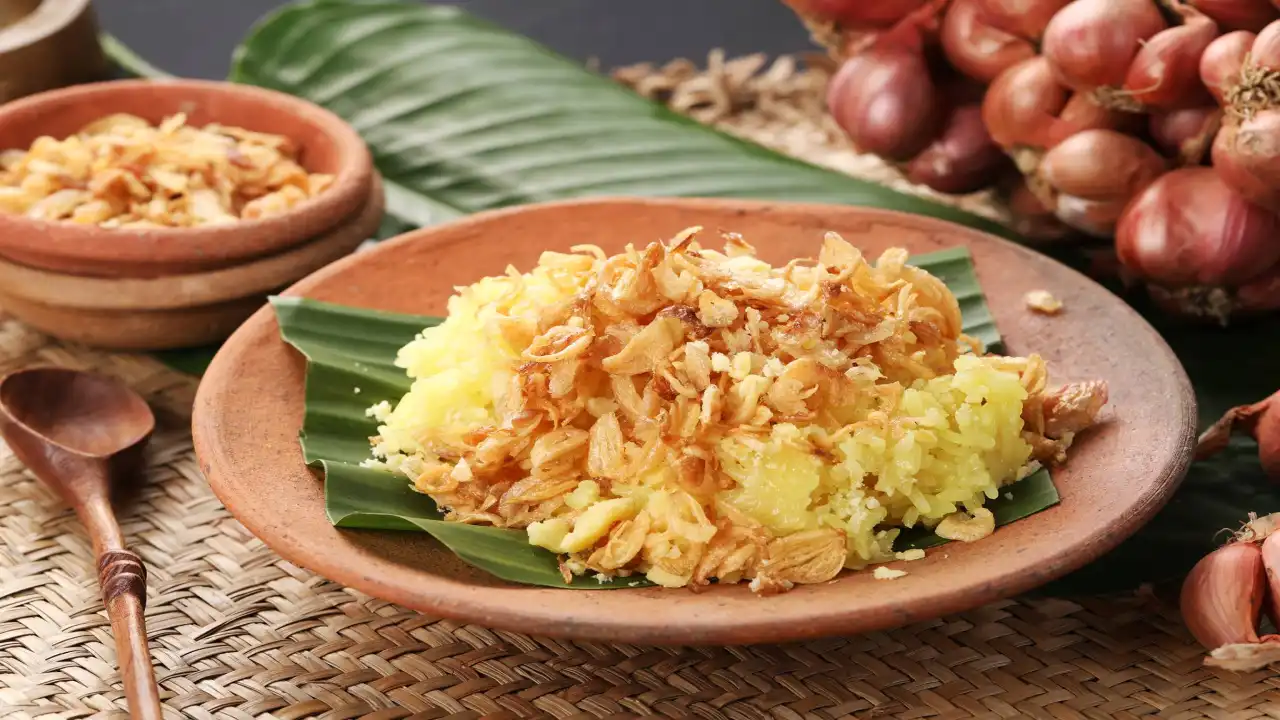
Not officially labeled “dessert,” but locals eat it like one. Sticky rice mixed with mung bean and fried shallots is a sweet-savory combo that grows on you fast.
5. Chuoi Nuong (Grilled Banana Sticky Rice Cake)
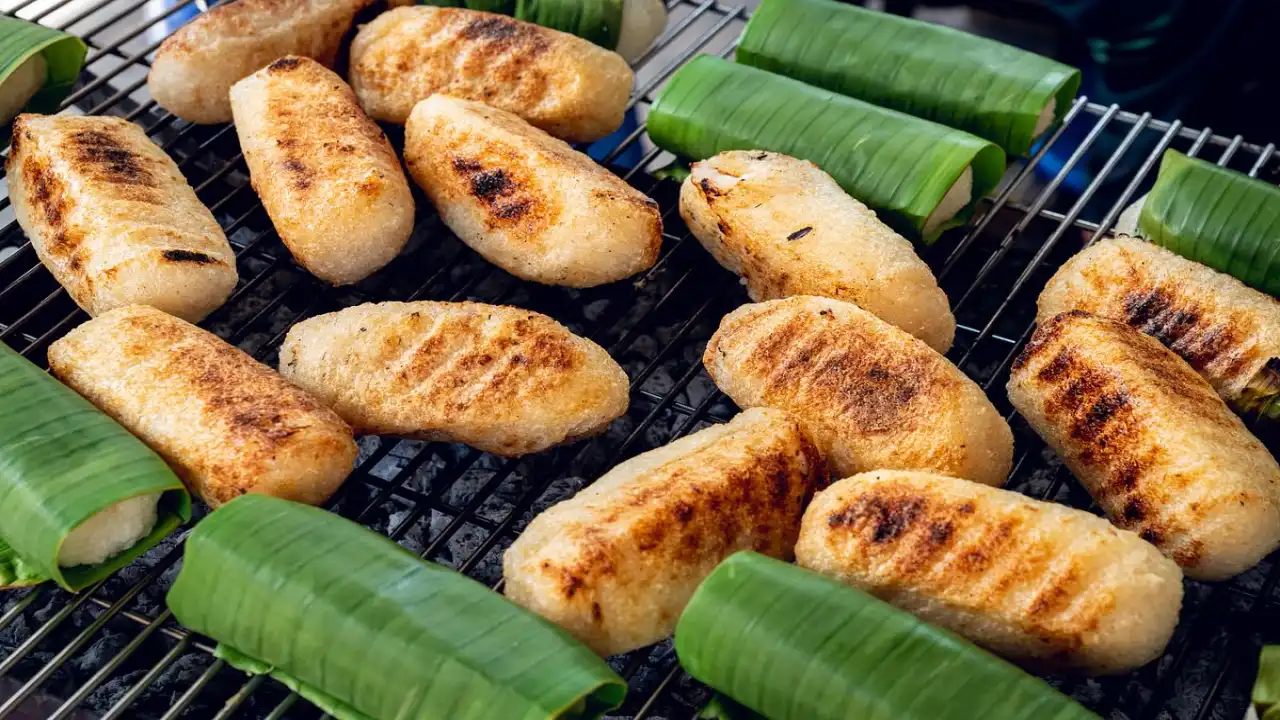
Banana squished inside sticky rice, grilled till it smells smoky and amazing, then drowned in coconut sauce. Usually found at those tiny street setups you almost walk past.
6. Kem Dua (Coconut Ice Cream)
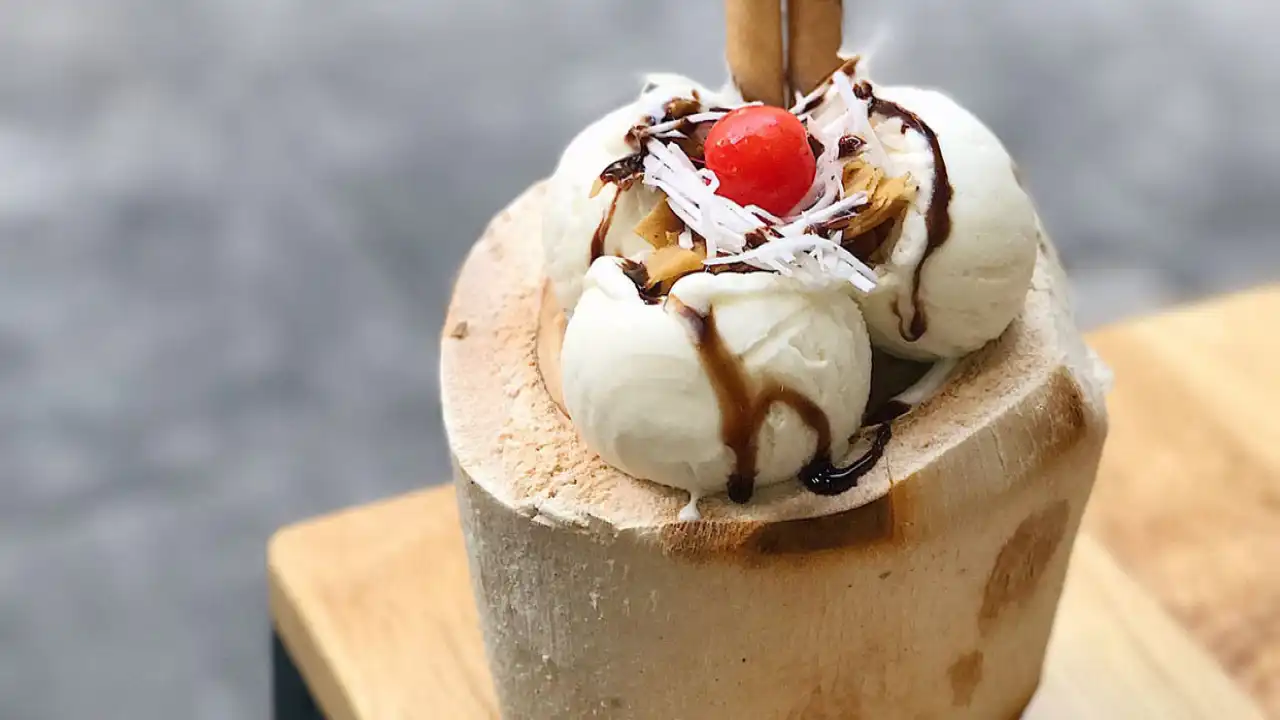
Ice cream served right inside a little coconut shell, usually topped with peanuts, some crunchy bits, and sometimes a scoop of sticky rice if you’re lucky.
7. Che Thai
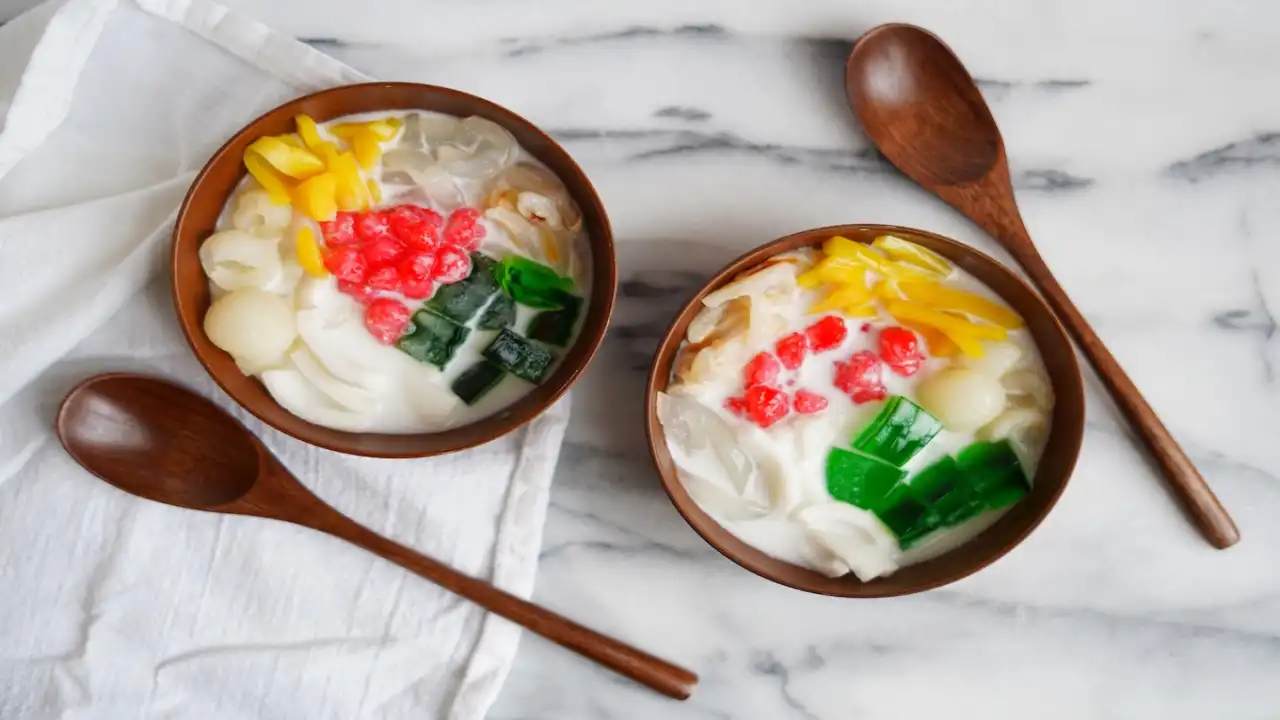
Fruit, jelly, sweet milk. Originally Thai, now completely Vietnamese in personality.
8. Rau Cau Dua (Coconut Jelly)
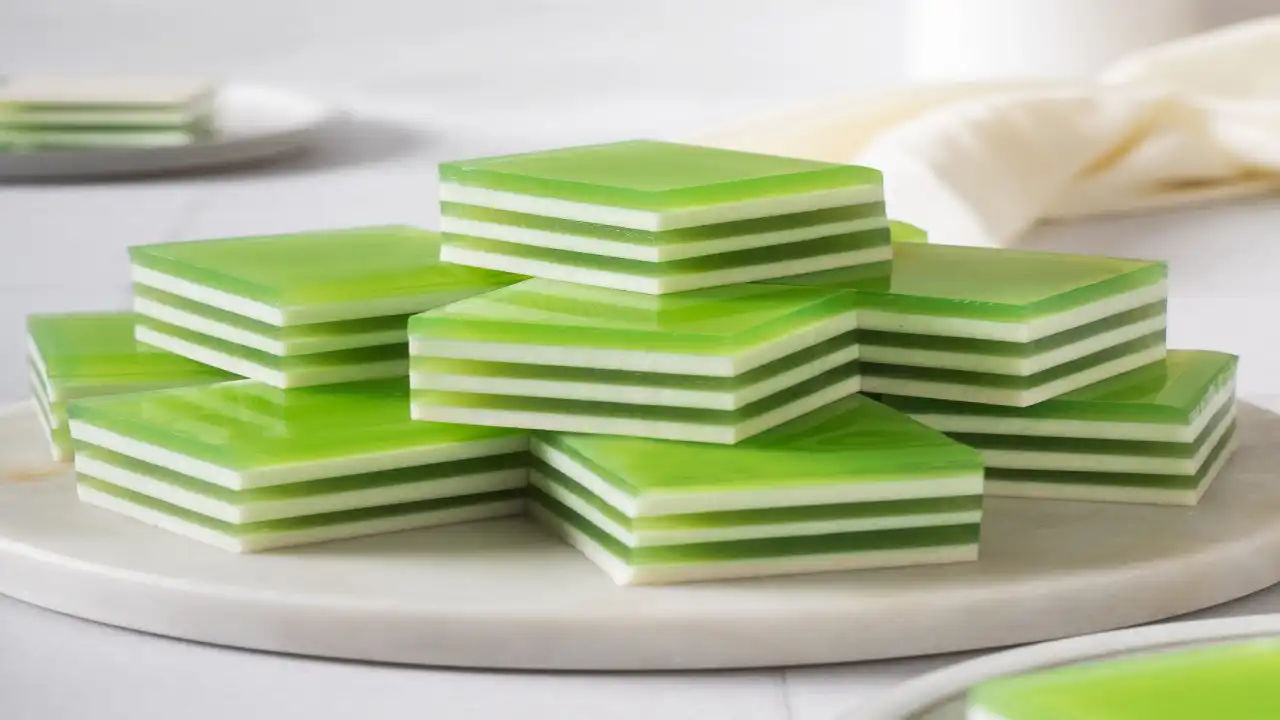
Beautiful two-layer jelly, clear on top, creamy coconut below. Light and refreshing.
Try five or six of these and you’ll start to understand the rhythm of Vietnamese dessert culture.
Street Desserts
Vietnam’s true charm appears in its street food, especially desserts. From small carts in hidden corners to trays carried on scooters, sweetness is everywhere. Each bite tells a story of local flavors and tradition. These treats are often the ones travelers remember most.
1. Banh Tieu (Hollow Sesame Donuts)
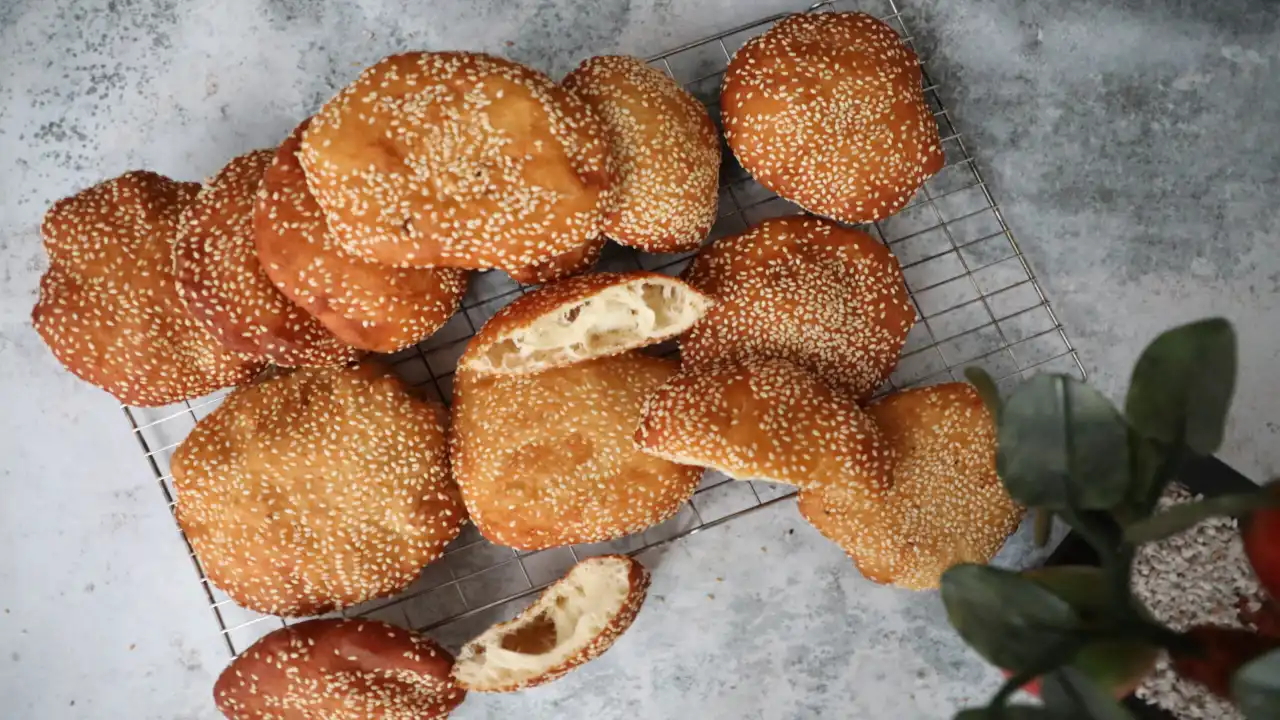
Golden, puffy, lightly sweet, sprinkled with sesame. Best eaten warm right out of the fryer.
2. Tao Pho (Silky Tofu Dessert)
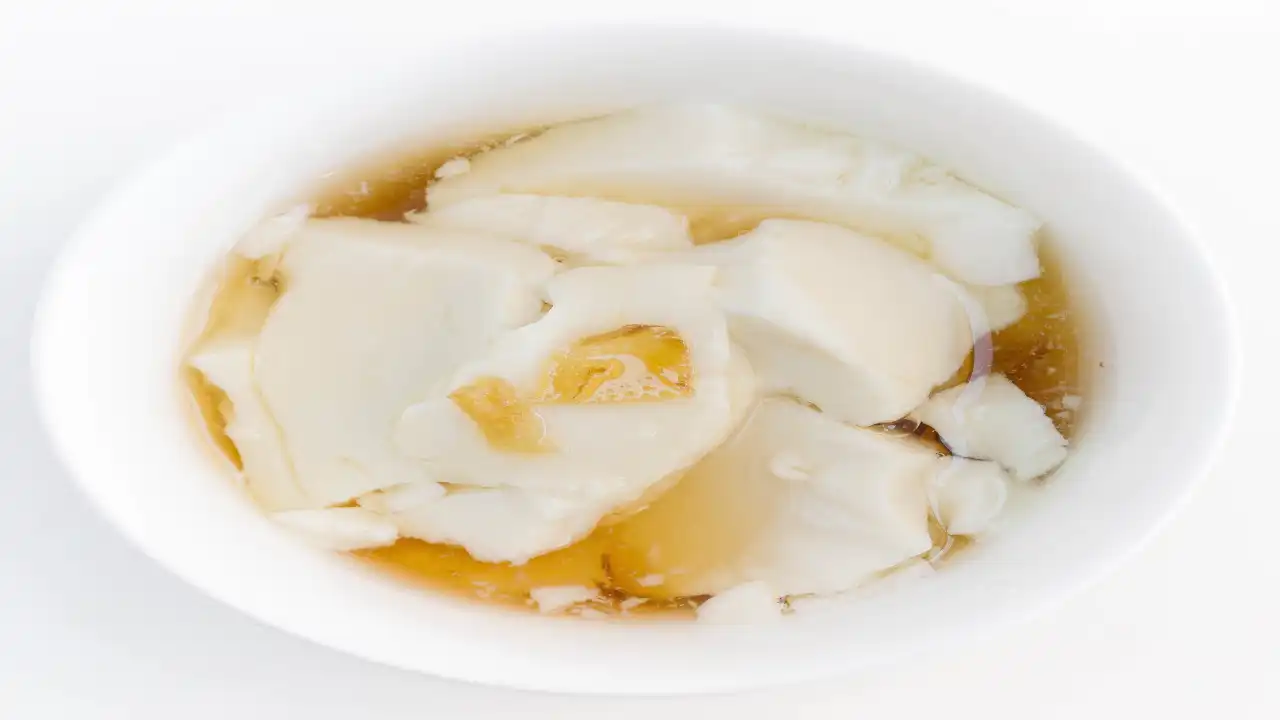
Soft tofu swimming in ginger syrup. Sometimes served cold, sometimes warm, always soothing.
3. Bo Bia Ngot (Sweet Spring Rolls)
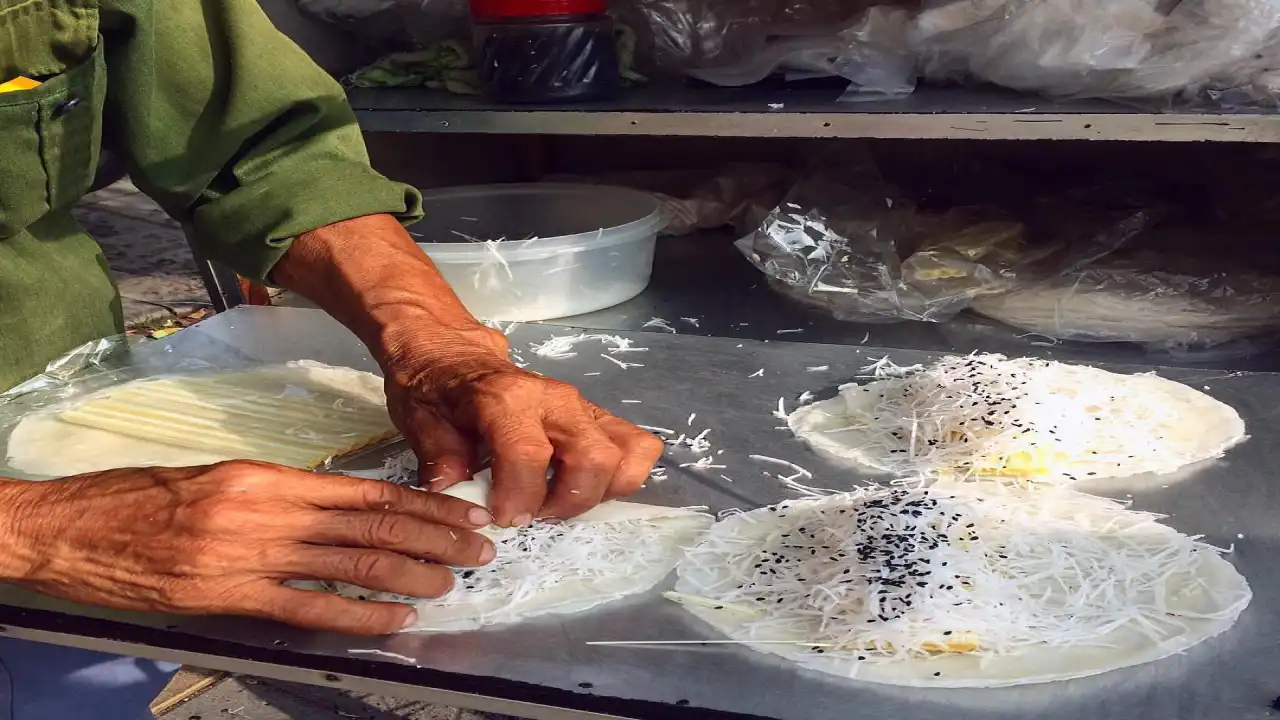
Thin wrappers stuffed with coconut shreds, sugar, and black sesame. Vendors often ring tiny bells so kids come running.
4. Trai Cay Dam (Mixed Fruit Bowl)
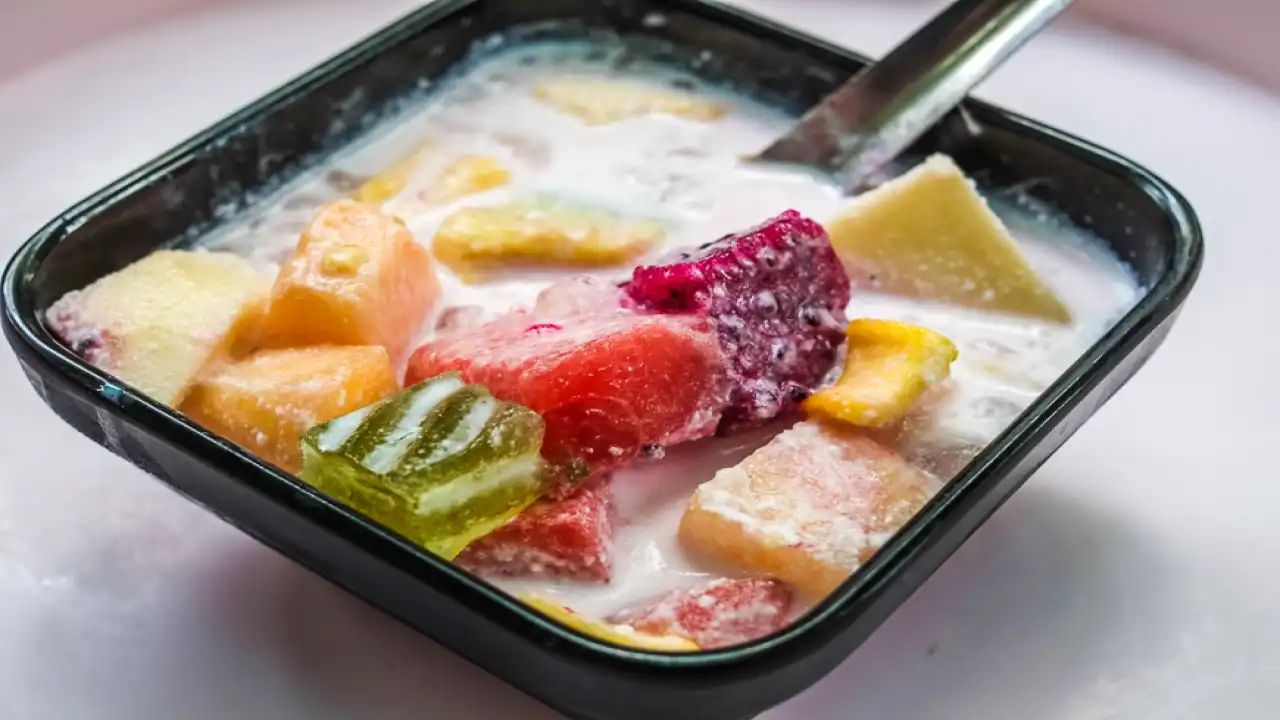
Fruit chunks, jelly cubes, condensed milk, and shaved ice. Perfect when the humidity feels like a blanket.
5. Kem Ong (Roll Ice Cream)
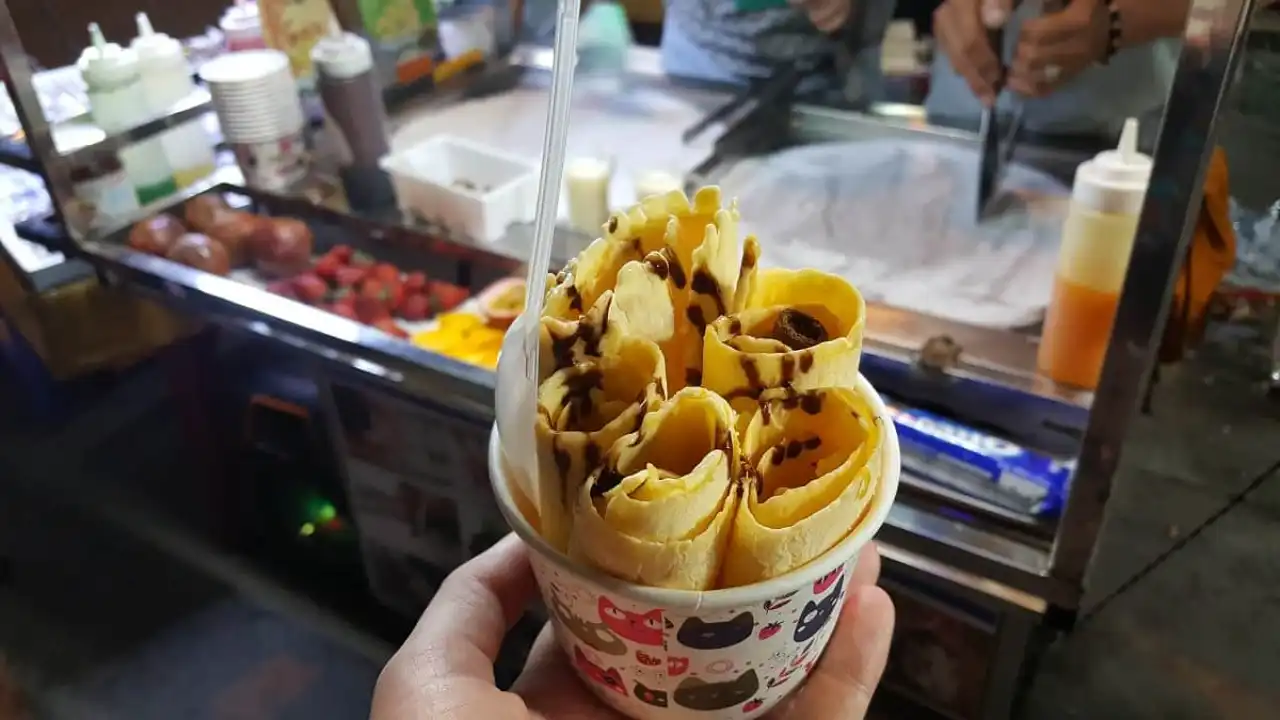
A fun, swirly ice cream trend that’s especially popular with teens.
6. Banh Chuoi Nuong (Baked Banana Cake)
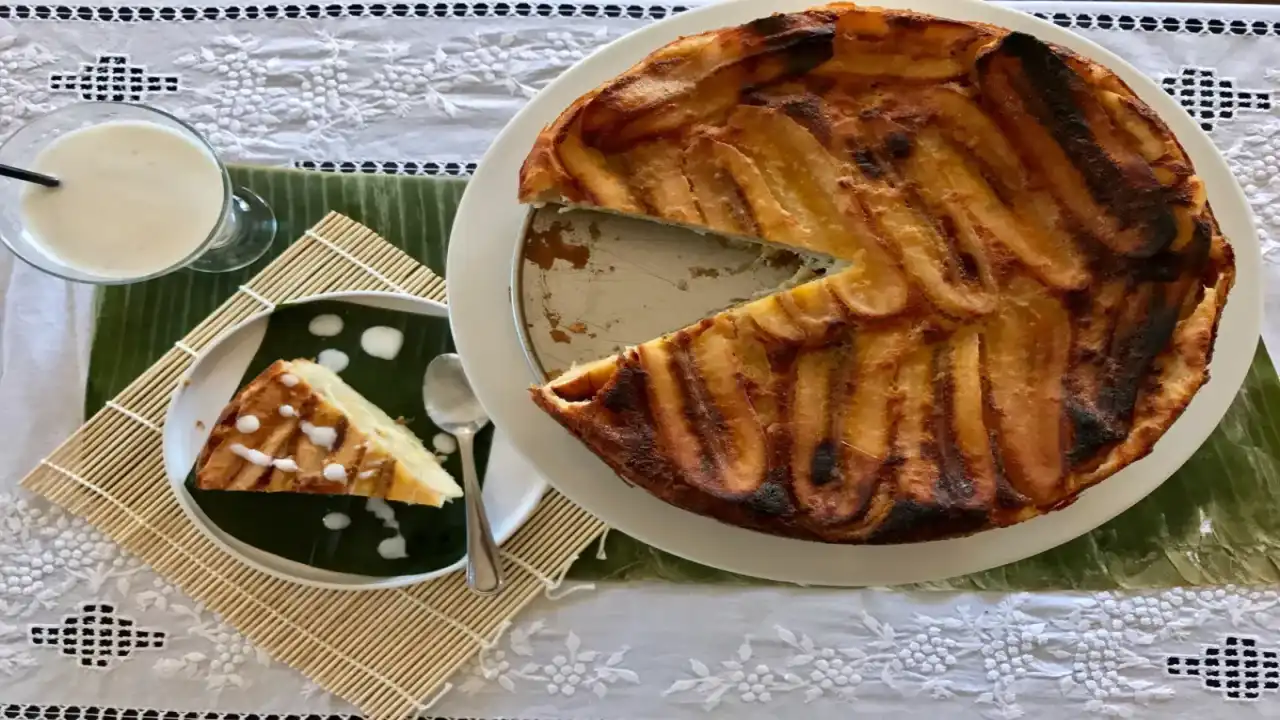
Dense, caramelized, slightly chewy, sold in thick slabs cut from giant trays.
These desserts taste even better when you’re sitting on a tiny blue plastic stool, watching scooters zip by while someone behind you yells for extra ice.
Modern Vietnamese Sweets
Traditional isn’t the full story. Vietnam’s big cities have embraced global dessert trends and twisted them with local flavors.
1. Mango Coconut Chia Cups
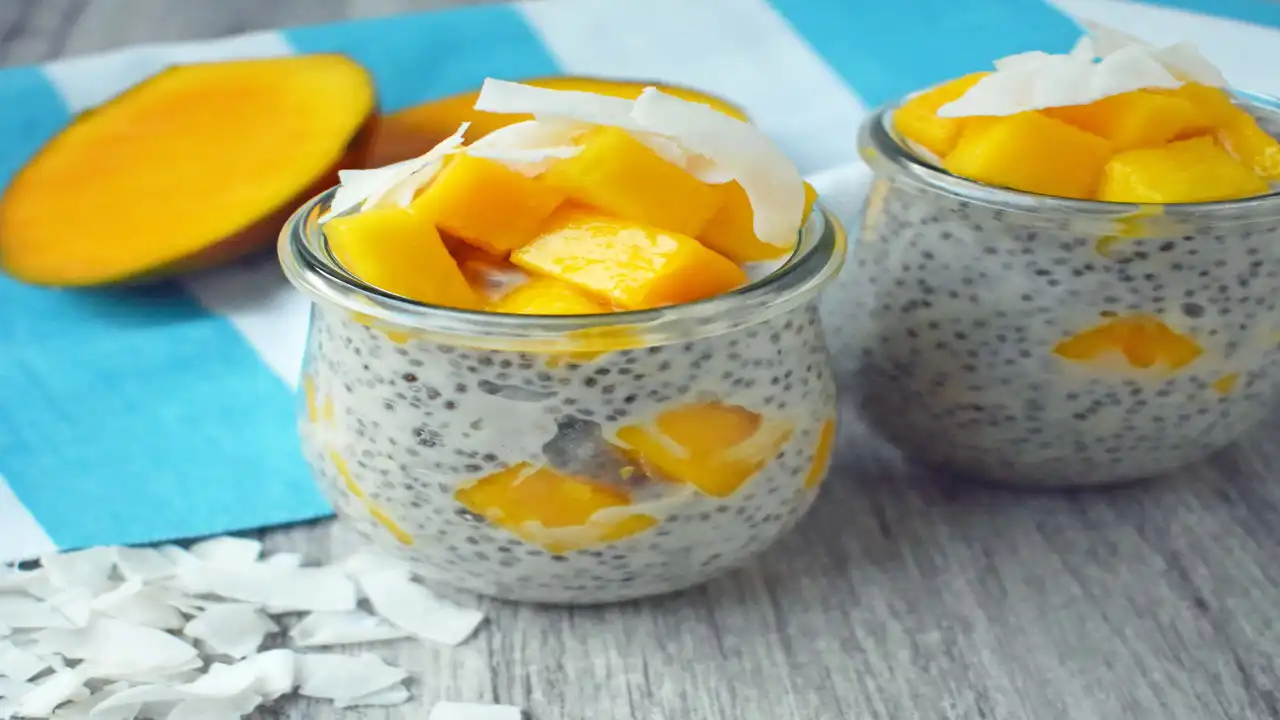
Fresh mango, coconut milk, chia seeds and ice. Light, modern, and Instagram-friendly.
2. Salted Egg Yolk Pastries
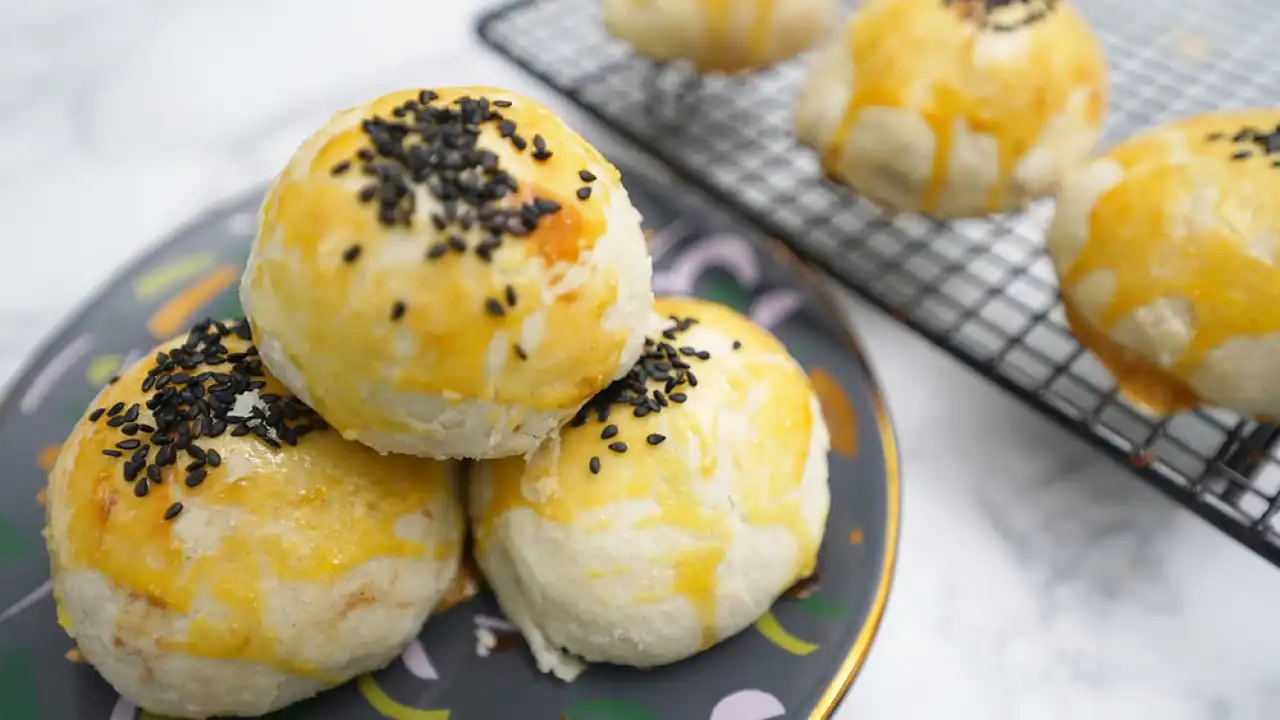
Flaky outside, rich salted egg center. A crowd favorite in bakeries.
3. Matcha Coconut Cake
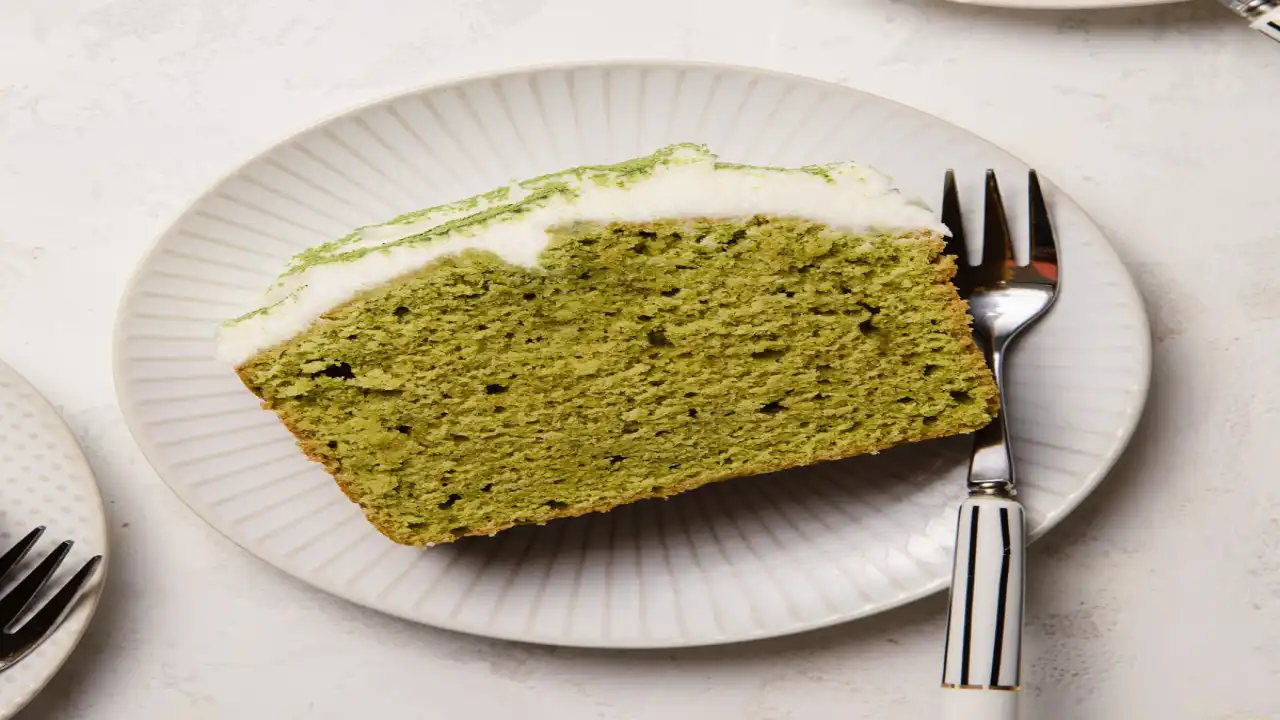
Japanese matcha meets Vietnamese coconut soft, green, earthy, perfect with cold tea.
4. Durian Cheesecake
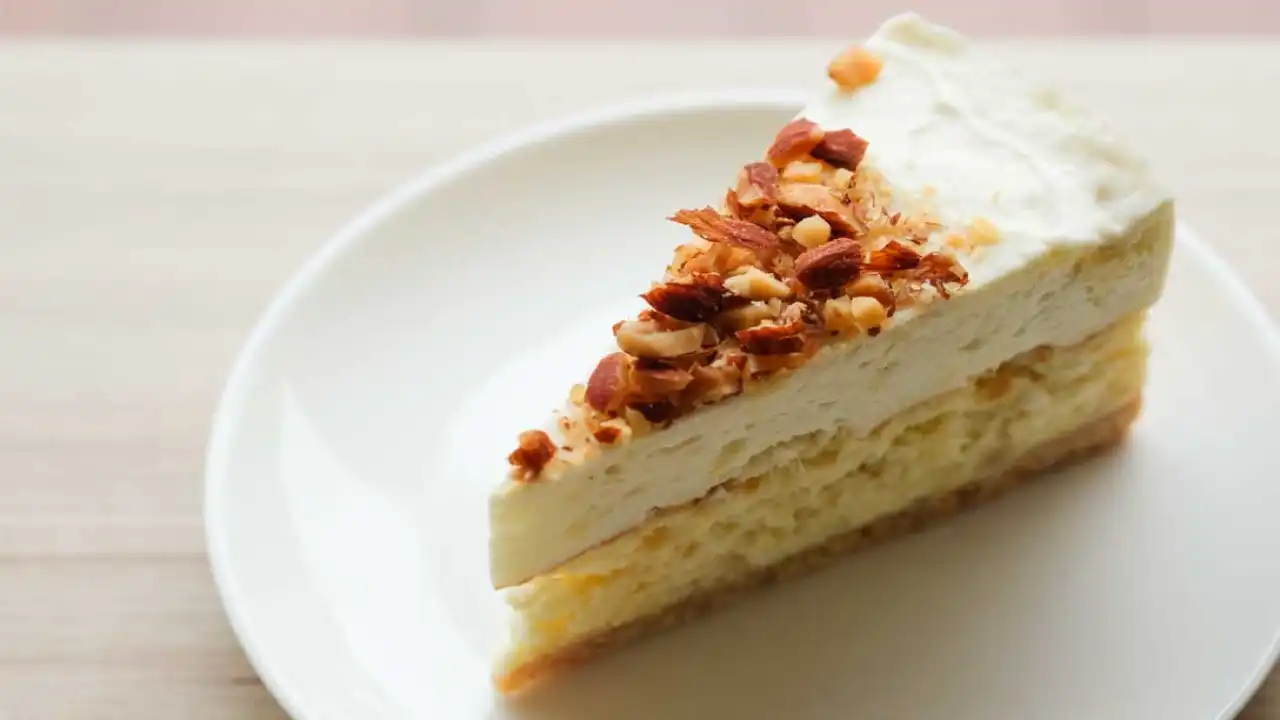
Not for the faint-hearted, but if you like durian, this one sticks with you.
5. Vietnamese Yogurt Desserts
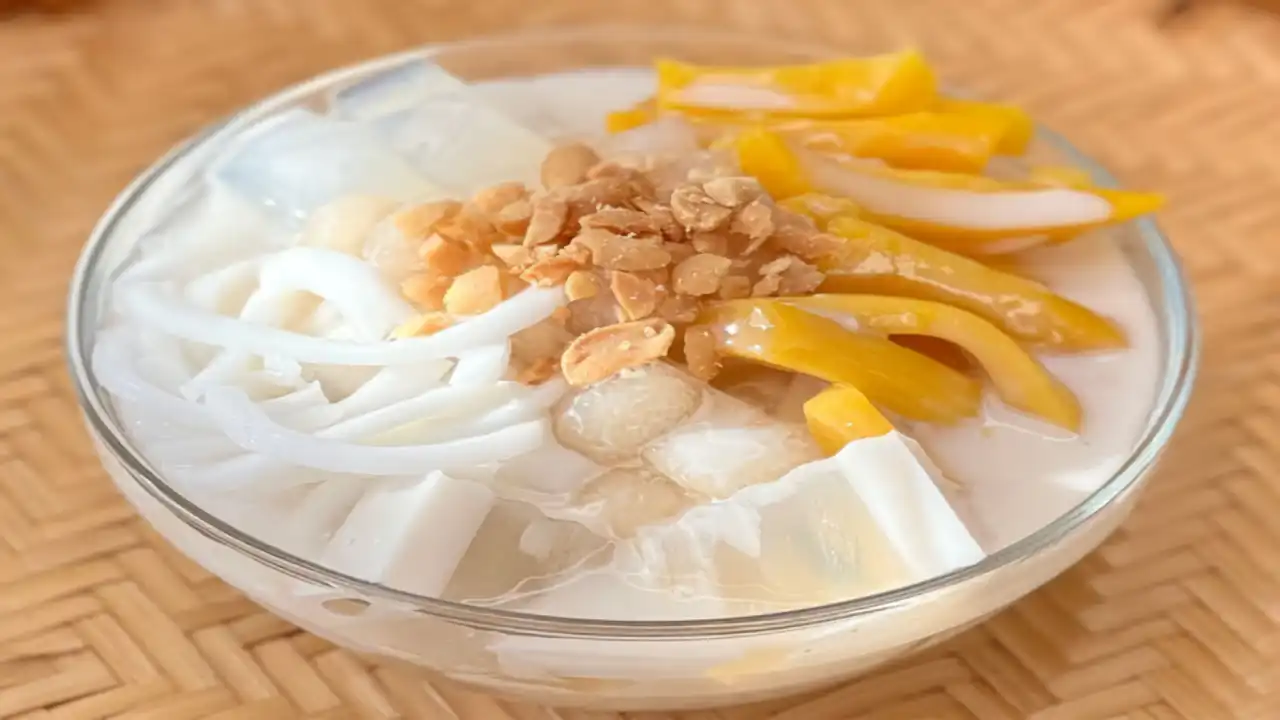
Tangy, creamy yogurt is often mixed with condensed milk, coffee, or fruit. Vietnam makes yogurt in its own special way, and it shows.
These modern versions are especially popular with young locals who want both tradition and novelty in the same spoonful.
Where to Try Desserts in Vietnam
Every region has its own flavor personality, quite literally.
1. Hanoi
Warm desserts, subtle flavors, and older recipes.
Try:
- Tao pho
- Che xoai
- Sticky rice in all forms
- Trang Tien ice cream (a local legend)
2. Ho Chi Minh City (Saigon)
Fast, loud, colorful, just like its dessert scene.
Try:
- Che Thai
- Banh flan with ice
- Coconut jelly
- Fruit bowls everywhere
3. Hoi An
Charming and slower-paced.
Try:
- Banh xoai (mango cake)
- Herbal drinks
- Coconut-based sweets with a local twist
4. Hue
Famous for royal cuisine, desserts included.
Try:
- Lotus seed sweet soup
- Taro sweet soup
5. Mekong Delta
Tropical, simple, naturally sweet.
Try:
- Coconut desserts
- Banana cakes
- Sticky rice treats
- Anything fruit-based
If you're traveling through multiple regions, desserts become a fun way to notice how flavors shift from the cooler north to the tropical south.
Conclusion
Vietnamese desserts don’t usually grab headlines the way pho or banh mi do, but funny enough, they sneak up on you. You try one or two, thinking, “Alright, this looks simple,” and then suddenly you’re hunting down another stall because the flavors are strangely comforting. They’re not heavy or sugary-sweet, more like these little refreshing breaks built from ingredients Vietnamese families have been using forever.
And honestly, half the magic is in the moment. Maybe you’re bent over a warm bowl of ginger-y rice balls, letting the steam hit your face a little. Or you’re in sweaty Saigon, trying to eat icy che before it turns into sweet soup. Every vendor and tiny shop has their own twist, and somehow it all works. So sit on a wobbly plastic stool, let the ice melt, and just enjoy the moment. Look around. You might find a new favorite sweet or maybe just catch a small, honest piece of Vietnam that doesn’t show up in guidebooks.
Tips for Travelers
A few things that make dessert-hunting smoother:
- Pick busy stalls. They go through ingredients fast.
- Evening is prime time. Most carts open after 4 p.m.
- Carry cash. Cards rarely work at street stalls.
- If you prefer less sugar, say “Ít ngọt.”
- Check for coconut allergies. Coconut shows up everywhere.
- Try both warm and cold sweets. Vietnam does both really well.
- Food tours help a lot, especially if booked through International Packages.
- Stay open-minded. Beans in dessert sound strange until they don’t.