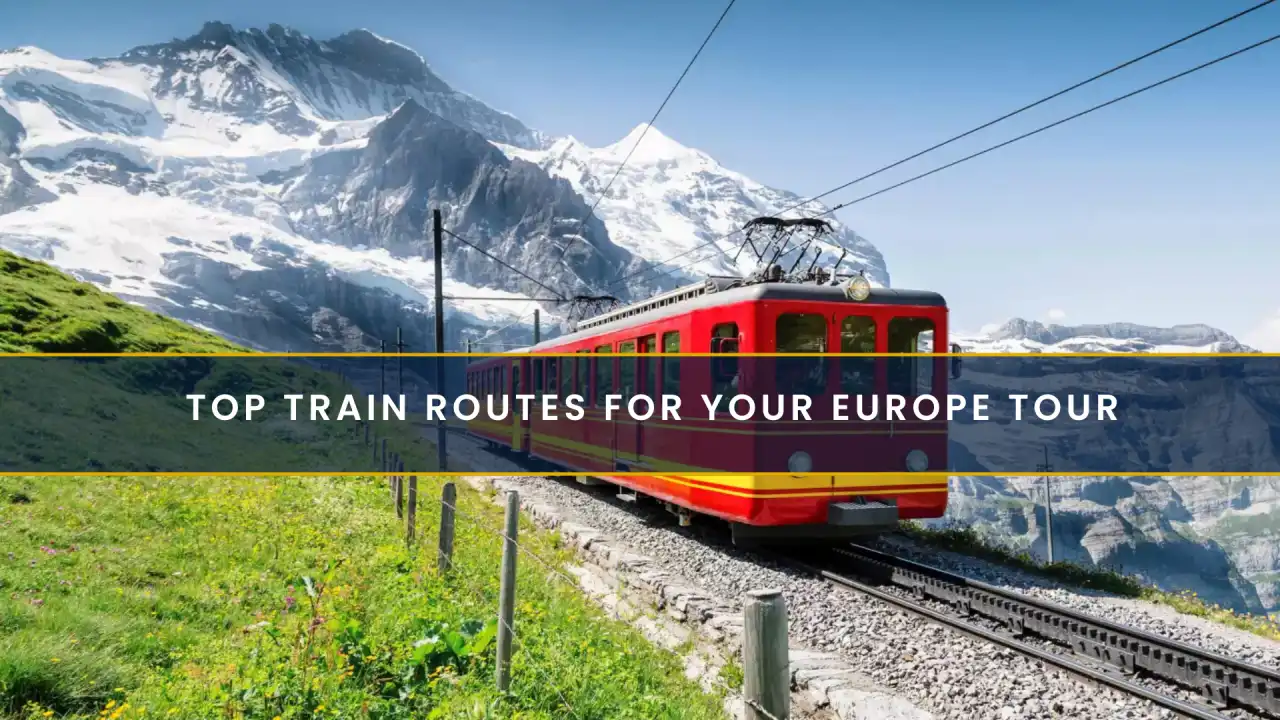
Top Train Routes for Your Europe Tour
Introduction
Remember that iconic DDLJ moment when Raj stretched out his hand, and Simran sprinted toward the train? Two strangers, a Europe trip and a love story in the making. Bollywood wasn’t just giving us a love scene, it was quietly admitting that Europe’s trains have their own kind of sorcery. There’s a reason travellers keep returning to this continent, it offers beauty without ceremony. And a train, interestingly, is where that beauty often feels the most honest. You ease into the movement, notice the shapes of farms, the colour changes of stone, and somewhere after a few dozen miles, you finally understand why people obsess over that legendary Paris to Switzerland train journey. It’s not hype. It’s geography showing off.
The Legendary Link: Paris to Switzerland
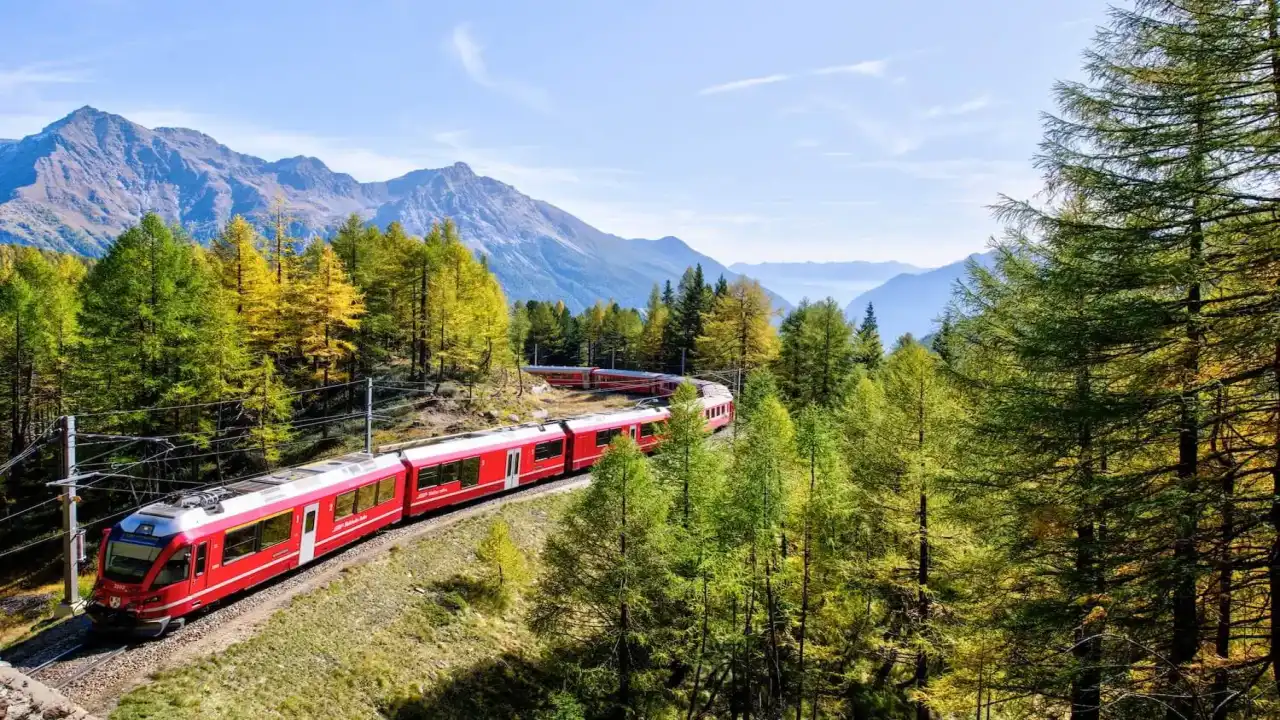
This route behaves like a quiet story with a strong plot twist. Leaving Paris, the suburbs roll out like a gentle introduction. Then the countryside loosens up: long stretches of farmland, orderly vines, and occasional clusters of old stone houses. Nothing dramatic yet. But nearing the Swiss border, the Alps slide into the frame with that unavoidable confidence mountains tend to have. It’s a shift you feel more than see. The train doesn’t rush. You just realise the colours have sharpened, the ridges have deepened, and suddenly the atmosphere is cooler, cleaner, almost surgical in clarity.
Pro Tip: Right-side seats offer you the mountain views earlier. Saves you from having to do the awkward seat lean every few minutes.
Glacier Express: Zermatt to St. Moritz
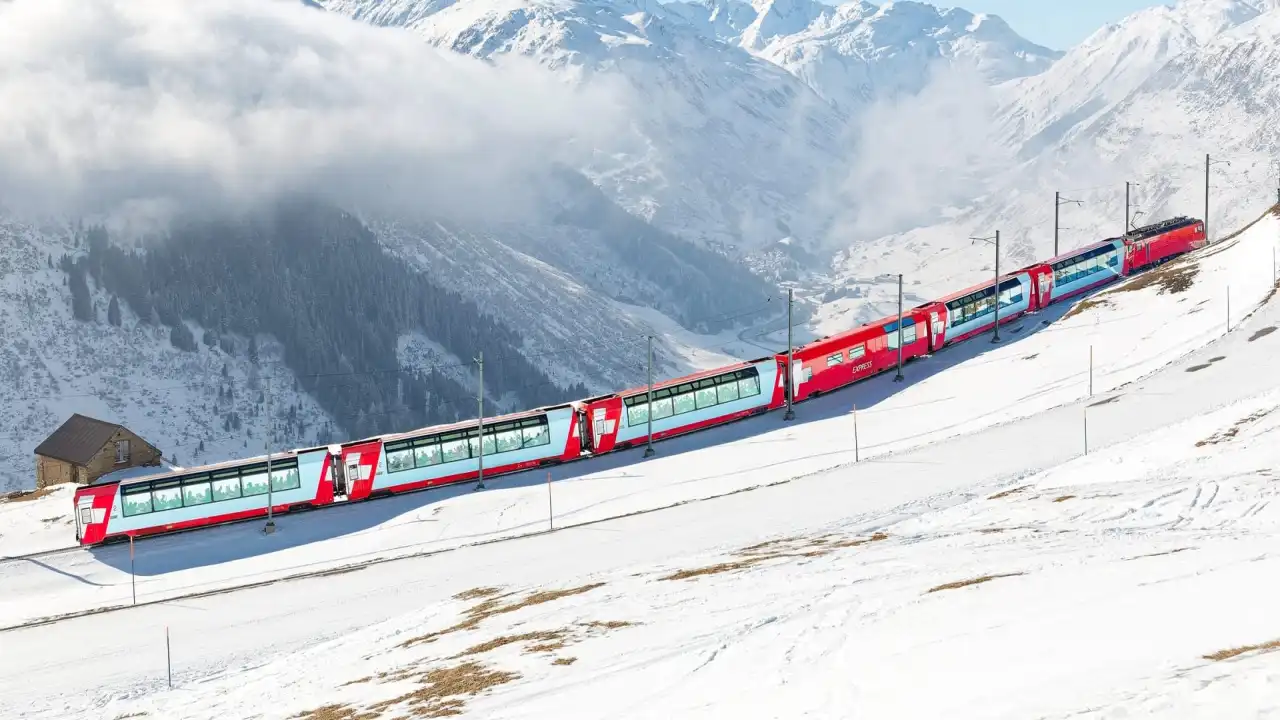
People love repeating that this is the slowest express train in the world. It sounds like a joke until you’re on it and grateful for every unhurried minute. The Glacier Express treats scenery like something that shouldn’t be rushed. The Alps rise and fall around you as though you’re travelling through a series of carefully arranged frames. Viaducts, valleys, ridges so steep they look improbable. The Oberalp Pass is the real moment. It opens up like a high-altitude amphitheatre with crisp air and a horizon that seems too wide for its own good.
Pro Tip: Panoramic seats are worth it. If you try booking last-minute, don’t be upset when the universe says no.
Bernina Express: Chur to Tirano
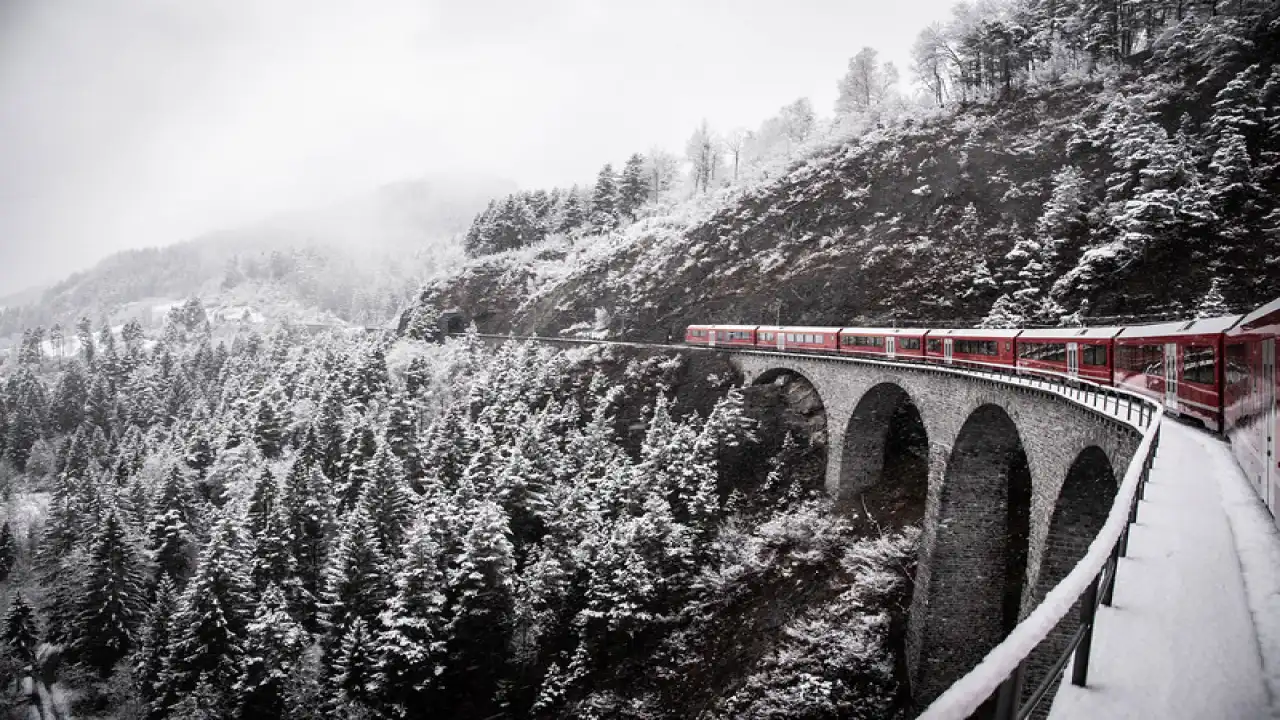
The Bernina is more dramatic, less polite. It feels designed by someone who wanted to cram every possible terrain into one journey. It starts with the stern face of the Alps, then swings into glacier territory, crosses stone engineering marvels, and suddenly drops into Italy, where the light is warmer, and the buildings loosen up. The route behaves like two different climates stitched together with red train thread. Anyone who loves photography will find this route irritating in the best way. Too many views. Not enough shutters.
Pro Tip: Be ready for the Brusio Spiral Viaduct. The train loops, the world tilts a little, and it’s worth recording if your hands aren’t shaking.
Rhine Valley Line: Cologne to Mainz

The Rhine refuses to be subtle. This route hugs the river so closely that if the windows opened, you could almost feel the chill off the water. Castles appear like punctuation marks on hilltops. The vineyards seem too steep to be real; you start suspecting gravity took a holiday here. Boats drift along the river, and the entire landscape feels oddly staged, as if someone curated it for travellers who appreciate a bit of medieval flourish with their commute.
Pro Tip: Afternoon light makes the castles glow faintly. Not golden, not warm, just quietly luminous.
Oslo to Bergen: The Nordic Epic
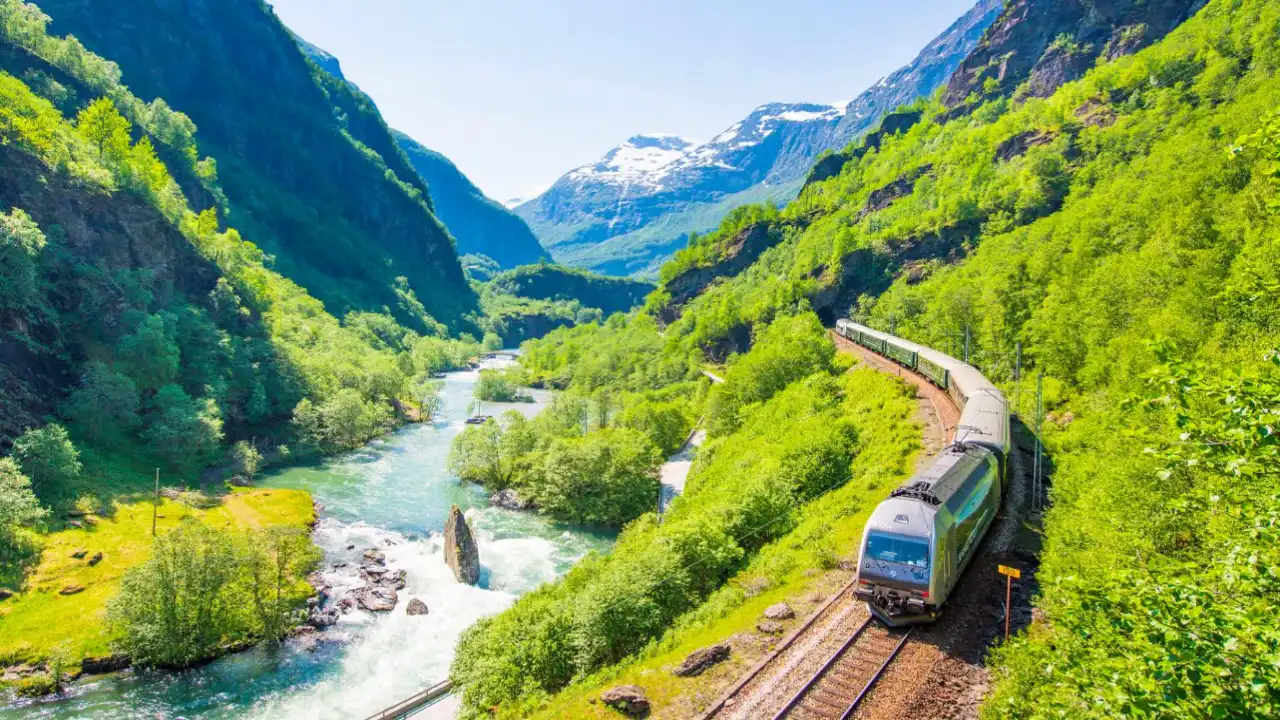
Northern Europe doesn’t apologise for bad weather or sudden cold snaps. This route embraces that attitude. You start among forests, then the train climbs until the trees vanish and you’re left with wide-open plateaus that feel lunar in winter and gently washed-out in summer. Lakes mirror the sky in unsettling perfection. Hardangervidda is the section that really gets people. The landscape is vast and borderline overwhelming. Then the descent begins, and you enter fjord country where waterfalls hang from cliffs like loose threads.
Pro Tip: Bring layers. Scandinavian weather enjoys tricking unprepared travellers.
Vienna to Salzburg: Austria's Cultural Corridor
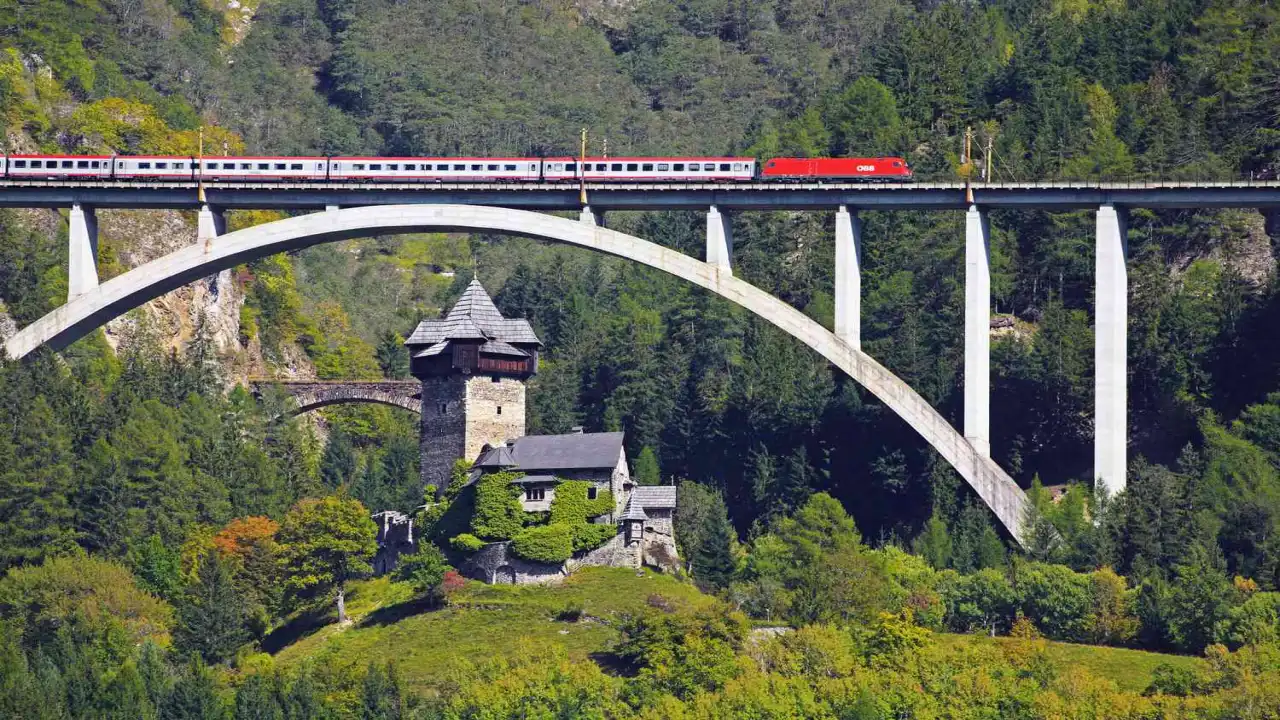
This is a quieter journey, but no less rewarding. Green meadows, farmhouses that look intentionally placed, and soft hills that roll without trying too hard. Austria arranges its countryside like someone with a tidy personality. Nothing is chaotic. Nothing competes. Travellers often board expecting a simple commute between two major cities, but the landscape sneaks in a calmness that lingers.
Pro Tip: Local bakeries near Vienna’s station sell excellent bread. Bring some. The scenery deserves a snack pairing.
London to Edinburgh: A Kingdom in Two Acts
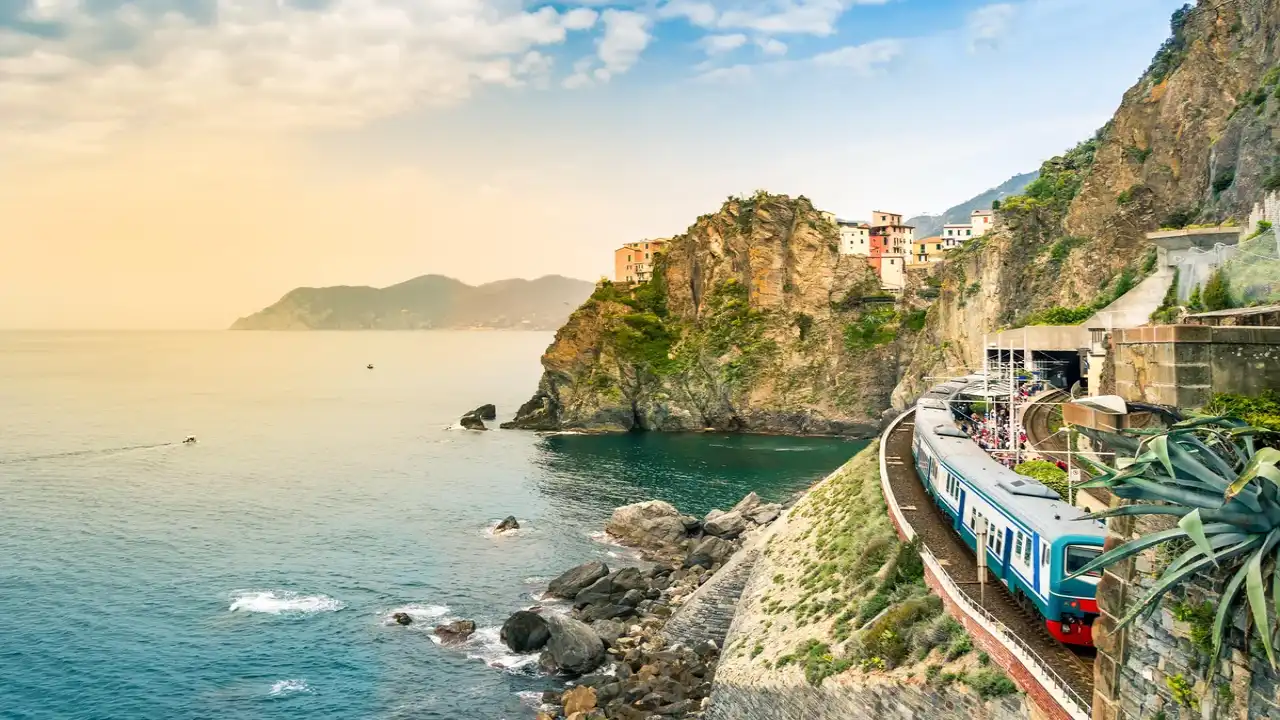
Leaving London, the scenery shifts almost immediately into fields and hedgerows. Familiar, faintly English. But the coastline north of Newcastle steals the show. Sharp, rugged, moody. A coastline with opinions. Edinburgh approaches quietly at first, then suddenly becomes unmistakable with its stone textures and skyline that looks carved rather than built.
Pro Tip: Window seats matter here. Aisle-side travellers usually end up leaning over strangers.
Rome to Florence: The Italian Time Capsule
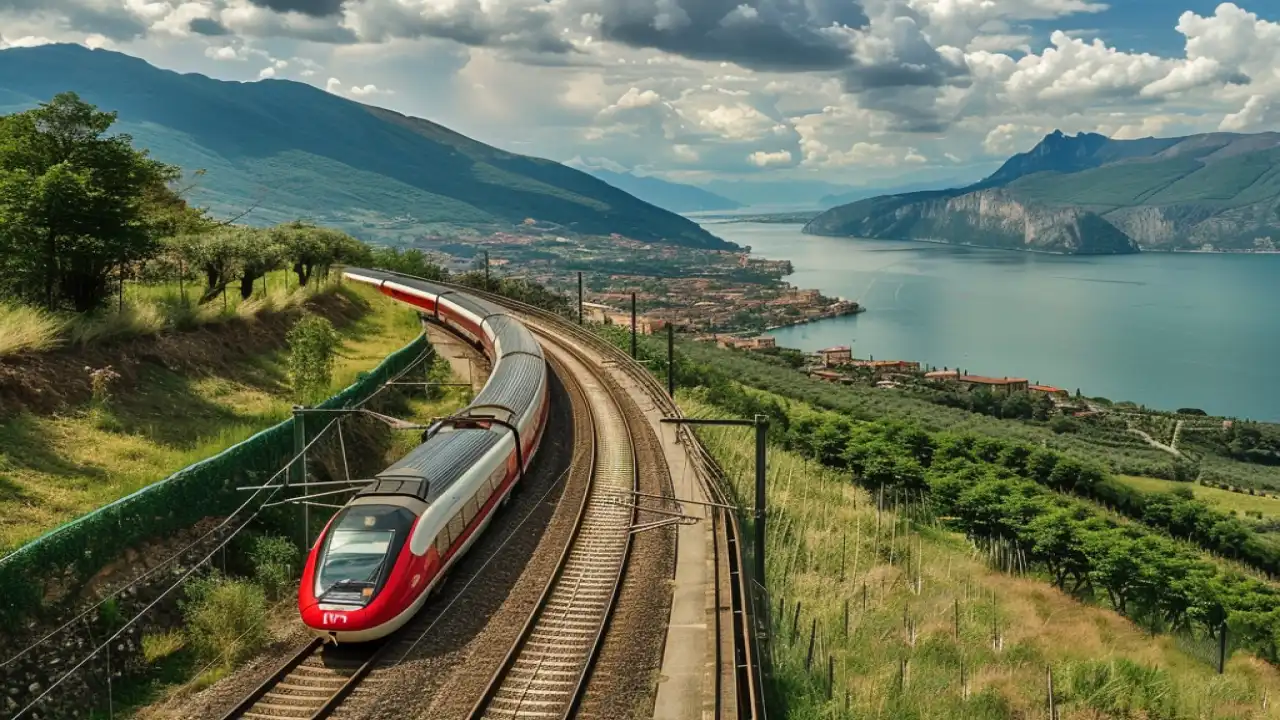
Some travellers underestimate this route because it’s efficient, fast, and modern. But between the speed and timetables, Tuscany still asserts itself. Olive trees are scattered like patterns. Ochre tones stand out against fields. Low hills rising gently rather than theatrically. Closer to Florence, the colours deepen into those classic warm tones artists keep trying to replicate.
Pro Tip: Mornings offer better visibility. By afternoon, the haze tends to soften the landscape.
Zurich to Milan: The Gotthard Shift
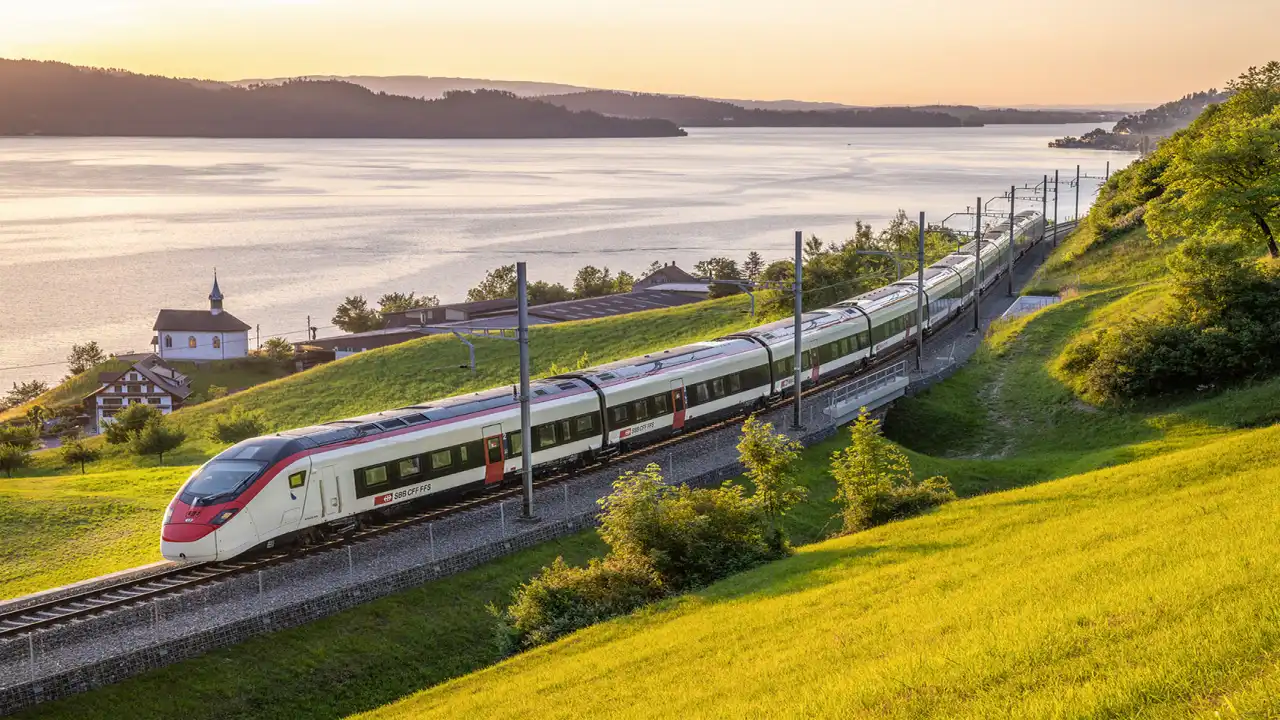
Switzerland has the discipline of a well-organised desk. The beginning of this ride reflects that: spotless towns, lakes outlined like polished glass, hills arranged with uncanny neatness. Then the train dives into long tunnels, and when it emerges, the world has changed. Italy doesn’t apologise for its flair. Warmer colours, more dramatic facades, and a general sense of looseness. If you’re lucky, you might catch a glimpse of Lake Como flashing by like a well-timed cameo.
Pro Tip: Keep an offline map open. It’s surprisingly entertaining to track lakes and tunnels in real time.
Copenhagen to Hamburg: The Baltic Bridge
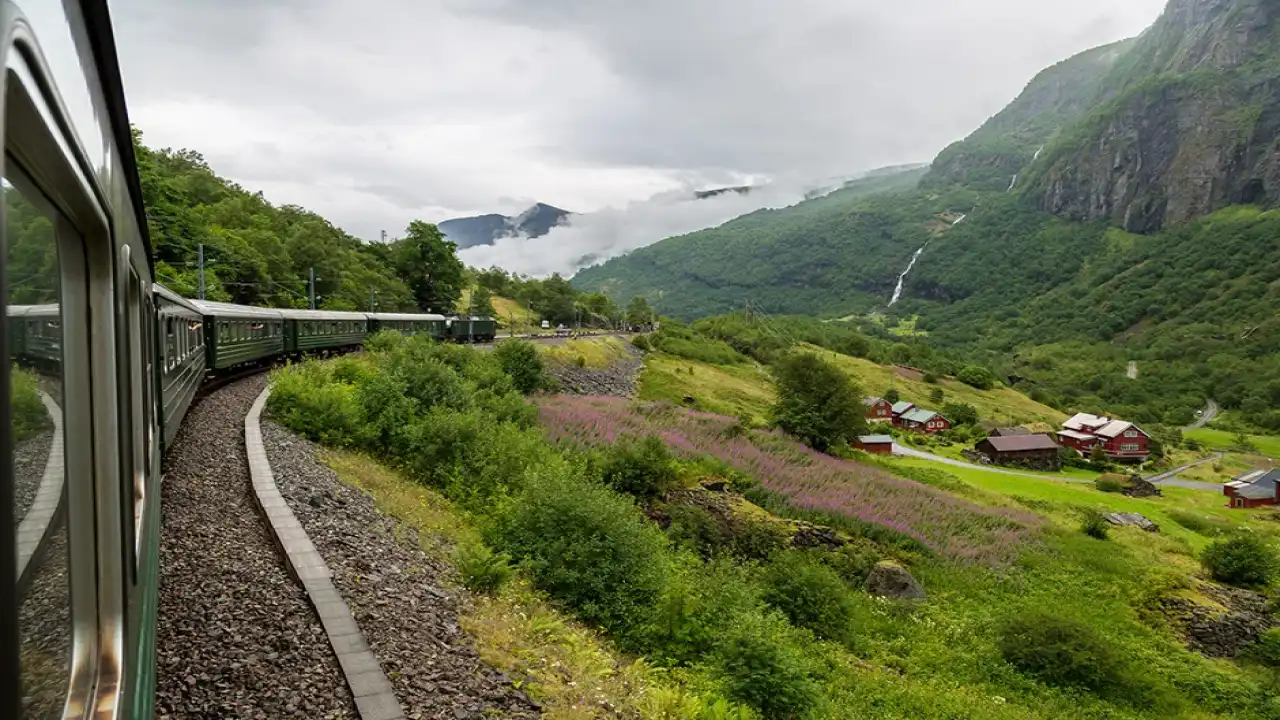
This isn’t a dramatic route, and that’s the beauty of it. The landscapes are modest, the colours soft, and the windmills scattered like tall, silent observers. Denmark flows into Germany with very little fanfare. Fields stretch comfortably. The Baltic sky tends to look washed-out, but in a way, photographers quietly celebrate.
Pro Tip: Forward-facing seats help you catch the subtle scenery shifts more naturally.
Prague to Vienna: The Bohemian Arc
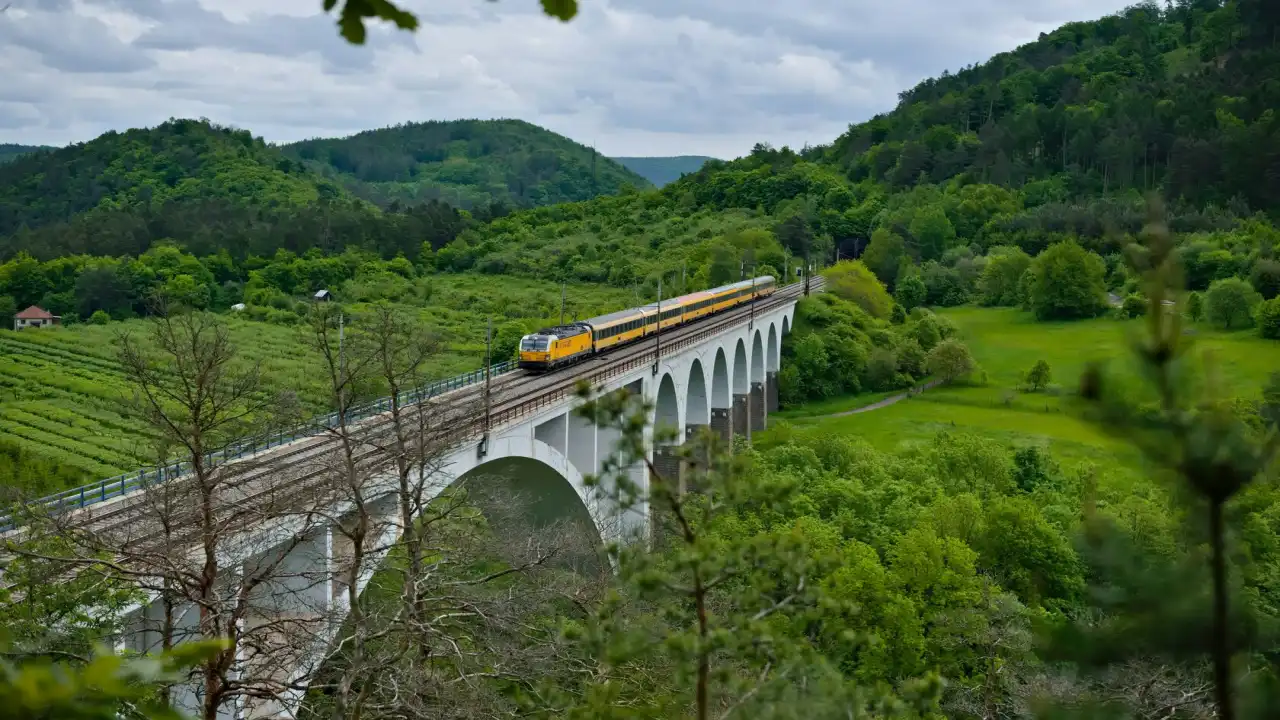
If you grew up reading illustrated storybooks, this route brings that memory back. Rivers winding in slow curves, forests with suspiciously thick foliage, small towns with steeples rising like exclamation marks. Once the train crosses into Austria, everything becomes predictably tidy, predictable in the best way. It’s the kind of journey where you don’t really multitask. You just watch.
Pro Tip: Autumn colours are outrageous here. Carry a camera or you’ll regret it.
Budapest to Zagreb: The Quiet Underrated One
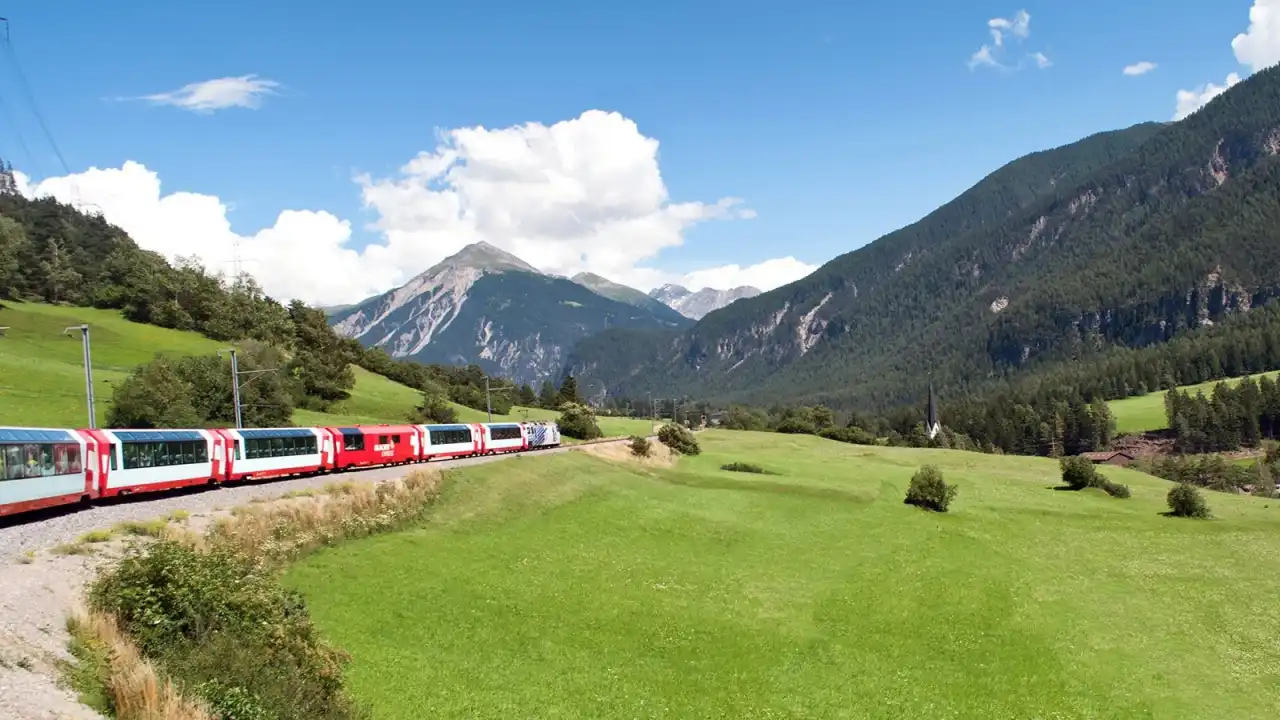
This isn’t a route people brag about. Which makes it even better. Hungary’s wide-open stretches ease into Croatia’s slightly rugged countryside with a kind of steady rhythm. No theatrics. Just honest landscapes that don’t need a spotlight. Travellers who enjoy observing the quieter details of local life tend to love this segment.
Pro Tip: Food options can be sparse on some trains. Bring something simple.
Why These Rail Routes Are Worth Your Time
• Landscapes that shift dramatically between regions
• Journeys that balance comfort with immersion
• Ideal for both seasoned travellers and first-timers
• Works smoothly with curated Europe tour packages
• Seasonal changes make every repeat journey different
Why Europe Makes More Sense by Train
You can crisscross Europe by air, but the continent reveals itself more slowly and more truthfully by rail. The small towns, the spaces between cities, the stretches of land that no tour bus would bother stopping for; that’s where the character lives. A train doesn’t rush you. It lets the land speak at its own tempo.
This is where Travel Junky tends to stand out. Their itineraries feel like they were built by someone who actually took the time to ride these routes. There’s no forced glamour. Just thoughtful pacing and an understanding that Europe is at its best when you move through it rather than over it.
Check out: Paris & Switzerland Tour Package: A Perfect Europe Break
Conclusion
Europe’s rail network isn’t just transportation; it’s a set of moving viewpoints. Each route carries its own tone, shaped by geography, history, and the small dramas happening outside your window. Whether you’re building a Europe tour package, planning a circuit with Travel Junky, or slipping a romantic angle into curated Honeymoon Packages, these train journeys add a quiet richness to your itinerary. The best part is how they slow your pace just enough to notice what most travellers rush past. If you’re stitching together your next Europe adventure, start with the tracks. They rarely disappoint.