Underrated Castles in Eastern Europe Worth Visiting
Introduction
When people mention castles in Europe, the conversation usually jumps to the same famous names. Neuschwanstein. Versailles. Windsor. They’re impressive, of course. Big, polished, and always busy. But Eastern Europe plays a different game. Here, castles don’t compete for attention. They just exist on quiet hills, beside slow rivers, or half-hidden behind villages where daily life goes on as usual.
This piece serves as a grounded europe travel guide for travelers who want more than quick photos and souvenir shops. If you enjoy places where wooden floors creak a little, stone walls feel cool under your hand, and silence says more than signs do, these castles will feel familiar in a good way. They’re imperfect. Weathered. Sometimes awkward. And that’s exactly why they stay with you.
Why Eastern Europe’s Castles Feel Different
History in Eastern Europe isn’t neat. Empires came and went. Borders moved. Cultures overlapped and sometimes clashed. Castles here weren’t built to look good in paintings. They were built to hold ground.
Over the years, many of them shifted roles again and again:
- Fortresses during invasions
- Homes for nobles and rulers
- Military bases
- Storage spaces or prisons
- Museums today, sometimes quietly run
Because these places weren’t always treated as national showpieces, a lot of them escaped heavy restoration. You’ll notice uneven steps, faded wall art, worn doors, and views that haven’t changed much in centuries. Nothing feels staged.
Pro tip: If you prefer places that feel real instead of perfectly restored, Eastern Europe’s castles are an easy choice.
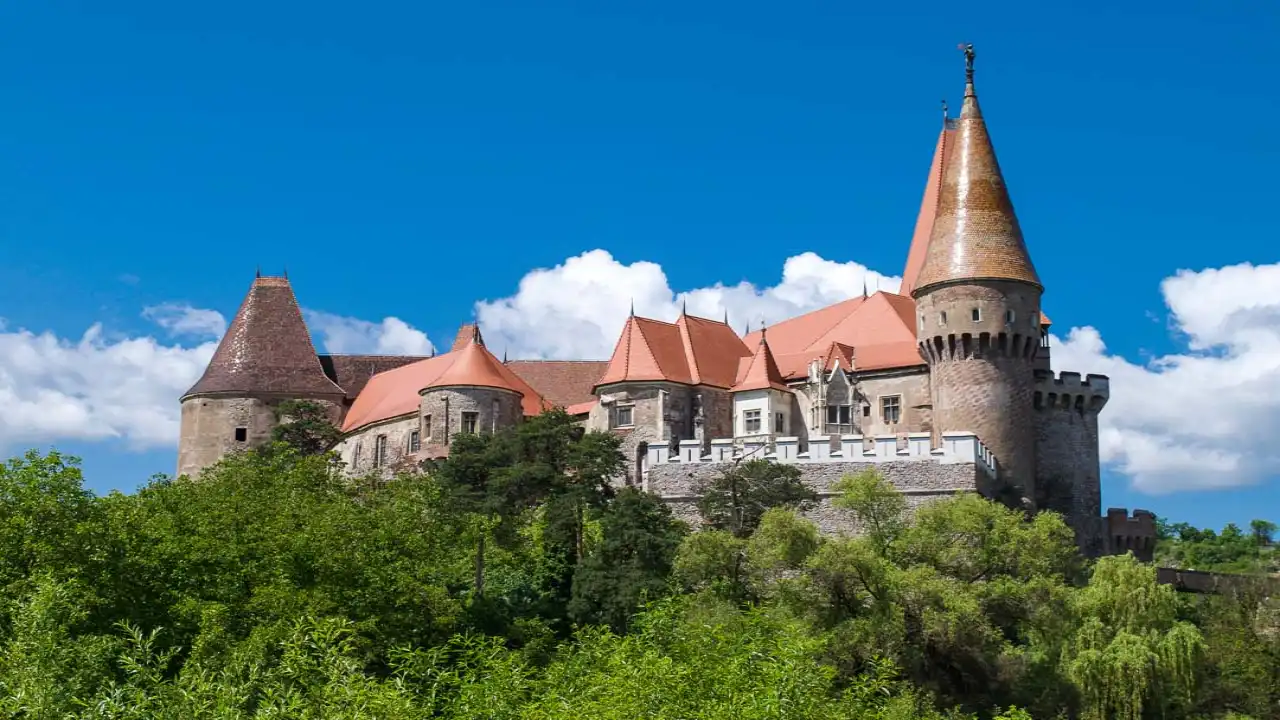
1. Corvin Castle, Romania
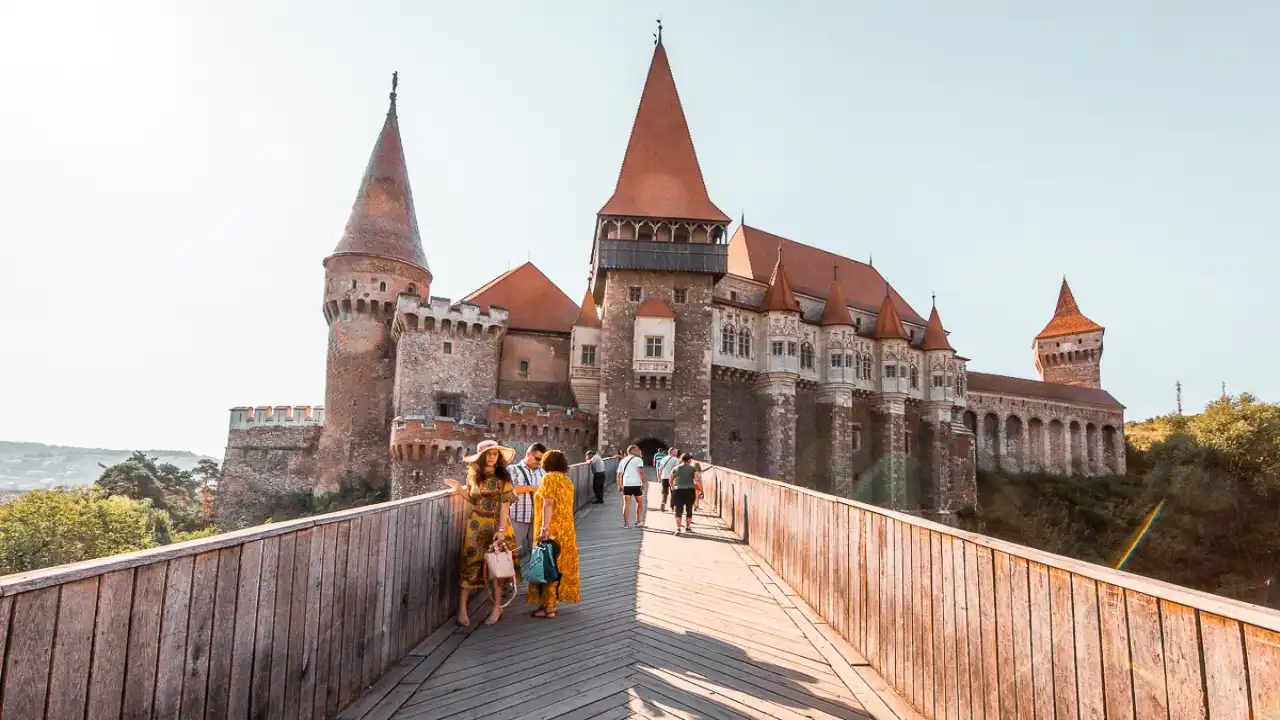
Corvin Castle doesn’t try to be subtle. It’s tall, dramatic, and a little intimidating at first glance. Towers rise sharply, the wooden bridge creaks underfoot, and shadows stretch across stone walls. Still, it doesn’t feel fake. It feels used. Located in Hunedoara, this was once the home of John Hunyadi, a key figure in defending Europe against Ottoman invasions. You can sense the seriousness of that role as you walk through.
Why it’s worth visiting
- Strong Gothic and Renaissance design
- Real medieval prison spaces
- Old legends linked to Vlad the Impaler
- Wide views over the hills
One minute you’re standing in a large hall that once hosted gatherings. Next, you’re squeezing through narrow stairs clearly meant for guards, not guests.
Pro tip: Go early. The quiet makes the castle feel heavier, in a good way.
2. Bojnice Castle, Slovakia
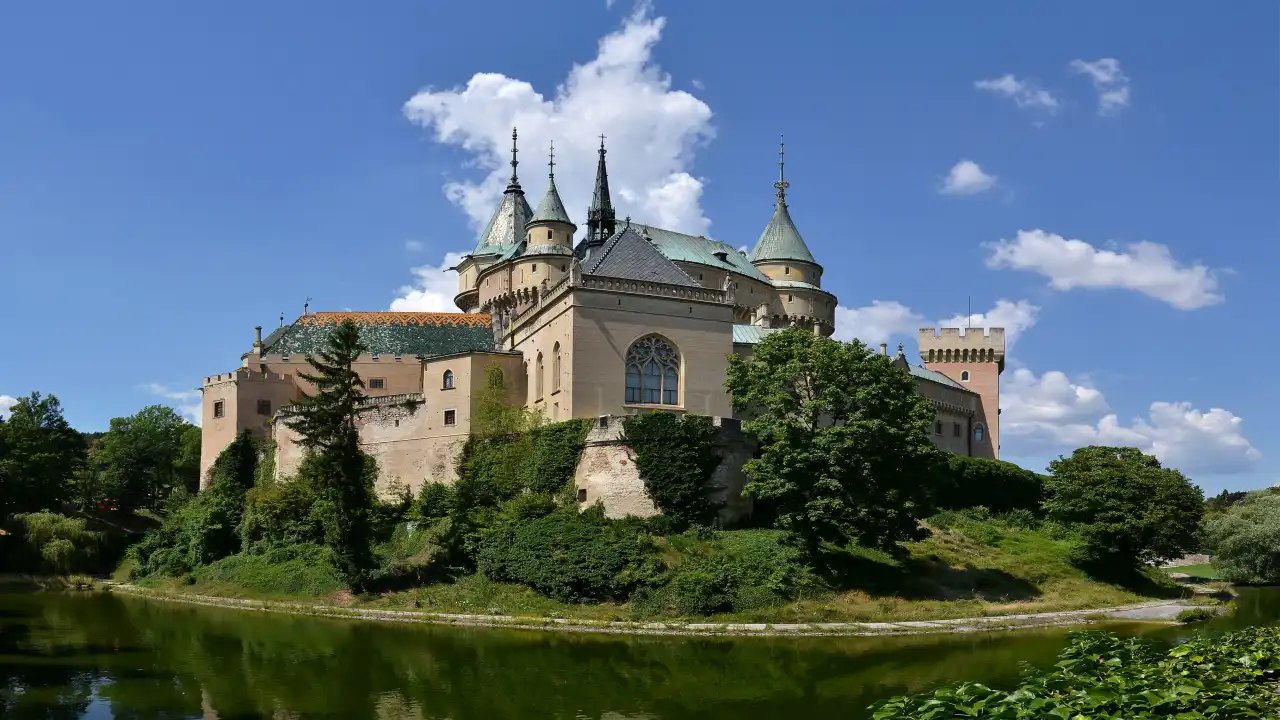
Bojnice Castle feels softer than most. The colors are lighter. The shapes are gentler. It almost feels like it belongs in a children’s story, but not in a silly way. Set near a small town, it rises calmly above trees and low hills. Over time, it was rebuilt and adjusted, picking up Romanesque, Gothic, and Renaissance elements along the way. Somehow, it works.
What makes Bojnice special
- Well-kept interiors with original pieces
- A hidden cave underneath
- A relaxed, uncrowded setting
- Occasional cultural events
This is the kind of castle where you don’t rush. You wander. You pause. You notice small details.
Pro tip: Ask about English tours before entering. The stories add depth.
3. Trakai Island Castle, Lithuania
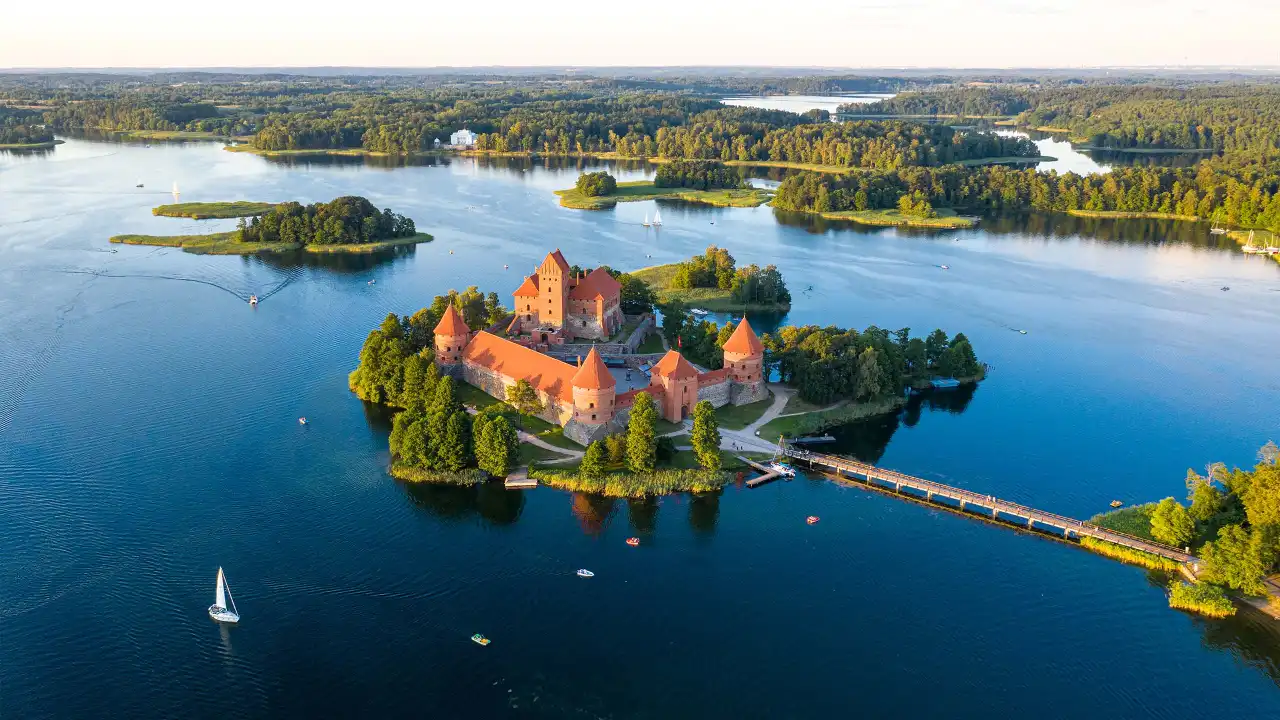
Trakai Island Castle sits right in the middle of a lake. You reach it by crossing a wooden bridge, and that short walk already shifts your mood. On quiet mornings, mist floats over the water, and everything slows down. Built in the 14th century, it once played an important political role. Today, it feels peaceful, almost reflective.
Highlights of Trakai Castle
- Island location surrounded by water
- Distinct red brick design
- Simple but informative exhibits
- Calm walking paths around the lake
Often, it’s the reflection in the water that stays with you longer than the rooms inside.
Pro tip: Walk the full loop around the lake after your visit. It’s worth the time.
4. Bran Castle (Beyond the Dracula Myth), Romania
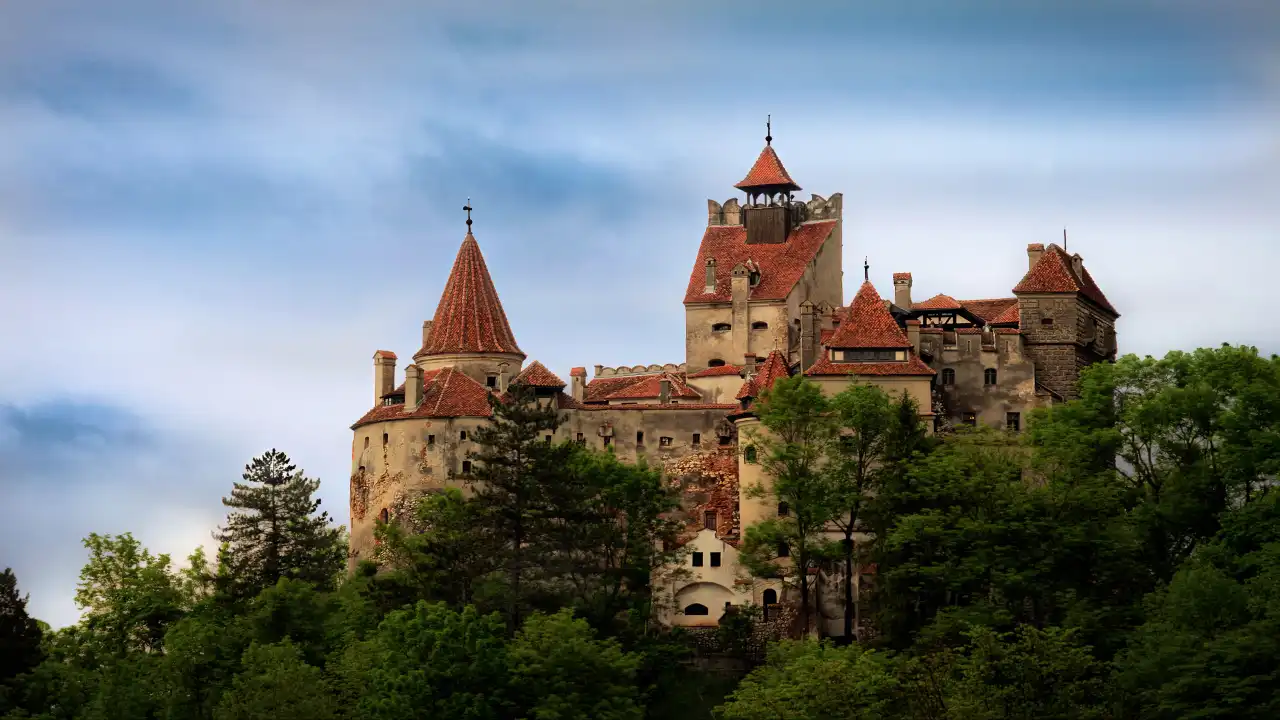
Bran Castle carries a reputation that often overshadows everything else. The Dracula label draws crowds, cameras, and expectations. But strip that away, and what’s left is a solid medieval fortress with real character. Its layout feels defensive. Tight passages. Sudden turns. Small rooms. Comfort was never the priority here.
Why it deserves attention
- Mountain-side position with strong views
- Authentic medieval structure
- Insight into Romania’s royal past
- The Carpathians in the background
If you stop chasing the vampire story, the castle becomes much more interesting.
Pro tip: Spend less time in the gift shops, more time looking out the windows.
5. Malbork Castle, Poland
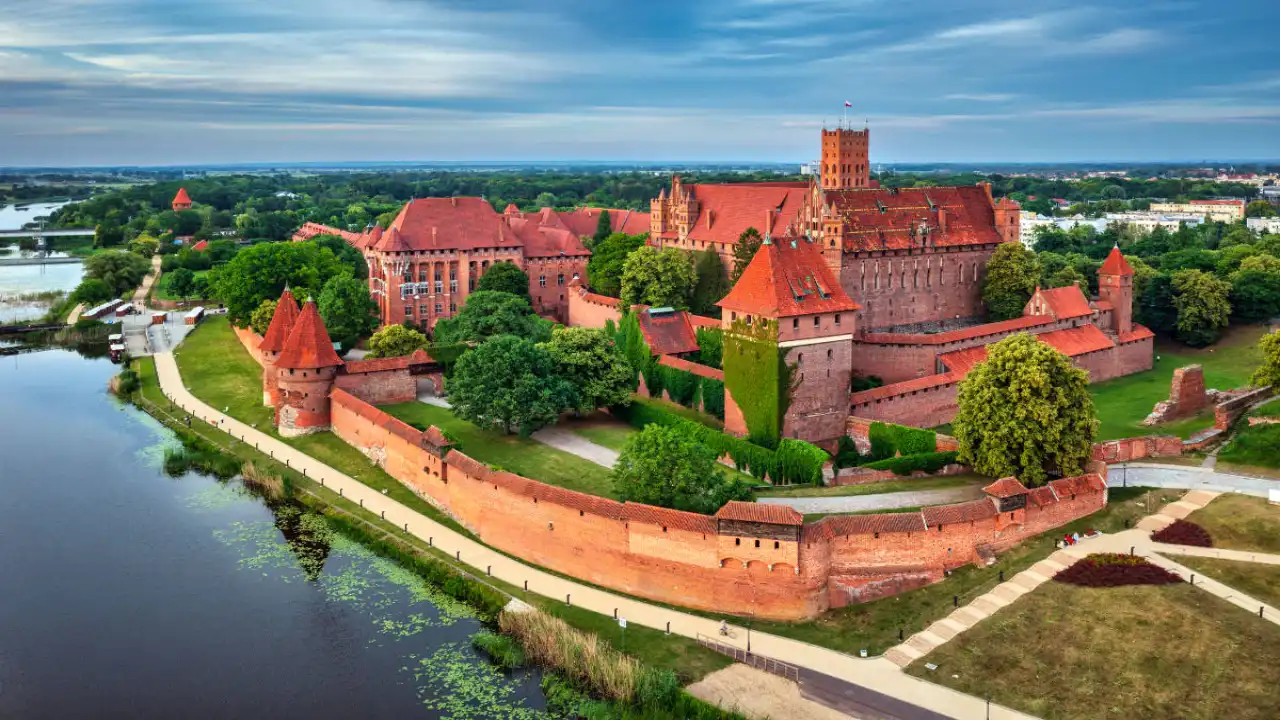
Malbork Castle is huge. You don’t fully understand its scale until you’re inside and still walking thirty minutes later. Built by the Teutonic Knights, it feels strict, controlled, and purposeful. Many travelers miss it because they focus on Poland’s cities. That’s their loss.
What stands out
- Strong defensive planning
- Detailed exhibitions
- Well-preserved medieval spaces
- A clear sense of discipline
This isn’t a romantic castle. It’s a serious one. And that’s what makes it memorable.
Pro tip: Give it time. Rushing here doesn’t work.
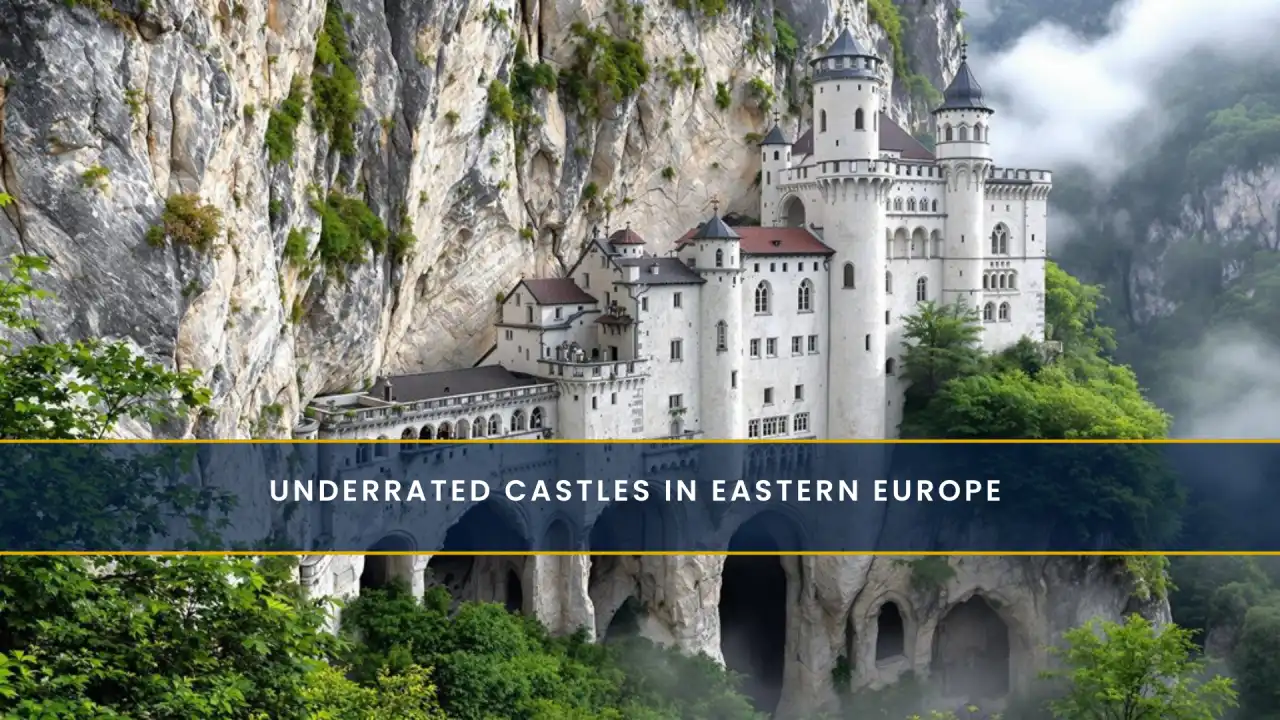
6. Predjama Castle, Slovenia
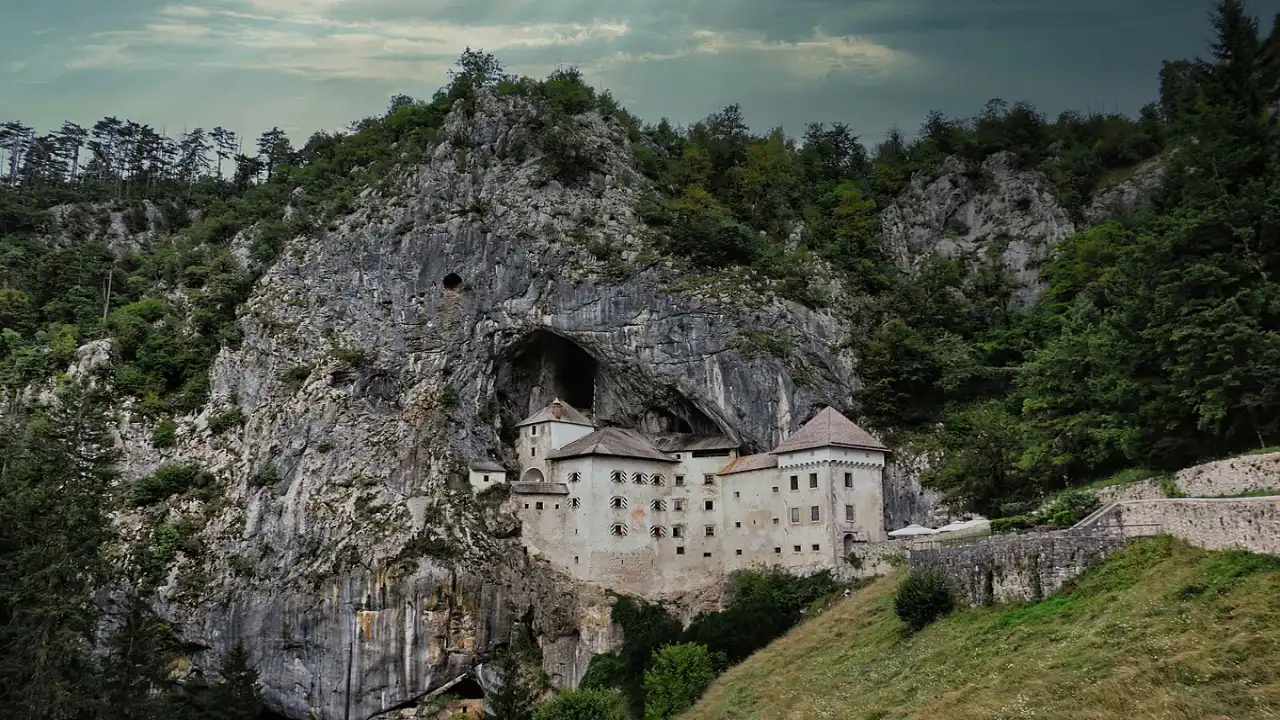
Predjama Castle looks unreal. It’s built straight into a cliff, half rock, half structure. And yes, it really looks like that when you stand in front of it. A rebellious knight once used secret tunnels here to escape during sieges. Knowing that makes every corner feel slightly suspicious.
Why is it unforgettable?
- Built into a natural cave
- Hidden underground paths
- Strong link between landscape and structure
- Quiet rural surroundings
This place doesn’t feel visited. It feels discovered.
Pro tip: Pair it with nearby caves if you have time.
7. Karlštejn Castle, Czech Republic
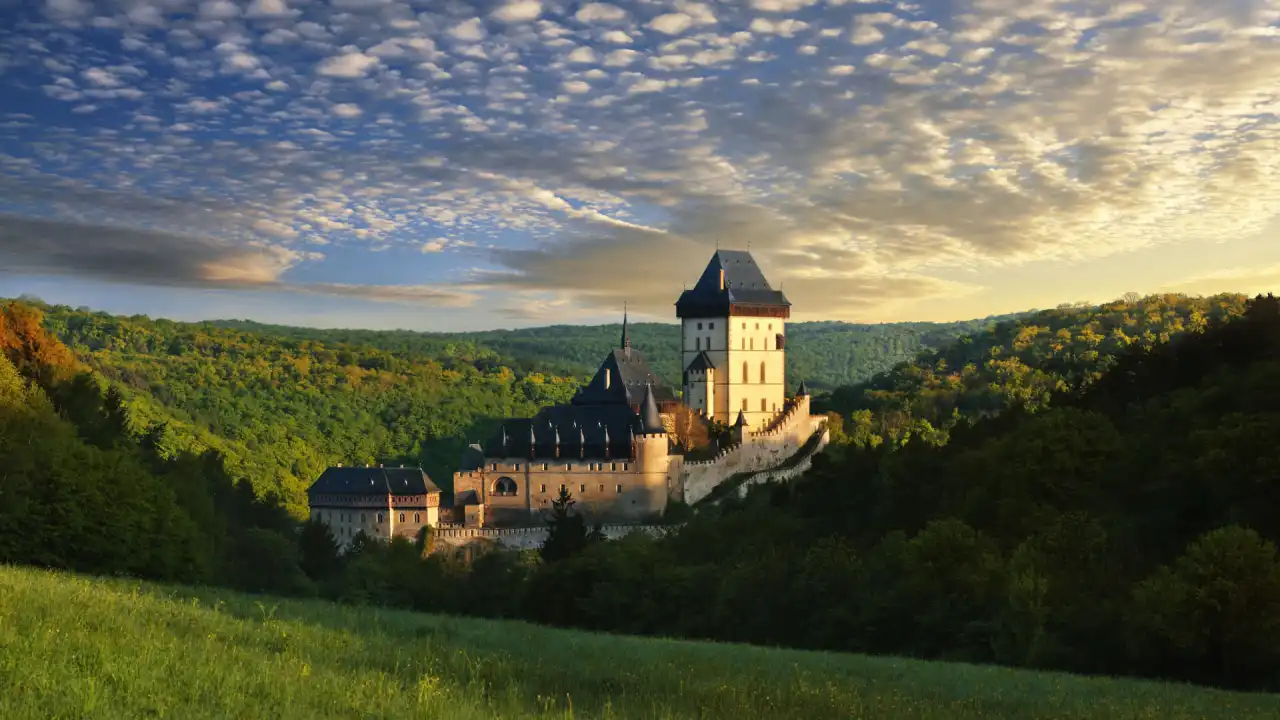
Karlštejn Castle rises above a small village and watches over the hills. The walk-up matters here. You leave cafés and houses behind, and slowly the castle takes over your view. It was built to protect royal treasures, including crown jewels, and it still carries that sense of responsibility.
Key reasons to visit
- Clear historical purpose
- Simple but strong design
- Calm setting
- Easy trip from Prague
Karlštejn doesn’t rely on decoration. It relies on presence.
Pro tip: Wear proper shoes. The path is steady but long.
8. Devin Castle, Slovakia
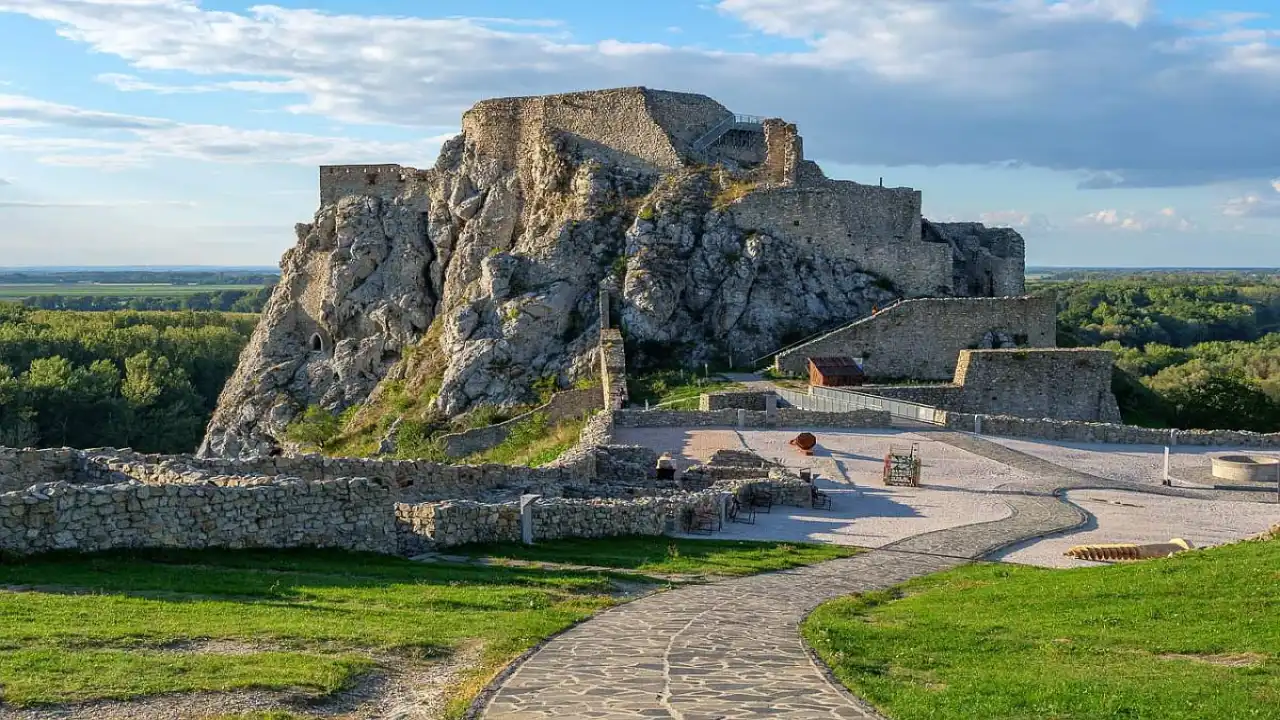
Devin Castle is partly broken, and that’s the point. Sitting above where two rivers meet, it feels open, exposed, and honest. This place has seen Celts, Romans, medieval armies, and modern borders come and go.
What makes Devin unique
- Open ruins you can explore freely
- Wide river views
- Deep, layered history
- Quiet atmosphere
Standing here feels less like sightseeing and more like thinking.
Pro tip: Sunset changes everything here.
9. Golubac Fortress, Serbia
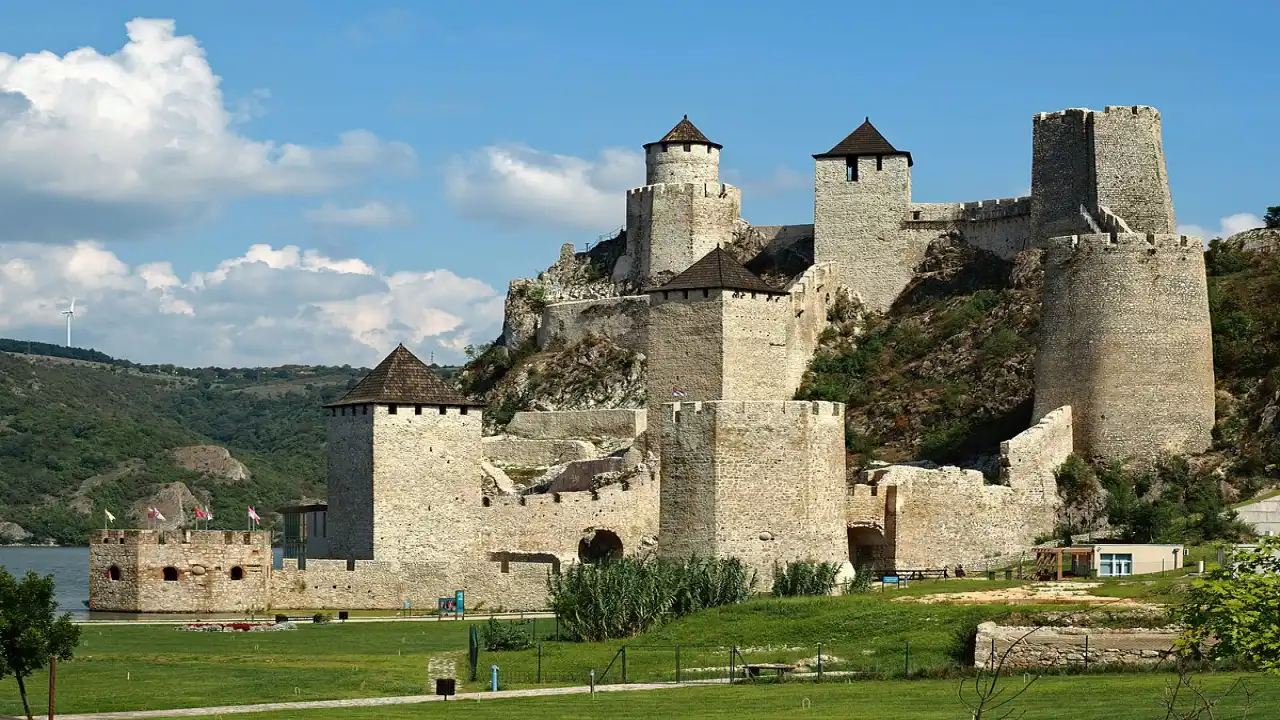
Golubac Fortress sits right along the Danube, guarding the entrance to the Iron Gates gorge. Towers rise straight from the riverbank, sharp and imposing. After years of neglect, it’s been restored carefully, without losing its rough edges.
Reasons to stop here
- River-side location
- Strong visual impact
- Fewer crowds
- Scenic surroundings
Golubac doesn’t feel packaged. It feels grounded.
Pro tip: Combine this with a river walk or cruise.
Planning Your Castle Route
Eastern Europe rewards slow travel. Castles are close enough to group, but different enough to keep things interesting.
Simple planning ideas
- Cluster visits by country
- Stay in smaller towns
- Mix castle days with local food stops
- Leave room for detours
This style of travel fits naturally into a broader Europe tour without feeling rushed or forced.
Practical Travel Advice
Best time to visit
- Late spring and early autumn are comfortable
- Summer works but gets busy
- Winter adds mood but limits access
Budget notes
- Entry fees are generally reasonable
- Guided tours are optional
- Food nearby is often affordable
Who enjoys these places most?
- History fans
- Slow travelers
- Families who like stories
- Couples seeking quiet moments
These castles also blend well into carefully planned International Packages for travelers who prefer culture over crowds.
Conclusion
Underrated castles in Eastern Europe don’t try to impress you. They don’t need to. Their walls are chipped. Their floors are worn. Their stories aren’t polished. If crowded landmarks feel tiring, these places offer something calmer. You walk. You pause. You imagine. And long after you’ve left, the feeling of standing inside real history stays with you quietly, but clearly.