Vietnam in Winter Season: Why It's Actually the Best Time to Visit
Introduction
Why does everyone assume Vietnam belongs to summer?
Ask most travelers when to go to Vietnam, and you will hear the usual answers. Spring blossoms. Summer beaches. Festive chaos. Rarely does anyone pause and say winter. Which is strange, because Vietnam does winter in its own quiet, competent way. It does not freeze. It does not retreat. It simply exhales. The crowds thin, the light softens, the cities regain their balance, and the countryside seems to stretch its limbs without being watched. Before we label it an off-season, it helps to understand how this long country behaves when the calendar turns colder and why Vietnam in winter might quietly outperform every other month you were considering.
Vietnam is not one climate wearing different outfits. It is three personalities stacked vertically. The north gets crisp, the center behaves, and the south barely notices. That unevenness is exactly what makes winter travel here interesting rather than limiting.
Understanding Vietnam’s winter without oversimplifying it
- Winter in Vietnam typically runs from December to February. This does not mean the same thing everywhere.
- Northern Vietnam cools down properly. Hanoi pulls on a light jacket. Sapa wakes up to fog and, on rare mornings, frost. Ha Long Bay trades harsh glare for silver skies.
- Central Vietnam calms after the monsoon tantrums of autumn. Rain fades. The sea smooths itself out.
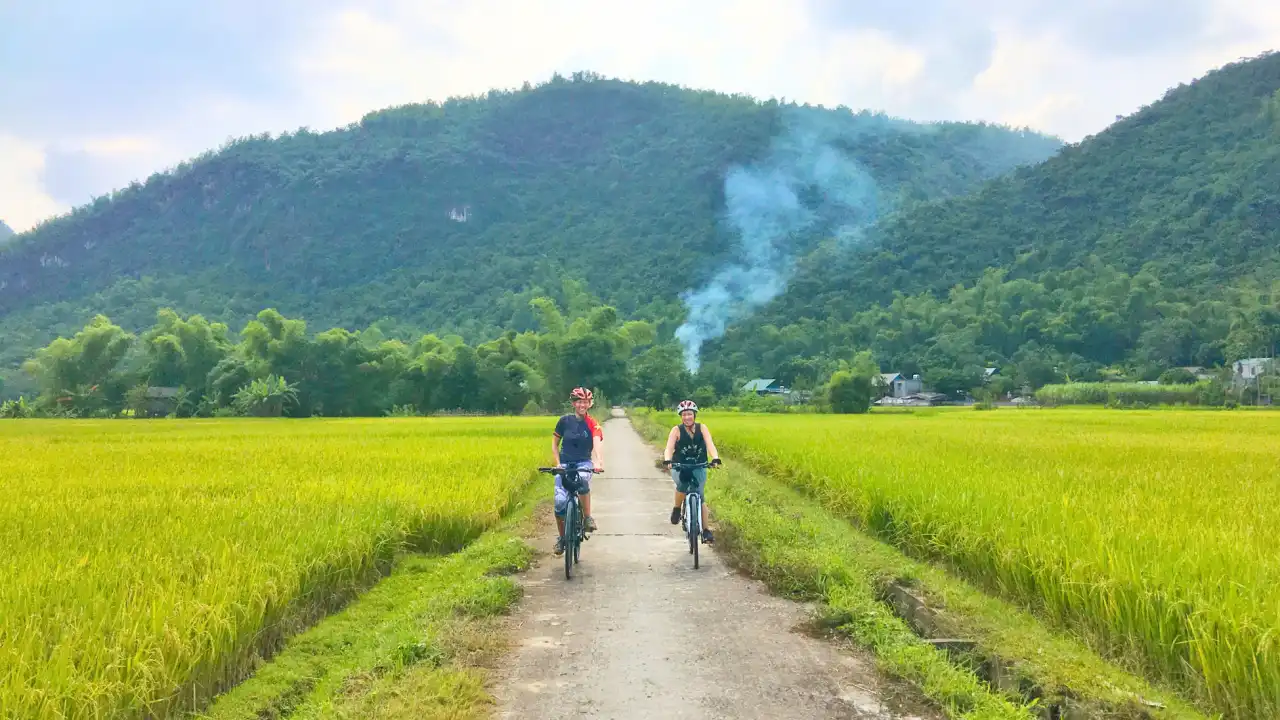
- Southern Vietnam, including Ho Chi Minh City and the Mekong Delta, stays warm but loses its humidity edge. You walk longer. You sweat less. You linger.
- This seasonal imbalance is why Vietnam winter travel works so well if you plan with geography rather than a single forecast.
Hanoi feels like itself again
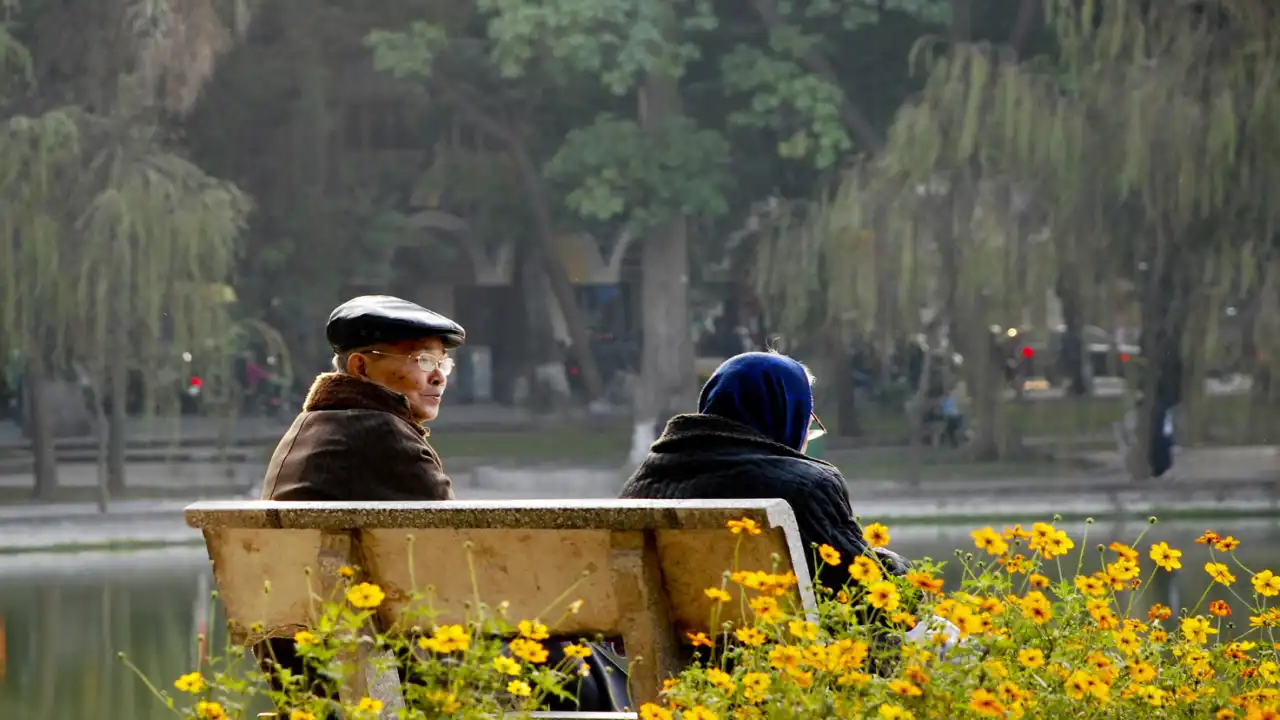
Hanoi in summer is a test of patience. In winter, it becomes a conversation partner. The air cools to a level where walking is no longer an act of endurance. Street food stalls stop rushing. Coffee tastes heavier. Locals slow down just enough to notice you. You start seeing details that heat normally erases. Moss on temple walls. Steam lifting from bowls of pho at dawn. Elderly men practicing tai chi beside Hoan Kiem Lake, their movements unhurried and exact.
Winter also sharpens Hanoi’s cultural calendar.
- Small art exhibitions appear without fanfare
- Traditional music performances move indoors and feel more intimate
- Cafes shift from iced drinks to egg coffee and strong drip brews
This is not the Hanoi that shouts for attention. It does not need to.
Ha Long Bay trades drama for depth
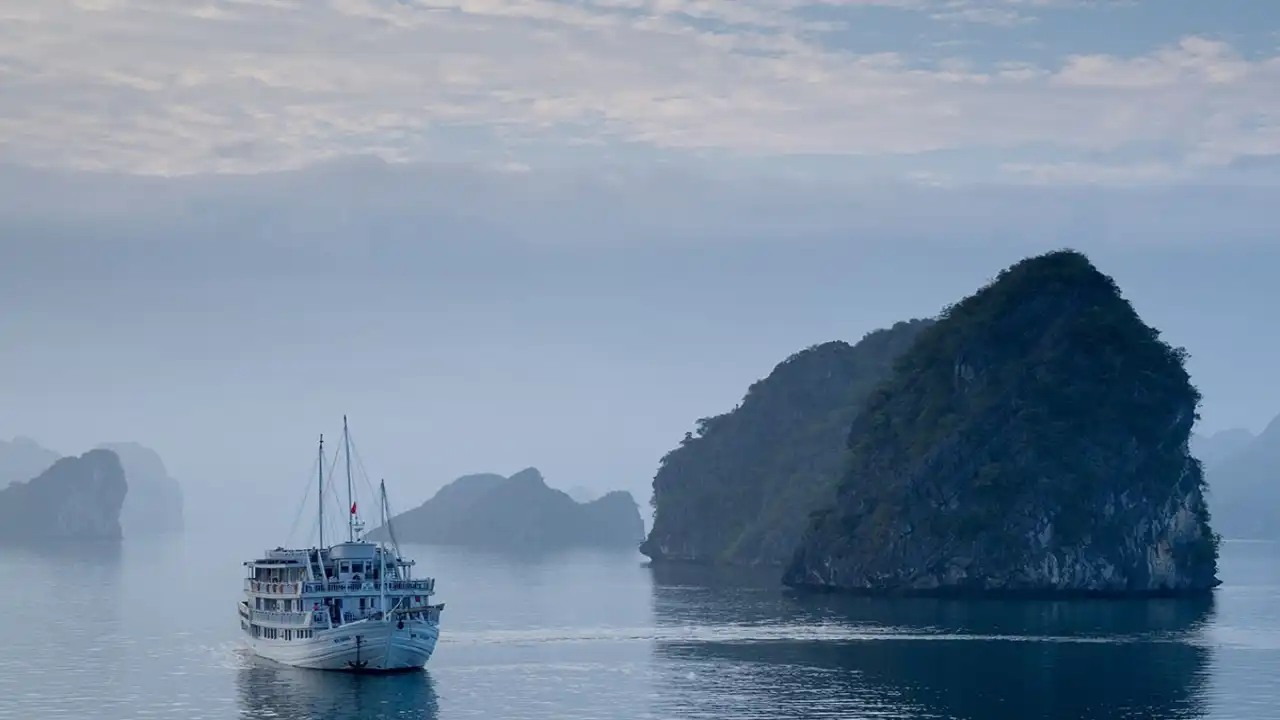
Ha Long Bay in winter looks less like a postcard and more like a painting that expects you to stand still. The limestone karsts fade into mist rather than blinding sunlight. The water darkens. Boats move more slowly. You notice how quiet it can be once the tour groups thin out. Swimming is limited, yes. But kayaking through still coves, listening to nothing but paddles and birds, feels like a fair trade. Winter cruises are less about deck lounging and more about atmosphere. Think warm meals, layered clothing, and early nights watching the fog roll in. It feels older, almost literary.
Central Vietnam finally relaxes
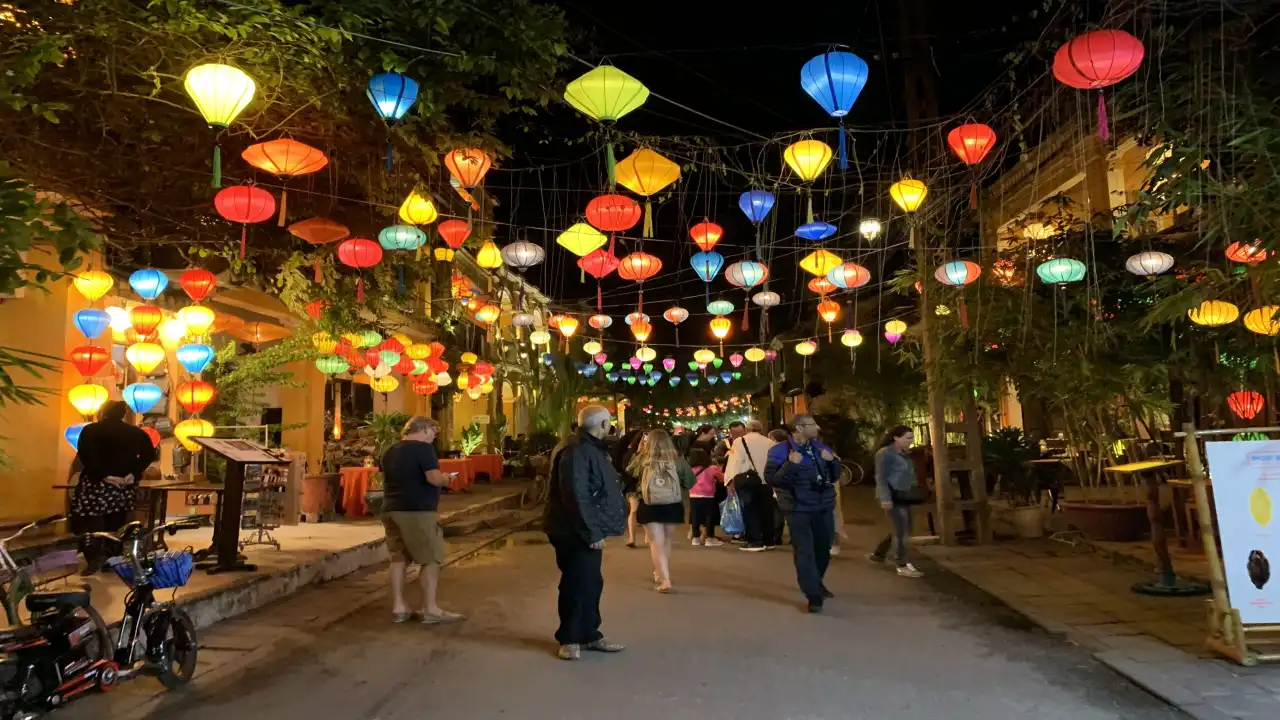
Hue, Da Nang, and Hoi An suffer most from being visited at the wrong time. Winter corrects that mistake. Hoi An in December and January is what people imagine it always is. Lanterns reflected on calm water. Streets that invite wandering rather than dodging. Tailors who talk rather than rush. Hue benefits even more. The imperial city needs cool weather to make sense. Long walks through citadels and tombs stop feeling academic and start feeling immersive. The Perfume River lives up to its name when the air is clean and still. Da Nang sits comfortably between the city and the beach in winter. The sea is not always swim-ready, but the promenades come alive in the evenings. Locals reclaim their city.
The north becomes quietly dramatic
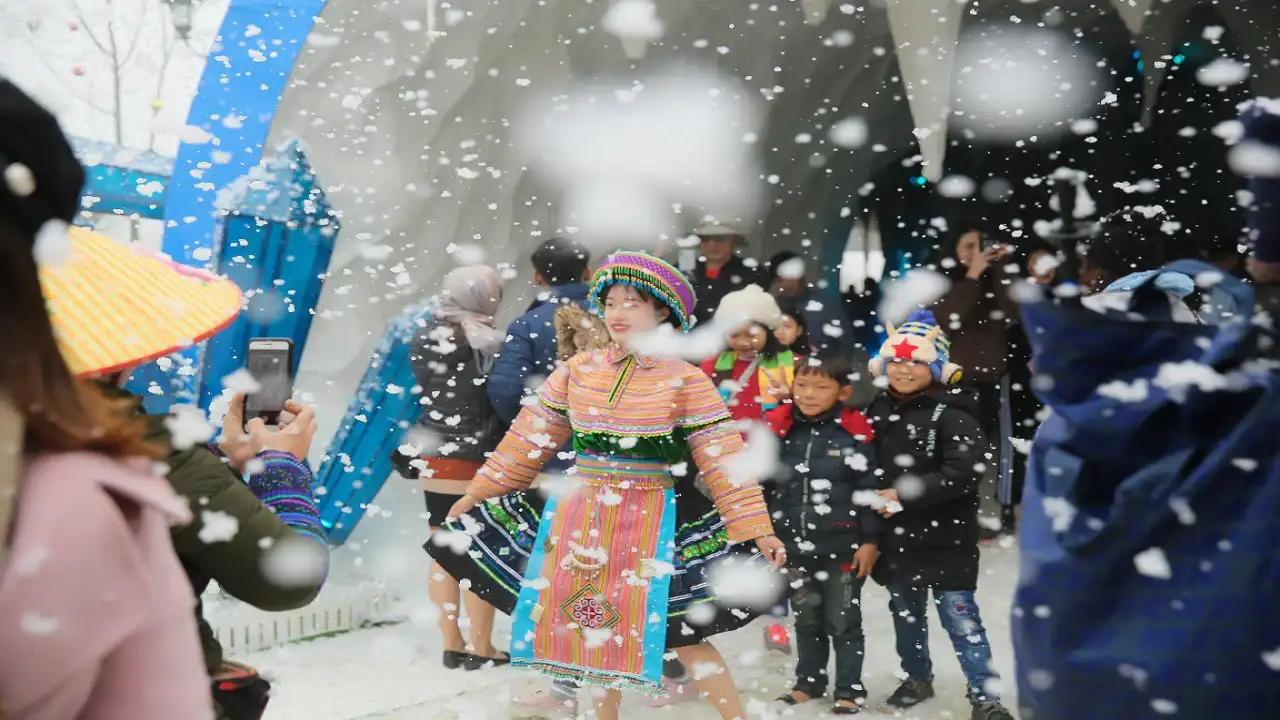
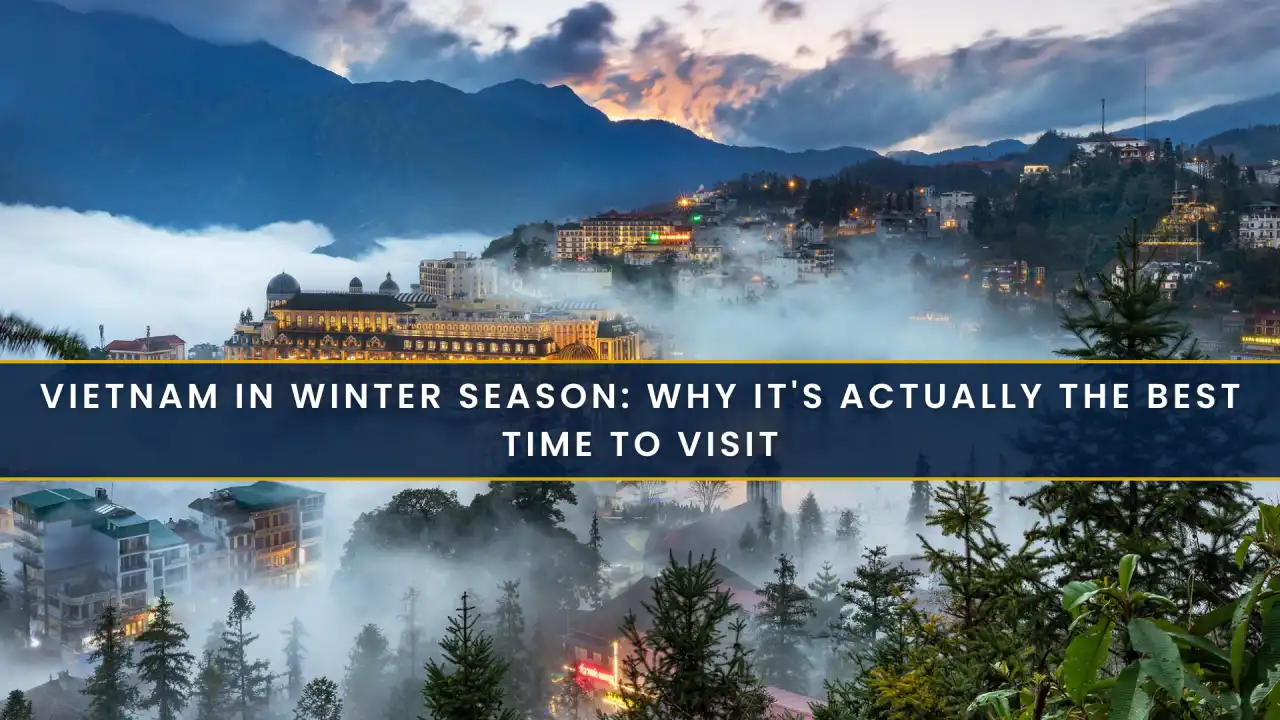
Sapa in winter is not for everyone. That is exactly the point. The rice terraces rest. The mountains wear clouds like an accessory. Temperatures drop enough to change how you move and what you notice. Markets feel warmer. Homestays feel earned. When the fog parts, the views feel private rather than advertised. There is also a chance, slim but real, of frost or even snow. Vietnam wearing white confuses the brain in the best way possible. This is travel that rewards patience, not checklists.
Southern Vietnam without the sweat tax
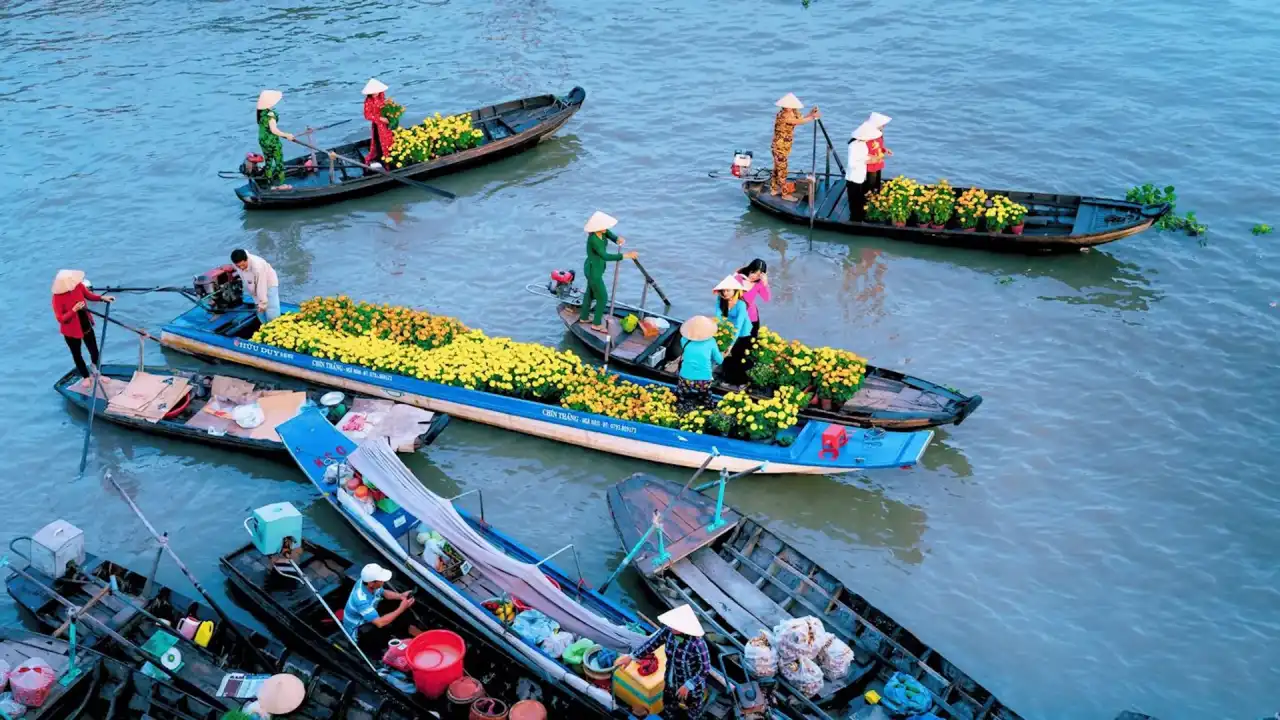
Southern Vietnam in winter never slows, but winter makes it tolerable to keep up. Days stay warm but lose the oppressive humidity. Sidewalk cafes fill up again. Walking tours stop being endurance sports. The Mekong Delta shines in winter. Boat rides feel breezier. Floating markets start earlier and linger longer. Fruit tastes sharper. Villages feel open rather than sleepy. Beach destinations like Phu Quoc remain warm and clear. Winter is peak season here for a reason. Calm seas, clean skies, and evenings that invite long dinners rather than air-conditioned retreats.
Festivals that feel local, not staged

Winter is festival season without the performative chaos. Tet preparations begin quietly in December. You see kumquat trees lining streets, red banners appearing one by one, and families cleaning ancestral homes. By late January or early February, the Lunar New Year arrives. Travel slows, shops close, cities empty out, and family life takes over. For travelers willing to adapt, this is one of the most revealing times to be in Vietnam. You are not entertained. You are included, cautiously but genuinely.
Food tastes better when the air cools
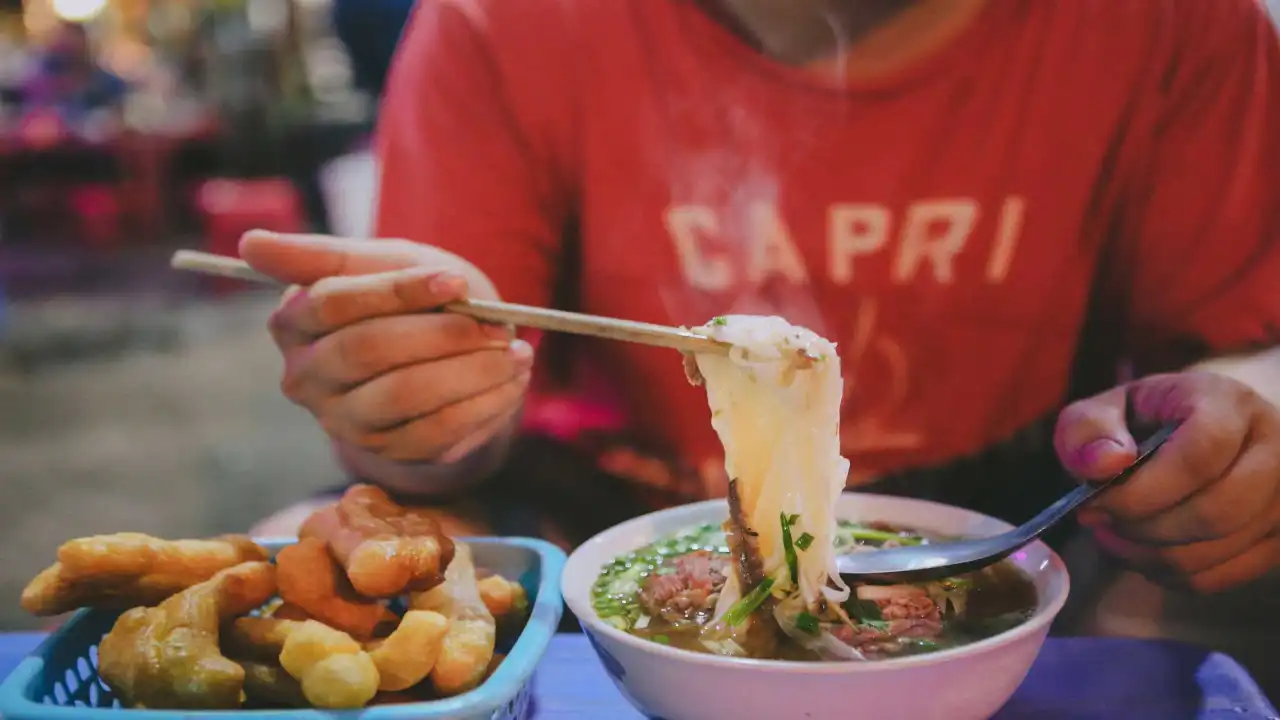
Vietnamese food is designed for balance. Winter lets that balance shine. Hot dishes come forward without apology. Pho, bun bo Hue, and hot pots stop being default choices and start feeling intentional. Street vendors adjust menus subtly. More broths. Fewer iced drinks. Desserts shift from crushed ice to warm, sweet soups. Eating becomes less about cooling down and more about settling in.
Crowds thin, conversations don’t
Winter quietly filters the traveler demographic. You get fewer checklist tourists and more people who are meant to be there. Conversations deepen. Shared experiences replace shared itineraries. Popular spots remain popular, but the edges become accessible again. You find tables without waiting. You hear local languages more than tour commentary. This is why many seasoned travelers quietly argue that winter is the best time to visit Vietnam, even if they say it under their breath.
Packing for winter without overthinking it
Winter packing for Vietnam is about layers, not luggage.
- Light jackets for the north
- Breathable long sleeves for the center
- Summer clothing for the south
- Comfortable walking shoes everywhere
You will use everything you bring, which is rare in travel.
Costs and logistics make sense
Winter sits in a strange middle ground. Flights can be higher around Tet, but accommodation often balances it out before and after. Tours operate smoothly without weather disruptions. Transport delays decrease. Well-designed Vietnam tour packages tend to shine in winter because itineraries actually run as planned rather than being adjusted for heat or rain. This is also when travelers start thinking beyond Vietnam, pairing it with nearby countries through thoughtfully timed international packages that benefit from the same seasonal logic.
A word on planning without fuss
Vietnam rewards travelers who understand pacing. Winter helps by removing environmental pressure. You can plan ambitious routes without burning out. You can stay longer in one place without guilt. You can wander without planning every hour. Travel companies like Travel Junky quietly understand this rhythm. The best experiences often come from knowing when to slow down rather than when to add more.
Conclusion
Winter in Vietnam does not sell itself loudly. It does not rely on perfect weather or dramatic promises. It simply creates conditions where the country feels more like itself and less like a performance. Streets breathe, landscapes soften, and experiences deepen without trying too hard. For travelers willing to look past assumptions, Vietnam in winter offers something increasingly rare. Space to notice. Time to listen. And a version of the country that does not feel edited for visitors but shared, carefully, on its own terms.
Also read: Where Can You Try Vietnamese Coffee in Its Most Authentic Form
Pro Tips
- Book domestic flights early around Tet and remain flexible with dates
- Expect some northern fog and treat it as atmosphere, not an inconvenience
- Carry small gifts or snacks if traveling during the Lunar New Year as a gesture of goodwill
- Plan north-to-south itineraries to follow the warming temperatures
- Eat where locals linger, not where menus shout