What Are the Best Cultural Experiences to Try in Singapore?
Introduction
Can you really understand a place just by visiting its museums, or does culture reveal itself in smaller, quieter ways? Singapore often answers that question before you even ask it. The city looks precise, even controlled, but scratch beneath the surface and something older hums steadily. A man is folding prayer mats outside a mosque. Elderly residents lingering over coffee at sunrise. Flower sellers arrange garlands with practiced hands. These moments are not staged, nor are they announced. They are simply living. This is where Singapore cultural experiences begin to feel real. It carries its history lightly. Chinese, Malay, Indian, and Peranakan influences blend seamlessly. Culture here does not pause for visitors. It continues, with or without you.
Chinatown as It Actually Functions
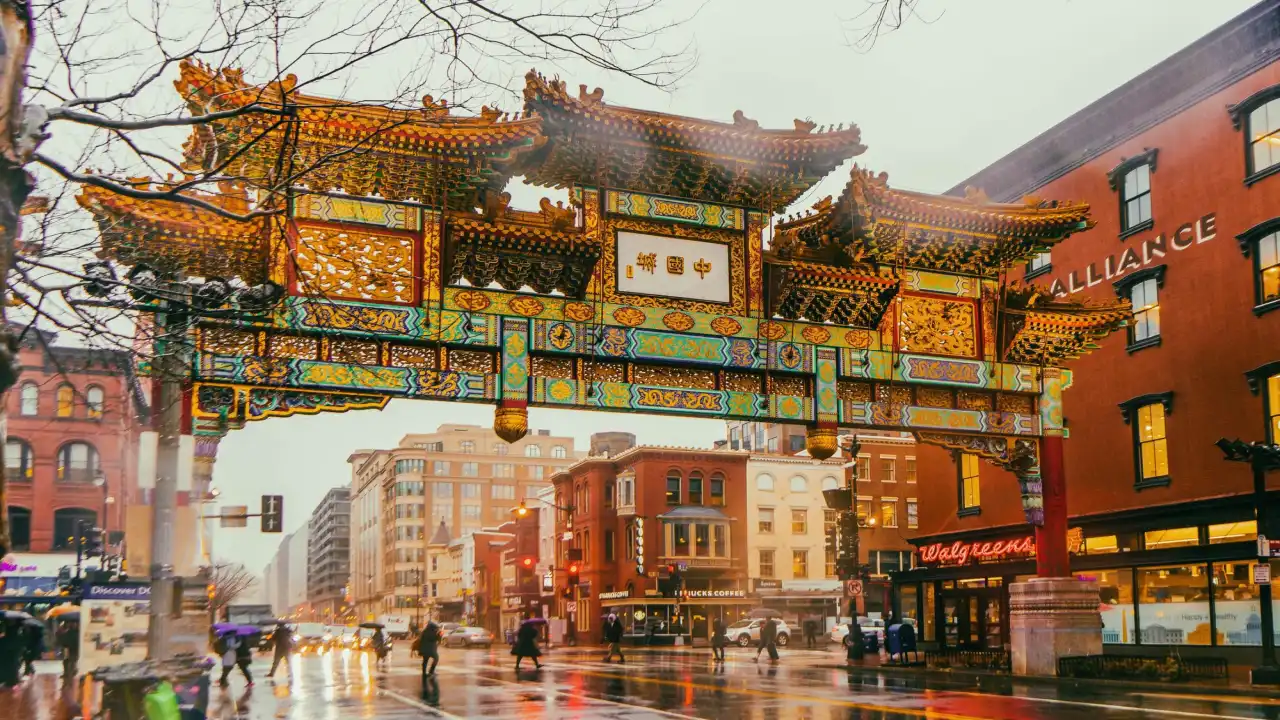
Chinatown is rarely quiet, but early mornings soften it. Coffee shops fill with regulars reading newspapers. Someone practices tai chi in a corner park. By noon, the area swells with workers slipping into temples between meetings, vendors calling out prices, and delivery carts weaving through crowds.
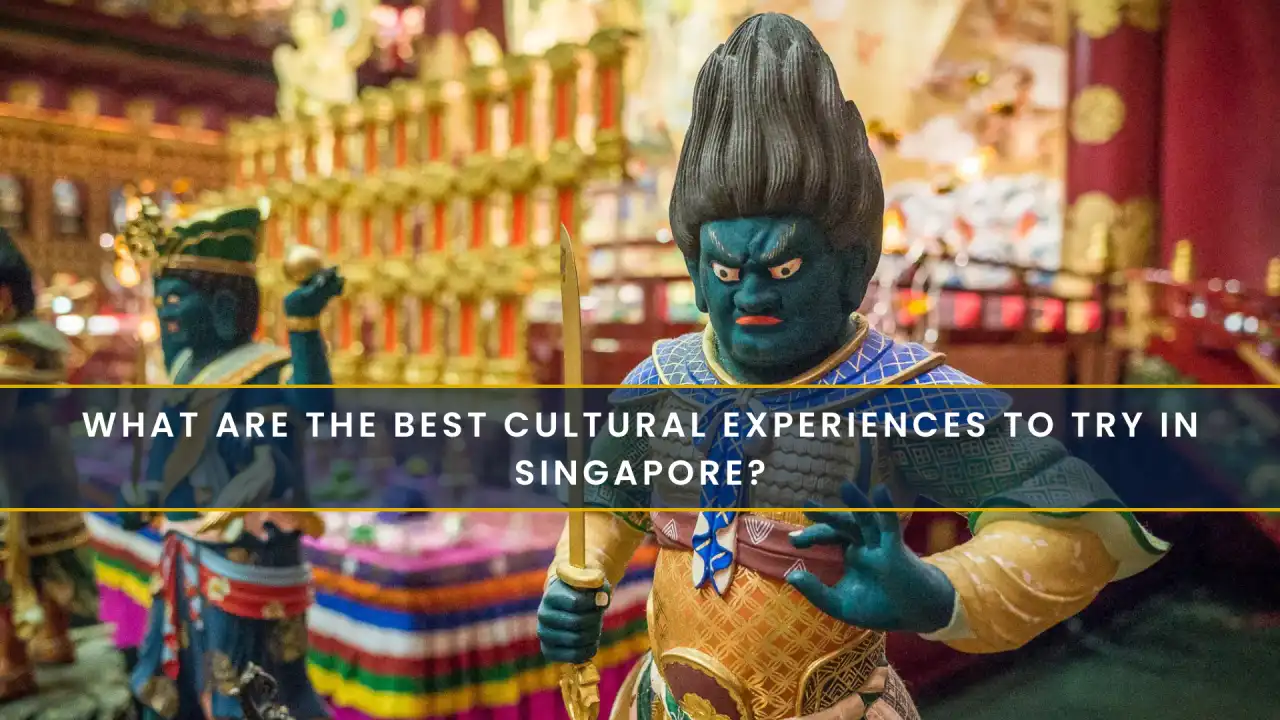
The Buddha Tooth Relic Temple draws attention, but the surrounding herbal shops and traditional businesses say just as much. Old trades survive here not because they are preserved, but because they are still needed. This is one of those Singapore cultural experiences that happens without explanation.
Little India and the Weight of Sensory Life
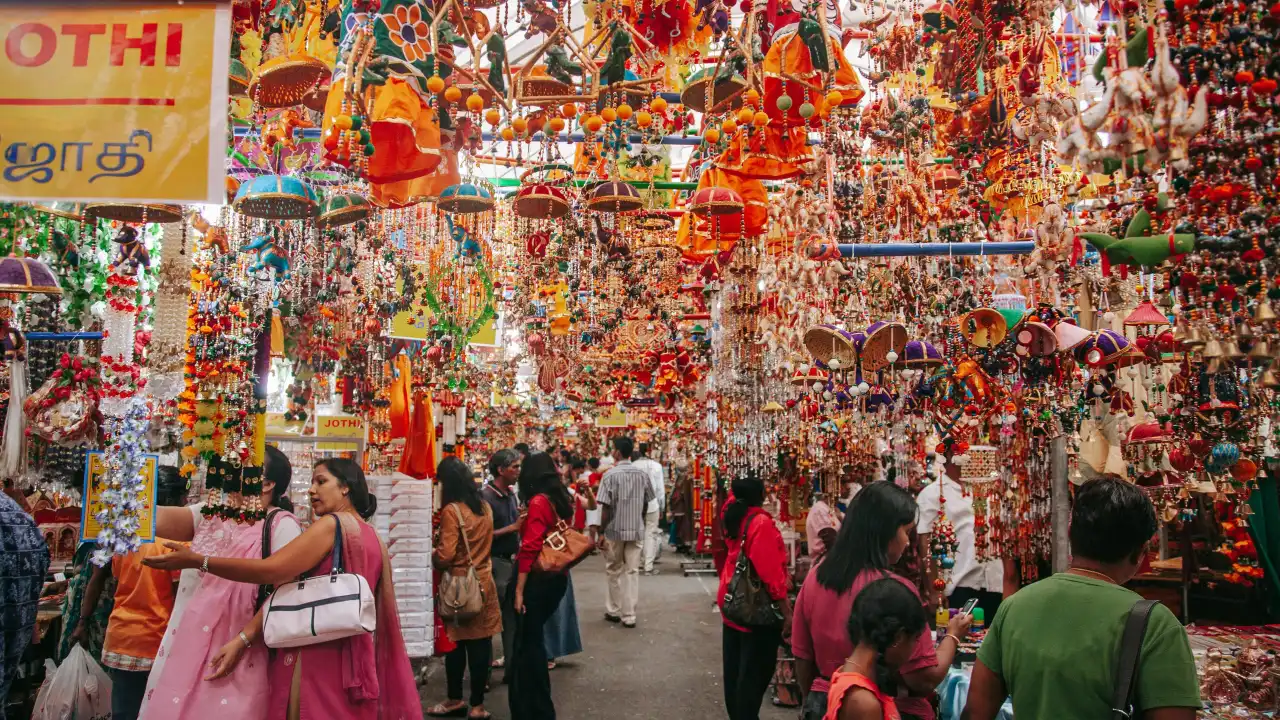
Little India announces itself immediately. Spices hang in the air. Music spills from storefronts. Flower sellers work quickly, hands moving from habit rather than instruction. The streets are loud, crowded, and functional.
What stands out is purpose. Shops exist for ceremonies, prayers, weddings, and daily needs. Even a casual walk reveals how culture operates as a necessity rather than a performance. These are everyday Singapore cultural activities, not curated moments.
Kampong Glam and the Long Memory of Trade
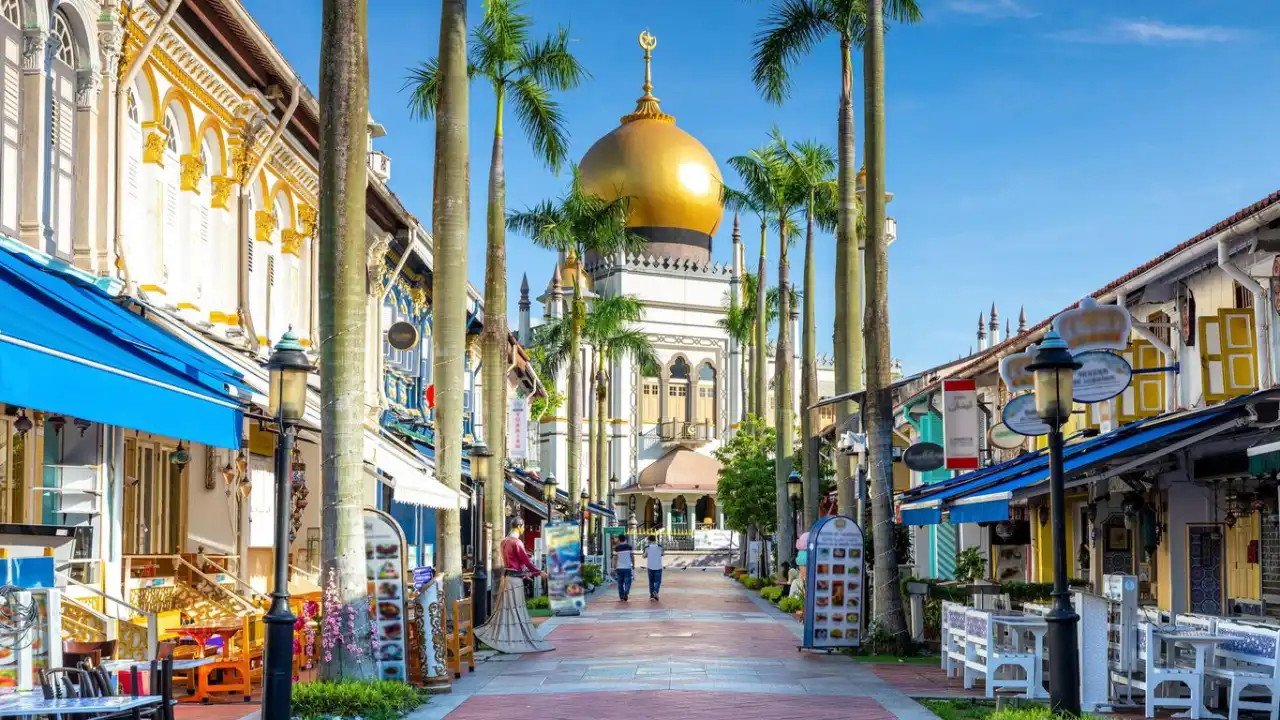
Kampong Glam feels reflective. The Sultan Mosque anchors the area, but the smaller streets tell deeper stories. Textile shops, perfumeries, and eateries trace trade routes older than modern Singapore itself.
Heritage here is passed through conversation. Speak with shop owners, and you hear fragments of family history, migration, and adaptation. Culture moves quietly through these exchanges.
Hawker Centres as Social Contracts
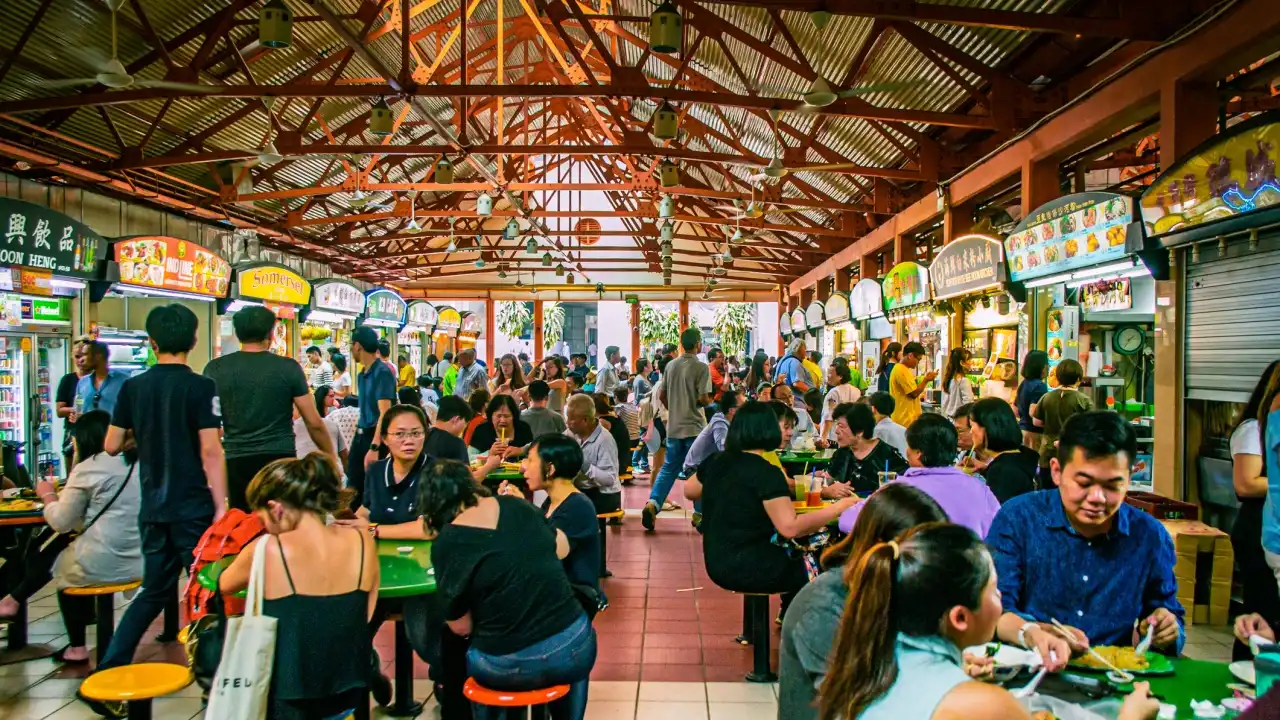
Singapore’s hawker centres are cultural systems disguised as food courts. Every action has a rhythm. Queues form naturally. Tables are shared without discussion. Trays are cleared without reminders.
Meals reveal history more clearly than monuments.
- Kaya toast and kopi at breakfast
- Nasi lemak or roti prata by midday
- A mix of cuisines in the evening
Eating this way places you inside the city’s daily logic. Few Singapore cultural experiences are as immediate or as honest.
Traditional Arts That Continue Without Apology
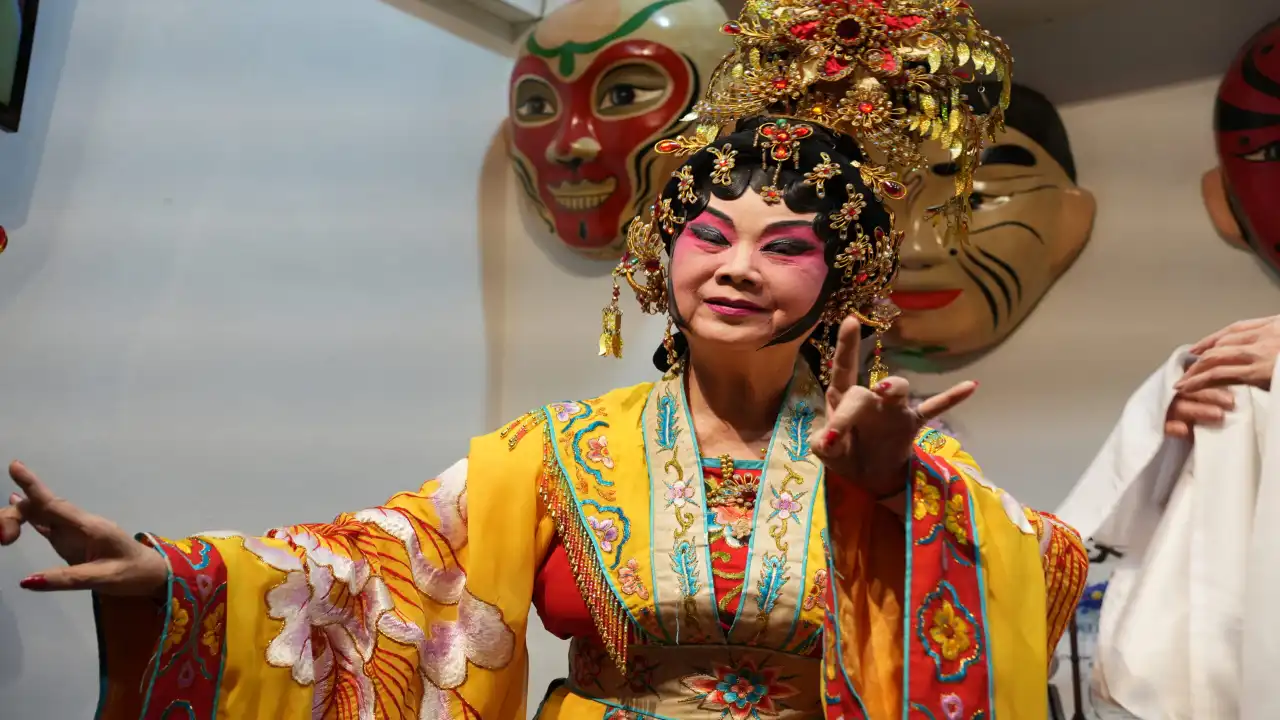
In Singapore, tradition survives because it is practiced. Chinese opera appears during festivals in temporary outdoor spaces. Locals attend because it belongs to them, not because it is advertised. Indian classical dance and music often take place in modest halls where the audience understands the cues. Malay music and oral traditions emphasize participation, not spectacle. These are not background performances. They are part of daily cultural continuity and core Singapore cultural activities.
Religious Spaces as Daily Infrastructure
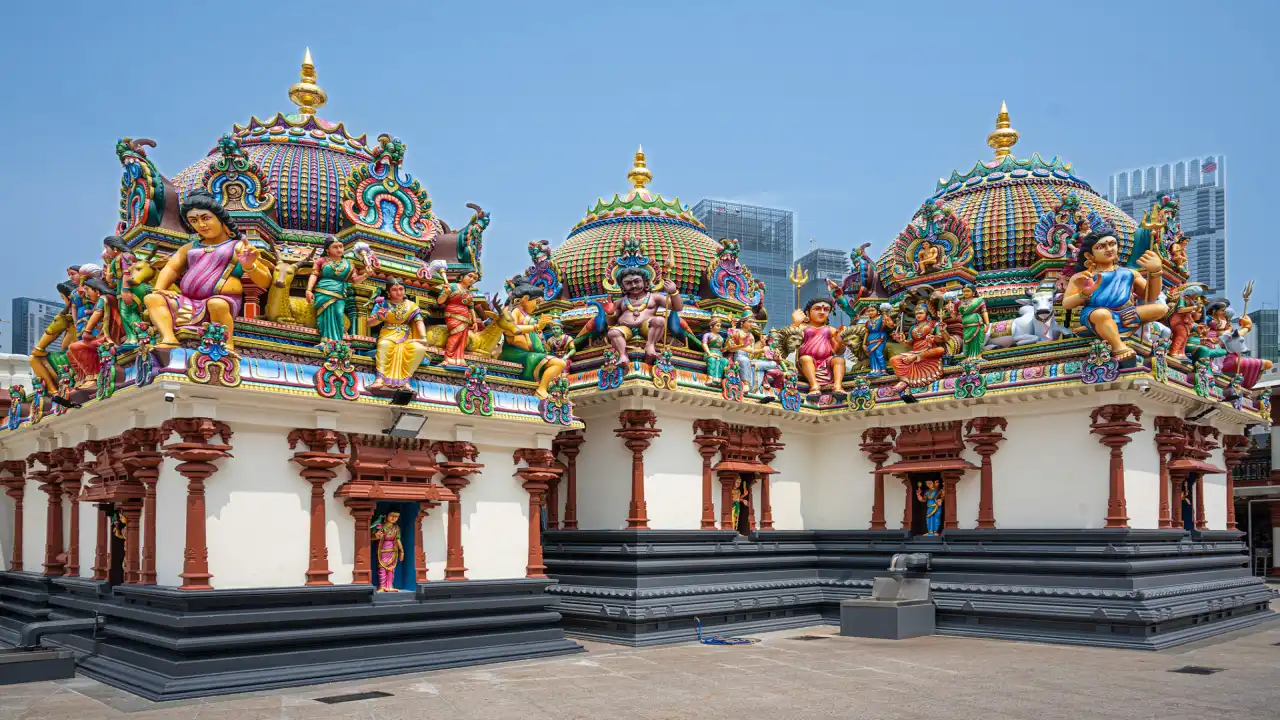
Religion in Singapore is integrated, visible, and practical. Observing quietly teaches more than guided explanations.
- Sri Mariamman Temple during morning rituals shows devotion folded into routine
- Sultan Mosque on Fridays shapes the rhythm of the surrounding streets
- Thian Hock Keng Temple, before festivals, feels communal rather than ceremonial
These moments offer insight beyond what most lists of the best Singapore cultural attractions suggest.
Museums That Expect You to Think
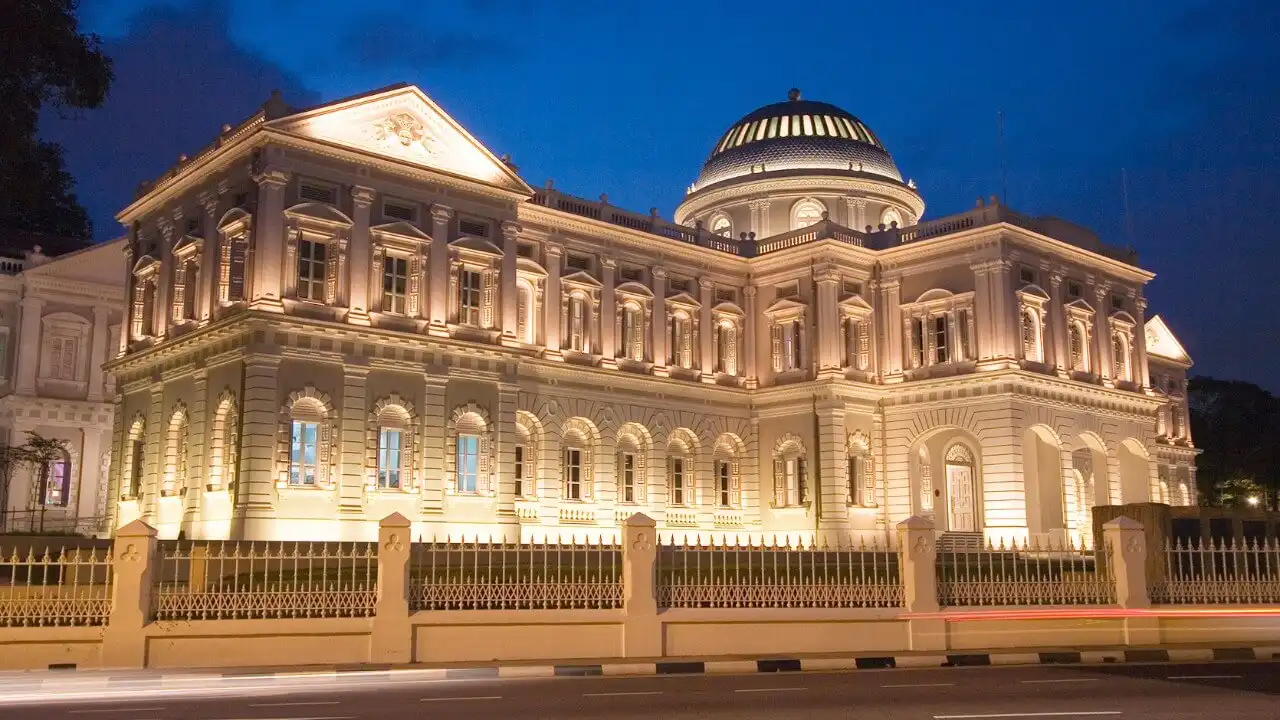
Singapore’s museums work best when they trust visitors. The National Museum presents history through lived experience rather than timelines. The Asian Civilisations Museum connects migration, belief, and trade without simplifying them. You leave with questions rather than conclusions, which feels appropriate for a city shaped by constant movement.
Festivals That Alter the City’s Shape
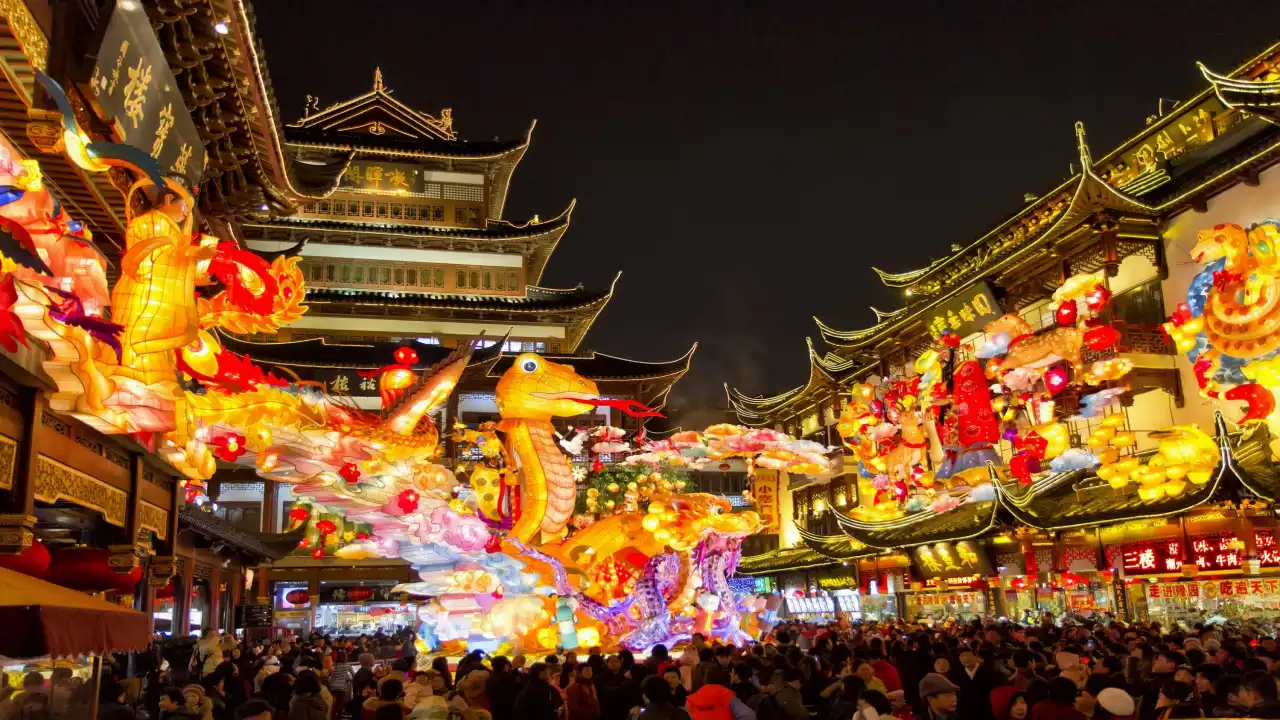
Festivals here do not sit politely on calendars. They reshape space. Chinese New Year changes entire neighborhoods. Hari Raya shifts market rhythms and social schedules. Deepavali redraws streets with light and sound. Standing among these changes, even quietly, gives context to Singapore cultural experiences as something active and evolving.
Learning by Doing, With the Right Guidance
Some cultural understanding only comes through participation, and having the right local context makes all the difference. Cooking Peranakan dishes reveals stories hidden in ingredients. Batik painting teaches patience and repetition. Tea appreciation sessions show how ritual governs social interaction. When these experiences are thoughtfully curated, they become more than activities. They become points of connection. Well-designed cultural itineraries, like those offered by Travel Junky, focus on involvement rather than observation, allowing travellers to engage meaningfully instead of simply watching from the sidelines.
Everyday Life, Interpreted Thoughtfully
Singapore manages diversity through routine. Public transport, markets, and shared spaces reveal how cultures coexist through structure rather than slogans. For visitors, understanding these subtleties is easier when everyday moments are framed with insight. Our Singapore tour packages are designed to highlight these lived details, helping travellers notice patterns, etiquette, and rhythms that might otherwise go unnoticed in a fast-paced trip.
Conclusion
Singapore does not present culture as a show. It lives it. The most meaningful Singapore cultural experiences are quiet, habitual, and easy to miss if you rush. Neighborhoods, food centres, faith spaces, and daily routines form the city’s true cultural map. Exploring them independently can be rewarding, but exploring them with the right guidance adds depth and clarity. With Travel Junky’s international packages, travellers are encouraged to slow down, engage deeply, and experience Singapore not as a checklist, but as a living, breathing culture that reveals itself to those who know where to look.
Pro Tips
- Visit the same area at different times of day
- Ask before photographing people or rituals
- Eat where locals queue naturally
- Observe public transport etiquette
- Participate only when invited; otherwise, watch first