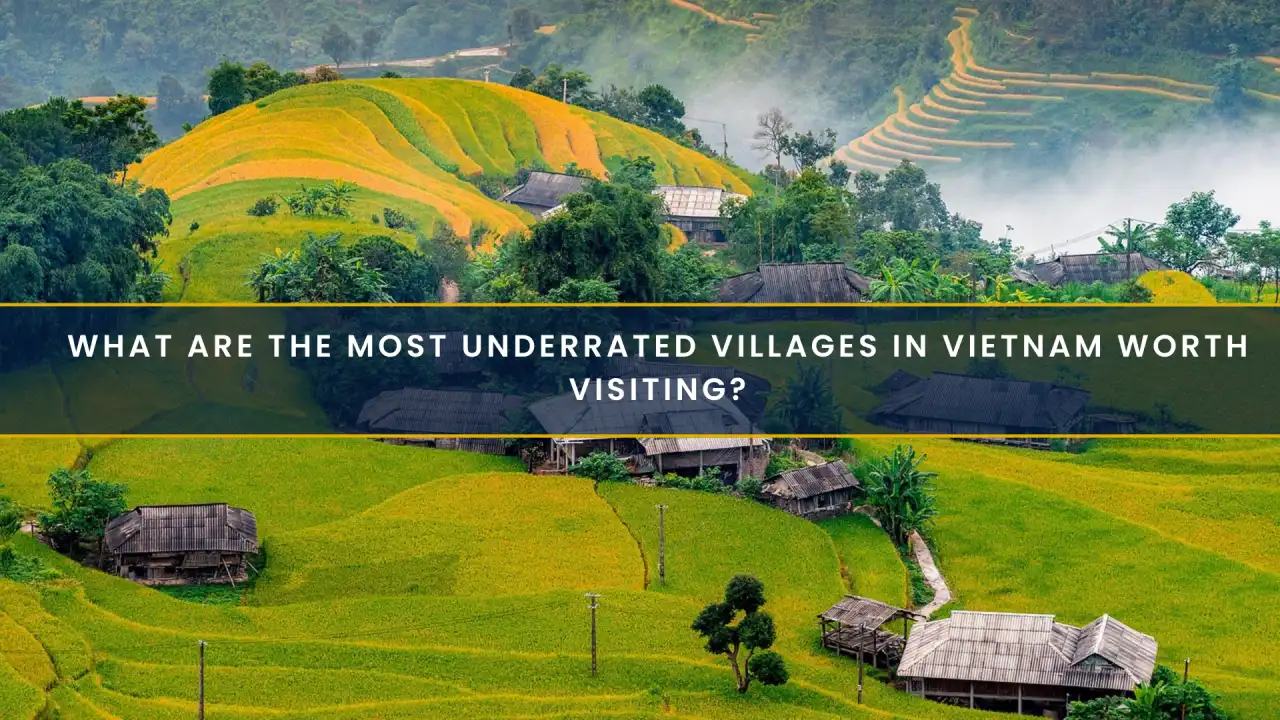
What Are the Most Underrated Villages in Vietnam Worth Visiting?
Introduction
Is it possible that your favorite place in a country is one you had never heard of the day before you stumbled into it? Vietnam is full of cities that dominate itineraries, but its smaller places, the ones hidden behind rice paddies, ferry crossings, and misty backroads, often stay unnamed on most maps. Travelers chase highlights, but some of the nation’s richest textures gather quietly in villages that barely whisper for attention. If you have ever felt that tug to explore beyond the obvious, this is where the trip starts. And somewhere after you get past the usual planning anxiety and scroll fatigue, you discover the charm of the underrated villages in Vietnam, the ones that make you think travel is still full of surprises.
Below are six villages that feel refreshingly uncurated. None of them is pretending to be the next big thing, which is exactly why they deserve space on your route.
Ky Son Village: The Slow-Living Experiment That Works
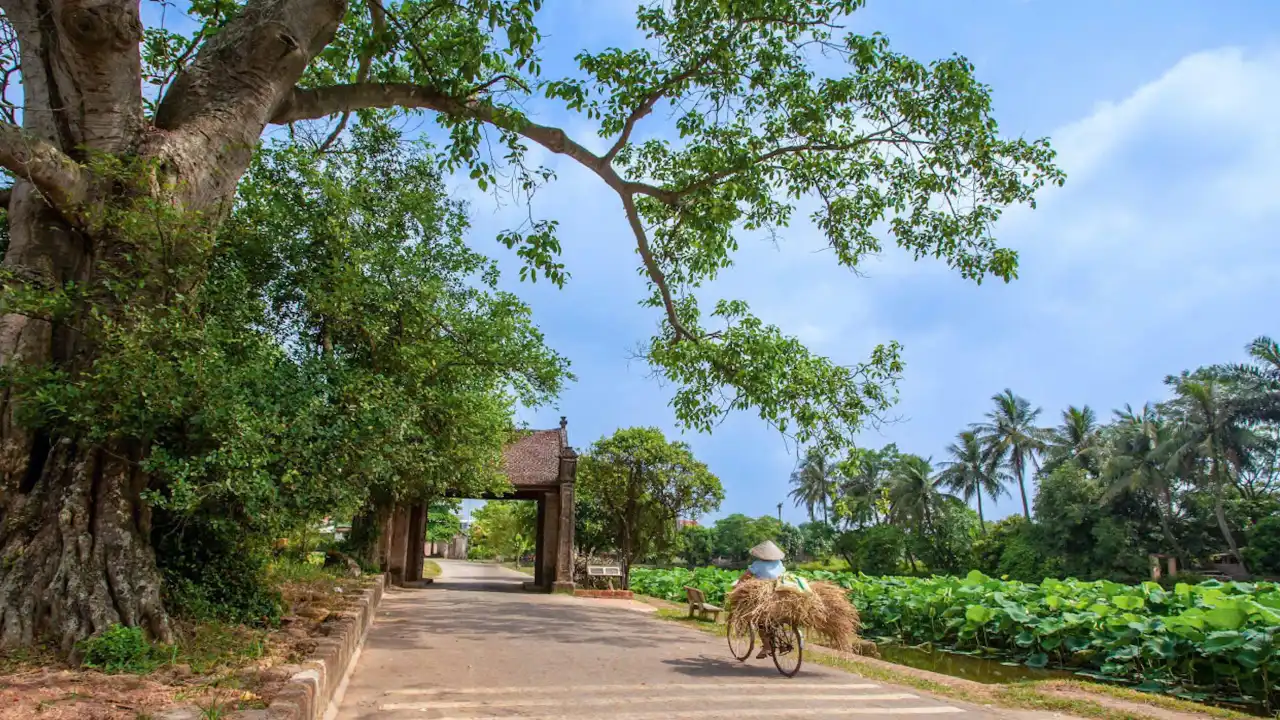
Ky Son sits close enough to Hanoi for a day trip, yet it feels like someone pressed pause on time. The village is known for its earthy quiet and for households that have mastered the art of hospitality without theatrics. Rice fields wrap around wooden homes, morning markets feel like they belong in a documentary that never tries too hard, and the scent of lemongrass drifts around the pathways between gardens.
Visitors often find themselves:
- Joining a family for herbal foot baths
- Wandering between community vegetable patches
- Learning traditional cooking methods that favor patience over precision
Ky Son is not designed for performance. It is a place where you are reminded that a village rhythm can be a destination in itself.
Duong Lam Ancient Village: The Clay-Toned Storybook
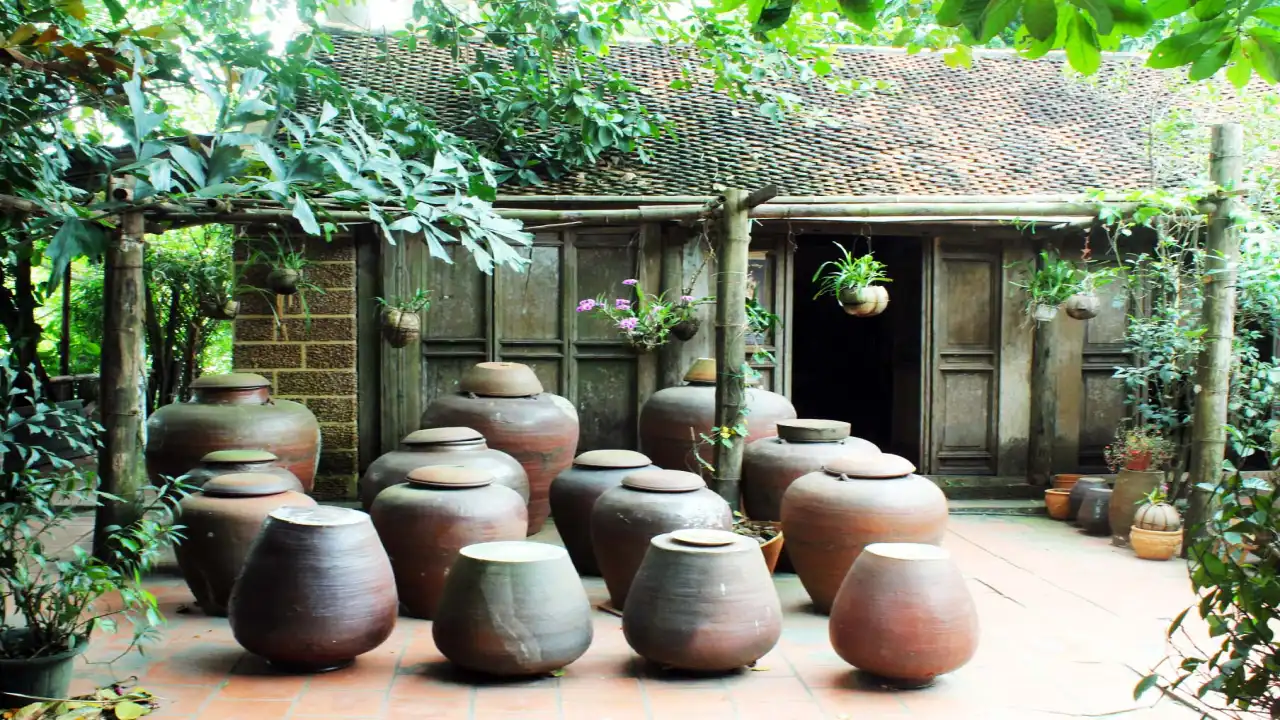
Duong Lam is often called a living museum, but that phrase undersells its personality. Its laterite houses hold a rust-red complexion that changes shade with every passing cloud. Doorways open into bitter tea, soft chatter, and courtyards where bicycles lean old and tired against the walls. The charm is in the textures. Narrow lanes feel purposeful rather than maze-like. Life spills out in a quiet way, like it has no interest in impressing you just to be photographed. If you love architecture but dislike anything overly staged, Duong Lam is the balance you have been hunting.
Cam Kim Village: Where Craftsmanship Still Breathes
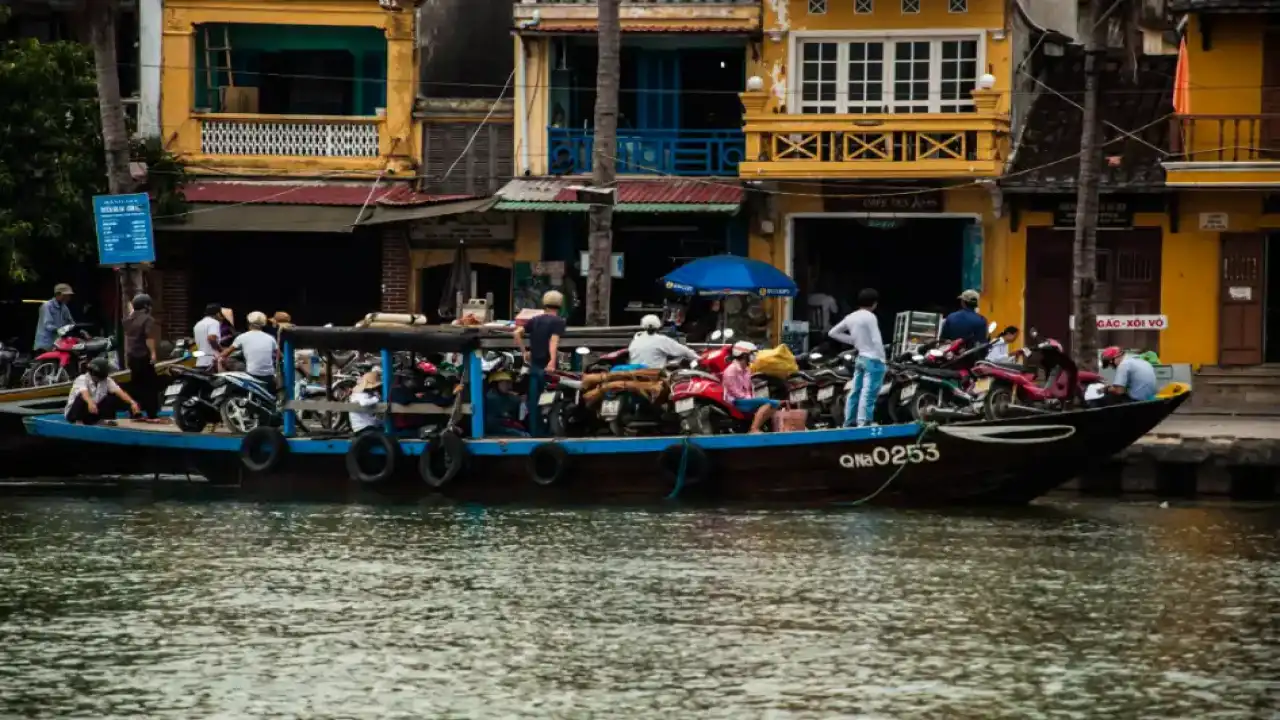
A short ferry ride from Hoi An takes you to Cam Kim, a woodworking village that produces furniture, carvings, and utensils, often overshadowed by the city’s glossier workshops. Here, carpenters work in open front rooms, sawdust drifting into sunlight that cuts through the air like soft haze. Walk the backroads, and you hear chisels tapping in irregular rhythms. The river curls lazily around the village, carrying longboats and local gossip. Bicycles make it easy to move around, but half the joy is simply stopping to listen. Cam Kim gives you a front-row view of craft at a human pace.
Tra Que Village: A Thousand Shades of Green

Tra Que sits on fertile land between Hoi An and the sea. What makes it magnetic is not its postcard prettiness but the way its farmers treat soil like a living thing. The vegetable gardens here look almost choreographed, every row aligned by instinct and tradition rather than blueprint. This is one of the best places in Vietnam to understand how farming is woven into identity. You can wander the pathways between water basil, lemongrass, and mint, all of it shimmering in the morning sun. The air somehow smells fresher here, like someone opened a window straight into the countryside.
An Binh Island Village: The Mekong Without the Noise
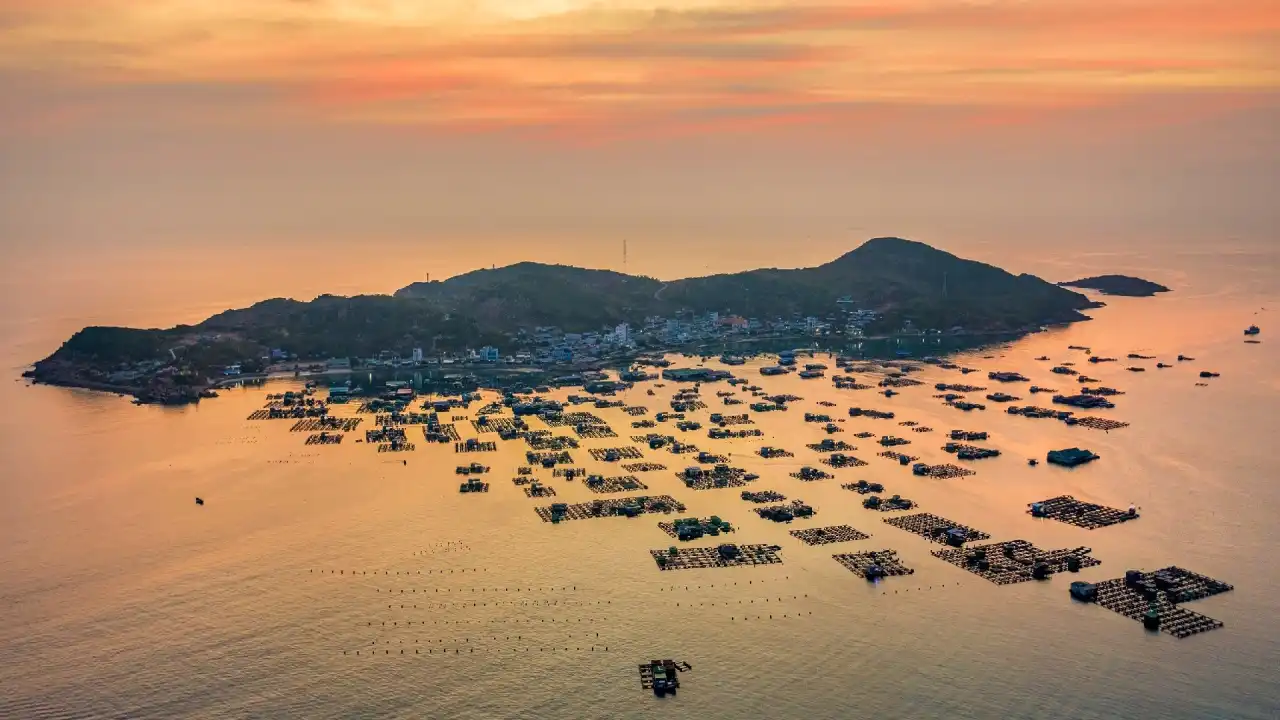
Many travelers imagine the Mekong Delta as a nonstop swirl of floating markets, boat tours, and river traffic. An Binh flips that idea. This island village near Vinh Long is calm, framed by fruit orchards where pomelo, rambutan, and longan ripen in heavy clusters. Expect narrow bridges, gentle waterways, and bicycles that seem older than your earliest travel memories. Evenings are particularly beautiful, touched by lantern-glow and the sound of boats returning home. If the Mekong sometimes feels overwhelming, An Binh reminds you that the delta can also be deeply restful.
Pho Bang Village: Vietnam’s Forgotten Frontier
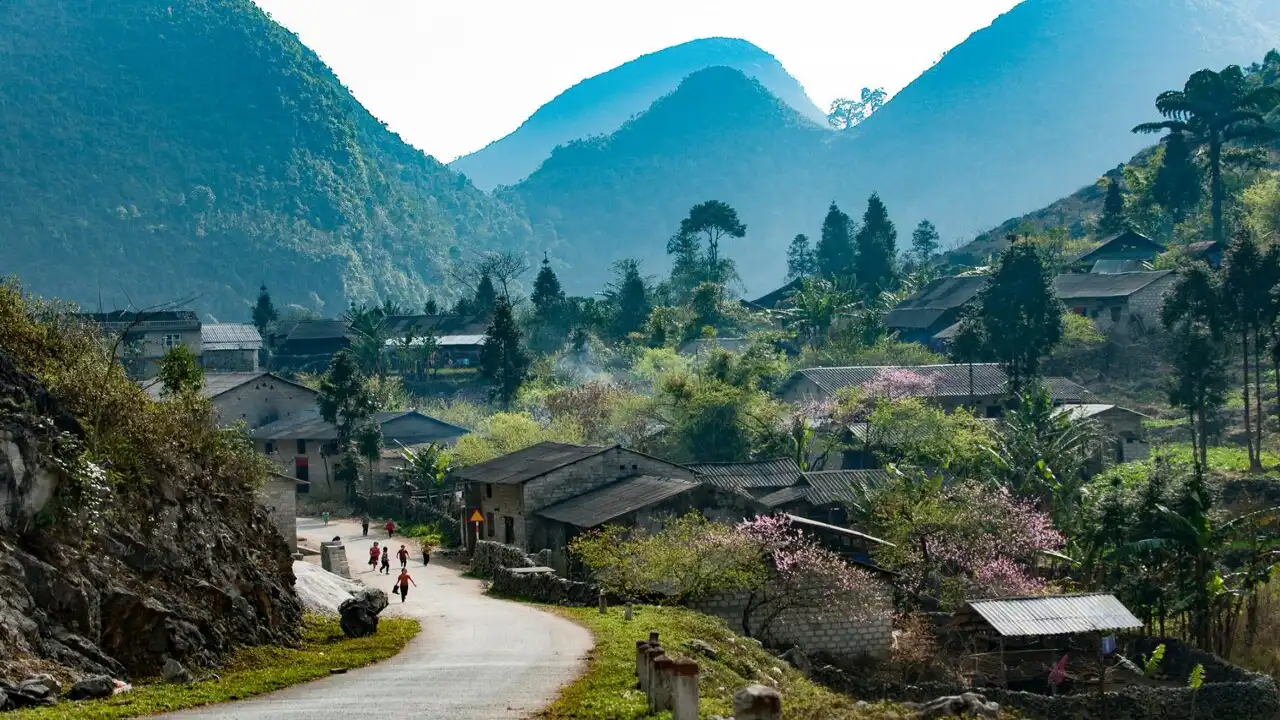
Pho Bang, located in the Ha Giang region, is often described as a village that time misfiled somewhere in the archives. Traditional earthen houses line quiet alleys, their wooden frames aged but dignified. Flowers grow unpredictably along the streets, as if the village decided to decorate itself in a slightly chaotic manner. The surrounding limestone mountains form a kind of natural amphitheater. Morning fog slides in slowly, almost theatrically but without trying to be dramatic. Pho Bang feels distant in the best way. If you’ve ever wanted to see the raw edge of northern Vietnam without crowds, this is where the journey pays off.
What Makes These Villages Worth the Detour?
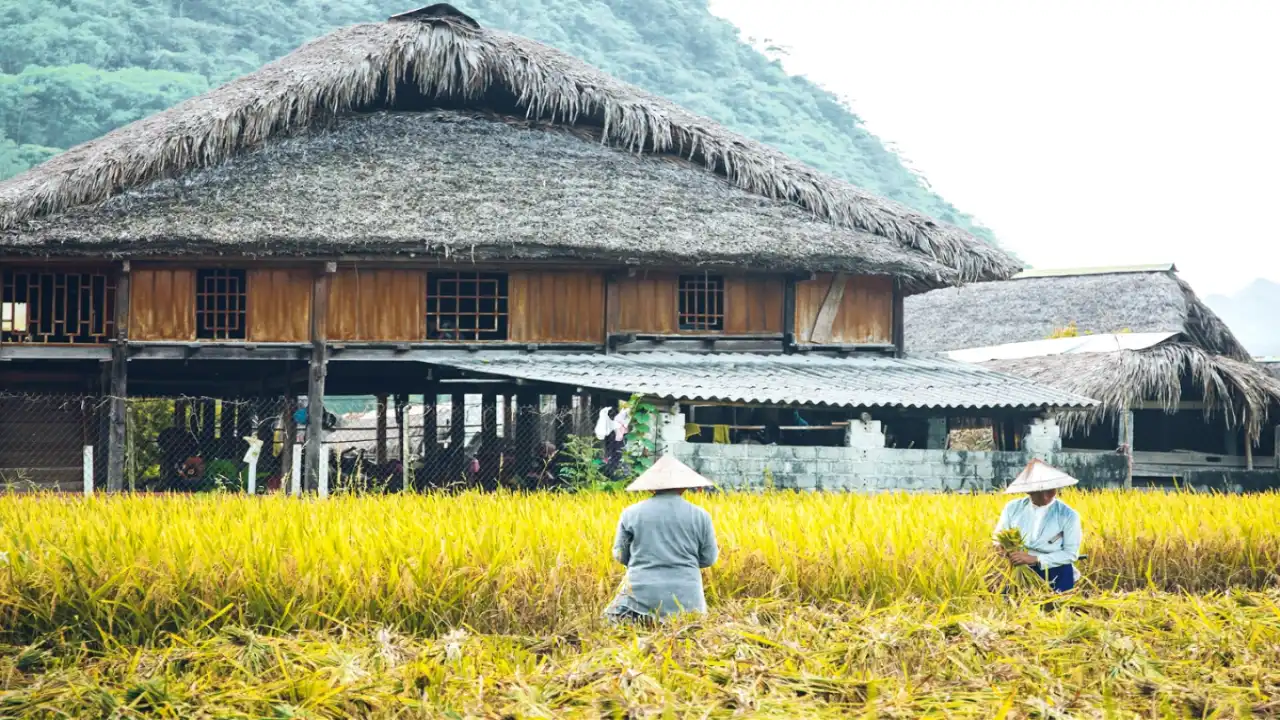
You might wonder what binds these six places together. None of them competes for attention. None are polished into the kind of tourist spectacle that shows up in glossy brochures. They are villages with everyday realism still intact.
Across them, you notice:
- A sense of place that has not been diluted
- Locals who interact naturally rather than perform hospitality
- Landscapes that feel lived in rather than simply scenic
- Traditions that still shape the community’s rhythm
They are the opposite of curated travel. And that is why they feel so memorable.
A Subtle Nod to Planning
Some travelers choose to mix these quiet stops into broader itineraries, especially when choosing a Vietnam tour package or considering multi-stop plans. Others try to weave one or two of these villages into a cross-country adventure included within international packages organized for slow travelers. For grounded guidance, seasoned travelers often turn to Travel Junky, which tends to highlight experiences that avoid the overly obvious. Not in a loud way, simply with the kind of editorial instinct that helps you avoid shallow routes.
Conclusion
Travel in Vietnam becomes richer when you let the quieter corners have a voice. The villages above are not waiting to be discovered; they are simply continuing their lives while the world looks elsewhere. Visiting them changes the mood of a journey. It slows your steps, sharpens your senses, and reminds you why wandering off the recorded route is sometimes the most rewarding part of travel. In a country overflowing with highlights, the hidden places are often the ones that stay with you the longest.
Pro Tips
- Carry a light rain jacket. Rural skies surprise you.
- Learn a few Vietnamese greetings. Even a small effort warms interactions.
- Don’t rush the mornings. Villages often reveal their personality before 9 AM.
- Skip tight schedules. These places reward those who linger.
- If you rent a bicycle, double-check the brakes. Rural roads have their own logic.
- Ask before taking photos in family compounds. Courtesy matters more in smaller communities.