What Is the Best Train Journey in Vietnam? A Guide to Scenic Routes and Tips for Booking
Introduction
If you’ve ever imagined watching mountains slide past your window, or catching short glimpses of fishing villages while sipping a hot coffee, Vietnam’s rail routes come surprisingly close to the classic “slow travel” dream. Technology has made travel quicker, but trains in Vietnam tour still move at a pace that feels human. They give you time to look, breathe, and take in landscapes that a quick flight would make you forget. And suppose you are wondering which one tops the list of the best train journeys in Vietnam, the answer depends on the kind of traveller you are: comfort seeker, scenery lover, cultural explorer, or someone who simply wants a different way to travel. This guide covers the most beautiful train routes, what to expect onboard, how booking works, local tips, and small things you’ll wish someone had told you earlier. It’s written from the mindset of someone who has seen travellers make small mistakes and great discoveries while understanding the charm of rail travel here.
Why Train Travel in Vietnam Feels Different
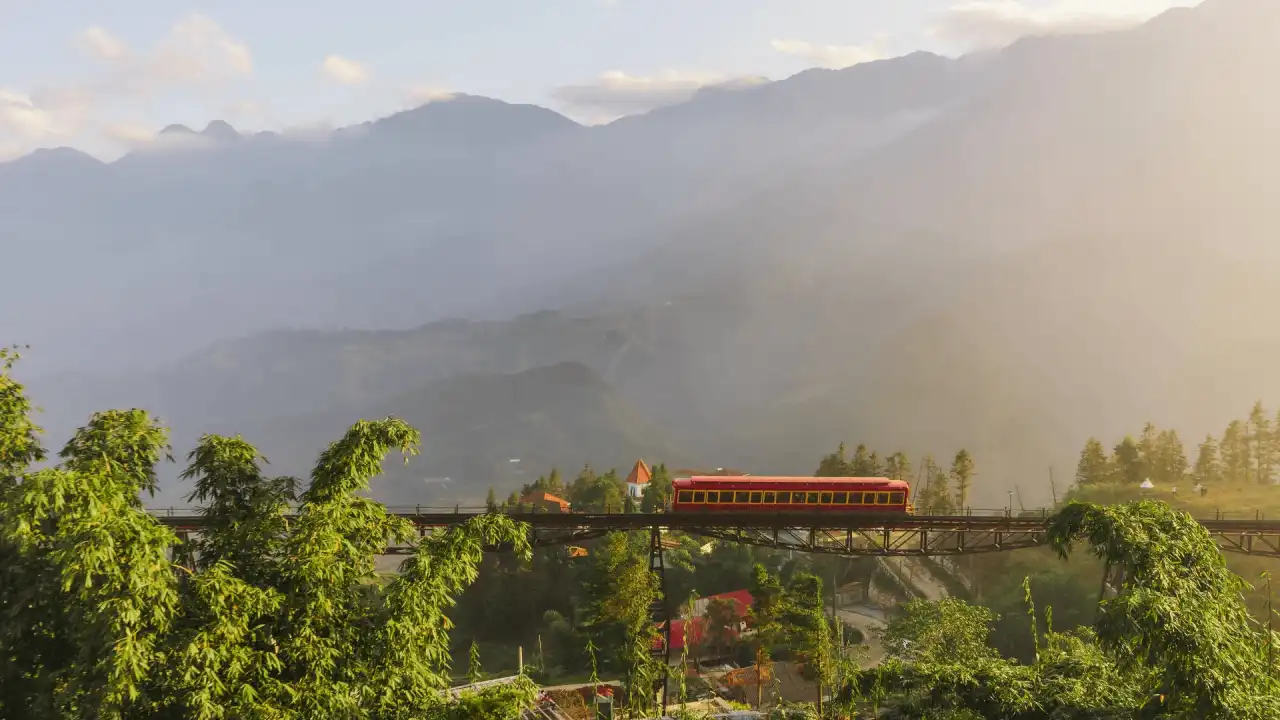
What surprises most travellers is how ordinary and yet meaningful Vietnamese train journeys feel. You don’t get luxury or ultra-modern interiors, but you get movement through real life. The train cuts through towns, rice fields, forests, and coastal towns that don’t look edited or staged. You share the space with local families carrying snacks wrapped in paper, older couples reading newspapers, and backpackers who end up making friends over late-night noodles. Unlike a long road trip, trains let you rest. And unlike flights, trains don’t rush the experience. You sit and see Vietnam stretch out slowly, almost like flipping through pages of a travel diary. Most importantly, train travel here is safe, scenic, affordable, and connects major destinations without the stress of airports.
1. Hanoi to Lao Cai (Sapa Line): The Classic Night Train Experience
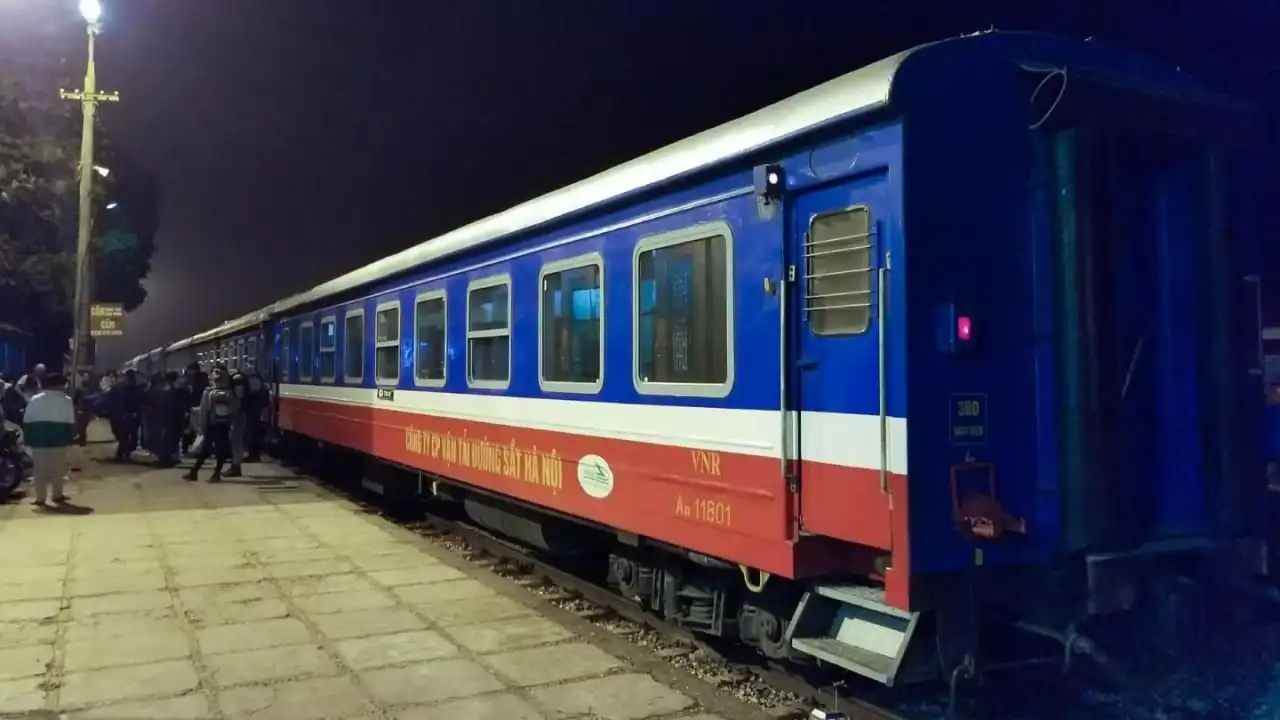
If you talk to anyone who has been to Sapa, they’ll tell you the same thing: the journey begins long before you reach the mountains. The Hanoi–Lao Cai route is Vietnam’s most popular sleeper train path. It leaves from the lively streets of Hanoi and arrives near the cool mountain town of Sapa, a place known for terraced fields, misty mornings, and ethnic minority villages.
Why This Route Stands Out
- It’s comfortable and ideal for overnight travel
- You sleep through most of the distance
- The early-morning arrival gives you a “new-day” feeling as soon as you step out
- Safe for solo wanderers and families
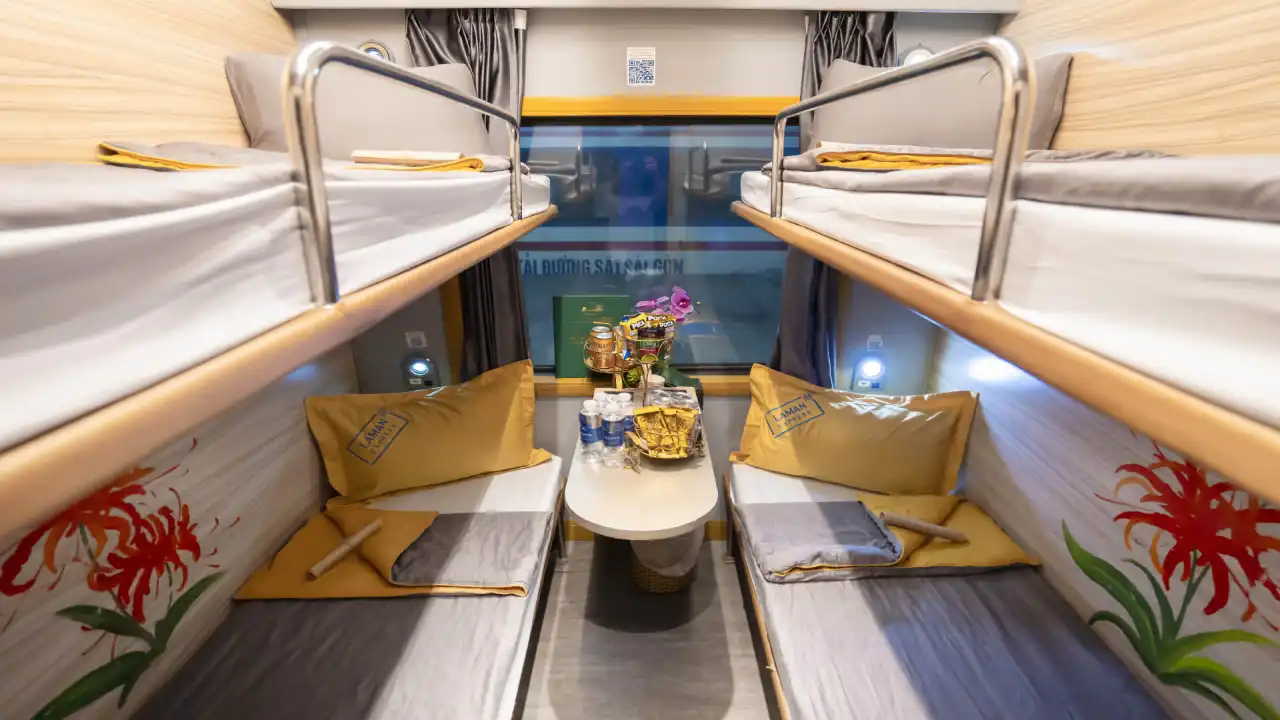
- Special tourist cabins offer softer beds, cleaner interiors, and quieter sections
Best For
Travellers who want a mix of convenience and scenery: families, couples, and anyone traveling north.
What You’ll See
You won’t see much at night, but the sunrise near Lao Cai is worth the ride. Mist over the mountains gives a soft start to the day, and local life around the station feels refreshingly non-touristy.
Pro Tips
- Book a “soft sleeper, 4-berth” if you can
- Bring a light jacket, the AC can be strong
- Don’t rely on the train food; carry snacks
- If you’re a light sleeper, ask for a lower bunk
2. Hanoi to Da Nang: Vietnam’s Most Scenic Railway Stretch
If there’s one route that feels like a movie scene, this is it. Think about cliffs, deep blue sea views, quiet lagoons, and tiny houses tucked between mountains. The train literally hugs the coastline for part of the journey, especially near the Hai Van Pass. Many travellers consider this route the most scenic part of the entire north-south line and they aren’t wrong.
Why This Route Stays in Memory
- Long, unbroken views of the ocean
- The famous Hai Van Pass section
- Slow turns that let you take photos
- A journey that feels calming rather than tiring
Best For
Nature lovers, photographers, slow travellers.
What You’ll See
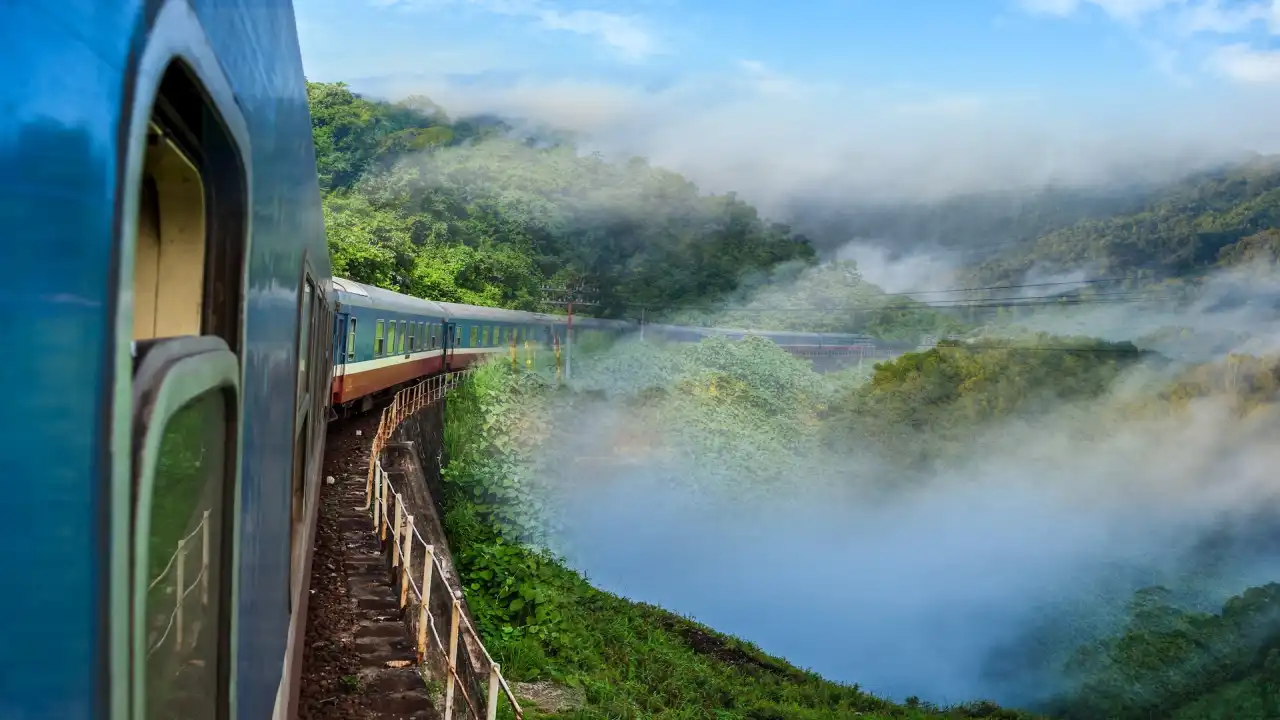
- Cloud-covered mountain curves
- Small fishing boats resting in quiet bays
- Coastal villages
- Dense forests
- Blue water stretches out endlessly
Pro Tips
- Choose a daytime train to catch the scenery
- Sit on the left side when heading south (towards Da Nang) for the best coastal views
- Bring a power bank, the older trains don’t have reliable charging points
3. Da Nang to Hue: Short, Scenic, and Easy
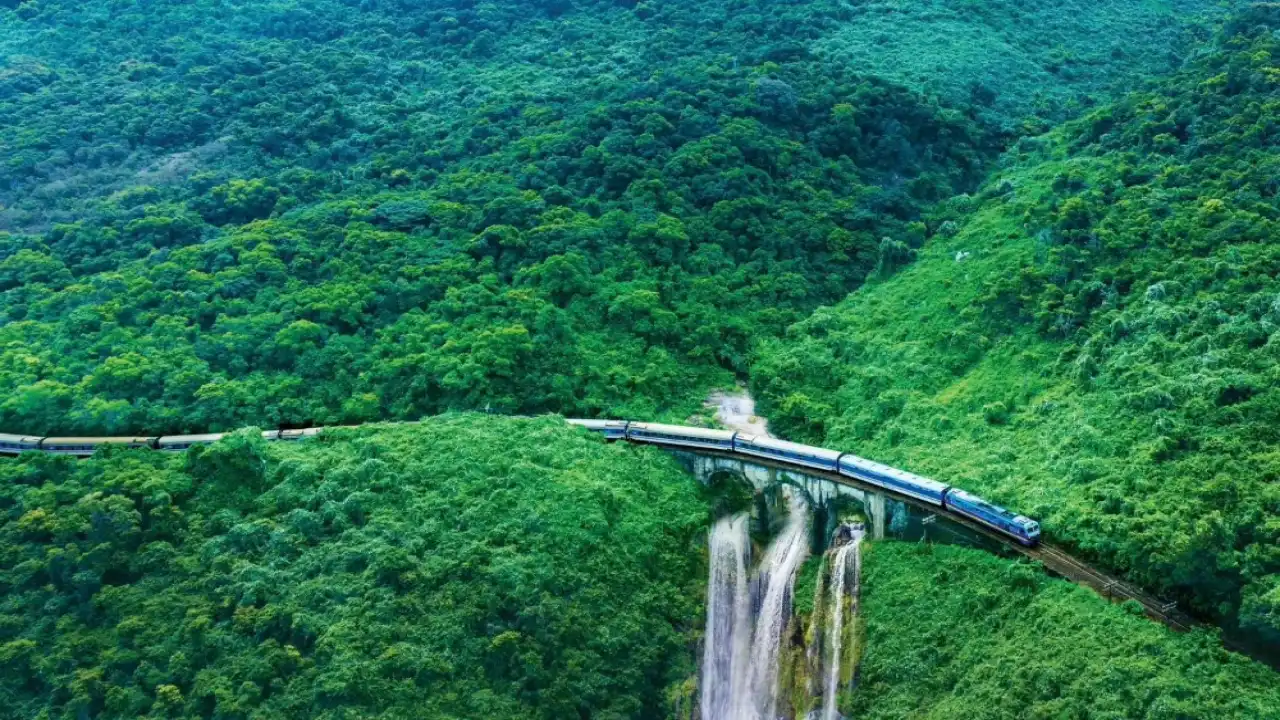
People often underestimate this route because it’s short. But that’s exactly why it’s so enjoyable. It’s like sampling the best part of the longer Hanoi–Da Nang journey without committing to many hours on the train. The stretch from Da Nang to Hue also crosses the Hai Van Pass, making it one of the most photographed rail routes in Vietnam.
Why It’s Worth Taking
- One of Asia’s most scenic short train rides
- Budget-friendly
- Great option for families and older travellers who prefer shorter journeys
- Very relaxed pace
What You’ll See
- Mountains on one side
- Blue ocean on the other
- Long curves that reveal new views every few minutes
- Tiny stations that look frozen in time
Pro Tips
- Try to take the morning train for softer sunlight
- Avoid weekends if you want a quieter cabin
4. Ho Chi Minh City to Nha Trang: Beaches, Sunlight, and Easy Travel
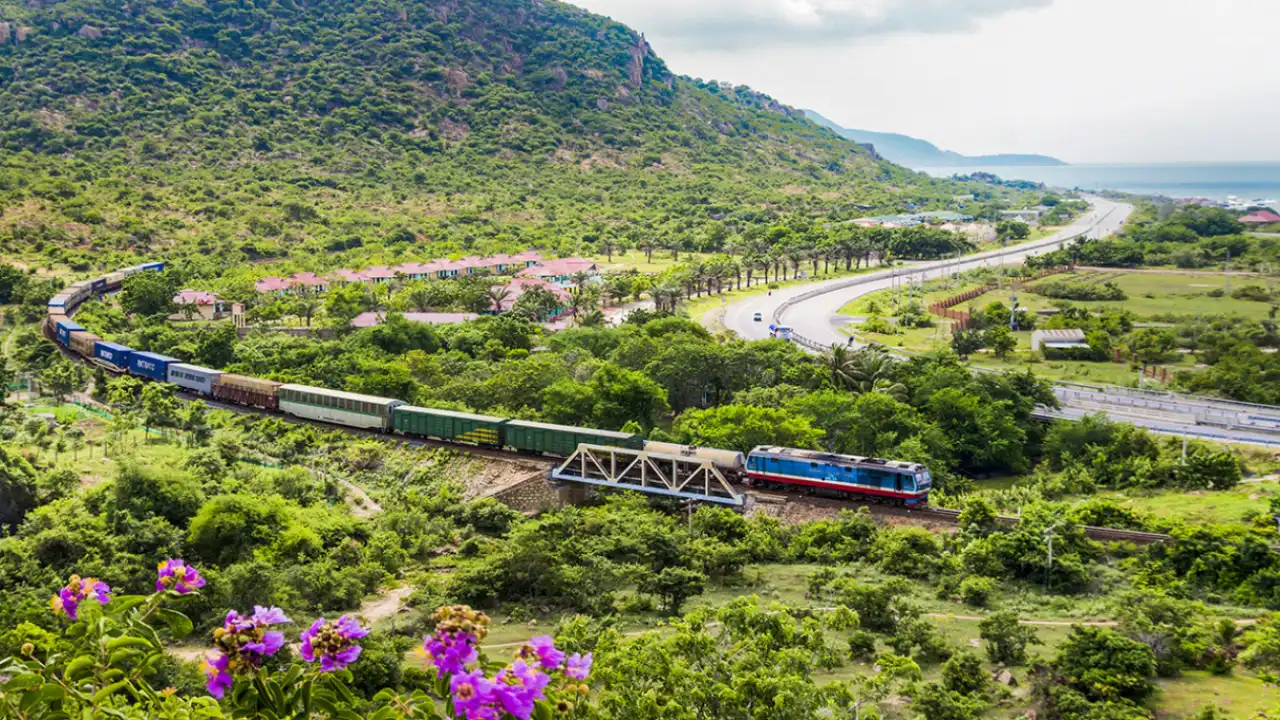
If the northern routes feel misty and mountain-focused, the southern route feels cheerful and bright. The train from Ho Chi Minh City to Nha Trang is perfect for travellers who want to move toward the coast without long hours on the road. This ride is a smooth entry into seaside Vietnam.
Why People Like This Route
- Comfortable ride with clean cabins
- Day journey offers long stretches of coastal farmland
- Affordable upgrade options
- Great for travellers heading to beach resorts
What You’ll See
- Wide open fields
- Local markets near small stations
- Flat landscapes slowly turning into beachside scenery
- Palm trees, warm sunlight, and coastal roads
Pro Tips
- Afternoon trains are less crowded
- Window seats matter here; book early
- If you love beaches, Nha Trang makes a good break in your travel route
5. Ho Chi Minh City to Phan Thiet (Mui Ne): Short and Sunny
If you’re heading to Mui Ne, this is the easiest and safest way to go. The train is quicker and more comfortable than buses, and the landscapes feel warm and slightly desert-like as you approach the coastline.
Why It’s Popular
- Fast
- Clean, modern cabins
- Easy transfer to Mui Ne resorts
- Good for last-minute plans
What You’ll See
- Dry landscapes
- Light coastal views
- Village life
- Long open fields
Pro Tips
- Avoid peak holiday times; tickets sell out
- Don’t expect big food options onboard; pack your own
Understanding Vietnam’s Trains: What to Expect Onboard
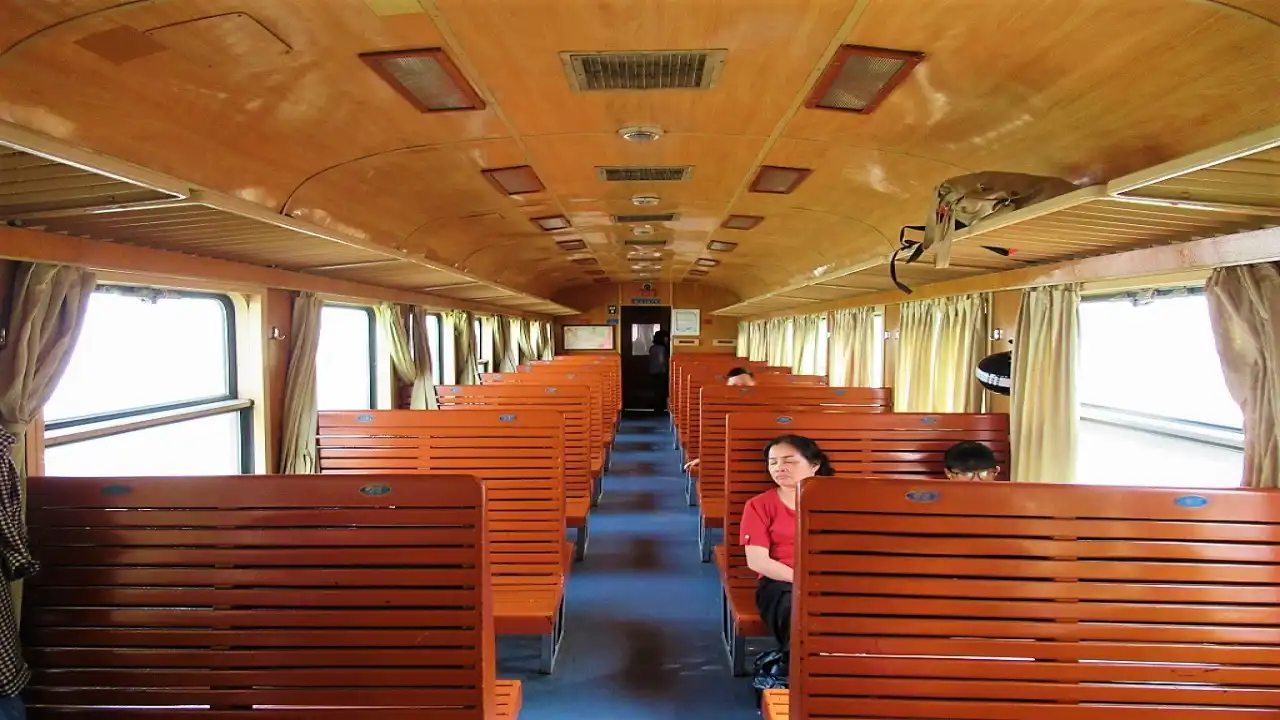
Vietnamese trains are not luxury trains, but they are functional, comfortable enough, and safe. Most travellers are pleasantly surprised by the level of cleanliness and the sense of order on overnight trains.
Cabin Types
- Hard seat – cheapest, but not recommended for long journeys
- Soft seat – comfortable for daytime routes
- Hard sleeper (6-berth) – budget-friendly but tight
- Soft sleeper (4-berth) – best balance of comfort and privacy
- VIP Sleeper (2-berth, limited) – offered by some private cabin operators
Facilities
- Clean bedding (may vary)
- Basic toilets
- Air-conditioning
- Small table or folding tray
- Charging sockets (not always reliable)
- Snack sellers moving through cabins
Safety
Overall good, especially compared to buses. Keep your valuables close, and don’t leave gadgets charging unattended.
Choosing the Best Seats and Cabins: Practical Tips
After seeing many travellers get confused at booking time, here are the things worth knowing:
Seats
- For scenic routes (Da Nang–Hue or Hanoi–Da Nang), window seats matter
- Avoid seats near the connecting doors; they’re noisy
Cabins
- Upper berths are quieter but harder to climb
- Lower berths are more comfortable but cost slightly more
- For privacy, choose private tourist cabins if your budget allows
Booking Tips
- Trains fill up fast during local holidays
- Book from reliable official sites or stations
- Don’t wait till the last moment for scenic routes
When to Travel by Train in Vietnam
While trains run all year round, some seasons make the experience better:
Best Months
- February to April
- September to November
These months offer clear skies, comfortable temperatures, and less tourist crowding.
Avoid
- Tet Holiday (Vietnamese New Year) is extremely crowded
- Peak summer weekends are difficult to find good seats
Budget Planning: What Train Travel Usually Costs
While prices vary, train tickets in Vietnam remain affordable compared to flights.
Approximate Price Ranges
- Soft seat (day trains): budget-friendly
- Hard sleeper: moderate
- Soft sleeper: mid-range to higher
- Tourist/private cabins: premium
Compared to flying, trains may take longer but save money and offer a fuller experience.
Small Mistakes Travellers Often Make And How to Avoid Them
1. Booking night trains when they actually want to see scenery
A daytime train from Da Nang to Hue is far more memorable than a night ride.
2. Not packing essentials
Wet wipes, water, snacks, and a power bank go a long way.
3. Expecting luxury
Vietnamese trains are comfortable but simple.
4. Choosing the wrong berth
Tall travellers should avoid upper berths.
5. Ignoring local holidays
Prices spike, trains fill quickly, and travel becomes stressful.
Useful Things to Carry on a Train in Vietnam
- Light blanket or shawl
- Snacks (fruits, nuts, biscuits)
- Wet wipes
- Printed or digital ticket
- Power bank
- Earplugs
- Small lock for your bag
- Refillable water bottle
Food on Vietnamese Trains: What to Expect
Trains offer basic meals, rice boxes, noodles, tea, and instant coffee. They’re okay for emergencies but not the best choice.
Better Food Options
- Buy bánh mì before boarding
- Carry instant noodles if your train has hot-water dispensers
- Stock some fruits or packaged snacks
Who Should Take Trains in Vietnam?
Trains suit people who appreciate experiences rather than speed.
Perfect For
- Backpackers
- Families
- Couples
- Budget travellers
- Photography lovers
- People who get car sick on winding roads
Not ideal for those who prefer luxury travel or have very tight schedules.
Are Trains Better Than Buses in Vietnam?
In most cases, yes.
Why Trains Win
- Safer
- More comfortable
- Better for overnight travel
- More space to move around
- Predictable schedules
Buses are cheaper but can feel cramped and tiring on long routes.
When Flying Might Be Better
- If you’re short on time
- If travelling with toddlers over long distances
- During the rainy season, when delays can happen
Conclusion
There isn’t one “perfect” train route in Vietnam, and honestly, that’s the good part. Each one shows you a different slice of the country.
If you’re after mountains, go for the Hanoi to Lao Cai (Sapa) line.
If you want long ocean views, the Hanoi to Da Nang stretch does that better than anything else.
If you prefer something short but still scenic, Da Nang to Hue is the easiest pick.
If beaches are your thing, take the Ho Chi Minh City to Nha Trang train.
And if you just want quick access to the coast without a long ride, Ho Chi Minh City to Phan Thiet is the simple option.
Whichever you choose, trains here naturally slow you down in a good way. You sit, look out the window, and catch the small things: villages passing by, sunlight sliding over the fields, people hopping on and off with their bags. Nothing dramatic, but those moments stick more than you’d expect.
If you’re planning your trip through an international package or going on your own, Vietnam’s train routes still give you the same feeling: real, affordable, and not rushed. No big planning, no stress, just pick a route and go.