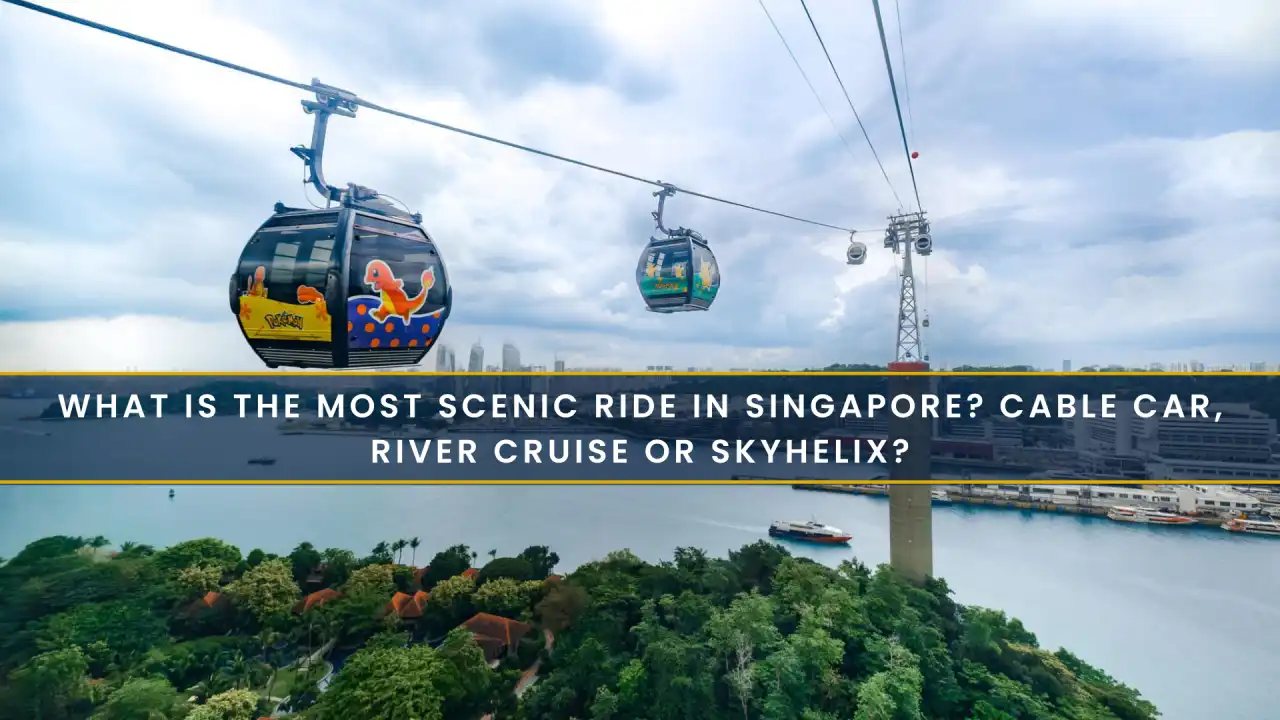
What Is the Most Scenic Ride in Singapore? Cable Car, River Cruise or SkyHelix?
Introduction
Can a city built on efficiency still surprise you when you stop moving fast? Singapore often feels engineered to function rather than linger, yet some of its most revealing moments happen when you surrender control and let the city carry you. Elevated, floating, or slowly rotating, these rides do more than offer views. They rearrange perspective. Choosing the most memorable among them is not about height or novelty, but about how the city feels when you stop walking and start observing. That question sits at the heart of exploring scenic rides Singapore, a small but telling window into how this city reveals itself. Singapore is a place where infrastructure doubles as experience. Urban design is deliberate, views are curated, and movement itself becomes storytelling. These scenic rides offer three very different narratives of the same city.
Understanding Singapore Through Motion

Singapore rarely overwhelms. It edits. The skyline is measured, waterways are disciplined, and even green spaces feel intentional. Scenic rides work here because they compress complexity into short journeys. In minutes, you pass through decades of history, urban ambition, and natural restraint. For travelers, these experiences often become anchors. There are pauses between itineraries, moments where the city explains itself without commentary.
The Singapore Cable Car: Height, Distance, and Context
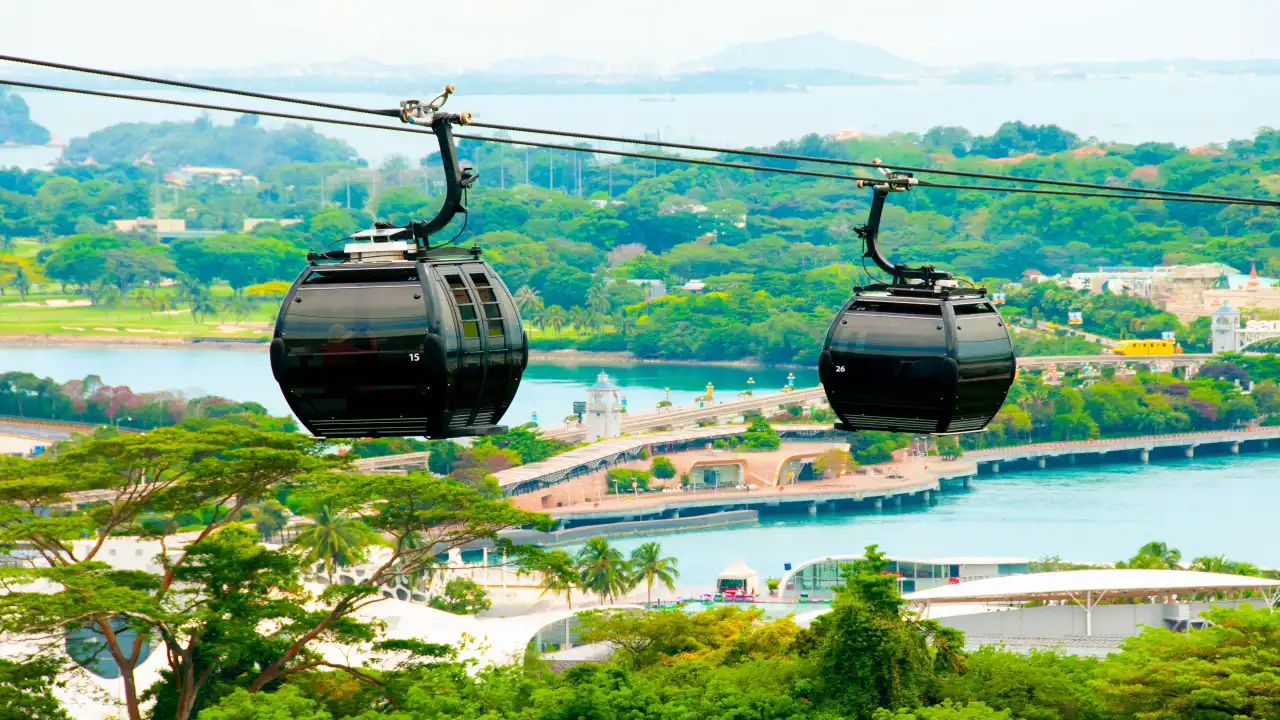
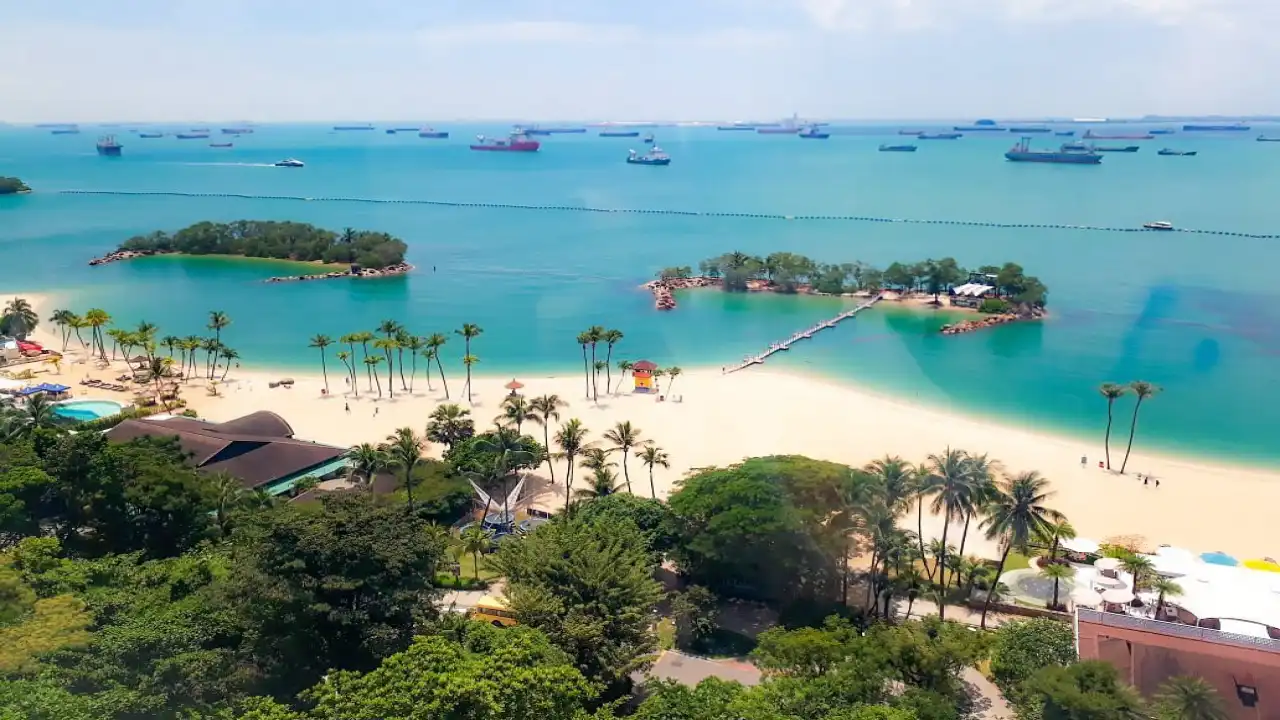
The Singapore cable car remains one of the city’s most quietly impressive experiences. It does not rush. Cabins glide from Mount Faber across open water toward Sentosa, lifting you just high enough to see how land use, coastline, and architecture interlock. What makes this ride compelling is not drama, but distance. The city unfolds slowly beneath you. Container ships pause offshore. Roads align with purpose. Green spaces appear less decorative and more structural. From above, Singapore looks calm rather than crowded. Inside the cabin, conversation often fades. The movement is steady, almost meditative. This ride suits travelers who appreciate scale and composition, those who want to see how a city fits together rather than how tall it climbs.
When the Cable Car Works Best
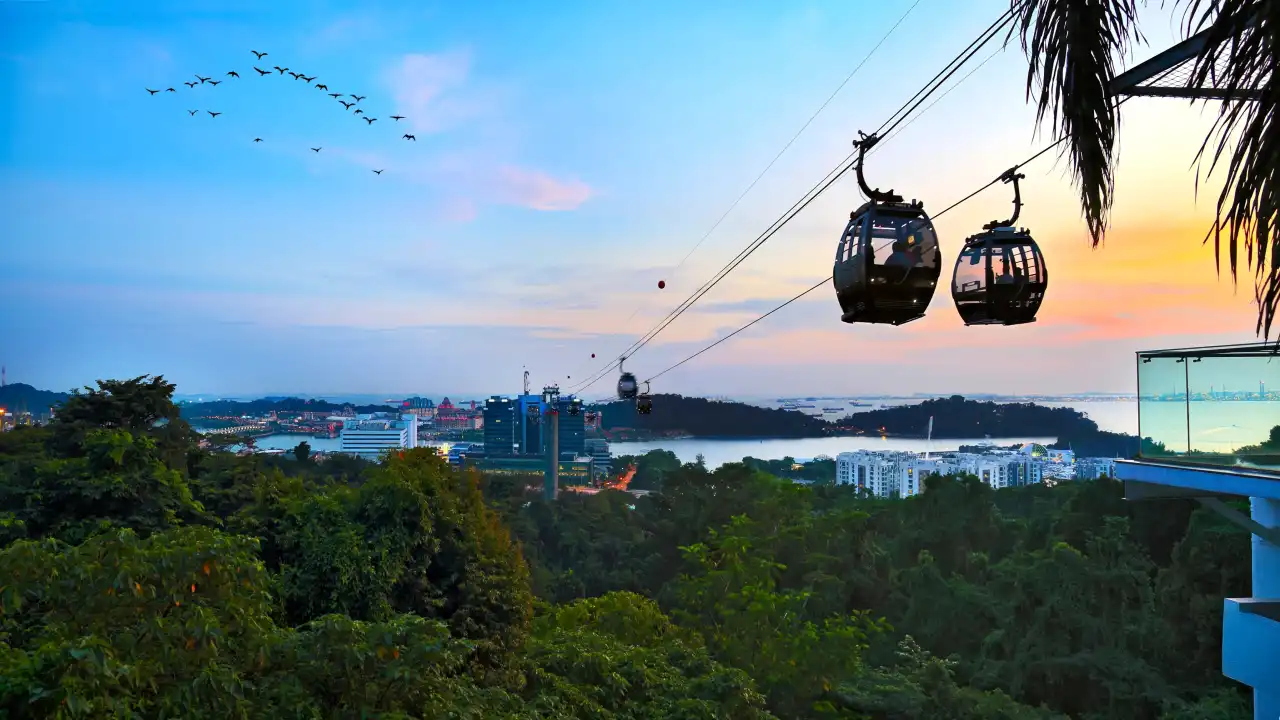
Timing matters here. Late afternoon light softens the city’s edges. Evening rides trade clarity for atmosphere, with lights tracing patterns that only make sense from above. This ride appeals to photographers, planners, and anyone who enjoys seeing cities as systems rather than attractions.
The Singapore River Cruise: History at Water Level
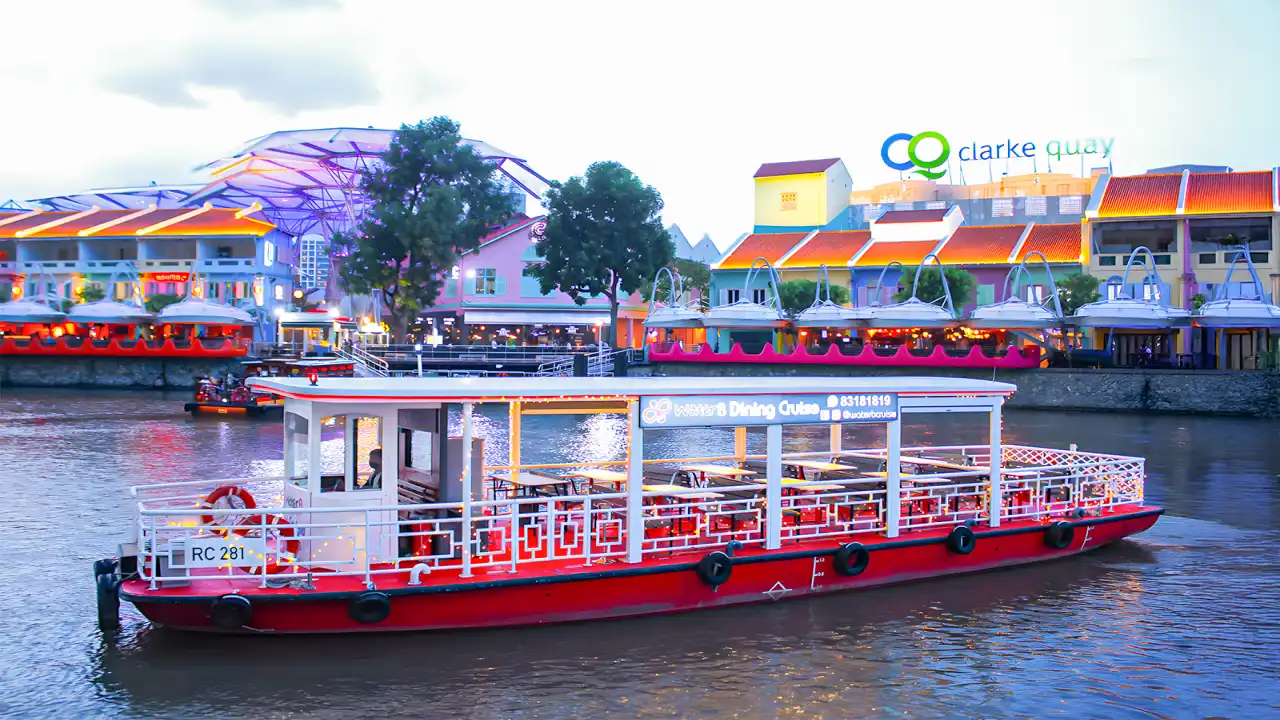
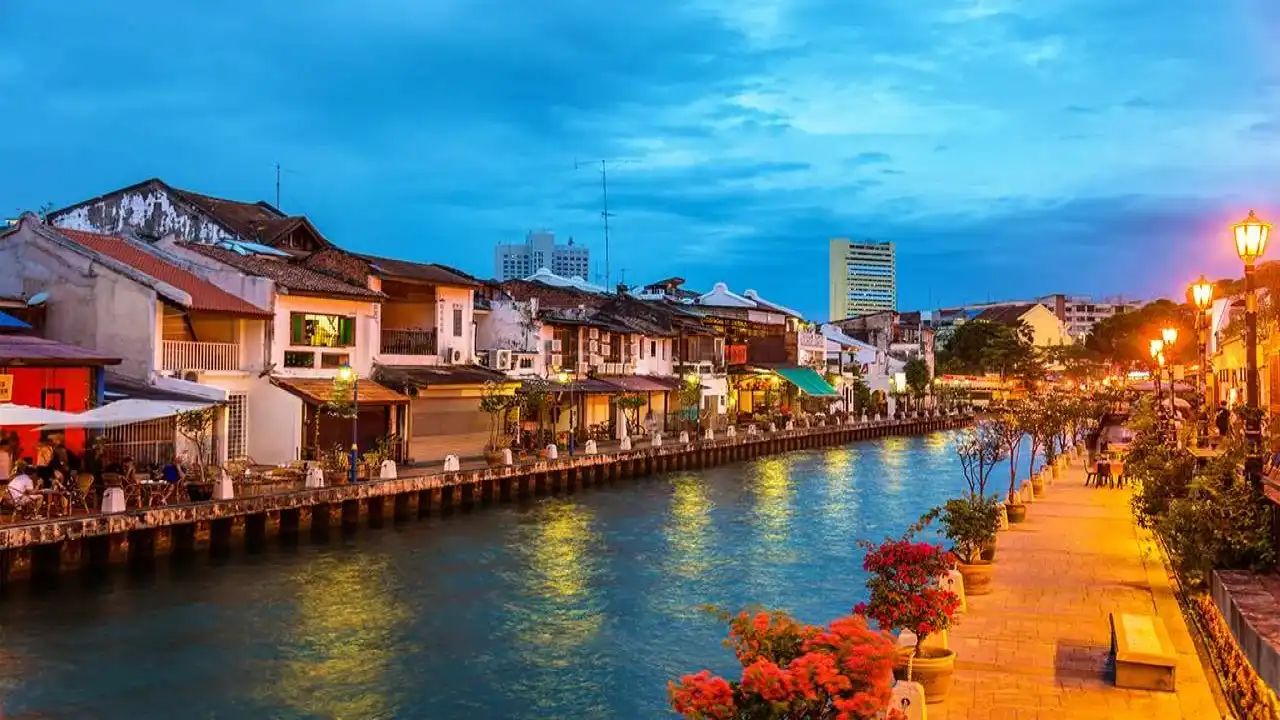
If the cable car offers distance, the Singapore river cruise offers intimacy. Boats move slowly along the Singapore River, passing colonial facades, restored warehouses, and modern towers that rise abruptly behind older structures. This ride feels conversational. Commentary fills in context, but the real story comes from proximity. You are close enough to see details. Balconies. Signage. The quiet confidence of buildings that have adapted rather than disappeared. Water changes perspective. The city feels older from here, layered rather than planned. The river once carried trade; now it carries stories. The pace encourages observation, making this ride ideal for travelers interested in how Singapore became what it is.
Why the River Cruise Resonates
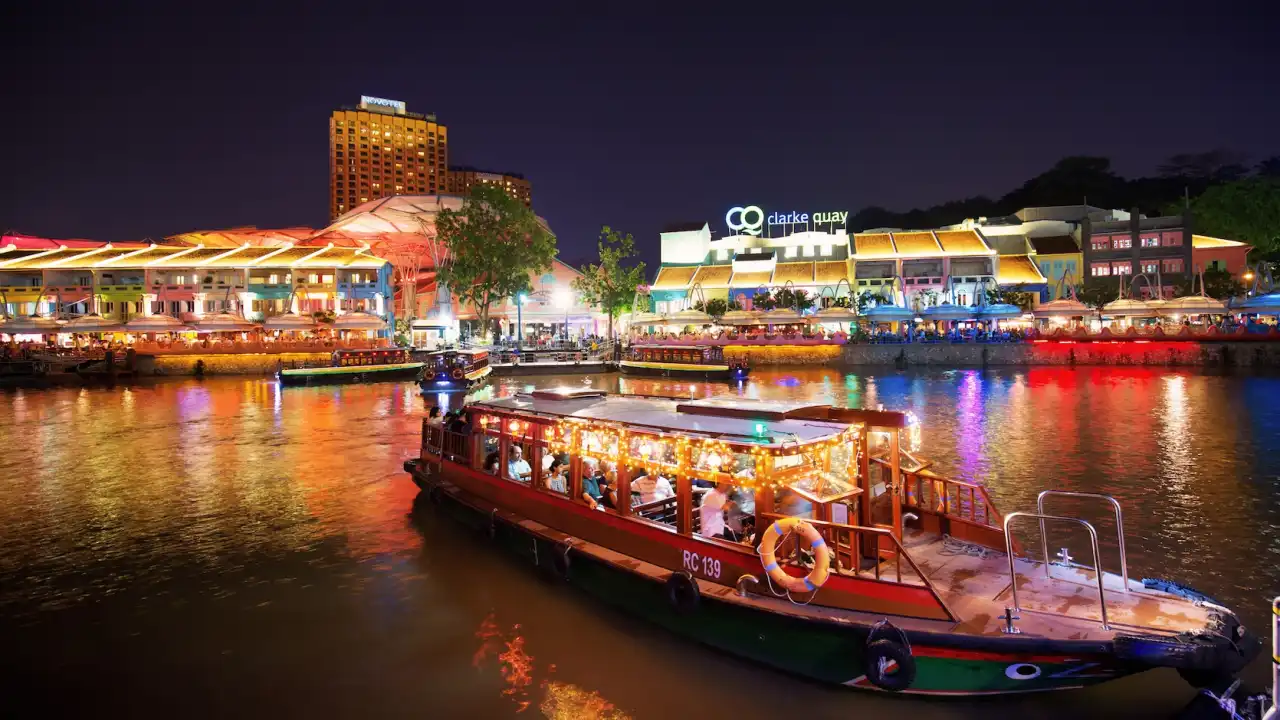
This experience suits first-time visitors and history-focused travelers. It connects landmarks into a narrative rather than isolating them as stops. Unlike elevated rides, it roots you in continuity. Evenings add reflection, literally and figuratively. Lights ripple on water, and the city seems less precise, more human.
SkyHelix Sentosa: A Controlled Sense of Height

SkyHelix is the newest contender and perhaps the most divisive. Unlike the cable car, SkyHelix does not travel. It rises vertically, rotates gently, then descends. The view is panoramic, framed by sea on one side and greenery on the other. This ride is brief, carefully choreographed, and unmistakably modern. It delivers sensation in compact form. You feel elevation without distance. The experience is about pause rather than a journey. SkyHelix works well for travelers short on time or those who enjoy contained experiences. It is scenic, but intentionally limited. The city reveals itself in fragments rather than flow.
Comparing Experience Over Spectacle
Choosing between these rides depends on temperament more than preference. Each offers a distinct reading of Singapore.
- Cable car emphasizes structure and scale.
- River cruise highlights history and continuity.
- SkyHelix delivers controlled perspective and novelty.
None replaces the others. They complement different ways of seeing.
How Scenic Rides Fit Into Travel Planning
These rides often appear as add-ons in a Singapore tour package, but treating them as fillers misses their value. They are not transitions between attractions. They are experiences in their own right.
For travelers comparing international packages, Singapore’s scenic rides stand out because they integrate infrastructure with leisure seamlessly. Few cities use transport as storytelling this effectively.
Choosing the Most Scenic Ride in Singapore
So which is the most scenic? The answer depends on what you consider scenery.
If scenery means understanding how a city functions spatially, the cable car leads.
If scenery means absorbing history and urban texture, the river cruise excels.
If scenery means a brief, curated visual moment, SkyHelix delivers.
Many seasoned travelers find that the river cruise lingers longest in memory, while the cable car offers the clearest overview. SkyHelix remains an enjoyable punctuation mark rather than a chapter.
Where Travel Junky’s Perspective Fits
Writers at Travel Junky often frame Singapore as a city best understood through movement rather than monuments. Scenic rides capture this idea neatly. They reveal intention, restraint, and rhythm without forcing interpretation. Seen this way, the rides become less about views and more about insight.
Conclusion
Singapore does not compete for attention. It invites consideration. Scenic rides reflect that character, offering measured ways to observe a city that values balance over excess. Whether floating along its river, gliding above its skyline, or pausing briefly at height, each ride reveals a different truth. The most scenic ride in Singapore is not the tallest or newest. It is the one that aligns with how you like to see a city unfold.
Pro Tips
- Choose timing carefully. Late afternoon offers clarity, early evening offers atmosphere.
- Do not stack rides back to back. Let each experience settle.
- Sit quietly when possible. These rides reward observation more than narration.
- If limited to one, pick based on curiosity rather than popularity.